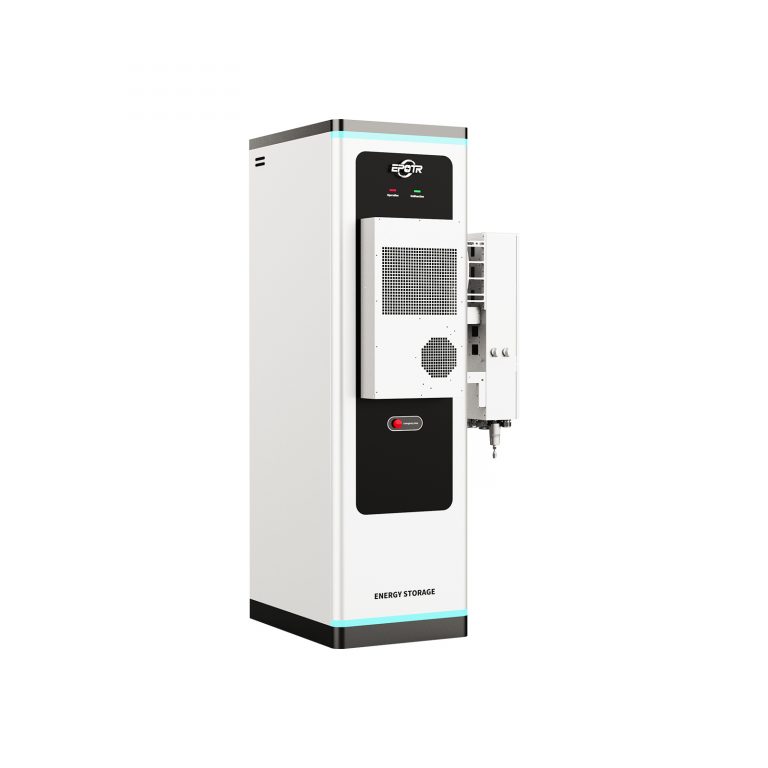

Die Einrichtung einer Solaranlage erfordert mehrere wichtige Entscheidungen. Eine zentrale technische Entscheidung betrifft die Wahl des passenden Ladereglers. Sie können sich für die herkömmliche PWM-Option oder für MPPT entscheiden. Bevor Sie sich mit den technischen Aspekten befassen, hilft es, den Hersteller der Anlage zu kennen, um den Kontext besser zu verstehen.
Als engagierter Teilnehmer in diesem Bereich, EPOTR Das Unternehmen setzt auf moderne Leistungselektronik und intelligente Energiesteuerung zur Reduzierung von CO₂-Emissionen. Gegründet im August 2023, liefert es zuverlässige Solarlösungen Diese Lösungen beheben häufige Probleme im Stromnetz. Wenn Regionen mit häufigen Stromausfällen zu kämpfen haben oder Unternehmen mit erhöhten Energiekosten konfrontiert sind, können geeignete Geräte einen entscheidenden Unterschied machen. Sie entwickeln Systeme, die die Leistung steigern und tatsächliche Energieunabhängigkeit ermöglichen. Die Wahl der besten Option erfordert eine sorgfältige Prüfung, wie die Technologie den alltäglichen Strombedarf deckt.
Warum ist Solarladetechnologie entscheidend für Ihre Energieunabhängigkeit?
Solarzellen fangen direktes Sonnenlicht ein. Um diese Energie sicher an einen Batteriespeicher weiterzuleiten, ist jedoch ein zuverlässiger Spannungsregler erforderlich. Der Laderegler dient als dieser Regler. Er senkt die Spannung, um eine Überhitzung oder Beschädigung der Batterien zu verhindern.
Grundlegende Rolle von Ladereglern in netzunabhängigen Systemen
Der Regler verhindert nachts den Rückstrom. Er schützt außerdem vor Überladung bei starker Sonneneinstrahlung. Ohne dieses Gerät würden die Batterien schnell ausfallen. Die Folge wäre ein Stromausfall nach Sonnenuntergang.
Effizienzunterschiede zwischen PWM- und MPPT-Technologien
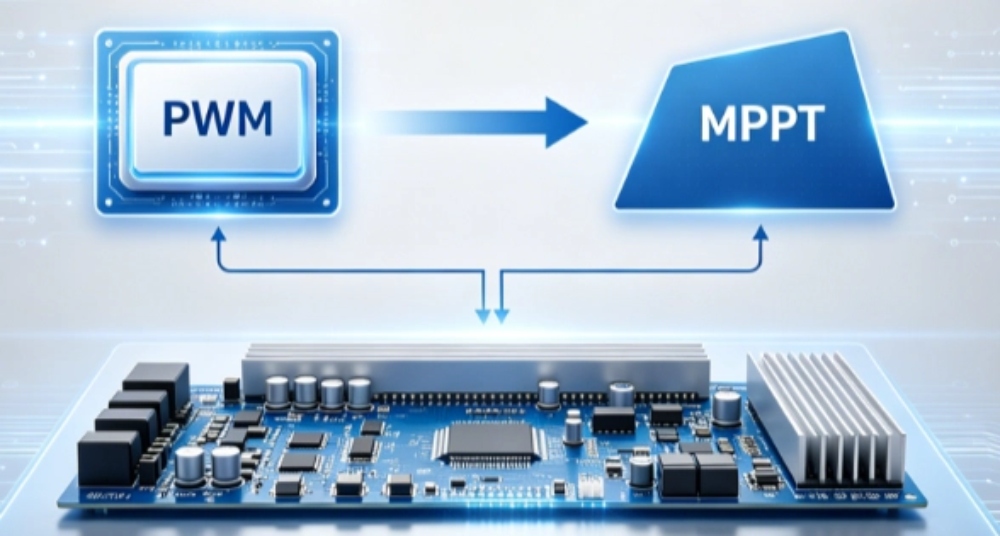
Die Pulsweitenmodulation (PWM) reduziert die Spannung, um sie an den Ladezustand der Batterie anzupassen. Überschüssige Spannung wird verworfen. MPPT verfolgt ein anderes Verfahren. Es ermittelt kontinuierlich die maximale Leistungsaufnahme und wandelt überschüssige Spannung in nutzbaren Strom für die Batteriegruppe um.
Auswirkungen der Controllerwahl auf Akkulaufzeit und Systemstabilität
Die Zufuhr der korrekten Strommenge verlängert die Lebensdauer der Batterie. MPPT-Systeme sorgen häufig für ein gleichmäßiges und präzises Lademuster. Dadurch bleibt das System auch bei plötzlicher Bewölkung im Gleichgewicht.
Ist die PWM-Steuerungsmethode für moderne Solaranwender noch relevant?
Die Pulsweitenmodulation (PWM) existiert bereits seit vielen Jahren. Sie fungiert als schneller Schalter, der die Solarmodule direkt mit dem Batteriespeicher verbindet. Sie unterbricht jegliche Spannung, die über der vom Batteriespeicher verträglichen Spannung liegt.
Niedrige Anfangsinvestitionskosten für Anwendungen im kleinen Maßstab
Für eine kleine Hütte oder eine einfache Beleuchtung in einem Außenlager senkt PWM die Anschaffungskosten. Es ist ausreichend, wenn maximale Effizienz eine untergeordnete Rolle spielt.
Einfache interne Schaltung für grundlegende Wohnbedürfnisse
Weniger Bauteile im Inneren verringern das Risiko von Problemen im Laufe der Zeit. Die Grundstruktur eignet sich problemlos für kleine 12-V- oder 24-V-Systeme.
Leistungsgrenzen von Hochspannungs-Solaranlagen
Bei der Reihenschaltung mehrerer Hochleistungsmodule stößt die Pulsweitenmodulation (PWM) an ihre Grenzen. Sie reduziert die Hochspannung auf das Batterieniveau und verschwendet dadurch einen Großteil der täglich verfügbaren Energie.
Wie revolutioniert die MPPT-Technologie Ihren netzunabhängigen Hybrid-Wechselrichter?
Maximum Power Point Tracking (MPPT) verwendet eine deutlich fortschrittlichere Strategie. Anstatt die Spannung direkt zu übertragen und den Überschuss abzuschneiden, überwacht es die Ausgangsleistung genau. Anschließend passt es die elektrische Last exakt an die Batterie an.
Maximum Power Point Tracking für optimierte Energiegewinnung
MPPT wandelt überschüssige Spannung in mehr Strom um. Dadurch wird deutlich mehr Leistung aus denselben Solarzellen gewonnen. Dies ermöglicht es dem System, die Batterien in der verfügbaren Tageslichtzeit schneller aufzuladen.
Überragende Leistung bei wechselnden Wetterbedingungen und schwachem Licht
Bei Tageslicht oder Bewölkung ändert sich die Spannung der Solarmodule häufig. MPPT reagiert sofort, um einen gleichmäßigen Energiefluss zum Speicher zu gewährleisten. PWM hingegen lässt Leistung außer Acht, die es nicht erfassen kann.
Nahtlose Integration mit Hochleistungs-Lithium-Batteriebänken
Lithiumbatterien erfordern exakte Ladeeinstellungen. MPPT-Laderegler erfüllen diese Anforderungen präzise. Praxisergebnisse belegen die Leistungsfähigkeit dieser Kombination. Beispielsweise konnten in Regionen wie Nigeria zuverlässige Solar- und Speichersysteme Stromausfälle um 70 % reduzieren. Zudem ermöglichten sie es kleinen Fabriken, ihre Energiekosten um 60 % zu senken.
Warum sollten Sie sich für den netzunabhängigen Hybrid-Wechselrichter EPH für Ihr Zuhause entscheiden?
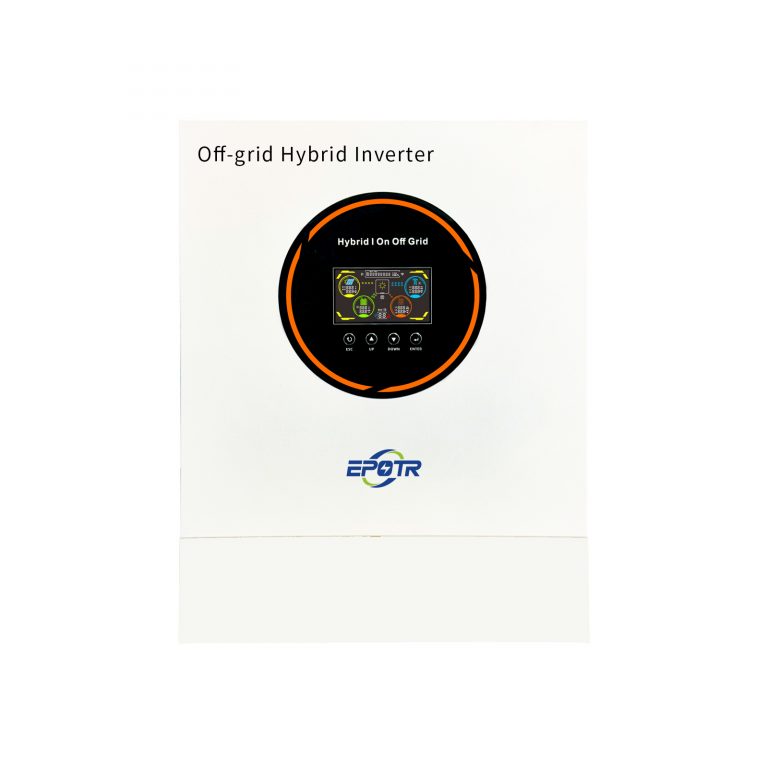
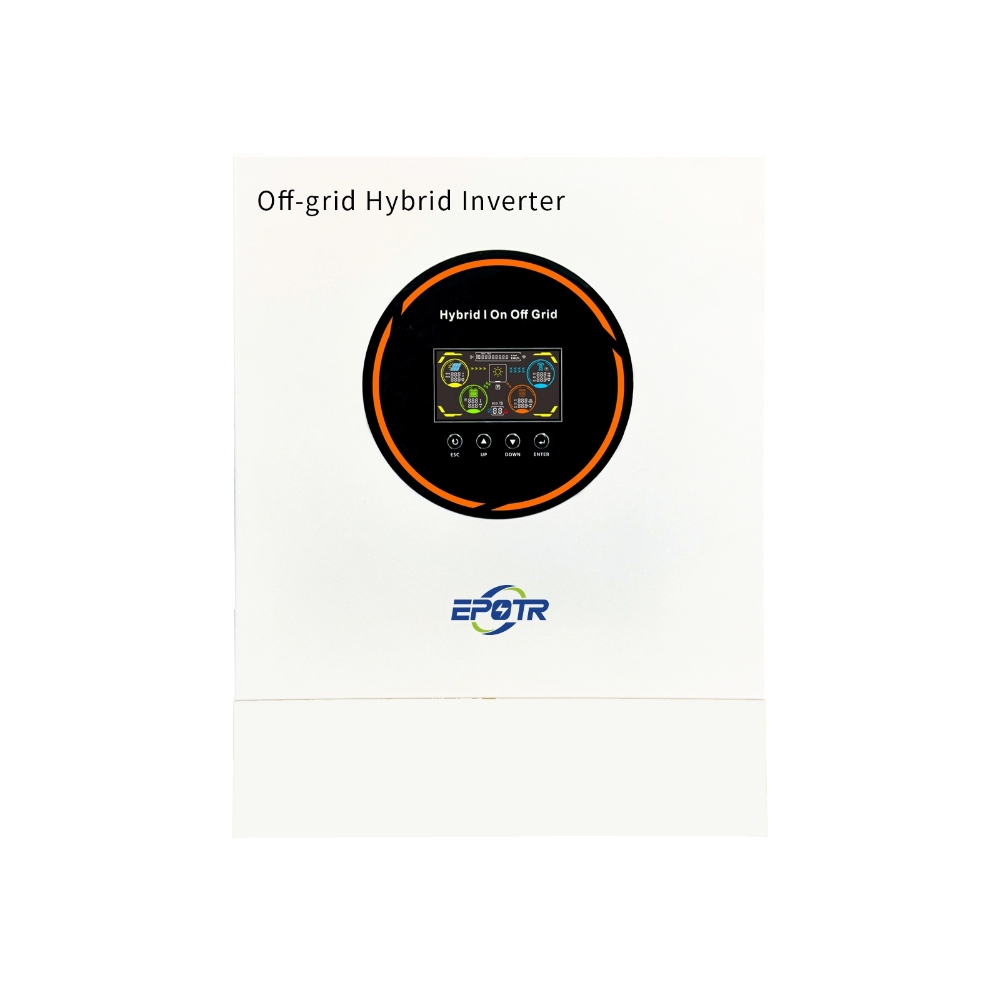
Die Wahl eines Geräts, das hohen Temperaturen und plötzlichen Netzausfällen standhält, verbessert den täglichen Betrieb erheblich. EPH OFF GRID Hybrid Inverter Diese Rolle wird durch eine robuste Bauweise effektiv erfüllt.
Integrierter Hocheffizienz-MPPT-Regler für maximale Ausbeute
Dieses Modell bietet beeindruckende Eigenschaften. Es verfügt über einen internen MPPT-Regler mit einer Nennstromstärke von bis zu 120 A. Die PV-Eingangsspannung reicht von 60 V DC bis 500 V DC. Es erzeugt eine reine Sinuswelle mit einem Leistungsfaktor von 1,0. Die Stromqualität entspricht daher der des lokalen Stromnetzes oder ist sogar besser.
Elegantes, wandmontiertes Design für moderne Wohnräume
Diese netzunabhängigen Wechselrichter dienen als Innengeräte mit Schutzart IP20. Sie sind für die Wandmontage in Wohnhäusern konzipiert und eignen sich daher ideal für den südostasiatischen Markt. Regionen mit vielen Inseln, wie Indonesien, die Philippinen und Malaysia, sind mit schwierigen Bedingungen konfrontiert. Daher erweist sich diese autarke Mikronetzlösung als äußerst nützlich.
Vielseitige Stromversorgung für instabile regionale Stromnetze in Vietnam
Ein wesentlicher Vorteil besteht darin, dass das System bei Sonnenschein ohne Batterie betrieben werden kann. In Kombination mit einem Speichersystem lassen sich die Batterieeinheiten nahtlos in über 90 % der verfügbaren Hybrid-Wechselrichter integrieren. Dazu gehören führende Marken wie Sungrowpower, DEYE, Solis und SAJ.
Wann ist ein dreiphasiger Hochspannungs-Hybridwechselrichter die bessere Wahl?
Eine typische Hausanlage kann mitunter nicht ausreichend dimensioniert sein. Werden am Standort leistungsstarke Drehstromgeräte betrieben oder ist eine intensive Kühlung erforderlich, ist der Austausch des Hauptgeräts unerlässlich.
Unterstützung für Hochvolt-Batteriesysteme mit hoher Kapazität
Wechsel zu einem Dreiphasen HV-Hybrid-Wechselrichter Das verändert die Situation grundlegend. Geräte wie das EP-15K-TLH akzeptieren eine maximale PV-Spannung von 1000 V. Sie nutzen ein dreistufiges Ladeverfahren, das speziell für Lithium-Ionen-Akkus entwickelt wurde. Dadurch werden die Zellen auch unter hoher Belastung geschützt.
Professionelle Lösungen für hohe Leistungslasten im Wohn- und Gewerbebereich
Mit einem Spitzenwirkungsgrad von 98,30 % minimiert dieser Wechselrichter effektiv Energieverluste. Er bewältigt anspruchsvolle Aufgaben, ohne dass es zu Lichtflackern oder dem Auslösen von Sicherheitsschaltern kommt.
Zuverlässigkeit in Industriequalität in einem kompakten Gehäuse für den Innenbereich
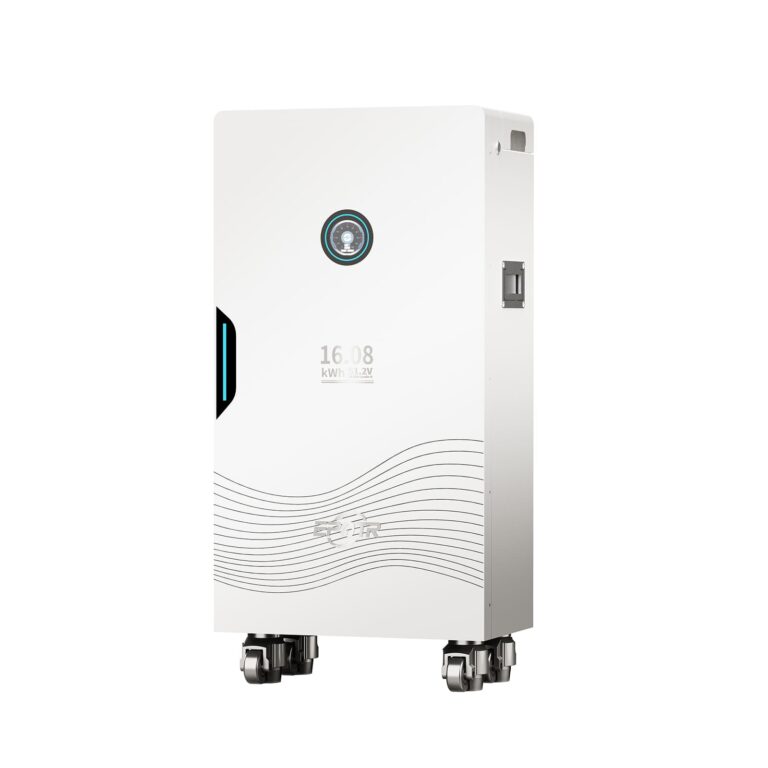
Neue modulare Batterietypen bieten hier einen klaren Vorteil. Sie sind preisgünstig und lassen sich dank ihrer kompakten Bauweise auch in beengten Bereichen platzieren. Dieses System unterstützt Unternehmen jeder Größe bei der besseren Deckung ihres Energiebedarfs. Darüber hinaus ermöglicht das LFP-Material bis zu 6000 Ladezyklen bei 90 % Entladetiefe (DOD) und gewährleistet so eine dauerhafte Leistung. Weitere Informationen zur Produktentwicklung finden Sie in der entsprechenden Publikation. über uns bietet weitere Details zu den technischen Schritten.
Wie wählen Sie die richtige EPOTR-Lösung entsprechend Ihren Bedürfnissen aus?
Das Durchlesen von Spezifikationen und Anleitungen überfordert die meisten Menschen. Die Auswahl der richtigen Geräte hängt von einer korrekten Lastabschätzung und der Überprüfung des verfügbaren Wandplatzes ab.
Ermittlung Ihres täglichen Stromverbrauchs und Ihres Spitzenlastbedarfs
Prüfen Sie den höchsten Stromverbrauch pro Tag. Der Wechselrichter muss diese maximale Belastung sicher bewältigen. Er muss beispielsweise auch dann zuverlässig funktionieren, wenn eine Wasserpumpe oder eine große Kühlanlage plötzlich anläuft.
Bewertung der Konfiguration und Spannungskompatibilität von Solarmodulfeldern
Zählen Sie die Anzahl der Paneele und ermitteln Sie die Gesamtspannung der Anlage. Erzeugt die Anlage 400 V, ist ein einfaches PWM-Gerät nicht ausreichend. In diesem Fall wird ein Hochspannungs-MPPT-Gerät benötigt.
Budgetplanung für langfristige Effizienz und reduzierte Wartungskosten
Höhere Investitionen in MPPT führen anfänglich zu besseren Erträgen durch eine gesteigerte Tagesproduktion. Über einen Zeitraum von fünf Jahren übersteigt der zusätzliche Energiegewinn die anfänglichen Mehrkosten.
Häufig gestellte Fragen
Frage 1: Was ist der Hauptvorteil von MPPT gegenüber PWM?
A: MPPT überwacht aktiv die Leistung des Solarmoduls und wandelt überschüssige Spannung in zusätzlichen Ladestrom um. Dadurch wird im Vergleich zum älteren PWM-Verfahren täglich spürbar mehr Leistung erzielt.
Frage 2: Kann ich den EPH Hybrid-Wechselrichter gefahrlos in Innenräumen verwenden?
A: Absolut. Das Gerät verfügt über die Schutzart IP20 und ein schlichtes, wandmontiertes Design, das speziell für Wohnräume in tropischen Klimazonen entwickelt wurde.
Frage 3: Wie lange ist die Lebensdauer von EPOTR-Hybridwechselrichtern?
A: Die Wechselrichter verfügen über solide interne Komponenten, und die dazugehörigen LFP-Akkus sind für 6000 Zyklen bei einer Entladetiefe von 90 % ausgelegt.
Frage 4: Bietet EPOTR technischen Support für die Systeminstallation an?
A: Es gibt verschiedene Supportoptionen, die Ihnen helfen, das System reibungslos in Betrieb zu nehmen. Sollten Sie Probleme bei der Dimensionierung oder Installation eines Systems haben, wenden Sie sich einfach an uns. Kontaktieren Sie uns Seite mit Hinweisen.
Frage 5: Welches Wechselrichtermodell eignet sich am besten für Hochspannungsanwendungen?
A: Bei hohen Lasten zeichnet sich die Serie der dreiphasigen HV-Hybrid-Wechselrichter aus, die PV-Eingangsspannungen bis zu 1000 V verarbeiten und eine erstklassige Umwandlungseffizienz bieten.