
For a Philippine household, solar battery storage is good value only when the usable energy, critical-load plan, safety evidence and warranty match the way the home actually uses power. Compare usable kWh rather than nameplate energy alone, calculate backup duration from the essential-load list, and keep installation conditions separate from product claims. A lower purchase price is not automatically a lower lifetime cost.

Start with usable energy and essential loads
List the circuits that matter during a Philippine outage: refrigeration, lights, internet equipment, selected fans, water pumps, security and medical devices where applicable. Then estimate their normal and starting loads. A simple runtime check is usable energy × conversion efficiency ÷ critical load, but actual results change with temperature, reserve settings, battery limits, inverter behavior and the shape of the load.
This is why a battery advertised with a large total kWh figure may not provide the same usable backup as another model. Ask for the usable-energy definition, discharge limit, reserve policy and the conditions behind the published value.
Safety evidence belongs to the exact model
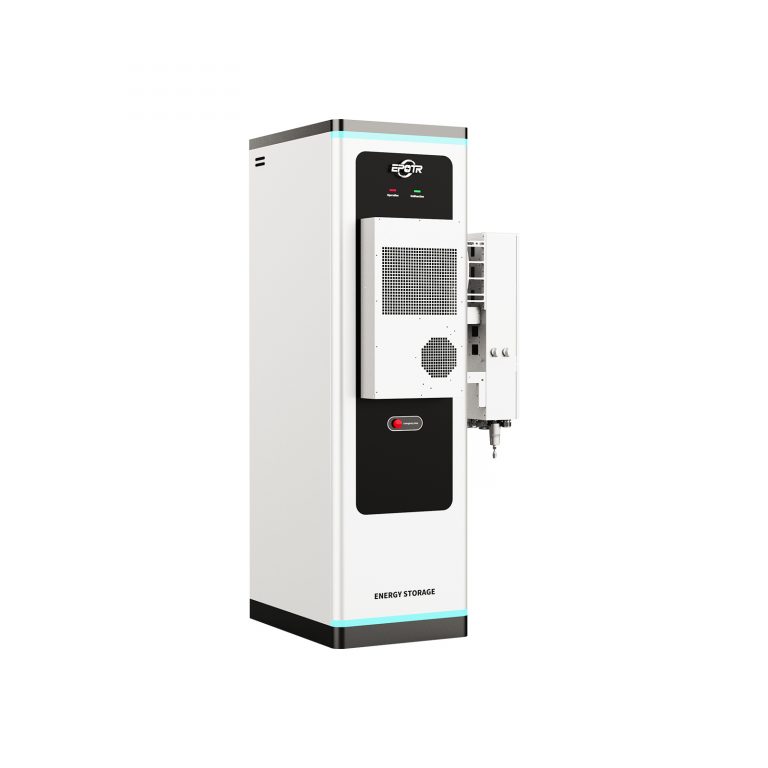
Safety should be checked at model level. EPOTR’s Power Cool-LFP-HV2 residential high-voltage family is described with LFP cells, an intelligent BMS and protective hardware. The product section lists 6,000 cycles at 90% DOD and the following certifications: CE, IEC62619, IEC61000, IEC62040, IEC63056, UN38.3 and MSDS. It also lists a 10-year warranty for that family. Certification scope, installation rules and warranty exclusions still need to be confirmed for the exact configuration and country.
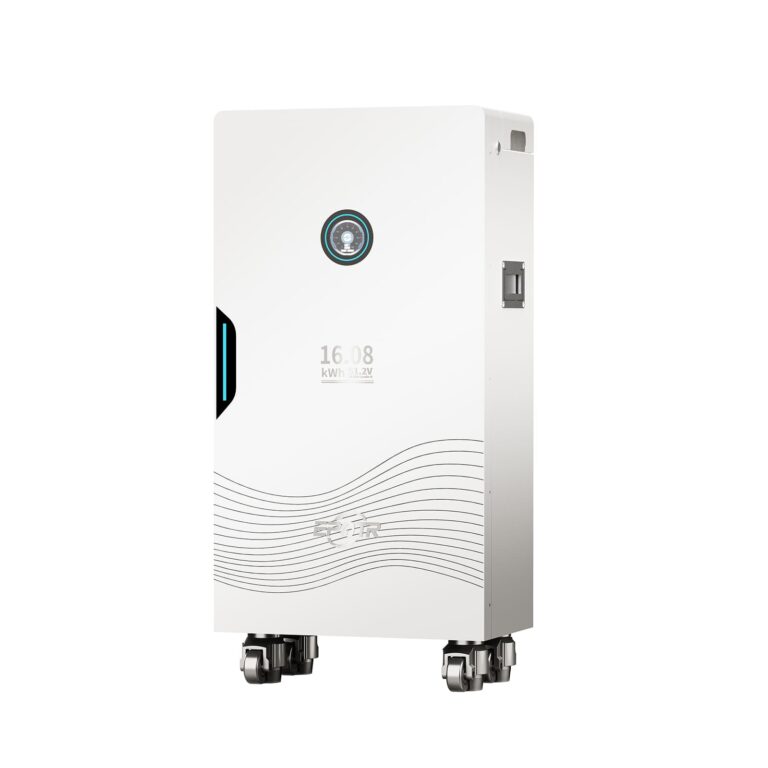
For a lower-voltage wall or floor installation, EP-WL010A1 is listed with 10.49 kWh total energy and 9.97 kWh usable energy, LiFePO4 cells, natural cooling, IP20, CE/UN38.3/MSDS and a 5-year warranty. IP20 is an indoor boundary, not an outdoor rating. Product parameters do not by themselves confirm inverter compatibility or local electrical approval.
Compare cost per usable kWh
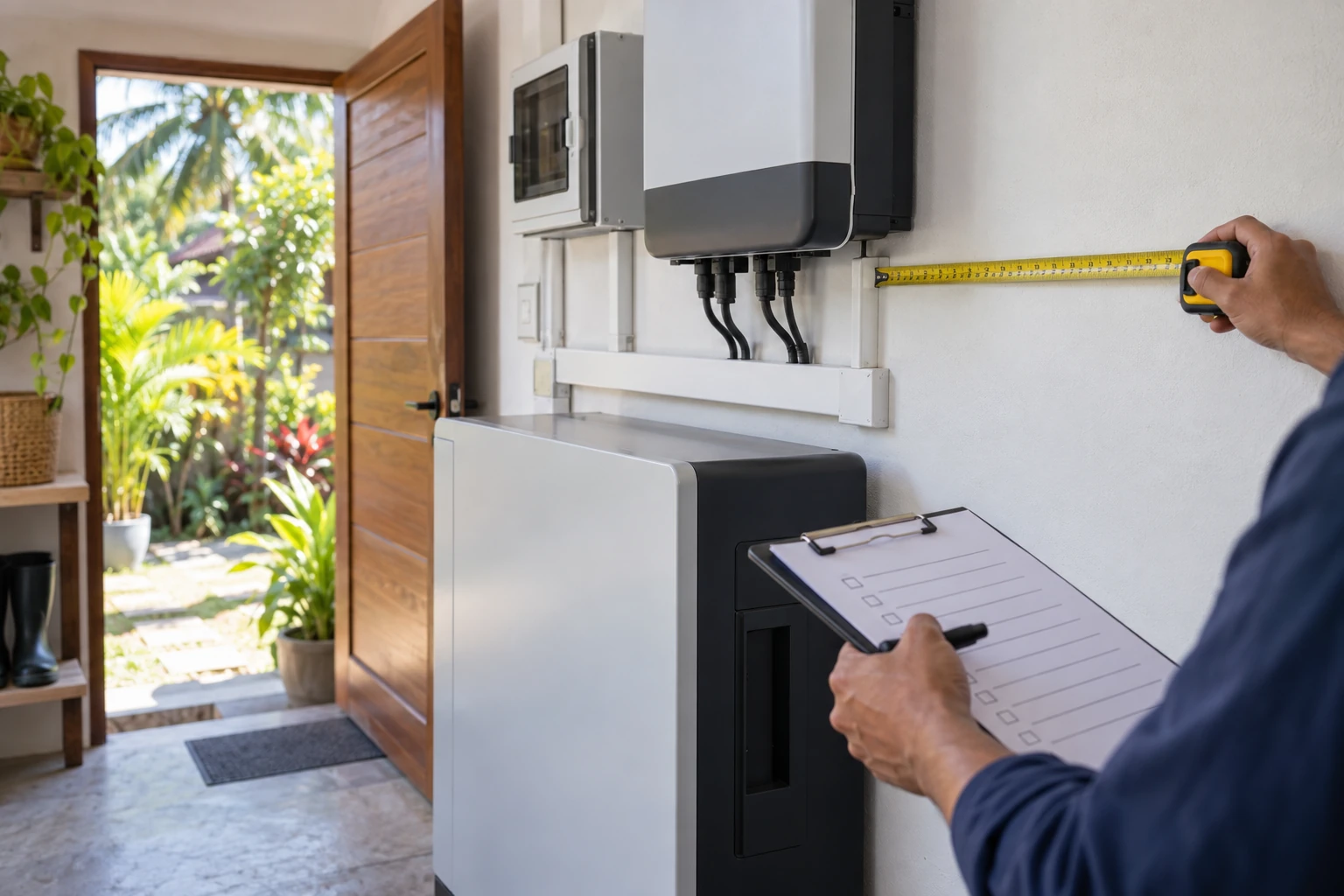
A fair comparison includes more than the battery price. Add installation labor, protection and cabling, inverter or gateway costs, permits, commissioning, monitoring, maintenance and any future expansion. Then divide the expected delivered energy over the planning horizon by the usable capacity and operating limits.
| Cost item | Question to ask | Why it matters |
| Usable capacity | How many kWh are available within the stated DOD and reserve? | Sets the real backup value |
| Installation | What wall, floor, ventilation and access conditions are required? | Prevents unplanned site work |
| Safety and certification | Which exact model and scope do the certificates cover? | Avoids treating a family claim as universal |
| Garantie | What period, throughput, DOD, service and exclusions apply? | Makes the risk boundary visible |
| Expansion | Can the selected system grow without replacing the first installation? | Protects future budget and space |
Use a low, base and high scenario for electricity use, outage frequency, solar surplus and replacement assumptions. A warranty period is not the same as a promise of a fixed capacity, savings result or outage duration.
Choose the system around the home, not the other way around
| Home requirement | What to prioritize | What to verify |
| Short outages and a few essential circuits | Usable kWh, inverter surge capability and automatic transfer | Starting loads, reserve and critical-load wiring |
| Solar self-consumption | Charge window, solar forecast and control strategy | Export rules, inverter compatibility and curtailment |
| Longer backup or future expansion | Modular capacity and service access | Expansion limits, floor or wall space and warranty impact |
| Indoor installation | Clearance, temperature, humidity and maintenance access | IP rating, ventilation and local code |
EPOTR options for a Philippine home
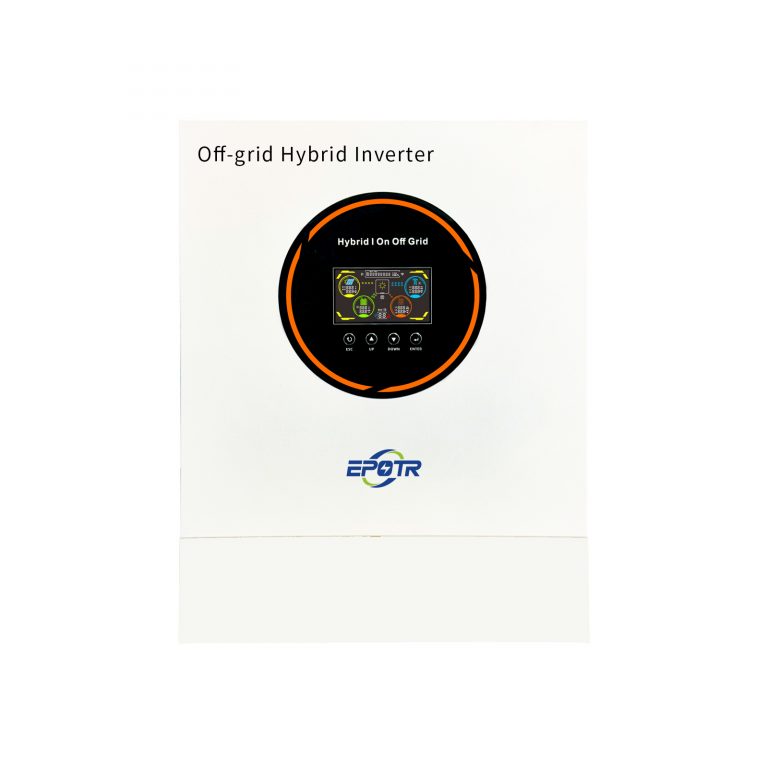
Die Heimspeicher-Sortiment gives buyers a starting point for comparing residential formats. The Wand-Wohn ESS page is relevant when a compact indoor installation and low-voltage architecture fit the project. If the design uses a solar-plus-storage inverter, review the Hybrid-Wechselrichter-Sortiment alongside the battery rather than treating the two products as automatically compatible.
The approved positioning for EPOTR off-grid inverters is indoor, IP20 and residential wall-mounted. That boundary matters in the Philippines: an indoor unit should not be placed outdoors, in a wet location or where condensation and flooding can reach it. Confirm the final installation location with a qualified installer.
A practical buying checklist
- Write down essential loads and their starting current before asking for a quote.
- Compare usable energy, not only total nameplate energy.
- Request the exact model’s safety certificates and warranty terms.
- Check wall or floor mounting, temperature, humidity, ventilation and service access.
- Confirm battery–inverter compatibility and local electrical requirements.
- Run a low, base and high scenario for solar production, outage duration and future expansion.
Häufig gestellte Fragen
Is solar battery storage worth it for every Philippine home?
Not automatically. It is easier to justify when the home has a clear backup priority, useful solar surplus, meaningful outage exposure or a time-shift opportunity. A load and cost review should come before the equipment choice.
Is a 10-year warranty always better than a 5-year warranty?
Not by itself. Compare the warranty’s model scope, throughput, DOD, service response, exclusions and installation conditions. A longer headline period does not remove the need to verify the terms.
Can an IP20 battery or inverter be installed outside?
IP20 is an indoor boundary. Outdoor placement requires a product and installation design that is specifically rated and approved for that environment. Do not infer outdoor suitability from another product family.
How can I request a home-storage review?
Review EPOTR’s residential energy solutions and send the essential-load list, solar size, installation location and backup priorities through Kontakt EPOTR.