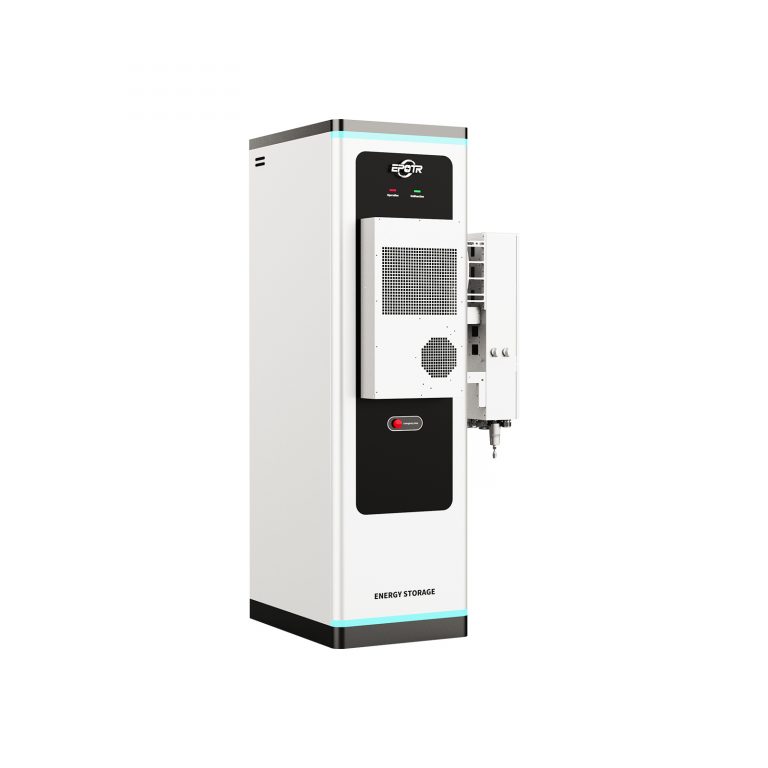

يتطلب تركيب نظام الطاقة الشمسية اتخاذ عدة قرارات أساسية. أحد أهم الخيارات التقنية هو اختيار نوع وحدة التحكم بالشحن المناسبة. يمكنك اختيار وحدة التحكم التقليدية بتقنية تعديل عرض النبضة (PWM) أو الانتقال إلى وحدة التحكم بتقنية تتبع نقطة الطاقة القصوى (MPPT). قبل الخوض في الجوانب التقنية، من المفيد معرفة الشركة المصنعة للمعدات لفهم السياق بشكل أفضل.
بصفتي مشاركًا فاعلًا في هذا المجال، EPOTR تُركز الشركة على إلكترونيات الطاقة الحديثة والتحكم الذكي في الطاقة لتقليل انبعاثات الكربون. تأسست الشركة في أغسطس 2023، وتُقدم حلولاً موثوقة. حلول الطاقة الشمسية تُعالج هذه الحلول مشكلات الشبكة الشائعة. فعندما تواجه المناطق انقطاعات متكررة للتيار الكهربائي، أو عندما تواجه الشركات ارتفاعًا في تكاليف الطاقة، تُحدث الأجهزة المناسبة فرقًا كبيرًا. إذ تُطوّر هذه الأجهزة أنظمةً تُحسّن الأداء وتُمكّن من تحقيق الاكتفاء الذاتي الفعلي من الطاقة. ويتطلب اختيار الخيار الأمثل دراسةً متأنيةً لكيفية إدارة هذه التقنية لاحتياجات الطاقة اليومية.
لماذا تُعدّ تقنية الشحن بالطاقة الشمسية ضرورية لتحقيق استقلاليتك في مجال الطاقة؟
تلتقط الألواح الشمسية ضوء الشمس المباشر. ومع ذلك، يتطلب نقل هذه الطاقة إلى مجموعة البطاريات بأمان منظمًا موثوقًا. يعمل منظم الشحن كمنظم، حيث يخفض الجهد لتجنب ارتفاع درجة حرارة البطاريات أو تلفها.
الدور الأساسي لوحدات التحكم في الشحن في الأنظمة غير المتصلة بالشبكة
يمنع جهاز التحكم التيار العكسي ليلاً، كما يمنع الشحن الزائد خلال فترات سطوع الشمس. وبدون هذا الجهاز، تتلف البطاريات بسرعة، مما يؤدي إلى انقطاع التيار الكهربائي بعد غروب الشمس.
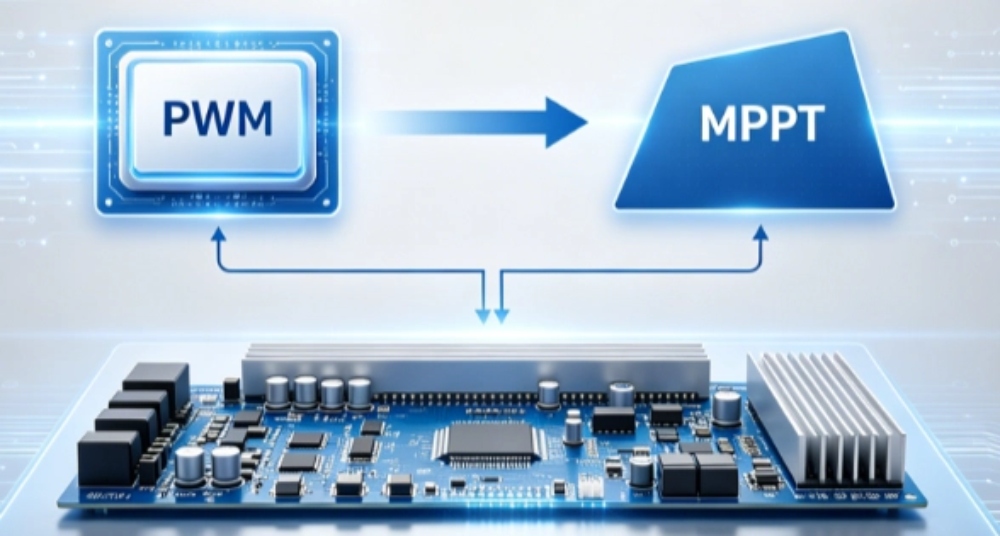
الاختلافات في الكفاءة بين تقنيات تعديل عرض النبضة (PWM) وتقنية تتبع نقطة القدرة القصوى (MPPT)
تعمل تقنية تعديل عرض النبضة (PWM) على خفض الجهد الكهربائي ليتناسب مع مستوى شحن البطارية، وتتخلص من أي فائض. أما تقنية تتبع نقطة الطاقة القصوى (MPPT) فتتبع أسلوبًا مختلفًا، حيث تحدد باستمرار مستوى الطاقة القصوى وتحول الجهد الزائد إلى تيار مفيد لمجموعة البطاريات.
تأثير اختيار وحدة التحكم على عمر البطارية واستقرار النظام
يؤدي تزويد البطارية بالكمية المناسبة من الشحن إلى إطالة عمرها الافتراضي. توفر تقنية تتبع نقطة الطاقة القصوى (MPPT) نمط شحن ثابتًا ودقيقًا، مما يحافظ على توازن النظام حتى في حالات الغيوم المفاجئة.
هل لا تزال طريقة التحكم بتقنية تعديل عرض النبضة (PWM) مناسبة لمستخدمي الطاقة الشمسية المعاصرين؟
تقنية تعديل عرض النبضة موجودة منذ سنوات عديدة. وهي تعمل كمفتاح سريع يربط الألواح الشمسية مباشرة بمجموعة البطاريات، حيث تقطع أي جهد كهربائي أعلى من الجهد الذي تتحمله البطارية.
انخفاض تكاليف الاستثمار الأولية للتطبيقات الصغيرة
بالنسبة لكوخ صغير أو إضاءة أساسية في مخزن خارجي، يقلل نظام تعديل عرض النبضة (PWM) من تكاليف البدء. ويؤدي وظيفته بشكل كافٍ عندما لا تكون الكفاءة القصوى أولوية قصوى.
دوائر داخلية بسيطة لتلبية الاحتياجات السكنية الأساسية
يقلل وجود عدد أقل من المكونات الداخلية من احتمالية حدوث مشاكل مع مرور الوقت. كما أن الهيكل الأساسي يدعم أنظمة 12 فولت أو 24 فولت الصغيرة بسهولة.
القيود على الأداء في المصفوفات الشمسية ذات الجهد العالي
عند توصيل عدة ألواح شمسية عالية الطاقة على التوالي، تواجه تقنية تعديل عرض النبضة (PWM) تحديات. فهي تخفض الجهد العالي إلى مستوى البطارية، مما يؤدي إلى هدر جزء كبير من الطاقة المتاحة يوميًا.
كيف تُحدث تقنية MPPT ثورة في نظام العاكس الهجين الخاص بك خارج الشبكة؟
تعتمد تقنية تتبع نقطة الطاقة القصوى على استراتيجية أكثر تطوراً. فبدلاً من نقل الجهد مباشرةً وخفض الزيادة، تراقب هذه التقنية خرج الطاقة بدقة، ثم تُعدّل الحمل الكهربائي ليناسب البطارية تماماً.
تتبع نقطة الطاقة القصوى لتحقيق حصاد أمثل للطاقة
يحوّل نظام تتبع نقطة الطاقة القصوى (MPPT) الجهد الزائد إلى تيار كهربائي أكبر، مما يسمح باستخلاص طاقة أكبر بكثير من نفس الألواح الشمسية. وهذا بدوره يُمكّن النظام من شحن البطاريات بسرعة أكبر خلال ساعات النهار المتاحة.
أداء فائق في ظروف جوية متغيرة وإضاءة منخفضة
في ساعات النهار الأولى أو في الأيام الغائمة، يتغير جهد الألواح الشمسية بشكل متكرر. تستجيب تقنية تتبع نقطة الطاقة القصوى (MPPT) فورًا للحفاظ على تدفق طاقة ثابت إلى وحدة التخزين. في المقابل، تتجاهل تقنية تعديل عرض النبضة (PWM) الطاقة التي لا تستطيع التقاطها.
تكامل سلس مع بنوك بطاريات الليثيوم عالية الأداء
تتطلب بطاريات الليثيوم إعدادات شحن دقيقة، وتلبي وحدات تتبع نقطة الطاقة القصوى (MPPT) هذه الاحتياجات بدقة متناهية. وتُظهر النتائج الميدانية قوة هذا التكامل. فعلى سبيل المثال، في مناطق مثل نيجيريا، ساهمت أنظمة الطاقة الشمسية والتخزين الموثوقة في خفض انقطاعات التيار الكهربائي بنسبة 70%، كما مكّنت المصانع الصغيرة من خفض نفقات الطاقة بنسبة 60%.
لماذا يجب عليك اختيار محول الطاقة الهجين خارج الشبكة EPH لمنزلك؟
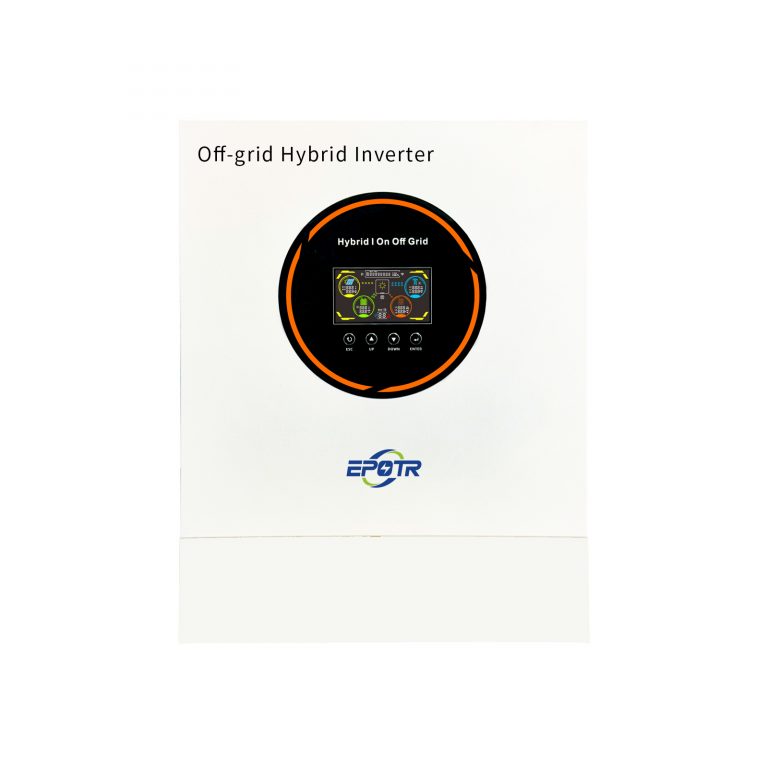
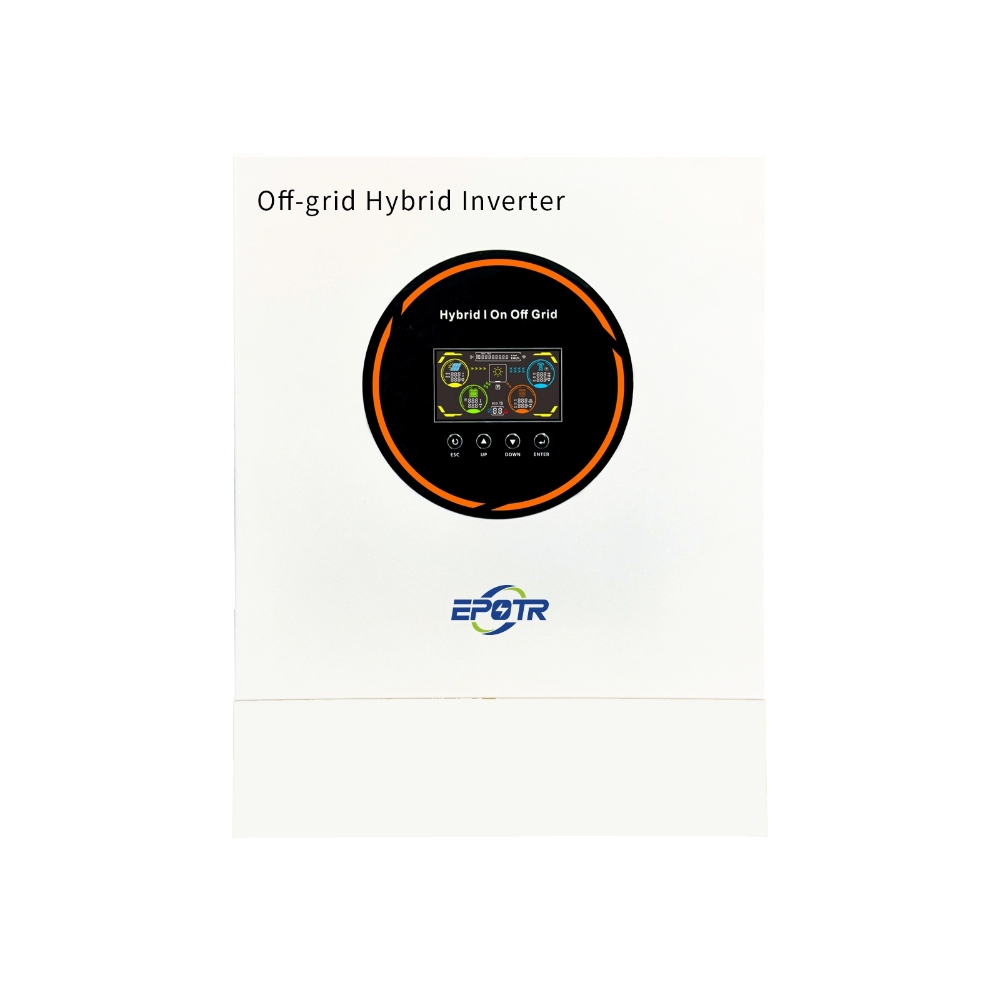
يؤدي اختيار جهاز يتحمل درجات الحرارة العالية وانقطاعات الشبكة المفاجئة إلى تحسين العمليات اليومية بشكل كبير. EPH OFF GRID الهجين المحول يؤدي هذا الدور بفعالية من خلال بناء قوي.
وحدة تحكم MPPT متكاملة عالية الكفاءة لتحقيق أقصى إنتاجية
يتميز هذا الطراز تحديدًا بميزات رائعة. فهو مزود بوحدة تحكم داخلية بتقنية تتبع نقطة الطاقة القصوى (MPPT) بقدرة تصل إلى 120 أمبير. ويتراوح جهد دخل الطاقة الشمسية من 60 فولت تيار مستمر إلى 500 فولت تيار مستمر. وينتج موجة جيبية نقية بمعامل قدرة 1.0، مما يجعل جودة الطاقة مساوية أو أعلى من جودة الشبكة المحلية.
تصميم أنيق للتركيب على الحائط الداخلي، مناسب للديكورات الداخلية الحديثة للمنازل
تُستخدم هذه المحولات الكهربائية المستقلة عن الشبكة كأجهزة داخلية بمستوى حماية IP20. صُممت هذه المحولات للتركيب على الجدران في المنازل، وهي مناسبة تمامًا لسوق جنوب شرق آسيا. تواجه المناطق ذات الجزر الكثيرة، مثل إندونيسيا والفلبين وماليزيا، ظروفًا قاسية. لذا، تُعدّ هذه الطريقة لإنشاء شبكة كهربائية صغيرة مستقلة مفيدة للغاية.
دعم طاقة متعدد الاستخدامات لشبكات الكهرباء الإقليمية غير المستقرة في فيتنام
تتمثل إحدى المزايا الرئيسية في إمكانية التشغيل بدون بطارية خلال الأيام المشمسة. وعند اقترانها بوحدات تخزين الطاقة، تتكامل وحدات البطارية بسلاسة مع أكثر من 90% من محولات الطاقة الهجينة المتوفرة، بما في ذلك العلامات التجارية الرائدة مثل Sungrowpower وDEYE وSolis وSAJ.
متى يكون العاكس الهجين ثلاثي الأطوار عالي الجهد هو الخيار الأفضل؟
قد لا يكون نظام المنزل العادي ذا سعة كافية في بعض الأحيان. إذا كان الموقع يشغل معدات ثقيلة ثلاثية الطور أو يتطلب تبريدًا كبيرًا، يصبح استبدال الجهاز الرئيسي أمرًا ضروريًا.
دعم أنظمة البطاريات ذات الجهد العالي والسعة الكبيرة
التحول إلى ثلاثية المرحلة HV الهجينة العاكس يُغيّر هذا الوضع تمامًا. وحدات مثل EP-15K-TLH تقبل جهدًا كهروضوئيًا يصل إلى 1000 فولت. وتستخدم عملية شحن ثلاثية المراحل مُصممة خصيصًا لبطاريات الليثيوم أيون، مما يحمي الخلايا أثناء التشغيل المكثف.
حلول احترافية للأحمال السكنية والتجارية عالية الطاقة
بفضل كفاءته القصوى التي تصل إلى 98.30%، يقلل هذا العاكس من فقد الطاقة بشكل فعال. فهو يُدير المهام الصعبة دون التسبب في انخفاض إضاءة المصابيح أو تعطل مفاتيح الأمان.
موثوقية من الدرجة الصناعية في تصميم داخلي صغير الحجم
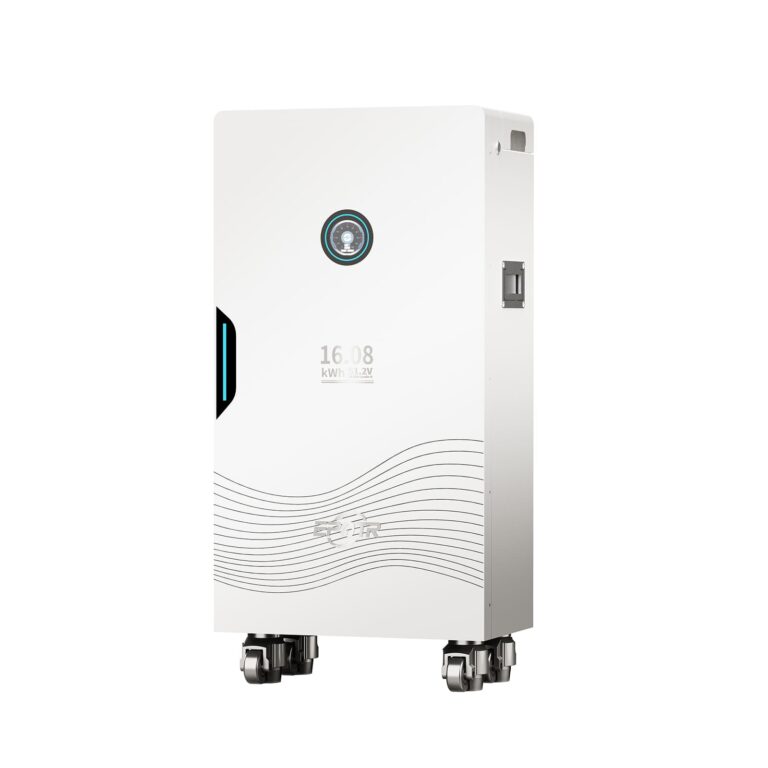
تُقدّم أنواع البطاريات المعيارية الجديدة ميزةً واضحةً في هذا المجال. فهي تحافظ على سعرها المعقول، كما يسمح حجمها بوضعها في المساحات المحدودة. يُساعد هذا النظام الشركات بمختلف أحجامها على تلبية احتياجاتها من الطاقة بشكل أفضل. علاوةً على ذلك، توفر مادة فوسفات الحديد الليثيوم (LFP) ما يصل إلى 6000 دورة شحن وتفريغ بنسبة 90%، مما يضمن أداءً مستدامًا. لمعرفة المزيد حول تطوير المنتج، يُرجى مراجعة... معلومات عنا يقدم تفاصيل إضافية حول الخطوات الهندسية.
كيف تختار حل EPOTR المناسب بناءً على احتياجاتك؟
غالباً ما يُربك استعراض المواصفات والأدلة معظم الناس. ويعتمد اختيار المعدات المناسبة على تقدير الحمل بشكل صحيح والتحقق من مساحة الجدار المتاحة.
تقييم استهلاكك اليومي للطاقة ومتطلبات الحمل الأقصى
افحص أعلى معدل استهلاك للطاقة خلال اليوم. يجب أن يدير العاكس هذا الطلب الأقصى بأمان. على سبيل المثال، يجب أن يكون قادرًا على التعامل مع بدء تشغيل مضخة المياه أو وحدة التبريد الكبيرة بشكل مفاجئ.
تقييم تكوين مصفوفة الألواح الشمسية وتوافق الجهد
احسب عدد الألواح وحدد جهد السلسلة الإجمالي. إذا كانت المجموعة تولد 400 فولت، فلن تعمل وحدة تعديل عرض النبضة (PWM) الأساسية. في هذه الحالة، يلزم استخدام جهاز تتبع نقطة الطاقة القصوى (MPPT) عالي الجهد.
وضع ميزانية لتحقيق الكفاءة على المدى الطويل وخفض تكاليف الصيانة
يؤدي الاستثمار الأكبر في تقنية تتبع نقطة الطاقة القصوى (MPPT) في البداية إلى عوائد أفضل من خلال زيادة الإنتاج اليومي. وعلى مدار خمس سنوات، تتجاوز الطاقة الإضافية المكتسبة فرق التكلفة الأولية.
الأسئلة الشائعة
س1: ما هي الميزة الرئيسية لتقنية تتبع نقطة الطاقة القصوى (MPPT) مقارنةً بتقنية تعديل عرض النبضة (PWM)؟
ج: تقوم تقنية تتبع نقطة الطاقة القصوى (MPPT) بتتبع خرج الألواح الشمسية بشكل فعال وتحويل الجهد الزائد إلى تيار شحن إضافي. وهذا يوفر طاقة أكبر بشكل ملحوظ كل يوم مقارنةً بتقنية تعديل عرض النبضة (PWM) القديمة.
س2: هل يمكنني استخدام محول الطاقة الهجين EPH بأمان في الأماكن المغلقة؟
ج: بالتأكيد. تتميز الوحدة بتصنيف IP20 وتصميم أنيق للتثبيت على الحائط مصمم خصيصًا للمساحات السكنية الداخلية في المناخات الاستوائية.
س3: ما هو العمر الافتراضي لمحولات EPOTR الهجينة؟
ج: تأتي أجهزة العاكس بمكونات داخلية صلبة، وحزم بطاريات LFP المزدوجة مصنفة لـ 6000 دورة عند عمق تفريغ 90٪.
س4: هل تقدم شركة EPOTR الدعم الفني لتثبيت النظام؟
ج: تتوفر خيارات دعم للمساعدة في تشغيل النظام بسلاسة. إذا واجهت مشاكل في تحديد حجم النظام أو تثبيته، فما عليك سوى التواصل معنا عبر اتصل بنا صفحة الإرشادات.
س5: ما هو أفضل طراز من العاكس لتطبيقات الجهد العالي؟
ج: بالنسبة للأحمال الثقيلة، تبرز سلسلة محولات التيار الهجينة ثلاثية الطور ذات الجهد العالي، حيث تتعامل مع مدخلات الطاقة الشمسية الكهروضوئية حتى 1000 فولت وتوفر كفاءة تحويل من الدرجة الأولى.