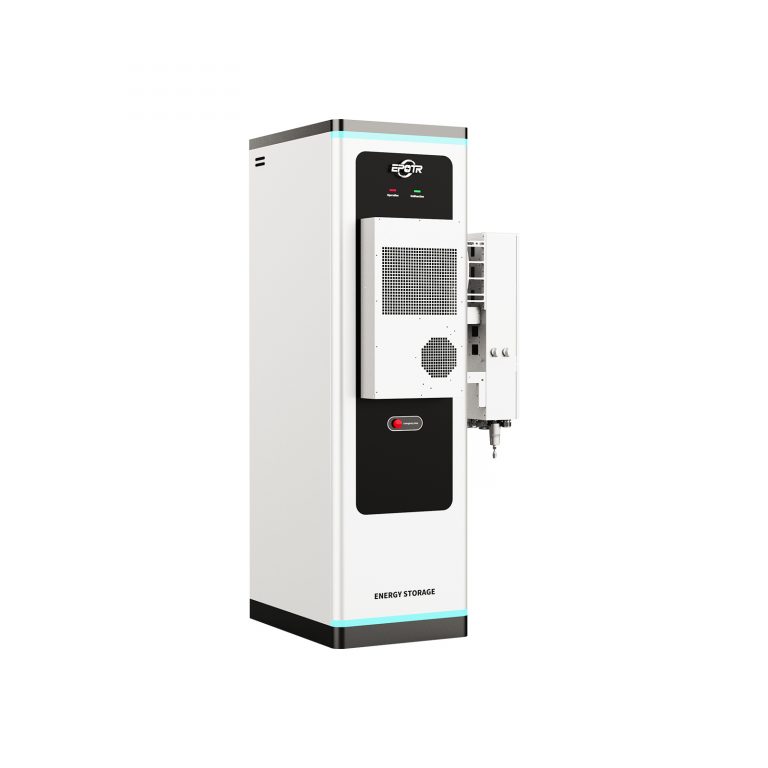

Der zeitabhängige Stromtarif in Vietnam bietet Gewerbe- und Industriekunden einen Anreiz, ihren Stromverbrauch zu verlagern. Eine Batterie allein führt jedoch nicht zu Einsparungen. Die tatsächlichen Ergebnisse hängen vom Ladezeitpunkt, dem Entladezeitpunkt, den Reserveeinstellungen und der Last am Abend ab.
Ein intelligentes Energiemanagementsystem (EMS) wandelt diese Entscheidungen in einen Tagesplan um. Für Fabriken, Hotels, Kühlhäuser und gemischt genutzte Gebäude besteht das Ziel darin, teure Netzstrombezüge zu reduzieren, ohne auf Notstromversorgung verzichten zu müssen.
Warum sind die zeitabhängigen Zölle in Vietnam wichtig?
In Vietnam gelten aufgrund der geänderten Zeitzonen die Stoßzeiten von 17:30 bis 22:30 Uhr, Montag bis Samstag. Die Nebenzeiten dauern täglich von 00:00 bis 06:00 Uhr. Der abendliche Verbrauch ist daher bei der Bewertung des Lagerwerts zu berücksichtigen.
Die Preisspanne kann groß sein.
Anhand der ab Mai 2025 gültigen offiziellen Tariftabelle für Einzelhandelsstrom werden in diesem Vergleich ein Hotel (6 kV bis unter 22 kV) zum Geschäftstarif, eine kleine oder mittlere Fabrik (6 kV bis unter 22 kV) zum Produktionstarif und ein Supermarkt (unter 6 kV) zum Geschäftstarif simuliert. Die Tarife für Neben- und Hauptzeiten sind unten aufgeführt.
| Kundentyp | Tarif außerhalb der Spitzenzeiten | Spitzenrate | Bruttospread |
| Hotel (Business, 6 kV bis unter 22 kV) | 1.829 VND/kWh | 5.202 VND/kWh | 3.373 VND/kWh |
| Kleine oder mittlere Fabrik (Fertigung, 6 kV bis unter 22 kV) | 1.234 VND/kWh | 3.508 VND/kWh | 2.274 VND/kWh |
| Supermarkt (Gewerbe, unter 6 kV) | 1.918 VND/kWh | 5.422 VND/kWh | 3.504 VND/kWh |
Quelle: Vietnam Electricity (EVN), Stromtarif für Endverbraucher gemäß Beschluss Nr. 1279/QD-BCT vom 9. Mai 2025: https://en.evn.com.vn/d6/news/RETAIL-ELECTRICITY-TARIFF-9-28-252.aspxAngewandte Annahmen: Hotel – Geschäftstarif, 6 kV bis unter 22 kV; kleine oder mittlere Fabrik – Produktionstarif, 6 kV bis unter 22 kV; Supermarkt – Geschäftstarif, unter 6 kV. Die tatsächliche Abrechnung hängt von der vereinbarten Tarifkategorie und der Versorgungsspannung ab.
Die Spanne ist attraktiv, aber die Rechnung sinkt nicht automatisch. Eine Fabrik, die um 17:00 Uhr schließt, hat möglicherweise nur geringe Spitzenlasten. Ein Hotel, ein Kühlhaus oder ein Lebensmittelbetrieb könnten deutlich besser passen.
Ein fester Timer ist oft zu ungenau.
Ein Timer folgt der Uhrzeit auch bei sich ändernden Bedingungen. Er kann sich aufladen, bevor die Sonneneinstrahlung zunimmt, oder sich zu früh entladen. Intelligente Energiemanagementsysteme (EMS) prüfen Tarifperioden, Bedarf, Solarstromerzeugung, Batterieladezustand und Betriebsprioritäten, bevor sie Befehle senden.
Wie schafft Smart EMS einen wiederholbaren Sparzyklus?
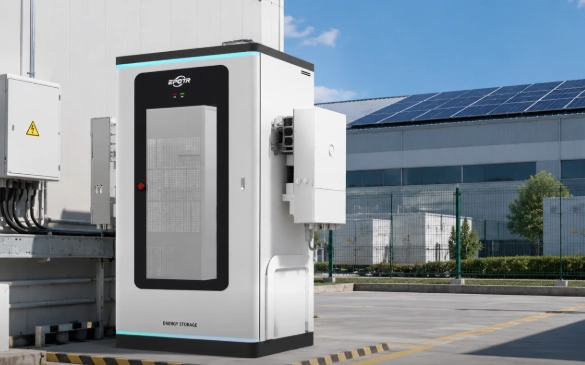
EPOTR Das System kombiniert Batterieprodukte, Leistungselektronik und intelligente Energiesteuerung für Wohngebäude und Gewerbe- und Industrieprojekte. Für einen Standort in Vietnam sollte das Energiemanagementsystem die Tarife in klare Betriebsregeln umsetzen und nicht nur vage Versprechen auf niedrigere Rechnungen abgeben.
Eine praktische tägliche Kontrollsequenz
Ein praktikabler Zeitplan könnte fünf Schritte umfassen:
- Aufladung während der verkehrsarmen Zeit von 00:00 bis 06:00 Uhr.
- Halten Sie ausreichend Kapazität in der Batterie für die mittägliche Nutzung der Solaranlage auf dem Dach bereit.
- Bevor überschüssige Solarenergie ungenutzt bleibt, werden zunächst lokale Verbraucher mit Solarstrom versorgt.
- Entladung ab 17:30 Uhr unter Beachtung der Leistungsgrenze des Standorts.
- Energiereserven für Kühlung, Server, Pumpen oder Stromausfälle vorhalten.
Der Rettungsdienst in der EP2 ALL IN EINEM Hybrid-Energiespeichersystem Unterstützt zeitabhängige Tarifsteuerung, Eigenverbrauch, Laststeuerung, Mikronetzsteuerung und Fernsteuerung über ein 10-Zoll-Touchpanel.
Was könnte ein einziger Tageszyklus wert sein?
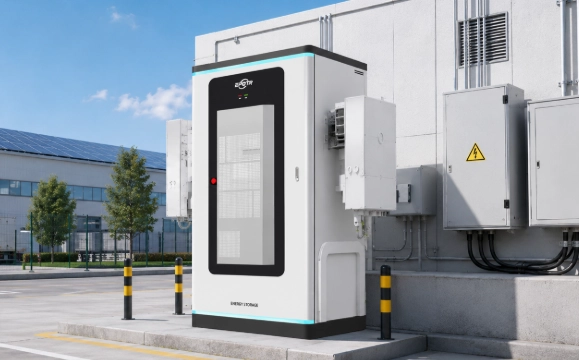
Nehmen wir ein vorsichtiges Beispiel. Ein Standort verlagert an 26 Betriebstagen pro Monat 180 kWh von der Nebenzeiten- in die Spitzenzeiten. Dies erfordert eine durchschnittliche Entladung von 36 kW über das fünfstündige Spitzenzeitfenster, was innerhalb der Nennleistung von EP2 von 50 kW liegt.
| Kundentyp | Bruttomonatstarif |
| Hotel (Business, 6 kV bis unter 22 kV) | Etwa 15,79 Millionen VND |
| Kleine oder mittlere Fabrik (Fertigung, 6 kV bis unter 22 kV) | Etwa 10,64 Millionen VND |
| Supermarkt (Gewerbe, unter 6 kV) | Etwa 16,40 Millionen VND |
Berechnungsgrundlage: 180 kWh/Tag × 26 Betriebstage × Bruttotarifspanne. Tarifquelle: https://en.evn.com.vn/d6/news/RETAIL-ELECTRICITY-TARIFF-9-28-252.aspxDie angegebenen Zahlen sind beispielhafte monatliche Bruttotarifwerte vor Systemverlusten und batteriebezogenen Kosten.
Diese Zahlen berücksichtigen keine Umwandlungsverluste, Batterieverschleiß, Steuern, Wartung und erforderliche Rücklagen. Für eine verlässliche Schätzung sollten Intervallzählerdaten und nicht ein monatlicher Gesamtwert herangezogen werden. Die Lastkurve einer Restaurantküche um 19:00 Uhr unterscheidet sich deutlich von der einer Textilwerkstatt tagsüber.
Warum eignet sich EP2 für mittelgroße gewerbliche Ladungen?
Ein effizientes C&I-System benötigt ausreichend Energie für den angestrebten Tarifzeitraum und genügend Leistung, um die Last zu decken. Zu hohe Kapazität erhöht die Investitionskosten. Zu geringe Leistung führt zu teuren Lastspitzen.
Leistung und Kapazität entsprechen dem Abendfenster
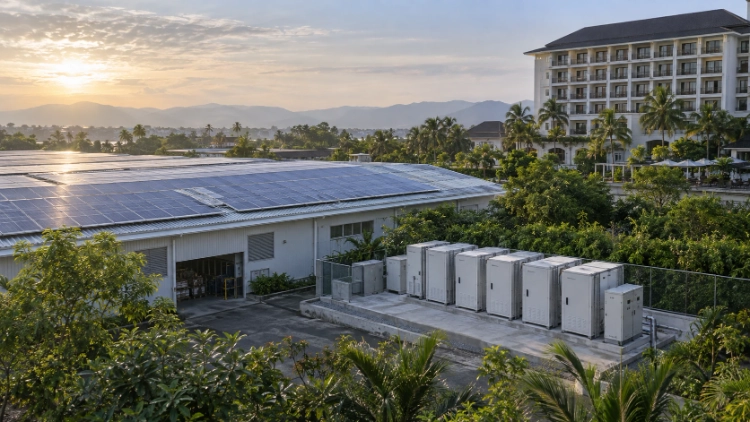
EP2 bietet Gehäuseoptionen mit 209 kWh und 241,15 kWh, einer Nennwechselleistung von 50 kW und einer maximalen Scheinleistung von 55 kVA. Der Wechselrichter verarbeitet PV-Anlagen bis zu 100 kWp, unterstützt netzgekoppelten und netzunabhängigen Betrieb und kann an einen Dieselgenerator angeschlossen werden.
Die LFP-Gehäuse verwenden 314-Ah-Zellen mit 8.000 Ladezyklen unter den angegebenen Testbedingungen. Der Wirkungsgrad der Batterie beträgt 95 %, der des Wechselrichters erreicht einen Spitzenwirkungsgrad von 98 %.
Diese Größe eignet sich für Standorte mit einer konstanten Abendlast von 30–50 kW, darunter kleinere Hotels, Werkstätten mit Spätschichtbetrieb und Kühlketteneinrichtungen. Eine Lastanalyse ist dennoch erforderlich.
Schutzmaßnahmen und Standortbedingungen erfordern gleichermaßen Aufmerksamkeit.
Der Batterieschrank entspricht der Schutzart IP54, der Wechselrichter der Schutzart IP66. Der Schrank ist für einen Temperaturbereich von -20 °C bis 60 °C ausgelegt, verfügt über eine 3-kW-Klimaanlage, eine Aerogel-Feuerlöschanlage und bietet Korrosionsschutz der Klasse C3 mit optionalem Upgrade auf C5.
In feuchten oder küstennahen Gebieten Vietnams sollten Entwässerung, Schattenwurf, Salzbelastung, Hochwasserschutz, Belüftung und Wartungszugang geprüft werden. Bewertungen im Außenbereich sind hilfreich, aber mangelhafte Bauwerke können weiterhin Wartungsprobleme verursachen.
Wann ist ein modulares Batteriesystem oder ein netzunabhängiges System besser?
Nicht jeder Käufer benötigt einen 209-kWh-Schrank. Energielösungen von EPOTR Es werden verschiedene Größen abgedeckt, da ein kleiner Laden, eine Inselpension und ein Kühlhaus unterschiedliche Budgets und Platzbeschränkungen haben.
Modulare Batterie für kleinere Händler
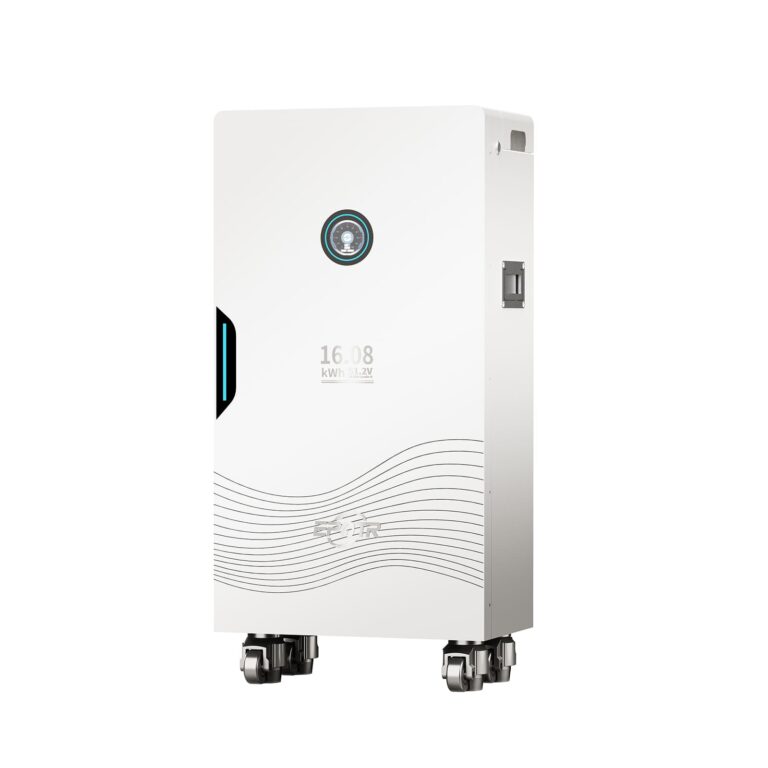
Die neuere modulare Batterielösung bietet niedrigere Anschaffungskosten und benötigt weniger Stellfläche. Kleinere Geschäfte, Restaurants, Kliniken und Werkstätten können zunächst nahe ihrer aktuellen Auslastung beginnen und die Kapazität dann mit steigenden Betriebszeiten erweitern. Dadurch wird das Risiko minimiert, ungenutzte Kapazitäten zu erwerben.
Autarke Indoor-Systeme für Gebiete mit schwacher Netzversorgung
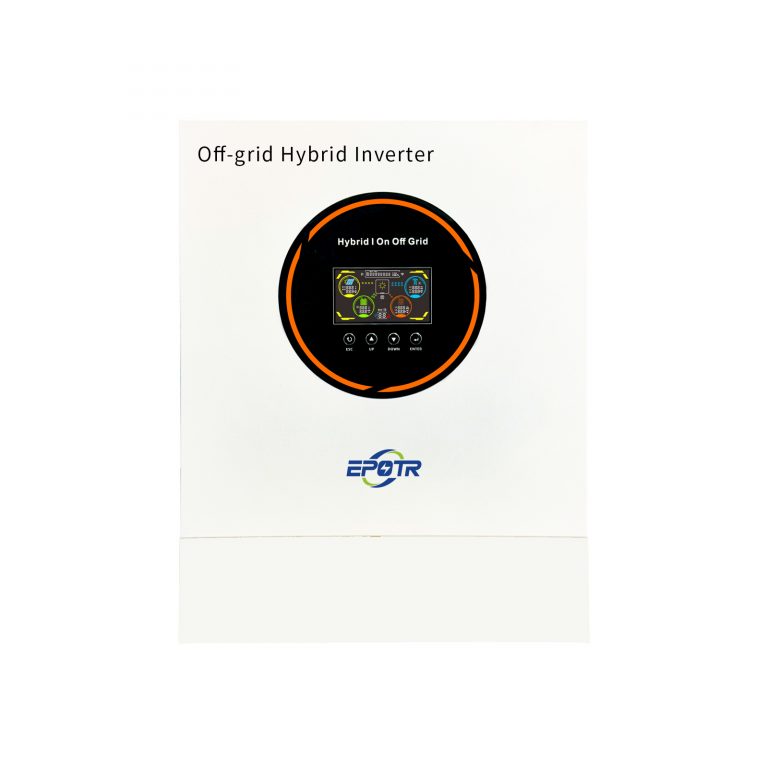
Die netzunabhängigen Wechselrichter von EPOTR sind IP20-zertifizierte, wandmontierte Innengeräte. In Kombination mit Batteriespeichern und Photovoltaikanlagen bilden sie ein unabhängiges Solarspeicher-Mikronetz für abgelegene Standorte in Vietnam und die inselreichen Märkte Südostasiens.
Die Akkupacks von EPOTR sind so konzipiert, dass sie mit über 90 % der gängigen Hybrid-Wechselrichterplattformen kompatibel sind. Diese Kompatibilität bietet EPC-Auftragnehmern mehr Flexibilität beim Austausch eines Wechselrichters, der Erweiterung eines bestehenden Systems oder der lokalen Beschaffung von Ersatzteilen.
Andere Märkte liefern wertvolle Erkenntnisse. Interne Studien berichten von Dieselstromkosten, die in afrikanischen Projekten mit schwachen Stromnetzen drei- bis fünfmal so hoch sind wie die üblichen Netztarife, während europäische Abnehmer Wert auf schnelle Reaktionszeiten und Netzdienstleistungen legen. Vietnam benötigt häufig eine Kombination aus Tarifeinsparungen, Eigenverbrauch von Solarstrom und Reservekapazitäten für Stromausfälle.
Was sollten Sie vor der Bestellung überprüfen?
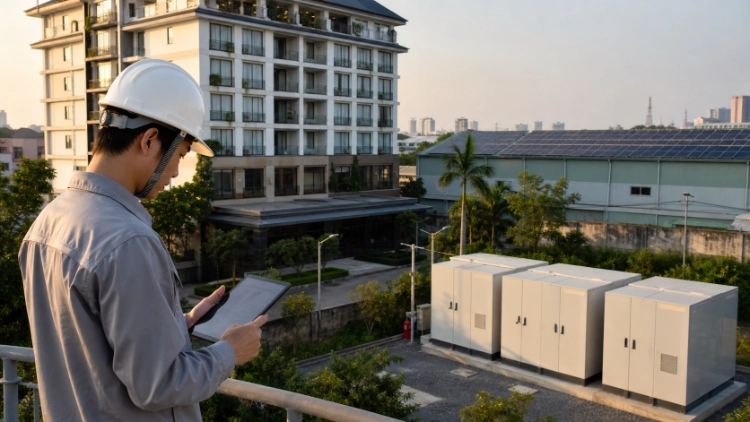
Die EPOTR-Firmenprofil Das Spektrum umfasst Batterieherstellung, Leistungselektronik, Software, IoT-Dienste und Systemintegration. Für einen fundierten Vorschlag sind jedoch Standortdaten unerlässlich. Spezifikationen allein reichen nicht aus, um das Projekt zu dimensionieren.
Bitten Sie um diese sieben Eingaben.
- Mindestens 30 Tage mit 15-Minuten-Lastdaten
- Spannungsebene und Tarifkundenkategorie
- Restlast von 17:30 bis 22:30
- Dach-PV-Anlagengröße und stündliche Leistung
- Backup-Lasten und erforderliche Reservedauer
- Bodenfläche, Hitze, Luftfeuchtigkeit, Salz und Überschwemmungsbedingungen
- Kommunikationsprotokoll und Fernzugriffsrichtlinie
Der Vorschlag sollte Tageszyklen, nutzbare Energie, Verlustfaktoren, Reserveniveau und den prognostizierten Ladezustand enthalten. Einsparungen sollten als Spanne angegeben werden. Für eine Standortprüfung senden Sie bitte die Zählerdaten und das einpolige Schaltbild über [E-Mail-Adresse/Plattform einfügen]. EPOTR-Kontaktseite.
FAQ (häufig gestellte Fragen)
Frage 1: Kann EMS jeden Monat die gleichen Einsparungen garantieren?
A: Nein. EPOTR EMS folgt den Tarif- und Betriebsregeln, die Ergebnisse hängen jedoch von der Last, der Solarleistung, der Batterieverfügbarkeit, Tarifänderungen und den Reserveeinstellungen ab.
Frage 2: Ist das 209-kWh-Modell für eine 50-kW-Last immer besser geeignet?
A: Nein. EPOTR passt die Kapazität an den Spitzenlastverbrauch, die Reservezeit und den Solarstromüberschuss an. Die 241,15-kWh-Version bietet eine längere Laufzeit bzw. Reserve.
Frage 3: Kann EP2 mit einer Solaranlage auf dem Dach und einem Generator betrieben werden?
A: Ja. EPOTR EP2 akzeptiert PV-Eingangssignale und Generator-Eingangssignale, sodass das Energiemanagementsystem die Nutzung von Netzstrom, Solarstrom, Batterie und Generator koordinieren kann.
Frage 4: Warum nicht während der gesamten Spitzenperiode mit voller Leistung entladen?
A: Eine Entladung von 50 kW über fünf Stunden erfordert mehr nutzbare Energie, als beide Schränke liefern. Das EPOTR EMS kann die Leistung begrenzen, der Last folgen und Energiereserven vorhalten.
Frage 5: Ist ein Outdoor-Schrank für jeden Standort in Vietnam geeignet?
A: Nein. EPOTR bietet zwar Schutz-, Kühlungs- und Korrosionsschutzoptionen, aber der Standort benötigt dennoch ein ordnungsgemäßes Fundament, eine Entwässerung, Beschattung, Abstände und die Einhaltung der örtlichen Elektrovorschriften.