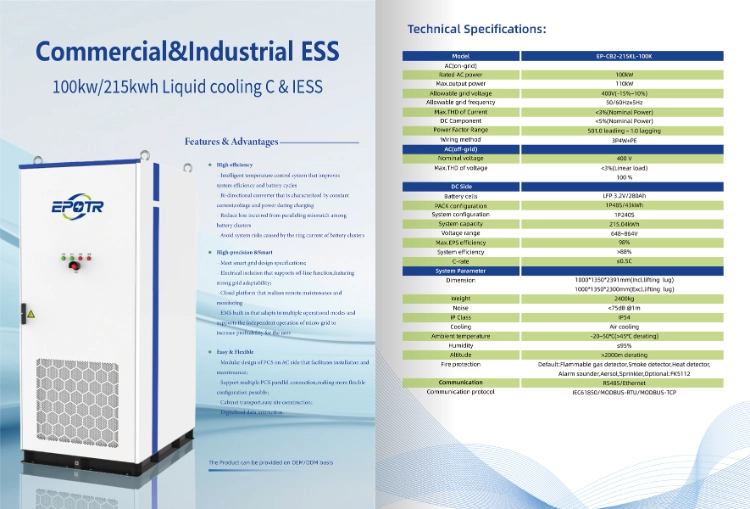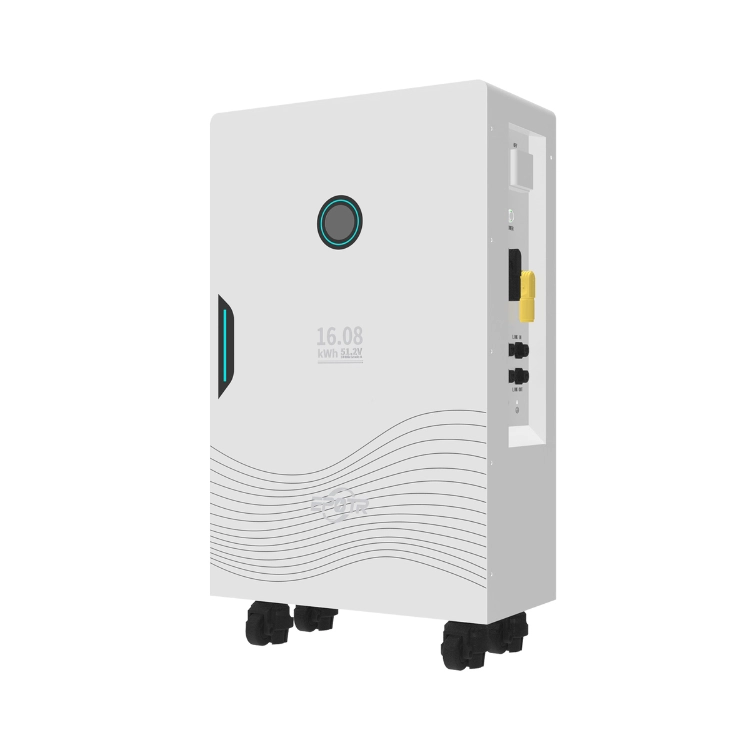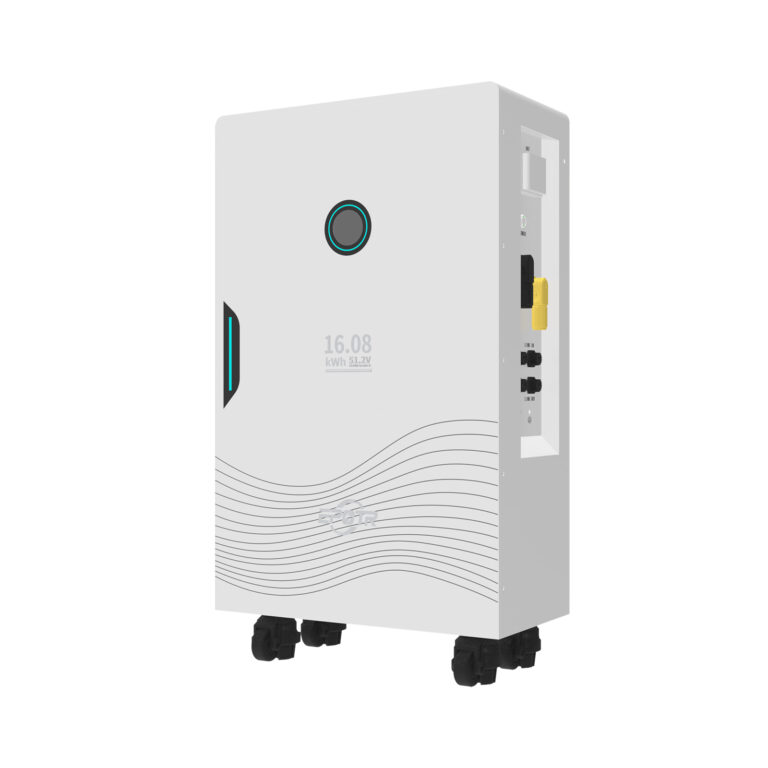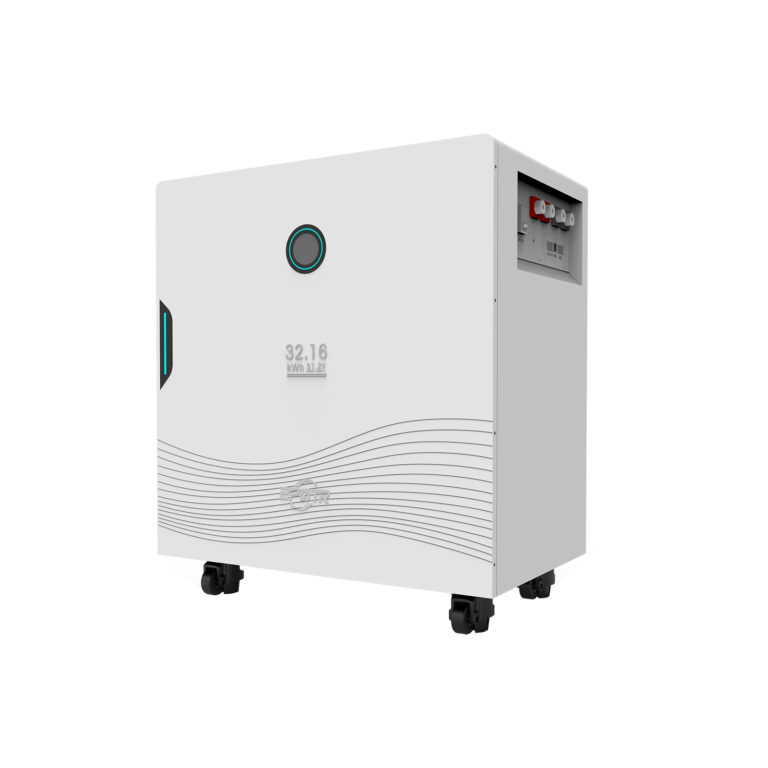

If you are evaluating 100kW 215kWh peak shaving, the useful question is not which option has the longest feature list. You need to know which design fits your duty, what evidence supports the choice, and which surrounding conditions can change the result. This article is written for commercial energy managers and storage integrators and takes a transparent power-versus-energy calculation for a specific cabinet. It gives you a practical way to compare the product without repeating the acceptance, handover, or generic specification angles used in earlier weeks.
EPOTR is included only where its published product range is relevant. Final selection, installation, compliance, and operating limits should follow the exact supplied documentation and the rules that apply in your destination market. As you read, use your real load, material, layout, climate, user, or process data. A decision based on representative conditions is more valuable than a broad claim that cannot be verified at your site.
Separate the 100kW and 215kWh Limits
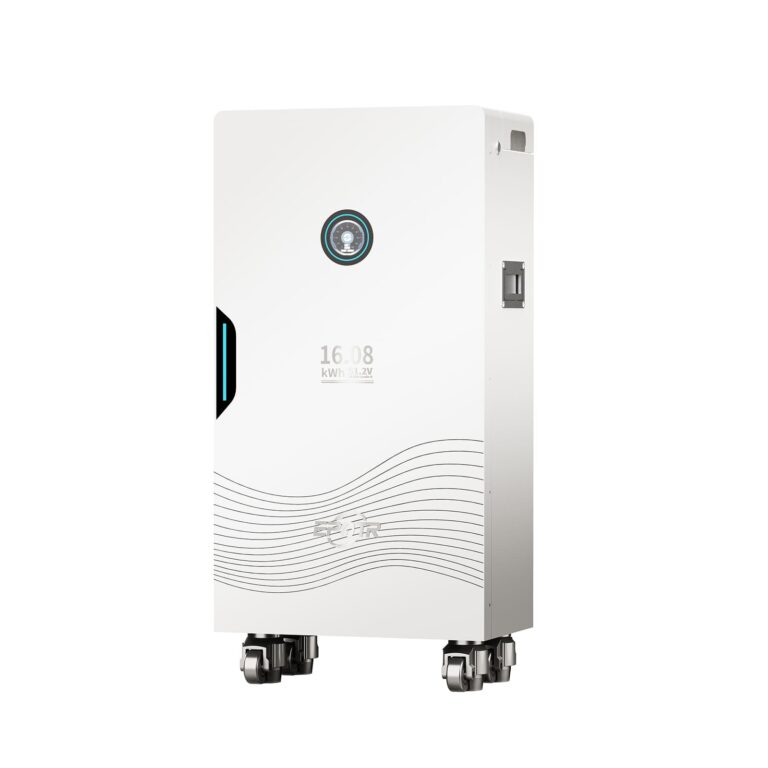
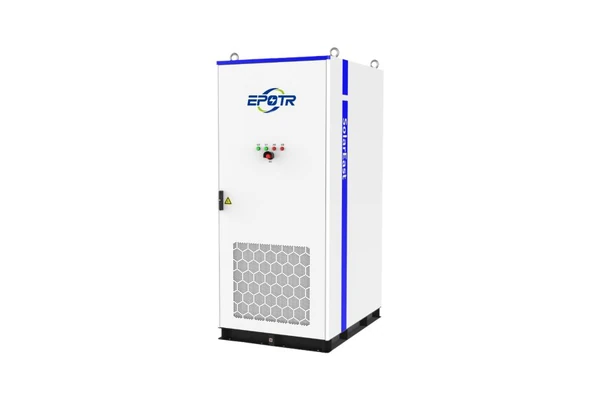
Power limits the instantaneous reduction; energy limits how long it can continue. At an idealized 100kW discharge, 215kWh suggests a little over two hours before losses and operating reserves are considered. The EPOTR 100kW/215kWh ESS provides an official or authoritative reference for this part of the decision.
For your project, convert this point into a controlled input rather than a sales adjective. Record the starting condition, the expected outcome, the operating range, and the person responsible for the decision. If one value is not yet known, mark it as an assumption and test it before release. This keeps purchasing, engineering, operations, and the supplier working from the same basis instead of carrying different interpretations into production.
Define the Demand-Charge Window
Utilities may calculate demand over 15, 30, or 60 minutes and apply ratchets or seasonal rules. Your dispatch target should match the actual tariff measurement. The NREL battery storage guide provides an official or authoritative reference for this part of the decision.
A Practical Way to Apply This Point
A useful comparison holds the surrounding conditions constant. Ask each option to address the same duty, site limits, materials, environment, and acceptance method. Then separate mandatory requirements from preferences and future options. You will see more clearly whether a higher specification solves a real constraint or only adds cost, complexity, and training. Keep the evidence with the product revision so the decision remains understandable when your team reorders or expands later.
Build a Baseline Peak Shape
A sharp 20-minute peak and a flat four-hour plateau need different storage. Use interval data to calculate the area above a chosen demand ceiling, not just the single highest point. The DOE energy storage provides an official or authoritative reference for this part of the decision.
You should also examine the interfaces around this decision. Upstream conditions can change what reaches the product, while downstream equipment or user behavior can hide a weak choice for a short time. Draw the complete path, mark the handoff points, and note where measurement is practical. A system view usually exposes missing dimensions, incompatible assumptions, or maintenance needs before they become field problems.
Reserve Energy for Efficiency and SOC Limits
Conversion losses, auxiliary loads, state-of-charge boundaries, temperature derating, and capacity aging reduce deliverable energy. State assumptions openly instead of treating nameplate kWh as guaranteed AC output. The FEMP demand management provides an official or authoritative reference for this part of the decision.
A Practical Way to Apply This Point
Do not approve this item from a single ideal sample. Use representative low, normal, and demanding conditions, and repeat the observation long enough to see drift. Photograph or log the same features each time. Your test does not need to imitate every future event, but it should be specific enough to reveal whether performance is stable within the intended use and which conditions remain outside the evidence.
Check Recharge Opportunity
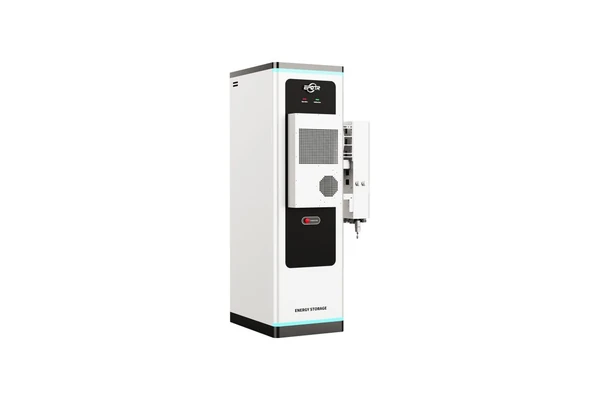
A battery that shaves today’s peak must recharge without creating a new peak or using expensive energy. Model the available low-tariff window and any onsite solar. The EPOTR C&I ESS provides an official or authoritative reference for this part of the decision.
The commercial document should preserve the technical choice. Put the agreed material, model, construction, dimensions, revision, quantity, packaging, and supporting records in one scope. Avoid phrases such as standard quality or suitable for use unless the relevant requirement is stated. When a quotation changes, compare it against this scope line by line; otherwise a lower price can simply reflect a missing feature or a different operating assumption.
Coordinate Backup and Peak Shaving
If the cabinet also supports critical loads, keep an emergency reserve or accept reduced backup duration. Do not sell the same stored kWh twice in the operating plan.
A Practical Way to Apply This Point
Think about service life as a sequence of observable changes, not one universal number. Define what operators can inspect, which measurement indicates deterioration, what cleaning or adjustment is allowed, and when engineering review is required. This approach lets you adapt maintenance to actual duty while avoiding unsupported promises. It also creates better feedback for the next order because wear, defects, and interventions can be tied to a known product and position.
Run a Month-by-Month Financial Case
Apply tariff savings, degradation, efficiency, maintenance, financing, and missed-peak risk. A dispatch simulation produces a more credible payback than multiplying one peak by twelve.
Finally, assign an owner and a release rule. Engineering may set the design limit, quality may define the inspection, operations may confirm usability, and purchasing may control the approved revision. When those roles are explicit, your team can make a timely decision without turning every observation into a new specification. The result is a product choice that supports the intended search question and also gives a buyer a practical next step.
Häufig gestellte Fragen
What information should you collect before discussing 100kW 215kWh peak shaving?
Collect the intended duty, operating range, site or user conditions, interfaces, constraints, target outcome, and the method you will use to judge success. Add photographs, drawings, samples, or interval data when they explain the application better than a short description.
Should you choose the option with the highest published specification?
Not automatically. A higher value can add cost or complexity without improving the intended result. Compare the options under the same conditions and decide which requirement is actually limiting your project.
How can you reduce risk before a bulk order or final design release?
Use a representative sample, model, trial, or calculation; document the exact revision and assumptions; and involve the teams that will install, operate, clean, sell, or service the product. Release only the range that your evidence supports.
Schlussfolgerung
A strong decision on 100kW 215kWh peak shaving starts with the application and ends with a traceable reason for the choice. When you compare the same duty, verify the interfaces, test representative conditions, and keep the approved revision clear, you reduce avoidable cost without turning the article into another generic checklist. Use the framework above to prepare a focused discussion with EPOTR and to identify the few project facts that still need engineering confirmation.