
कंप्रेसर के काम में देरी और अचानक बढ़ी बिजली की मांग से बचने के लिए कोल्ड-स्टोर बैटरी डिस्पैच को रेफ्रिजरेशन चक्रों के अनुसार होना चाहिए। कोल्ड स्टोरेज की बिजली की मांग कमरे में प्रवेश करने वाली गर्मी और उसे बाहर निकालने वाले रेफ्रिजरेशन नियंत्रणों द्वारा निर्धारित होती है। कंप्रेसर चलते हैं, इवेपोरेटर के पंखे चलते हैं, दरवाजे खुलते हैं, उत्पाद गर्म अवस्था में पहुंचता है, और डीफ्रॉस्टिंग से तापमान और बिजली की मांग दोनों में अस्थायी परिवर्तन होते हैं। मासिक बिल से तैयार किया गया बैटरी डिस्पैच शेड्यूल इन घटनाओं को ध्यान में नहीं रख सकता।
वियतनामी कोल्ड स्टोरों के लिए, गर्म परिवेश और नमीयुक्त हवा के प्रवेश से लोड कर्व संचालन प्रक्रियाओं के प्रति विशेष रूप से संवेदनशील हो सकता है। स्टोरेज ग्रिड पीक को कम कर सकता है या व्यवधान के दौरान महत्वपूर्ण प्रशीतन को बनाए रख सकता है, लेकिन केवल तभी जब इसके नियंत्रण कंप्रेसर साइक्लिंग, तापमान सीमा और डीफ्रॉस्ट या लोडिंग के बाद रिकवरी के लिए आवश्यक ऊर्जा का ध्यान रखें।
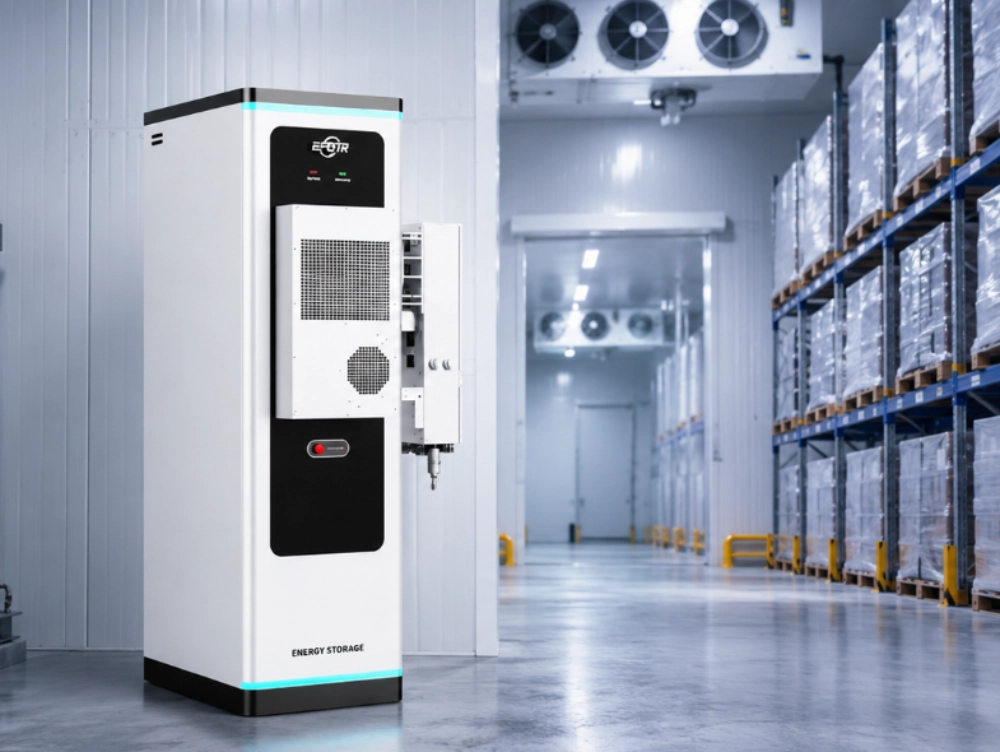
तापमान और बिजली को एक ही समयरेखा पर पढ़ें
विद्युत अंतराल डेटा को कमरे के तापमान, सक्शन और डिस्चार्ज स्थितियों (जहाँ उपलब्ध हो), डोर इवेंट्स, डीफ्रॉस्ट समय और उत्पादन गतिविधि के साथ संयोजित किया जाना चाहिए। इसका उद्देश्य पीक उत्पन्न होने का कारण पता लगाना है। यदि एक पीक पाँच मिनट का कंप्रेसर ओवरलैप है और दूसरा गर्म माल के प्रवेश के बाद दो घंटे का पुल-डाउन है, तो दो 150 kW पीक के लिए बैटरी की प्रतिक्रियाएँ भिन्न हो सकती हैं। कंप्रेसर, तापमान, डीफ्रॉस्ट, डोर, बैटरी और साइट-इम्पोर्ट डेटा को एक से पाँच मिनट के अंतराल पर संरेखित करें।
प्रशीतन भार स्थितियों की पहचान करें
एक उपयोगी ऑपरेटिंग मैप स्थिर होल्डिंग, उत्पाद पुल-डाउन, डोर-इंटेंसिव लोडिंग, डीफ्रॉस्ट, पोस्ट-डीफ्रॉस्ट रिकवरी और असामान्य संचालन को अलग-अलग करता है। प्रत्येक स्थिति की एक विशिष्ट पावर रेंज और तापमान संबंधी परिणाम होते हैं। बैटरी नियंत्रण उत्पाद की सुरक्षा करने वाले रेफ्रिजरेशन अनुक्रम में हस्तक्षेप किए बिना, अनावश्यक विद्युत ओवरलैप को लक्षित कर सकता है।
मानचित्र में सहायक भारों को शामिल किया जाना चाहिए। कंडेंसर पंखे, इवेपोरेटर पंखे, पंप, नियंत्रक, प्रकाश व्यवस्था, चार्जर और डॉक उपकरण साइट के अधिकतम भार में महत्वपूर्ण योगदान दे सकते हैं। ग्रिड बाधित होने की स्थिति में, नियंत्रक और पंखे तब भी महत्वपूर्ण हो सकते हैं जब सभी कंप्रेसर चालू न हों।
पौधे की उस चोटी को न काटें जिसे बाद में पौधे को फिर से ठीक करना पड़े।
पीक शेविंग तब उपयोगी होती है जब बैटरी मांग में अचानक हुई थोड़ी वृद्धि को पूरा करती है और कम लागत या कम लोड वाले समय में रिचार्ज होती है। यह तब नुकसानदायक हो जाती है जब अत्यधिक डिस्चार्ज होने से कमरे का तापमान बदल जाता है या चार्जिंग के कारण अगले रेफ्रिजरेशन चक्र से पहले दूसरा पीक उत्पन्न हो जाता है। पूरे चौबीस घंटे के लोड पैटर्न का मॉडल तैयार किया जाना चाहिए, न कि केवल मूल अधिकतम अंतराल का।
मांग लक्ष्य के साथ डीफ़्रॉस्टिंग का समन्वय करें
इलेक्ट्रिक डीफ्रॉस्ट से अन्य कंप्रेसर के चलते रहने के दौरान हीटिंग लोड बढ़ सकता है। इसके विपरीत, हॉट-गैस डीफ्रॉस्ट से रेफ्रिजरेशन संतुलन बदल जाता है। जहां उत्पाद और उपकरण अनुमति देते हैं, वहां डीफ्रॉस्ट शेड्यूल को अलग-अलग समय पर करने से बैटरी लगाने से पहले मांग कम हो सकती है। ऐसे में स्टोरेज बचे हुए ओवरलैप को संभाल सकता है, बजाय इसके कि किसी अक्षम शेड्यूल को छुपाया जाए।
डीफ्रॉस्ट प्रक्रिया के बाद रिकवरी की अलग से जांच होनी चाहिए। एक कंट्रोलर जो डीफ्रॉस्ट के दौरान अत्यधिक डिस्चार्ज करता है और फिर कंप्रेसर को दोबारा चालू करने के लिए उसमें पर्याप्त चार्ज नहीं होता, वह पीक को बदल सकता है। डिस्पैच मॉडल में इन दोनों स्थितियों और इनमें से किसी भी स्थिति में ग्रिड फेल होने पर आवश्यक न्यूनतम रिजर्व को शामिल किया जाना चाहिए।
थर्मल स्वायत्तता से बैकअप पावर को अलग करें
बिजली गुल होने पर कोल्ड रूम का तापमान तुरंत असुरक्षित स्तर तक नहीं पहुंचता। इन्सुलेशन, संग्रहित उत्पाद का द्रव्यमान, प्रारंभिक तापमान, दरवाज़े का नियंत्रण और बाहरी परिस्थितियां तापीय स्वायत्तता प्रदान करती हैं। विद्युत बैकअप समय और सुरक्षित उत्पाद समय आपस में संबंधित हैं, लेकिन एक जैसे नहीं हैं। तापमान-जोखिम अध्ययन से यह पता लगाया जा सकता है कि किन कंप्रेसर, पंखे, नियंत्रण, अलार्म और दरवाज़ों को वास्तव में निरंतर सहायता की आवश्यकता है।
महत्वपूर्ण लोड को एक निर्धारित बस पर रखा जाना चाहिए। कंप्रेसर स्टार्टिंग करंट, चरणबद्ध रीस्टार्ट, फेज बैलेंस और कंट्रोल कम्पैटिबिलिटी की जांच अवश्य की जानी चाहिए। बैटरी जनरेटर स्टार्ट को ब्रिज कर सकती है, कुछ समय के लिए चुनिंदा रेफ्रिजरेशन प्रदान कर सकती है, या ऑपरेटिंग प्रक्रियाओं द्वारा कमरों की सुरक्षा सुनिश्चित करते समय कंट्रोल और पंखों को सपोर्ट कर सकती है। प्रत्येक कार्य के लिए अलग-अलग पावर और ऊर्जा की आवश्यकता होती है।
साइट के वास्तविक चक्र के अनुसार बैटरी को सेट करें।
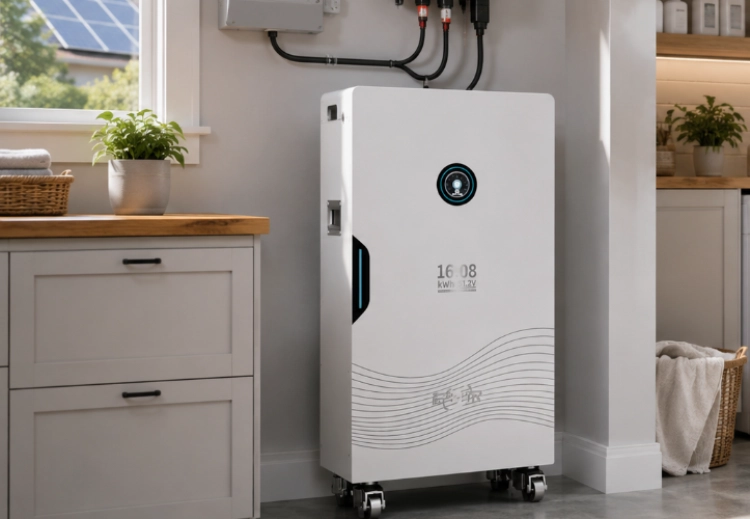
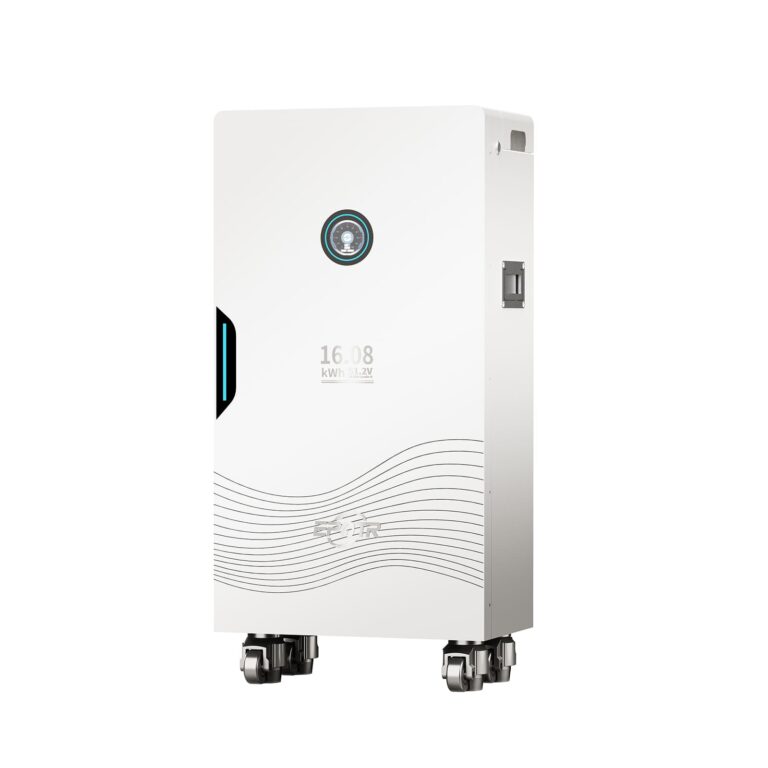
द ईपी2 ऑल इन वन हाइब्रिड ऊर्जा भंडारण प्रणाली इसका मूल्यांकन उन मामलों में किया जा सकता है जहां बैटरी स्टोरेज, बिजली रूपांतरण और ऊर्जा प्रबंधन के समन्वित संचालन की आवश्यकता होती है। कोल्ड स्टोर के लिए, डिज़ाइन इनपुट में मापा गया पीक आकार, कंप्रेसर स्टेप्स, साइट वोल्टेज, लक्षित कमी, बैकअप लोड, सौर या जनरेटर कनेक्शन, कूलिंग, संचार और रखरखाव स्थान शामिल हैं।
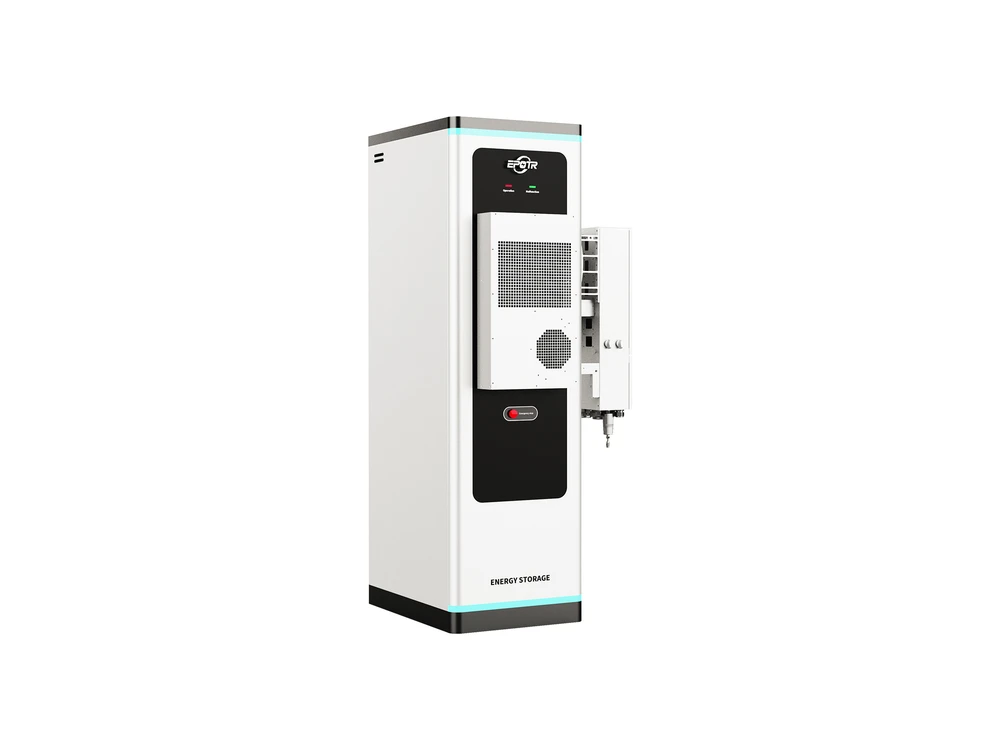
ईपीओटीआर प्रदान वाणिज्यिक और औद्योगिक ऊर्जा भंडारण समाधान नवीकरणीय ऊर्जा एकीकरण, मांग प्रबंधन और बैकअप अनुप्रयोगों के लिए। प्रशीतन नियंत्रण प्रणाली और भंडारण नियंत्रक के बीच एक स्पष्ट सीमा होनी चाहिए। बैटरी डिस्पैच को सुरक्षा इंटरलॉक, तापमान नियंत्रण, तेल वापसी, न्यूनतम संचालन समय या अल्प-चक्र सुरक्षा को बाधित किए बिना, सहमत मुख्य-मीटर सिग्नल पर प्रतिक्रिया देनी चाहिए।
अनुमोदन से पहले रिचार्ज विंडो का मॉडल तैयार करें
दोपहर के समय जब शीतलन चरम पर होता है, उस दौरान डिस्चार्ज हुई बैटरी को रिचार्ज होने के लिए पर्याप्त समय और ग्रिड या सौर ऊर्जा की अतिरिक्त क्षमता की आवश्यकता होती है। कोल्ड स्टोर में अक्सर निरंतर आधारभूत मांग बनी रहती है, इसलिए देखने में शांत लगने वाली अवधि में भी अतिरिक्त क्षमता अधिक नहीं हो सकती है। मॉडल को रिचार्ज पावर, अवधि, टैरिफ अवधि, अगले अपेक्षित चरम और सहायक शीतलन ऊर्जा के प्रभाव की गणना करनी चाहिए।
परिचालन स्थितियों के आधार पर चार्ज रिजर्व की स्थिति बदल सकती है। खराब मौसम, जनरेटर की मरम्मत, तापमान के प्रति संवेदनशील स्टॉक के आगमन, या बार-बार दरवाज़ा खोलने की अवधि से पहले अधिक रिजर्व उपयुक्त हो सकता है। नियमित संचालन के दौरान किफायती डिस्पैच अधिक क्षमता का उपयोग कर सकता है, लेकिन आपातकालीन ऊर्जा की आवश्यकता पड़ने से ठीक पहले उसका उपयोग व्यर्थ नहीं होना चाहिए।
प्रशीतन-विशिष्ट परीक्षण के साथ आयोग
स्वीकृति परीक्षण में प्रतिनिधि कंप्रेसर संयोजनों और वास्तविक या नकली मांग घटना का उपयोग किया जाना चाहिए। मीटर की ध्रुवीयता और समय, कमांड विलंब, रैंप दर, वितरित शक्ति, चार्ज सीमा, स्थानांतरण व्यवहार, अलार्म संचार और रिचार्ज की जाँच करें। पुष्टि करें कि बैटरी के आउटपुट में परिवर्तन के दौरान कंप्रेसर का प्रारंभ और चक्रण स्थिर बना रहता है।
तापमान और उत्पाद सुरक्षा अंतिम मानदंड बने रहते हैं। कमरे के तापमान, दरवाज़े की घटनाओं, प्रशीतन अलार्म, बैटरी प्रतिक्रिया और बिलिंग मीटर पर मांग की समीक्षा एक ही समयरेखा पर करें। EPOTR का समाधान जानकारी और परियोजना संपर्क यह अंतराल डेटा, प्रशीतन आरेख, परिचालन अवस्था, शुल्क, सौर या जनरेटर विवरण और स्वीकृति सीमाओं के आधार पर इंजीनियरिंग चर्चा का समर्थन कर सकता है।
चालू करने के बाद, टाले गए पीक, बैटरी साइकल, कमरे के तापमान, जनरेटर के घंटे, अलार्म और रिचार्ज के लिए उपयोग की गई ऊर्जा की तुलना करें। यदि एक ही लोडिंग या डीफ़्रॉस्ट घटना के बाद बार-बार मांग में वृद्धि होती है, तो परिचालन में बदलाव बैटरी डिस्चार्ज बढ़ाने की तुलना में अधिक लाभप्रद हो सकते हैं। नियंत्रण रणनीति को कोल्ड स्टोर के साथ विकसित होना चाहिए, न कि अपनी पहली सेटिंग पर स्थिर रहना चाहिए।
चरम तापमान घटना के बाद तापमान में होने वाले पुनः उछाल की जांच करें
बिजली की खपत में कमी आने के बावजूद, रेफ्रिजरेशन का काम देर से हो सकता है। यदि कंप्रेसर का संचालन कम किया जाता है या उसे दूसरी जगह शिफ्ट किया जाता है, तो कमरे या उत्पाद का तापमान थोड़ा बढ़ सकता है और बाद में संचालन का समय बढ़ सकता है। मॉनिटरिंग विंडो को बिलिंग पीक से आगे तक इतना लंबा होना चाहिए कि इस रिबाउंड को कैप्चर किया जा सके। एक अंतराल से गणना की गई बचत भ्रामक हो सकती है जब अगले घंटे में अधिक लोड पर उतनी ही ऊर्जा वापस आती है।
फॉल्ट रिकॉर्ड में ग्रिड लॉस, रेफ्रिजरेशन ट्रिप, उच्च तापमान, संचार विफलता, कम बैटरी रिजर्व और कंट्रोलर ओवरराइड जैसी घटनाओं को स्पष्ट रूप से दर्शाया जाना चाहिए। इन घटनाओं के अलग-अलग कारण और प्रतिक्रियाएँ होती हैं। बैटरी लॉग को रेफ्रिजरेशन अलार्म हिस्ट्री से जोड़ने से यह निर्धारित करने में मदद मिलती है कि मांग लक्ष्य पूरा न होने का कारण अपर्याप्त स्टोरेज, अनुपलब्ध कंप्रेसर, गलत मीटर सिग्नल या उत्पाद की सुरक्षा के लिए लिया गया कोई परिचालन निर्णय था या नहीं।
सामान्य प्रश्न
प्रश्न 1: कोल्ड-स्टोर बैटरी के आकार निर्धारण में कंप्रेसर-साइकिल डेटा का उपयोग क्यों किया जाना चाहिए?
ए: साइक्लिंग डेटा में शुरुआती चरण, ओवरलैप, रन की अवधि, डीफ्रॉस्ट रिकवरी और यह जानकारी मिलती है कि क्या पीक इतना छोटा है कि स्टोरेज प्रभावी ढंग से कम हो सके।
प्रश्न 2: क्या प्रशीतन के लिए बैटरी स्टैंडबाय जनरेटर का स्थान ले सकती है?
ए: यह बिजली कटौती की अवधि, महत्वपूर्ण भार, कंप्रेसर की शुरुआती शक्ति, थर्मल स्वायत्तता, रिचार्ज विकल्पों और साइट की लचीलापन योजना पर निर्भर करता है।
Q3: क्या बैटरी पीक शेविंग के दौरान डीफ्रॉस्टिंग होनी चाहिए?
ए: पूरी अनुसूची की समीक्षा की जानी चाहिए। अलग-अलग समय पर डीफ़्रॉस्ट करने से पीक टाइमिंग कम हो सकती है, जबकि बैटरी डिस्पैच को डीफ़्रॉस्ट के बाद रिकवरी और बैकअप के लिए ऊर्जा बचाकर रखनी चाहिए।
प्रश्न 4: कोल्ड रूम में थर्मल ऑटोनॉमी क्या है?
ए: यह वह समय है जब सक्रिय प्रशीतन बंद होने के बाद भी कमरा और उत्पाद अनुमत तापमान सीमा के भीतर रह सकते हैं, जो इन्सुलेशन, उत्पाद के द्रव्यमान, दरवाजों और परिवेश की स्थितियों पर आधारित होता है।
प्रश्न 5: कोल्ड स्टोरेज ईएसएस अध्ययन के लिए किस प्रकार के डेटा की आवश्यकता होती है?
ए: अंतराल बिजली, कमरे का तापमान, कंप्रेसर और डीफ्रॉस्ट शेड्यूल, दरवाजा और लोडिंग पैटर्न, महत्वपूर्ण लोड, टैरिफ, जनरेटर और सौर डेटा, और उत्पाद तापमान सीमाएं प्रदान करें।