
Die Auswahl eines zuverlässigen Energieverbündeten beinhaltet weit mehr als den Erwerb von Ausrüstung; es geht um den Schutz Ihres Unternehmens’ Perspektiven. EPOTR entsteht als eine fokussierte Behörde in der Energieverbesserung, gegründet in Dongguan’ Produktionszentrum im Jahr 2023. Das Unternehmen vertreibt nicht nur Komponenten; es konstruiert die “ Gründung eines grünen Morgens” durch die Zusammenführung modernster Stromgeräte mit intelligenter Aufsicht. Ob Sie ein Werk in Vietnam betreiben oder einen Küstenurlaub auf den Philippinen betreiben, Lösungen von EPOTR Ziel ist es, die Leistung zu steigern und die Emissionen zu reduzieren. Ihr qualifiziertes Personal verwaltet alle Phasen von der Forschung bis zur weltweiten Lieferung und positioniert sie als die bevorzugte Wahl für Unternehmen, die nach einer professionellen Haltbarkeit ohne unnötige Details suchen. Wenn Sie einen technischen Mitarbeiter suchen, der klar kommuniziert, überprüfen Sie ihre Über uns Abschnitt oder Verbindung durch Kontaktieren Sie uns um herauszufinden, wie sie Ihre Energieprobleme lösen.
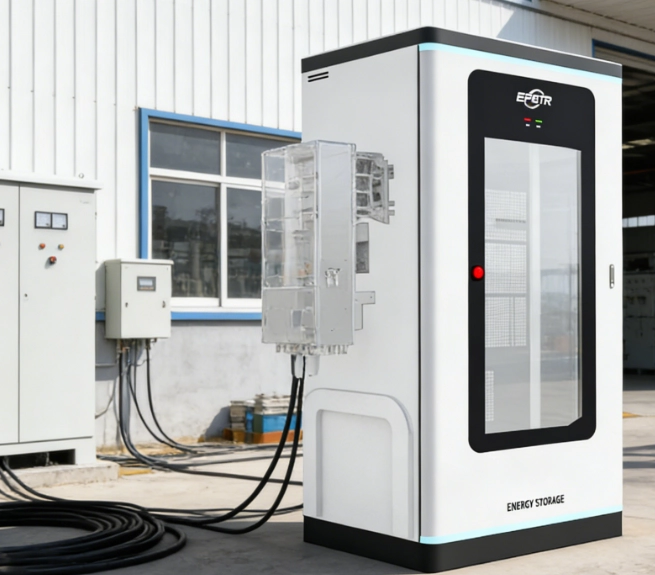
Warum ist Batteriechemie die Grundlage für industrielle Sicherheit?
Der Schutz beginnt auf der Grundpartikelniveau. In Südostasien’ s Wärme oder eine Fabrik’ s intensive Routinen, die Batterie’ Die Zusammensetzung entscheidet, ob Ihr Standort reibungslos funktioniert oder Zündungsgefahr besteht. Branchenzahlen zeigen, dass erhöhte Temperaturen die Lebensdauer gewöhnlicher Batterien erheblich verkürzen, was Ihre Chemiewahl zu der wichtigsten wirtschaftlichen Wahl für dieses Jahr macht.
Hohe thermische Stabilität von Lithium-Eisenphosphat
Lithium-Eisenphosphat (LiFePO4) dient als bevorzugte Option für kommerzielle und industrielle Initiativen, da es auch bei Punktionen der Zündung widersteht. Diese Einheiten halten 6000 Zyklen bei 90% Entladungstiefe (DOD) unter 25°C aus, was im Vergleich zu früheren Methoden eine erheblich verlängerte Zeit für Ihre Finanzierung bietet. Diese Ausdauer erhöht den Gesamtsystemwert und unterstützt einen nachhaltigen Betrieb.
Überlegene Lebenszyklusleistung in tropischen Klimazonen
Produktionsgebiete in Orten wie Vietnam begegnen stetiger Hitze, aber LiFePO4 behält seine Form ohne die “ thermische Ablauf” Gefahren im Zusammenhang mit Kobaltvarianten. Diese Zuverlässigkeit führt zu geringeren Ersatzbedarf und minimalen Unterbrechungen bei Kühlungseinrichtungen. Dadurch erreichen Unternehmen eine größere Betriebskontinuität in anspruchsvollen Umgebungen.
Chemische Risiken veralteter Bleisäure-Alternativen
Der Wechsel von Blei-Säure ist für moderne Anlagen unerlässlich geworden. Diese Batterien erfordern umfangreiche Pflege, besetzen weite Flächen und freisetzen giftige Dämpfe, die sie im Jahr 2026 als Belastung positionieren. strenge Umwelt-, Sozial- und Governance-Märkte. Die Entscheidung für erweiterte Optionen gewährleistet somit Compliance und Sicherheit.
Wie minimiert ein All-in-One-Design die Installationsrisiken?
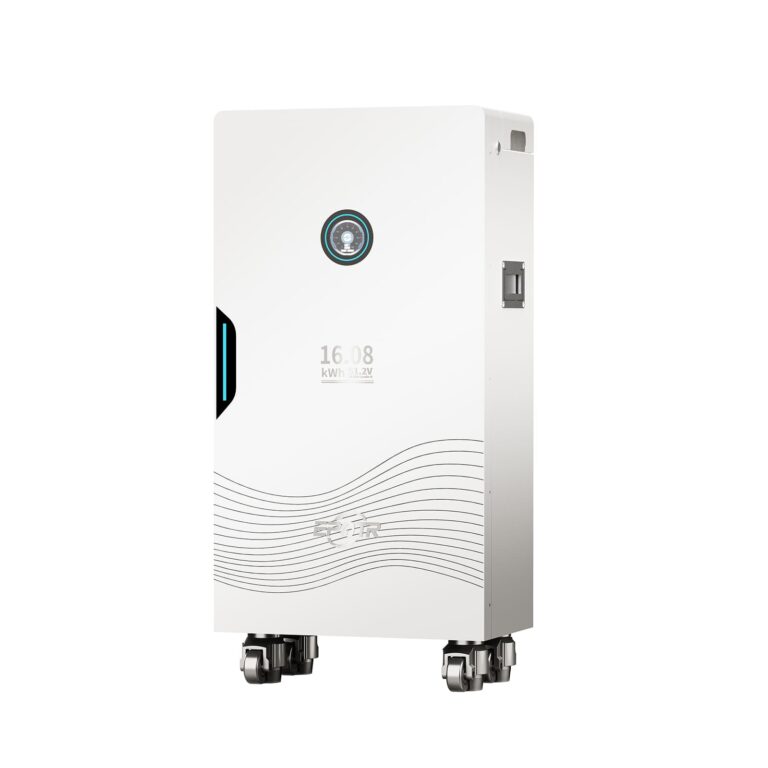
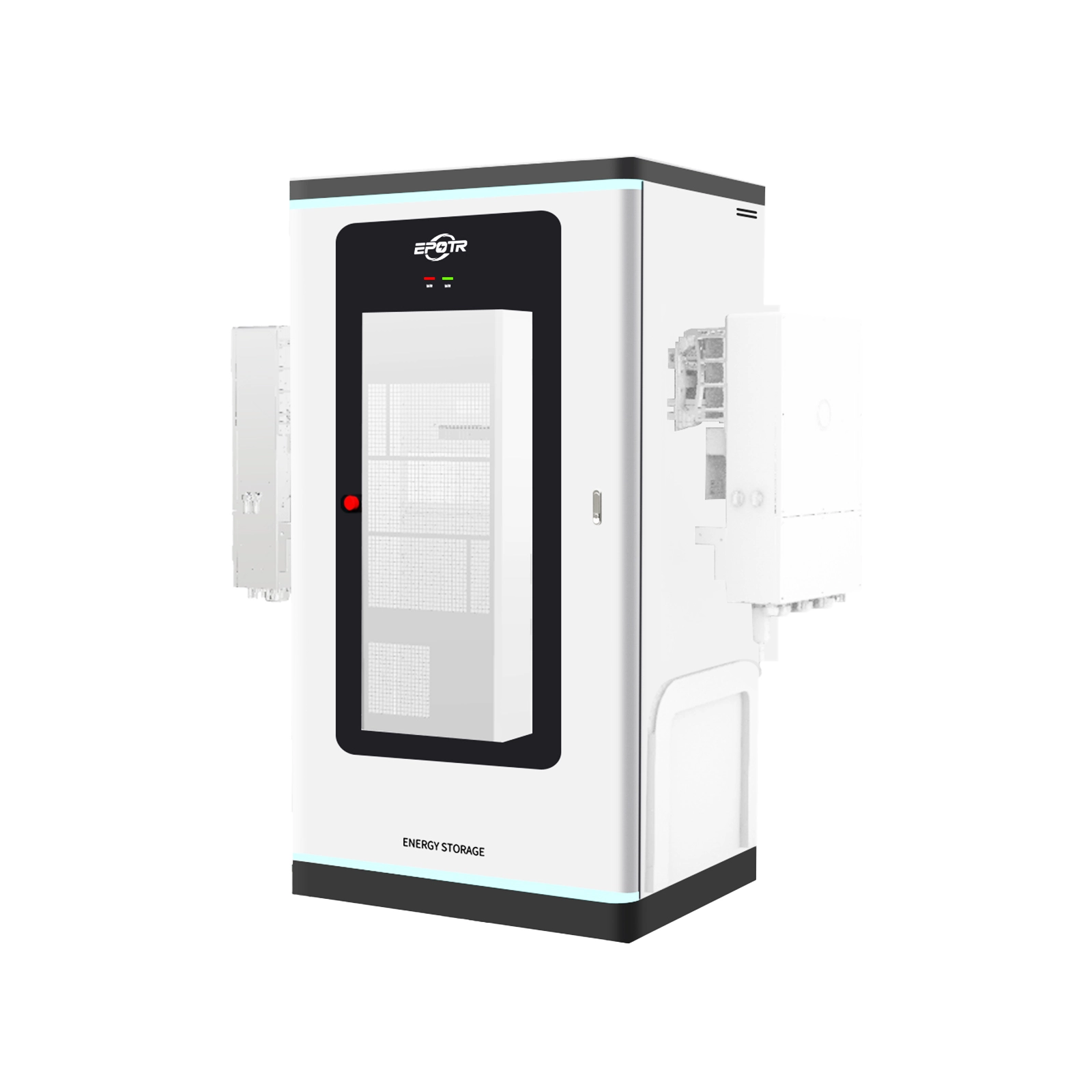
Eine ausgearbeitete Verkabelung führt oft zu den meisten Setup-Ausfällen. Konventionelle Anordnungen beinhalten die Verknüpfung verschiedener Wechselrichter, Batterierahmen und Regler während der Installation, was zu Bedienerfehlern und erhöhten Arbeitskosten führt. Für ein aktives Unternehmen EP2 ALL IN EINEM Hybrid-Energiespeichersystem löst diese Probleme durch die Integration aller Elemente in ein einziges vorbereitetes Gehäuse.
Fabrikintegrierte interne Stromverteilung
Die Platzierung der Hybrid-Wechselrichter- und Batterieabschnitte in einer Einheit ermöglicht die robotische und spezialisierte Montage von internen Anschlüssen am Produktionsstandort. Diese einsatzbereite Methode beseitigt Unsicherheiten und garantiert eine genaue Spannung an jedem Link. Dadurch wird die Bereitstellung effizienter und weniger anfällig für Fehler.
Reduzierte Feldverleitungsfehler durch modulare Architektur
Modulare Strukturen ermöglichen das einfache Einsetzen von Teilen wie Regalen. Diese Einfachheit ermöglicht es den Mitarbeitern vor Ort, sich weniger auf die Verkabelung zu konzentrieren und mehr darauf zu überprüfen, ob die Anordnung Ihren genauen Strombedarf entspricht. Dieser Ansatz vereinfacht letztlich den gesamten Inbetriebnahmeprozess.
Vorgetestete Komponentenkompatibilität für nahtlosen Betrieb
Ein einheitliches Framework bedeutet, eine kohärente Einheit zu erhalten, in der das BMS (Battery Management System) und der Wechselrichter von Anfang an effektiv kommunizieren. Diese Einrichtung vermeidet Interaktionsprobleme, die häufig “ diverse-Marke” Konfigurationen. Daher verbessert sich die Zuverlässigkeit im täglichen Gebrauch.
Welche Schutzfunktionen sind für Hochspannungssysteme obligatorisch?
Hochspannungsanlagen transportieren erhebliche Energie, und die Vorschriften von 2026 verlangen über grundlegende Sicherheitsmaßnahmen hinaus. Wesentliche aktive Verteidigungen müssen verhindern, dass kleine Fehler zu vollständigen Fehlern eskalieren. Experte Speicherlösungen reagieren schneller als jedes manuelle Eingriff.
Integrierte Brandbekämpfungs- und Raucherkennungssysteme
Stromgehäuse enthalten eingebaute Aerosolunterdrückungseinrichtungen. Wenn Detektoren Dämpfe oder plötzliche Wärme im Inneren erkennen, setzt der Mechanismus das Mittel schnell frei, um Flammen zu löschen. Diese schnelle Reaktion verhindert weit verbreitete Schäden und bewahrt die Integrität des Standorts.
Advanced Multi-Level Battery Management System Steuerung
Ein überlegenes BMS verfolgt jede Zelle individuell. Sollte ein Abschnitt Unregelmäßigkeiten aufweisen, trennt der Rahmen ihn von der Gruppe ab, so dass die Funktion der Anlage bis zum Ersatz fortgesetzt werden kann. Diese Isolation erhöht die Gesamtsicherheit und die Betriebszeit.
Echtzeit-Fehlerisolation und Rapid Shutdown-Protokolle
Reaktionszeiten erfolgen in Millisekunden. Bei Stromverspannungen oder internen Störungen EP2 ALL IN EINEM Hybrid-Energiespeichersystem löst sich sicher aus und schützt teure Produktionswerkzeuge vor Stromschäden. Diese Funktion gewährleistet minimale Störungen in kritischen Szenarien.
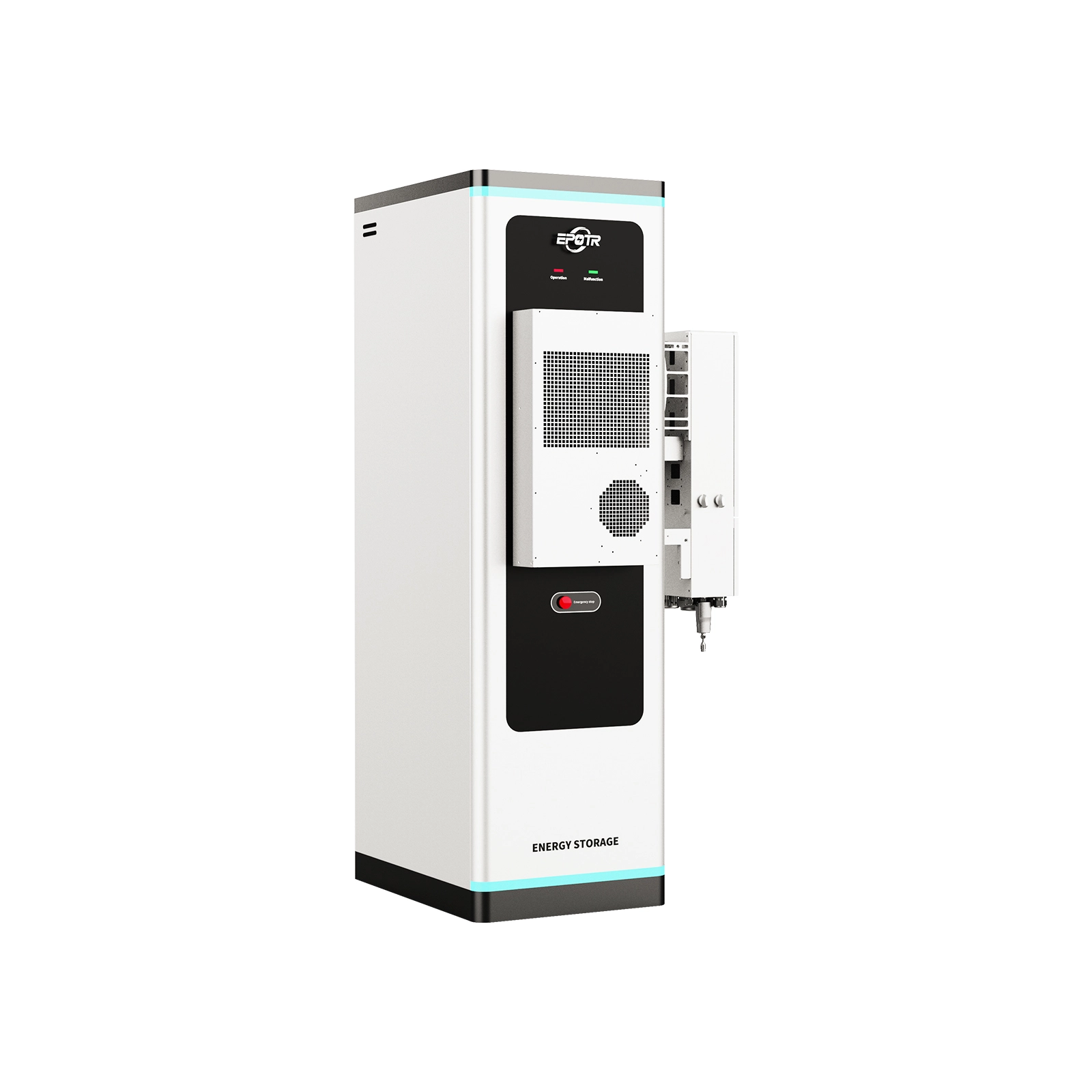
Kann Ihre Energiespeicherung extremen Umweltbedingungen standhalten?
In Archipelagstaaten wie Indonesien oder Malaysia bedrohen Salzluft und 95% Feuchtigkeit Geräte. In feuchten Industriezonen verschlechtert sich die für trockene Innenräume geeignete Ausrüstung schnell. Robuste Bauten müssen ständigen Regen und Partikeln standhalten.
IP55-Rated Gehäuse für industrielle Widerstandsfähigkeit im Freien
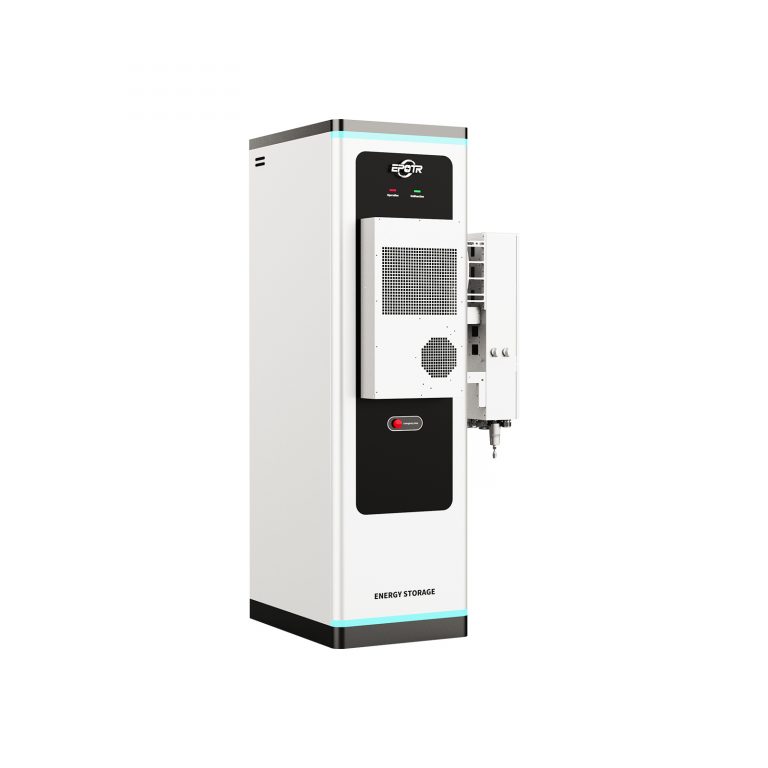
Gewerbliche Gehäuse erfordern IP55 oder höhere Bewertungen, um Partikel und intensive Niederschläge zu blockieren. Diese Funktion unterstützt die externe Platzierung und befreit innere Bereiche für Kernmaschinen. Somit verbessert sich die Raumnutzung, ohne den Schutz zu beeinträchtigen.
Raffiziertes thermisches Management für eine konsistente Kühlung
Effektive Systeme verwenden intelligente Lüftungs- oder Flüssigkeitsmethoden, um den Innenraum unter 40°C zu halten. Da Wärme die primäre Bedrohung für Lithium-Einheiten darstellt, bleiben Gehäuse mit richtigem Luftstrom für die Sicherheit unverzichtbar. Dieses Management hält die Leistung in rauen Einstellungen.
Korrosionsbeständigkeit in Küstenregionen mit hoher Luftfeuchtigkeit
Qualitativ hochwertige Oberflächenbehandlungen und langlebige Metallteile sind für den Betrieb am Meer von entscheidender Bedeutung. Ohne diese korrodieren Gehäuse, schwächen Barrieren und erlauben Feuchtigkeit, Spannungsleitungen zu beeinflussen. Die richtigen Materialien sichern somit langfristige Funktionalität.
Warum ist Hybridfunktionalität für die Stabilität des Netzes entscheidend?
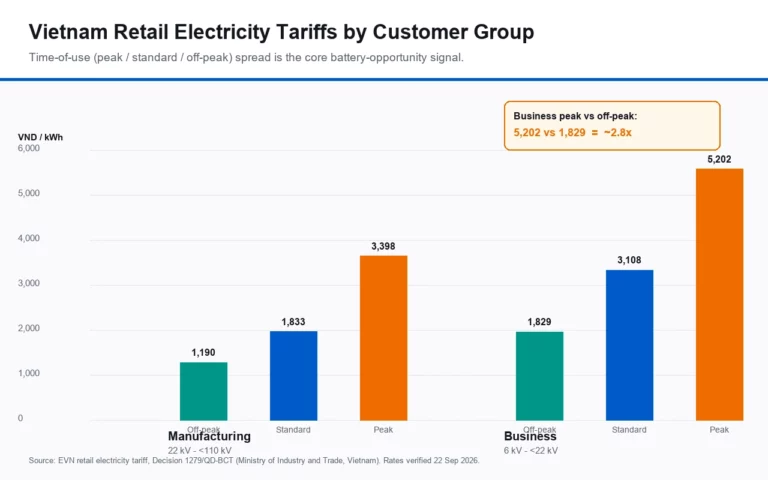
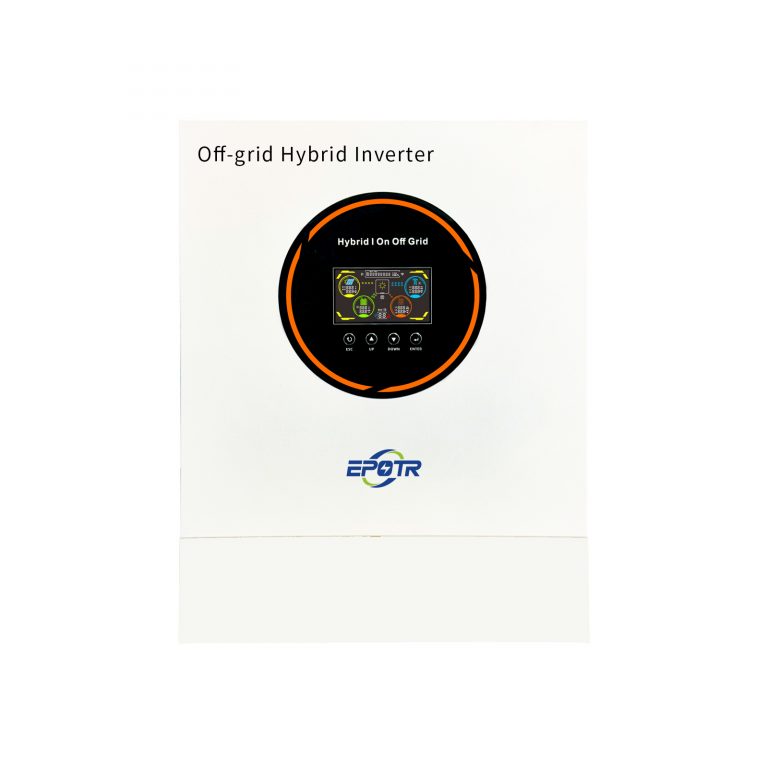
Südostasiatische Netzwerke erweisen sich als erratisch. In Vietnam stellen steile Leistungsraten und inkonsistente Versorgung Herausforderungen für die Fertigung dar. Ein Hybrid-Framework übertrifft die Lagerung; Es dient als “ Kissen” Verknüpfen Sie Ihren Betrieb mit einer instabilen externen Versorgung.
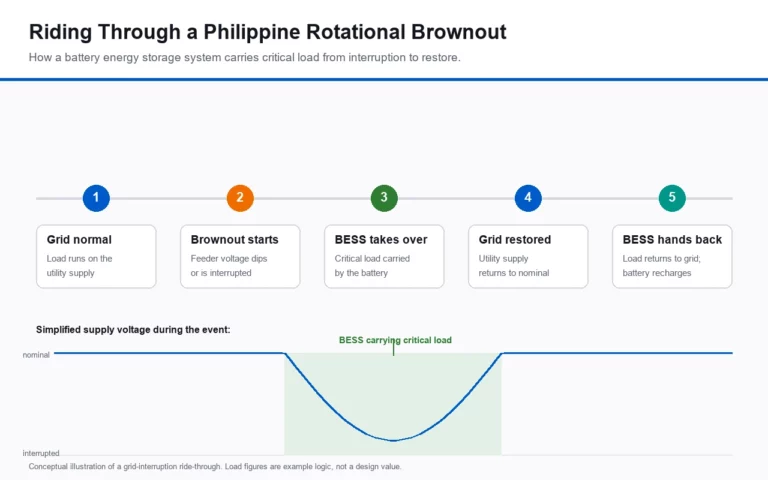
Nahtloser Übergang zwischen On- und Off-Grid-Modus
Netzunterbrechungen erfordern sofortige Reaktion, Verzögerungen durch Backup-Generatoren zu vermeiden. Hybrid-Setups wechseln schnell auf interne Stromversorgung und halten digitale und Präzisionswerkzeuge unterbrechungsfrei im Betrieb. Dies verhindert Materialverlust und steigert die Produktivität.
Intelligenter Lastvergleich für kritische Industriemaschinen
Durch “ Spitzenrasierung, ” die Anordnung setzt Reserven in Spitzenperioden ein. Dies reduziert die maximalen Nutzungsgebühren von Anbietern und spart potenziell erhebliche Fabriken erhebliche monatliche Mittel. Solche Strategien optimieren die Kosten effektiv.
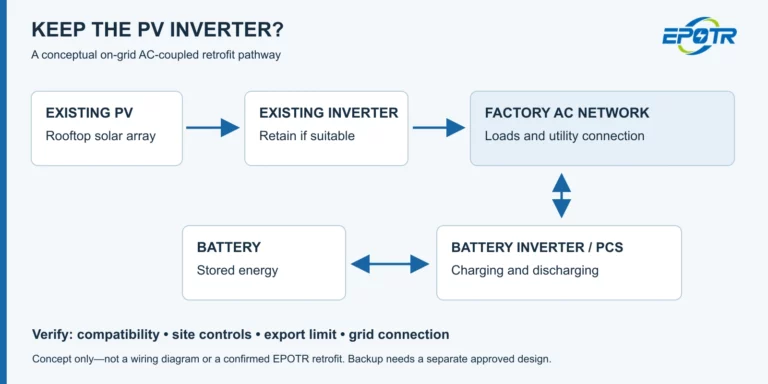
Effizientes Management des schwankenden Solarenergieingangs
Solareingang variiert mit Wettermustern. Der Hybrid-Konverter stuft diese Variationen auf und liefert eine konsistente und reine Versorgung der Ausrüstung, die die Motordauer verlängert. Zuverlässiger Durchfluss unterstützt somit industrielle Effizienz.
Ist Ihr kommerzielles Speichersystem wirklich skalierbar für zukünftiges Wachstum?
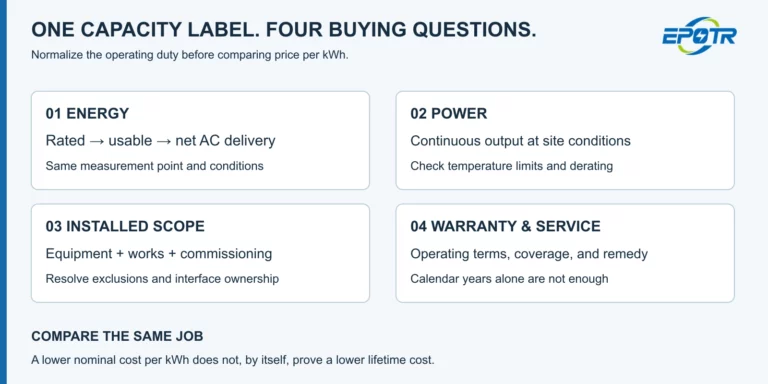
Ein häufiger Fehler beinhaltet die Auswahl einer starren Kapazität, die bald unzureichend wird. Moderne modulare Einheiten geben Priorität an Anpassbarkeit. Ihre wirtschaftlichen Kosten pro Einheit und reduzierte Größe ermöglichen anfängliche bescheidene Setups mit Optionen für spätere Ergänzungen, wenn sich Unternehmen entwickeln.
Flexible Parallelverbindung für erweiterte Leistungskapazität
Aktuelle Frameworks unterstützen das Verbinden mehrerer Gehäuse. Die Skalierung von 50kWh auf Megawattpegel erfolgt ohne Überarbeitung der elektrischen Layouts. Diese Vielseitigkeit erfüllt sich nahtlos den sich entwickelnden Anforderungen.
Kompakter Fußabdruck für begrenzte Industrieräume optimiert
Fläche hat Wert in Operationen. Die modulare Speicherung maximiert die Energie pro Raumeinheit. Innovative Formen besetzen minimale Zonen und nutzen übersehene Stellen, die für größere traditionelle Setups nicht geeignet sind. Effizienz im Layout fördert somit das Wachstum.
Zukunftssichere Kompatibilität mit der Entwicklung von Smart Grids
Als Anbieter “ Nutzungszeit” (TOU) Strukturen, Lagerung muss sich intelligent anpassen. Erweiterbare vernetzte Systeme erhalten Softwareverbesserungen, um neue Handelsmöglichkeiten oder regionale Vorteile zu nutzen. Diese Bereitschaft gewährleistet eine kontinuierliche Relevanz.
Wie können Sie die langfristige Zuverlässigkeit Ihres Lieferanten überprüfen?
Vermeiden Sie, sich ausschließlich auf Verkaufsansprüche zu verlassen. Im Energiesektor zählen Validierungen und regionales Wissen am meisten. Für entlegene Orte wie die Philippinen oder Indonesien, wo Netze oft fehlen, müssen Partner unabhängige Netze ergreifen.
Umfassende internationale Produktzertifizierungen und Normen
Suchen Sie nach RoHS-Einhaltung und globalen Sicherheitsindikatoren. Diese Validierungen bestätigen laborgeprüfte Ausdauer und gewährleisten Zuverlässigkeit, wenn der Betrieb stark auf das System angewiesen ist. Sie bieten eine konkrete Qualitätssicherung.
Nachgewiesene Erfolgsbilanz in globalen kommerziellen Energielösungen
Hintergrund in verschiedenen Bereichen – von der europäischen Regulierung bis hin zum Nachfragemanagement im Nahen Osten – zeigt die Fähigkeit, Herausforderungen zu überwinden. Die Auswahl erfahrener Unternehmen liefert bessere Ergebnisse. Ihre Geschichte fördert Vertrauen in vielfältige Anwendungen.
Spezielle technische Unterstützung und professionelle Beratung
Fehlerwarnungen zu ungewöhnlichen Stunden erfordern reaktive Unterstützung. Führende Anbieter bieten Fernaufsicht und Expertenberatung, um die Systemleistung zu maximieren. Diese Unterstützung hält die Spitzenleistung kontinuierlich.
FAQ (häufig gestellte Fragen)
Q1: Was ist der Unterschied zwischen Ihren industriellen Systemen und Wohnanlagen?
A: Unsere Wohneinheiten sind hauptsächlich Innen-bewertet (IP20) und für leichtere Heimlasten konzipiert. Industriesysteme wie der EP2 sind im Freien eingestuft (IP55), verarbeiten viel höhere Spannungen und umfassen eine erweiterte Branddämmung für die gewerbliche Sicherheit. Diese Unterscheidungen gewährleisten die Eignung für anspruchsvolle Umgebungen.
Q2: Kann ich Ihre Batterien mit anderen Wechselrichtermarken verwenden?
A: Ja, unsere Batteriepacks sind sehr kompatibel und funktionieren mit über 90% der führenden Hybrid-Wechselrichtermarken, einschließlich Deye, Sungrow und Solis. Die breite Integration vereinfacht die Systemmontage.
Q3: Ist das All-In-One-System für Inselregionen ohne Netz geeignet?
A: Absolut. Durch die Kombination unserer Hybridsysteme mit Solarpanelen können Sie ein völlig unabhängiges Mikronetz schaffen. Dies ist eine sehr beliebte Lösung für Bergbaustellen und Resorts auf den Philippinen und Indonesien. Es liefert zuverlässige Stromversorgung in isolierten Bereichen.
Q4: Warum sollte ich das neue Modulare Batteriedesign wählen?
A: Die neuen modularen Modelle bieten niedrigere Eintrittskosten und einen kleineren Fußabdruck. Sie sind perfekt für Unternehmen, die Platz sparen müssen oder die Möglichkeit haben, mehr Kapazität hinzuzufügen, wenn ihr Energiebedarf wächst. Flexibilität unterstützt langfristige Planung.
Q5: Benötigt das System viel Wartung?
A: Nein, da unsere Systeme häufig passive Kühlung oder hochzuverlässige integrierte Lüfter verwenden und auf LiFePO4 basieren, ist sehr wenig manuelle Arbeit erforderlich. Sie können alles über eine mobile App oder einen Computer überwachen. Der Remote-Zugriff erleichtert die Verwaltung.