
Die Wahl des richtigen Stromumwandlungsgerätes kann riskant erscheinen, wenn Sie in Gebieten mit wechselndem Wetter arbeiten. Basisbatterie-Wechselrichter unterstützen seit langem einfache Speicheranordnungen. Der Übergang zur kombinierten Energiekontrolle ist jedoch klar. Zuverlässigkeit bei hartem Wetter geht über nur einen Sturm hinaus; Es beinhaltet die Aufrechterhaltung einer starken Umwandlungsleistung, wenn die Wärme steigt oder die Feuchtigkeit hohe Punkte erreicht. EPOTR führt diese Veränderung. Dieses im Jahr 2023 in Dongguan gegründete zukunftsweisende Unternehmen konzentriert sich auf fortschrittliche Stromgeräte und intelligente Energieverarbeitung. In Regionen wie den mit Inseln gefüllten Gebieten Südostasiens oder den geschäftigen Fabrikzonen des Nahen Ostens bietet EPOTR die technische Unterstützung, die für die Energiesicherheit erforderlich ist. Ihre Lösungen betonen Sie die Stabilität des kleinen Netzes und die reibungslose Fusion, so dass sie als Schlüsselbündeter für Menschen dienen, die gewonnen haben’ t Außenbedingungen erlauben, ihren Stromzugriff zu steuern. Wenn Sie eine robuste Anordnung möchten, die genau auf Ihre Netzprobleme angepasst ist, Ihre Spezialisten erreichen ein sinnvoller Ausgangspunkt für ein stärkeres Morgen.
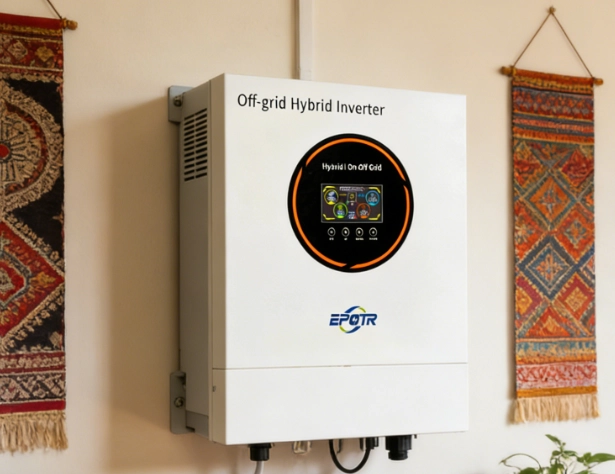
Ist die Witterungsbeständigkeit kritisch für Indoor Wall Mounted Inverters?
Obwohl Off-Grid-Wechselrichter in der Regel als Innengeräte mit einer IP20-Bewertung dienen, bleiben sie offen für äußere Klimaeffekte. In warmen Gebieten wie Indonesien, den Philippinen oder Malaysia entsprechen Innenräume oft der starken Feuchtigkeit und der Raumwärme von außen. Ein gängiges Wandgerät muss hohe Anforderungen bewältigen und gleichzeitig die leisen Bedrohungen für Geräte bekämpfen: Feuchtigkeit und Wärmeaufbau.
Umweltsicherheit für empfindliche Elektronik
Platten und Speicherteile innerhalb eines Wechselrichters reagieren stark auf schnelle Wärmeänderungen. Ständige Arbeit hängt von der Shell’ s Fähigkeit, eine ausgewogene Inneneinstellung auch inmitten der heißen Situationen zu halten, die in Räumen ohne Kühlsysteme üblich sind. Diese Balance hilft den Teilen länger im täglichen Gebrauch zu halten.
Auswirkungen äußerer Temperaturschwankungen auf die Stromumwandlung
Starke Hitze führt oft zu einer Leistungsreduktion in kleineren Wechselrichtern, so dass sie absichtlich die Geschwindigkeit reduzieren, um Schäden zu vermeiden. Infolgedessen verursacht dies einen großen Rückgang der Stromversorgung für Ihr Haus oder Gebäude, wenn Sie am meisten davon abhängig sind. Solche Tropfen können die normalen Aktivitäten während des Spitzenbedarfs stören.
Schutz interner Komponenten vor Feuchtigkeit und Staubeingang
Feuchtigkeit in der Atmosphäre kann im Laufe der Zeit kleine Rostflecken verursachen. Wandmontierte Inneneinheiten erfordern geplante Luftbewegungseinrichtungen, die die Wärme senken, ohne dass sich zu viel Feuchtigkeit oder Meersalzluft auf den Hauptsteuerplatten ansammeln lässt. Diese Konstruktionen sorgen dafür, dass das System über Jahre hinweg sauber und funktional bleibt.
Warum bieten Hybrid-Wechselrichter in rauen Klimabedingungen eine überlegene Leistung?
Die grundlegende Struktur eines Hybrid-Setups unterscheidet sich stark von einem einzigen Batterie-Wechselrichter. Hybride Typen werden gebaut, um verschiedene Quellen - Solar-, Batterie- und sogar Kraftstoffgeneratoren - gleichzeitig zu verarbeiten. Diese Flexibilität ist bei rauem Wetter sehr wichtig, wo die Sonnenleistung aufgrund dicker Wolken oder schneller Stürme variiert.
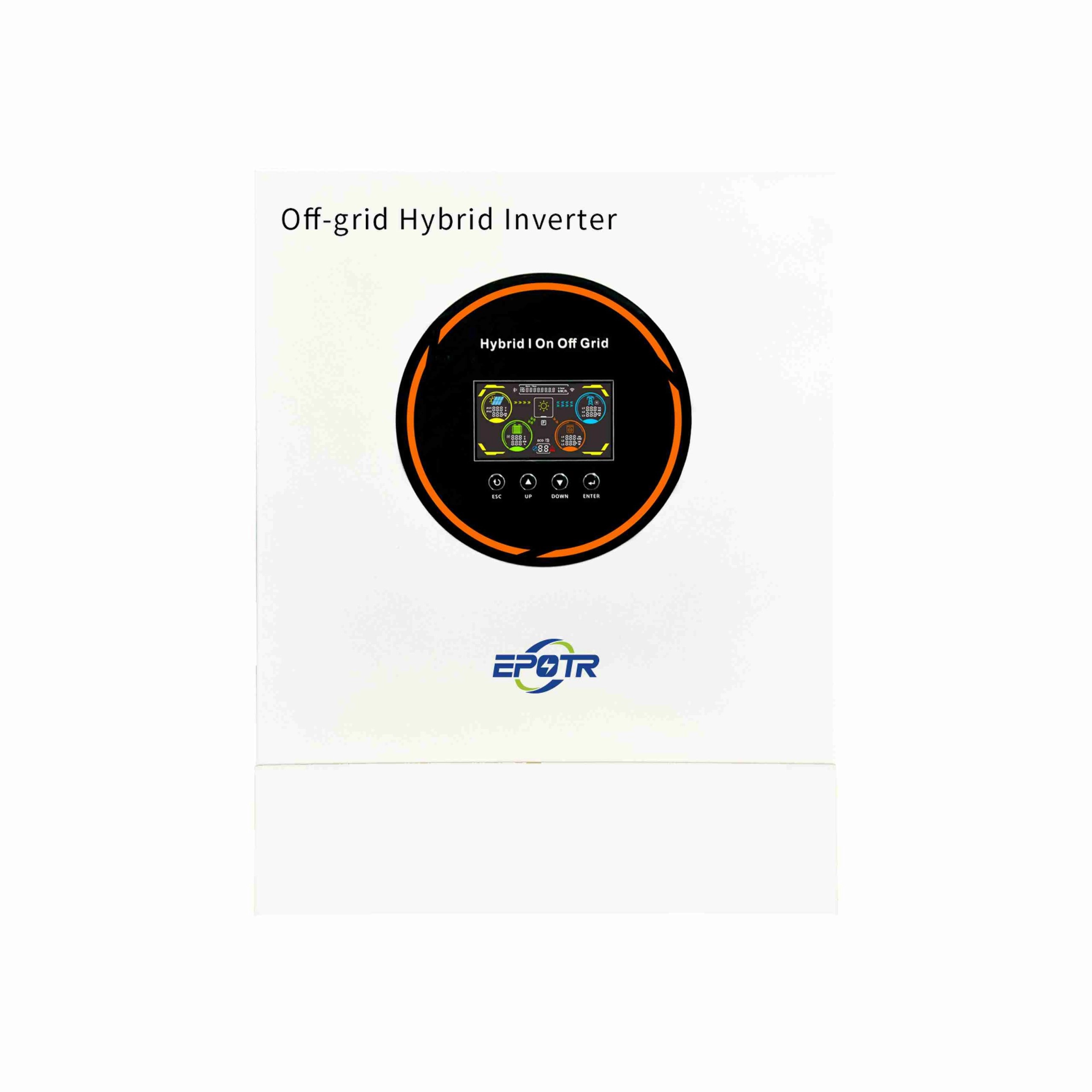
Integrierte intelligente thermische Managementsysteme
Derzeitige Hybridgeräte verwenden intelligente Kühlmuster. Im Gegensatz zu einfachen Wechselrichtern, die einfach einen Lüfter mit Höchstgeschwindigkeit betreiben, ändern diese Einrichtungen die Kühlstärke entsprechend der Nachfrage und den inneren Wärmedetektoren, was die Hardware verlängert. s Lebensdauer. Dieser Ansatz hält den Betrieb auch unter Stress reibungslos.
Breiter Eingangsspannungsbereich für instabile Solarnetze
Bei wechselnden Wetterbedingungen kann sich die Produktion von Solarpanelen schnell verändern. Ein Hybridgerät mit einem breiten MPPT-Bereich bleibt angeschlossen und sammelt weiterhin Energie, während ein üblicher Wechselrichter sich schützen könnte. Daher maximiert es nutzbare Leistung aus inkonsistenten Quellen.
Nahtlose Umschaltung zwischen mehreren Energiequellen
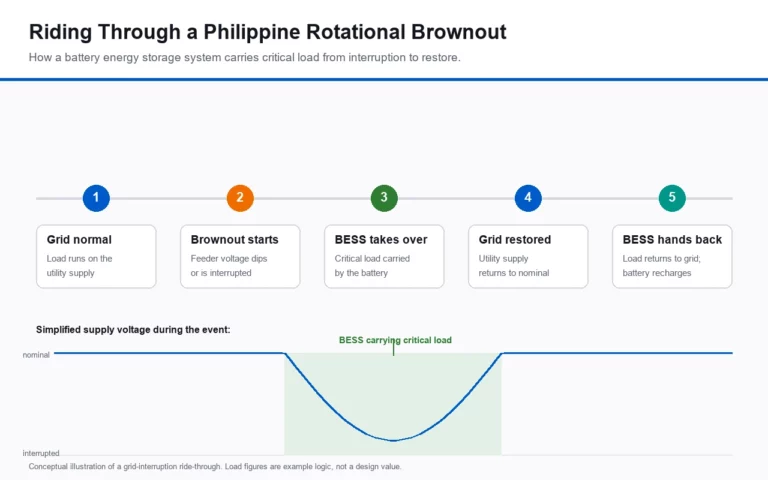
Die Geschwindigkeit des Wandels ist von entscheidender Bedeutung. Wenn das primäre Netz bei einem Taifun anhält, hält die schnelle Reaktion in Millisekunden eines hochwertigen Hybridgerätes Ihre Gesundheitsmaschinen oder Sicherheitseinrichtungen ohne Unterbrechung. Diese Zuverlässigkeit verhindert Verluste in kritischen Momenten.
Wie definiert das EPOTR EPH Serie 8.5/11KW Modell die Zuverlässigkeit neu?
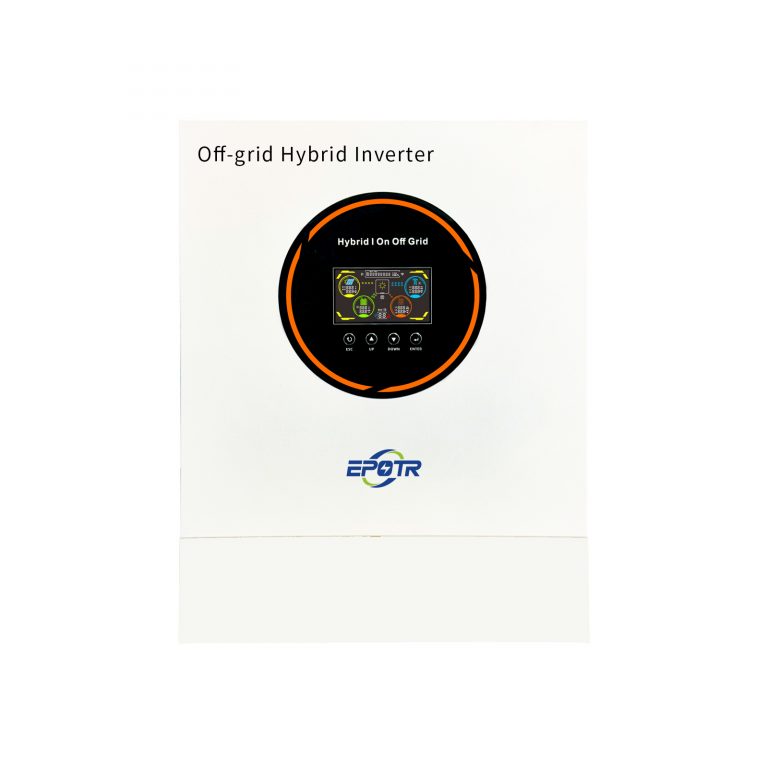
Für größere Häuser oder kleinere Geschäftsstandorte EPH-Serie 8,5 / 11KW OFF-Grid-Umrichter liefert eine starke Antwort, die unter Belastung gut funktioniert. Es konzentriert sich nicht nur auf das grundlegende Leistungsniveau; Stattdessen konzentriert es sich darauf, wie dieser Strom kontrolliert wird, wenn die Umgebung schwierig wird.
Dual MPPT Design für maximale Effizienz der Solarenernte
Mit zwei separaten Trackern können Sie Solarpanels in unterschiedlichen Winkeln richten. Diese Änderung erweist sich als nützlich, wenn das Wetter ungleichmäßige Schatten verursacht oder wenn Dachbereiche Optionen in geschäftigen Inselgruppen begrenzen. Als solche fördert es die gesamte Energiesammlung in realen Einstellungen.
Eingebauter Staubfilter für sauberen Innenbetrieb
Auch im Inneren können Partikel Kühlteile blockieren. Diese Linie enthält einfach zu pflegende Filter, die die Ansammlung stoppen, so dass die inneren Ventilatoren zusätzlichen Aufwand vermeiden, um die Kühle aufrechtzuerhalten. Somit unterstützt es eine konsistente Leistung ohne häufige Reinigung.
Hohe Leistungsstabilität für schwere Haushaltsgeräte
Der Einsatz einer Kühleinheit oder eines Wasserbewegers erfordert einen großen Stromschlag. Dieser Typ verwaltet diese Höhen ohne Ausfälle und liefert den festen 230V-Strom, der für empfindliche Motoren und Druckeinheiten erforderlich ist. Es sorgt für reibungslosen Umgang mit täglichen schweren Aufgaben.
Kann der Wechselrichter der EPH-Serie von 6,2 KW hohe Umgebungswärme verarbeiten?
In Orten wie Südostasien bleibt Wärme ein ständiges Problem. Die EPH-Serie 6.2KW OFF GRID-Umrichter für diese heimischen Umgebungen gemacht. Seine an der Wand hängende Form bewahrt die Bodenfläche, während der Innenplan für natürliche und geholfene Luftströmung geeignet ist.
Fortgeschrittene Kühlkühlertechnologie
Die Verwendung von Top-Aluminium-Kühlbasen ermöglicht eine schnellere Wärmefreisetzung. Durch den Abzug von Wärme aus dem Zentralprozessor hält das Gerät auch bei einem Aufstieg der Raumwärme auf 40°C einen starken Umwandlungsgrad. Diese Funktion hilft zuverlässige Arbeit an warmen Stellen.
Intelligentes Batterieladen zur Verhinderung einer Überhitzung
Der Wechselrichter verbindet sich direkt mit der Batteriesteuerung (BMS). Es reduziert die Ladegeschwindigkeit, wenn sich die Batterie auffüllt oder sich zu viel erwärmt, was für die Aufrechterhaltung der üblichen 6000-Zyklusspanne von LiFePO4-Einheiten unerlässlich bleibt. Damit schützt es die langfristige Gesundheit der Batterie.
Kompaktes Wandmontiertes Design, das Luftströmungsraum optimiert
Die Montage an der Wand hält das Gerät frei von Bodenschmutz und lässt die Luft sich frei auf allen Rahmenseiten bewegen, ein kleiner, aber wichtiger Faktor für eine erweiterte Festigkeit. Diese Platzierung verbessert die Kühlung ohne zusätzliche Kosten.
Warum ist die 230V-Ausgangs-EPH-Serie ideal für globale Off-Grid-Märkte?
Die Übereinstimmung mit Standards stellt oft die Hauptbarriere im weltweiten Geschäft dar. Die EPH-Serie 230V Ausgang OFF GIRD-Umrichter löst dies durch eine regelmäßige, qualitativ hochwertige Ausgabe, die den Bedürfnissen der meisten Geräte der Welt entspricht.
Universelle Spannungskompatibilität für verschiedene Leistungsstandards
In einer fernen Stadt auf den Philippinen oder einem Küstengebiet in Afrika garantiert eine konstante 230V-Ausgabe, dass Ihre Geräte Schäden durch Stromausfälle oder -sprünge vermeiden. Diese Passform unterstützt den Einsatz in verschiedenen Regionen.
Reine Sinuswelle Ausgang schützen High-End medizinische Ausrüstung
Veränderte Sinusmuster können teure Werkzeuge schädigen. Diese Linie bietet eine reine Welle, die Ihre Systeme und Gesundheitsgeräte besser schützt als Strom von vielen Lieferanten in der Region. Sie liefert saubere Energie für empfindliche Lasten.
Benutzerfreundliche Schnittstelle für Echtzeit-Systemüberwachung
Sie benötigen keine technischen Fähigkeiten, um den Systemstatus zu überprüfen. Die einfachen Bildschirm- und Linkanschlüsse (RS485/CAN) vereinfachen die Überwachung der Energieerzeugung und der Batteriemengen bei schlechtem Wetter. Diese Leichtigkeit hilft schnelle Kontrollen und Anpassungen.
Was sind die versteckten Vorteile von EPOTR gegenüber Basis-Batterie-Wechselrichtern?
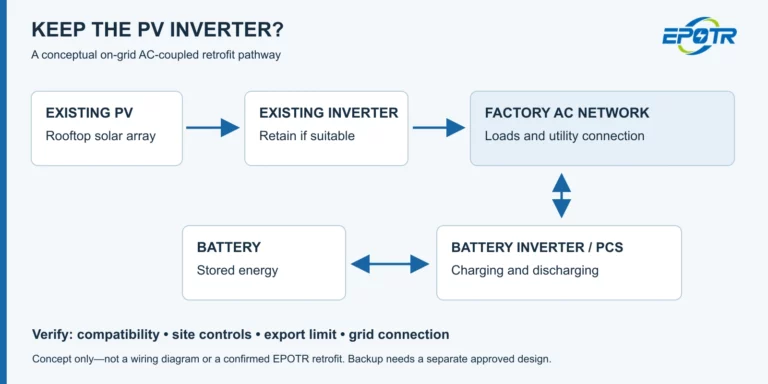
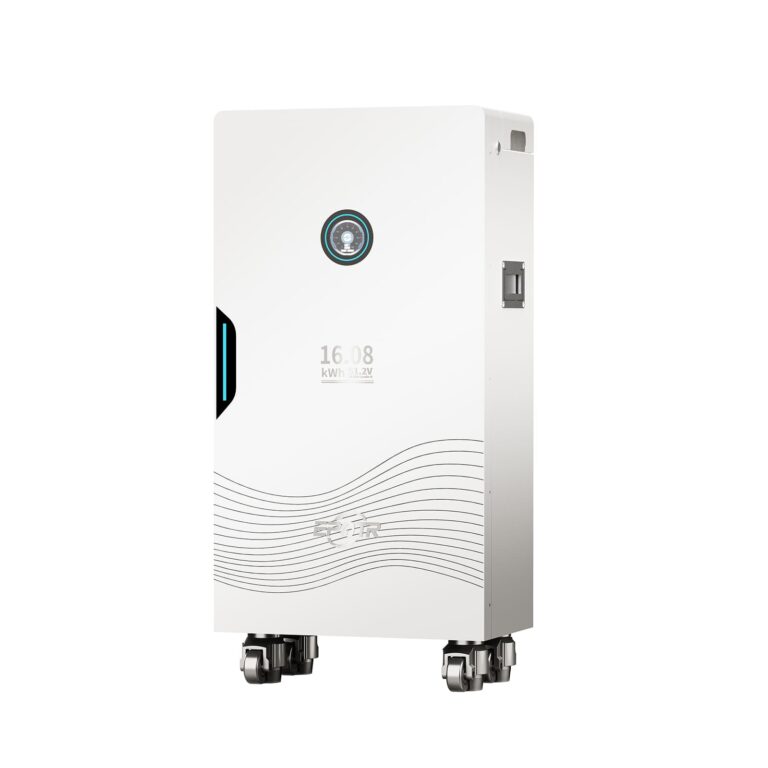
Der wahre Wert eines kombinierten Aufbaus liegt darin, wie sich die Teile miteinander verbinden. Diese Hybridgeräte werden als Elemente eines breiteren Netzwerks geplant. Sie verbinden sich mit 90% der führenden Batteriehersteller auf dem Gebiet, funktionieren aber am besten neben gezieltem Schritt-für-Schritt-Speicher.
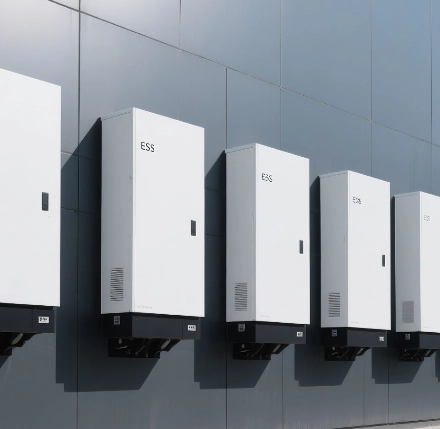
All-in-One-Funktionalität Reduzierung der Installationskomplexität
Ein Hybridgerät verbindet eine Solarführung, einen Wechselrichter und einen Batteriefüller. Dies reduziert die Anzahl der Kabel und Schwachstellen in Ihrer Anordnung, die Arbeiter in fernen Inseln vor allem hilft. Es vereinfacht die Einrichtung und reduziert Fehler.
Zukunftssichere Expansionskapazitäten für Energiespeicher
Die frischen Schritt-für-Schritt-Batterietypen zeichnen sich hier aus. Sie zeigen eine reduzierte Größe und einen günstigeren Startpreis, passend gut für kleine Unternehmensköpfe, die bescheiden beginnen und Speicher mit ihren Mitteln wachsen wollen. Dieser Wachstumsweg entspricht den Bedürfnissen des Unternehmens.
Professioneller technischer Support und globales Servicenetzwerk
Ein einfacher Wechselrichter zu bekommen lässt Sie häufig allein, wenn ein Stück bricht. Die Auswahl eines Unternehmens mit festen Fabrikstützpunkten in der Energiehaltung bedeutet, dass Sie einen Ressourcenpool erreichen, der die Details vielfältiger Energiebereiche erfasst. Sie bietet kontinuierliche Hilfe weltweit.
Wie können Sie die beste Off-Grid-Lösung für Ihre Anlage auswählen?
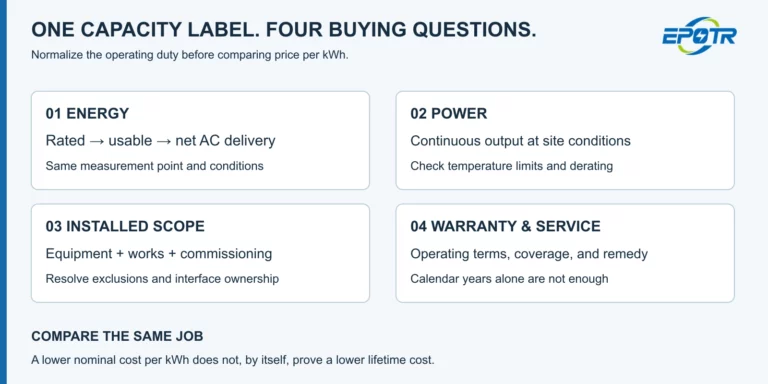
Die Wahl hängt davon ab, Ihre Nachfrageform zu kennen. Wenn Sie große-Rush-Geräte wie Kühlboxen oder Werkzeuge besitzen, benötigen Sie das Extra von den 11KW-Typen. Für die übliche Heimreserve trifft die 6,2KW-Art oft das richtige Gleichgewicht zwischen Kosten und Leistung.
Beurteilung Ihrer Spitzenlast- und Backup-Strombedarf
Abbildung der Stromverbrauch aller Elemente, die Sie in einem Stromverlust laufen müssen. Erinnern Sie sich an “ Startleistung” Motoren, die dreimal ihren stetigen Einsatz erreichen können. Diese Bewertung führt zur richtigen Größe.
Vergleich der Effizienzbewertungen in verschiedenen Wetterszenarien
Suchen Sie nach Geräten, die eine Ausgaberate von mindestens 93% behalten. Starke Leistung deutet darauf hin, dass weniger Leistung in Wärme verwandelt wird, das Gegenteil dessen, was Sie in einer warmen Umgebung wünschen. Es ermöglicht Kosteneinsparungen im Laufe der Zeit.
Partnerschaft mit EPOTR für maßgeschneiderte industrielle Energielösungen
Manchmal erfordert ein normaler Artikel eine spezielle Passform. Für eine OEM/ODM-Aufgabe oder ein fokussiertes kleines Netz für ein Landhotel bietet ein Hersteller, der seine Geräte an Ihre Netzprobleme anpassen kann, den besten Schutz gegen Wetter. Diese Teamarbeit sorgt für maßgeschneiderte Ergebnisse.
FAQ (häufig gestellte Fragen)
Q1: Warum wird eine IP20-Bewertung für diese Off-Grid-Wechselrichter verwendet, wenn sie für tropische Klimaanlagen sind?
A: IP20 dient wie üblich für Innengeräte. Es schützt vor festen Gegenständen wie Händen und erlaubt gleichzeitig die obere Luftbewegung, die als beste Methode zur Abkühlung von Wandeinheiten an warmen, feuchten Orten steht.
Q2: Kann ich diese Wechselrichter mit Batteriepacks anderer Hersteller verwenden?
A: Ja, diese Hybrid-Wechselrichter passen gut und verbinden sich mit 90% der führenden Batteriehersteller auf dem Markt, obwohl sie am besten für reibungslose Verbindungen mit LiFePO4 Schritt für Schritt-Setups passen.
Q3: Was macht die modulare Batterie besser für kleine Unternehmen?
A: Die jüngsten Schritt-für-Schritt-Typen konzentrieren sich auf eine kleine Größe und niedrigere Startkosten. Dies ermöglicht es Unternehmen mit engen Bereichen oder Grundgeldern, eine pro-Level-Energieholding-Antwort zu geben.
Q4: Sparen Hybrid-Wechselrichter wirklich Geld im Vergleich zum Kauf separater Komponenten?
A: Absolut. Durch die Zusammenführung des Solarfüllers und des Wechselrichters in ein Gerät reduzieren Sie die Einrichtungsarbeit, die Kabelkosten und den Aufruf nach externen Kontrollwerkzeugen und erhalten einen Garantieplatz.
Q5: Wie bewältigen diese Geräte die extreme Luftfeuchtigkeit, die in Orten wie Indonesien oder Malaysia gefunden wird?
A: Im Innenplan werden Schirmschichten auf dem Brett und geplante Luftwege aufgetragen, um Feuchtigkeit davon abzuhalten, auf Schlüsselwegen zu bleiben, so dass das Gerät auch bei starker feuchter Luft stabil bleibt.