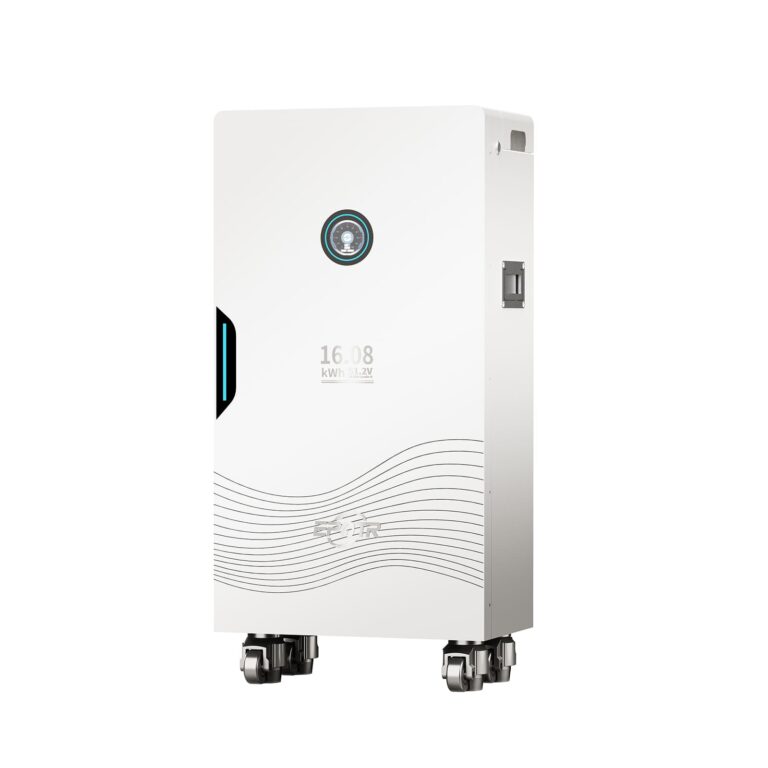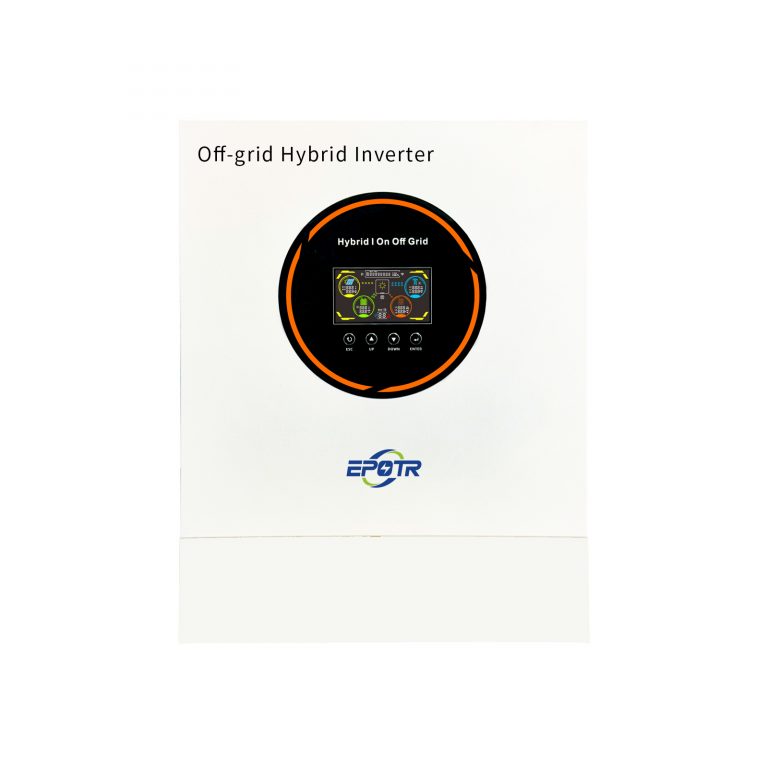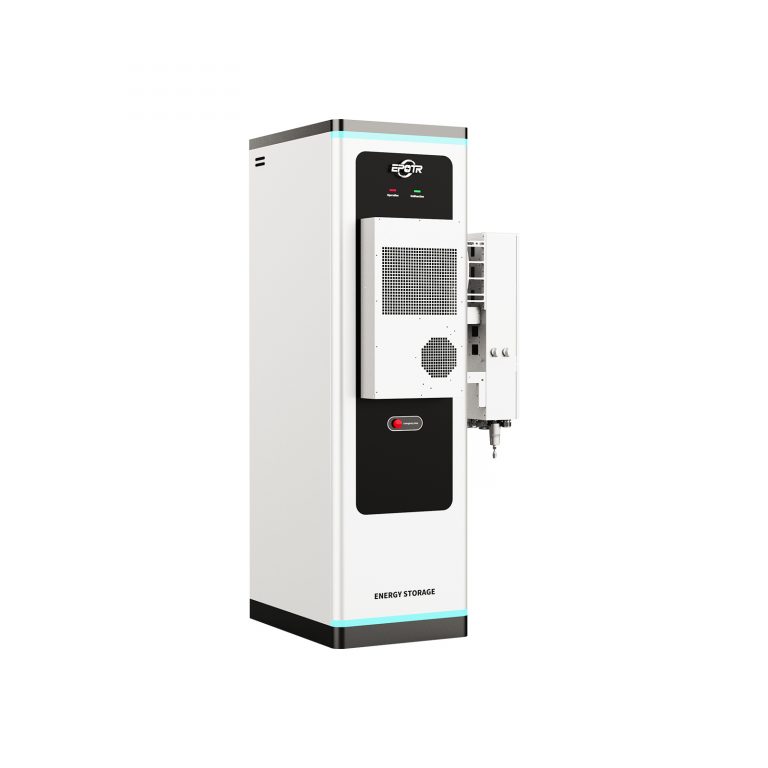

Picking the correct power conversion device can seem risky when you work in areas with changeable weather. Basic battery inverters have long supported straightforward storage arrangements. However, the move to combined energy control is clear. Dependability in tough weather goes beyond just getting through a storm; it involves keeping strong conversion output when heat rises or moisture reaches high points. EPOTR leads this change. Founded in 2023 in Dongguan, this forward-thinking company focuses on advanced power devices and intelligent energy handling. In regions such as the island-filled areas of Southeast Asia or the busy factory zones of the Middle East, EPOTR supplies the technical support required for power self-reliance. Their solutions emphasize small-grid steadiness and smooth merging, so they serve as a key ally for people who won’t allow outside conditions to control their electricity access. If you want a sturdy arrangement fitted to your exact grid issues, reaching their specialists marks a sensible starting point for a stronger tomorrow.
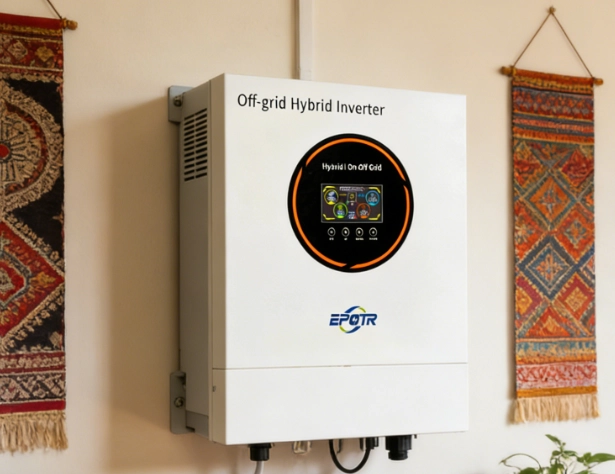
Is Weather Resistance Critical for Indoor Wall Mounted Inverters?
Although off-grid inverters usually serve as inside devices with an IP20 rating, they remain open to outside climate effects. In warm areas like Indonesia, the Philippines, or Malaysia, inside spaces often match the strong moisture and room warmth from the outdoors. A common wall-mounted device needs to manage big demands while battling the quiet threats to devices: dampness and warmth buildup.
Environmental Stability for Sensitive Electronics
Boards and storage parts inside an inverter react strongly to quick warmth changes. Steady work depends on the shell’s capacity to hold a balanced inside setting even amid the hot situations common in rooms without cooling systems. This balance helps the parts last longer under daily use.
Impact of External Temperature Fluctuations on Power Conversion
Strong heat often starts a power reduction in lesser inverters, so they cut speed on purpose to avoid damage. As a result, this causes a big fall in the electricity ready for your house or building right when you depend on it most. Such drops can disrupt normal activities during peak needs.
Protecting Internal Components From Humidity and Dust Ingress
Dampness in the atmosphere can cause small rust spots as time passes. Wall-mounted inside units call for planned air movement setups that lower the heat without letting too much wetness or sea salt air gather on the main control boards. These designs ensure the system stays clean and functional over years.
Why Do Hybrid Inverters Offer Superior Performance in Harsh Climates?
The basic structure of a hybrid setup differs greatly from a single battery inverter. Hybrid types get built to handle various sources—solar, battery, and even fuel generators—at the same time. This flexibility matters a lot in rough weather, where solar output varies due to thick clouds or fast storms.
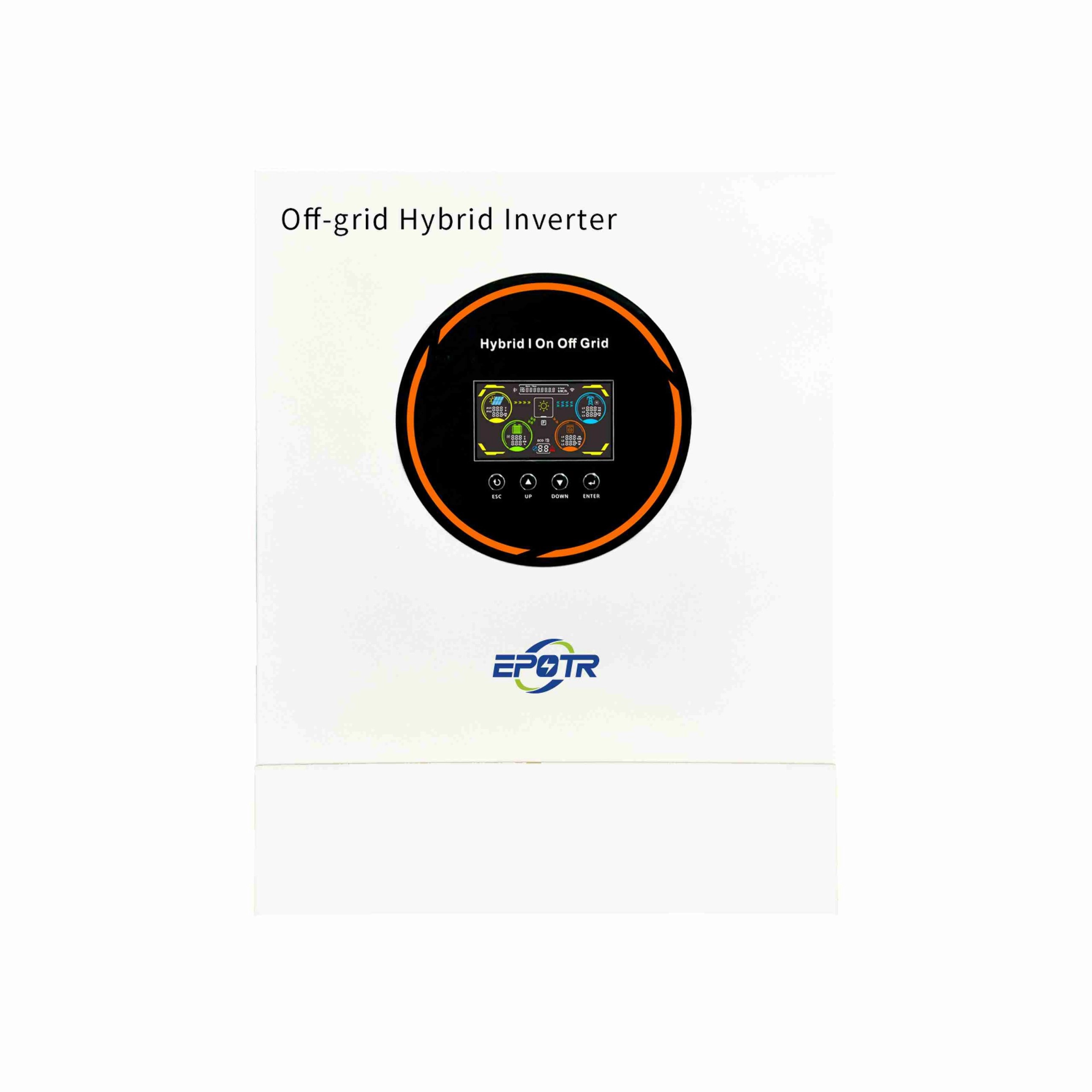
Integrated Smart Thermal Management Systems
Current hybrid devices employ clever cooling patterns. In contrast to simple inverters that simply run a fan at top speed, these setups change cooling strength according to live demand and inside heat detectors, which lengthens the hardware’s service life. This approach keeps operations smooth even under stress.
Wide Input Voltage Range for Unstable Solar Grids
In changing weather, solar panel production can shift quickly. A hybrid device with a broad MPPT scope remains connected and keeps gathering energy, whereas a usual inverter might cut off to guard itself. Therefore, it maximizes usable power from inconsistent sources.
Seamless Switching Between Multiple Energy Sources
Change speed holds key importance. When the primary grid stops in a typhoon, the quick response in milliseconds from a quality hybrid device maintains your health machines or safety setups without any interruption. This reliability prevents losses in critical moments.
How Does the EPOTR EPH Series 8.5/11KW Model Redefine Reliability?
For bigger homes or minor business locations, the EPH SERIES 8.5/11KW OFF GRID INVERTER delivers a strong answer that works well under strain. It focuses not only on the basic power level; instead, it centers on how that electricity gets controlled when surroundings turn difficult.
Dual MPPT Design for Maximum Solar Harvesting Efficiency
Having two separate trackers allows you to point solar panels in varied angles. This change proves useful when area weather creates uneven shadows or when roof areas limit options in busy island groups. As such, it boosts overall energy collection in real settings.
Built-in Dust Filter for Clean Indoor Operation
Even inside, particles can block cooling parts. This line includes simple-to-maintain filters that stop accumulation, so the inside fans avoid extra effort to maintain coolness. Consequently, it supports consistent performance without frequent cleaning.
High Power Output Stability for Heavy Duty Home Appliances
Launching a cooling unit or water mover demands a large current rush. This type manages those highs without shutdowns, supplying the firm 230V flow needed for delicate engines and pressure units. It ensures smooth handling of daily heavy tasks.
Can the 6.2KW EPH Series Inverter Handle High Ambient Heat?
In places like Southeast Asia, warmth remains a steady issue. The EPH SERIES 6.2KW OFF GRID INVERTER gets made for these home environments. Its wall-hung shape preserves ground area, while the inside plan fits for natural and helped air flow.
Advanced Cooling Heatsink Technology
Using top aluminum cooling bases permits quicker warmth release. By drawing heat from the central processor, the device holds a strong conversion level even if room heat climbs to 40°C. This feature aids reliable work in warm spots.
Intelligent Battery Charging to Prevent Overheating
The inverter links straight to the battery control setup (BMS). It reduces charging speed as the battery fills up or warms too much, which stays vital for keeping the usual 6000-cycle span of LiFePO4 units. Thus, it protects long-term battery health.
Compact Wall Mounted Design Optimizing Airflow Space
Mounting on the wall keeps the device clear of ground dirt and lets air move freely on all frame sides, a minor yet important factor for extended strength. This placement improves cooling without added costs.
Why Is the 230V Output EPH Series Ideal for Global Off Grid Markets?
Matching standards often poses the main barrier in worldwide business. The EPH SERIES 230V Output OFF GIRD INVERTER tackles this by giving a regular, quality output that fits the needs of most world devices.
Universal Voltage Compatibility for Diverse Power Standards
In a far-off town in the Philippines or a shore area in Africa, a steady 230V output guarantees your devices avoid damage from power drops or jumps. This fit supports use across varied regions.
Pure Sine Wave Output Safeguarding High End Medical Equipment
Changed sine patterns can harm costly tools. This line offers a pure wave that actually protects your systems and health devices better than power from many area suppliers. It delivers clean energy for sensitive loads.
User Friendly Interface for Real Time System Monitoring
You require no engineering skills to check system status. The simple screen and link ports (RS485/CAN) simplify following energy making and battery amounts during bad weather. This ease aids quick checks and adjustments.
What Are the Hidden Advantages of EPOTR Over Basic Battery Inverters?
The true worth of a combined setup rests in how the parts connect with each other. These hybrid devices get planned as elements of a wider network. They pair with 90% of leading battery makers in the field, but they work best alongside targeted step-by-step storage.
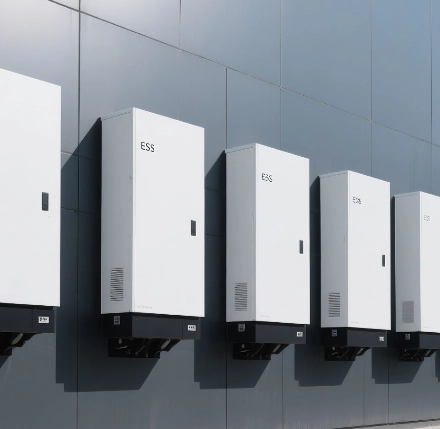
All-in-One Functionality Reducing Installation Complexity
A hybrid device merges a solar guide, an inverter, and a battery filler. This cuts the count of cables and weak spots in your arrangement, which aids workers in far island sites especially. It simplifies setup and cuts errors.
Future Proof Expansion Capabilities for Energy Storage
The fresh step-by-step battery types stand out here. They show a reduced size and cheaper start price, fitting well for minor company heads who plan to begin modest and grow storage with their funds. This growth path matches business needs.
Professional Technical Support and Global Service Network
Getting a plain inverter frequently leaves you alone if a piece breaks. Picking a company with firm factory bases in energy holding means you reach a resource pool that grasps the details of varied energy areas. It provides ongoing help worldwide.
How Can You Select the Best Off Grid Solution for Your Facility?
Choosing depends on knowing your demand shape. If you own big-rush devices like cooling boxes or factory tools, you require the extra from the 11KW types. For usual home reserve, the 6.2KW kind often hits the right balance for cost and output.
Assessing Your Peak Load and Backup Power Requirements
Figure the power use of all items you must run in a power loss. Remember the “start power” of engines, which may reach three times their steady use. This review guides proper sizing.
Comparing Efficiency Ratings Across Different Weather Scenarios
Seek devices that keep at least 93% output rate. Strong output indicates less power turns to heat, the opposite of what you desire in a warm setting. It supports cost savings over time.
Partnering With EPOTR for Customized Industrial Energy Solutions
At times, a regular item requires a special fit. For an OEM/ODM task or a focused small-grid for a shore hotel, a maker able to adjust their devices to your grid issues offers the best guard against weather. This teamwork ensures tailored results.
FAQ
Q1: Why is an IP20 rating used for these off-grid inverters if they are for tropical climates?
A: IP20 serves as the usual for inside devices. It guards against solid items like hands while permitting top air movement, which stands as the best method to cool wall-hung units in warm, damp places.
Q2: Can I use these inverters with battery packs from other manufacturers?
A: Yes, these hybrid inverters match well and connect with 90% of leading battery makers on the market, although they fit best for smooth links with LiFePO4 step-by-step setups.
Q3: What makes the Modular Battery better for small businesses?
A: The recent step-by-step types center on a small size and lower start cost. This lets companies with tight areas or basic funds put in a pro-level energy holding answer.
Q4: Do hybrid inverters really save money compared to buying separate components?
A: Absolutely. By merging the solar filler and inverter into one device, you cut setup work, cable expenses, and the call for outside check tools, plus you gain one warranty spot.
Q5: How do these units handle the extreme humidity found in places like Indonesia or Malaysia?
A: The inside plan applies shield layers on the board and planned air routes to block dampness from staying on key paths, so the device holds steady even in heavy moist air.