
A solar system breakdown during an outage proves highly annoying, particularly in areas with unreliable power supplies. You depend on reserve energy to maintain lighting and devices. However, a battery that refuses to charge plunges you into darkness. This overview offers a quick diagnostic list to pinpoint reasons for the charging halt and methods to regain electricity promptly. We examine typical technical problems, weather influences, and the benefits of switching to a robust inverter for lasting solutions.
Dealing with today’s energy challenges requires a reliable partner focused on power systems. EPOTR stands out as more than a basic producer. Based in Dongguan, a key center for worldwide tech output, they specialize in energy efficiency. Since 2023, their group has worked to achieve self-sufficient power via intelligent controls and superior lithium solutions. Whether facing isolated grids in Southeast Asia or factory variations in the Middle East, EPOTR delivers equipment that endures everyday pressures. Their setups cut emissions and lower running expenses. They connect direct solar input to dependable household supply. For a solution that performs off-grid, contacting their specialists marks the initial move toward efficient, eco-friendly power.
Why Does Your Solar Inverter Fail to Charge the Battery?
Breakdowns in these systems seldom occur without cause. Frequently, issues stem from disrupted signals or barriers between the power origin and storage. In various standalone configurations, the charging stops due to overly strict safety limits or connection troubles in the hardware.
Faulty Battery Terminal Connections
Slack or rusted cables generate elevated resistance levels. As a result, this blocks the flow of charging current to the battery cells. You may notice an indicator light showing charging, yet minimal power arrives at the lithium elements because heat escapes at the connection point. Proper tightening and cleaning resolve this common obstacle effectively.
Incorrect Charge Controller Settings
Voltage mismatches between the inverter and battery group lead the system to end charging too soon. When the main voltage level suits a LiFePO4 battery inadequately, the inverter concludes the unit is complete at just 20% fullness. Adjusting these parameters restores normal operation without major changes.
Blown Internal DC Fuses
Abrupt voltage spikes or circuit shorts activate internal safety fuses within the device. Consequently, this interrupts the link from solar arrays to the battery. Although it serves as a protective measure, the feature disables charging until someone replaces the fuse or resets the switch. Quick inspection identifies and fixes this issue swiftly.
How Can Environmental Factors Impact Indoor Off-grid Inverters?
The placement of your equipment affects performance as much as the wiring does. Many standalone inverters suit indoor placement with an IP20 rating, so they avoid exposure to water or outdoor moisture. In locations such as Indonesia, the Philippines, or Malaysia, regional weather poses distinct challenges for mounted devices.
Excessive Ambient Temperature
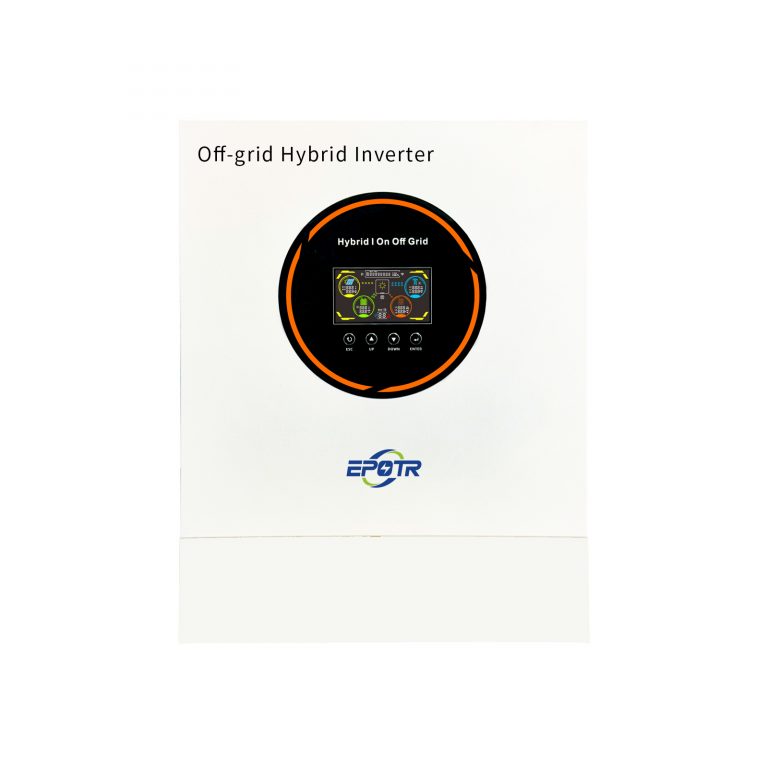
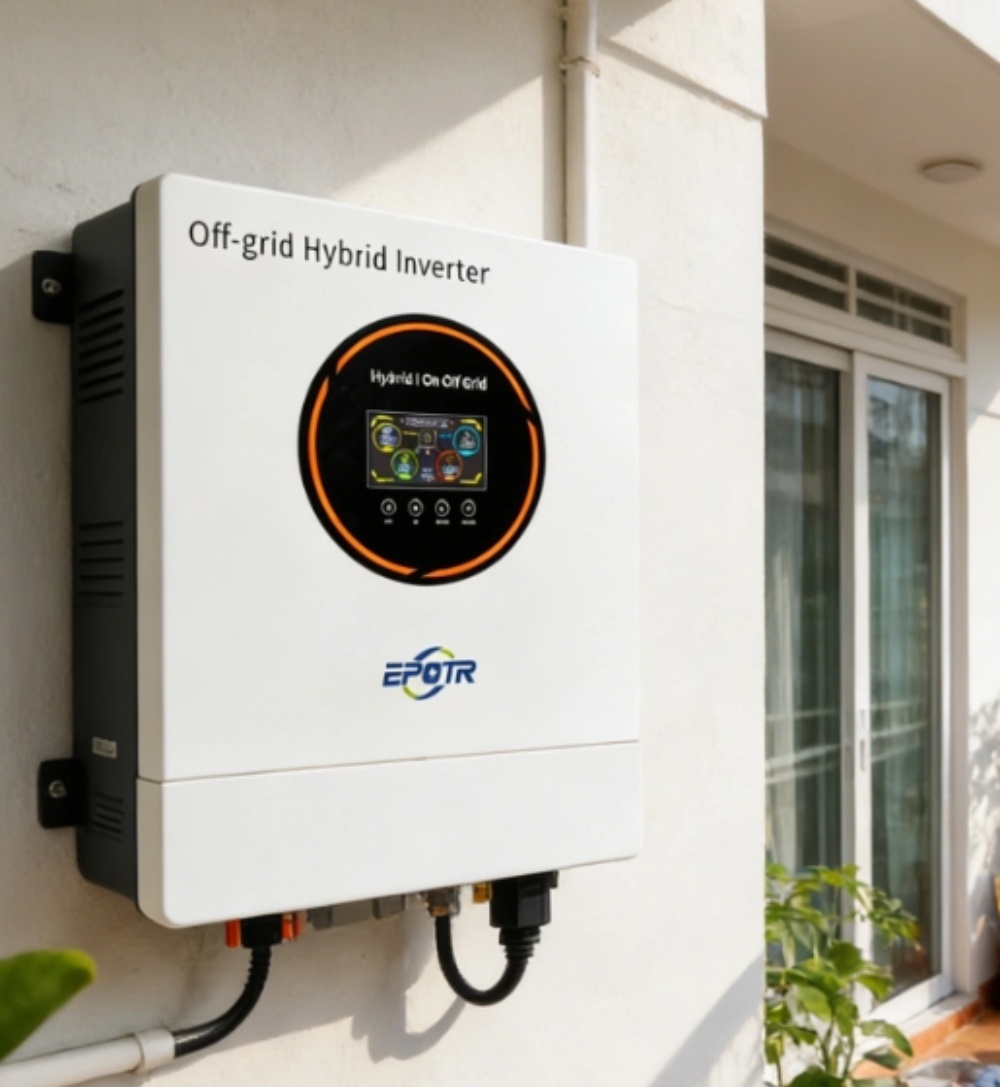
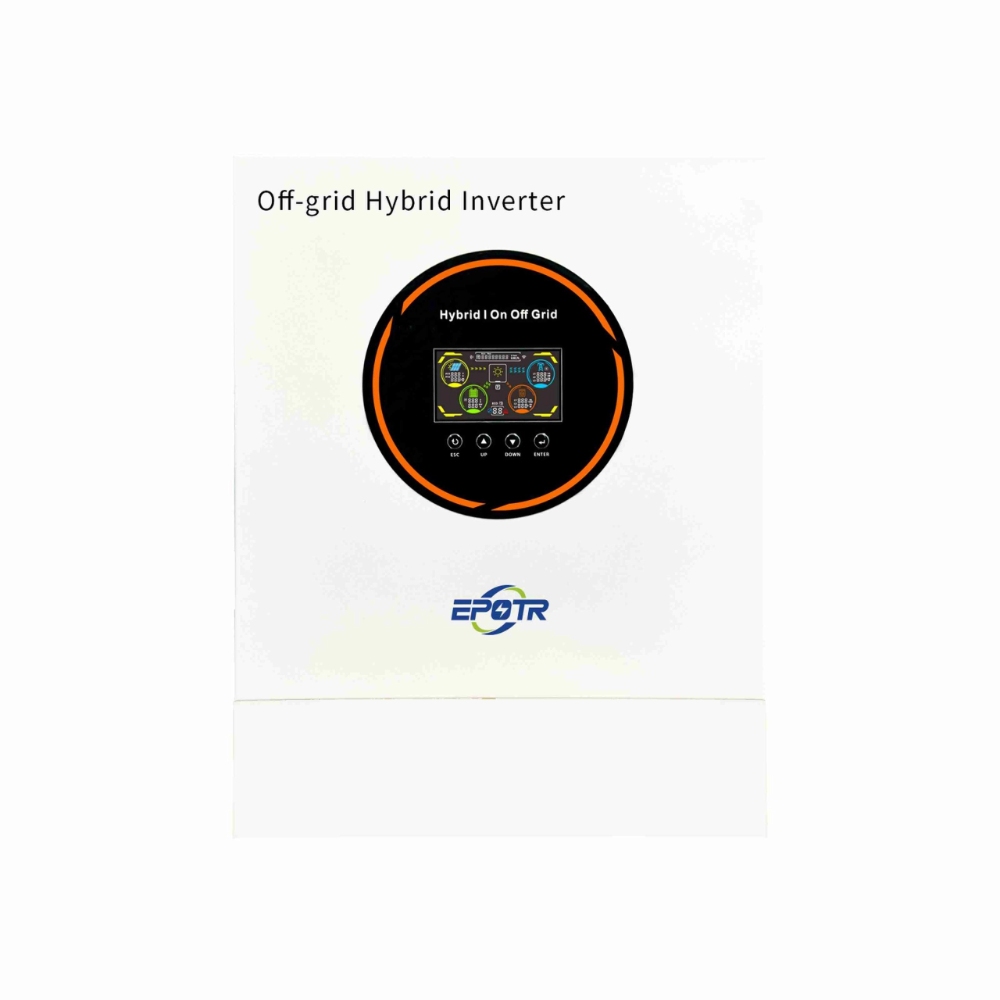
The EPH SERIES 8.5/11KW OFF GRID INVERTER suits wall installation indoors, but limited airflow in areas like utility spaces causes heat buildup. Once internal heat reaches a threshold, the unit reduces charging speed to shield the internal board. Improving ventilation prevents these slowdowns and maintains steady function.
High Humidity and Dust Accumulation
Tropical settings allow dampness and particles to gather on inner parts. This buildup creates stray currents that halt the charging sequence. In coastal zones, salty atmosphere accelerates tiny rust on interface points linking the inverter to the BMS. Regular cleaning mitigates these effects and prolongs equipment life.
What Are the Immediate Solutions to Restore System Power?
Reviving the setup does not always demand advanced electrical knowledge. Many charging problems resolve through a step-by-step check to remove software stalls or physical obstructions.
System Hard Reset Procedure
Cycling power fully on DC and AC switches often eliminates brief software faults. Such faults disrupt links between the inverter and battery controls. After shutting down all components, pause for sixty seconds, then follow the manual’s sequence to restart. This simple action frequently brings the system back online without further intervention.
Inspection of PV Input Voltage
A multimeter check confirms if solar panels generate sufficient voltage. When arrays fall below the activation level, often from shade or grime, the inverter remains idle and skips battery charging. Clearing blockages ensures the input meets requirements for smooth operation.
Calibration of Battery Cut-off Points
Fine-tuning the main and maintenance voltage via the control panel matches your battery variety. Current models support about 90% of available packs, but users must configure the device accurately for optimal performance. This adjustment avoids premature shutdowns and enhances efficiency.
Why Should You Upgrade to the EPH Series Off-grid Inverter?
Persistent failures in your existing unit may indicate it lacks capacity for the demand. Industry standards reveal that premium models manage irregular power and warmth in Southeast Asian conditions far better than basic options.
High Power Capacity of EPH 8.5/11KW Models
These powerful devices manage large sudden demands. Thus, they allow major home items, such as cooling units or water systems, to run without pausing battery fill-up during sunny periods. Extra capacity supports dual tasks, powering loads while storing energy effectively.
Integrated Smart Wall-mounted Design
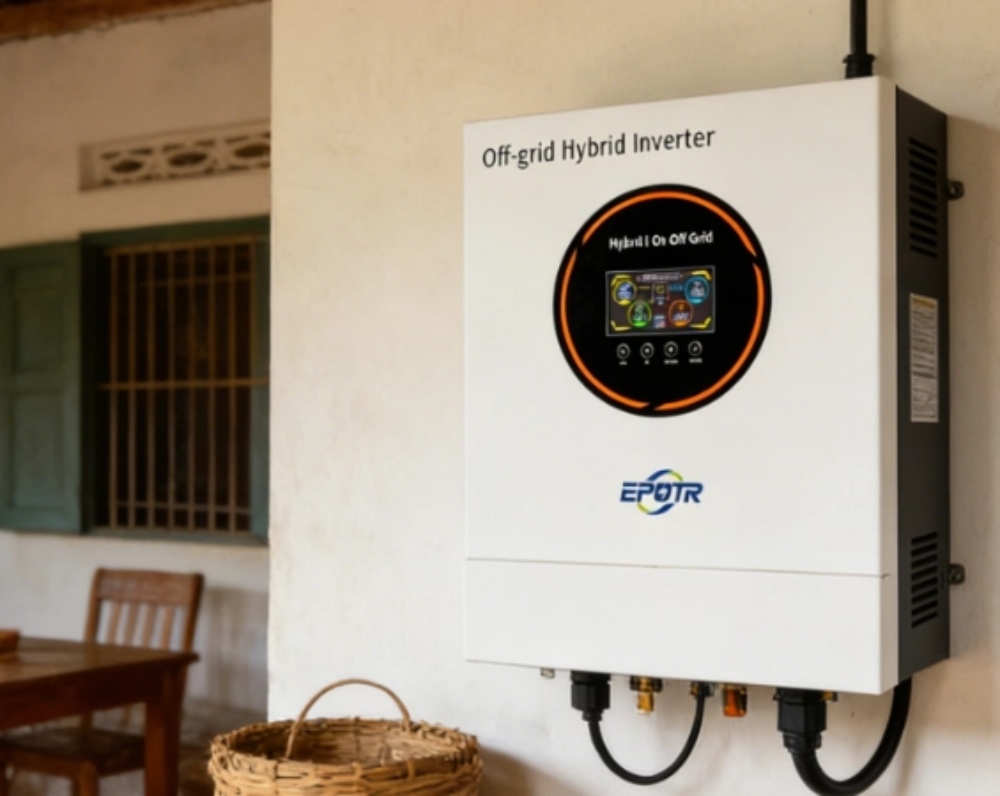
The compact, efficient EPH SERIES 230V Output OFF GIRD INVERTER fits contemporary residences. It blends visual neatness with strong build quality, installing neatly in limited indoor areas without resembling industrial gear. This design simplifies setup and improves daily usability.
Enhanced Protection for Long-term Durability
Internal defenses against excess voltage and heat buildup position this line as a dependable pick for ongoing self-reliance. As IP20-rated indoor units, they remain safe from weather while delivering 230V output suited to typical household devices. These features ensure years of stable service.
How Do You Choose the Right Inverter for Your Home?
Selecting equipment involves more than the inverter alone. Consider the entire grid setup, including storage ties to conversion. A flexible strategy suits expanding households and operations best.
Modular Battery Support for Scalability
Recent adaptable battery types provide key benefits through reduced prices and compact sizes. They enable small or medium enterprises to begin modestly and grow with rising needs. Compact designs eliminate the requirement for a special power area to maintain connectivity.
Professional Load Requirement Analysis
Assessing daily wattage use determines whether an 8.5KW or 11KW option aligns with your consumption pattern. Exceeding a unit’s limits often causes charging stops and component wear. Accurate evaluation prevents these setbacks and optimizes selection.
Seamless Integration with Home Storage
Top setups offer broad adaptability. These inverters pair with most market batteries and align with leading names like Sungrow, DEYE, and Solis. Such versatility avoids commitment to one supplier for extended periods, supporting future adjustments.
FAQ
Q1: Can I install my IP20 rated inverter outside if it is under a roof?
A: It is not recommended because IP20 units have no protection against high humidity or wind-blown dust, which are common in island climates. Keep them indoors for the best lifespan.
Q2: Why does my inverter stop charging when the sun is still out?
A: This usually happens because the battery has reached its “Float” voltage setting or the unit is overheating and has entered a self-protection mode.
Q3: Do I need a specific battery for the EPH Series?
A: No, these units are highly compatible and work with 90% of hybrid-compatible battery packs, though using high-quality LiFePO4 cells is always better for efficiency.
Q4: How often should I check the terminal connections?
A: A quick visual check every six months is plenty. Look for any signs of discoloration or “fuzz” on the terminals, which indicates corrosion.
Q5: Is the 11KW model too big for a standard small home?
A: Not necessarily. Having extra capacity prevents the system from running at its limit, which actually helps the hardware stay cool and last longer in hot environments.