
A brownout is not a blackout. It is a voltage dip or a controlled rotational interruption, and for a warehouse, cold chain, or factory it usually shows up as stalling motors, tripping compressors, corrupted data, and product loss – often before the lights go out. The practical question for a facility owner in the Philippines is how long the critical load must be carried, and what it takes to carry it.
With rotational brownouts now a recurring event in parts of Metro Manila and the surrounding provinces, the answer is a battery energy storage system sized to your measured critical load and a defined operating sequence. Here is how the event unfolds and what to plan against.
What actually happens during a Philippine brownout
When system capacity is tight, Meralco and the national grid have used rotational brownouts – planned, timed interruptions by zone. The most recent episode came when the Luzon grid moved to red alert in May 2026; Meralco’s May 2026 rotational brownout schedule ran in two-hour rotations, and large customers in the interruptible-load program committed to shed about 270 MW in total.
Two things matter for an operator. First, when the event is scheduled, its windows are known in advance, which changes what you can prepare. Second, even in a brownout the voltage can sag before it drops, and the sag is what trips drives, variable-frequency drives, and sensitive electronics.
What a brownout does to your loads
Warehouse
Dock and conveyor drives stall; warehouse-management transactions stop; security cameras and access control go dark; chilled goods in dock areas start to warm.
Cold chain
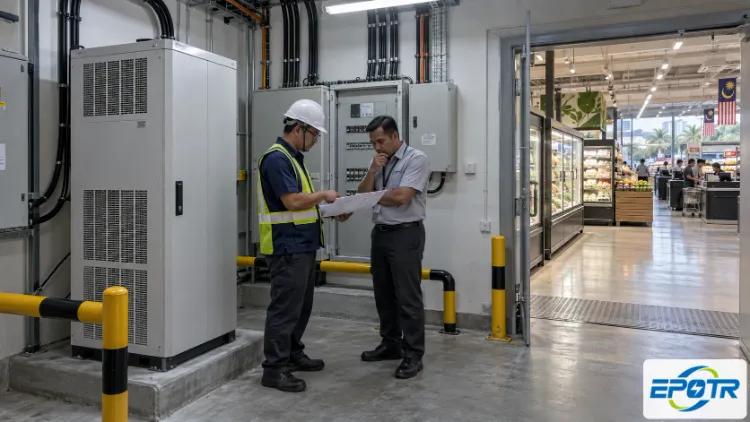
Compressors trip or cycle badly; defrost heaters stall mid-cycle; door heaters and alarms lose power. Thermal inertia buys minutes to hours depending on product and loading – not days.
Factory
Machine controllers lose power, in-process product is scrapped, process cooling stops, and an uncontrolled restart on grid return creates a large inrush peak.
How a battery energy storage system carries the event
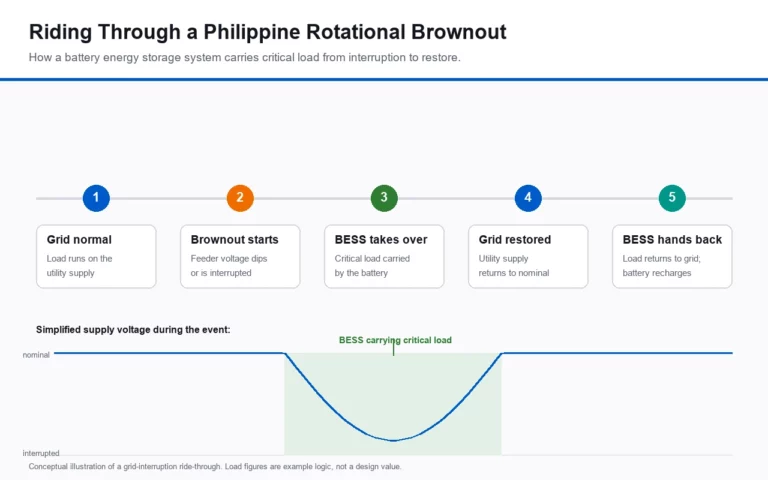
A battery system converts the brownout from an outage into a managed transfer:
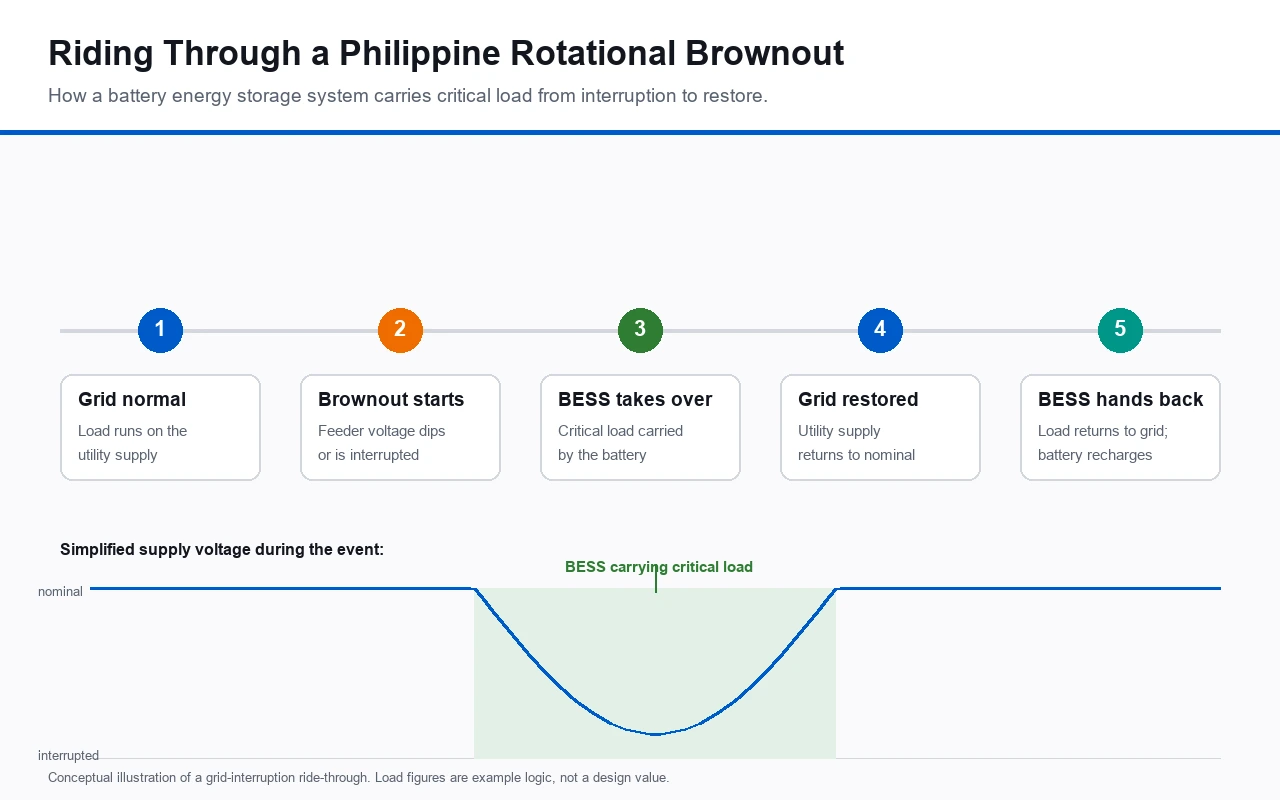
| Stage | What happens | What the BESS does |
| 1. Grid normal | Load runs on the utility supply | Stands by at target state of charge |
| 2. Brownout begins | Feeder voltage sags or is interrupted | Transfers to islanded mode in milliseconds to seconds |
| 3. BESS carries critical load | Compressors, controls, IT and safety systems stay online | Manages staggered restart of the largest motors |
| 4. Grid restored | Voltage returns to nominal | Re-synchronizes and hands load back to the utility |
| 5. BESS recharges | System returns to standby | Logs the event: duration and energy delivered |
Sizing the ride-through
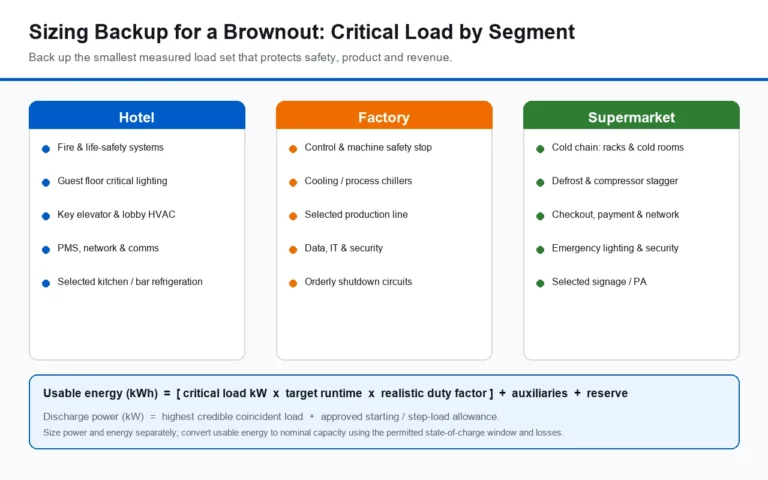
Power decides whether the system can carry the largest credible combination of running loads plus permitted motor starts; energy decides how long. Work from the measured critical load:
Usable energy (kWh) = critical load kW x target ride-through time x duty factor + auxiliaries + reserve.
For a typical warehouse cold section, the binding constraint is usually compressor start sequencing, not the running total. Staggered restart can cut the required inverter power materially without touching product temperature. The figures above are illustration logic, not a design value.
Choosing the equipment
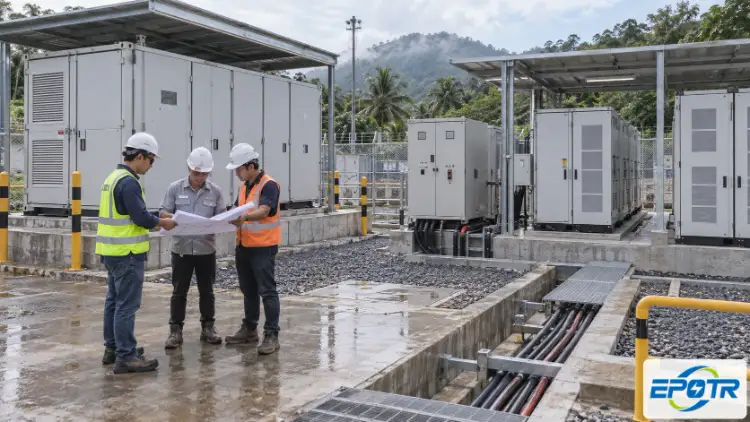
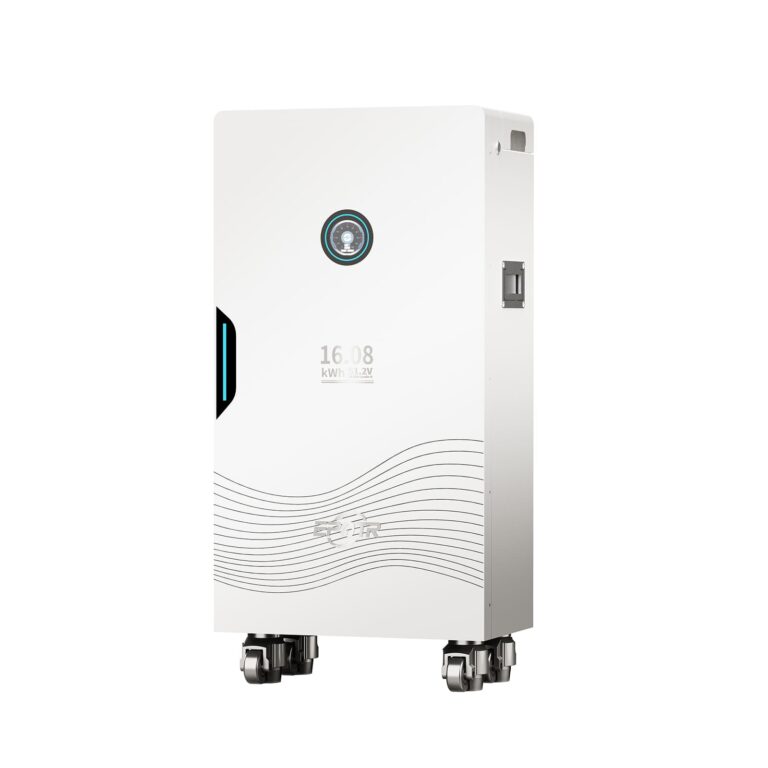
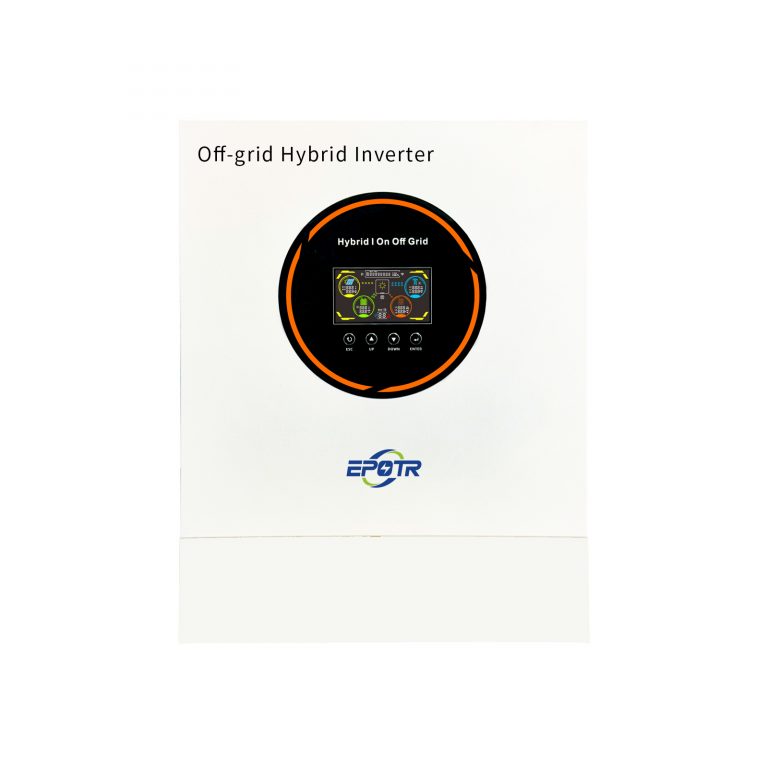
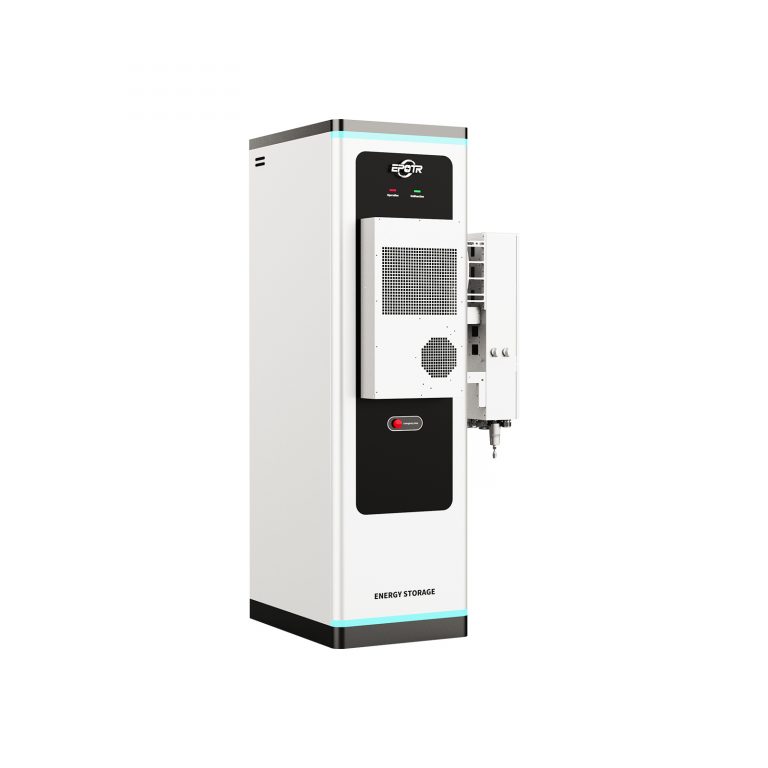
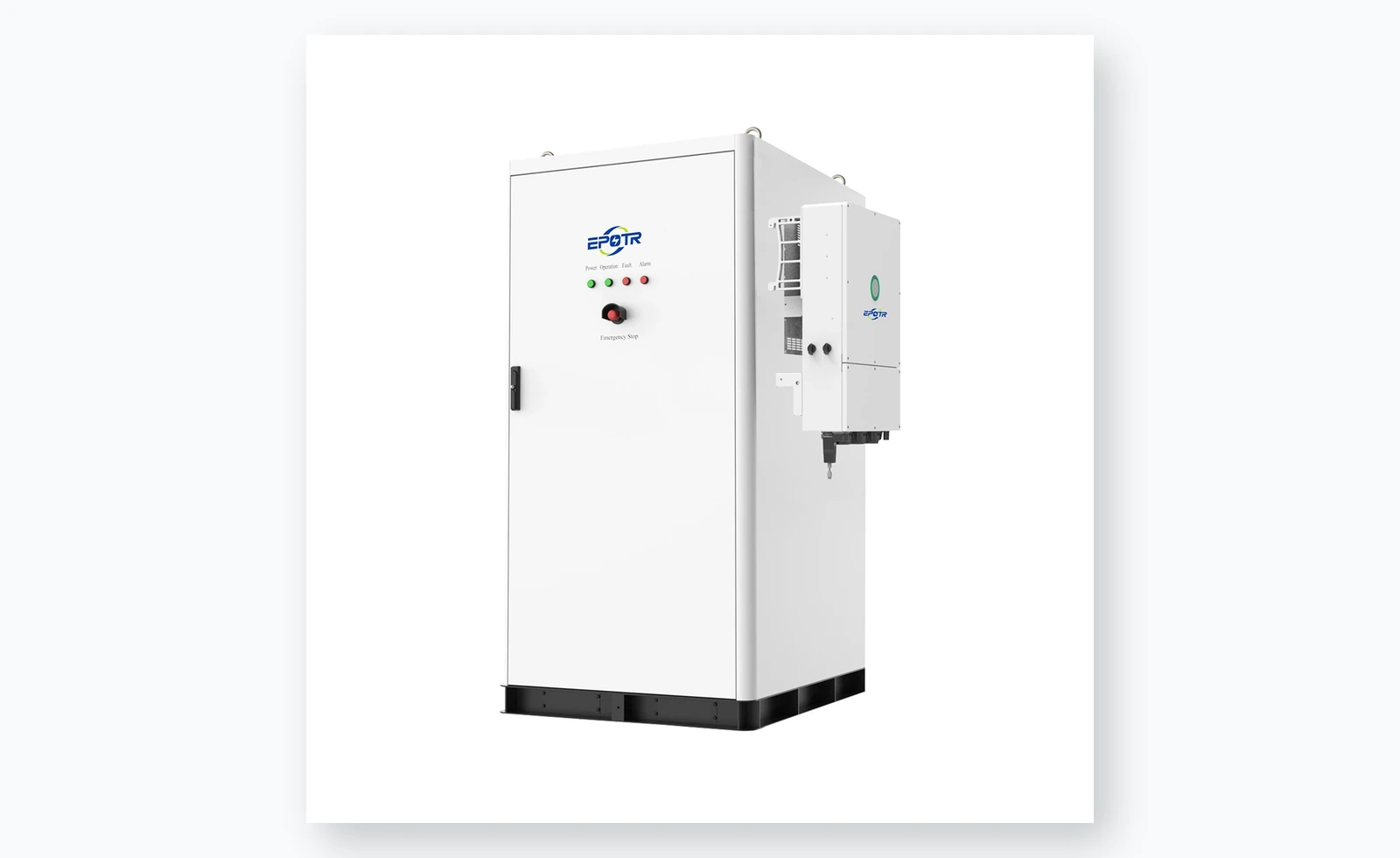
For Philippine facility duty, the relevant EPOTR is the EP1 all-in-one hybrid C&I ESS: a 50 kW inverter stage, 57.3-100.3 kWh of LiFePO4 per unit (expandable by parallel units), 75 kVA of peak output for five seconds, generator connection, and on/off-grid operation in an IP55 enclosure. The wider commercial and industrial energy-storage range covers larger factories and multi-cabinet configurations, and the โซลูชันด้านพลังงาน team can take part in the early architecture.
Operating plan, not just hardware
The difference between a brownout that costs a morning and one that costs a day of production is the operating plan:
- Define the critical-load list circuit by circuit.
- Set the state-of-charge floor the BESS must hold.
- Define which loads restart first, and their delays.
- Test the transfer before you need it.
- Log every event with duration and energy delivered.
A witnessed site acceptance test should reproduce the sequence above. You can site-specific configuration review before procurement.
คำถามที่พบบ่อย
How long does a rotational brownout last?
Scheduled rotational events run in set windows; recent Meralco schedules used two-hour rotations across parts of Metro Manila, Cavite, Rizal, Laguna, Bulacan and Quezon. Sag events vary. Size the ride-through to your worst credible window, not the average.
Is a UPS enough?
A UPS covers minutes. A brownout ride-through for compressors and process cooling typically needs 30 minutes to several hours, which is battery-ESS territory, not UPS territory. The two can coexist: UPS for IT-sensitive equipment, BESS for facility loads.
Will the grid restore my equipment in a safe order?
No – the grid does not know your equipment. An unstaggered restart is exactly the inrush event that can trip your own panel. Your BESS commissioning plan should define the restart sequence.
What happens if the brownout lasts longer than the system is sized for?
At the state-of-charge floor the system sheds non-critical load in a defined order and keeps the critical core alive longer. Write the shedding order into the operating plan in advance; do not discover it during the event.
The practical rule
A brownout is a voltage event and a schedule event, and it punishes facilities that react instead of plan. Measure the critical load, define the ride-through window, and let the battery carry it. The owners who treat it that way treat brownouts as an operating parameter, not an incident.