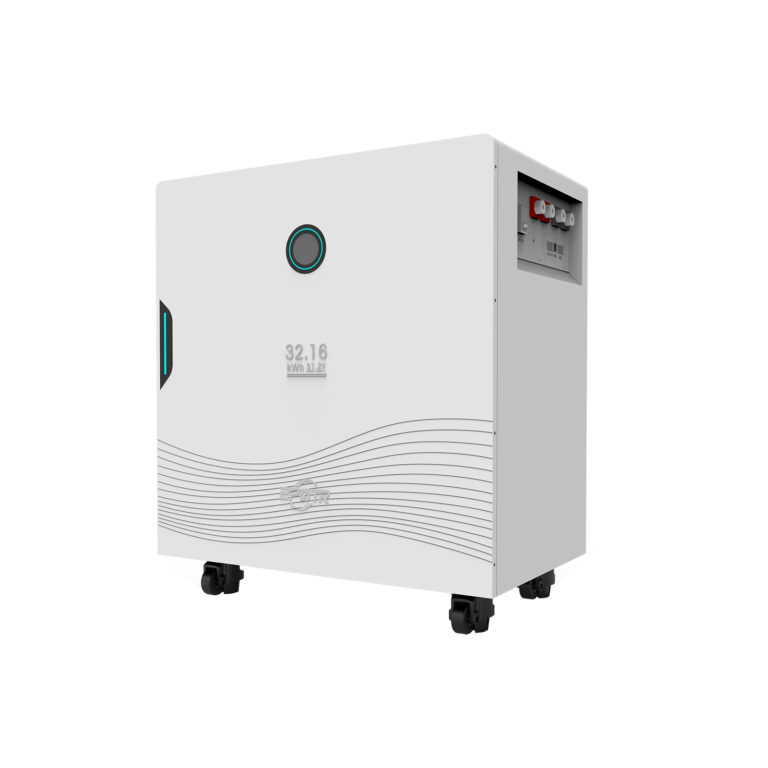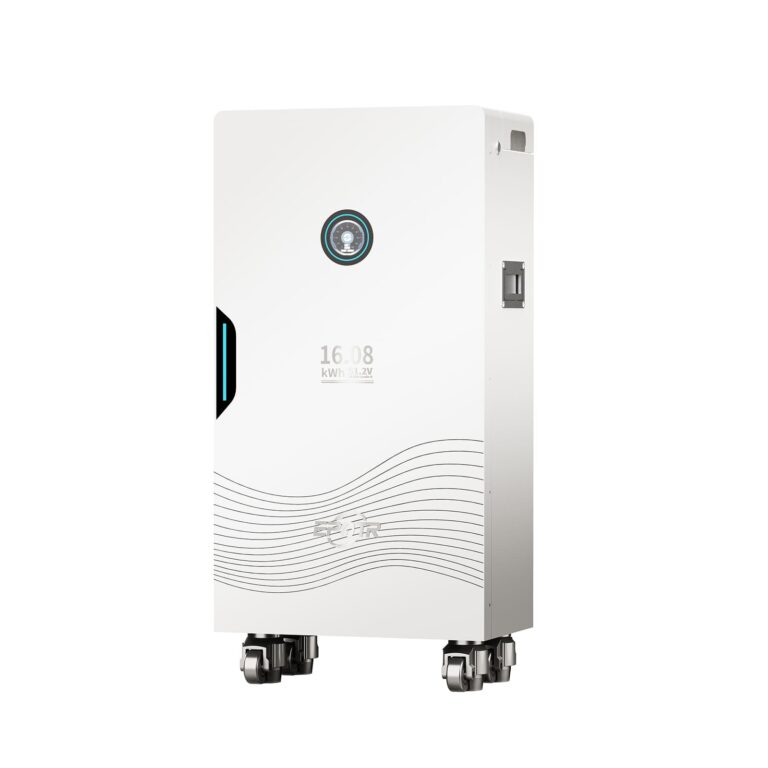

A family can buy enough battery capacity and still be short of reserve when the power goes out. Energy used on the wrong loads beforehand is no longer available for the outage. For a floor standing home ESS in Vietnam, look at which appliances it will actually serve, then match that profile to reserve settings, the low-voltage wiring and the cabinet’s position. The 48V cabinet will occupy part of the house as well as connect to its electrical system. Its service access and the way it provides that energy buffer need to be settled before the quotation is final.
चाबी छीनना
- Reserve time comes from the energy available to the appliances, after inverter losses and BMS restrictions. It also depends on sticking to the protected-load plan.
- A 48V installation still calls for coordinated breakers and short cable runs. Dry airflow and room to reach the cabinet are part of it as well.
- Put essentials and comfort appliances in separate groups on the load list. That decision comes ahead of the capacity discussion.
- Keep the nominal kWh figure in view, but read the warranty and single-line drawing too. Installation photos are part of that review.
Reserve Is a Load Discipline Problem Before It Is a Battery Size Problem
The nameplate is not the reserve estimate. Some energy is outside the depth-of-discharge limit, while conversion at the inverter and standby operation take their share. Temperature derating must be allowed for too. Once those are accounted for, look at what the household is asking to run. Putting the fridge, router, pumps and lights together with air conditioning without sorting out their demand can leave much less backup in practice than the nominal capacity suggested.
The router may run for hours; a pump needs a burst of power to get going. The refrigerator has that starting behavior as well, while lighting joins the network equipment in the long-running base load. Give the essentials both a running-watt and a starting-watt entry, then choose the reserve target. This makes the backup estimate something the household can plan around. The 48V low-voltage battery system discussion uses this distinction between the demands being supplied.
Cabinet Position Changes Heat, Cable Drop, and Maintenance Access
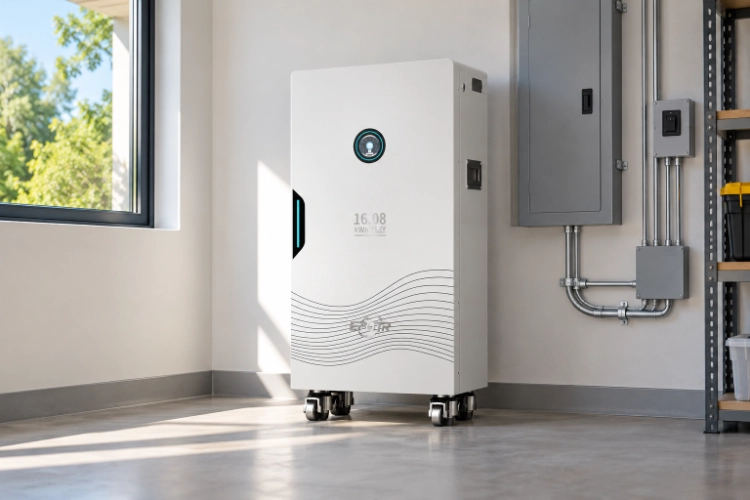
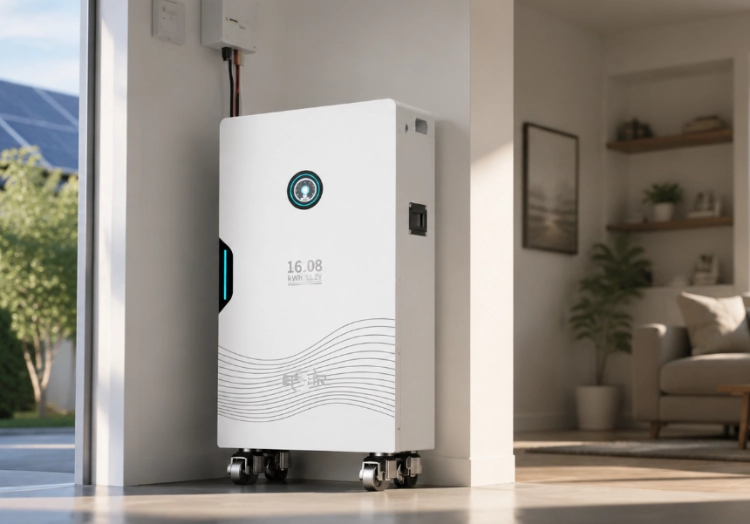
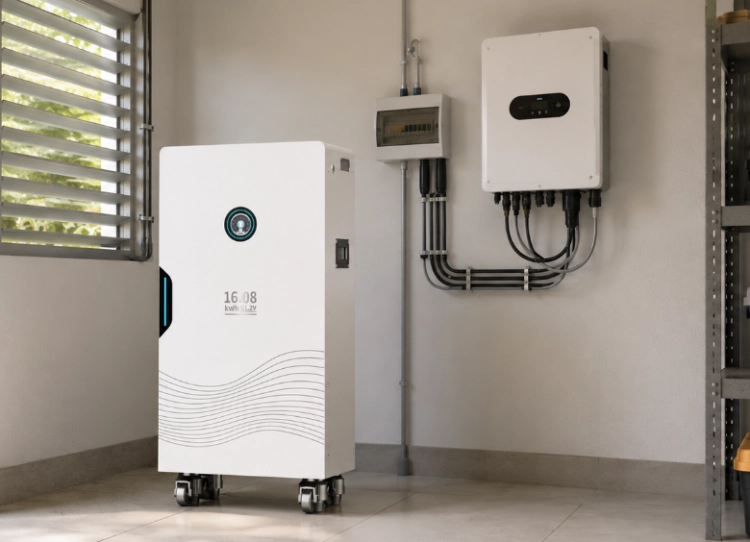
That spare corner in the utility room may be convenient for storage, but consider what happens with an operating battery cabinet there. A longer cable adds voltage drop, a covered vent lets cell temperature rise, and a tight service gap slows the search for a fault. Put the cabinet near the inverter, out of direct sun and above any possible water on the floor. People still need to get past it as they move around the home.
| वस्तु जांचें | Field Target | यह क्यों मायने रखती है |
| Protected-load list | Separate essential and nonessential circuits | Prevents reserve energy from being spent on comfort loads |
| Cable route | Keep DC runs short and mechanically protected | Limits voltage drop and accidental damage |
| Air space | Confirm side and front clearance before delivery | Allows heat release and service access |
| Moisture risk | Avoid floor water, outdoor rain splash, and wall seepage | Protects terminals, casing, and labels |
Where a Floor Standing Cabinet Fits Best
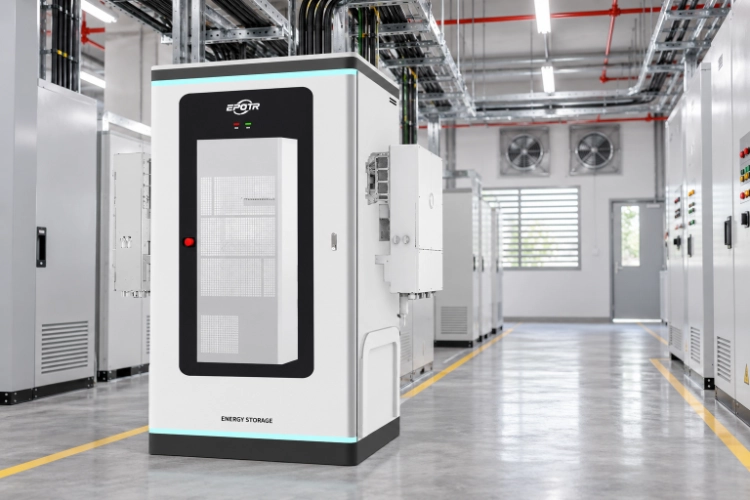
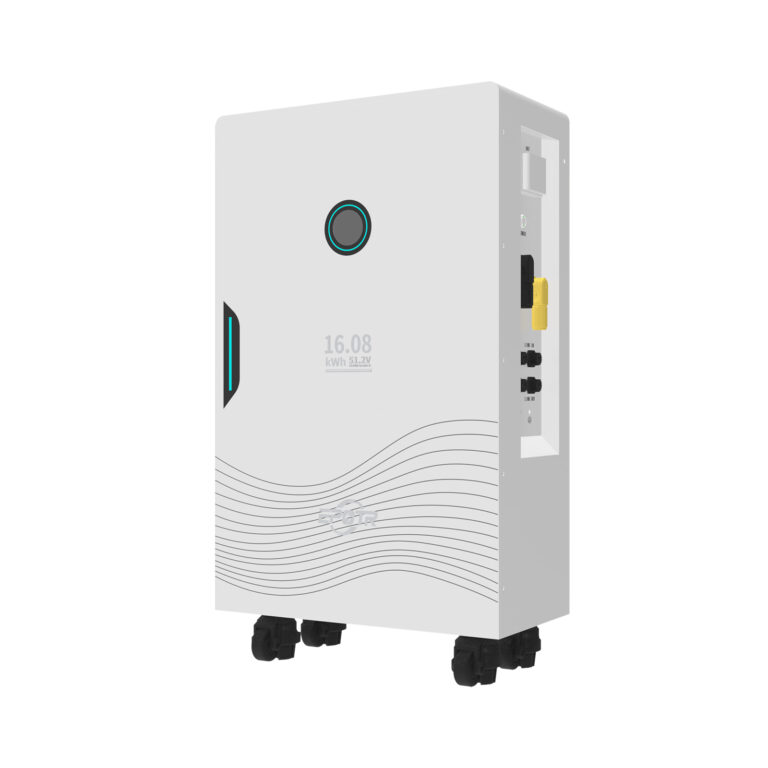
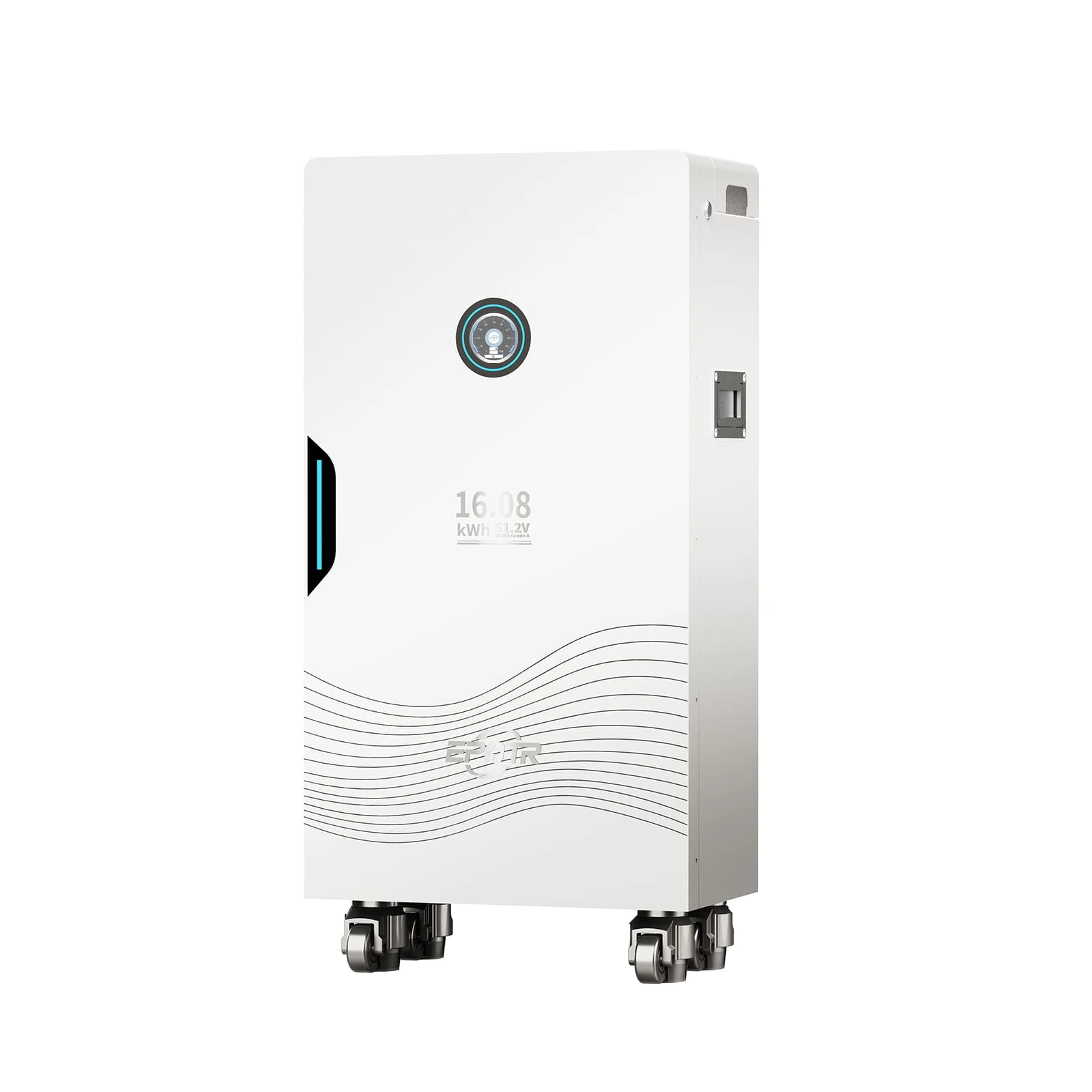
द ईपीओटीआर ताइपावर सीरीज फ्लोर स्टैंडिंग रेजिडेंशियल ईएसएस लो वोल्टेज offers a cabinet-style low-voltage option for homes wanting a compact reserve system rather than a large equipment room. Discuss it against the circuits to be protected, the floor space available and any capacity expected later. Ask about usable energy and inverter compatibility, then check dimensions, cable entry and after-sales documents. Nominal capacity alone leaves those installation questions open.
Look at the site photo and the load table together before shipment. A cabinet may be accessible now but end up behind a door, beside the laundry or blocked by a storage shelf. And enough stored energy will not help if the inverter cannot cope with a pump or compressor starting. Both problems can be spotted before approving the location and capacity.
If a branch circuit is overloaded before the ESS arrives, it will still need correcting afterwards. The battery isn’t a wiring redesign, nor does it make an undersized inverter larger. Poor earthing and unstable grid voltage at the house need attention in their own right. Sort out those existing problems before the new battery is expected to answer for all of them.
A Reserve Estimate Should Be Built From Circuits, Not From Memory
At the distribution board, mark the outage circuits and check where each goes. Don’t stop at identifying the refrigerator and router. If their branch also serves convenience sockets, an appliance plugged in there later may draw reserve it was never allocated. Following the actual connections catches that possibility; trying to remember a list of appliances may not.
With a 350 W essential load and eight hours requested, the household has already given the basis for an energy estimate. Optional loads are still to come. Use the 48V cabinet’s usable watt-hours with inverter losses and BMS limits allowed for. Beside the running-load entries, put the startup entries for pumps and compressors in a separate column, where their brief surges will not be lost in the energy calculation.
The acceptance record gives a later service discussion a common reference. Show the breaker labels and the protected loads, and photograph where the cabinet sits. Put the cable section, inverter model and battery communication method alongside them. People can then look up what was fitted and what it was expected to support, instead of trying to recall the conversation at purchase.
What Can Still Go Wrong After a Clean Installation
The installation may have been left clean and open, then gradually become a storeroom again. Boxes end up at the cabinet, or somebody adds a shelf across its ventilation path. Cleaning with water near the base changes its surroundings too. Performance may suffer even though nobody has altered a wire. Show the owner the gaps that have to be kept free when handing the system over.
If another cabinet is planned, the first order is the place to record what will work with it. Name the battery family, the cable kit and the maximum parallel count, then include how the addition is to be commissioned. Capacity gets most of the attention, but firmware or communications that don’t match can spoil the later purchase. Those details on the order help keep expansion from turning into a compatibility job.
Give the battery a controlled area of the house’s electrical installation. That means a dry floor, labels and airflow, with the isolator within reach. Agree which loads the family is going to keep on backup. A complaint about an apparently small cabinet may really be a change in that agreement: it was sized correctly, but for fewer appliances than are now connected.
चालू करने से पहले, रनटाइम को नियंत्रित करने वाली मान्यताओं की पुष्टि करें।
For EPOTR Taipower Series Floor Standing Residential ESS Low Voltage commissioning, write down the load boundary and expected operating mode. Record the cable route, protection devices and communication status, along with conditions around the equipment. That makes the behavior of the floor standing home ESS something you can check after it is switched on.
Run normal operation at handover, followed by a controlled change in load. Check an alarm or the communication, and review the reserve setting. Watch whether the response comes in the order the site team expects during a real event. The aim is to verify operation, without deliberately creating a failure.
Leave the user an operating note covering the jobs the ESS is not meant to take on. Describe the heavy-load and expansion limits, the temperature and moisture boundaries and what maintenance is expected. That note keeps a sound installation from being used outside the range for which it was intended.
सामान्य प्रश्न
How many hours can a 48V home ESS run essential loads?
You need the usable energy and the wattage on the backup circuits to calculate that. Whole-house backup may include heaters or air conditioners. Leaving those out and supplying the refrigerator, lights, router and a few sockets instead can make the reserve last substantially longer.
Where should a floor standing battery cabinet be installed at home?
Near the inverter, choose somewhere dry with air able to circulate. Allow a person to reach the front for inspection, and protect the wiring against pulls and rubbing. Reject positions exposed to rain or water on the floor. A tight storage corner also fails the access check, however neatly the cabinet fits into it.
Can a home ESS be expanded later?
Have the supplier confirm the expansion arrangement before ordering the first cabinet. It depends on that battery model and its BMS rules, the inverter it will work with, and the permitted number of parallel connections. Future batteries need approval to be used together; otherwise the mix may have balancing problems and fall into a warranty dispute.
अंतिम चयन संबंधी टिप्पणियाँ
A realistic list of loads starts the reserve plan; a clear record of the installation finishes it. ईपीओटीआर‘s energy storage product range can support discussion of cabinet choices, compatibility and product details. The outcome still depends on fitting the reserve plan to the actual house, rather than choosing from one capacity figure.