
Les coupures d’électricité régulières persistantes à Ho Chi Minh-Ville ou dans le delta du Mékong révèlent que les panneaux solaires sur le toit ne offrent pas de remède rapide. Beaucoup de propriétaires ont adopté des systèmes photovoltaïques, dans l'espoir d'une autonomie totale, mais ont découvert que leur éclairage échoue exactement lorsque le réseau s'effondre. Ces événements proviennent d'installations typiques manquant le contrôleur de noyau et la réserve de stockage essentielle pour un fonctionnement indépendant au-delà de l'utilité; S soutien. Pour surmonter ce déficit, il faut un allié dédié à l’amélioration énergétique. EPOTR aller au-delà de la production standard; le cabinet est spécialisé dans l’harmonisation des dispositifs électriques et des cadres énergétiques verts. Quand on explore leur Page à propos de nous pour des aperçus sur le patrimoine de Dongguan ou évalue leur solutions personnaliséesleur dévouement à la réduction des émissions se distingue, tout en créant des voies tangibles vers la liberté de pouvoir. Quand fatigué de l'obscurité, se connecter via leur Contactez-nous gateway initie généralement des progrès vers une configuration qui dure de manière fiable.
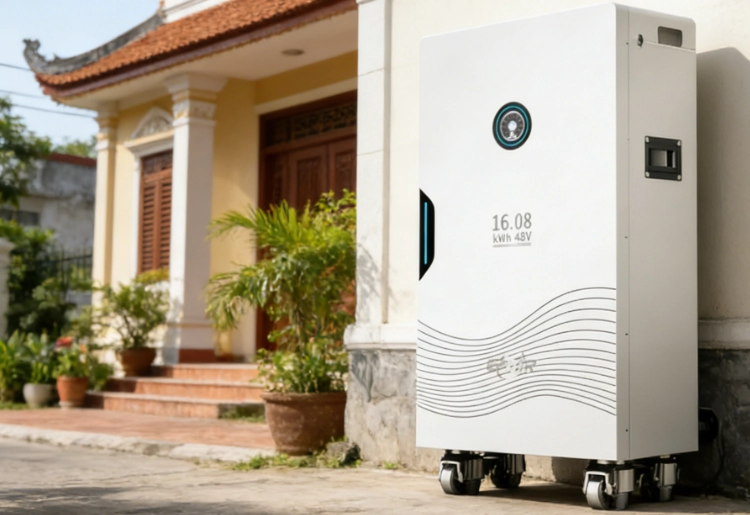
Pourquoi votre système solaire s'éteint-il lors d'une panne d'électricité?
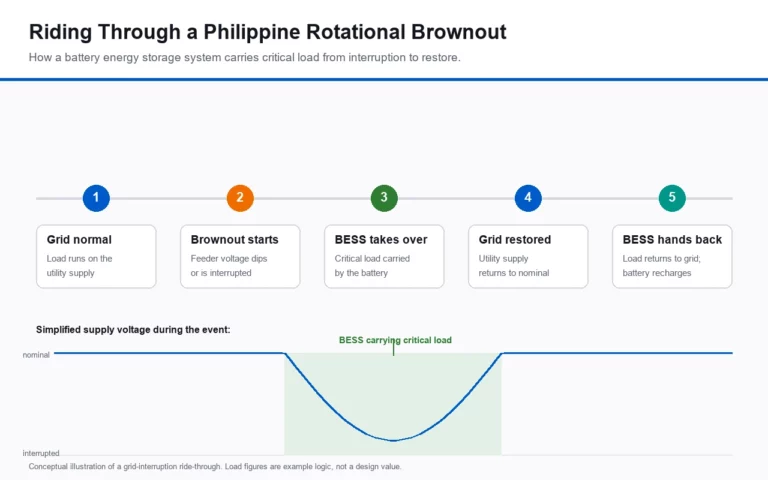
De nombreuses personnes ressentent la tromperie lorsque leurs panneaux solaires arrêtent la production d'électricité lors d'une panne d'électricité. La situation semble illogique, mais les faits d'ingénierie montrent que les systèmes de base reliés au réseau intègrent l'arrêt automatique pour des mesures de protection. Manquant de caractéristiques indépendantes dédiées, le logement reste relié à une structure extérieure peu fiable, ce qui limite son utilité en cas de perturbation.
Normes de protection contre les îlots
Cette mesure de sauvegarde requise incite les onduleurs à se désactiver, arrêtant ainsi le flux d'électricité dans un réseau inactif qui pourrait nuire aux équipes de réparation. Le respect de ces normes assure la sécurité des travailleurs pendant la maintenance. Par conséquent, l’intégration d’éléments supplémentaires permet d’endurer les pannes d’électricité tout en respectant ces règles vitales.
Manque de tampon énergétique en temps réel
L'énergie solaire fluctue fortement et sans connexions rapides de batterie, l'arrangement ne parvient pas à aligner les besoins de la maison avec des rendements de lumière solaire variables. Ce déséquilibre provoque souvent des lacunes d'approvisionnement malgré la lumière disponible. Le tamponnage avancé s'avère donc crucial pour une livraison régulière au milieu de charges variables.
Incompatibilité technique dans la configuration du système
Les paquets solaires standard omettent généralement les outils de relais complexes nécessaires pour séparer la maison du réseau et maintenir même les niveaux d'énergie internes. En l'absence de ces paramètres, l'ensemble de l'installation s'affaiblit sous pression, ce qui le rend inapproprié pour les paramètres volatiles. La conception sonore facilite cependant les changements en douceur, augmentant la fiabilité et la satisfaction.
La capacité de votre batterie actuelle est-elle vraiment suffisante pour les vagues de chaleur tropicales?
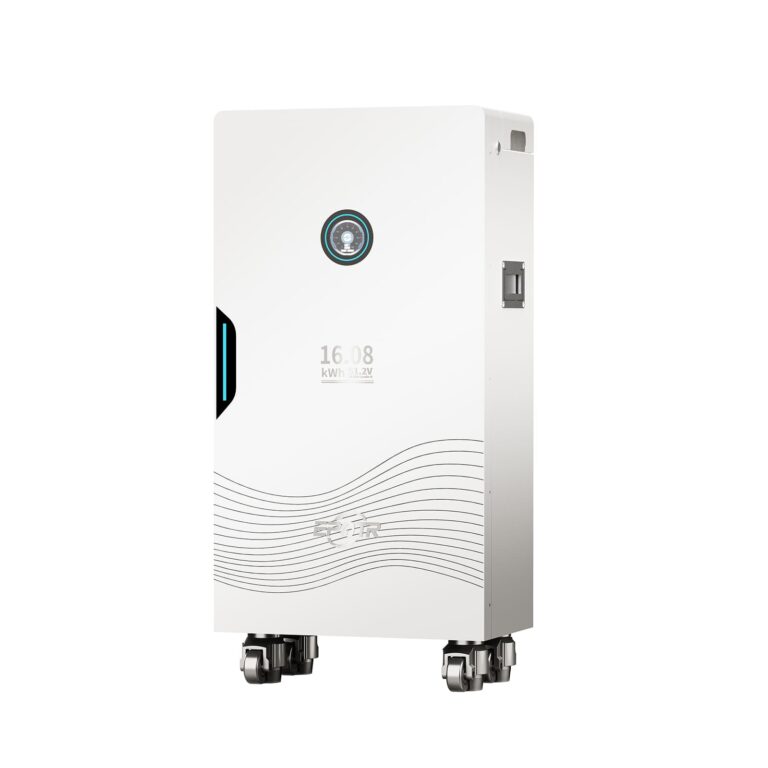
Vietnam’ Le temps affecte durement les appareils. Les températures atteignant 40°C font chuter les performances des batteries peu coûteuses et s'usurent rapidement. Une option de stockage donnant la priorité au contrôle thermique par rapport à la simple addition est essentielle. Le EPOTR TaiPower Series ESS résidentiel debout au sol résiste à de telles souches, en utilisant la méthode LiFePO4 (Phosphate de Lithium et de Fer) qui reste stable dans des environnements chauds.
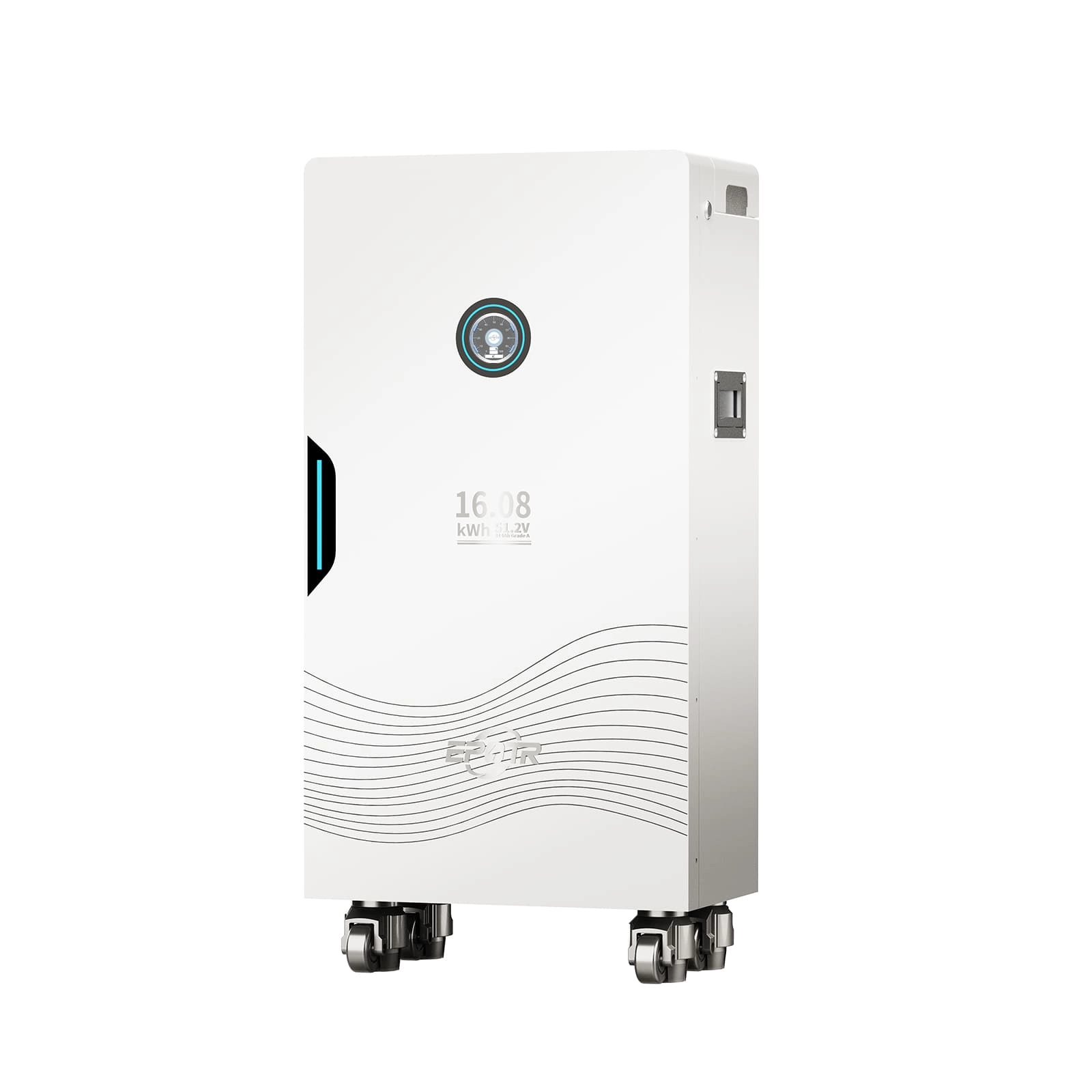
Stabilité du phosphate de lithium et de fer
Les cellules LiFePO4 établissent la référence car elles résistent à la combustion ou à la décomposition dans la chaleur, fournissant plus de 6000 cycles à une profondeur de décharge de 90%. Leur endurance réduit les swaps fréquents, ce qui génère des gains financiers à long terme. En outre, leurs combinaisons de sécurité conviennent à l'usage domestique où la confiance compte le plus.
Architecture énergétique verticale scalable
Le style droit sert plus que l'apparence; il permet un stockage plus important dans un boîtier exempt de refroidisseurs actifs et consommateurs d'énergie pour le fonctionnement. Cette configuration permet l'expansion à mesure que la demande d'énergie augmente. En conséquence, il aide les plans d'énergie verte dans les zones étroites.
Efficacité de décharge de cycle profond
Contrairement aux types datés de plomb-acide qui échouent au-delà de la moitié de la capacité, les options actuelles de lithium permettent l'utilisation complète des kilowatt-heures stockées. Cela maximise les ressources en cas d'interruptions prolongées, réduisant les pertes. Les ménages gagnent ainsi une plus forte séparation de la dépendance au réseau.
Comment un onduleur hors réseau peut-il restaurer votre électricité domestique?
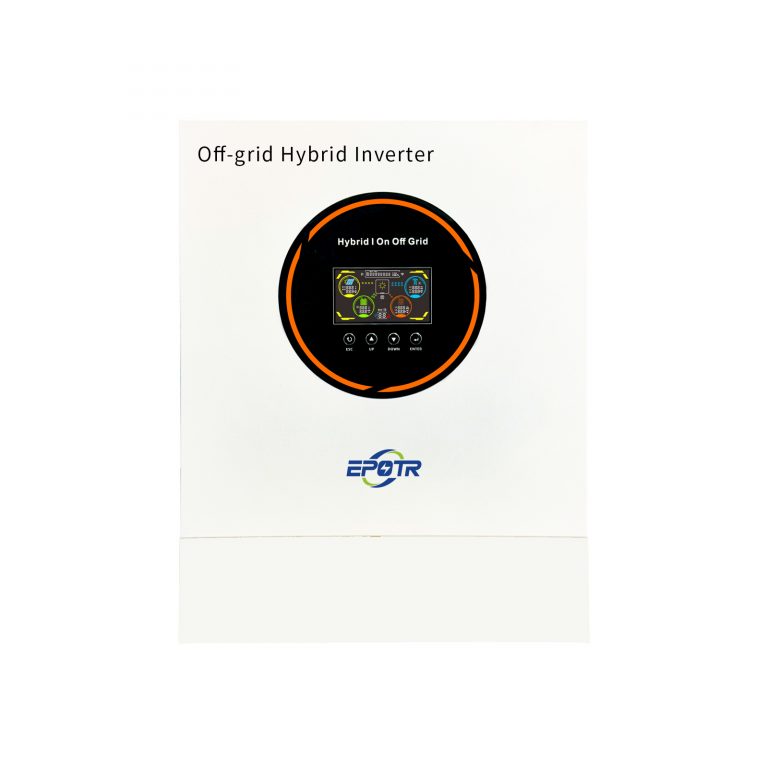
Avec la batterie comme noyau, l'inverseur agit comme l'intellect. Dans des régions comme l’Indonésie, la Malaisie ou les Philippines, où l’isolation défie la stabilité du réseau, une unité murale intérieure révolutionne la fiabilité. Il transforme le courant continu des tableaux en courant alternatif pur essentiel pour les appareils tels que les réfrigérateurs et les téléviseurs. Le Série EPH 8.5/11KW OFF GRID INVERTER convient aux normes IP20 intérieures, bloquant l'humidité tout en maintenant l'alimentation active.
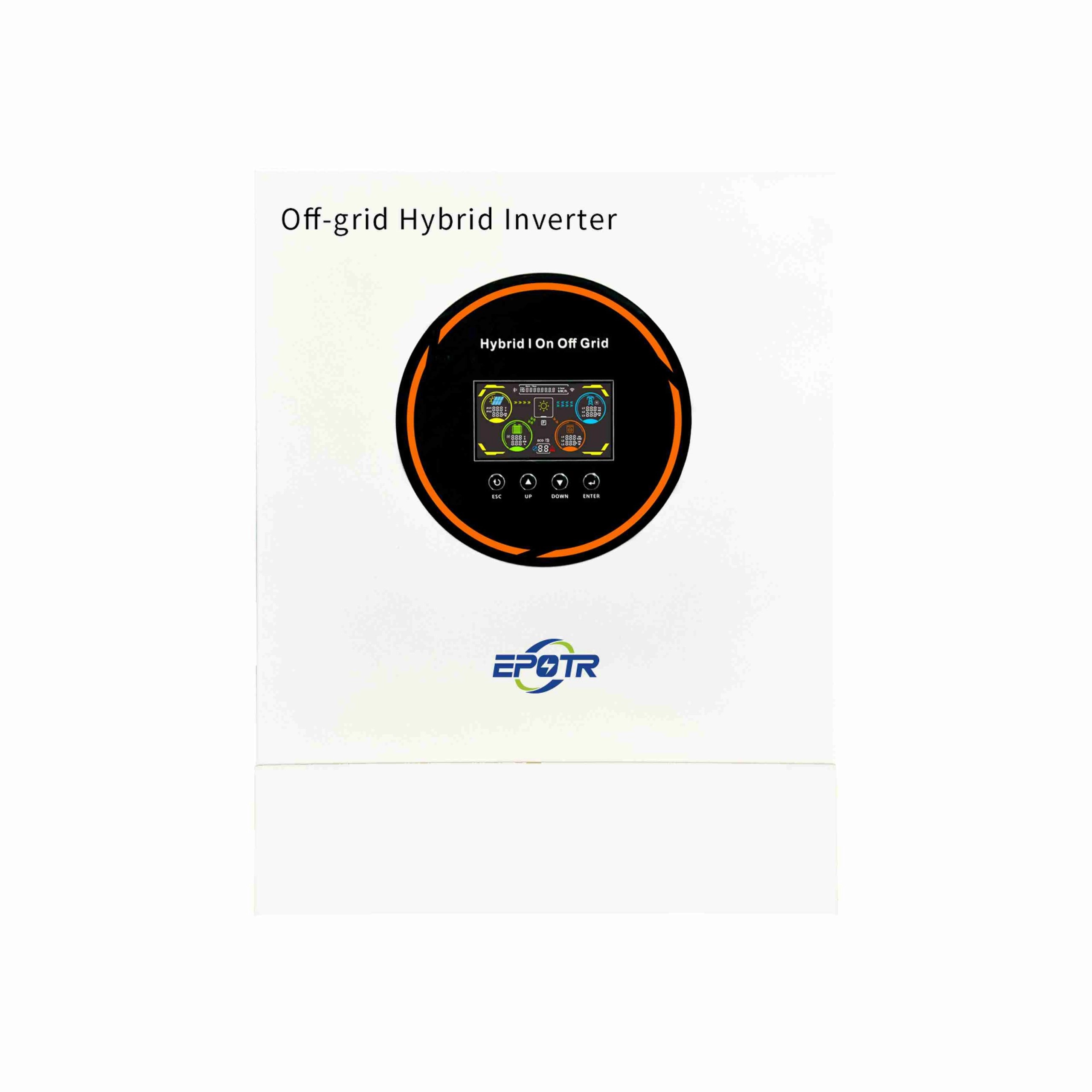
Commutation de transfert automatique sans soudure
Cette fonctionnalité détecte la perte de réseau et engage l'alimentation de la batterie en quelques instants, évitant tout clignotement dans les appareils tels que les ordinateurs pendant l'obscurité sur toute la zone. L'action rapide maintient le flux dans les cas d'urgence. Il renforce ainsi la confiance dans la force du système.
Qualité de sortie d'onde sinusoidale pure
Les onduleurs de base produisent une puissance brute causant du bruit dans l'audio ou des dommages aux cuisinières; L'onde sinusoidale propre assure la fonction impeccable de l'appareil. Cela préserve la durée de vie de l'équipement et évite les problèmes. Il est une clé pour une approvisionnement en énergie solide.
Optimisation de l'espace mural intérieur
Les unités se montent dans des salles de service ou des cabanes, dégageant des chemins tout en servant de nœud principal pour la maison’ s réseau autonome. La mise en page économise de l'espace au sol et concentre le contrôle. Il s’intègre donc bien dans les structures actuelles.
Qu'est-ce qui fait de la série TaiPower le choix ultime de sauvegarde?
Acheter une batterie implique un choix de dix ans, pas à court terme. Les types ESS verticaux attirent les utilisateurs pour gérer les charges soigneusement, assortis d'un décor moderne tout en conservant l'énergie pour faire fonctionner les lumières, les ventilateurs et Internet pendant des heures à des jours.
Sécurité industrielle pour usage résidentiel
Le système intégré de gestion de la batterie (BMS) surveille de près les cellules pour bloquer les surcharges ou les défaillances tôt. Il maintient la stabilité à travers les utilisations. Cela favorise la sécurité dans les environnements quotidiens.
Longs cycles de vie pour des décennies d'utilisation
À 6000 cycles à moins de 25°C, les unités durent plus de dix ans de service régulier avant de tomber à 60% de résistance originale. La durabilité s'adapte aux plans étendus. Il réduit également les déchets grâce à moins de changements.
Esthétique tout en un intégré
Pas de désordre de câbles et de boîtiers; la forme compacte convient à des espaces limités, essentiel pour les maisons de ville à Hanoï ou Ho Chi Minh-Ville. Le design élégant améliore l'apparence. Il se mélange facilement avec la vie quotidienne.
Votre inverseur peut-il manipuler simultanément des appareils à haute puissance?
La force du système montre quand les refroidisseurs et les pompes démarrent ensemble. De nombreux petits onduleurs surchargent facilement. La gestion des surtensions couvre les tirages de démarrage. Un onduleur solide de 11KW fait face aux hauts, séparant les maisons de travail de celles sans puissance.
Capacité de puissance de surcharge élevée
Les grands onduleurs actuels gèrent rapidement le double de la puissance nominale, convenant au démarrage du réfrigérateur. Cela évite les pannes dans les tâches normales. Il assure un travail continu.
Efficacité du tracker MPPT double
Deux trackers permettent aux panneaux de viser l'est et l'ouest, attrapant le soleil tout au long de la journée pour remplir régulièrement les batteries. Le rendement augmente globalement. Il étend l'auto-approvisionnement.
Surveillance intelligente et contrôle du système
La visibilité aide au contrôle, donc les systèmes téléphoniques permettent aux utilisateurs de planifier des tâches comme le lavage en fonction de l'approvisionnement. L'intelligence aide à une utilisation intelligente. Cela conduit à de meilleurs choix.
Choisissez-vous les bons matériaux pour une fiabilité à long terme?
Les discussions B2B mettent en évidence “ Niveau 1” pièces, ce qui signifie des articles durables contre l'humidité chaque année. En Asie du Sud-Est, l'IP20 sur les onduleurs intérieurs aide à l'économie. Il protège les intérieurs dans des endroits sûrs, à l'abri des vents salés ou des fortes pluies.
Composants premium de fabricants mondiaux
L'électronique gère des flux de 50A à 100A sans hausse de chaleur ou chute de sortie. Le choix garantit un travail durable. Il répond à des normes élevées.
Boîtier robuste et gestion thermique
Le refroidissement par flux d'air évite les ventilateurs, coupe le son dans les halls et réduit les éléments cassables dans la poussière. Approche construit la ténacité. Il facilite l'entretien.
Conformité stratégique aux normes internationales
La RoHS et la sécurité mondiale se réunissent pour transformer les achats en choix sûrs, protégeant le bien-être de la maison. Il couvre plus que l'utilisation des valeurs. La confiance naît de cela.
Pourquoi l'ingénierie solaire professionnelle est-elle cruciale pour votre succès?
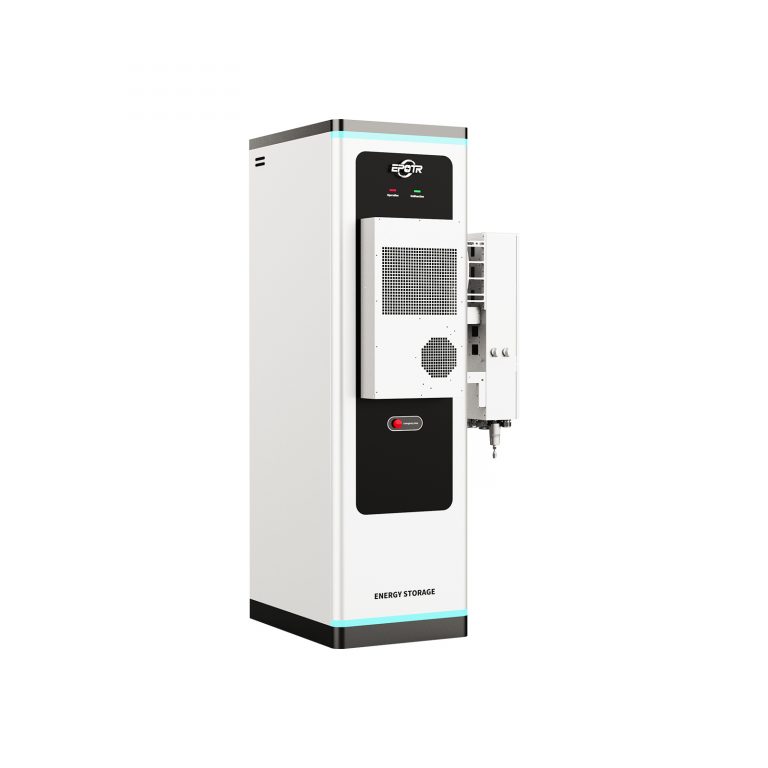
Les pièces seules ne forment pas un ensemble complet. Pour les entreprises ou les grandes maisons, les batteries modulaires fonctionnent bien. Les nouveaux modules réduisent l'espace et les coûts de démarrage, aidant les petits magasins ou dépôts à démarrer sans grandes dépenses initiales.
Services de conception de solutions personnalisées
Les maisons diffèrent, donc TaiPower conseil tailles droit à sauter le paiement supplémentaire pour l'espace inutilisé. Tailoring augmente la valeur. Il évite les erreurs.
Support technique et conseils fiables
Les équipes connaissant les liens vers les onduleurs supérieurs comme Deye ou Solis facilitent les douleurs de configuration. Déploiement des vitesses d'aide. Il accélère les objectifs énergétiques.
Proof de l'avenir de votre investissement dans la maison
Les systèmes correspondant au nouveau LiFePO4 suivent le rythme de la 6G et de la croissance urbaine intelligente, évitant les noyaux dépassés. Foresight vaut la peine. Il est prêt pour une utilisation durable.
FAQ (questions fréquentes)
Q1: L'inverseur de la série EPH fonctionnera-t-il avec des batteries d'autres marques?
R: Oui, ces onduleurs sont conçus pour une grande compatibilité et fonctionnent avec la plupart des batteries courantes actuellement sur le marché. La flexibilité aide à l'accouplement facile.
Q2: Est-il sûr d'installer l'ESS debout au sol dans mon salon?
R: Bien qu'ils soient très sûrs et utilisent des cellules LiFePO4, il est généralement recommandé de les placer dans une zone d'utilité ventilée ou un garage pour les meilleures performances thermiques. Les bonnes taches améliorent l'endurance et la protection.
Q3: Combien de temps dure la batterie TaiPower pendant une panne d'électricité?
R: Cela dépend de votre charge. Une unité de 10 kWh peut généralement faire fonctionner un réfrigérateur, des lumières et quelques ventilateurs pendant environ 10 à 15 heures, mais une utilisation intensive de l'AC raccourcira ce temps. Les ajustements de charge étendent bien le temps d'exécution.
Q4: Les onduleurs intérieurs nécessitent-ils beaucoup d'entretien?
A : Pas vraiment. Puisqu'ils sont classés IP20 et maintenus à l'intérieur, vous devez surtout simplement garder la zone propre et vous assurer que les ouvertures d'air sont ’ t bloqué par le désordre ménager. Les soins simples les maintiennent en douceur.
Q5: Puis-je ajouter plus de modules de batterie plus tard si mes besoins en énergie augmentent?
A : Absolument. La conception modulaire et l'architecture au sol sont spécialement conçues pour vous permettre d'augmenter votre capacité de stockage à mesure que votre budget ou vos besoins augmentent. La croissance répond aux exigences changeantes.