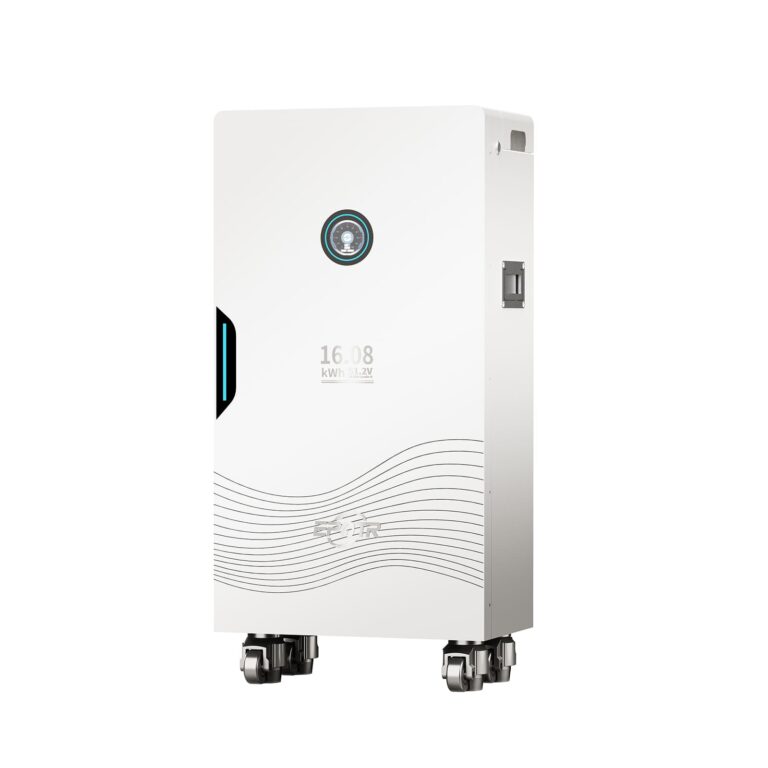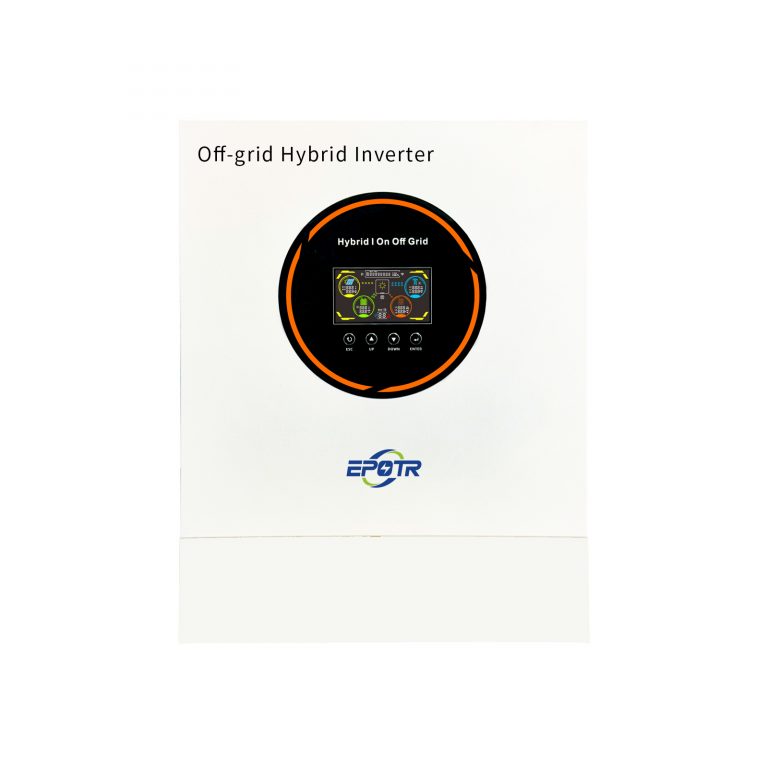

L'alimentation de secours pour les appartements est généralement limitée par l'espace disponible et la priorité des circuits avant même d'être limitée par la capacité maximale des batteries disponibles sur le marché. Un système de stockage d'énergie résidentiel mural peut s'avérer plus judicieux qu'une grande armoire électrique lorsque la liste des charges protégées est réduite, les câbles courts et que le lieu d'installation offre la structure, la ventilation, l'accessibilité et la protection électrique nécessaires. La conception doit commencer au niveau du tableau de distribution : identifier les circuits nécessitant une alimentation de secours, mesurer leur consommation réelle, puis sélectionner la puissance de l'onduleur et l'énergie utilisable. Opter d'emblée pour une grande armoire électrique peut engendrer des coûts supplémentaires et une complexité d'installation accrue sans pour autant améliorer l'alimentation des charges réellement nécessaires aux occupants en cas de coupure de courant.
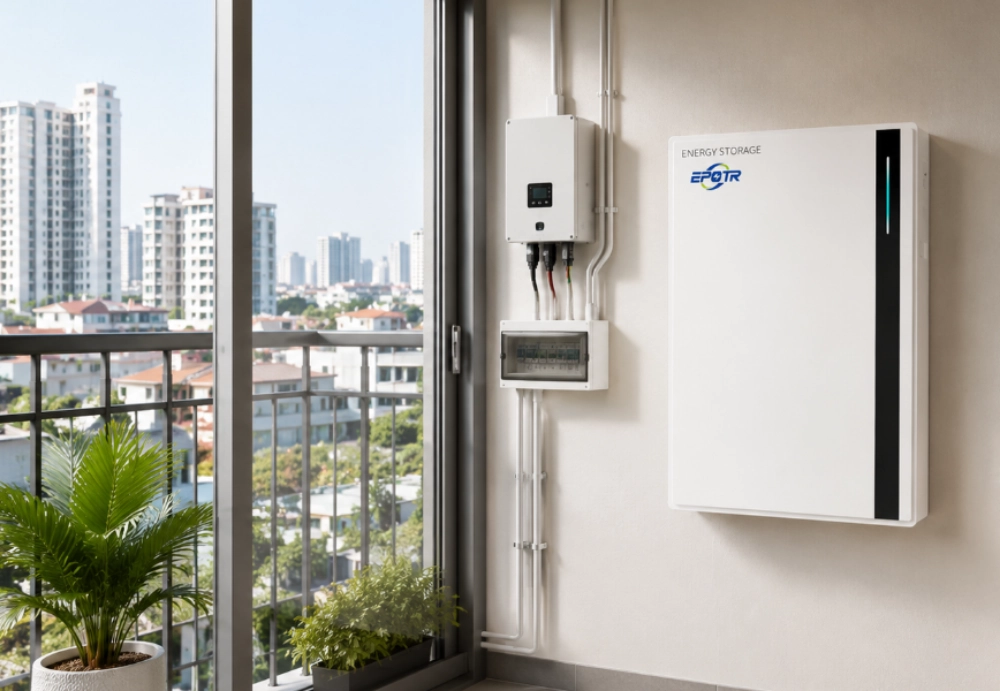
Quand les rangements muraux sont mieux adaptés à l'appartement
- Un système ESS mural fonctionne de manière optimale lorsque le circuit de secours est limité aux charges essentielles plutôt qu'à l'ensemble de l'appartement.
- La capacité utile, la puissance de l'onduleur, le dégagement de ventilation et l'accessibilité pour la maintenance sont plus importants que la taille de l'armoire en elle-même.
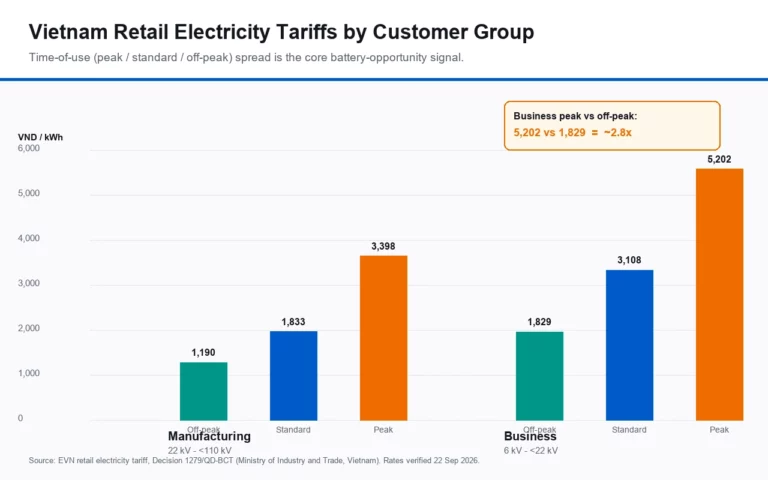
- Pour les appartements au Vietnam, la couverture en cas de coupure de courte durée et le lissage des pics de consommation en soirée doivent être dimensionnés comme des cas d'exploitation distincts.
La question du dimensionnement de base ne porte pas sur la consommation totale du foyer.
Le dimensionnement d'un système de stockage d'énergie résidentiel mural doit être basé sur le circuit protégé, et non sur la facture d'électricité mensuelle totale. La liste pratique comprend généralement l'éclairage, le réfrigérateur, les ventilateurs, le routeur, les dispositifs de sécurité et un ou deux petits appareils essentiels en cas de coupure de courant. Les climatiseurs, les plaques à induction et les chauffe-eau peuvent rapidement augmenter la demande du système ; il est donc nécessaire de les dimensionner séparément plutôt que de les inclure par habitude.
Une méthode de référence utile consiste à répartir les charges en trois groupes : les charges alimentées en permanence (inférieures à quelques centaines de watts), les charges conditionnelles (fonctionnant pendant de courtes périodes) et les charges exclues (destinées à rester connectées au réseau). Cette simple distinction évite de surévaluer une petite batterie et permet de mieux refléter l’utilisation quotidienne réelle de l’installation.
La chaleur au Vietnam intègre l'espace d'installation dans la conception des batteries.
Une température ambiante élevée influe considérablement sur la durée de vie des batteries. Les systèmes de batteries au lithium vieillissent plus rapidement lorsqu'ils sont stockés dans des espaces clos et mal ventilés, et les composants électroniques de l'onduleur nécessitent également une circulation d'air stable. Une armoire installée près d'un balcon ensoleillé, dans un placard technique exigu ou au-dessus d'une source de chaleur peut voir ses performances diminuer avant même que la batterie n'atteigne sa limite de cycles.
Pour les appartements, la vérification des dégagements doit être physique : rayon de courbure des câbles, résistance des murs, local technique, accès d’urgence et étanchéité de l’espace environnant. Une installation soignée réduit le nombre de problèmes que le système de gestion de la batterie devra détecter a posteriori.
Un système plus petit peut être plus performant qu'un système plus grand lorsque la réserve est protégée.
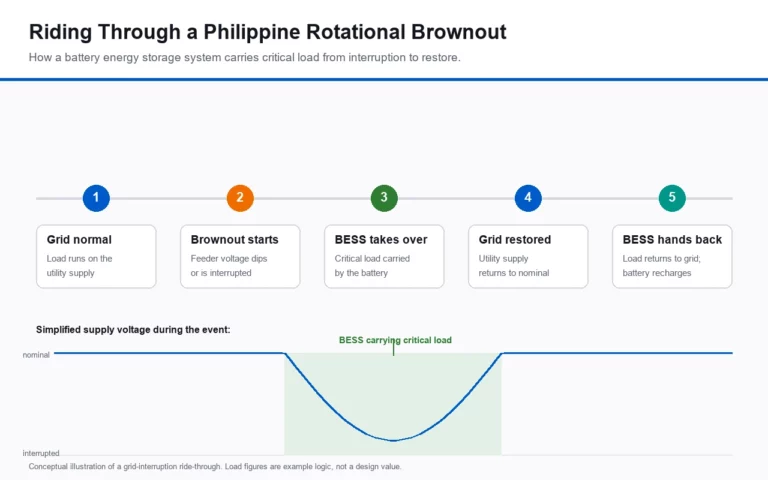
De nombreuses plaintes concernant les systèmes de secours proviennent d'une combinaison incontrôlée de la gestion de la consommation en période de pointe et de l'alimentation de secours en cas de coupure de courant. Si le système se décharge profondément chaque soir pour réduire la consommation du réseau, il risque de ne pas disposer de réserves suffisantes lors d'une panne de courant nocturne. Maintenir un niveau de charge suffisant est souvent plus judicieux que de rechercher à tout prix des économies d'énergie quotidiennes.
La direction de Développement des systèmes de stockage d'énergie résidentiels en 2026 Cela concerne particulièrement les appartements, car le format du produit doit de plus en plus s'adapter aux espaces de vie réels, aux conditions variables du réseau et aux limites pratiques d'installation, au lieu de se contenter de rivaliser sur la base du kWh nominal.
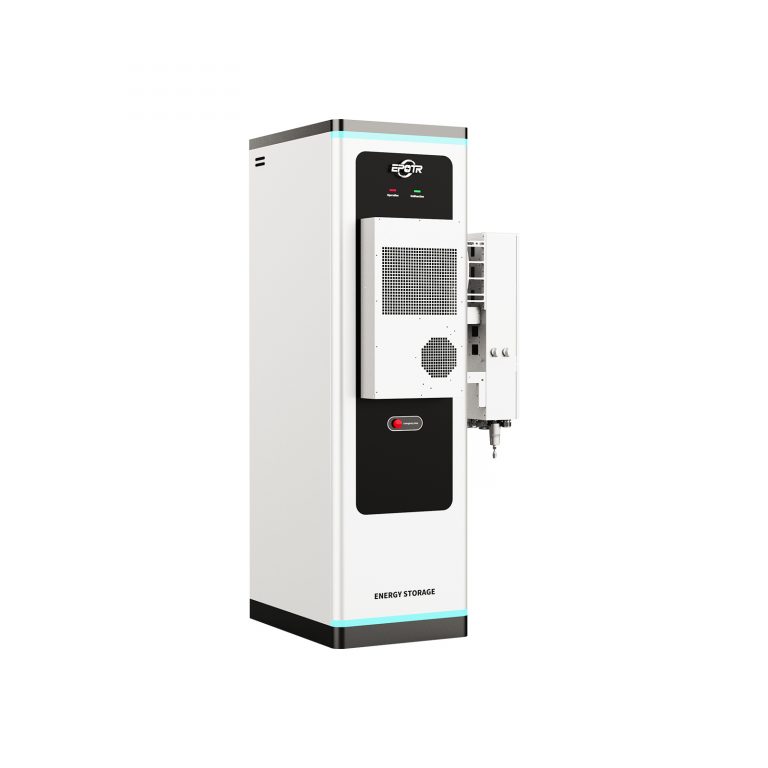
Les systèmes ESS muraux et sur pied résolvent différents problèmes de chantier.
Les systèmes muraux conviennent aux appartements et aux logements compacts car ils optimisent l'espace au sol et protègent les équipements des surfaces humides. Les armoires sur pied sont plus faciles à étendre et à entretenir lorsque le logement dispose d'un espace technique suffisant. Aucun format n'est intrinsèquement meilleur ; le choix dépend de la structure de fixation, de la durée de charge, de la capacité requise et du chemin d'installation.
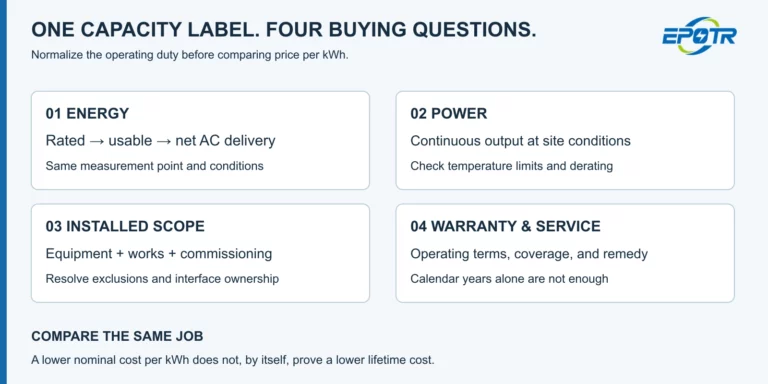
Une comparaison des options résidentielles de EPOTR Il convient de se concentrer sur la capacité utilisable, la capacité de résistance aux surtensions, la protection, la communication, le dégagement nécessaire à l'installation et de vérifier si le format choisi laisse suffisamment d'espace pour une maintenance en toute sécurité une fois la maison occupée.
Tableau de sélection de référence
| Cocher l'article | Montage mural ESS Fit | Forme ESS sur pied | Risque pratique si ignoré |
| espace d'installation | mur d'appartement ou zone utilitaire compacte | Surface au sol avec dégagement de service | Inspection des câbles courbés de force ou bloquée |
| Cible de sauvegarde | charges essentielles et coupures de courte durée | Sauvegarde plus longue ou capacité supérieure | La batterie se décharge avant la fin des charges critiques. |
| Vérification structurelle | résistance du mur et quincaillerie de montage | Niveau de base et stabilité de l'armoire | Vibrations, fixations desserrées ou difficultés d'entretien |
| Contrôle de la chaleur | Espace d'air autour de l'armoire | Circuit d'air du boîtier | Contraintes plus rapides de la batterie et de l'onduleur |
Quelle est la place du produit dans la décision ?
Un ESS résidentiel monté sur mur Le choix de cette solution est optimal lorsque les circuits essentiels et l'espace d'installation sont clairement définis. Les dimensions, les exigences de montage, les limites de l'onduleur et l'autonomie de l'alimentation doivent être vérifiées en fonction de l'appartement avant l'établissement du devis.
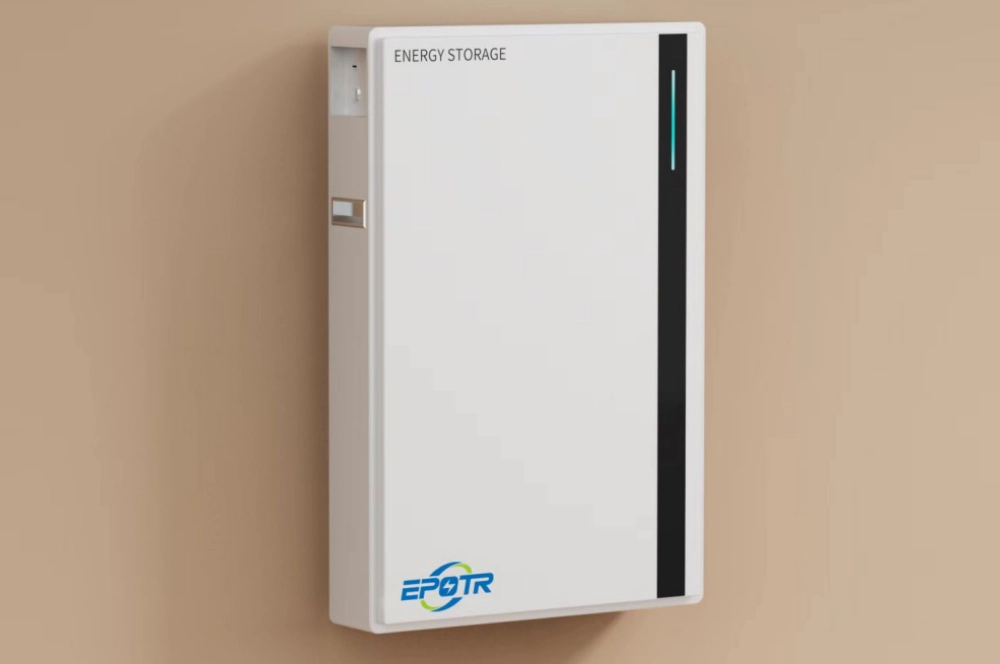
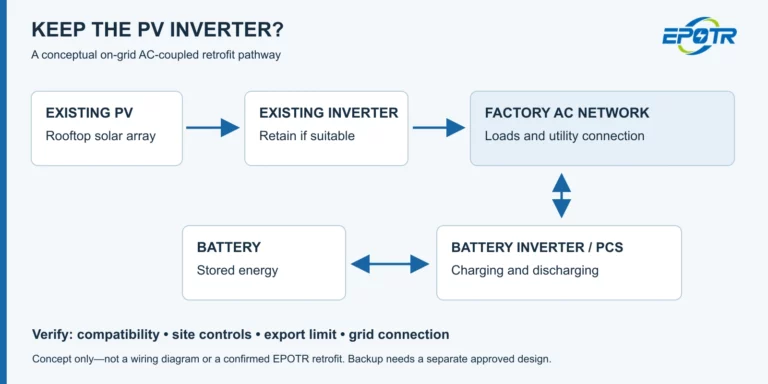
Une demande de devis pertinente doit inclure la durée prévue de la coupure, la liste des appareils essentiels, des photos de l'installation, la tension du réseau local et préciser si l'apport solaire sera raccordé immédiatement ou réservé ultérieurement. Ces détails permettent au concepteur du système d'éviter de surestimer l'autonomie.
Trois erreurs courantes qui faussent la sélection ESS
La première erreur consiste à considérer la puissance nominale en kWh comme une énergie utilisable garantie. Les pertes de conversion, les réglages de réserve et les mécanismes de protection réduisent l'énergie disponible pour les appareils. La deuxième erreur est de négliger les pics de consommation, notamment ceux des pompes et des compresseurs. La troisième erreur est d'installer l'armoire électrique dans un endroit où la chaleur, l'humidité ou les obstructions lors de la maintenance réduisent la durée de vie du système.
Un projet de système de stockage d'énergie mural fiable doit combler ces lacunes avant l'achat. La meilleure spécification n'est pas celle qui affiche les plus grandes valeurs ; c'est celle qui protège les charges critiques en cas d'instabilité du réseau.
Vérification sur le terrain avant l'achat
Commencez par le tableau électrique de l'appartement et séparez les circuits essentiels des charges non essentielles. L'éclairage, le réfrigérateur, le routeur, les ventilateurs et certaines prises peuvent justifier une alimentation de secours, tandis que les appareils gourmands en énergie pour la cuisson, le chauffage de l'eau ou la climatisation peuvent faire varier considérablement la taille de l'onduleur s'ils sont utilisés sans nécessité apparente.
Les informations les plus utiles concernant le site sont compactes mais précises : une photo du tableau de distribution, les caractéristiques des circuits, la charge typique en soirée, les appareils à courant de démarrage élevé, le mur de montage prévu, le cheminement des câbles, la température ambiante et la profondeur maximale disponible sans bloquer l’accès.
La mise en service doit simuler une coupure de réseau réelle avec les circuits de secours sélectionnés sous tension. Il convient de vérifier le comportement en cas de transfert, la réponse de l'onduleur au démarrage des appareils, la visibilité des alarmes, la procédure d'arrêt/redémarrage et de s'assurer que l'utilisateur peut faire fonctionner le système sans accéder à un menu technique.
Questions qui rendent le cahier des charges plus utile
Quels circuits d'appartement doivent rester sous tension pendant une coupure de courant typique d'une à deux heures ?
Quelle est la puissance de pointe atteinte lorsque le réfrigérateur, la pompe ou tout autre appareil motorisé démarre ?
L'emplacement proposé pour le mur est-il structurellement approprié, ventilé, sec et accessible pour l'isolation et l'entretien ?
Le ménage aura-t-il besoin ultérieurement d'une application de surveillance, d'une coordination de générateur, d'une recharge photovoltaïque ou d'une capacité de batterie supplémentaire ?
Priorités au niveau du circuit pour les besoins de secours des appartements
Commencez par les appareils dont les occupants ont immédiatement conscience lors d'une panne de courant : l'éclairage, le réfrigérateur, la connexion internet, les ventilateurs, certaines prises et tout autre appareil essentiel que l'installation électrique peut raccorder en toute sécurité à un circuit protégé. La climatisation, le chauffe-eau, les appareils de cuisson et autres appareils à forte consommation peuvent nécessiter une décision délibérée plutôt qu'une inclusion automatique. Cette liste de circuits permet de transformer une demande vague de « secours pour toute la maison » en un objectif de puissance et de durée pouvant être chiffré avec précision.
La consommation d'énergie de pointe doit être vérifiée indépendamment de la consommation moyenne. Un réfrigérateur ou une pompe peut consommer un courant de démarrage ponctuel, même si sa consommation horaire est modeste. Si plusieurs appareils protégés démarrent simultanément après une coupure de réseau, l'onduleur doit gérer cette coupure sans obliger l'utilisateur à réinitialiser le système manuellement. Un test de mise en service doit donc simuler une coupure de réseau avec les charges essentielles normalement connectées.
La planification de l'installation est tout aussi importante dans un appartement. La batterie ne doit pas obstruer la circulation du courant ni les tableaux électriques, et les techniciens doivent avoir un accès dégagé aux dispositifs d'isolation et aux terminaisons des câbles. La résistance des murs, l'exposition à la chaleur, les risques d'humidité, le niveau sonore attendu et la distance entre le câble et le tableau de distribution doivent être documentés avant la finalisation du format du produit.
FAQ (questions fréquentes)
De combien de kWh une batterie de secours pour appartement a-t-elle généralement besoin ?
Pour un appartement compact, un plan de secours pour appareils électriques commence souvent par la liste des appareils essentiels plutôt que par une consommation fixe en kWh. L'éclairage, le routeur, le réfrigérateur et les ventilateurs consomment généralement beaucoup moins d'énergie que la climatisation ou les appareils de cuisson. La capacité finale doit être comparée à la consommation réelle (en watts) et à la durée d'autonomie souhaitée.
Un système de stockage d'énergie mural peut-il supporter un climatiseur ?
Cela n'est possible que si la puissance de l'onduleur, sa capacité de protection contre les surtensions, le câblage et l'énergie de la batterie sont dimensionnés pour cette charge. De nombreux systèmes d'immeubles d'appartements prévoient une alimentation de secours pour les circuits essentiels, car la climatisation peut vider rapidement la batterie lors d'une panne prolongée.
Quelles informations faut-il préparer avant de demander un devis ESS ?
Veuillez fournir la puissance des appareils, la durée prévue de la coupure de courant, des photos de l'installation, les caractéristiques des murs ou du sol, la tension locale et si une recharge solaire est prévue. Ces informations aideront le fabricant à adapter le format de l'armoire, la puissance de l'onduleur et la capacité de la batterie.
Choisissez le format dans la section Circuits protégés et espace d'installation
Plus large catégorie résidentielle ESS murale Le choix de la puissance dépend au mieux de la puissance du circuit protégé, du temps de secours cible, des contraintes liées aux murs ou à la zone de service, des conditions thermiques et des besoins du propriétaire en matière de surveillance ou d'extension future.