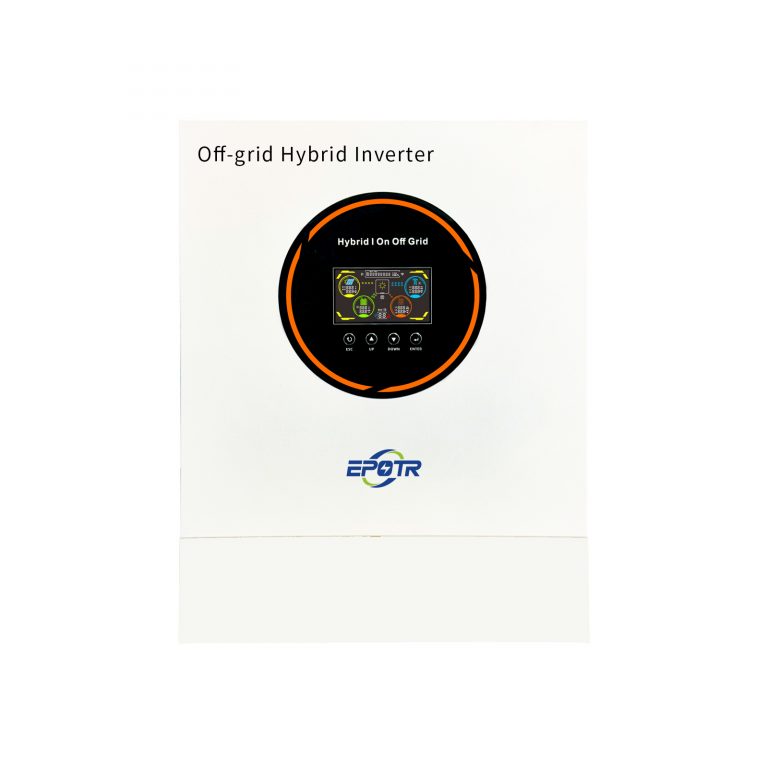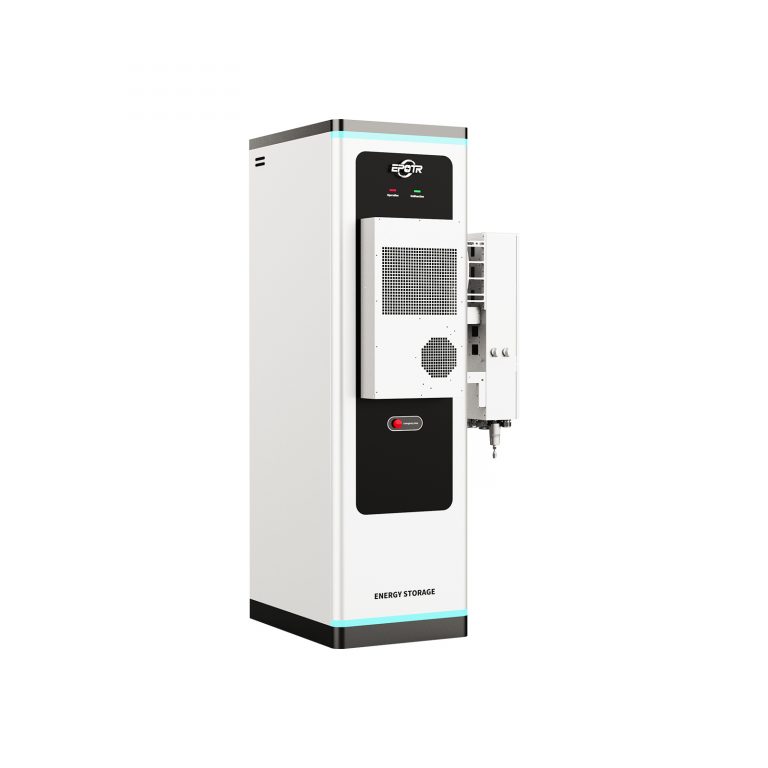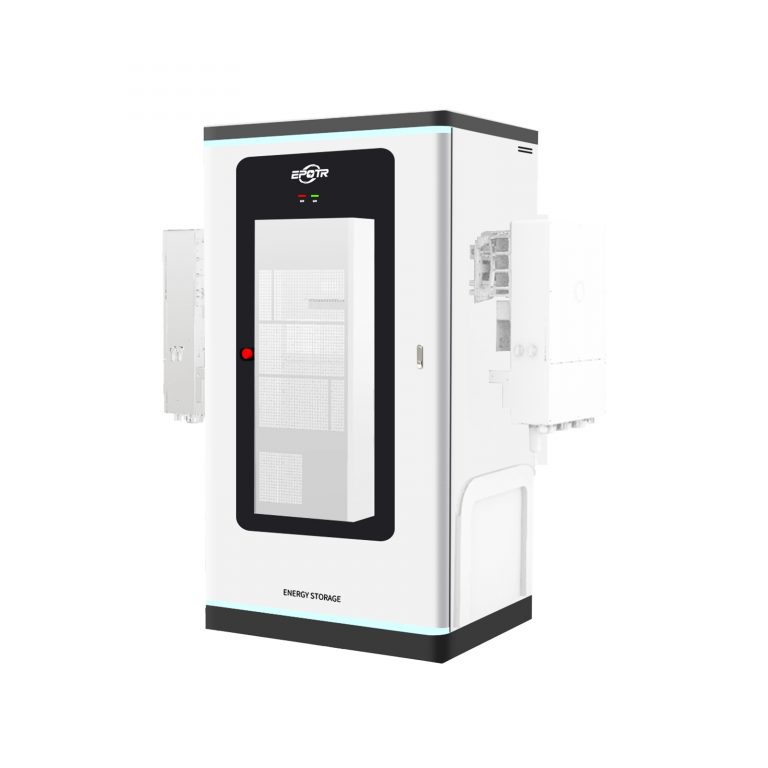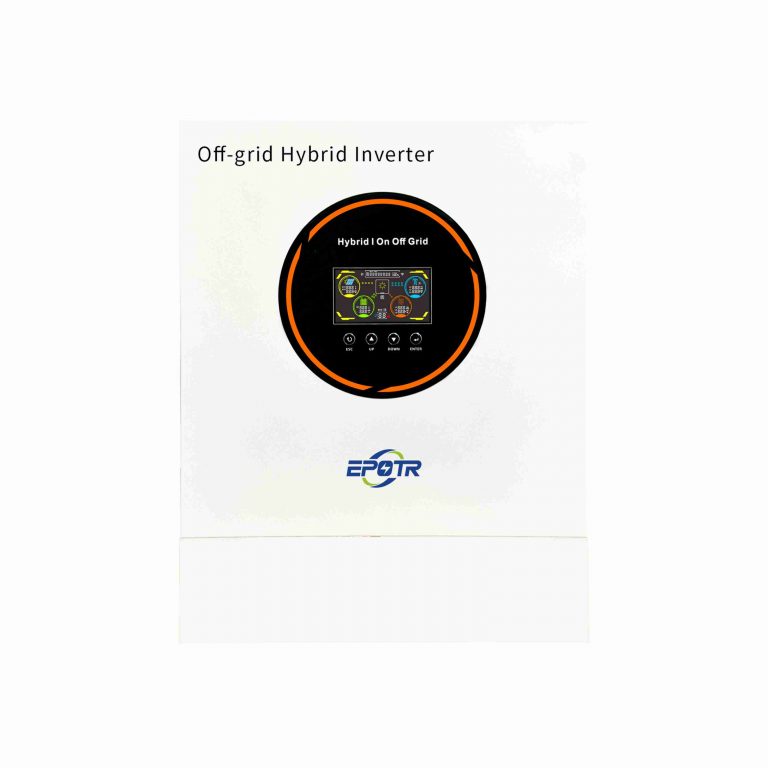
Vietnam’s industrial sector now faces a key moment. As major global manufacturers move operations to areas like Bac Ninh and Binh Duong, the country’s power grid finds it hard to match the rising energy needs. Frequent blackouts and unstable voltage have changed from minor issues into major threats that endanger basic production levels. To handle this uncertain energy situation, you require a partner that goes beyond just providing equipment. EPOTR serves as a reliable guide in improving energy use. Since 2023, this company based in Dongguan has focused on blending cutting-edge power electronics with intelligent energy control. When you select EPOTR, you gain access to expert-level solutions that cut down on carbon emissions while creating fresh options for energy self-reliance.
The High Cost of Power Instability in Vietnam’s Industrial Zones
Running operations in Vietnam’s fast-growing industrial parks calls for a solid plan to counter energy problems. When the grid breaks down, the effects go well past a brief halt in work; they show up as clear money losses and lasting harm to daily routines. Factories in Southeast Asia commonly note that just a couple of hours without power can ruin delivery plans for weeks and cut into slim profits.
Direct Financial Losses from Production Downtime
A stop in production hits hard in a factory setting. For fields like textiles or electronics putting together parts, a quick power cut leads right away to wasted materials and workers standing idle. Reports show that business areas in growing economies forfeit large shares of yearly income because of uneven power supply. These hits get worse since companies must pay extra for overtime to make up for the missed hours after power comes back.
Damage to High-Precision Manufacturing Equipment
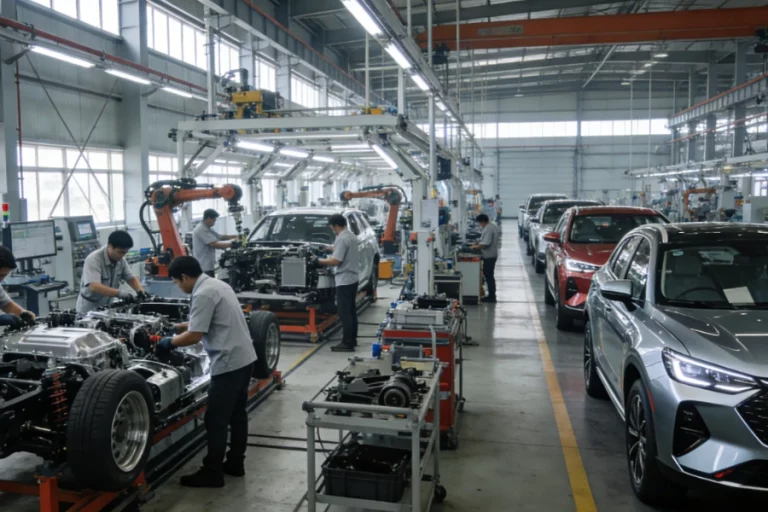
Today’s factory machines rely on steady voltage and frequency. Sharp rises or falls in power can lead to permanent breakdowns in tools like CNC machines, lines for making semiconductors, and robots that work on their own. Inverters lacking strong control features cannot shield delicate parts from these changes. The expense to replace precise electronic gear usually tops the upfront cost for a strong backup energy setup.
Rising Operational Costs during Peak Hours
Vietnam’s system for pricing electricity by time means peak periods cost much more than quieter times. Without ways to spread out the load, your site stays exposed to the top rates. Depending only on the grid in these times locks you into higher running expenses that weaken your edge in worldwide trade.
Why Traditional Backup Diesel Generators are No Longer Enough
Diesel generators once stood as the go-to fix for power cuts, but now they fall short for current factory demands. The move to greener production and climbing prices for fossil fuels turn these old units into a burden instead of a help. You need to turn to tech that gives better output and less harm to the environment to hold your spot as a top supplier.
Environmental Constraints and ESG Compliance
Big names like Apple and Samsung expect their suppliers to follow tough rules on environment, society, and governance, known as ESG standards. Diesel units release lots of CO2 and tiny particles, which go against aims for zero carbon. Switching to Commercial & Industrial ESS lets your site pass these eco-checks and shrinks the harm done nearby. This shift supports broader goals for clean energy in operations.
High Fuel Maintenance and Noise Pollution
Diesel setups demand ongoing checks on fuel, special storage approvals, and regular fixes to the mechanics. Fuel can spoil over time, which might cause the unit to fail just when you count on it. On top of that, the loud noise from these machines often breaks rules in local industrial areas, leading to a tough and risky space for employees. Such issues add extra layers of hassle to daily management.
Slow Response Time and Voltage Instability
Old-school generators need seconds or minutes to hit full power after a blackout hits. This wait does not work for sectors where a tiny power dip can restart a whole production run. New energy storage setups offer a smooth switchover, keeping the right voltage and frequency so systems run on without a break. They provide the quick action that modern plants require.
C&I ESS Solutions for Vietnam’s Energy Transition
Taking on a full C&I ESS Solutions approach stands as the best path to lock in your power needs going forward. When you pair storage with renewables such as solar, your factory shifts from just using energy to handling it wisely. This change proves vital for bridging the present power shortage and matching Vietnam’s National Power Development Plan VIII, or PDP8.
Seamless Integration with Solar Photovoltaics
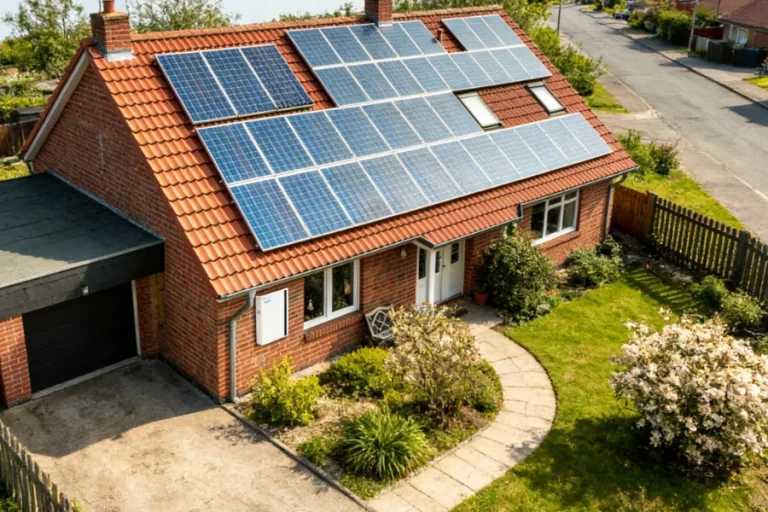
Vietnam has plenty of sunlight, which you can use to fill up storage during daylight. Smart hybrid setups apply MPPT, or Maximum Power Point Tracking, tech to boost energy output by 10% to 20% over basic ones. The saved power then serves for evenings or when the grid drops, giving round-the-clock supply. This setup turns natural resources into a steady asset for your site.
Peak Shaving and Load Management Intelligence
Wise energy handling means filling batteries when rates sit low and releasing power when they peak. Known as peak shaving, this cuts your utility bills each month. Smart controls watch your site’s power use live and tweak the flow automatically for the cheapest patterns. Such features keep costs in check amid changing demands.
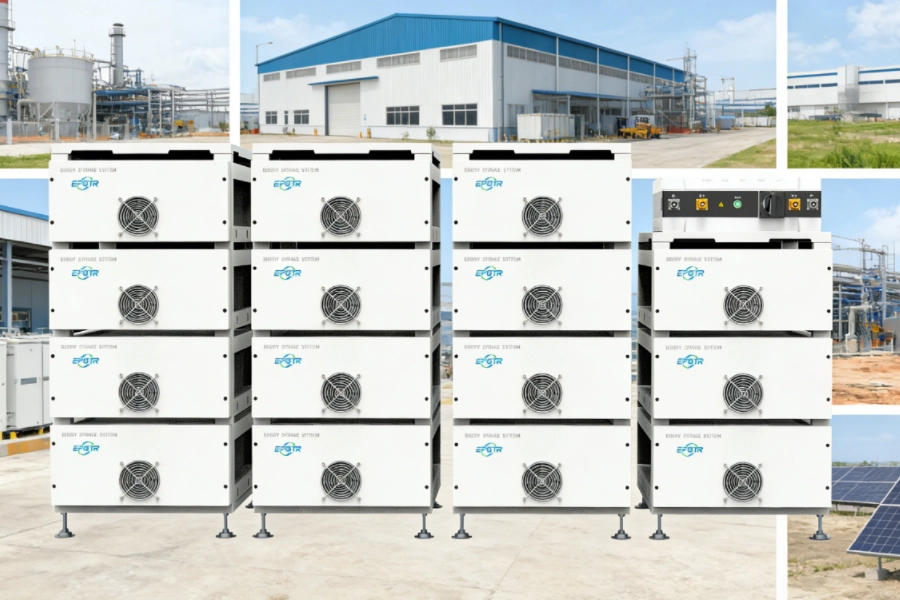
Modular Scalability for Expanding Factories
As your output grows, so do your power requirements. Current storage options build in modularity, so you can add battery power without overhauling everything. This growth potential keeps your starting spend useful and ready for business expansion in Vietnam. It matches the pace of your development over time.
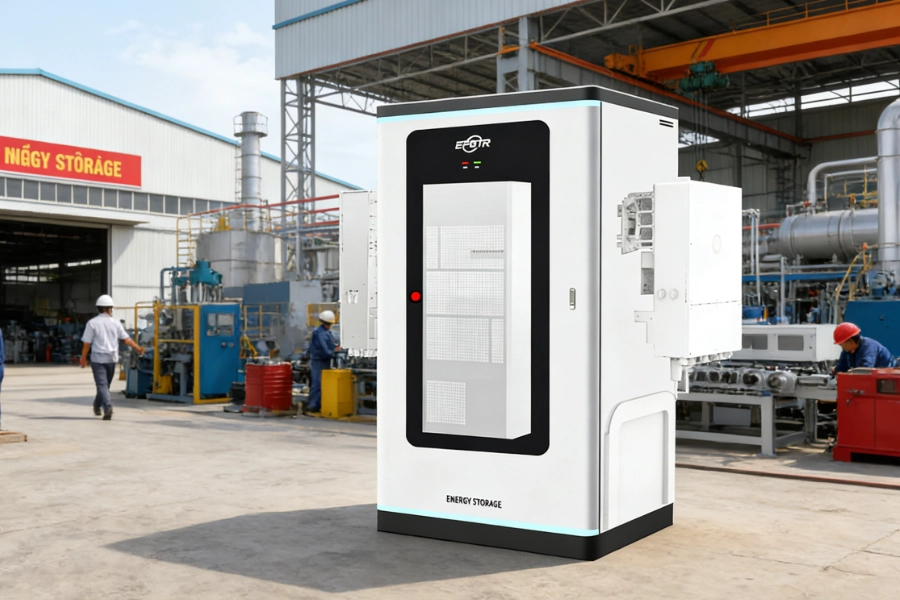
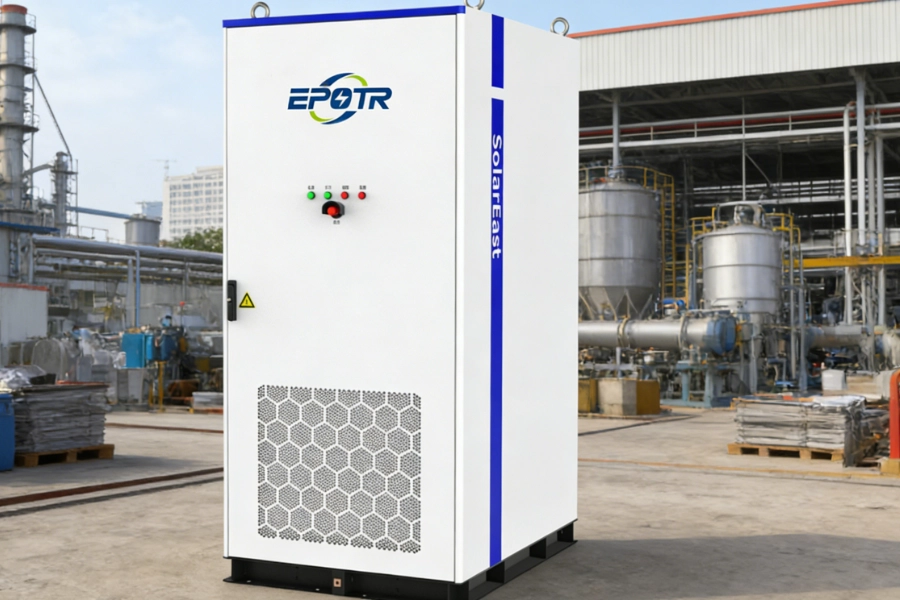
Spotlight on EP2 All In One Hybrid Energy Storage System
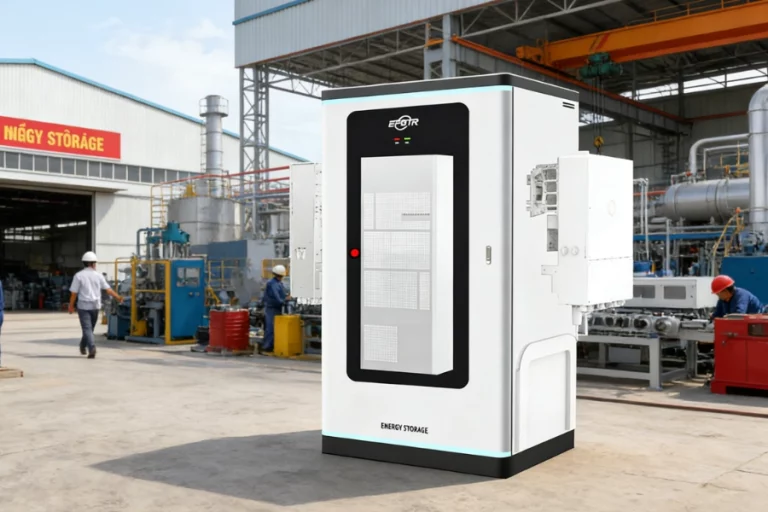
The EP2 All In One Hybrid Energy Storage System gets built to tackle issues in factory settings. It delivers a small but strong fix that pulls all key parts into one box. This style cuts down setup trouble and boosts dependability in rough work areas.
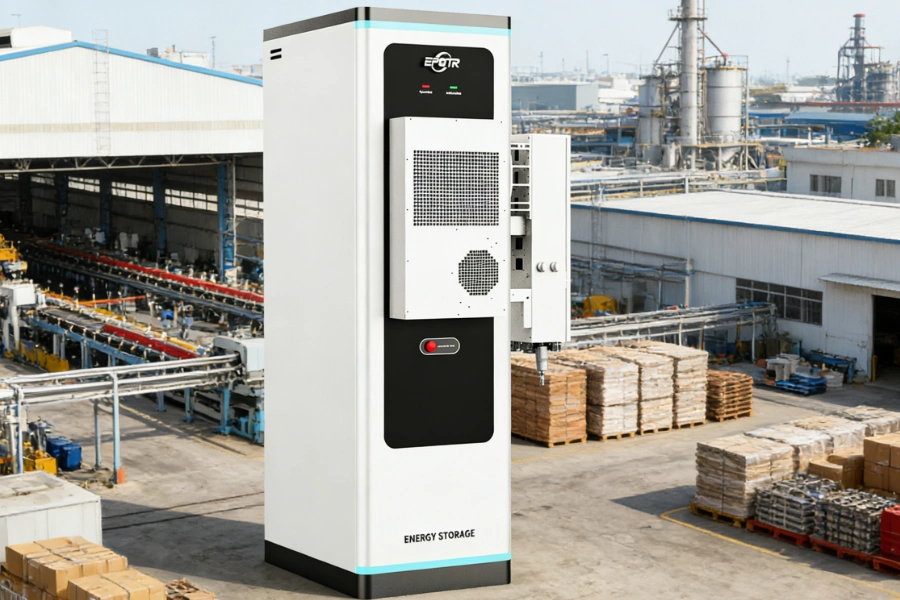
All-In-One Integrated Hybrid Design
This unit merges the inverter and battery parts into a simple enclosure. Picking the EP2 All In One Hybrid Energy Storage System frees up space on the floor and trims costs from tricky cables and outside pieces. The built-in setup makes sure all elements work together at peak levels. It simplifies the whole installation process for users.
Exceptional Safety with LiFePO4 Technology
Safety ranks high when setting up big energy storage. These units use Lithium Iron Phosphate, or LiFePO4, cells that handle heat well and last for up to 6,000 cycles at 90% discharge depth. This tech fits Vietnam’s hot weather, working steadily up to 55°C without runaway heat risks. It offers peace of mind in demanding conditions.
Real-Time Remote Monitoring and Smart Control
You can oversee energy resources from any spot via a cloud platform. The setup follows power creation, battery state, and usage trends in the moment. This clear view aids in spotting issues early and reacting fast to grid problems, so your supply stays tuned and safe. It brings advanced oversight to everyday operations.
Achieving Energy Independence with Advanced ESS
Gaining energy self-sufficiency has become a must for factories in shaky grid zones, rather than an extra. Putting money into pro storage tech shields your work from outside hits and sets your firm as a front-runner in green production.
ROI Analysis for Commercial & Industrial Energy Storage
| Metric Category | Variable Factor | Estimated Impact / Value |
| Electricity Cost Savings | Peak-Valley Arbitrage | Reduction of 25% – 35% in annual energy OPEX |
| Operational Security | Downtime Prevention | Avoidance of $10,000 – $50,000 per hour in losses |
| Equipment Longevity | Voltage Stabilization | 15% – 20% extension in precision machine lifespan |
| Maintenance Costs | ESS vs. Diesel Gen | 80% reduction in annual maintenance expenditure |
| Investment Recovery | Payback Period | Typically 3.5 to 5.5 years (region dependent) |
Guaranteed Uninterrupted Power Supply (UPS)
A top gain from advanced ESS lies in its role as a strong UPS. With switch times in milliseconds, it spots grid loss and grabs the load right away. This keeps fast production lines and key data systems running, avoiding big data wipes and machine blocks from abrupt cuts. It ensures smooth continuity across critical tasks.
Significant Reduction in Long-Term Energy OPEX
The upfront cost for storage beats a diesel unit, yet running expenses drop a lot over years. By cutting back on high peak grid power and skipping fossil fuels, you see payback in just a few years. The lasting nature of LiFePO4 cells means the system stays effective for more than ten years. This leads to steady savings in the long run.
Alignment with Vietnam’s PDP8 Green Goals
Vietnam’s leaders push for renewables and storage to steady the grid. Using these tools puts you ahead of new rules and possible carbon fees. This forward step not only firms up your power but also boosts your standing with officials and global backers. It ties your growth to national aims.
FAQ
Q1: How long does it take for the energy storage system to switch on during a blackout?
A: The system features a millisecond-level response speed, typically less than 100ms, ensuring that your machinery continues to operate without noticing the grid failure.
Q2: Can the EP2 system operate in high-temperature environments like Southern Vietnam?
A: Yes, the system uses LiFePO4 technology and is designed to operate effectively in discharge temperatures ranging from 0°C to 55°C, making it ideal for tropical industrial climates.
Q3: Is it possible to expand the storage capacity if my factory grows?
A: The solutions are designed with modular scalability, allowing you to add more battery units or cabinets as your power demand increases.