
A Philippine hotel’s highest electricity reading is a useful starting point for battery sizing, but it leaves out duration. A brief peak and a sustained afternoon load make very different demands on stored energy. Begin with the billing rule and the interval data behind that reading. Only then can the hotel set a grid import target that a supplier can test against the proposed battery.
Establish the hotel demand profile
Start with the meter and the tariff
The accounts office and the engineering team each hold part of the answer. Accounts can provide bills and the applicable tariff. Engineering needs interval readings from the billing meter, with the interval duration identified. Check how demand is measured and when the charge applies. For an account without a demand based charge, lowering a kW maximum by itself offers no evidence of a lower bill.
Read the demand timestamps alongside the hotel’s operating diary. Laundry and kitchen overlap is worth looking for, as is cooling that continues throughout a function. These uses can have quite different durations. The data set needs to cover both quiet trading and busy periods. Otherwise a supplier might size a perfectly plausible system around a week that bears little resemblance to the load the hotel actually wants covered.
Model battery sizing and dispatch
Translate the import target into kW and kWh
Here is a hypothetical calculation at the AC boundary. Grid import is to stay at 110 kW while the hotel’s half hour average is 140 kW. The 30 kW difference amounts to 15 kWh over that half hour. Suppose the following half hour averages 130 kW. Its additional 10 kWh takes the delivered total to 25 kWh. This example still leaves losses, reserve and operating limits to be incorporated into a design. It supplies no measured hotel result or equipment recommendation.
Have the bidder check the sequence of intervals against the proposed inverter output and available energy. Also ask when the battery could recharge without creating another peak. The National Laboratory of the Rockies dispatch guide explains how peak shaving dispatch works within battery capacity and state of charge constraints.
Run the bill comparison with backup reserve enforced
Backup changes how much stored energy the operator is free to spend on shaving peaks. If the hotel wants an outage reserve, enforce it in the simulation from the beginning. Otherwise the same energy can appear to serve two purposes in a quotation. Look at the remaining charge after the busy period and at any import intervals still above target. That shows the practical cost of retaining the reserve.
For the bill comparison, use one historical load record and one tariff in both cases. Charging energy and losses belong in the battery case, along with operating costs. The bidder should be able to point to the intervals that determine modeled demand charges. Keep that bill calculation alongside the installation and maintenance costs when considering payback. A large projected saving on its own leaves too much of the investment calculation unanswered.
Validate the operating assumptions
Clean the demand data before comparing proposals
Before anyone models the spreadsheet, check what each column means. An interval energy reading in kWh cannot be compared directly with a kW import target. The duration is needed to convert it. Meter identity, timestamps and changes in the meter record also matter. Mark missing readings as gaps for review. Treating them as zero load would make the model think it has spare charging room that may never have existed.
Some hotels have more than one electricity account. Establish which one the battery would sit behind. A reduction on one account cannot simply be credited against another account’s recorded demand. A drawing showing the billing meter, battery connection and principal loads helps remove this ambiguity. Give it to every bidder with the readings, so proposals describe the same part of the hotel’s electrical system.
Test operational changes alongside storage dispatch
There may be an operating change worth making before the battery is sized. Discuss the peak intervals with the teams running laundry, catering and building services. Some work may be movable without inconveniencing guests. Model only the changes staff can maintain in practice. Then calculate the battery contribution against that schedule. This avoids attributing all of the projected reduction to equipment when part of it depends on a new daily routine.
Other peaks will remain. During a busy event, the hotel may need cooling, lifts and catering at once. A bidder should show these residual events and the battery energy available through them. The important question is where the proposed output or energy limit would be reached. Seeing that point in the trace gives the buyer a way to judge whether the import target is realistic for the selected configuration.
Define the controller’s response when conditions change
Hotel occupancy changes, and yesterday’s discharge timetable may not suit tomorrow’s function. The supplier needs to explain how the controller reads grid import and responds to it. Include the less convenient operating cases in that discussion. What happens if meter data disappears, or the battery reaches its reserve while demand is still high? The engineering team needs a documented answer it can use while the hotel is running.
Follow the charge trace into the next day. Aggressive recharging after a successful discharge can produce another demand peak. The simulation therefore needs a charging ceiling as well as a discharge target. Run consecutive busy days with the remaining charge carried forward. Starting every modeled morning with a full battery can conceal the shortfall that would develop after several demanding days in service.
Prepare installation and procurement
Check the installation and hotel operating boundary
There is little point settling on cabinet capacity before checking how the installation will fit the hotel. Delivery access, the switchgear connection and cable routes need an engineer’s review alongside the equipment location. Cooling and service space follow the relevant installation requirements. Since the service area may be used by several departments, the handover also needs an agreed way to keep that working space available when maintenance is due.
If the project includes backup, list the circuits it is meant to serve. The designer must verify switching and protection for that arrangement, together with any intended interaction with existing generation. A reserve setting does not establish those electrical functions. Allocate responsibility for checking the complete arrangement before choosing equipment on capacity alone. This also gives bidders a defined scope for the parts of the work outside the battery cabinet.
Make acceptance measurable before signing
Purchase acceptance should have an agreed procedure, with records the hotel can retain. Under the approved commissioning plan, the checks need to cover meter direction and the configured controls, including charge and discharge limits, alarms and reserve operation. The test settings matter when results are reviewed later. Busy trading may not occur on commissioning day, so establish a further review using occupancy and demand records from the first operating period.
Once the equipment is operating, finance needs more than a dashboard showing discharge energy. Compare bills with the original tariff assumptions and record operational changes that affect the comparison. Measured demand reduction and an annual savings projection answer different questions. Engineering and accounts should have enough information to trace an unexpected result back through the meter record and dispatch. That makes the proposal’s assumptions reviewable long after the sales discussion has ended.
Give bidders one brief to quote against
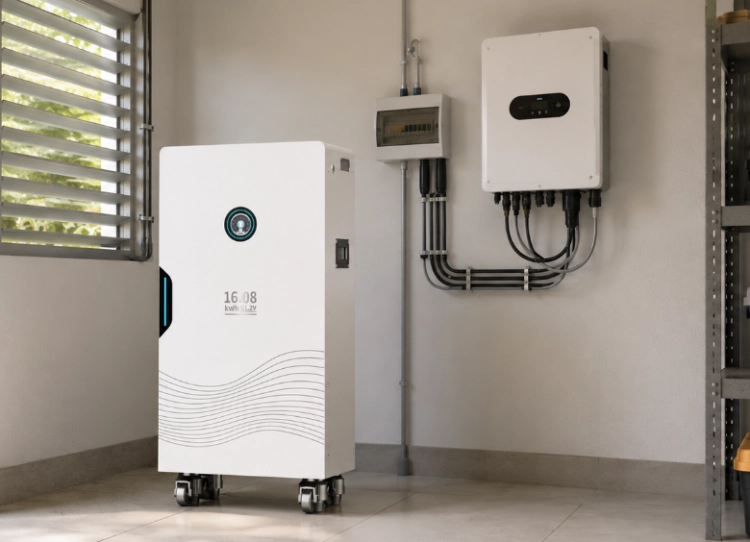
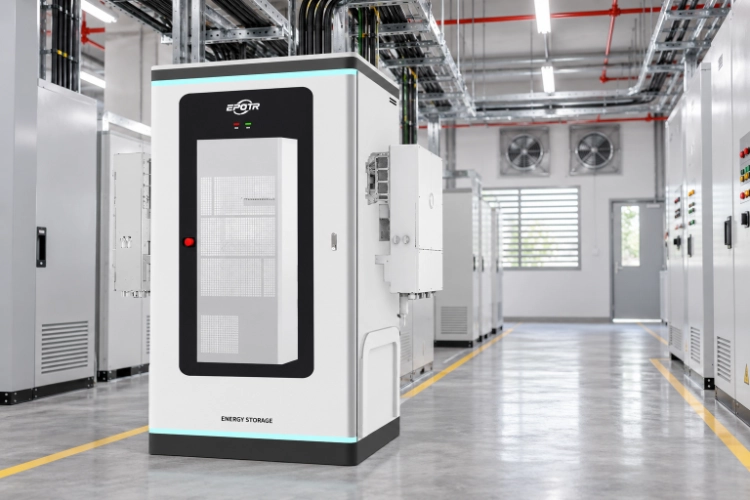
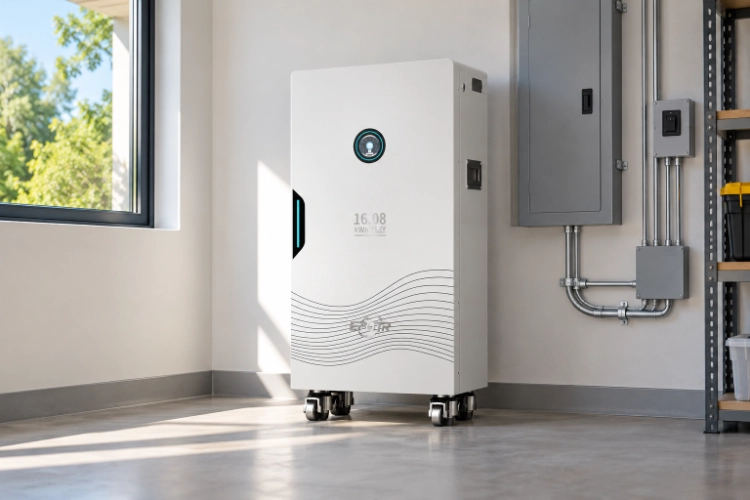
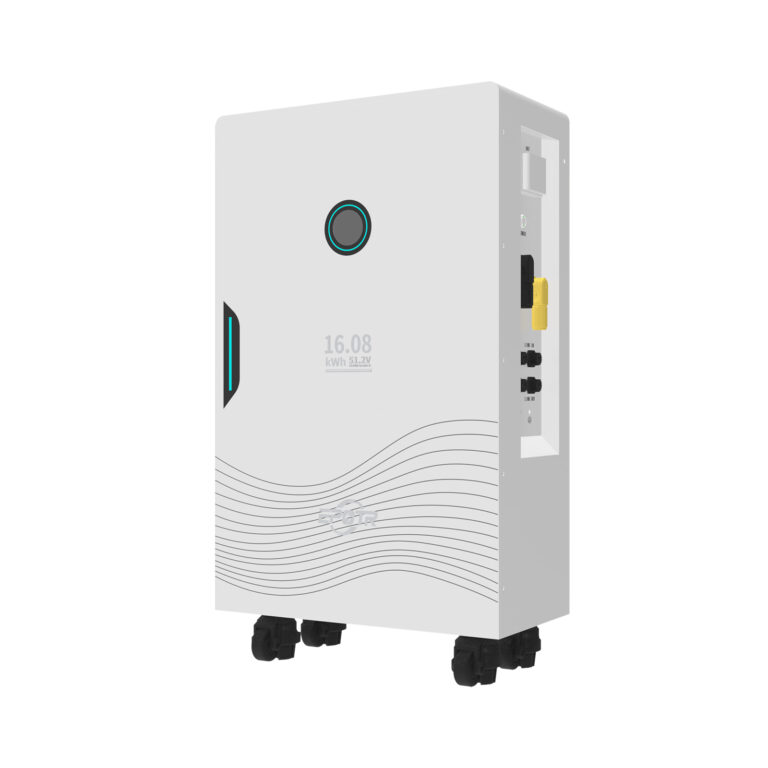
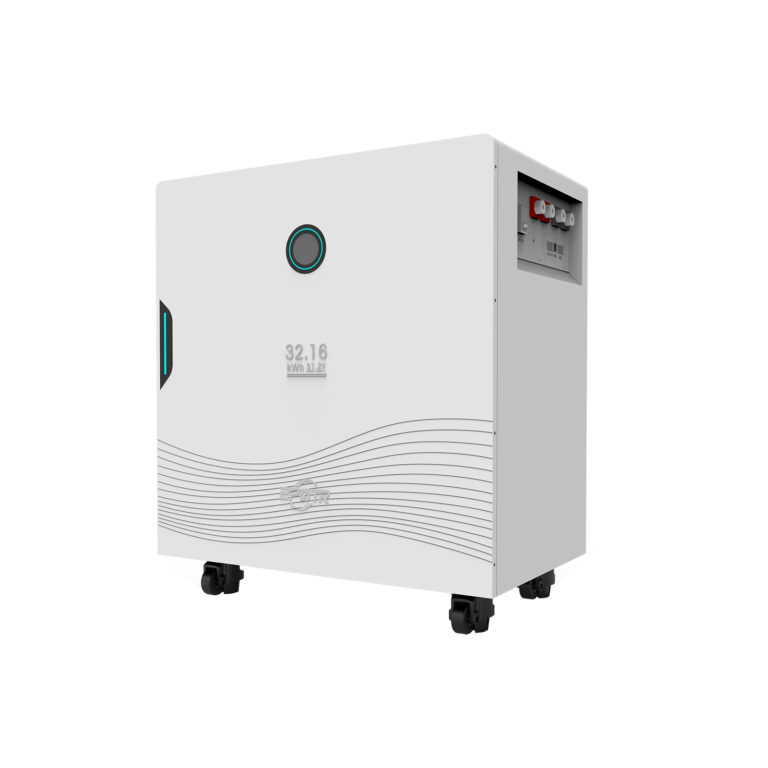
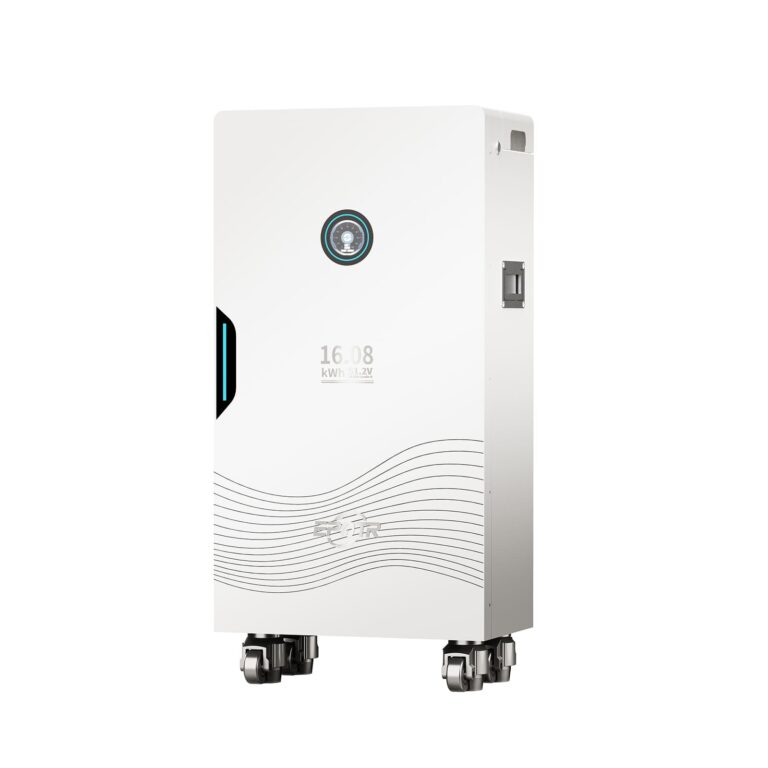
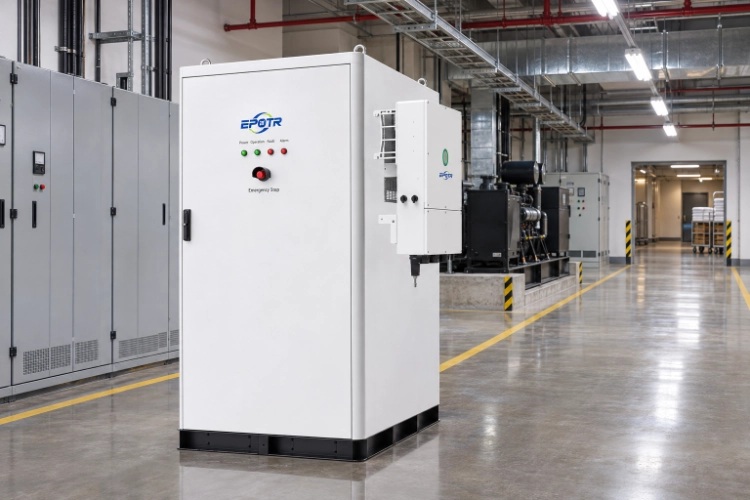
EPOTR’s product documentation covers integrated commercial and industrial storage options. Start with the EPOTR C&I storage range and use the all-in-one hybrid C&I system page as an example of an integrated configuration. The product pages are starting points for selection. The hotel data determines whether a configuration fits.
When you liên hệ EPOTR, send the interval readings, tariff, import target and backup reserve together. Ask for the proposed AC output, usable energy, a dispatch trace and the assumptions behind the modeled bill. Give each bidder the same inputs so the proposals answer the same question.