
Vietnamese factories are dealing with a harder power equation than before. Electricity demand keeps rising, production shifts are longer, and many factories cannot afford sudden power dips during delivery season. For furniture plants, textile workshops, seafood processors, cold storage warehouses, packaging factories, and electronics assembly sites, power cost is not just an accounting line. It affects machine uptime, product quality, worker schedules, and export order margins.
A commercial and industrial energy storage system can help you control this pressure with better timing. It stores power from the grid, solar panels, or a generator, then releases it when production needs support. For factories comparing solar storage, backup power, and peak load control, C&I ESS Solutions can be used as a practical reference for commercial and industrial power planning.
Why Should Vietnamese Factories Recheck Their Energy Setup?
Vietnam’s manufacturing market is growing fast, but factory power use is rarely smooth. Motors, air compressors, water pumps, chillers, ovens, CNC machines, and welding stations may start at different times. This creates sharp demand peaks. It also makes electricity bills harder to control.
A C&I ESS should not be treated as only a backup battery. For B2B buyers, it should be planned as a cost control tool, a production protection tool, and sometimes a solar self-use tool. One battery cabinet cannot solve every problem, of course. But the right system can reduce several daily headaches at once.
Tip 1 Start with Load Data Before Buying Capacity
Many storage projects go wrong because the buyer starts with a random kWh number. A factory should begin with load records. If 15-minute demand data is available, use it. If not, collect at least one or two weeks of working data from main equipment and utility meters.
Check these items first:
- Highest daytime load
- Night load for cooling, lighting, and security
- Motor starting demand
- Generator fuel use
- Existing solar capacity
- Critical loads that cannot stop
- Production growth within 2 to 3 years
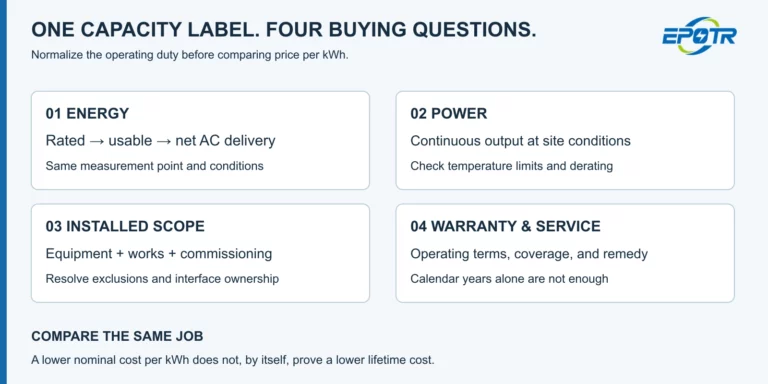
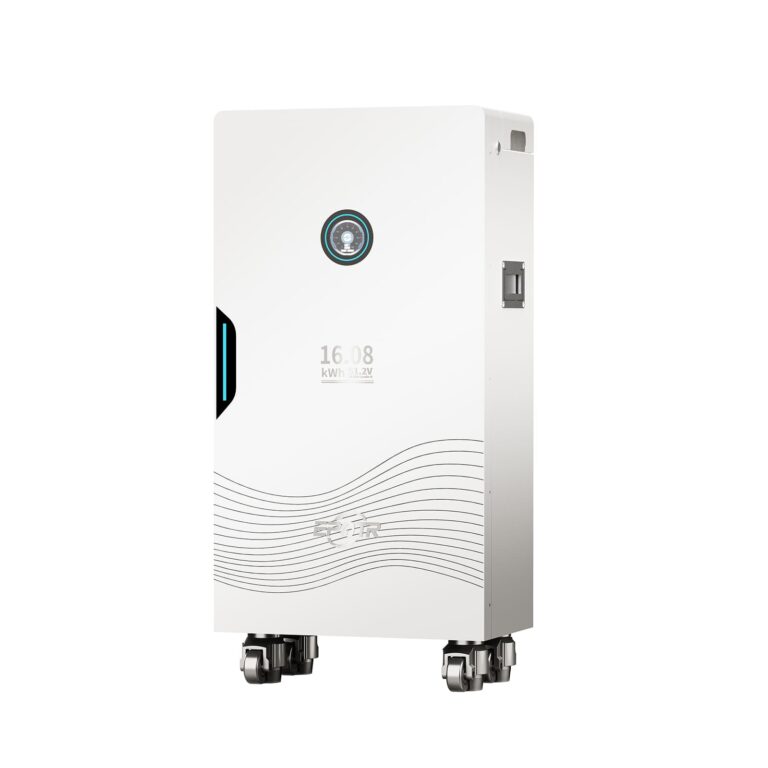
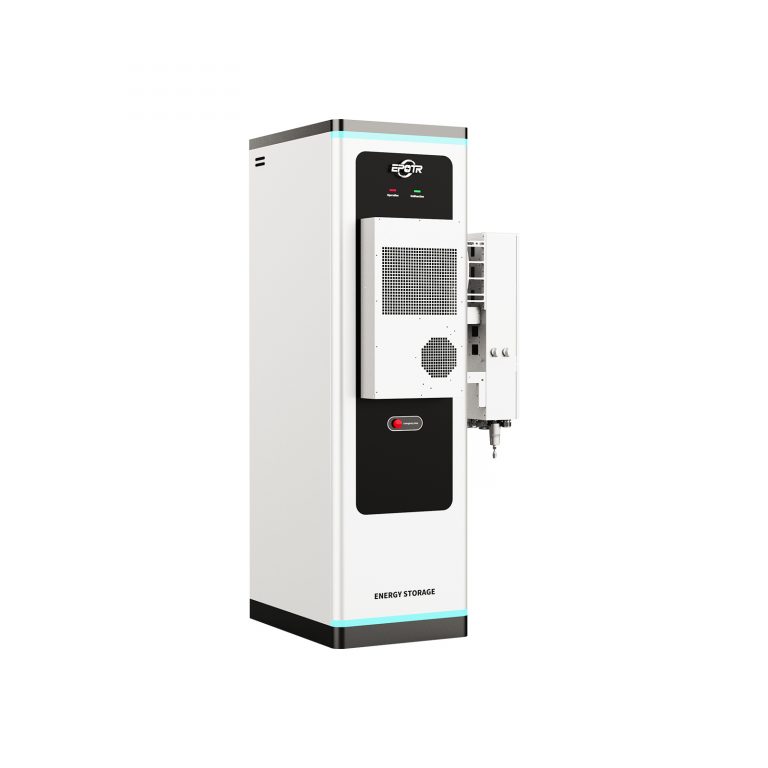
The product range includes industrial and commercial energy storage products such as 100kWh to 243kWh and 50kW/100kWh options. Larger C&I system planning can also cover 80kWh to 3.86MWh, which gives buyers more room for small factories, medium workshops, and multi-building sites.
Tip 2 Separate Critical Loads from Optional Loads
A factory does not need to back up every machine during an outage. That becomes expensive very quickly. A better plan is to divide loads into clear groups.
Must-run loads may include servers, PLC controllers, emergency lighting, cold rooms, security systems, key pumps, and selected production lines. Optional loads may include office air conditioning, non-urgent lighting, and machines that can wait for grid recovery.
This one step can cut system cost. It also helps workers know what to keep running during grid trouble. Simple labels in the electrical room can save a lot of confusion.
How Can C&I ESS Help Reduce Power Cost Pressure?
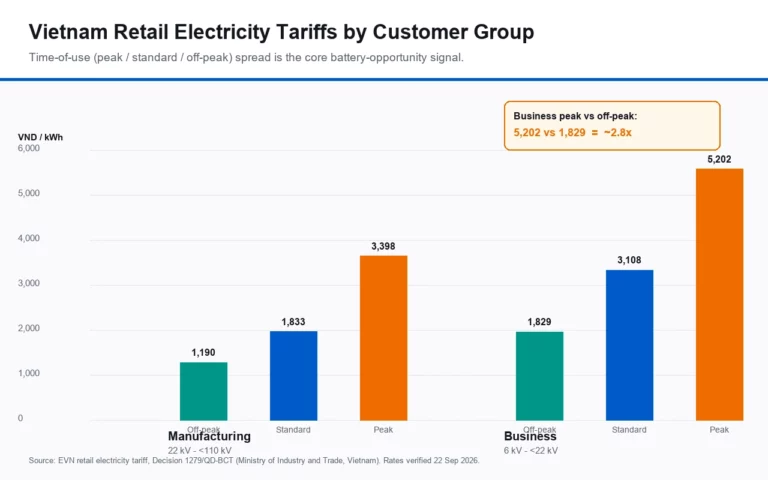
Energy storage works best when your power cost changes by time or when your load curve has obvious peaks. The system charges when power is cheaper or solar output is strong. It discharges when power is expensive, unstable, or needed by critical equipment.
For wider project planning, the energy solutions page can help buyers compare solar storage, backup power, and microgrid-style setups for different commercial sites.
Tip 3 Use Time-Based Charging and Discharging
A C&I ESS with EMS can support time-of-use charging and discharging. This matters for factories with long shifts. A cold storage site may charge during lower-load hours, then use stored energy when compressors pull more power. A textile workshop may discharge storage when several motors start together. A packaging plant may use stored power to ride through short dips that would otherwise stop a line.
This is not a fancy theory. It is mostly scheduling. But in factories, scheduling can mean real savings.
Tip 4 Reduce Diesel Generator Running Hours
Diesel generators are familiar in many industrial markets, but they are costly for regular use. Fuel delivery, oil changes, noise, smoke, and maintenance all add up. In one weak-grid market case from the knowledge base, small businesses relying on diesel during outages paid 3 to 5 times the normal electricity cost. After a solar-storage setup was introduced, small industrial and commercial users cut electricity costs by 60%, while diesel generator use dropped by 80%.
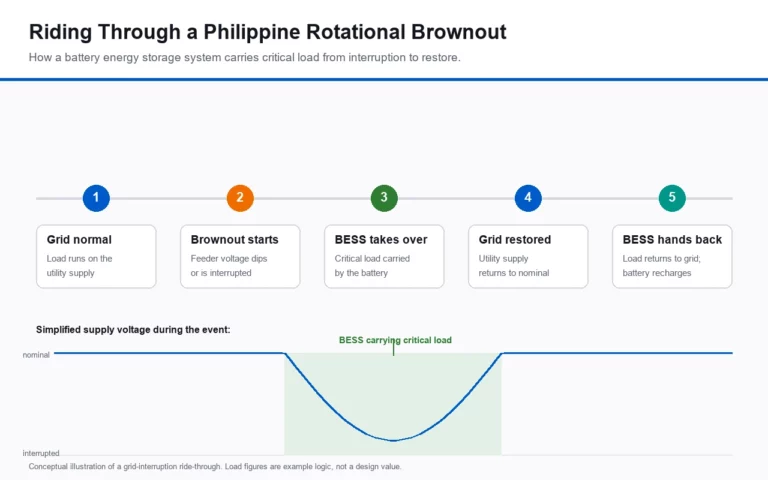
Vietnamese factories may still keep generators for long outages or heavy emergency loads. That is reasonable. A C&I ESS can handle shorter outages, light and medium loads, and solar shifting, so the generator does not need to run every time the grid becomes unstable.
Which Technical Details Should Factory Buyers Check?
A good C&I ESS project depends on more than battery size. You also need PCS power, EMS control, battery chemistry, enclosure protection, cooling, communication, installation space, and future expansion. These details decide whether the system works well after the first month.
Company background also matters for B2B buyers. The company information page presents capabilities related to photovoltaic equipment, battery products, power electronics, intelligent power distribution, software development, IoT services, and solar power technology support.
Tip 5 Match PCS Power to Machine Starting Demand
Factory equipment often needs more power at startup than during steady operation. Compressors, pumps, and processing lines can create sudden surges. The C&I solution data lists 100kW/125kW PCS options, with expansion up to 2MW/2.5MW through 20 units in parallel.
The same data also shows 110% overload support and peak power up to 170%. This is useful when multiple machines start close together. It gives the power system more breathing room. Small point, big difference on a hot afternoon shift.
Tip 6 Check Backup Time with Real Loads
The C&I system data mentions up to 32 hours of backup when using 16 racks per PCS. This does not mean every factory will get 32 hours. Backup time depends on load size.
A 30kW critical load uses far less energy than a 200kW line. So, calculate backup time based on the loads that truly need power. For cold storage, that may be compressors, controls, doors, and monitoring systems. For electronics assembly, it may be servers, test benches, lighting, and selected production stations.
Tip 7 Pay Attention to IP Rating and Heat
Vietnamese factories often deal with heat, humidity, dust, and rainy-season site conditions. The C&I solution data lists IP65 protection for PCS and MPPT modules in some configurations. Another cabinet solution uses IP54 protection, air cooling, and a working temperature range from -20°C to 50°C, with derating above 45°C.
For furniture plants, fabric workshops, and food processing sites, dust and humidity are not small details. A clean electrical room, clear airflow, and correct cabinet placement can reduce service calls. It sounds boring, yes, but boring is good when power equipment is involved.
How Can Solar Plus Storage Support Vietnam’s Industrial Parks?
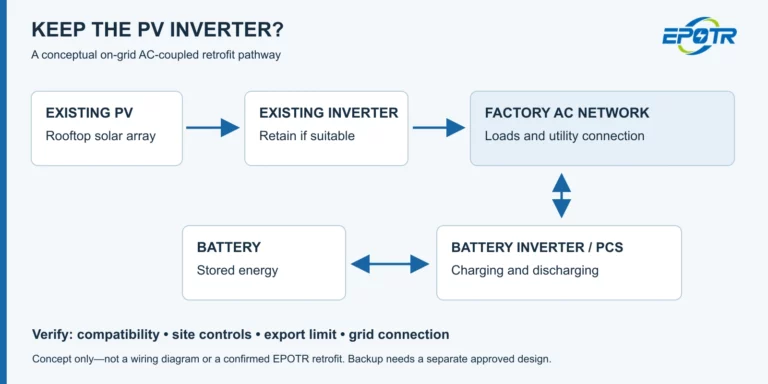
Many Vietnamese factories already use or study rooftop solar. Solar helps lower daytime grid use, but storage makes it more useful. Without storage, solar output may not match the factory’s real production curve. With storage, more solar energy can be used later.
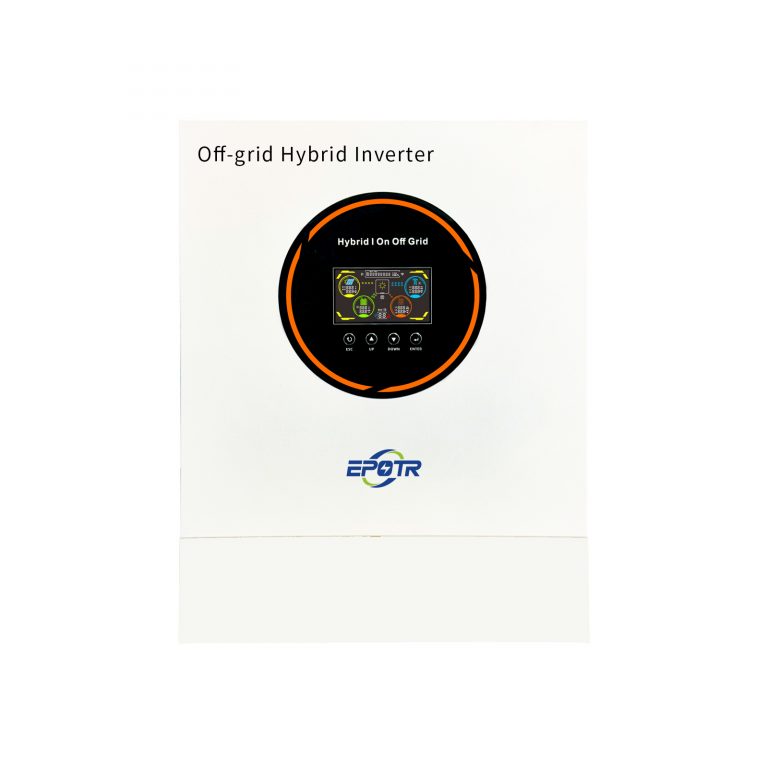
A C&I BESS setup can include PV panels, hybrid inverters, battery storage, distribution boxes, cloud platforms, and loads. It can also work with generator input when needed. This makes it suitable for industrial parks, remote factories, islands, base stations, and facilities where power infrastructure is limited.
Tip 8 Store Excess Solar for Later Use
In one solar-storage case from the knowledge base, solar use increased from less than 30% to 75% after storage was added. The market was different, but the lesson is useful for Vietnam. Storage can turn rooftop solar from a daytime discount tool into a steadier power source.
For factories with uneven production schedules, this matters. Solar may be strongest at noon, while factory demand may rise in the late afternoon or evening. Storage helps bridge that mismatch.
Tip 9 Use EMS for Smarter Site Control
A built-in EMS can support zero-export control, time-of-use charging and discharging, remote monitoring, and microgrid operation. It can also help sites work under different operation modes.
For factory groups with several workshops, remote cloud management is helpful. Managers can check battery status, alarms, and charge-discharge behavior without walking from cabinet to cabinet. Nobody wants a messy dashboard. A clear one is different.
Why Does Modular Battery Design Fit Mixed Factory Sizes?
Vietnam’s commercial market is not one-size-fits-all. A food freezer shop, a garment workshop, a logistics warehouse, and a large electronics plant all have different power needs. If every customer receives the same system proposal, many deals will be either too expensive or too small.
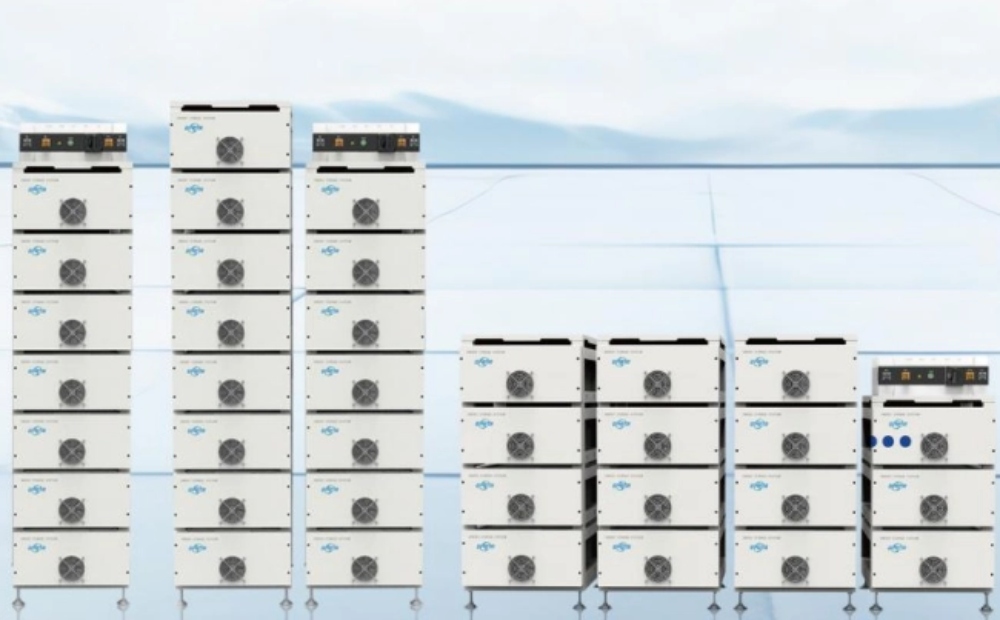
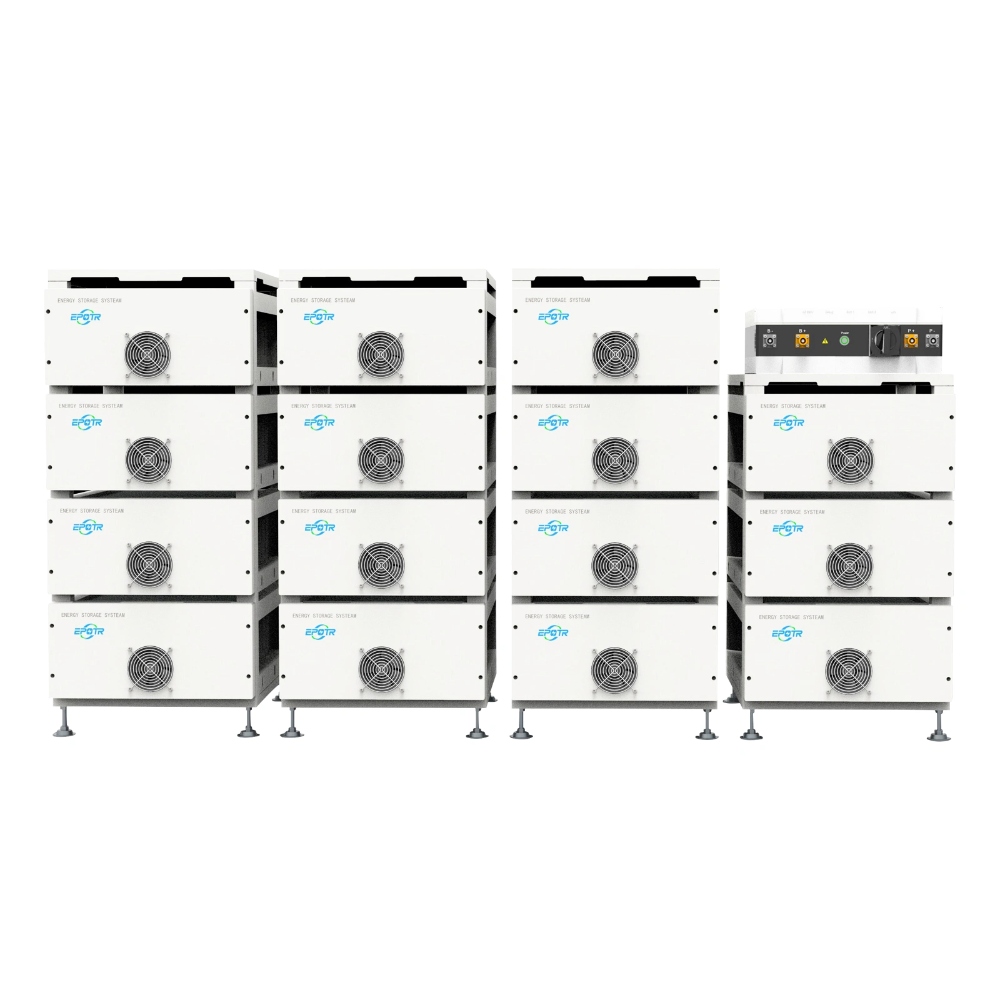
The new Modular Battery model is useful because its relative cost is lower and its footprint is smaller. It can better support merchants and factories of different sizes. A small business can start with a lighter setup. A growing factory can add capacity later as orders increase. This helps distributors serve more customer groups without forcing one large system on every buyer.
The C&I system also supports modular thinking on the AC side. PCS modular design helps installation and maintenance. Multiple PCS parallel connection allows more flexible configuration. Cabinet transport also makes site construction easier.
What Should You Prepare Before Asking for a Quote?
A good quote needs good project data. Before sending an inquiry through the main website or the contact page, prepare the factory’s basic power information.
Useful details include:
- Factory type and production schedule
- Monthly electricity bill
- Peak load and average load
- Current solar capacity
- Generator capacity and fuel cost
- Critical loads and required backup time
- Indoor or outdoor installation conditions
- Available space for cabinets
- Grid voltage and local electrical rules
- Future expansion plan
A C&I ESS will not remove every electricity cost. Heavy machines still need real energy. But the right system can lower peak pressure, store more solar power, reduce generator use, and protect key loads during short outages. For Vietnamese factories facing rising energy costs, that is already a strong business case.
FAQ
Q1: Can C&I ESS Reduce Electricity Bills for Vietnamese Factories?
A: Yes. It can charge during cheaper periods or strong solar output, then discharge during peak demand, unstable grid periods, or higher-cost hours.
Q2: Is C&I ESS Better Than a Diesel Generator?
A: It is better for short outages, peak shaving, solar storage, and cleaner daily backup. A generator may still be needed for long outages or very heavy loads.
Q3: What Size C&I ESS Should a Factory Choose?
A: The right size depends on peak load, critical loads, backup time, solar capacity, and budget. Small sites may start with modular systems, while larger factories may need hundreds of kWh or MWh-level storage.
Q4: Why Is EMS Important in C&I Energy Storage?
A: EMS manages charging, discharging, zero-export control, monitoring, and operation modes. It helps the system match real production needs.
Q5: Who Should Choose the New Modular Battery Model?
A: It suits small merchants, workshops, distributors, and factories that need lower relative cost, smaller footprint, and flexible expansion.