
ในที่ต่างๆ ในเอเชียตะวันออกเฉียงใต้ เอเชียกลาง และตะวันออกกลาง ครอบครัวจัดการกับปัญหาปกติ นี่รวมถึงการส่งพลังงานที่สั่นสะเทือน ราคาพลังงานที่เพิ่มขึ้น และการหมดไฟอย่างฉับพลัน
ไม่ว่าจะเป็นการตัดไฟฟ้าปกติ การเปลี่ยนแปลงแรงดันไฟฟ้า หรือการใช้พลังงานแสงอาทิตย์มากขึ้น บ้านมากขึ้นกําลังเลือก ระบบเก็บพลังงานในบ้าน (ESS) เพื่อให้ได้ไฟฟ้าที่คงที่สำหรับความต้องการประจำวัน
แต่ไม่ใช่ทุกการตั้งค่าแบตเตอรี่ที่สามารถให้ผลในระดับเดียวกัน
ในขณะที่แบตเตอรี่ราคาประหยัดอาจลดค่าใช้จ่ายเริ่มต้น ระบบเก็บพลังงานในบ้านพรีเมี่ยมมักจะมุ่งมั่นที่จะให้อายุการใช้งานที่ยาวนาน ความปลอดภัยที่แข็งแกร
สําหรับครอบครัวและผู้ขายทั้งสอง การเข้าใจว่าสิ่งที่สร้างรูปร่างความทนทานของแบตเตอรี่จริง ๆ สามารถช่วยในการหลีกเลี่ยงการแลกเปลี่ยนที่แพงและความผิดพลาด
ทำไมอายุการใช้งานของแบตเตอรี่จึงสำคัญมากกว่าราคาเริ่มต้น
เมื่อตรวจสอบตัวเลือกเก็บพลังงานในบ้าน ผู้ซื้อจำนวนมากจะไม่มีค่าใช้จ่ายในการซื้อ
มันมีความหมาย แต่มันสามารถหลงผิดบ่อยครั้ง
การตั้งค่าแบตเตอรี่ที่แพงน้อยกว่า ดูน่าสนใจก่อนหน้า อย่างไรก็ตาม ถ้ามันต้องแลกเปลี่ยนหลังจากเพียงไม่กี่ปี ค่าใช้จ่ายทั้งหมดจะเพิ่มขึ้นมากในเวลาที่ผ่านมา
ในพื้นที่ที่ความคงที่ของพลังงานนับมาก อายุการใช้งานของแบตเตอรี่มีผลต่อโดยตรง:
- ความน่าเชื่อถือไฟฟ้าสำรองในระหว่างการหยุด
- ประหยัดไฟฟ้าระยะยาว
- ค่าใช้จ่ายในการบำรุงรักษาและการเปลี่ยน
- ความสะดวกในครัวเรือนทุกวัน
- ผลตอบแทนโดยรวม (ROI)
บ้าน ESS ที่แข็งแกร่งกว่าการจัดการพลังงานที่ง่ายดาย มันรับประกันไฟฟ้าที่คงที่และไม่หยุดเมื่อบ้านต้องการมันมากที่สุด
ใช้ตัวอย่างการตัดไฟฟ้า ระบบที่น่าเชื่อถือได้ยังคงส่งไฟฟ้าไปยังอุปกรณ์สำคัญ เช่น:
- ตู้เย็น
- ระบบไฟฟ้า
- พัดลมและเครื่องปรับอากาศ
- ราวเตอร์อินเทอร์เน็ต
- ระบบความปลอดภัย
- ปั๊มน้ำ
การสนับสนุนดังกล่าวพิสูจน์ว่าสำคัญในสถานที่ที่เครื่องข่ายที่สั่นสะเทือนหรือเวลาการหมดไฟที่ยาวนานเกิดขึ้นมาก
อะไรกําหนดอายุการใช้งานของระบบเก็บพลังงานในบ้าน?
อายุการใช้งานของการตั้งค่าแบตเตอรี่ขึ้นอยู่กับมากกว่าเวลารับประกันที่ระบุไว้
องค์ประกอบทางเทคนิคต่างๆ ตัดสินใจว่าแบตเตอรี่จะใช้งานได้นานสามปีหรือมากกว่าสิบปีหรือไม่
1. เคมีแบตเตอรี่: ทำไมLiFePO4 สำคัญ
แต่งหน้าแบตเตอรี่มีหนึ่งในส่วนที่ใหญ่ที่สุดในความแข็งแรงที่ยั่งยืน
การตั้งงบประมาณจำนวนมากเน้นค่าใช้จ่ายที่ต่ำกว่าหรือการจัดการพลังงานที่หนาแน่น แต่ระบบเก็บพลังงานในบ้านระดับพรีเมี่ยมใช้เทคโนโลยีลิเธียมเหล็กฟอสเฟต (LiFePO4) เพื่อความปลอดภัยสูงสุดและอายุการทำงานที่ยาวนาน
ประโยชน์หลักของแบตเตอรี่ LiFePO4 ครอบคลุม:
- เสถียรภาพความร้อนสูงขึ้นในสภาพอากาศร้อน
- อายุการใช้งานของวงจรที่ยาวนาน
- ความปลอดภัยการดำเนินงานที่ดีขึ้น
- ความต้องการในการบำรุงรักษาต่ำกว่า
- ประสิทธิภาพที่ดีขึ้นในการชาร์จและการปล่อยประจําวัน
สําหรับครอบครัวที่อยู่ในที่อบอุ่น เช่น เวียดนาม ฟิลิปปินส์ อุซเบกิสถาน อิรัก หรือพื้นที่อ่าว ความมั่นคงของความร้อนมีความสำคัญมาก
ความร้อนสูงเป็นเหตุผลหลักสำหรับการสึกหรอแบตเตอรี่ การแต่งหน้าแบตเตอรี่ที่มั่นคงกว่า ช่วยลดอันตรายนี้ด้วยขอบเขตที่กว้างขวาง
2. อายุการใช้งานวงจร: การวัดอย่างแท้จริงของแบตเตอรี่
ผู้ซื้อจำนวนมากหมายถึงการรับประกันปี แต่พลาดป้ายกุญแจหนึ่ง
วงจรชีวิต
อายุการใช้งานหมายถึงจํานวนการชาร์จและการปล่อยเต็มรอบของแบตเตอรี่ก่อนที่การจับของมันจะลดลงโดยเฉพาะ
สำหรับบ้านที่ใช้พลังงานแสงอาทิตย์ทุกวัน แบตเตอรี่จะผ่านวงจรทุกวัน
แบตเตอรี่พื้นฐานสวมใส่ได้เร็วขึ้นด้วยการใช้งานอย่างต่อเนื่อง
ในทางกลับกัน การตั้งค่า LiFePO4 พรีเมี่ยมมีเป้าหมายสําหรับการชาร์จหลายพันรอบ พวกเขารักษาผลลัพธ์ที่แข็งแกร่งในขณะที่เวลาผ่านไป
นี่เหมาะกับการใช้พลังงานแสงอาทิตย์ในชีวิตประจํา ความต้องการสํารองปกติ จุดที่มีการส่งพลังงานที่สั่นสะเทือน และบ้านที่ต้องการความช่วยเหลือ
ในการใช้งานจริง อายุการใช้งานที่ยาวนานจะลดการแลกเปลี่ยน ลดค่าใช้จ่ายในการบำรุงรักษา และเพิ่มมูลค่าที่ยั่งยืน
3. ความจุพลังงานที่ใช้ได้ (ความลึกของการปล่อย)
อีกจุดที่พลาดคือความลึกของการปล่อย (DoD)
แบตเตอรี่มาตรฐานบางอย่างสามารถดึงพลังงานที่เก็บไว้อย่างปลอดภัยได้เพียงส่วนเล็ก ๆ
ตัวอย่างเช่น ครอบครัวอาจเก็บแบตเตอรี่ส่วนใหญ่ไม่ได้ใช้เพื่อหยุดการสวมใส่ก่อน
ตัวเลือก ESS พรีเมี่ยม มักจะมีเป้าหมายที่จะให้ส่วนใหญ่ของพลังงานที่ใช้ได้อย่างปลอดภัย นี่เกิดขึ้นโดยไม่ต้องตัดอายุการใช้งานมาก
ผลที่ได้รับ มันให้การสำรองข้อมูลมากขึ้นจากขนาดแบตเตอรี่เดียวกัน ผลที่แข็งแกร่งขึ้นในการหมดไฟ ประหยัดพลังงานที่ดีขึ้น และการใช้พลังงานที่มีประโย
ในพื้นที่ที่มีเครือข่ายที่ไม่น่าเชื่อถือ การเข้าถึงพลังงานที่ใช้ได้มากขึ้น สามารถเปลี่ยนสิ่งอย่างมากในช่วงการหยุดไฟฟ้าที่ยาวนาน
4. ระบบการจัดการแบตเตอรี่ (BMS) "สมอง" เบื้องหลังความน่าเชื่อถือ
แม้แต่เซลล์แบตเตอรี่ด้านบนก็ไม่ทำงานได้ถูกต้องโดยไม่มีการควบคุมที่ฉลาด
ระบบเก็บพลังงานในบ้านที่มีคุณภาพสูงมักจะมีระบบการจัดการแบตเตอรี่ (BMS) ที่ปรับปรุง หน่วยนี้ตรวจสอบอุณหภูมิ ความสมดุลแรงดันไฟฟ้า สถานะการชาร์จ การทํางานการปล่อย และผู้รักษาความปลอดภัย
BMS เป็นระบบ’ การควบคุมหลัก
หากความร้อนแปลก โอกาสในการโหลดเกินไป หรือการเปลี่ยนแปลงแรงดันไฟฟ้าปรากฏขึ้น การปรับแต่งการตั้งค่าจะทำงานด้วยตัวเองเพื่อปกป้องสุขภาพแบตเตอร
นี่มีน้ำหนักพิเศษในพื้นที่ที่มีความร้อนสูง จุดที่มีคุณสมบัติพลังงานที่สั่นสะเทือน บ้านที่เชื่อมต่อกับการตั้งค่าพลังงานแสงอาทิตย์ และระบ
ไม่มีการจัดการแบตเตอรี่ที่ดี แม้แต่เซลล์ที่ยุติธรรมอาจเผชิญกับการสึกหรอที่เร็วขึ้น
ทำไมระบบเก็บพลังงานในบ้านพรีเมี่ยมทำงานได้ดีขึ้นในภูมิภาคร้อน
ความร้อนเป็นศัตรูหลักของอายุการใช้งานแบตเตอรี่
ในประเทศทั่วเอเชียตะวันออกเฉียงใต้ และตะวันออกกลาง ความร้อนยังคงสูงตลอดส่วนใหญ่ของปี
การตั้งค่าแบตเตอรี่คุณภาพต่ำมักจะล้มเหลวในการตั้งค่าเหล่านี้ สิ่งนี้นําไปสู่การลดลงของผลิตได้เร็วขึ้น การทำงานในการชาร์จน้อยลง ปัญหาในการบำรุงรักษามากขึ้น และความกังวลด้านความปลอดภัยมากขึ้น
ตัวเลือก ESS พรีเมี่ยมมักจะสร้างขึ้นด้วยการจัดการความร้อนที่แข็งแกร่ง การแต่งหน้าแบตเตอรี่ที่มั่นคง แผนการระบายความร้อนที่ฉลาด และโล่ที่แข็งแกร
คุณสมบัติเหล่านี้ช่วยให้ผลลัพธ์สม่ำเสมอใต้ความต้องการของสภาพอากาศที่ยาก
สําหรับบ้านที่ใช้พลังงานแสงอาทิตย์ทุกวัน ความมั่นคงอย่างต่อเนื่องเป็นสิ่งสำคัญเช่นเดียวกับการถือแบตเตอรี่
ทำไมความเข้ากันได้กับอินเวอร์เตอร์ไฮบริดสําคัญ
บ้าน ESS ครอบคลุมมากกว่าแค่แบตเตอรี่
การตั้งค่าที่เหมาะสมก็นับด้วย
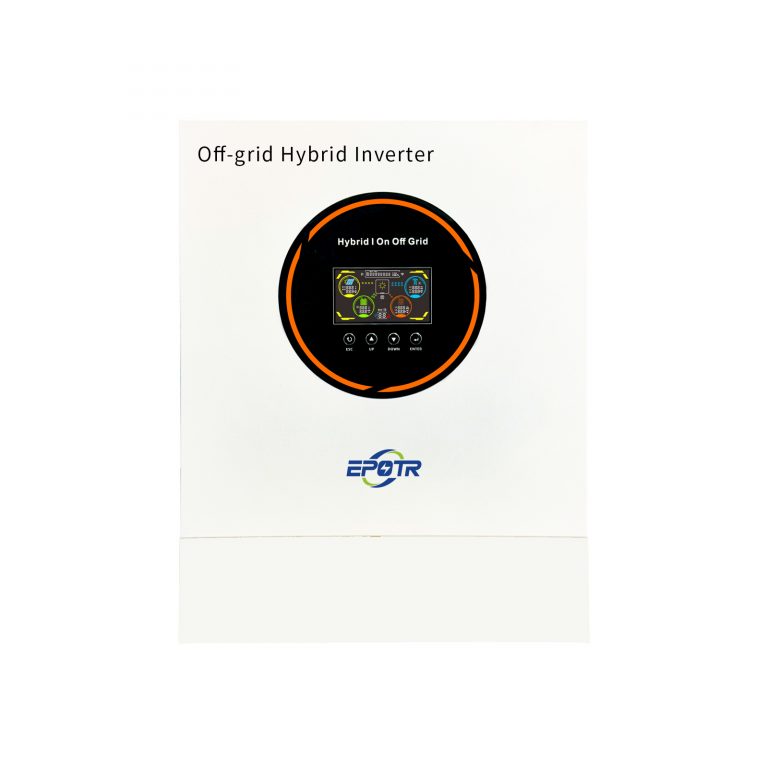
ครอบครัวหลายคนตอนนี้ติดตั้งพลังงานแสงอาทิตย์ด้วยอินเวอร์เตอร์ไฮบริด เหล่านี้ทําให้พลังงานเคลื่อนไหวอย่างฉลาดระหว่างแผงพลังงานแสงอาทิตย์ แบตเตอรี่ถือ การใช้พลังงานในบ้าน เครือข่ายสารประโยชน์ และเครื่องกำเ
การตั้งค่าที่ไม่เหมาะสมสามารถตัดงานและตัดอายุการใช้งานชิ้นส่วน
ในทางกลับกัน ตัวเลือก ESS บ้านพรีเมี่ยมมักจะมีวัตถุประสงค์เพื่อให้พอดีกับประเภทอินเวอร์เตอร์ไฮบริดหลัก นี่ช่วยให้ครอบครัวได้รับการวิ่งที่มั่นคงกว่า การทำงานในการชาร์จที่ดีขึ้น สวิตช์ที่น่าเชื่อถือในการหมดไฟ และการตั้งค่าที่สูงขึ้น
สําหรับพื้นที่ที่มีการจัดส่งพลังงานที่สั่นสะเทือน การตั้งค่าไฮบริดยังมีผลกำไรสําคัญ
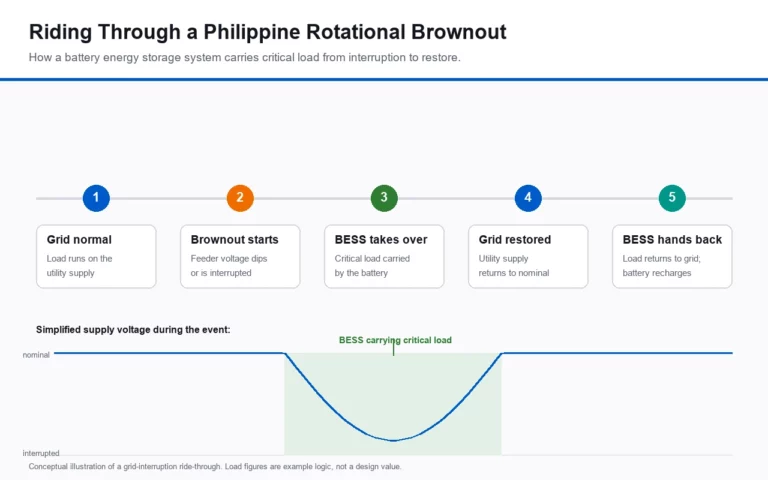
เมื่อไฟฟ้ากริดลดลง การตั้งค่าสามารถให้ไฟฟ้าสำรองด้วยตัวเอง
วิธีการ ESS ที่อยู่อาศัยพรีเมี่ยมรองรับพลังงานสำรองในระหว่างการหมดไฟ
สําหรับบ้านหลายแห่งในเอเชียตะวันออกเฉียงใต้ เอเชียกลาง และตะวันออกกลาง การหยุดไฟฟ้ากว่าความยุ่งยาก พวกเขาสามารถสัมผัสได้ง่าย เก็บอาหาร เข้าถึงเครือข่าย และแม้กระทั่งการรักษาบ้าน
ระบบเก็บพลังงานในบ้านที่วางแผนอย่างฉลาด ช่วยลดอันตรายเหล่านี้ มันให้ไฟฟ้าสำรองด้วยตัวเอง เมื่อไฟฟ้าของกริดถูกสั่นสะเทือนหรือหายไป
ไม่เหมือนกับการเลือกแบตเตอรี่ในงบประมาณที่อาจตึงเครียดภายใต้การดึงที่คงที่ การตั้งค่า ESS ในบ้านพรีเมี่ยมมักจะมุ่งมั่นที่จะให้พลังงานออกที่คงที่ในการหมดไฟ สวิตช์รวดเร็วสําหรับการให
ในกรณีจริง ครอบครัวสามารถใช้ตู้เย็นและตู้แช่แข็ง ระบบแสง ราวเตอร์ Wi-Fi และอุปกรณ์พูด พัดลมและหน่วยอากาศที่เลือก ทีวีและเครื่องมือบ้าน รวมถึงปั๊มน้ำและอุปกรณ์ท
นี่จะได้รับคุณค่าจริงในพื้นที่ที่การพักผ่อนอาจใช้เวลาหลายชั่วโมงหรือตีโดยไม่ต้องเตือน
ทำไมการจัดเก็บพลังงานในบ้านแบบโมดูลมีความยืดหยุ่นมากขึ้น
ความต้องการพลังงานในบ้านมีแนวโน้มที่จะเพิ่มขึ้นเมื่อเวลาผ่านไป
ครอบครัวอาจเริ่มต้นด้วยการสำรองไฟและอุปกรณ์พื้นฐาน ต่อมา พวกเขาอาจขยายการตั้งค่า เพื่อสนับสนุนอุปกรณ์มากขึ้น หรือการใช้พลังงานมากขึ้น
ที่นี่, การเลือก ESS บ้านแบบโมดูล นําผลประโยชน์ที่แข็งแกร่ง.
แทนที่จะแลกเปลี่ยนการตั้งค่าเต็ม ครอบครัวสามารถเพิ่มแบตเตอรี่ได้ทีละขั้นตอนตามความต้องการที่จะมา
ผลประโยชน์ของแผนแบบโมดูล รวมถึงการเติบโตของการตั้งค่าที่ง่ายขึ้น การดัดที่ดีขึ้นสำหรับขนาดบ้านที่หลากหลาย การผลักดันใช้จ่ายเริ่มต้นน้อยขึ้น
สําหรับผู้ขายและผู้ติดตั้ง การตั้งค่าโมดูลยังให้การโค้งกว้างขึ้นในความต้องการของโครงการ
ตัวอย่างที่ปฏิบัติ: อะไรทําให้ ESS ที่อยู่อาศัยพรีเมี่ยมน่าเชื่อถือมากขึ้น?
เมื่อชั่งน้ำหนักพลังงานในบ้านระยะยาว ครอบครัวควรดูผ่านชั่งแบตเตอรี่คนเดียว
บ้านพรีเมี่ยม ESS มักจะสร้างขึ้นอยู่กับความคิดหลักหลายแห่ง
เทคโนโลยีแบตเตอรี่ LiFePO4 คุณภาพสูง
การตั้งค่าพรีเมี่ยมจะเป็นการแต่งหน้าแบตเตอรี่ LiFePO4 เพื่อความปลอดภัยที่แข็งแกร่ง การผลิตที่คงที่ และเหมาะสำหรับการตั้งค่าความร้อนสูง
สําหรับการชาร์จและวางแบบบ้านทุกวัน เทคโนโลยีแบตเตอรี่รอบยาวช่วยรักษาผลิตที่แข็งแรงตลอดหลายปี
การป้องกันแบตเตอรี่อัจฉริยะ
การปรับปรุงเครื่องช่วยป้องกัน BMS ในการปรับค่าใช้จ่ายและการดึงการกระทํา นี่ช่วยลดความเครียดที่ไม่จําเป็นในเซลล์แบตเตอรี่
ขั้นตอนดังกล่าวนําไปสู่เวลาทำงานที่ยาวนาน ความปลอดภัยในการทำงานที่ดีขึ้น และผลผลิตที่คงที่ขึ้นเมื่อเวลาผ่านไป
ความเข้ากันได้ของอินเวอร์เตอร์ไฮบริด
บ้านปัจจุบันต้องการการตั้งค่าที่เชื่อมโยงอย่างราบรื่นกับการติดตั้งพลังงานแสงอาทิตย์มากขึ้นมากขึ้น
ตัวเลือก ESS พรีเมี่ยมมักจะมีเป้าหมายที่จะเหมาะสมกับการเลือกอินเวอร์เตอร์ไฮบริดทั่วไปมากมาย นี่ช่วยเพิ่มการทํางานการติดตั้งเต็มรูปแบบและความน่าเชื่อถือ
ความพร้อมในการสำรองพลังงาน
ในจุดที่มีกริดที่สั่นสะเทือน ตัวเลือก ESS พรีเมี่ยมมักจะมุ่งเน้นการสนับสนุนการใช้พลังงานสำรองที่ราบรื่น ในบางการใช้งาน พวกเขาสามารถจับคู่กับเครื่องกำเนิดไฟฟ้าเช่นกัน เพื่อความปลอดภัยพลังงานที่ใหญ่ขึ้นในการหมดไฟได้นาน
ออกแบบมาเพื่อความน่าเชื่อถือของพลังงานในบ้านระยะยาว
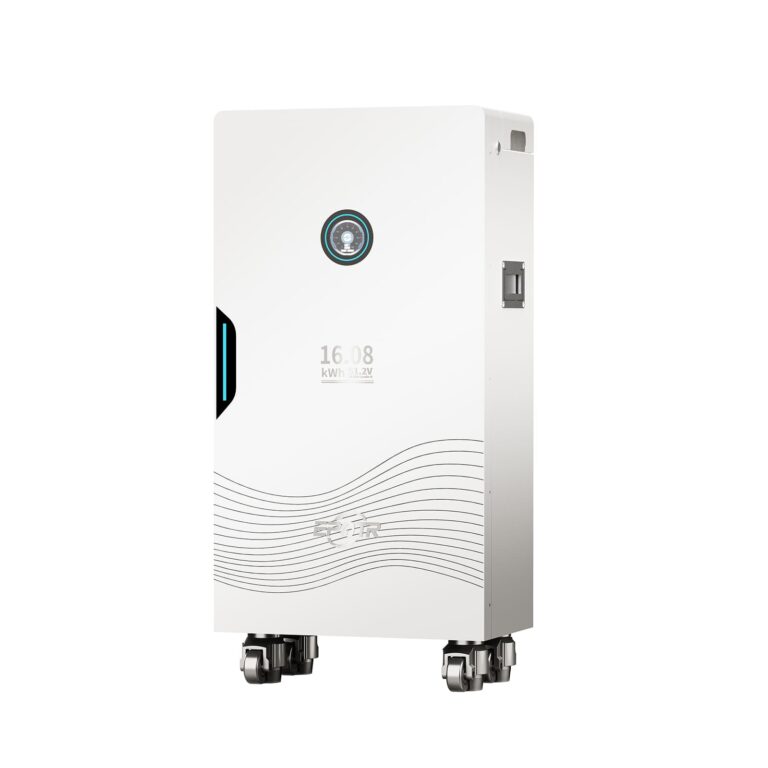
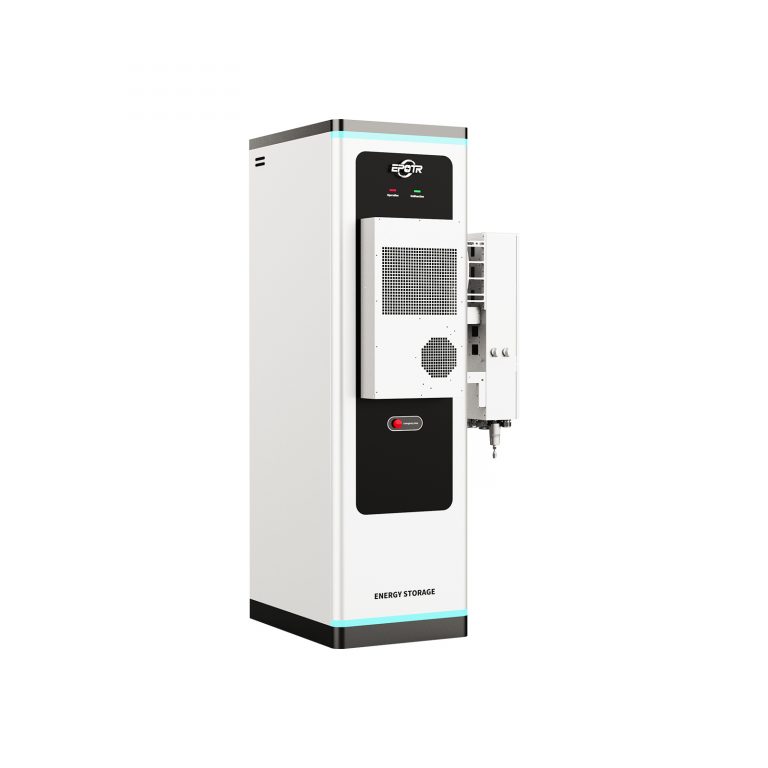
สําหรับครอบครัวที่ต้องการผลิตในระยะยาวที่คงที่ตัวเลือก ESS บ้านแบบโมดูลเช่น TaiPower ซีรีส์พื้นยืนอาศัย ESS เป้าหมายรอบความต้องการจริงของวันนี้’ บ้าน
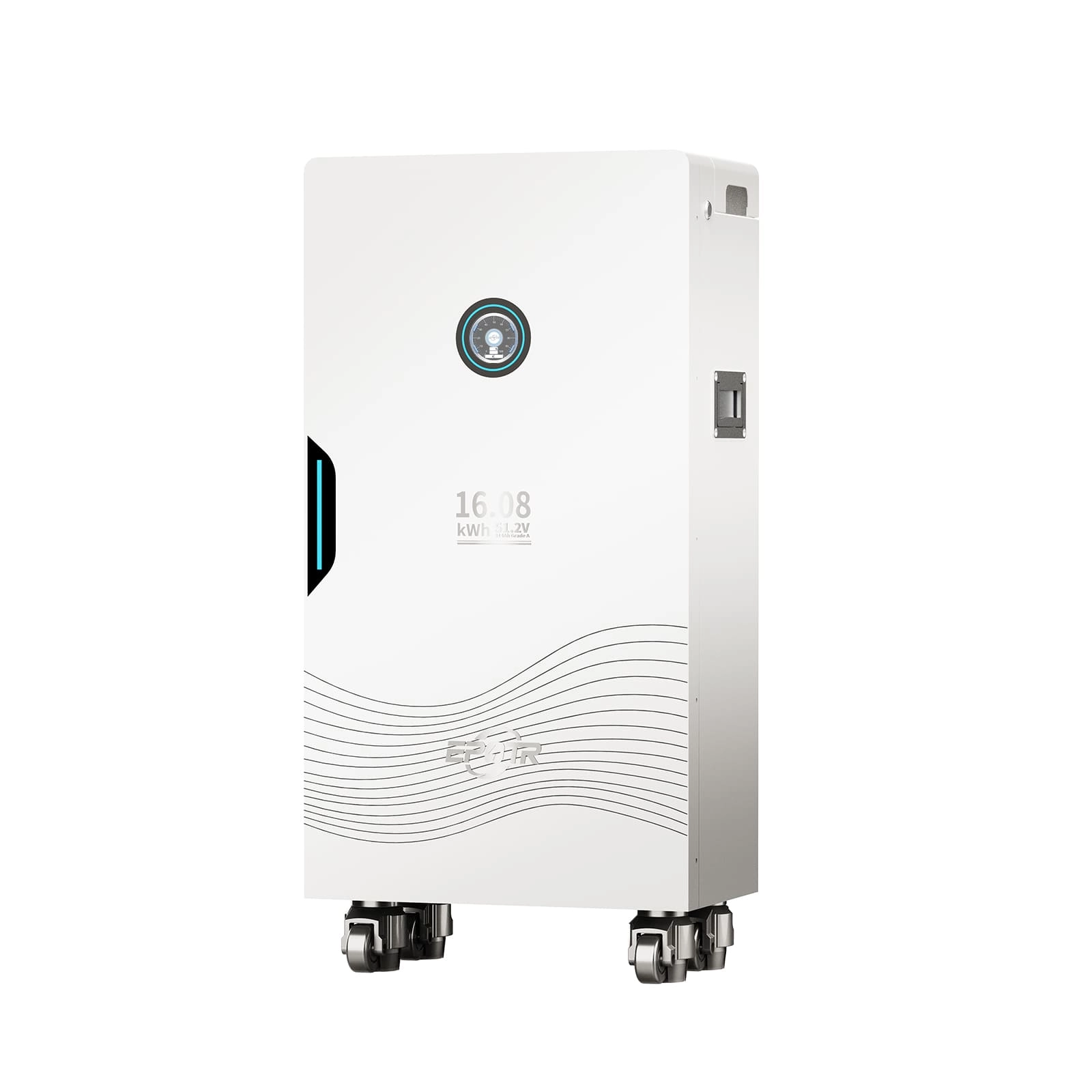
เป้าหมายครอบคลุมมากกว่าการถือพลังงาน มันมุ่งเน้นไปที่การให้ความช่วยเหลือพลังงานที่น่าเชื่อถือประจําวัน การสำรองข้อมูลอย่างต่อเนื่องใน blackouts การเติบโตของการยึดดัดได้ อายุการใช
สําหรับพื้นที่ที่เผชิญหน้ากับความร้อนสูงและการส่งพลังงานที่สั่นสะเทือน ความน่าเชื่อถือของการติดตั้งกลายเป็นหนึ่งในจุดซื้อ
บ้านที่วางแผนที่ดี ESS ช่วยบ้านในการตัดความสัมพันธ์กับตารางที่ไม่น่าเชื่อถือ ในขณะเดียวกัน มันเพิ่มความมั่นคงของพลังงานในระยะยาว
วิธีขยายอายุการใช้งานของระบบเก็บพลังงานในบ้านของคุณ
แม้แต่การตั้งค่าแบตเตอรี่พรีเมี่ยมก็ทำงานได้ดีที่สุด ด้วยการตั้งค่าและการดูแลที่เหมาะสม
ครอบครัวสามารถเพิ่มผลิตการตั้งค่าระยะยาว โดยยึดมั่นในขั้นตอนพื้นฐานไม่กี่ขั้นตอน
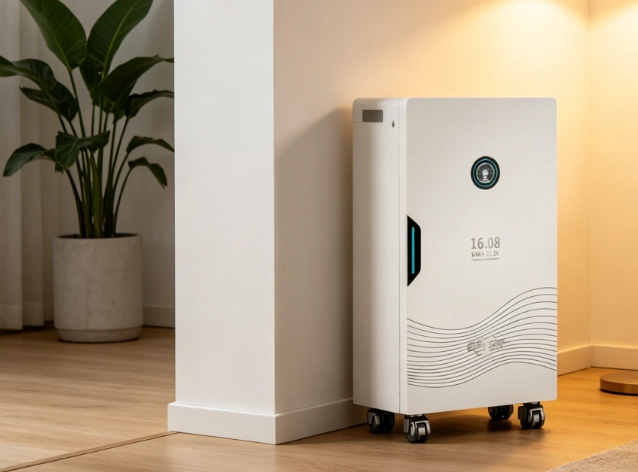
ติดตั้งในพื้นที่แห้งและมีระบายอากาศ
ช่วยให้การไหลของอากาศแข็งในการรักษาความร้อนที่มั่นคง
การตั้งค่าภายในห่างจากดวงอาทิตย์ตรงและความชื้นเพิ่มเติมมักจะช่วยเพิ่มความน่าเชื่อถือในระยะยาว
เลือกความจุแบตเตอรี่ที่เหมาะสม
การตั้งค่าที่เล็กเกินไปอาจเผชิญกับวงจรประจำวันที่หนักกว่า นี่สามารถเพิ่มความต้านทานของแบตเตอรี่ได้เมื่อเวลาผ่านไป
การเลือกการตั้งค่าที่ตรงกับพลังงานที่บ้านจริงต้องการช่วยในการใช้งานและผลิตที่ดีขึ้น
ตรวจสอบประสิทธิภาพของระบบอย่างสม่ำเสมอ
หน่วย ESS ปัจจุบันมักจะหลังนาฬิการะยะไกล นี่ช่วยให้ครอบครัวหรือผู้ติดตั้งติดตามผลิตการติดตั้งและจับปัญหาเร็ว ๆ
ทำงานกับผู้ติดตั้งมืออาชีพ
การตั้งค่าที่ถูกต้องและการจับคู่อินเวอร์เตอร์ที่ดีมีส่วนใหญ่ในการตั้งค่า ความปลอดภัย และความน่าเชื่อถือระยะยาว
คำถามที่พบบ่อย
Q1: ระบบเก็บพลังงานในบ้านมักจะใช้งานนานแค่ไหน?
อายุการใช้งานขึ้นอยู่กับเกรดแบตเตอรี่, อัตราการใช้, การตั้งค่าสภาพอากาศ, และแผนการตั้งค่า. การตั้งค่า ESS ในบ้านที่ใช้ LiFePO4 พรีเมี่ยมมักจะมีเป้าหมายสําหรับการใช้งานประจําวันระยะยาว และเวลาใช้งานยาวนานกว่าที่เลือกในงบประมาณมากมา
Q2: LiFePO4 ดีกว่าสำหรับสภาพอากาศร้อนหรือไม่?
ใช่ครับ แบตเตอรี่ LiFePO4 ได้รับการเลือกที่กว้างขวางสําหรับการถือพลังงานในบ้าน เนื่องจากความมั่นคงของความร้อน ความปลอดภัยที่ดีขึ้น และผลิตที่แข็งแกร่งในระยะ
Q3: ESS บ้านสามารถให้พลังงานสำรองในระหว่างการหมดไฟได้หรือไม่?
ใช่ครับ ระบบเก็บพลังงานไฮบริดในบ้านที่ตั้งข้างขวา สามารถให้อุปกรณ์ที่สำคัญในบ้านได้รับพลังงานในการหมดไฟ นี่ขึ้นอยู่กับแผนการติดตั้งและการติดตั้ง
Q4: การเก็บพลังงานในบ้านสามารถทำงานกับแผงพลังงานแสงอาทิตย์ได้หรือไม่?
ในกรณีส่วนใหญ่ ใช่ ตัวเลือก ESS ที่บ้านมักจะเชื่อมโยงกับการตั้งค่าอินเวอร์เตอร์ไฮบริดเพื่อรักษาพลังงานแสงอาทิตย์สําหรับการวาดและเพิ่มการควบคุมพลังงานด้
Q5: การจัดเก็บพลังงานในบ้านพรีเมี่ยมมีค่าใช้จ่ายสูงขึ้นหรือไม่?
แม้ว่าการใช้จ่ายเริ่มต้นอาจเพิ่มขึ้น แต่การตั้งค่าพรีเมี่ยมมักจะให้ความน่าเชื่อถือที่ดีขึ้น เวลาใช้งานที่ยาวนาน ความต้องการการแลกเปลี่ยนน้อยลง และม
ข้อสรุป
เมื่อชั่งน้ำหนักระบบเก็บพลังงานในบ้านพรีเมี่ยมด้วยแบตเตอรี่มาตรฐาน ช่องว่างหลักมักจะไม่ได้อยู่ในค่าใช้จ่ายในการซื้อ แต่อยู่ในความน่าเชื่อ
สําหรับบ้านในเอเชียตะวันออกเฉียงใต้ เอเชียกลาง และตะวันออกกลาง ที่มักจะเกิดการสั่นสะเทือนไฟฟ้าและความร้อนสูง การเลือก ESS ที่แข็งแกร่งและวางแผนอย่างฉลาดสามารถ
ตัวเลือกการเก็บพลังงานในบ้านพรีเมี่ยมมักจะให้อายุการใช้งานแบตเตอรี่ที่ยาวนาน ผลิตความปลอดภัยที่ดีขึ้น การสำรองข้อมูลที่แข็งแกร่งในการหมดไฟ การตั้งค่าพล
เมื่อครอบครัวมากขึ้นในการใช้พลังงาน การเลือกการตั้งค่าที่เหมาะสมตอนนี้สามารถช่วยหลีกเลี่ยงค่าใช้จ่ายที่ไม่จําเป็นและปัญหาการผลิตในภายหลัง
ซีทีเอ
คุณกำลังมองหาโซลูชั่นการเก็บพลังงานที่อยู่อาศัยที่น่าเชื่อถือสําหรับกริดที่ไม่มั่นคงหรือสภาพอากาศร้อน?
EPOTR TaiPower Series Residential ESS ถูกออกแบบมาเพื่อสนับสนุนพลังงานสำรองที่น่าเชื่อถือ อายุการใช้งานแบตเตอรี่ที่ยาวนาน และการเก็บพลังงานที่ยืดหยุ่นสําหรับบ้
ไม่ว่าคุณจะเป็นผู้จําหน่าย ผู้ติดตั้ง หรือนักพัฒนาโครงการ ทีมงานของเราสามารถช่วยให้บริการโซลูชั่นการจัดเก็บพลังงานที่อยู่อาศัยที่เหมา
ติดต่อ EPOTR วันนี้เพื่อหารือเกี่ยวกับการจัดจำหน่าย OEM / ODM หรือโครงการ ESS ที่อยู่อาศัย