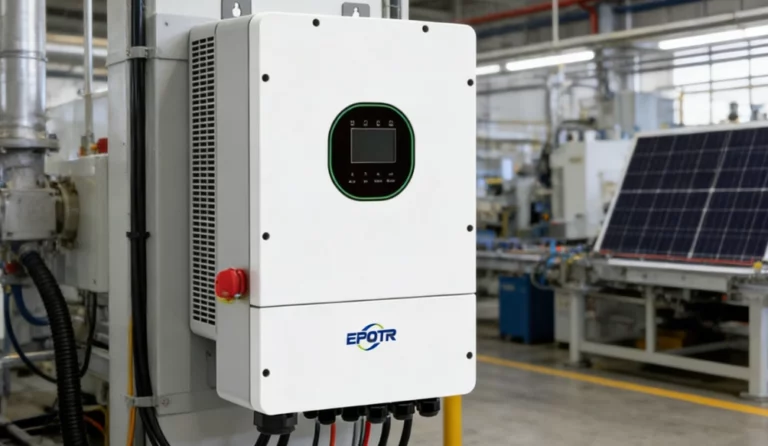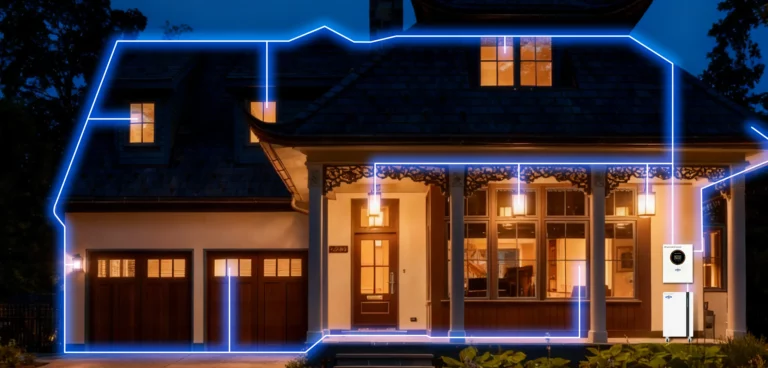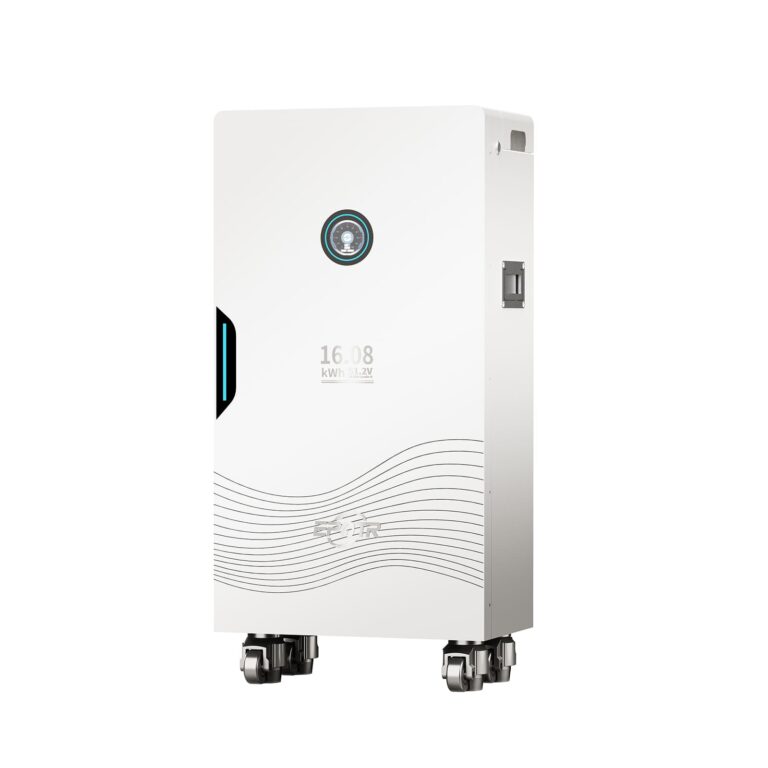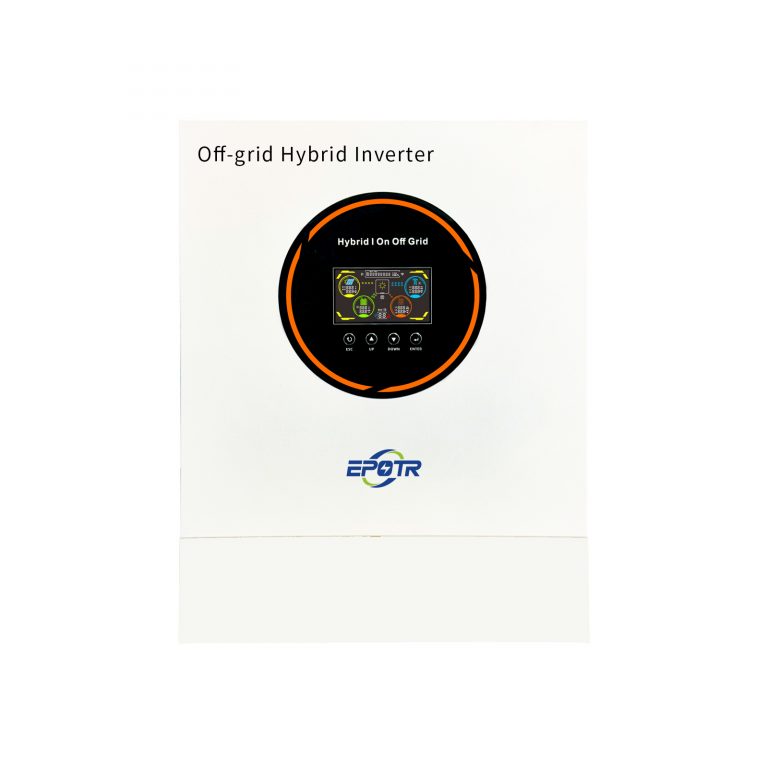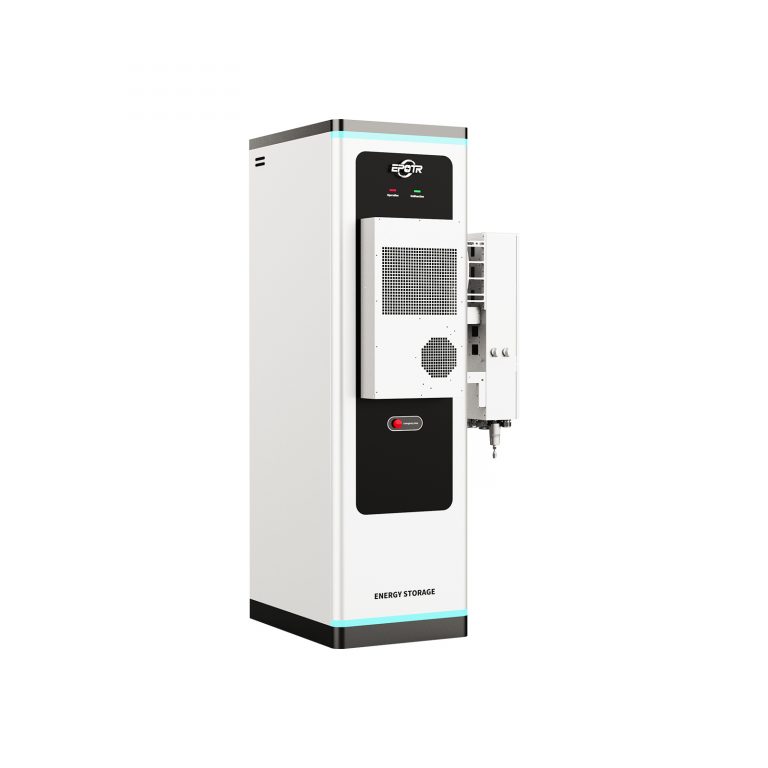

Solar power systems often operate reliably with minimal oversight, but the hybrid inverter functions continuously to regulate energy streams. When this central component begins to malfunction, your power self-sufficiency faces jeopardy. Dependable energy solutions form the basis of enduring sustainability, and this is where EPOTR contributes significantly. Established in Dongguan since 2023, the company concentrates on merging sophisticated power electronics with intelligent oversight. Beyond mere equipment sales, they offer methods to lessen environmental emissions and electricity costs via effective renewable configurations. In urban centers or isolated locales alike, their approaches enable communities to prosper by rendering sustainable energy consistent and reachable.
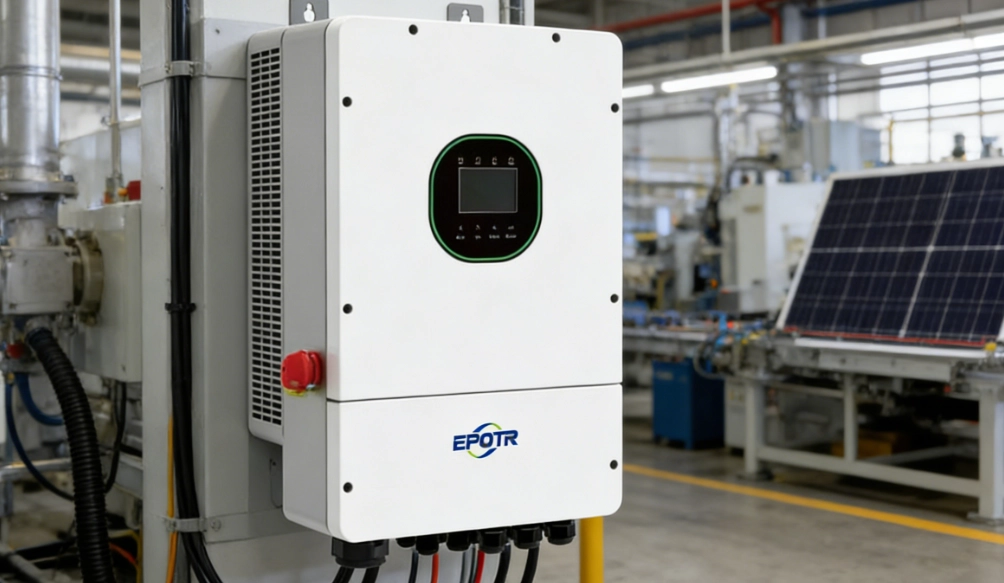
Is Your Hybrid Inverter Experiencing Unexpected Power Drops?
Power output serves as a primary indicator of system performance. If photovoltaic modules absorb midday sunlight yet alternating current delivery stays subdued, the internal conversion mechanism probably falters. Component wear commonly manifests as reduced efficiency prior to outright cessation. Such patterns demand prompt inspection to maintain operational integrity.
Invisible Energy Loss
Transformation efficiency ought to remain elevated, yet deteriorating capacitors generate warmth-induced reductions. Consequently, energy persists on the direct current side but dissipates before supplying household devices.
Inconsistent Power Supply
Dimming illumination or devices restarting unexpectedly implies the inverter fails to uphold a consistent 50Hz or 60Hz rhythm. This variability endangers costly apparatus through potential voltage fluctuations.
Battery Discharge Failure
A functional hybrid arrangement utilizes reserve capacity during evenings. However, if reserves stay charged while utility dependence persists post-dusk, the control circuit has forfeited its directive over release sequences.
Why Is Your Hybrid Inverter Making Unusual Noises?
Current designs employ elevated-frequency modulation that produces minimal audible disturbance. Nevertheless, structural or electrical anomalies yield recognizable tones. An abrupt shift in the sound characteristics within your service area signals that core elements endure substantial strain. Early detection can avert escalation to critical breakdowns.
Cooling Fan Malfunction
Within moist equatorial environments, particulates and saline atmosphere obstruct fan mechanisms. A prominent clattering noise indicates impaired thermal release, which prompts automatic deactivation shortly thereafter.
Internal Component Humming
Displaced coils or declining magnetic elements produce a sharp resonance. This oscillation typically amplifies with rising residential demands, denoting that electrical barriers vibrate toward degradation.
Physical Housing Vibration
Surface-fixed domestic units require firm attachment. Should the inner framework loosen, resultant oscillations may fracture delicate circuit connections, resulting in sporadic anomalies.
Does Your Display Screen Show Frequent Error Codes?
Visual interfaces constitute the initial diagnostic safeguard. Although isolated faults might represent transient errors, repeated indicators chronicle element exhaustion. Overlooking these alerts commonly culminates in an inoperable device necessitating comprehensive circuit renewal.
Firmware Communication Error
Should the inverter forfeit synchronization with the Battery Management System, it halts replenishment for precautionary measures. Corrosion on interfaces or algorithmic misalignment frequently precipitates this occurrence.
Overload Warning Signal
Activation of safeguards during modest device operation, such as a suction unit, signifies that semiconductor switches endure current surges poorly. Prolonged thermal exposure has evidently compromised the internal materials.
Inverter Hardware Fault
Designated signals for “Bus Voltage High” or “Relay Failure” denote grave concerns. These reveal that safeguard mechanisms have identified enduring defects within the energy processing stage.
Can Overheating Affect Your Indoor Wall Mounted Inverter?
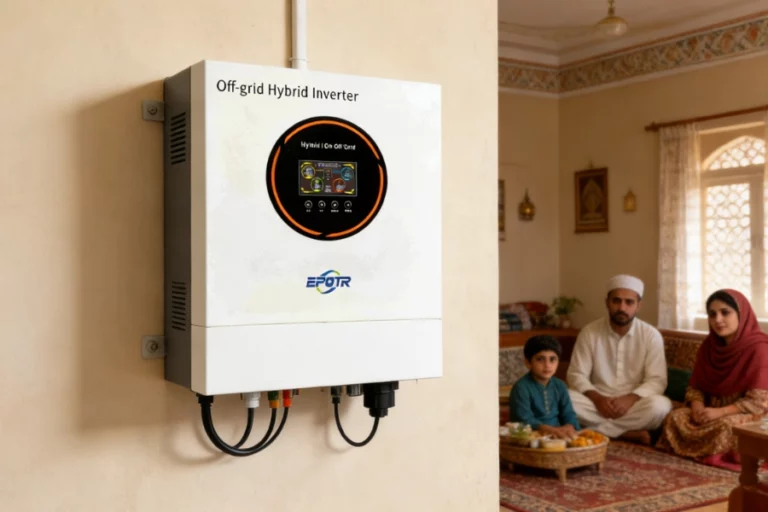
Domestic disconnected and hybrid apparatuses generally feature an IP20 enclosure for interior placement. This configuration suits residential deployment but renders them susceptible to climatic warmth. In territories including Indonesia, the Philippines, or Malaysia, surrounding conditions swiftly exceed thermal thresholds. Consequently, vigilant positioning and maintenance prove essential for sustained functionality.
Poor Ventilation Impact
Positioning an apparatus in confined enclosures lacking circulation induces “thermal derating.” In response, the configuration diminishes yield to preserve equilibrium, mimicking a mechanical defect while actually requesting enhanced clearance.
Internal Temperature Surge
Upon sensors registering 60 degrees Celsius, capacitor durability halves with each additional 10-degree rise. Elevated warmth ranks as the foremost detriment to affixed energy components.
Inadequate Heat Dissipation
Particulate accumulation on dissipators impedes thermal conduction. Absent periodic maintenance, warmth confines within metallic structures, progressively impairing adjacent processors.
Are You Facing Sudden Grid Connection Issues?
A Hybrid Inverter demands precise alignment with the utility network’s waveform. Frequent disconnections suggest that the device’s timing or detection circuitry deviates from standards, rendering it unresponsive to network conditions. This misalignment compromises overall reliability, particularly in fluctuating supply scenarios.
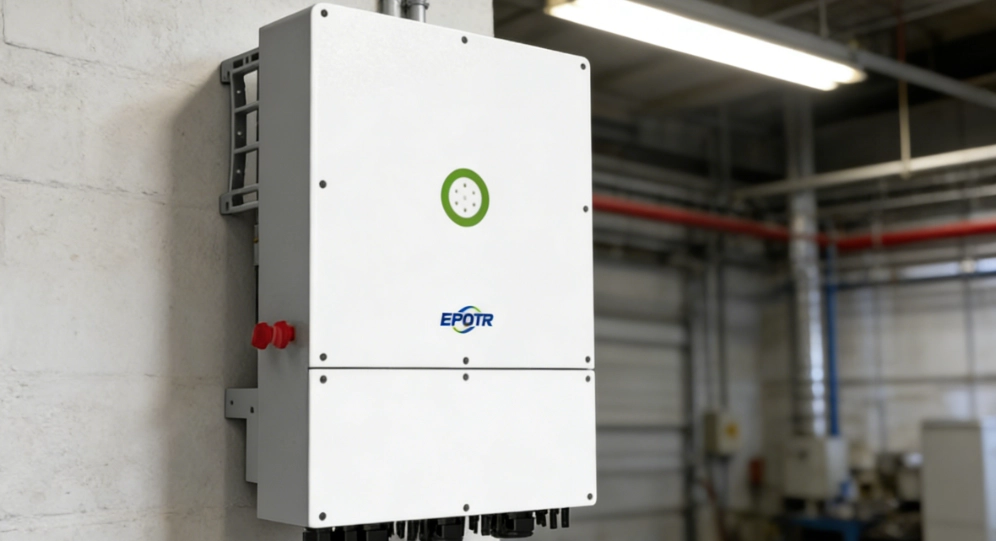
Voltage Synchronization Failure
The inverter anticipates network voltage equilibrium before integration. Damaged detectors prolong “Waiting” status indefinitely, despite optimal external conditions.
Relay Switch Malfunction
An audible engagement attempt may occur without subsequent energy transfer. Such instances typically arise from eroded or fused relay interfaces due to repetitive activation.
Grid Feed-in Interruption
Isolation safeguards fulfill regulatory mandates. Defective detectors can invoke these erroneously, thereby severing opportunities to return surplus energy to providers.
Why Choose EPOTR for Reliable Energy Solutions?
Contemporary energy requirements necessitate interoperable components. The LV Hybrid Inverter fulfills this role adeptly. It integrates with 90% of offerings from premier manufacturers like Sungrow, DEYE, and Solis, avoiding proprietary constraints.
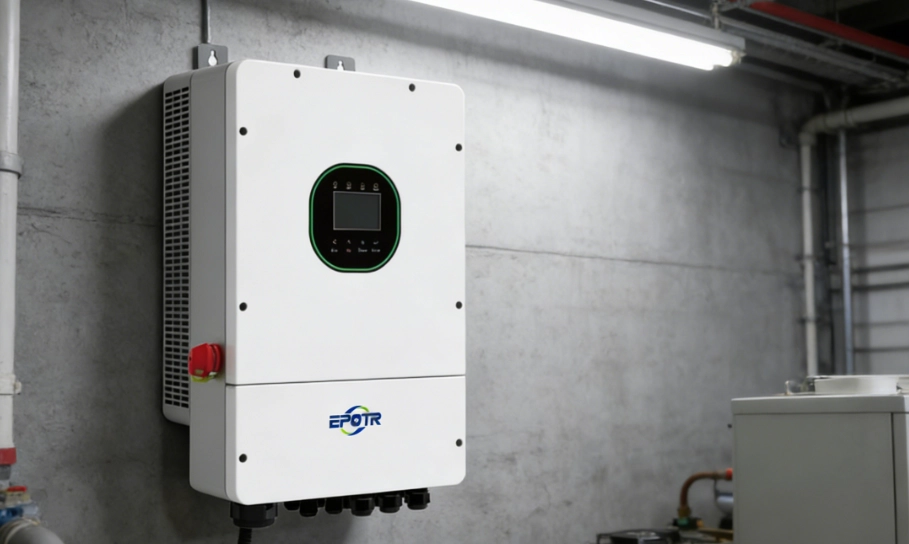
Advanced LV Hybrid Inverter
These reduced-voltage systems underpin autonomous networks. Combined with photovoltaic arrays and reserves, they deliver dependable cycles for dwellings in peripheral zones featuring erratic mains supply.
High Efficiency Hybrid Inverter
Curtailing transformation phases optimizes returns. These configurations prioritize maximal extraction from solar installations to reserves or utilization with negligible thermal loss.
Professional Household Storage Support
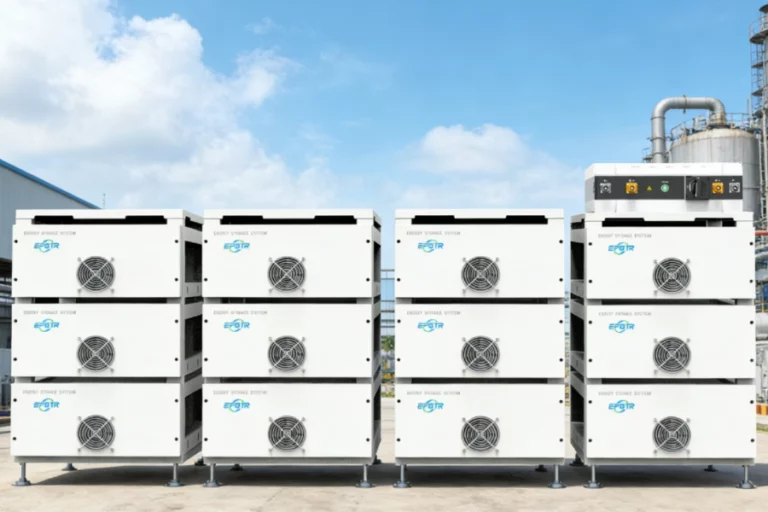
Emerging modular reserve designs transform prospects for modest enterprises. Their compact dimensions and modest upfront expenses facilitate incremental expansion aligned with evolving needs.
How to Contact EPOTR for Expert Assistance?
Upon observing these indicators, avoid delaying intervention. Replacing a defective unit with a tailored affixed residential variant safeguards reserves from excessive depletion. Specialist intervention accelerates restoration of network stability.
Online Consultation Service
Advisors assist in assessing whether remediation suffices or if substitution yields superior long-term economics.
Technical Support Inquiry
For enigmatic fault signals, the Contact Us interface links users to specialists versed in diverse network peculiarities.
Global Sales Network
Proximate distribution ensures timely component availability. EPOTR accommodates extensive reserve producer varieties, simplifying pairings with current installations.
FAQ
Q1: Can I install an IP20 hybrid inverter in my outdoor kitchen?
A: No, IP20 means it has no protection against water. It must be installed in a dry, indoor area like a utility room or a garage to avoid short circuits.
Q2: Does the hybrid inverter work with batteries from other brands?
A: Yes, these units are highly compatible and work with over 90% of mainstream battery packs, including those from DEYE, SAJ, and Solis.
Q3: What makes the modular battery better for small shops?
A: The modular battery has a smaller footprint and lower initial cost, which lets business owners start with a small setup and add more capacity later.
Q4: Why is a wall-mounted inverter better for Southeast Asian homes?
A: Space is often limited in island homes. Wall-mounted units stay off the floor, away from potential flooding or dust, and fit easily into standard utility spaces.
Q5: My inverter is clicking but not turning on, is it dead?
A: Not necessarily, but a constant clicking without power output usually means an internal relay or the start-up capacitor has failed and needs professional service.