
Untuk proyek-proyek di pulau-pulau Filipina, biaya listrik jarang hanya berupa harga satu generator atau satu kabinet baterai. Biaya sebenarnya berasal dari pengiriman bahan bakar, pasokan yang tidak stabil, perjalanan pemeliharaan, masa pakai baterai, tingkat penggunaan tenaga surya, pertumbuhan beban, dan berapa lama sistem dapat menjaga beban utama tetap berjalan ketika jaringan listrik lemah atau tidak ada. Generator diesel mungkin tampak lebih murah pada hari pertama, tetapi sistem penyimpanan tenaga surya sering mengubah kurva biaya setelah berbulan-bulan penggunaan harian, terutama untuk resor, toko kecil, rumah-rumah di pulau, lokasi telekomunikasi, pertanian, dan bangunan komersial mini.
Mengapa Biaya Daya Seumur Hidup Lebih Penting Daripada Harga Awal?
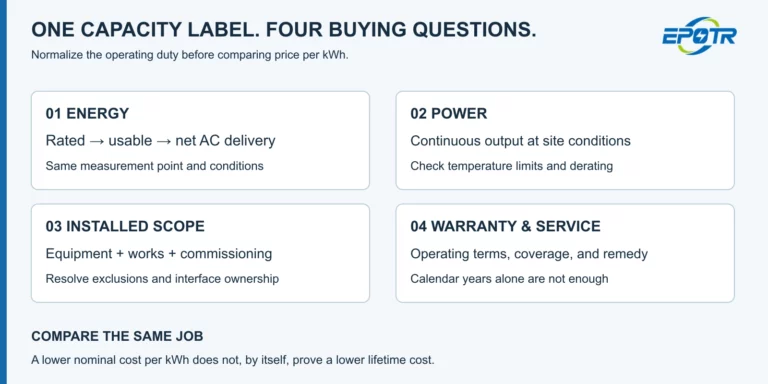
Banyak pembeli memulai dengan satu pertanyaan: opsi mana yang lebih murah untuk dibeli? Itu normal, tetapi tidak cukup untuk proyek di pulau terpencil. Generator diesel adalah mesin berbahan bakar. Sistem penyimpanan energi surya adalah aset energi. Struktur biayanya berbeda.
Untuk perhitungan yang lebih akurat, Anda dapat membagi biaya menjadi lima bagian:
- Biaya peralatan
- Biaya pemasangan dan pengkabelan
- Biaya input bahan bakar atau tenaga surya
- Perawatan dan suku cadang
- Risiko waktu henti dan waktu respons layanan
Pembangkit listrik tenaga diesel biasanya memiliki biaya awal yang lebih rendah, tetapi biaya operasionalnya terus meningkat. Penyimpanan energi surya lebih mahal di awal, tetapi sinar matahari gratis setelah panel surya terpasang. Di pulau-pulau, detail ini penting karena diesel seringkali membutuhkan transportasi kapal, tangki penyimpanan, penanganan manual, dan pemeriksaan keselamatan tambahan. Keterlambatan pengisian bahan bakar yang kecil pun dapat menghentikan seluruh proyek, yang merupakan masalah yang membosankan di atas kertas tetapi sangat mahal dalam kehidupan nyata.
Bagaimana Biaya Diesel Meningkat Seiring Waktu
Model perhitungan biaya generator diesel seharusnya mencakup lebih dari sekadar konsumsi bahan bakar per jam. Anda juga perlu memperhitungkan penggantian oli, filter, sabuk, cairan pendingin, penggantian baterai, kunjungan teknisi, dan ketidaksesuaian beban. Banyak generator kecil beroperasi pada tingkat beban yang rendah di malam hari, sehingga bahan bakar terbakar bahkan ketika lokasi tersebut hanya membutuhkan penerangan, kipas angin, lemari es, router, dan perangkat keamanan.
Untuk bisnis kecil di pulau terpencil, biaya solar mungkin meliputi:
- Harga pembelian bahan bakar
- Pengangkutan bahan bakar dari daratan utama
- Perawatan generator setiap beberapa ratus jam
- Pengendalian kebisingan atau perawatan ruang peralatan
- Biaya unit cadangan untuk cadangan
- Kerugian pendapatan ketika pasokan bahan bakar terlambat
Itulah mengapa diesel masih berguna, tetapi tidak selalu menjadi pilihan terbaik sebagai sumber tenaga utama sehari-hari.
Bagaimana Seharusnya Anda Membandingkan Penyimpanan Energi Surya dengan Diesel?
Perbandingan yang adil menggunakan kWh harian, bukan hanya daya terukur. Generator 10kW dan inverter 10kW tidak secara otomatis menyelesaikan pekerjaan yang sama. Pertanyaan yang lebih baik adalah berapa kWh yang dikonsumsi proyek Anda dalam sehari, dan beban mana yang harus beroperasi di malam hari.
Untuk proyek-proyek pulau di Filipina, mulailah dengan daftar beban yang sederhana. Tidak perlu membuatnya terlalu rumit pada awalnya.
Data apa yang sebaiknya dikumpulkan terlebih dahulu?
Anda harus mengumpulkan angka-angka ini sebelum memilih ukuran sistem:
- Beban siang hari dalam kW
- Beban malam hari dalam kW
- Penggunaan energi harian dalam kWh
- Beban awal puncak dari pompa, kompresor, dan motor
- Jam cadangan yang dibutuhkan
- Tersedia area atap atau tanah untuk panel fotovoltaik.
- Apakah lokasi tersebut memiliki daya listrik satu fasa atau tiga fasa?
- Apakah diesel harus tetap menjadi cadangan darurat?
Sistem penyimpanan energi surya bekerja paling baik ketika baterai dirancang sesuai dengan beban aktual di malam hari, bukan yang terlalu besar untuk setiap kemungkinan peralatan. Misalnya, sebuah homestay di pulau mungkin membutuhkan pendingin ruangan di kamar-kamar tertentu, pendingin, penerangan, Wi-Fi, pompa air, dan beban dapur kecil. Sebuah lokasi telekomunikasi mungkin membutuhkan jenis beban yang lebih sedikit tetapi keandalan yang jauh lebih tinggi. Sebuah toko di pesisir mungkin hanya membutuhkan cadangan daya selama jam kerja malam. Metode penentuan ukuran harus berubah sesuai dengan lokasi.
Di mana penyimpanan energi surya dapat menghemat uang?
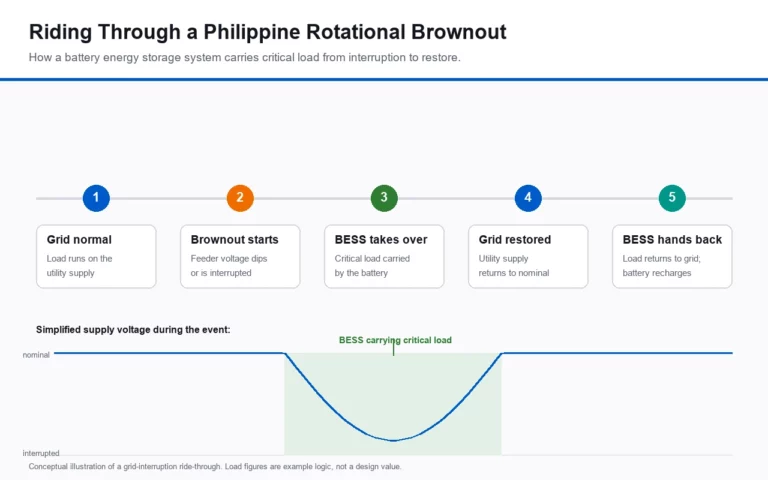
Penyimpanan energi surya menghemat biaya terutama dengan mengurangi waktu pengoperasian diesel. Tidak perlu melepas generator pada hari pertama. Dalam banyak proyek pulau praktis, rencana yang lebih cerdas adalah pengaturan hibrida: panel surya memasok daya di siang hari, baterai menyimpan kelebihan daya surya, dan generator tetap berfungsi sebagai cadangan untuk periode hujan yang panjang atau permintaan puncak yang tidak biasa.
Jenis pengaturan ini memberi Anda lebih banyak kendali. Diesel menjadi sumber pendukung, bukan sumber energi harian.
Biaya apa saja yang dapat dikurangi?
Penyimpanan energi surya dapat mengurangi beberapa biaya jangka panjang:
- Penggunaan bahan bakar harian yang lebih sedikit
- Jam kerja mesin lebih sedikit
- Mengurangi frekuensi perawatan generator
- Tingkat kebisingan lebih rendah selama operasi malam hari.
- Ketergantungan yang lebih rendah pada pengiriman bahan bakar
- Pemanfaatan tenaga surya di siang hari yang lebih baik.
- Daya yang lebih stabil untuk perangkat sensitif.
Bagi pulau-pulau, bagian transportasi bahan bakar seringkali merupakan biaya tersembunyi. Pembeli di daratan mungkin hanya melihat harga solar. Pembeli di pulau juga melihat biaya feri, waktu pengiriman, penundaan musim hujan, dan penanganan manual. Tidak terlalu glamor, tetapi hal itu menentukan periode pengembalian modal.
Sistem mana yang cocok untuk rumah-rumah di pulau, toko-toko, dan lokasi komersial kecil?
Pengguna yang berbeda membutuhkan struktur sistem yang berbeda pula. Satu solusi besar tidak selalu merupakan jawaban terbaik. Pedagang kecil mungkin lebih mementingkan biaya dan luas lantai. Sebuah resor mungkin lebih mementingkan kenyamanan di malam hari dan pengoperasian yang tenang. Sebuah situs telekomunikasi atau keamanan mungkin lebih mementingkan pemantauan jarak jauh dan cadangan data yang stabil.
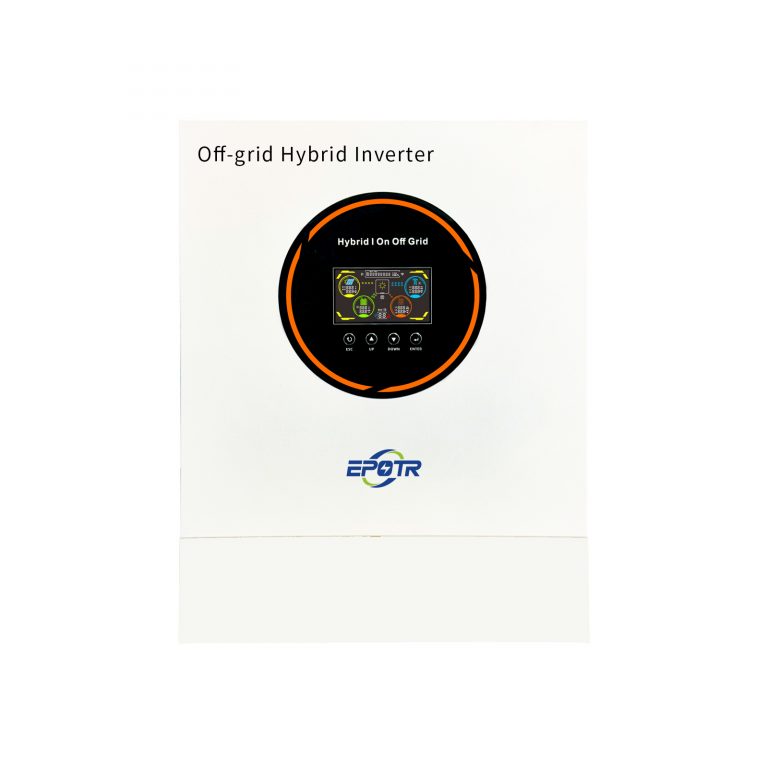
Untuk rumah dan toko kecil, inverter hibrida off-grid yang dipasang di dinding dalam ruangan seringkali praktis. Unit ini berperingkat IP20 dan dapat dipasang di dinding, yang sangat membantu jika ruang peralatan berukuran kecil. Di pasar kepulauan Asia Tenggara seperti Filipina, Indonesia, dan Malaysia, jenis inverter ini dapat bekerja dengan paket baterai penyimpanan dan panel PV untuk membentuk mikrogrid independen tenaga surya-penyimpanan.
Mengapa Inverter Off-Grid yang Dipasang di Dinding Dalam Ruangan Berguna?
Untuk rumah-rumah di pulau dan toko-toko kecil, inverter tidak perlu berukuran besar. Yang dibutuhkan adalah stabil, mudah ditempatkan, dan mudah perawatannya. Sistem yang ringkas dan dipasang di dinding dapat dipasang di ruang utilitas dalam ruangan, kantor kecil di belakang rumah, dan area servis rumah.
Fitur-fitur yang bermanfaat meliputi:
- Perlindungan IP20 untuk penggunaan di dalam ruangan, cocok untuk instalasi di rumah.
- Desain yang dipasang di dinding untuk ruang terbatas
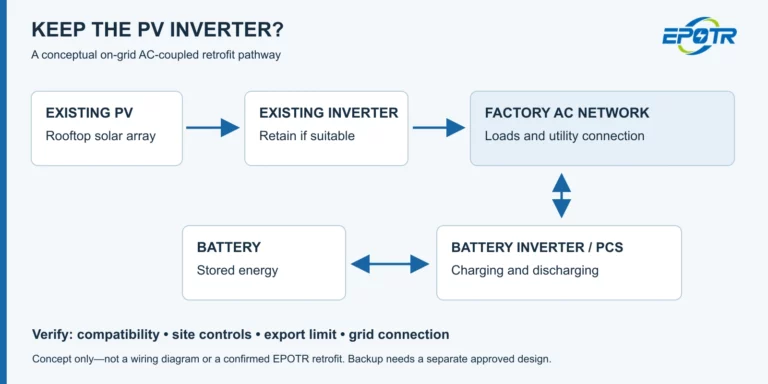
- Opsi input PV, baterai, dan utilitas atau generator.
- Pengoperasian baterai dan kontrol pengisian daya surya
- Output gelombang sinus murni untuk peralatan rumah tangga umum.
- Rentang input utilitas yang luas untuk area dengan jaringan listrik lemah.
- Pengoperasian tanpa baterai saat sinar matahari tersedia pada model off-grid tertentu.
Beberapa model inverter hibrida off-grid mendukung input daya listrik yang luas dari 90Vac hingga 280Vac untuk peralatan rumah tangga, rentang input PV 120Vdc hingga 450Vdc, pengisian daya surya MPPT 80A, dan hingga 9 unit secara paralel. Untuk proyek dengan beban motor, kapasitas lonjakan juga penting karena pompa dan kompresor tidak mulai beroperasi dengan lembut.
Bagaimana Produk EPOTR Dapat Mendukung Perhitungan Biaya Ini?
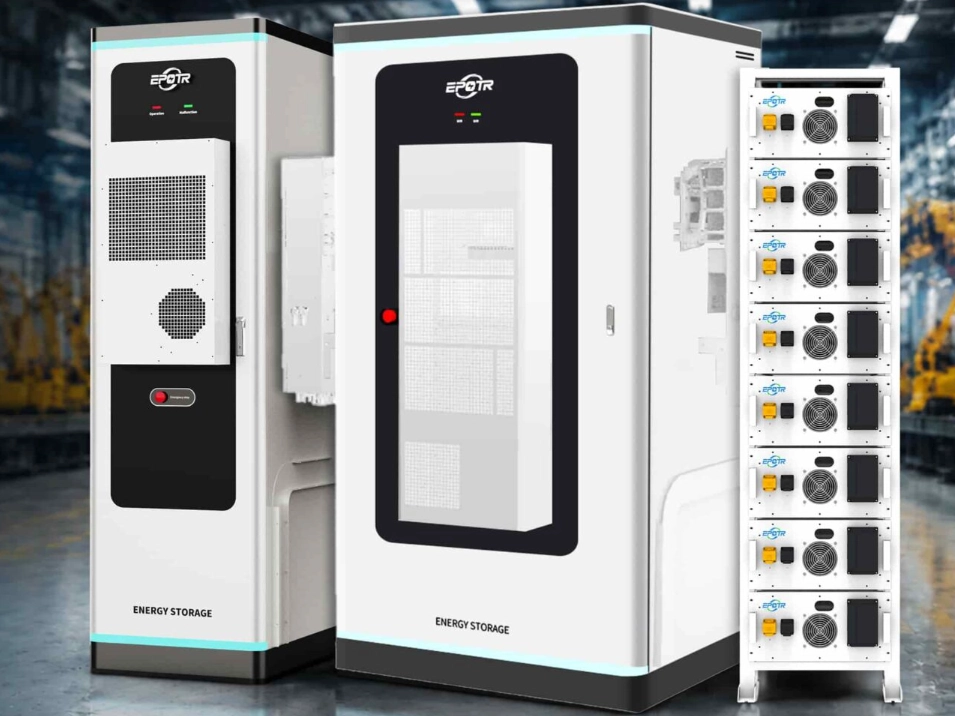
Di tengah perencanaan proyek, pemilihan peralatan mulai menjadi penting. EPOTR Perusahaan ini berfokus pada paket baterai penyimpanan energi, inverter hibrida, dan solusi penyimpanan energi industri dan komersial. Arah produknya sesuai dengan proyek-proyek di pulau karena pembeli sering membutuhkan kombinasi penyimpanan energi, input PV, kontrol daya hibrida, dan ruang untuk ekspansi di masa mendatang.
Bagi pembeli bisnis yang menginginkan perencanaan solusi dan bukan hanya pembelian produk tunggal, Solusi EPOTR Halaman ini dapat membantu menyusun sistem berdasarkan kasus penggunaan nyata seperti wilayah tanpa jaringan listrik, pulau, stasiun pangkalan komunikasi, lampu jalan, lokasi komersial, dan daerah terpencil.
Detail Produk Apa yang Paling Penting?
Untuk proyek di pulau, spesifikasi berikut lebih bermanfaat daripada klaim ala brosur:
- Kimia baterai: LiFePO4 lebih disukai karena keamanan dan masa pakai siklus yang panjang.
- Umur siklus: beberapa model ESS perumahan mendukung 6000 siklus pada DOD 90%.
- DOD: 95% DOD maksimum yang direkomendasikan membantu menggunakan lebih banyak energi yang tersimpan.
- Komunikasi: Mendukung koneksi sistem melalui CAN dan RS485
- Pendinginan: pendinginan alami mengurangi komponen pendinginan aktif pada sistem yang lebih kecil.
- Skalabilitas: baterai tegangan rendah tertentu mendukung hingga 25 baterai secara paralel.
- Sertifikasi: CE, UN38.3, MSDS, dan standar lainnya membantu dalam proses impor dan peninjauan proyek.
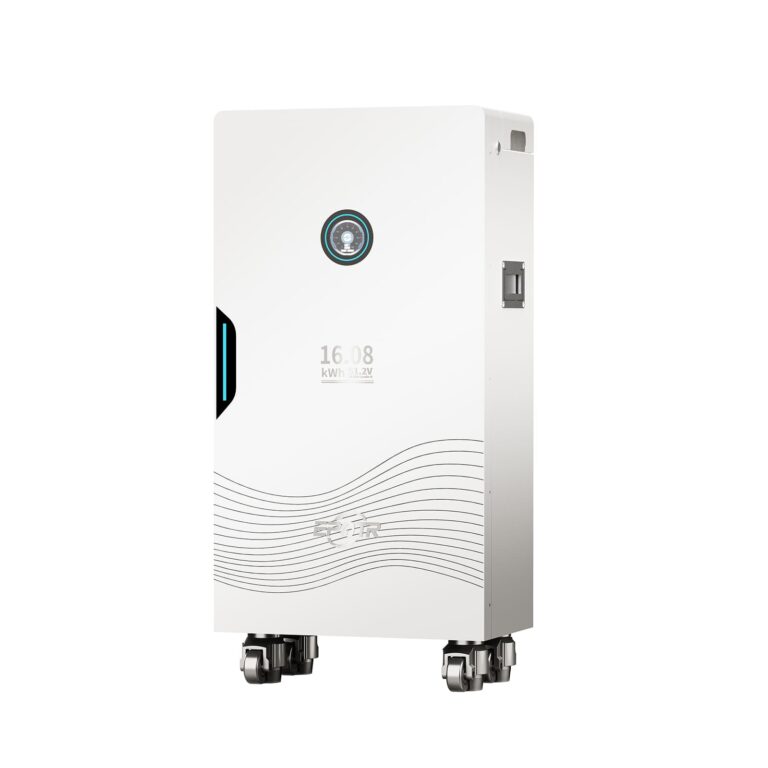
Untuk paket baterai rumah ESS-HV, data produk mencakup opsi energi total dari 10,44 kWh hingga 36,56 kWh, energi yang dapat digunakan dari 9,92 kWh hingga 34,73 kWh, hingga 8 rangkaian paralel, efisiensi baterai 95%, DOD maksimum yang direkomendasikan 95%, dan garansi 10 tahun. Hal ini memberi Anda dasar yang lebih kuat untuk perhitungan biaya jangka panjang daripada hanya memeriksa harga baterai.
Di mana posisi EP2 dalam proyek-proyek pulau yang lebih besar?
Untuk hotel kecil, pertanian, kelompok ritel di pulau, ruang pendingin, dan lokasi komersial ringan, sistem terpadu dapat mengurangi kompleksitas lokasi. EP2 SEMUA DI SATUAH SISTEM PENGORANAN ENERGI HIBRID Hal ini layak dimasukkan dalam artikel karena lebih sesuai dengan diskusi "penggantian diesel atau pengurangan diesel" daripada hanya baterai rumah biasa.
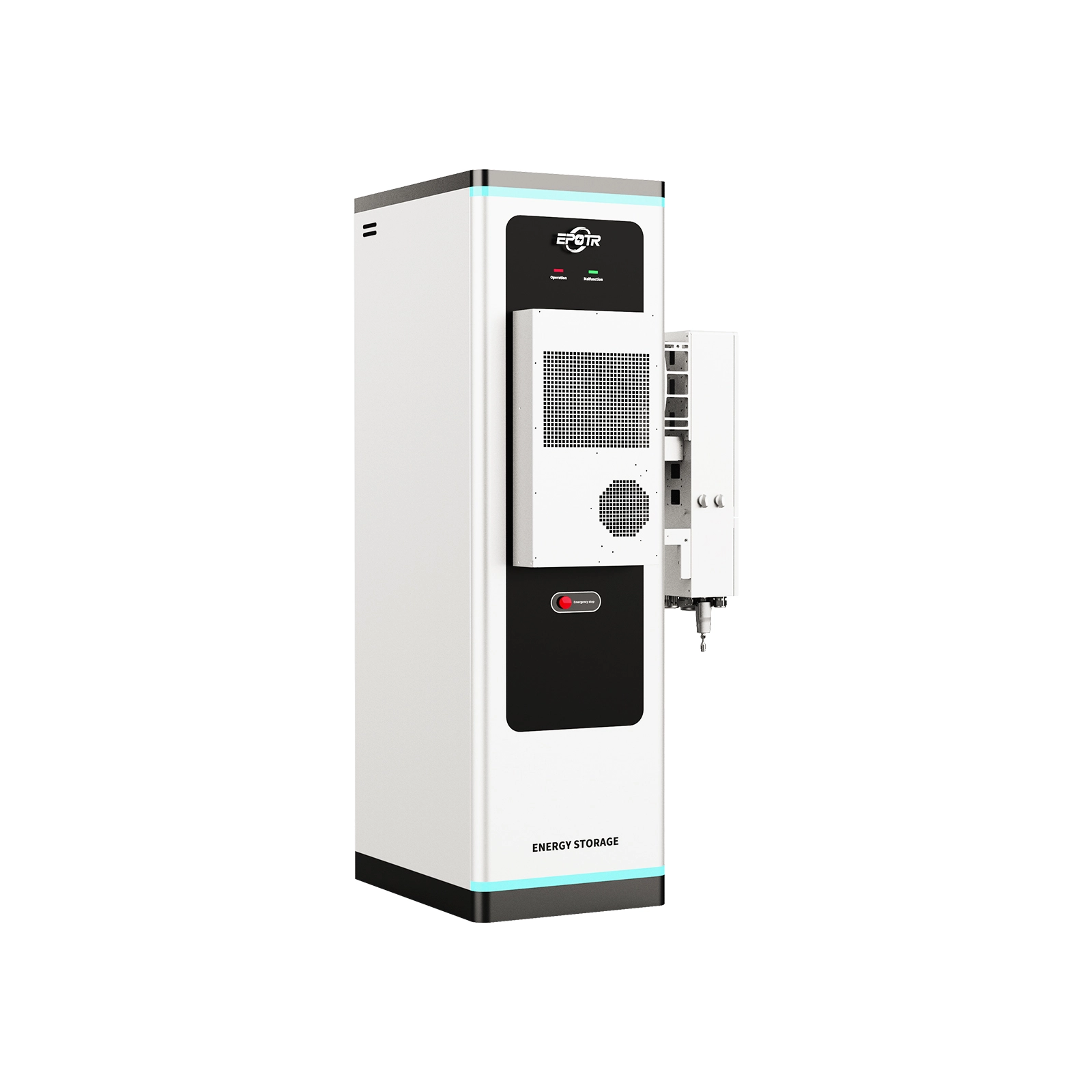
Sistem penyimpanan energi hibrida all-in-one dapat menggabungkan input PV, penyimpanan baterai, konversi daya, dan manajemen energi dalam satu solusi bergaya kabinet. Bagi pembeli proyek, itu berarti lebih sedikit kotak terpisah, konstruksi lokasi yang lebih sederhana, dan perawatan yang lebih mudah. Dalam proyek-proyek di pulau terpencil, lebih sedikit komponen juga berarti lebih sedikit kesalahan selama instalasi. Bagian itu tidak selalu tertulis dalam lembar spesifikasi, tetapi para pemasang mengetahuinya.
Mengapa Desain Baterai Modular Membantu Pedagang?
Arah pengembangan Baterai Modular yang baru ini juga bermanfaat bagi pedagang di pulau-pulau Filipina karena lebih hemat biaya dan membutuhkan lahan yang lebih sedikit. Toko kecil tidak selalu membutuhkan kabinet besar di hari pertama. Kafe, minimarket, stasiun air, atau penginapan mungkin membutuhkan kapasitas yang lebih kecil di awal, kemudian menambah kapasitas di kemudian hari seiring pertumbuhan bisnis.
Keunggulan baterai modular meliputi:
- Biaya awal yang lebih rendah untuk pedagang kecil dan menengah
- Ukuran lebih ringkas untuk ruang utilitas yang sempit.
- Lebih cocok untuk berbagai ukuran bisnis.
- Perencanaan kapasitas yang lebih mudah saat beban meningkat.
- Tekanan untuk berbelanja berlebihan pada pembelian pertama berkurang.
Bagi pembeli B2B, ini adalah nilai jual yang kuat. Ini membantu Anda menjual sistem yang sesuai dengan anggaran pelanggan saat ini, sekaligus memberikan ruang untuk ekspansi di masa mendatang.
Bagaimana dengan Proyek Komersial dan Mikrogrid yang Lebih Besar?
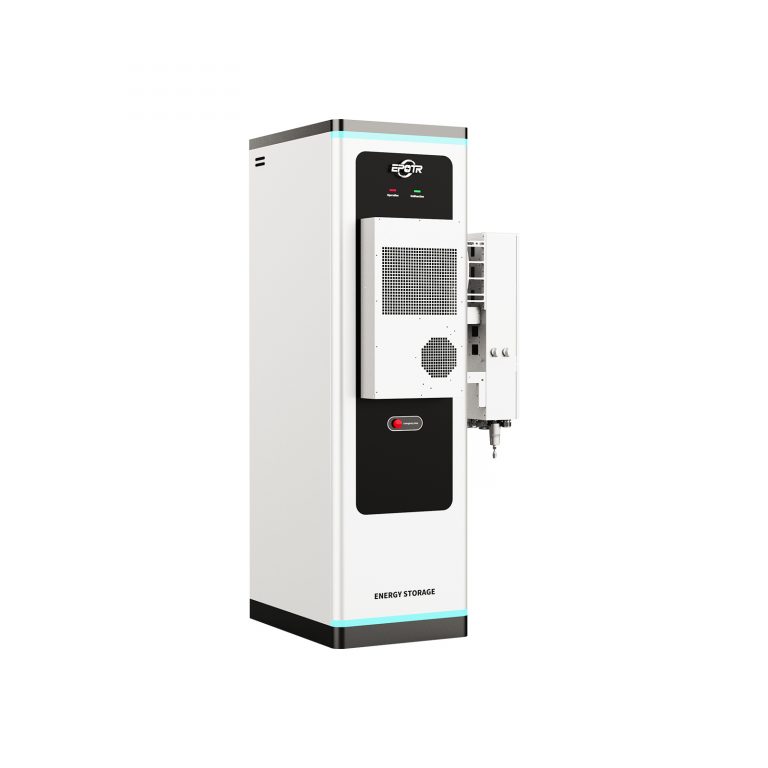
Untuk beban yang lebih besar, sistem harus dinilai berdasarkan kualitas daya, pengoperasian di luar jaringan, desain keselamatan, dan pemantauan. Beberapa solusi BESS (Battery Energy Storage System) untuk sektor komersial dan industri digunakan di daerah pegunungan terpencil, wilayah tanpa jaringan listrik, pulau-pulau, stasiun pangkalan komunikasi, dan lampu jalan. Sistem ini menggabungkan panel PV, inverter hibrida terintegrasi, dan penyimpanan energi baterai untuk menyimpan kelebihan listrik dan menciptakan sistem energi independen.
Sebagai contoh, sistem C&I 100,3 kWh dapat menawarkan energi yang dapat digunakan sebesar 90,2 kWh, daya terukur 50,1 kW, perlindungan IP55, pendinginan AC, komunikasi CAN, dan instalasi di atas tanah. Sistem yang lebih besar, 215,04 kWh, dapat menggunakan sel LFP 3,2V/280Ah, daya AC terukur 100 kW, daya keluaran maksimum 110 kW, efisiensi EPS maksimum 98%, komunikasi RS485/Ethernet, dan komponen proteksi kebakaran seperti detektor asap, detektor panas, sirene alarm, aerosol, dan sprinkler.
Apa yang Seharusnya Dibandingkan dengan Diesel pada Tingkat Ini?
Untuk proyek pulau yang lebih besar, bandingkan poin-poin berikut:
- Bisakah sistem tersebut menjalankan beban utama tanpa terhubung ke jaringan listrik?
- Bisakah alat ini terhubung dengan generator jika diperlukan?
- Apakah perangkat ini mendukung pemantauan jarak jauh?
- Apakah kapasitas baterainya cukup untuk penggunaan di malam hari?
- Apakah input PV (panel surya) mencukupi untuk pengisian daya di siang hari?
- Bisakah sistem ini menangani ketidakseimbangan tiga fasa?
- Seberapa banyak waktu penggunaan diesel dapat dipangkas setiap bulannya?
Argumen terkuat untuk penyimpanan energi surya bukanlah "jangan pernah menggunakan diesel." Argumen yang lebih kuat adalah "gunakan diesel jauh lebih sedikit dan gunakan dengan lebih cerdas." Itu lebih mudah dijual, lebih mudah dipercaya, dan biasanya lebih mudah dibiayai.
Bagaimana Seharusnya Pembeli Membuat Keputusan Akhir?
Keputusan praktis harus mempertimbangkan aspek biaya dan keandalan. Generator diesel masih memiliki nilai untuk cadangan darurat, penyebaran cepat, dan beban sementara yang besar. Penyimpanan energi surya menjadi lebih kuat ketika lokasi tersebut memiliki penggunaan energi harian, biaya pengiriman bahan bakar yang tinggi, sinar matahari yang baik, dan kebutuhan daya listrik yang tenang di malam hari.
Produk baterai EPOTR juga dirancang dengan mempertimbangkan kompatibilitas yang luas. Inverter-nya cocok dengan sebagian besar pemasok paket baterai, dan paket baterainya dirancang untuk bekerja dengan lebih dari 90% sistem inverter hibrida utama di pasar domestik. Bagi distributor dan pembeli EPC, kompatibilitas dapat menurunkan risiko proyek karena pencocokan produk seringkali menjadi titik kegagalan pada proyek-proyek kecil.
Untuk informasi latar belakang perusahaan lebih lanjut, Anda dapat mengunjungi Tentang EPOTRUntuk diskusi proyek, Hubungi EPOTR Halaman ini adalah langkah selanjutnya yang lebih baik, terutama ketika Anda membutuhkan saran ukuran untuk rumah di pulau, toko, resor, pertanian, atau lokasi komunikasi.
FAQ (Pertanyaan umum)
Q1: Apakah penyimpanan energi surya selalu lebih murah daripada generator diesel untuk proyek-proyek pulau di Filipina?
A: Tidak selalu pada hari pertama. Generator diesel seringkali memiliki biaya awal yang lebih rendah, tetapi penyimpanan energi surya dapat menurunkan biaya jangka panjang jika memperhitungkan pengiriman bahan bakar, perawatan, waktu kerja generator, dan kebutuhan daya di malam hari.
Q2: Haruskah generator diesel dihilangkan sepenuhnya?
A: Dalam banyak proyek di pulau-pulau, mempertahankan generator sebagai cadangan masih praktis. Tujuan yang lebih baik adalah mengurangi waktu kerja generator harian dengan menggunakan panel surya dan penyimpanan baterai untuk beban reguler.
Q3: Jenis baterai apa yang lebih baik untuk proyek penyimpanan energi surya di pulau?
A: Baterai LiFePO4 adalah pilihan yang tepat karena menawarkan keamanan yang baik, masa pakai siklus yang panjang, dan kinerja yang stabil. Beberapa opsi ESS mendukung 6000 siklus pada 90% DOD, yang membantu perencanaan biaya jangka panjang.
Q4: Mengapa desain baterai modular penting bagi pedagang kecil?
A: Desain baterai modular menurunkan biaya awal dan membutuhkan area lantai yang lebih kecil. Ini membantu toko kecil, kafe, wisma, dan pedagang lainnya untuk memulai dengan kapasitas yang sesuai dan menambahkannya di kemudian hari.
Q5: Apa hal pertama yang perlu dihitung sebelum memilih penyimpanan energi surya atau diesel?
A: Mulailah dengan penggunaan kWh harian, beban malam hari, beban puncak motor, jam cadangan, dan luas area PV yang tersedia. Angka-angka ini menentukan ukuran baterai, daya inverter, peran generator, dan biaya listrik seumur hidup pada akhirnya.