
वियतनाम के औद्योगिक पार्क हर साल बिजली की खपत बढ़ा रहे हैं। बाक निन्ह में इलेक्ट्रॉनिक्स संयंत्र, नाम दिन्ह में कपड़ा कारखाने, बिन्ह डुओंग में गोदाम और मेकांग डेल्टा में समुद्री भोजन प्रसंस्करण स्थल, सभी एक ही बात को लेकर चिंतित हैं: बिजली की आपूर्ति स्थिर रहनी चाहिए, चाहे ग्रिड पर कितना भी दबाव क्यों न हो। बिजली की एक छोटी सी कटौती उत्पादन लाइन को रोक सकती है। वोल्टेज में गिरावट से मोटर, कंप्रेसर, पंप और परीक्षण उपकरण प्रभावित हो सकते हैं। इसका नुकसान सिर्फ बिजली बिल तक ही सीमित नहीं है। इससे उत्पादन में कमी, ऑर्डर में देरी और कभी-कभी माल खराब होने जैसी समस्याएं भी होती हैं।
औद्योगिक पार्क मालिकों के लिए, रूफटॉप सोलर पहले से ही एक जाना-पहचाना विकल्प है। लेकिन केवल सोलर ही पीक आवर की लागत, रात की मांग या बैकअप पावर की समस्या का समाधान नहीं करता। बैटरी स्टोरेज पार्क को सोलर पावर स्टोर करने, लोड शिफ्ट करने, प्रमुख सर्किट को सपोर्ट करने और अधिक विश्वसनीय माइक्रोग्रिड बनाने का एक तरीका प्रदान करता है। स्मार्ट पावर सॉल्यूशंस पर केंद्रित एक एनर्जी स्टोरेज कंपनी के रूप में, ईपीओटीआर यह उन उपयोगकर्ताओं के लिए बैटरी, इन्वर्टर और C&I ESS उत्पाद प्रदान करता है जिन्हें सुरक्षित और अधिक लचीली ऊर्जा प्रणालियों की आवश्यकता होती है।
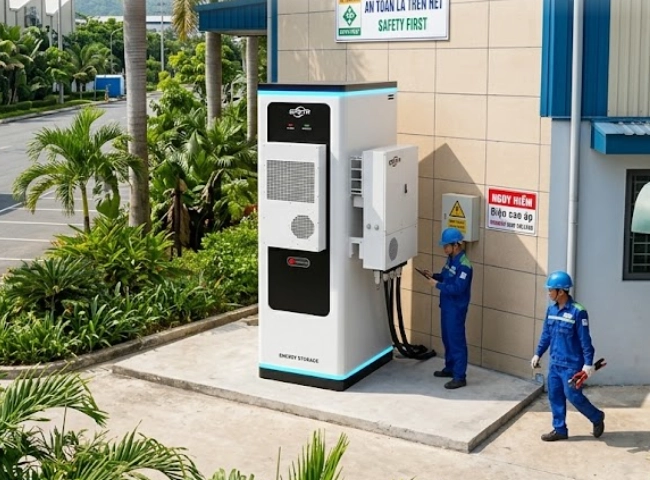
वियतनाम के औद्योगिक पार्कों को अधिक विश्वसनीय माइक्रोग्रिड की आवश्यकता क्यों है?
निर्यात विनिर्माण, रसद, डेटा सेवाओं और शीतलन कार्यों के कारण वियतनाम में बिजली की मांग लगातार बढ़ रही है। 2025 में, राष्ट्रीय बिजली मांग में 12.2% तक की वृद्धि का अनुमान है, और अधिकतम मांग लगभग 54,510 मेगावाट तक पहुंचने की उम्मीद है। यह आंकड़ा औद्योगिक पार्कों के लिए महत्वपूर्ण है क्योंकि गर्म मौसम, शाम की मांग या अधिक उत्पादन अवधि के दौरान ग्रिड पर अक्सर दबाव पड़ता है।
विनिर्माण किरायेदारों से उच्च शिखर भार
अधिकांश औद्योगिक पार्कों में एक सरल लोड वक्र नहीं होता है। एक पार्क में पैकेजिंग लाइनें, सीएनसी मशीनें, कोल्ड रूम, कंप्रेसर, प्रकाश व्यवस्था, कार्यालय, छात्रावास और चार्जिंग पॉइंट शामिल हो सकते हैं। जब कई किरायेदार एक ही समय में मशीनें चालू करते हैं, तो चरम मांग तेजी से बढ़ती है। इससे निम्नलिखित समस्याएं उत्पन्न हो सकती हैं:
- उच्च मांग शुल्क
- ट्रांसफार्मर तनाव
- वोल्टेज में उतार-चढ़ाव
- ग्रिड की कमी के दौरान अधिक जोखिम
- बिजली कटौती के दौरान डीजल जनरेटर का अधिक उपयोग
बैटरी स्टोरेज वाला माइक्रोग्रिड इस लोड के एक हिस्से को कम कर सकता है। बैटरी तब चार्ज होती है जब सौर ऊर्जा का उत्पादन अच्छा होता है या ग्रिड की कीमतें कम होती हैं। यह तब डिस्चार्ज होती है जब पार्क में बिजली की मांग अपने चरम पर पहुंच जाती है। यह सुनने में सरल लगता है, लेकिन दैनिक संचालन में यह बिजली व्यवस्था को काफी शांत बना सकता है।
उपयोग समय शुल्क भंडारण को अधिक मूल्यवान बनाते हैं
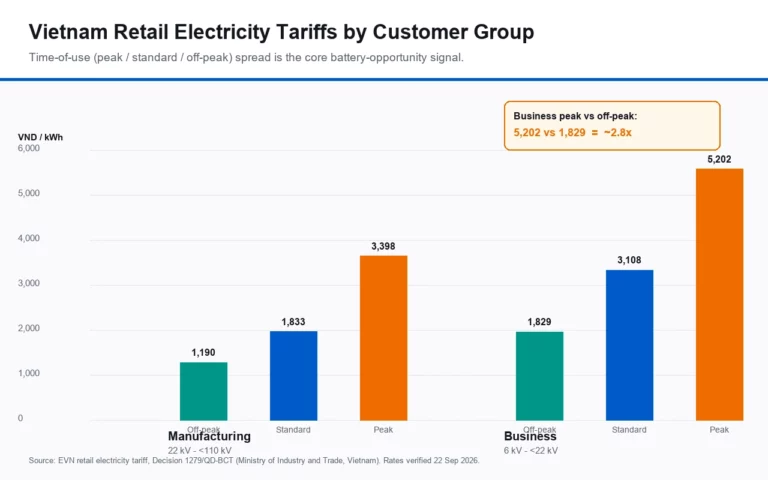
वियतनाम में विनिर्माण क्षेत्र में बिजली की दर पहले से ही स्पष्ट संकेत देती है। 22kV से 110kV से कम वोल्टेज वाले विनिर्माण उपयोगकर्ताओं के लिए, 2025 में ऑफ-पीक दर 1,190 VND/kWh है, जबकि पीक दर 3,398 VND/kWh है। यह एक बड़ा अंतर है। वाणिज्यिक उपयोगकर्ताओं के लिए, पीक दर इससे भी अधिक हो सकती है।
यहीं पर बैटरी स्टोरेज को पार्क प्रबंधकों को समझाना आसान हो जाता है। आप केवल एक बैकअप बॉक्स नहीं खरीद रहे हैं, बल्कि एक ऐसा उपकरण जोड़ रहे हैं जो कम लागत वाली ऊर्जा को स्टोर कर सकता है और व्यस्त समय के दौरान उसे उपयोग में ला सकता है। एक अच्छे प्रोजेक्ट के लिए वास्तविक लोड डेटा की आवश्यकता होती है, लेकिन खरीदारों के लिए इसका तर्क काफी स्पष्ट है।
बैटरी स्टोरेज किस प्रकार रूफटॉप सोलर पैनल को माइक्रोग्रिड एसेट में बदल देता है?
वियतनाम के औद्योगिक पार्कों में रूफटॉप सोलर काफ़ी लोकप्रिय है क्योंकि कई कारखानों और गोदामों की छतें विशाल हैं। लेकिन सोलर ऊर्जा का उत्पादन सूर्य की दिशा के अनुसार होता है, न कि आपकी उत्पादन योजना के अनुसार। बैटरी स्टोरेज सोलर ऊर्जा उत्पादन को कारखानों की मांग से अधिक उपयोगी तरीके से जोड़ने में मदद करता है।
व्यस्त समय के दौरान सौर ऊर्जा का स्व-उपयोग
भंडारण के बिना, अतिरिक्त सौर ऊर्जा किरायेदार की ज़रूरतों के हिसाब से सही समय पर उपलब्ध नहीं हो पाएगी। बैटरी दिन के समय उत्पन्न ऊर्जा का कुछ हिस्सा संग्रहित करती है और बाद में उसे कारखानों की ज़रूरतों के लिए भेजती है। इससे सौर ऊर्जा के स्व-उपयोग की दर बढ़ सकती है और व्यस्त समय में ग्रिड से बिजली खरीदने की आवश्यकता कम हो सकती है।
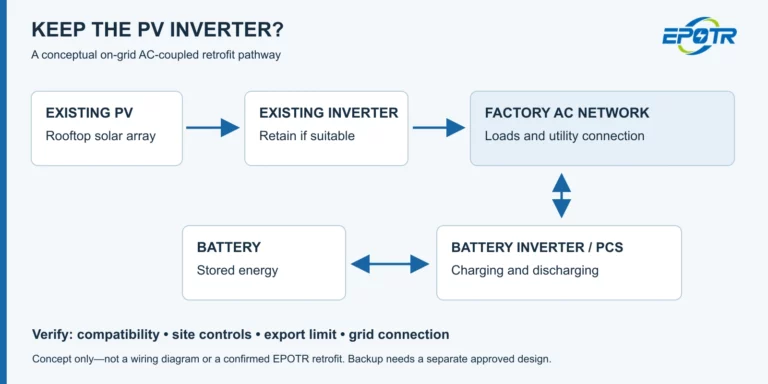
एक व्यावहारिक माइक्रोग्रिड में आमतौर पर निम्नलिखित शामिल होते हैं:
- कारखाने या गोदाम की छतों पर लगे सौर ऊर्जा मॉड्यूल
- एक हाइब्रिड इन्वर्टर या पीसीएस
- एलएफपी बैटरी भंडारण
- ईएमएस नियंत्रण
- ग्रिड कनेक्शन
- वैकल्पिक डीजल जनरेटर इनपुट
- ऑपरेशन टीमों के लिए रिमोट मॉनिटरिंग
उद्योग जगत के ज्ञान भंडार से एक बात स्पष्ट होती है: सौर ऊर्जा और ऊर्जा भंडारण का संयोजन संचरण पर दबाव कम कर सकता है, नवीकरणीय ऊर्जा उत्पादन को सुचारू बना सकता है और ग्रिड पर निर्भरता घटा सकता है। वियतनाम के औद्योगिक पार्कों के लिए यह सिर्फ एक नारा नहीं है। यह कारखानों द्वारा बिजली के वास्तविक उपयोग के अनुरूप है।
महत्वपूर्ण लोड के लिए बैकअप पावर
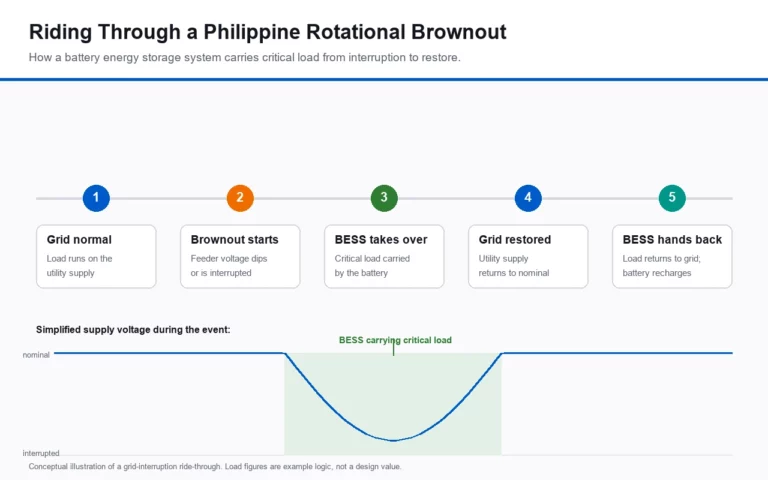
हर लोड के लिए बैटरी बैकअप ज़रूरी नहीं होता। स्मार्ट डिज़ाइन सबसे ज़रूरी लोड्स की सुरक्षा करता है। किसी सीफ़ूड प्लांट के लिए, ये कोल्ड स्टोरेज और कंट्रोल सिस्टम हो सकते हैं। किसी इलेक्ट्रॉनिक्स कंपनी के लिए, ये टेस्टिंग इक्विपमेंट, क्लीनरूम सपोर्ट और आईटी कैबिनेट हो सकते हैं। किसी वेयरहाउस के लिए, ये लाइटिंग, सिक्योरिटी, गेट और फायर सिस्टम हो सकते हैं।
बैटरी स्टोरेज से जनरेटर का रनटाइम भी कम हो सकता है। डीजल जनरेटर अभी भी महत्वपूर्ण हैं, लेकिन ईंधन की लागत, शोर, रखरखाव और उत्सर्जन जैसी समस्याएं छोटी नहीं हैं। कई जगहों पर, सौर ऊर्जा, बैटरी और जनरेटर का संयोजन अधिक स्वच्छ डिजाइन है, जिसमें जनरेटर का उपयोग कम होता है।
EP2 ऑल-इन-वन हाइब्रिड एनर्जी स्टोरेज सिस्टम औद्योगिक पार्क परियोजनाओं के लिए क्यों उपयुक्त है?
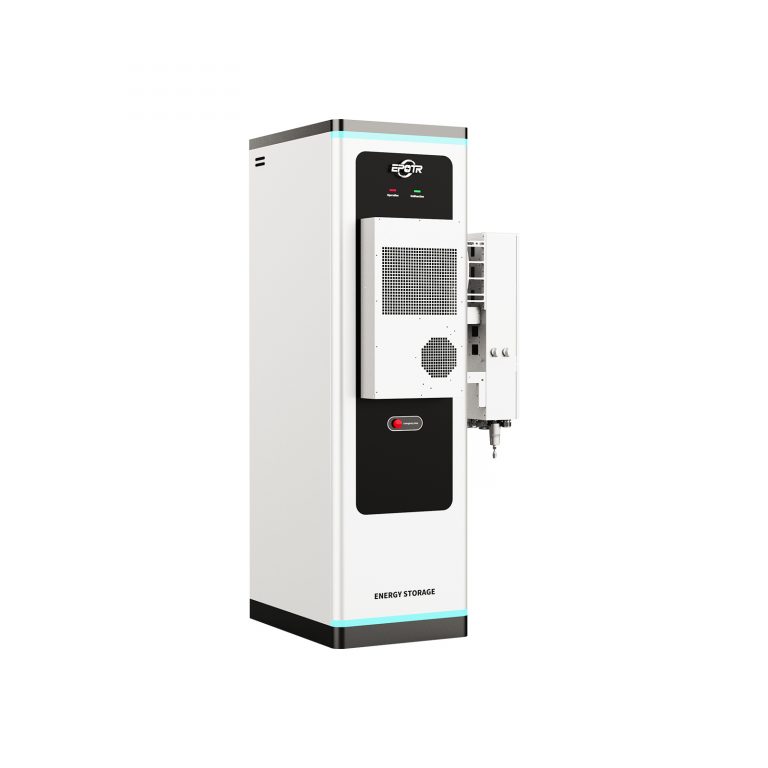
पार्क मालिकों और ईपीसी टीमों के लिए, मुश्किल काम केवल बैटरी क्षमता का चयन करना ही नहीं है। उन्हें एक ऐसी प्रणाली की भी आवश्यकता है जो स्थापित करने, निगरानी करने, सुरक्षा प्रदान करने और विस्तार करने में आसान हो। EP2 एक हाइब्रिड ऊर्जा भंडारण प्रणाली में सभी यह C&I माइक्रोग्रिड परियोजनाओं के लिए उपयुक्त है क्योंकि यह इन्वर्टर, बैटरी, नियंत्रण और सुरक्षा कार्यों को एक कॉम्पैक्ट ऊर्जा भंडारण प्रणाली में एकीकृत करता है।
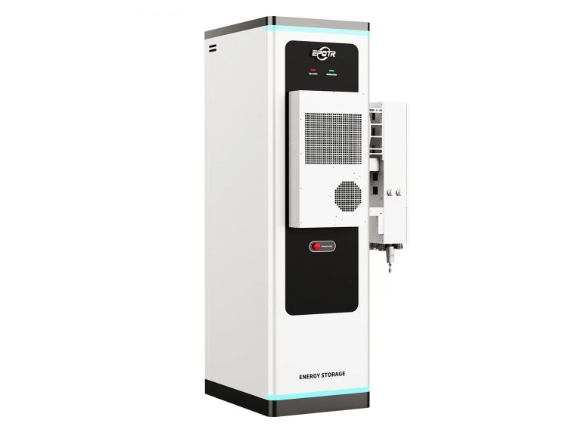
सी&आई ऊर्जा शेड्यूलिंग के लिए उपयोगी क्षमता
EP2 सिस्टम को C&I उपयोग को ध्यान में रखकर डिज़ाइन किया गया है। इसका 50kW हाइब्रिड इन्वर्टर प्लेटफॉर्म मध्यम पावर लोड को सपोर्ट कर सकता है, और 209kWh और 241.15kWh सहित बैटरी क्षमता के विकल्प कई छोटे और मध्यम आकार के औद्योगिक पार्क अनुप्रयोगों के लिए उपयुक्त हैं। एक इकाई एक वर्कशॉप, एक वेयरहाउस ज़ोन या एक साझा सेवा क्षेत्र को सपोर्ट कर सकती है। पार्क के विस्तार के समय कई इकाइयों की योजना बनाई जा सकती है।
दैनिक संचालन के लिए, खरीदार आमतौर पर सरल प्रश्नों पर ध्यान देते हैं:
- यह सिस्टम पीक लोड में कितनी कटौती कर सकता है?
- यह मुख्य सर्किटों को कितने घंटे तक सपोर्ट कर सकता है?
- क्या यह रूफटॉप सोलर पैनल के साथ काम कर सकता है?
- क्या इसे जनरेटर से जोड़ा जा सकता है?
- क्या ऑपरेशन टीम दूर से डेटा की जांच कर सकती है?
- क्या यह प्रणाली गर्म और आर्द्र बाजार के लिए पर्याप्त रूप से सुरक्षित है?
EP2, C&I ऊर्जा भंडारण डिजाइन, LiFePO4 बैटरी रसायन विज्ञान, हाइब्रिड पावर रूपांतरण और स्मार्ट ऊर्जा प्रबंधन के माध्यम से इन चिंताओं का समाधान करता है।
बेहतर बिजली संबंधी निर्णय लेने के लिए ईएमएस नियंत्रण
माइक्रोग्रिड केवल हार्डवेयर नहीं है। ईएमएस वह हिस्सा है जो यह तय करता है कि कब चार्ज करना है, कब डिस्चार्ज करना है और साइट की मांग के अनुसार कैसे प्रतिक्रिया देनी है। EP2 टाइम ऑफ यूज़, सेल्फ कंजम्पशन, माइक्रोग्रिड कंट्रोल, डिमांड रिस्पॉन्स और रिमोट कंट्रोल जैसे ऑपरेटिंग मोड को सपोर्ट करता है। इससे उपयोगकर्ता बैटरी को एक ही निश्चित तरीके से चलाने के बजाय विभिन्न लक्ष्यों को पूरा कर सकता है।
उदाहरण के लिए, बिन्ह डुओंग में धूप वाले कामकाजी दिन में, यह सिस्टम छत पर लगे सौर ऊर्जा के एक हिस्से को संग्रहित कर सकता है। पीक टैरिफ घंटों के दौरान, यह गोदामों की कूलिंग और लाइटिंग के लिए ऊर्जा प्रदान कर सकता है। रात में, यदि पार्क को बैकअप की आवश्यकता हो, तो यह चुनिंदा लोड्स को चालू रख सकता है। यह साइट मैनेजर के लिए काफी सरल है, लेकिन फिर भी ईपीसी टीम के लिए डिजाइन तैयार करने के लिए पर्याप्त तकनीकी है।
मॉड्यूलर बैटरी उत्पाद औद्योगिक पार्कों के भीतर छोटे व्यापारियों की कैसे मदद करते हैं?
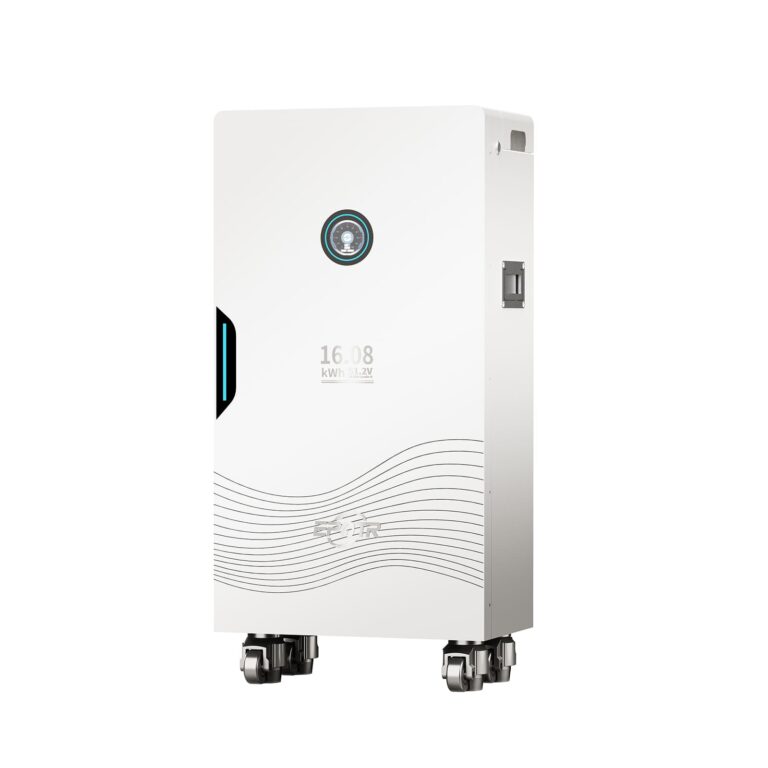
वियतनाम के औद्योगिक पार्क में हर किरायेदार को शुरुआत में 200 किलोवाट-घंटे की क्षमता वाले कैबिनेट की आवश्यकता नहीं होती है। एक छोटी कार्यशाला, कैंटीन, सेवा कार्यालय, खुदरा गोदाम या मरम्मत केंद्र को कम लागत वाले विकल्प की आवश्यकता हो सकती है। यही कारण है कि मॉड्यूलर बैटरी डिज़ाइन महत्वपूर्ण है।
कम लागत और कम जगह घेरने वाला
मॉड्यूलर बैटरी का नया मॉडल विभिन्न आकार के व्यापारियों के लिए उपयोगी है क्योंकि इसकी लागत अपेक्षाकृत कम है और यह कम जगह घेरता है। छोटे उपयोगकर्ताओं के लिए यह बहुत मायने रखता है। औद्योगिक पार्कों में किराए पर उपलब्ध जगह मुफ्त नहीं होती, और कई किरायेदारों के पास बड़े बैटरी कैबिनेट के लिए अतिरिक्त जगह नहीं होती।
मॉड्यूलर बैटरी सेटअप उपयोगकर्ताओं को एक छोटे सिस्टम से शुरुआत करने और बाद में क्षमता बढ़ाने की सुविधा देता है। साथ ही, इसे ले जाना, स्थापित करना और रखरखाव करना भी आसान है। इसका लाभ दिखावटी नहीं है, लेकिन वास्तविक रूप से बहुत महत्वपूर्ण है: कम प्रारंभिक निवेश, कम जगह की आवश्यकता और मिश्रित किरायेदार वाले पार्कों के लिए बेहतर उपयुक्तता।
बैटरी की अनुकूलता से मिलान संबंधी समस्याएँ कम हो जाती हैं
EPOTR बैटरी पैक व्यापक अनुकूलता के लिए डिज़ाइन किए गए हैं। ये चीन में प्रचलित अधिकांश हाइब्रिड इन्वर्टर सिस्टम के साथ काम कर सकते हैं, जिससे EPC टीमों को परियोजना डिज़ाइन के दौरान मिलान संबंधी समस्याओं को कम करने में मदद मिलती है। औद्योगिक पार्क परियोजनाओं के लिए यह उपयोगी है क्योंकि किरायेदारों के पास पहले से ही अलग-अलग इन्वर्टर और सौर प्रणाली सेटअप हो सकते हैं।
इससे वितरकों को अधिक लचीलापन भी मिलता है। वियतनाम, इंडोनेशिया, फिलीपींस या मलेशिया में सेवा देने वाला वितरक हर खरीदार को एक ही सिस्टम में धकेलने के बजाय विभिन्न आकार की साइटों को सपोर्ट कर सकता है।
दक्षिणपूर्व एशिया में माइक्रोग्रिड नियोजन में ऑफ ग्रिड इनवर्टर की क्या भूमिका है?
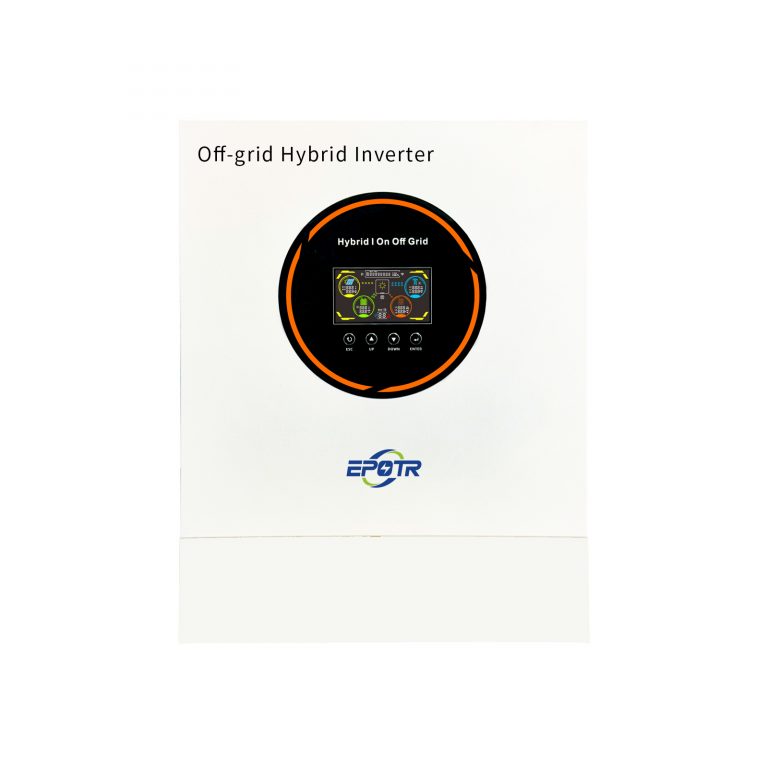
औद्योगिक पार्क के माइक्रोग्रिड अक्सर ग्रिड से जुड़े होते हैं। फिर भी, ऑफ-ग्रिड इन्वर्टर उत्पादों का दक्षिण-पूर्व एशिया में, विशेष रूप से द्वीपों, दूरस्थ सेवा क्षेत्रों, श्रमिक आवासों, खेतों, दूरसंचार साइटों और छोटे व्यवसाय समूहों के लिए अपना महत्व है।
आवासीय और छोटे स्थानों के उपयोग के लिए इंडोर IP20 डिज़ाइन
EPOTR ऑफ ग्रिड इनवर्टर IP20 सुरक्षा वाले इनडोर यूनिट हैं। ये दीवार पर लगाए जाने वाले आवासीय उत्पाद हैं, इसलिए इन्हें बाहर खुले में लगाने के बजाय किसी उपयुक्त कमरे के अंदर लगाना चाहिए। इस प्रकार का उत्पाद दक्षिण पूर्व एशियाई देशों के लिए उपयुक्त है, जिनमें कई द्वीप और कमजोर ग्रिड क्षेत्र हैं, विशेष रूप से इंडोनेशिया, फिलीपींस और मलेशिया।
EPOTR बैटरी पैक और PV पैनलों के साथ मिलकर, ये ऑफ-ग्रिड इनवर्टर एक स्वतंत्र सौर ऊर्जा भंडारण माइक्रोग्रिड बना सकते हैं। यह सिस्टम रोशनी, पंखे, संचार, छोटे उपकरण, पंप या अन्य आवश्यक लोड को सपोर्ट कर सकता है। यह किसी बड़े औद्योगिक पार्क के C&I कैबिनेट से अलग है, और परियोजना योजना बनाते समय इस अंतर को स्पष्ट रूप से समझना चाहिए।
दूरस्थ लोड के लिए सौर ऊर्जा भंडारण माइक्रोग्रिड
दूरस्थ भारों के लिए, सामान्य डिज़ाइन व्यावहारिक है:
- सौर पैनल दिन के समय बिजली उत्पन्न करते हैं।
- इन्वर्टर बिजली को परिवर्तित और प्रबंधित करता है।
- बैटरी पैक रात के उपयोग के लिए बिजली संग्रहित करते हैं।
- आवश्यकतानुसार जनरेटर या यूटिलिटी इनपुट जोड़ा जा सकता है।
- लोड को स्थिर एसी पावर मिलती है
यह व्यवस्था तब उपयोगी होती है जब ग्रिड की पहुँच कमजोर हो या उसका विस्तार करना महंगा हो। इससे डीजल पर निर्भरता भी कम होती है, जो द्वीपीय बाजारों में एक आम चिंता का विषय है।
वियतनाम के औद्योगिक पार्क के लिए बैटरी माइक्रोग्रिड की योजना कैसे बनाएं
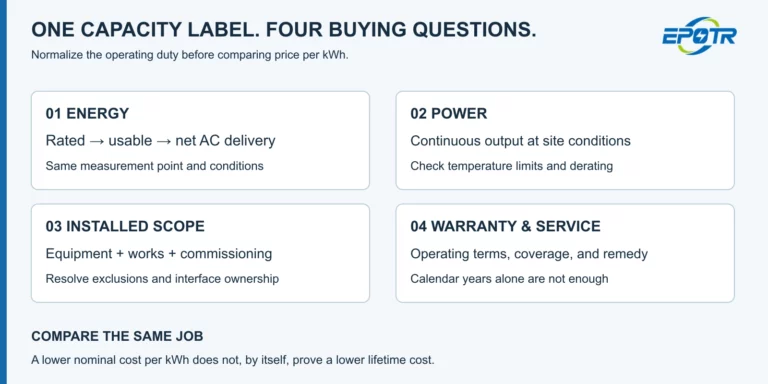
उपकरण चुनने से पहले, आपको एक स्पष्ट पावर प्रोफाइल की आवश्यकता होती है। एक अच्छा आपूर्तिकर्ता लोड डेटा, टैरिफ अवधि, छत का क्षेत्रफल, बैकअप लोड सूची, जनरेटर का आकार और उपलब्ध स्थापना स्थान के बारे में जानकारी मांगेगा। यह प्रारंभिक कार्य बाद में कई परेशानियों से बचाता है।
वास्तविक लोड डेटा से शुरुआत करें
वियतनाम के औद्योगिक पार्क के लिए, कम से कम ये वस्तुएँ एकत्र करें:
- 15 मिनट या प्रति घंटा लोड डेटा
- महीने के हिसाब से अधिकतम मांग
- दिन और रात के भार में अंतर
- महत्वपूर्ण भार सूची
- मौजूदा ट्रांसफार्मर क्षमता
- छत पर सौर ऊर्जा की क्षमता
- जनरेटर की स्थिति
- आउटेज इतिहास
- किरायेदारों के नियोजित विस्तार
फिर सिस्टम के आकार को साइट के अनुसार निर्धारित करें। एक सर्विस ज़ोन के लिए 209kWh या 241.15kWh का C&I सिस्टम पर्याप्त हो सकता है, लेकिन पूरे पार्क के लिए कई कैबिनेट या बड़े डिज़ाइन की आवश्यकता हो सकती है। छोटे व्यापारी मॉड्यूलर बैटरी उत्पादों से शुरुआत कर सकते हैं। दूरस्थ या द्वीप-शैली के लोड के लिए बैटरी पैक के साथ इनडोर IP20 ऑफ-ग्रिड इनवर्टर का उपयोग किया जा सकता है।
ऐसे आपूर्तिकर्ता का चयन करें जो सिस्टम डिज़ाइन में सहायता कर सके।
माइक्रोग्रिड एक दीर्घकालिक निवेश है, न कि एक बार का खर्च। इसके लिए सुरक्षित बैटरी केमिस्ट्री, बीएमएस सुरक्षा, ईएमएस कार्यक्षमता, इन्वर्टर मिलान और बिक्री के बाद सहायता की आवश्यकता होती है। ईपीओटीआर का व्यवसाय बैटरी निर्माण, फोटोवोल्टिक उपकरण, पावर इलेक्ट्रॉनिक्स, स्मार्ट वितरण और नियंत्रण उपकरण, सॉफ्टवेयर विकास, आईओटी प्रौद्योगिकी सेवाएं और सौर ऊर्जा तकनीकी सेवाएं प्रदान करता है। यह अनुभव तब उपयोगी होता है जब परियोजना में एक से अधिक उपकरण शामिल हों।
आप परियोजना दिशा-निर्देशों की अधिक समीक्षा कर सकते हैं। ईपीओटीआर समाधान या कंपनी की पृष्ठभूमि की जांच करें ईपीओटीआर हमारे बारे मेंपरियोजना के आकार निर्धारण, कोटेशन या वितरक सहयोग के लिए, ईपीओटीआर हमसे संपर्क करें अगला चरण सीधे तौर पर उसी पेज पर आधारित है।
सामान्य प्रश्न
प्रश्न 1: वियतनाम के औद्योगिक पार्कों को माइक्रोग्रिड के लिए बैटरी स्टोरेज की आवश्यकता क्यों है?
ए: वियतनाम के औद्योगिक पार्कों को बैटरी स्टोरेज की आवश्यकता है क्योंकि उत्पादन भार बढ़ रहा है, व्यस्त समय में बिजली की खपत अधिक होती है और ग्रिड पर दबाव कारखानों के संचालन को प्रभावित कर सकता है। बैटरी स्टोरेज ऊर्जा को स्थानांतरित करने, महत्वपूर्ण भारों को संभालने, सौर ऊर्जा की आत्मनिर्भरता बढ़ाने और जनरेटर के उपयोग को कम करने में सहायक है।
प्रश्न 2: क्या केवल रूफटॉप सोलर पैनल से ही एक विश्वसनीय औद्योगिक पार्क माइक्रोग्रिड का निर्माण किया जा सकता है?
ए: छत पर सौर पैनल लगाना उपयोगी है, लेकिन यह रात के समय की बिजली की खपत, बादल वाले मौसम, अधिकतम बिजली आपूर्ति के समय या बिजली कटौती की स्थिति में पूरी तरह से काम नहीं कर सकता। बैटरी सिस्टम सौर ऊर्जा को संग्रहित करता है और पार्क को बिजली की सबसे अधिक आवश्यकता होने पर उसे छोड़ता है।
प्रश्न 3: छोटे या मध्यम आकार के औद्योगिक पार्क क्षेत्र के लिए किस आकार की बैटरी भंडारण प्रणाली उपयुक्त है?
ए: सही आकार लोड डेटा और बैकअप आवश्यकताओं पर निर्भर करता है। कई C&I ज़ोन के लिए, लगभग 200kWh का सिस्टम पीक शेविंग और चयनित बैकअप लोड को सपोर्ट कर सकता है। EP2 सिस्टम 209kWh और 241.15kWh के विकल्प प्रदान करता है, जो कई मध्यम आकार के अनुप्रयोगों के लिए उपयुक्त हैं।
Q4: क्या IP20 ऑफ ग्रिड इन्वर्टर बाहरी औद्योगिक पार्क उपयोग के लिए उपयुक्त हैं?
ए: आईपी20 ऑफ ग्रिड इन्वर्टर इनडोर दीवार पर लगाए जाने वाले उत्पाद हैं। ये आवासीय, छोटे परिसर, द्वीप या इनडोर उपकरण कक्ष में उपयोग के लिए बेहतर हैं। बाहरी C&I परियोजनाओं के लिए उपयुक्त कैबिनेट सुरक्षा और स्थापना डिज़ाइन वाले उपकरणों का उपयोग किया जाना चाहिए।
प्रश्न 5: मॉड्यूलर बैटरी उत्पादों से छोटे व्यापारी कैसे लाभ उठा सकते हैं?
ए: छोटे व्यापारी कम क्षमता और कम लागत से शुरुआत कर सकते हैं। मॉड्यूलर बैटरी उत्पाद कम जगह घेरते हैं और उपयोगकर्ताओं को धीरे-धीरे भंडारण क्षमता बढ़ाने में मदद करते हैं। यह छोटे वर्कशॉप, सर्विस स्टोर, गोदाम, कार्यालय और मिश्रित उपयोग वाले परिसरों के लिए उपयुक्त है।