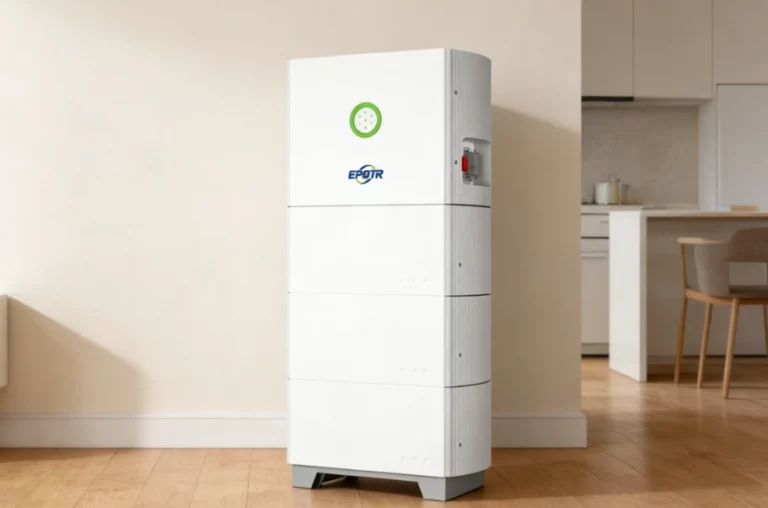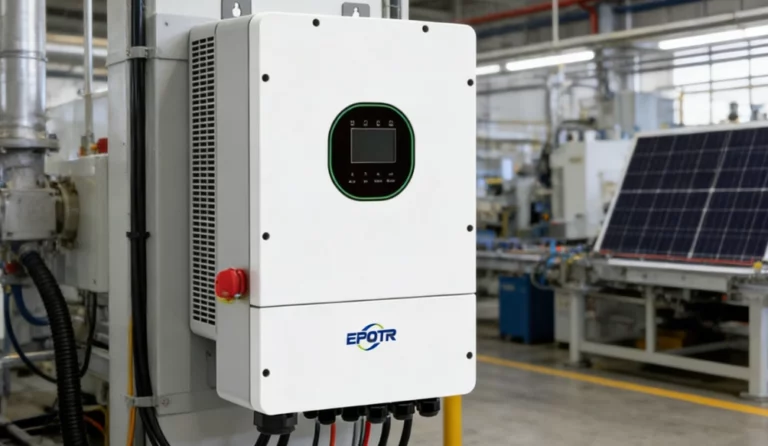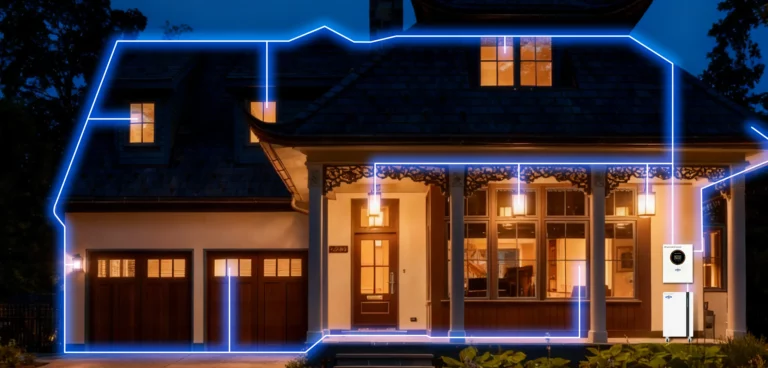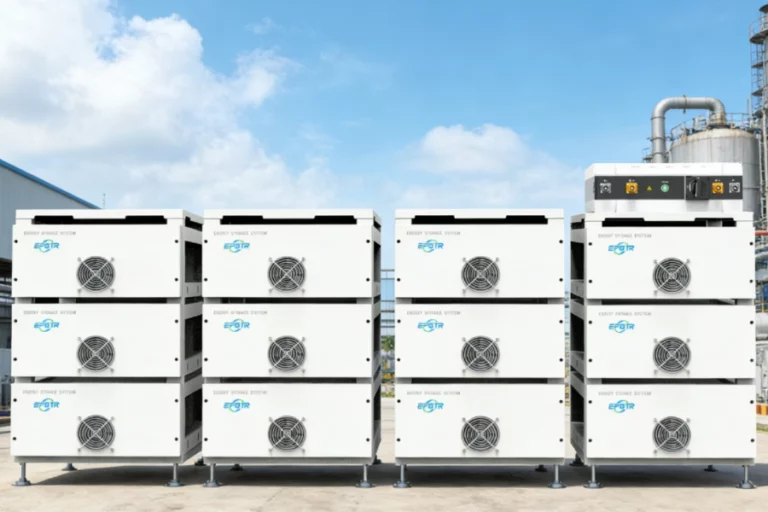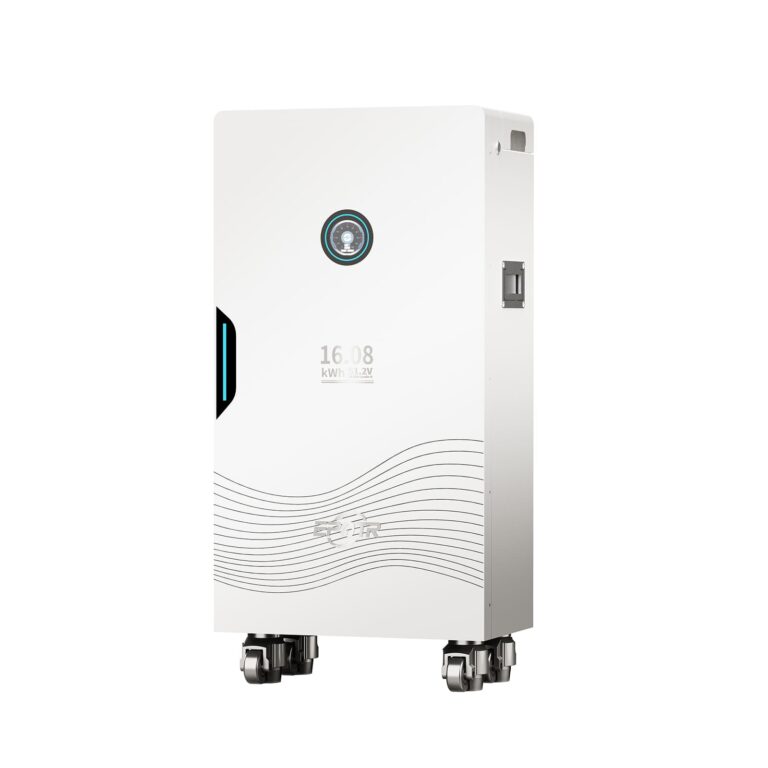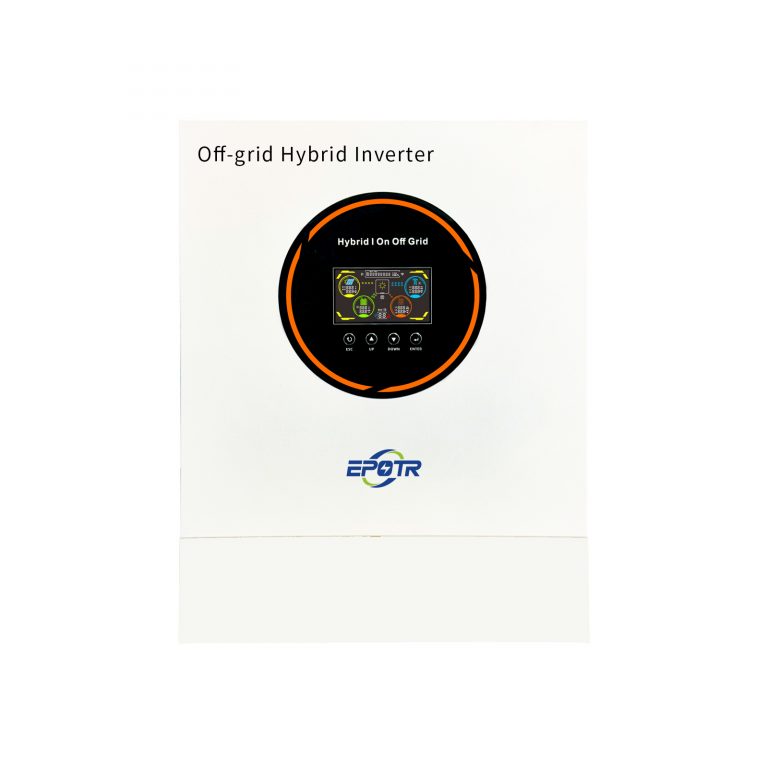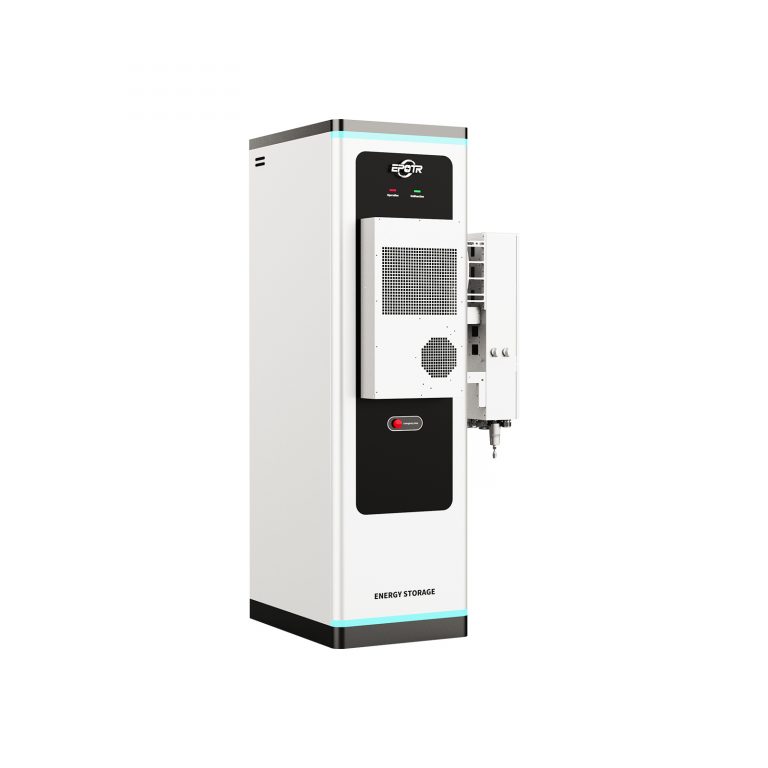

Seeking energy autonomy in 2026 typically involves dealing with distinct inverters, cluttered cables, and incompatible battery standards. Still, a more intelligent option prevails. EPOTR has risen as a leader in energy refinement, advancing past mere production to craft genuine sustainable energy frameworks. Headquartered in Dongguan, the company merges sophisticated power electronics with practical knowledge of electrical patterns in households or plants. If cutting emissions or maintaining power amid grid disruptions is required, their solutions link basic equipment to smart functionality. Ultimately, renewable energy operates smoothly without persistent technical issues.
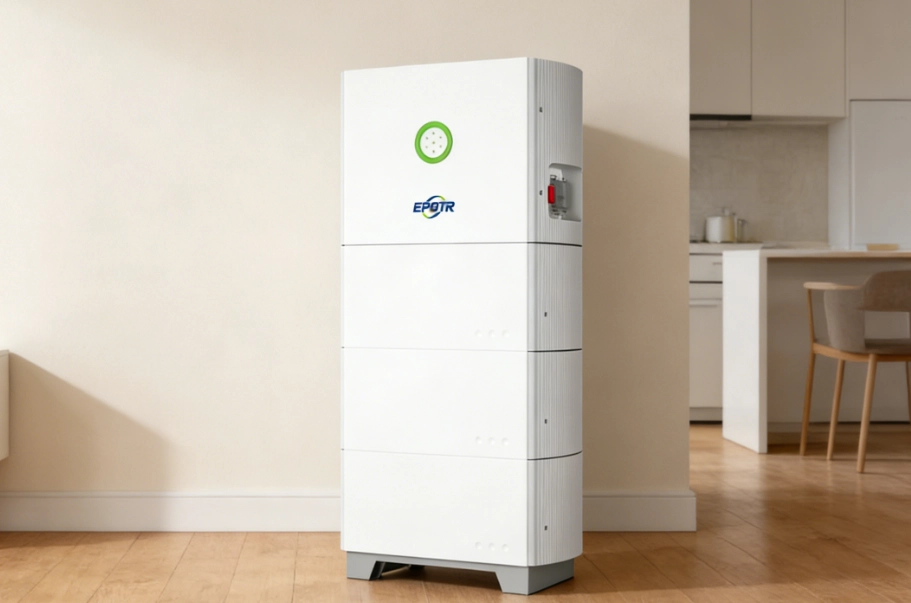
Why Is All-In-One Technology Reforming Vietnam’s Residential Energy Landscape?
Vietnam’s power environment changes swiftly. Under Power Development Plan 8 (PDP8), expanded rooftop solar gains emphasis, rendering separate battery and inverter purchases risky. Urban centers like Ho Chi Minh or Hanoi face space constraints, while humid tropics degrade exposed devices. A unified system resolves these issues by housing all parts in a sturdy, validated container.
Rising Electricity Demand in Urban Hubs
Quick industrial progress and rising domestic cooling usage strain regional grids. Efficient systems, therefore, permit storing inexpensive solar power by day and applying it when EVN grid rates rise at night. This approach aligns supply with demand effectively.
Supportive Net-Zero Policies and Incentives
Official directives shift toward on-site consumption instead of grid sales. Consequently, all-in-one configurations retain more photovoltaic output, since they avoid energy dissipation in outdated, disjointed setups. Such designs support regulatory aims.
Seamless Integration of Critical Components
A single device replaces various instructions and connections, allowing battery and inverter to communicate flawlessly. This unity lowers chances of protocol faults that disable fragmented systems. As a result, dependability strengthens.
How Does the DC-Coupled Architecture Minimize Energy Loss?
Efficiency’s key aspect often resides in power routes from panels to devices. Legacy systems convert DC to AC, then back for battery storage, losing output as heat per step. Contemporary DC-coupled structures preserve DC format extendedly, thus reducing waste.
Fewer Power Conversion Stages
Connecting panels straight to batteries via DC bus omits extra phases. This route elevates efficiency by 3% to 5% over prior AC-coupled types. Hence, usable energy increases.
Enhanced Round-Trip Efficiency Rates
Superior lithium iron phosphate (LiFePO4) cells, featured in the EP2 Three Phase All In One Solution, deliver round-trip rates above 95%. From 100 watts entered, at least 95 watts return. This performance ensures optimal retention.
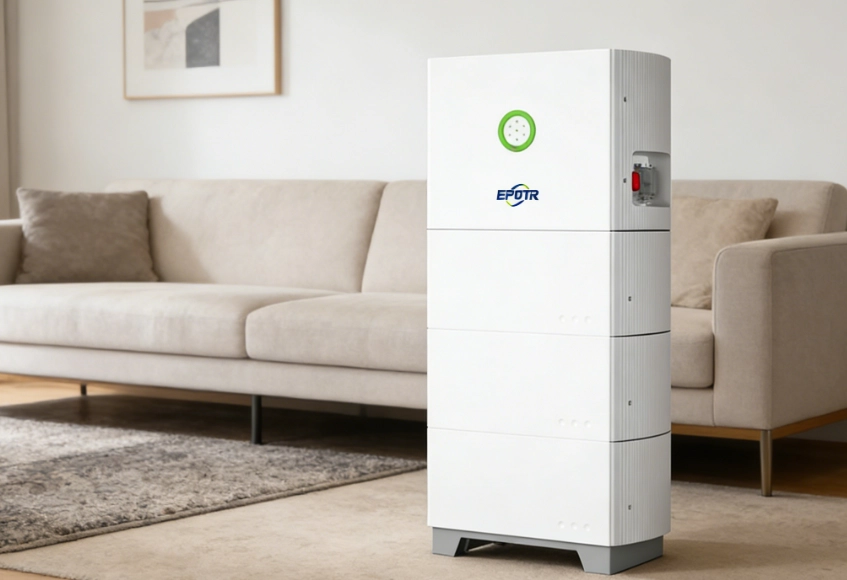
Optimized Thermal Management Systems
Humid zones challenge electronic components harshly. Refined systems employ natural cooling and quality dissipators to sustain steady internals. Absent these, inverters limit output for safety, squandering capacity. Therefore, control maintains full potential.
What Makes the EP2 Solution the Most Efficient Choice?
Deciding single-phase versus three-phase once troubled residents. Recent modular options adapt to grid needs with compact designs. Beyond storage, these act as central controllers for residential energy paths.
EP2 Single Phase for Standard Households
Tailored for ordinary homes, this unit processes solar feed and storage cohesively. As a Single Phase All In One solution, it enables rapid setup in limited areas. Its simplicity aids practical use.
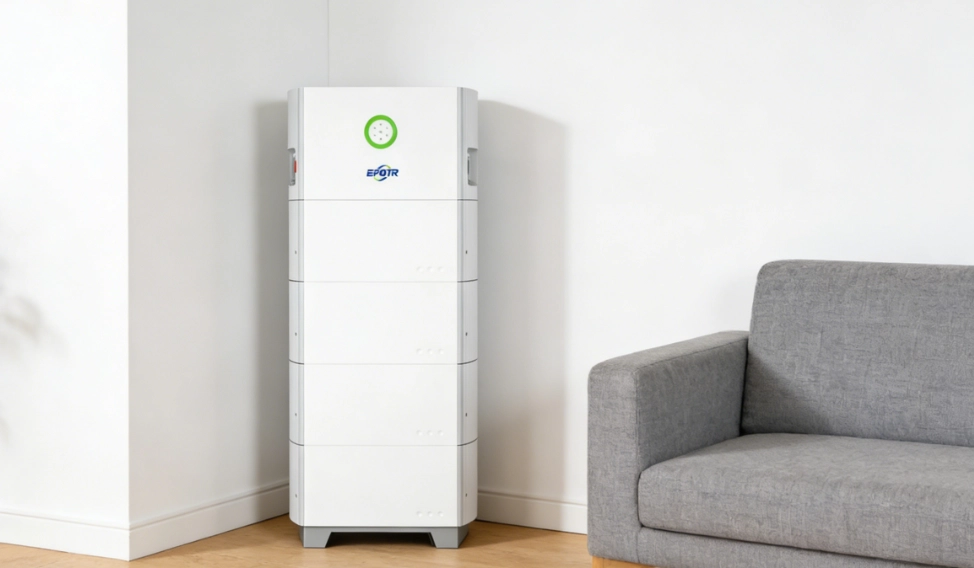
EP2 Three Phase for Premium Villas
Estates with intense loads, including central air or pool systems, gain from three-phase distribution over lines. It avoids imbalances and protects against overloads. Thus, robust appliances function reliably.
Integrated High-Voltage Battery Technology
Traditional 48V setups demand robust cables and endure resistance drains. High-voltage modules support finer wires and quicker grid-fail responses. Accordingly, agility boosts efficacy.
Can Intelligent Software Boost the Efficiency of Your Energy Storage System?
Physical parts form only partial foundation. Uninformed software on timing leads even top batteries to lose value. Firmware serves as core processor, tracking climate, tariffs, and habits to guide actions.
Smart Energy Management System
The core monitor follows energy streams live. A user-friendly app displays panel generation and destinations clearly. This insight enables precise oversight.
Advanced MPPT Tracking Logic
Maximum Power Point Tracking (MPPT) extracts full potential from panels in dim light. Greater precision starts input sooner mornings and extends evenings. Thereby, harvest maximizes.
Time-of-Use Optimization Algorithms
Rates climb evenings over nights. The system shifts to storage during peaks, exploiting differentials for gains. This tactic improves finances.
Why Is System Reliability Essential for Sustained High Efficiency?
Recurrent breakdowns negate specs. Energy reliability assesses cycles and shields. In salty, damp areas like Indonesia or Philippines, quality decides two-year or decade-long returns.
Industrial-Grade LiFePO4 Battery Cells
Rated for 6,000 cycles at 90% discharge, batteries last over ten years. They surpass consumer lithium-ion in steadiness. Hence, endurance matches expectations.
Rapid UPS-Level Switching Speed
Grid loss prompts backup in under 10 milliseconds. Speed keeps computers or routers active. Disruptions thus evade notice.
IP65 Protection for Humid Climates
Exteriors require IP65 seals against elements. It bars dust and moisture from circuits, halting decay. Efficiency thereby persists.
How to Achieve Maximum ROI with Modular Battery Systems?
ROI anchors decisions for owners. Modular designs cut upfront costs and space, suiting small outlets or city dwellings. Begin with 5kWh or 10kWh, expanding as needs evolve.
Lower Installation and Maintenance Costs
Pre-configured wiring eases electrician tasks. Labor costs drop notably. Simplicity sustains savings.
Future-Proof Scalable Battery Modules
Flexibility defines modularity. Adding electric vehicles allows module additions to current EPOTR without total replacement. Growth remains seamless.
Dedicated Local Support and Global Expertise
Compatibility with 90% leading hybrid inverters, like Deye or Solis, offers reassurance. It avoids vendor ties. Adaptability endures.
FAQ (questions fréquentes)
Q1: Does the system work if the grid goes down completely?
A: Yes, the all-in-one system includes an off-grid mode that creates an independent micro-grid using your solar panels and battery storage to keep your essential appliances running.
Q2: Can I install this system outdoors in a rainy climate?
A: Systems with an IP65 rating are designed to handle dust and rain, though for indoor-only IP20 units, a dedicated electrical room or ventilated indoor space is required.
Q3: How long does it take to charge the battery fully from solar?
A: This depends on your solar array size and the battery capacity, but typically a standard residential setup can be fully charged within 4 to 6 hours of good sunlight.
Q4: Is the system compatible with other inverter brands?
A: The battery packs are highly adaptable and work with over 90% of top hybrid inverter brands, allowing for easy integration into existing solar setups.
Q5: What is the lifespan of the lithium batteries used?
A: The LiFePO4 cells are rated for 6,000 cycles, which usually equates to about 10 to 15 years of daily use before the capacity drops significantly.