
Le secteur mondial du thé connaît un changement progressif. Au Kenya, la force économique dépend de la qualité constante du thé pendant la transformation, qui commence par un séchage soigneux et se termine par un séchage géré. Pourtant, la dépendance aux générateurs diesel et à un réseau électrique peu fiable se révèle désormais insoutenable. Les gestionnaires agricoles progressistes se tournent vers les systèmes de stockage d’énergie (ESS) pour protéger leurs opérations et augmenter leurs bénéfices.
EPOTR est une entreprise leader dans les dispositifs électriques modernes. Située à Dongguan, le centre de production clé dans le monde entier, cette entreprise se concentre sur des solutions qui combinent le contrôle intelligent de l'énergie avec des configurations d'énergie verte. Leur objectif consiste à jeter les bases d’un avenir respectueux de l’environnement en augmentant la production et en créant des possibilités d’autonomie énergétique réelle.
Points de douleur énergétiques critiques dans le traitement traditionnel du thé
La manipulation du thé nécessite beaucoup d'énergie, où le timing exact et les niveaux de chaleur sont les plus importants. Les installations actuelles dans diverses régions kenyanes permettent aux usines de choisir entre le diesel coûteux ou un réseau qui s'arrête souvent dans les heures de récolte fréquentées. Ces problèmes continus entraînent des pertes d'argent et une faible efficacité, ce qui limite votre avantage dans le commerce mondial.
Augmentation des coûts opérationnels dus à la consommation de diesel
Les générateurs diesel entraînent de lourdes dépenses en raison des fluctuations des prix du carburant en Afrique de l'Est. En plus du coût d'achat, vous devez déplacer du carburant vers des collines éloignées et traiter des déchets provenant de déversements ou de vols. Au fur et à mesure que les moteurs vieillissent, les frais d'entretien augmentent, nécessitant des réparations régulières de pièces et des travailleurs qualifiés qui consomment vos fonds annuels.
Pertes de production dues à des interruptions fréquentes du réseau
La faiblesse du réseau électrique pose un risque majeur pour la norme du thé. Lorsqu'il y a des coupures d'approvisionnement pendant les étapes clés du séchage, la chaleur de la machine varie, provoquant un traitement inégal des feuilles qui se vend pour moins à la vente aux enchères du thé de Mombasa. Chaque heure sans électricité signifie non seulement des moments gaspillés, mais aussi une qualité et une valeur moindre pour votre rendement quotidien complet.
L'empreinte carbone lourde limite la conformité à l'exportation mondiale
Les acheteurs d'Europe et d'Amérique du Nord recherchent des informations claires sur votre chaîne’ niveaux d'émission. Accrocher au diesel pour la puissance principale ou de secours augmente vos sorties de gaz, ce qui bloque les étiquettes vertes ou les contrôles ESG. Le passage à des sources d’énergie plus pures devient essentiel pour maintenir l’accès aux ventes mondiales haut de gamme.
Utilisation de C& I ESS comme solution de puissance ultime
Le stockage d'énergie actuel relie l'offre inégale aux besoins élevés des outils d'usine. Avec C& I Solutions ESSVous construisez une réserve qui maintient votre usine en bon fonctionnement, quel que soit l'état du réseau ou l'approvisionnement en carburant. Cette méthode transforme l'énergie d'une dépense variable en une ressource clé.
Fiabilité avancée de la batterie LiFePO4 pour les climats tropicaux
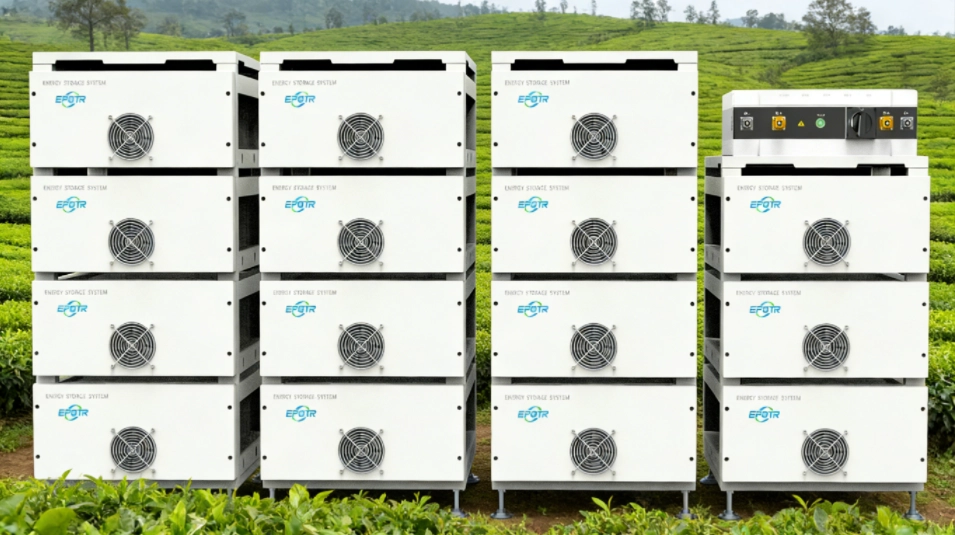
La technologie du phosphate de fer de lithium (LiFePO4) offre un choix plus sûr et plus difficile par rapport aux anciens types de plomb-acide. Ces unités fournissent plus de 6000 cycles à 90% de profondeur de décharge (DOD), de sorte que vos dépenses conservent de la valeur pendant de nombreuses années. Les configurations comprennent des boucliers IP54 ou IP55, qui protègent les parties intérieures de la poussière et de l'humidité courantes au Kenya; des zones élevées.
Intégration transparente des microréseaux avec le photovoltaïque solaire
Une configuration combinée vous permet de relier le stockage avec des panneaux solaires en un microréseau autonome. Le jour, il saisit de l'énergie solaire supplémentaire qui pourrait autrement disparaître. Cette économie d'énergie aide ensuite vos outils en temps nuageux ou la nuit, ce qui réduit votre besoin d'alimentation extérieure et élimine le diesel comme pièce de rechange.
SME intelligent pour la gestion de l'énergie de précision
Le système de gestion de l'énergie (EMS) fonctionne comme le noyau de votre configuration d'alimentation, offrant des réponses rapides aux changements de réseau en millisecondes. Vous pouvez regarder la consommation d'énergie en direct, ce qui dirige l'approvisionnement vers les machines prioritaires en premier lieu. Cette manipulation intelligente évite les dommages causés par la basse tension et rend les changements de puissance lisses.
Systèmes de stockage hybrides tout-en-un EP2
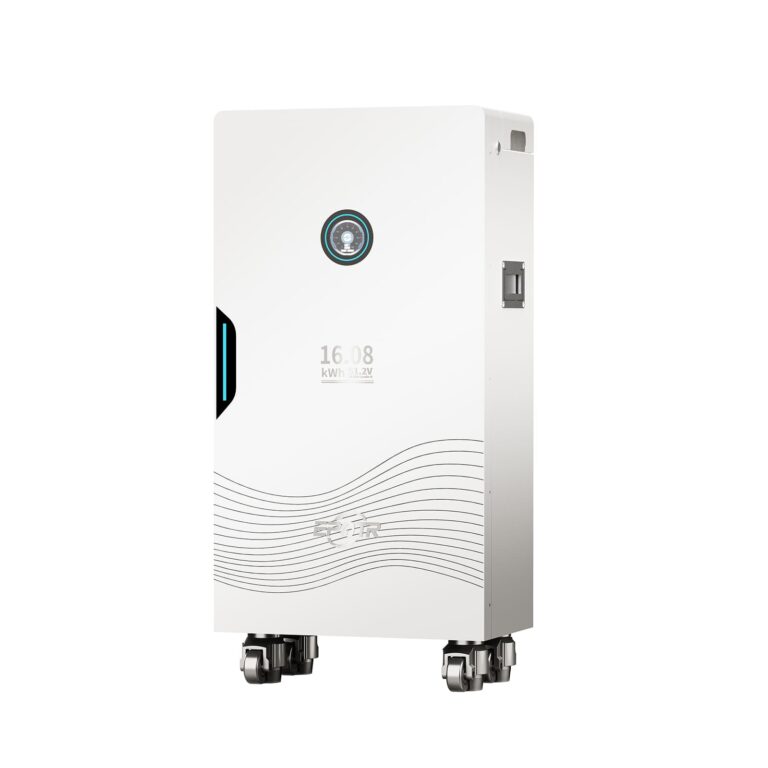
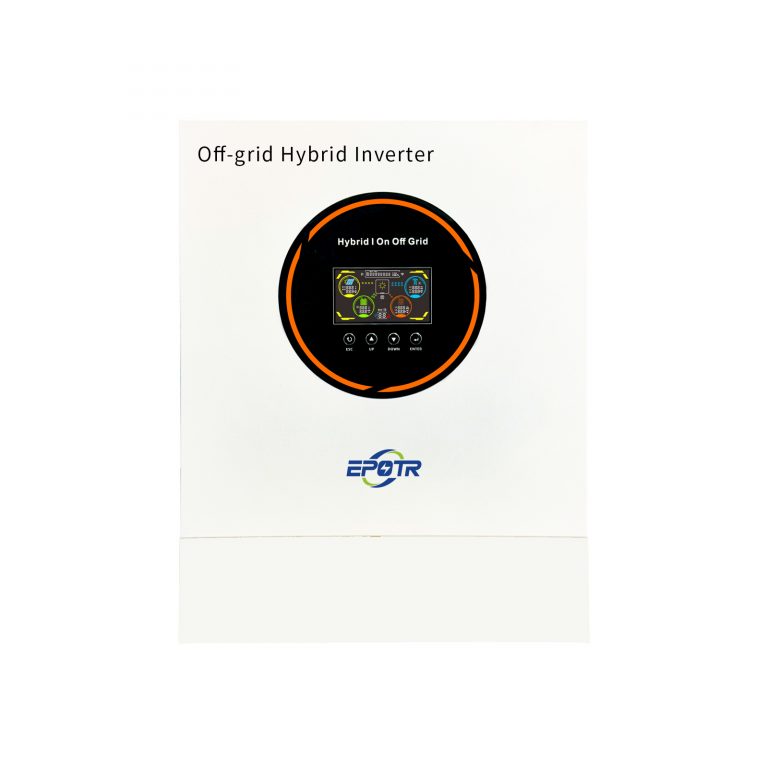
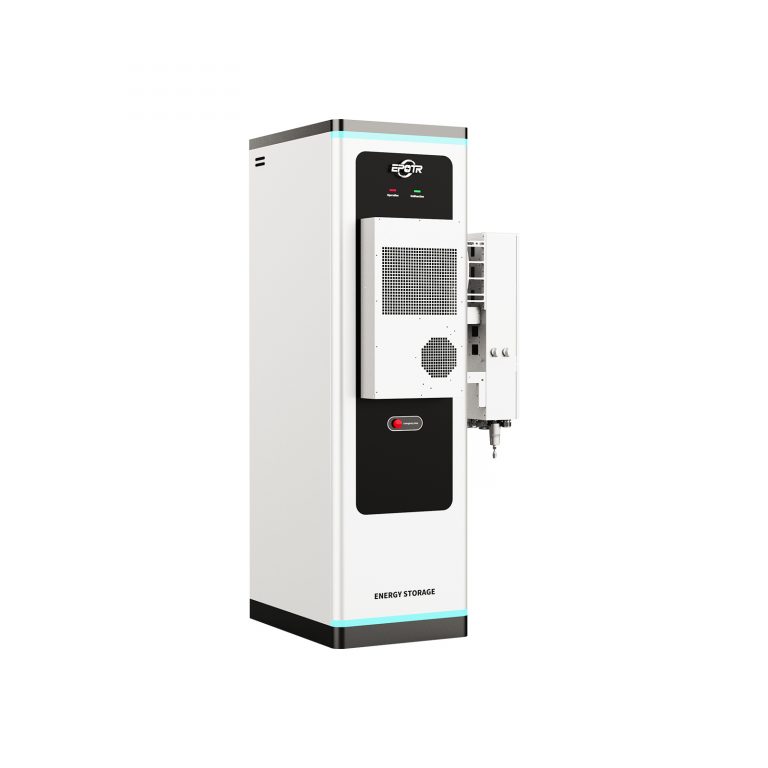
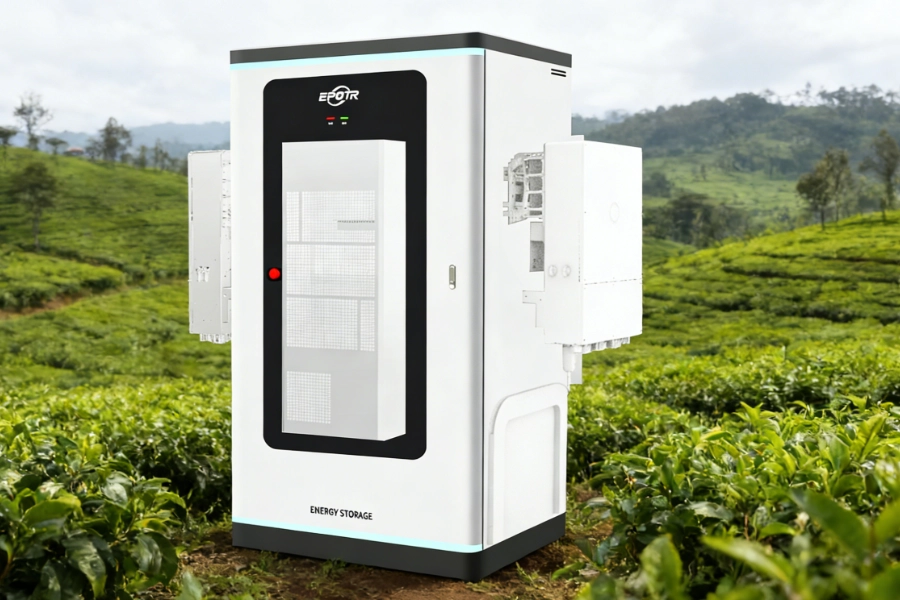
Pour les grandes tâches nécessitant une forte capacité et confiance, le EP2 Système de stockage d'énergie hybride tout en un Il sert de leader de terrain. Cet appareil fusionne l'onduleur, la batterie et le refroidissement dans un seul boîtier simple. Il convient aux cycles difficiles des machines de mélange et de séchage de thé.
Technologie de refroidissement liquide efficace pour la stabilité des performances
La ligne EP2 utilise un refroidissement liquide moderne pour maintenir la chaleur de la batterie aux meilleurs niveaux. Contrairement aux types d'air qui hésitent à changer la chaleur de l'air, le refroidissement liquide répartit la chaleur de manière uniforme. Cela évite l'usure thermique et maintient un flux d'énergie constant, clé pour que votre ligne fonctionne pleinement 24 heures sur 24.
Haute densité énergétique et conception modulaire compacte
La pièce manque souvent dans les jardins de plantes. Cette configuration offre une tenue énergétique élevée, jusqu'à 215kWh dans un petit espace. Le style de bloc vous permet de commencer par aujourd'hui’ besoins et grandir à mesure que votre ferme s'élargit. Cette façon facile à installer raccourcit le temps de mise en place et simplifie votre site’ S câblage.
ROI financier optimal grâce à des stratégies de rasage de pointe
Les gains d'argent proviennent du rasage de pointe, en utilisant l'énergie économisée dans les heures à prix élevé. En remplissant le Commercial& ESS industriel à des moments peu chers ou du soleil, vous équilibrez votre facture d'électricité. De nombreux utilisateurs d'usine voient de grandes chutes dans les coûts mensuels, de sorte que l'installation couvre son coût par des économies en peu de temps.
img.Commercial&industrial ESS.webp
Faisabilité financière: analyse du ROI estimé pour une usine de thé standard
Pour vous aider à évaluer l'impact économique de l'intégration d'un ESS dans vos opérations, le tableau suivant simule une transition typique d'un modèle dépendant du diesel à un modèle de stockage solaire hybride en utilisant le système EP2 All-In-One.
| Metrique financière | Modèle de réseau diesel traditionnel | EPOTR modèle hybride ESS solaire | Économies / Améliorations potentielles |
| Coût de la source d'énergie | High ($0.25 – $0.40/kWh) | Low ($0.05 – $0.12/kWh) | Jusqu'à 70% de réduction |
| Dépenses opérationnelles (OPEX) | Haut (carburant fréquent service moteur) | Minimal (Low maintenance LiFePO4) | Réduction de la maintenance de 80 % |
| Taux de perte de produit | 3% – 5% (en raison d'interruptions d'alimentation) | < 0,5% (commutation d'alimentation sans soudure) | Perde de revenus évitée |
| Tarifs Grid Peak | Exposition complète aux taux de pointe | Rasage au pic (en utilisant l'énergie stockée) | 30% – Réduction de la facture de 40% |
| Durée de vie de l'équipement | Une usure élevée due aux baisses de tension | Alimentation étendue (alimentation stabilisée) | Remplacement du capital inférieur |
| Crédits carbone/valeur | zéro | Haute (prime à l'exportation pour le thé vert) | Accès au marché amélioré |
| Période de remboursement | N/A (frais purs) | 3.5 – 5 ans | Énergie libre à long terme |
Pourquoi ces chiffres sont importants pour votre plantation
Comme indiqué ci-dessus, le principal moteur du commutateur est la réduction spectaculaire du coût d'énergie nivelé (LCOE). Alors qu'un générateur diesel reste un drain financier constant sans valeur de fin de vie, le EP2 Système de stockage d'énergie hybride tout en un fonctionne comme un actif générateur de revenus. En captant l'énergie solaire gratuite et en évitant les frais de pointe des services publics, vous transformez un passif volatile en un coût fixe prévisible, assurant que votre théière reste rentable même au milieu des fluctuations mondiales des prix de l'énergie.
Avantages stratégiques du partenariat avec des experts mondiaux en agriculture
Choisir le Un allié technologique approprié Il compte autant que l'équipement. Vous avez besoin d'un fournisseur qui connaît les détails croissants du marché et les besoins de manutention agricole. Un leader mondial en réglage de puissance apporte l'aide de compétence et la conception personnalisée nécessaires pour que votre poste diesel fonctionne bien et dure.
Histoire prouvée dans les marchés émergents mondiaux
Les installations dans des conditions météorologiques similaires en Asie du Sud-Est et au Moyen-Orient montrent qu'elles gèrent les endroits difficiles tout en donnant de l'énergie 24 heures sur 24. Ces vrais cas confirment que le nouveau stockage réduit l'utilisation du diesel jusqu'à 80% en usine. En utilisant ce savoir-faire mondial, vous assurez que votre plante de thé tire parti des meilleurs moyens d'économie d'énergie.
Solutions industrielles personnalisées de bout en bout
Un allié de puissance qualifié offre plus qu'une seule unité; ils effectuent une vérification complète de la puissance pour trouver vos besoins de charge. Cela évite que votre configuration soit trop faible pour les grands moteurs ou trop grande pour vos fonds. Les plans personnalisés s'adaptent parfaitement à votre équipement de câblage actuel, réduisant le temps d'arrêt dans le changement.
Support local et garantie après-vente complète
La confiance durable provient de règles de garantie solides et d'outils de contrôle éloignés. Avec la surveillance sans arrêt, les groupes technologiques détectent les problèmes tôt pour éviter les arrêts. Ce niveau d'aide apporte du calme, car votre base de pouvoir est revenue des pros fixés sur la croissance de votre entreprise agricole.
FAQ (questions fréquentes)
Q1 : Combien de temps dure le système de batterie dans un environnement tropical comme le Kenya ?
R: Les cellules LiFePO4 utilisées dans ces systèmes sont évaluées à plus de 6000 cycles, ce qui équivaut généralement à 10 à 15 ans d'utilisation quotidienne. Les systèmes de refroidissement avancés protègent en outre la batterie du vieillissement lié à la chaleur.
Q2: L'ESS peut-il remplacer complètement mon générateur diesel?
R: Oui, lorsqu'il est associé à un panneau solaire de taille correcte, le système peut agir comme votre source d'alimentation principale ou de sauvegarde. Il élimine le besoin de diesel pour la plupart des pannes, bien que certains conservent un générateur comme mesure de sécurité tertiaire.
Q3: Est-ce que le système est difficile à maintenir dans les zones de plantation éloignées?
R: Non, les systèmes sont conçus pour une maintenance minimale. Ils disposent d'une surveillance à distance via des plateformes cloud, permettant aux experts techniques de dépannager et d'optimiser le système sans avoir besoin d'être sur place.
Q4: Que se passe-t-il si l'usine a besoin d'étendre la production l'année prochaine?
R: La conception modulaire de la série EP2 permet une expansion facile. Vous pouvez ajouter plus d'unités en parallèle pour augmenter à la fois la puissance de sortie et la capacité de stockage à mesure que vos besoins de traitement augmentent.
Q5: Le système protège-t-il ma machine contre les surtensions?
R: Oui, les onduleurs hybrides intégrés et EMS fournissent une puissance stabilisée de haute qualité. Ils agissent comme un bouclier contre les pics et les baisses de tension du réseau, prolongeant considérablement la durée de vie de vos moteurs électriques et sécheurs.