
El mercado energético de Vietnam avanza a pasos agigantados. La revisión del PDP8 elevó el objetivo de almacenamiento de energía en baterías del país, pasando de una cifra piloto reducida a un plan nacional de entre 10 000 MW y 16 300 MW para 2030. Al mismo tiempo, las fábricas, los almacenes, los parques de la cadena de frío y los fabricantes de exportación siguen priorizando algo fundamental: un suministro eléctrico estable, facturas más bajas en horas punta y menos interrupciones en el servicio.
Para los compradores en Vietnam, el almacenamiento de energía en baterías ya no es solo un complemento para los proyectos solares. Se está convirtiendo en parte de la planificación energética industrial. EPOTR Se centra en el almacenamiento de energía, baterías, inversores híbridos, electrónica de potencia y gestión inteligente de la energía, con soluciones diseñadas en torno a la seguridad, la compatibilidad, el control inteligente, la economía y el uso eficiente. Esto es fundamental cuando su proyecto debe lidiar con tarifas por hora, límites de energía solar en tejados, cargas de respaldo, costos de generadores diésel y limitaciones de espacio en el sitio.
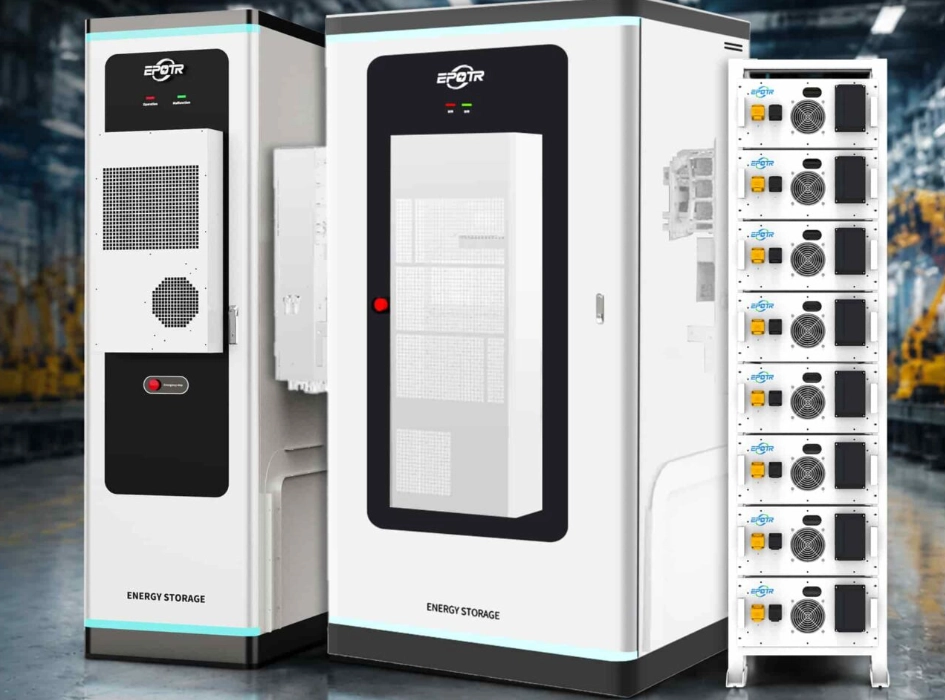
Por qué la nueva política energética de Vietnam fortalece la posición del almacenamiento.
La política de Vietnam está clara: se incorporará más energía renovable a la red eléctrica, pero la producción solar y eólica no siempre se ajusta a la demanda de las fábricas. Una fábrica textil puede operar hasta tarde. Una planta procesadora de mariscos puede mantener la refrigeración en funcionamiento durante toda la noche. Un almacén en el sur de Vietnam puede experimentar un aumento en la demanda de refrigeración por la tarde, justo cuando los precios máximos son más elevados.
Aquí es donde el almacenamiento de energía en baterías se vuelve práctico, no solo conveniente desde el punto de vista normativo. Almacena energía cuando la producción solar es alta o el precio de la red es bajo, y luego la devuelve a la carga cuando la red es cara o inestable.
Para proyectos solares en tejados
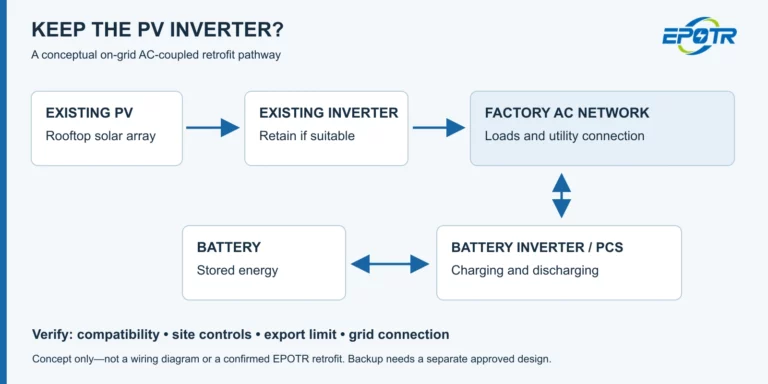
La política vietnamita de autogeneración y autoconsumo de energía solar en tejados ofrece a las fábricas y edificios comerciales más motivos para utilizar el espacio de sus azoteas. Pero la energía solar por sí sola aún deja dos lagunas:
- La generación al mediodía puede superar la carga instantánea.
- La producción nocturna aún depende del suministro eléctrico de la red.
- Los días de lluvia reducen la producción fotovoltaica.
- Las normas de exportación de la red y los límites del sitio pueden afectar la rentabilidad del proyecto.
Un sistema de baterías ayuda a aumentar el autoconsumo. En lugar de desperdiciar el exceso de energía solar, se puede almacenar para la iluminación nocturna, cámaras frigoríficas, bombas, consumo eléctrico en oficinas o equipos de bajo voltaje. Para los parques industriales de Ciudad Ho Chi Minh, Binh Duong, Dong Nai o Long An, esto suele ser más útil que simplemente añadir más paneles.
Para fábricas con presión en hora punta
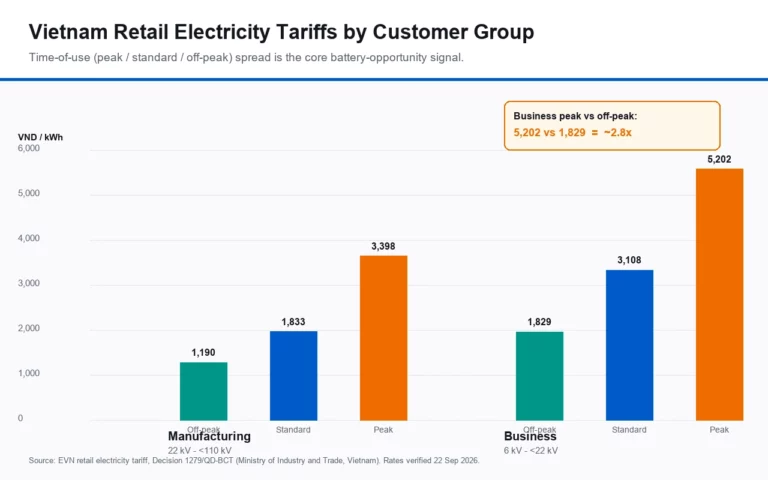
Algunas estructuras tarifarias industriales muestran una clara diferencia entre el consumo eléctrico en horas punta y en horas valle. Para los usuarios de fabricación con voltajes entre 22 kV y 110 kV, un precio en hora punta de alrededor de 3398 VND/kWh y un precio en hora valle de alrededor de 1190 VND/kWh generan una gran diferencia de costos. Incluso si la tarifa exacta cambia posteriormente, la lógica empresarial se mantiene.
El almacenamiento en baterías le brinda la posibilidad de redistribuir parte de su carga de trabajo. No todas las máquinas pueden operar fuera de las horas pico. El moldeo por inyección, el teñido de textiles, el almacenamiento en frío y las líneas de ensamblaje suelen regirse por plazos de entrega, no por tarifas. Un sistema de baterías facilita esta tarea.
¿Qué problemas industriales puede solucionar el almacenamiento de baterías?
Un comprador no adquiere ESS porque la política parezca atractiva. Se adquiere cuando la rentabilidad es evidente. En Vietnam, los problemas más comunes son fácilmente identificables en los distintos sectores.
Un mismo armario de almacenamiento puede servir para diferentes objetivos comerciales según la ubicación. Por eso, la estrategia de dimensionamiento y control es más importante que los eslóganes. Un pequeño edificio comercial, una cámara frigorífica que funciona las 24 horas y una fábrica de exportación no deben tratarse con la misma hoja de presupuesto.
Productos electrónicos y plantas de procesamiento para la exportación
El norte de Vietnam cuenta con numerosas fábricas de electrónica, componentes y procesamiento para la exportación. Su principal problema no es solo el costo de la electricidad, sino también su calidad. Una breve caída de tensión en la red puede interrumpir el suministro en un tramo de la línea, y reiniciarlo lleva tiempo.
Para estos sitios, el almacenamiento de baterías puede brindar soporte para:
- Máximo de recortes durante períodos de precios altos
- Respaldo para líneas de producción clave
- Uso más uniforme de la energía fotovoltaica durante los cambios en la producción diurna.
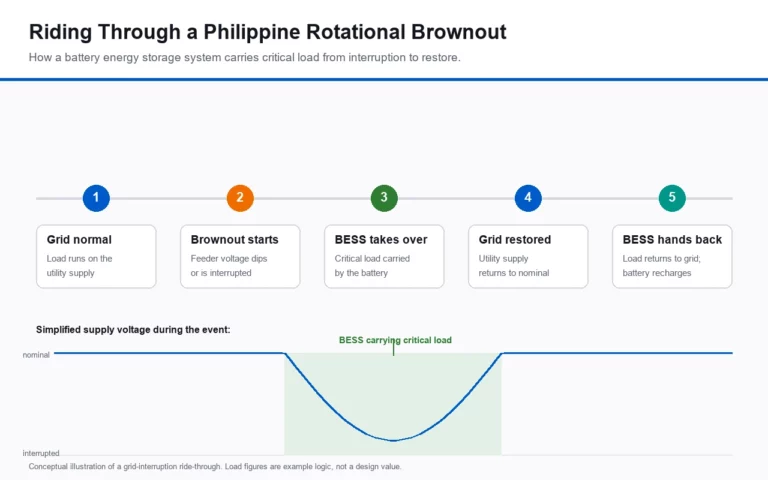
- Menor tiempo de funcionamiento del generador durante interrupciones breves.
- Supervisión remota para equipos de instalaciones
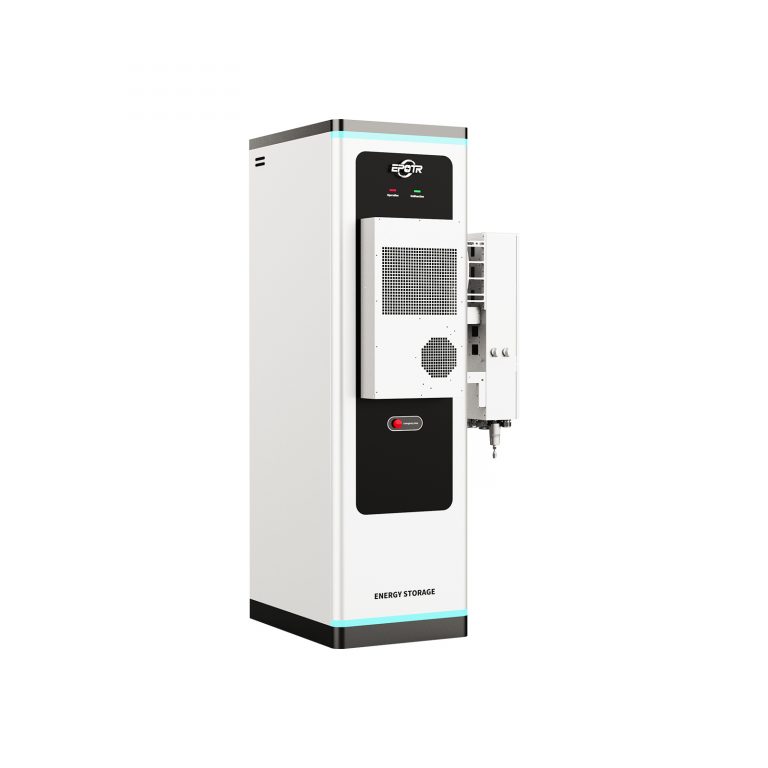
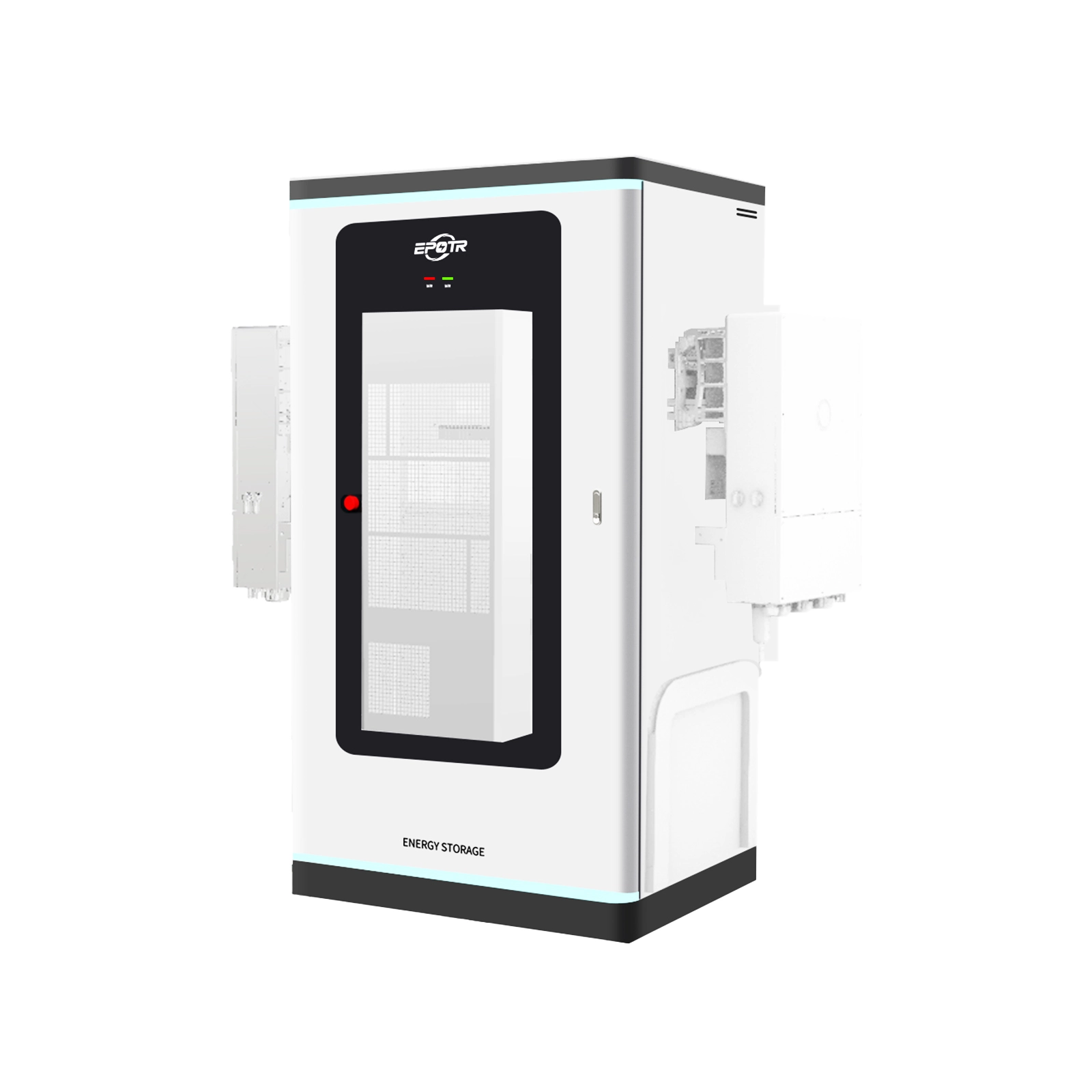
El C& I Soluciones ESS Los sistemas de EPOTR están diseñados para usuarios comerciales e industriales que requieren una combinación práctica de almacenamiento, conversión, control y respaldo. Por ejemplo, el sistema C&I ESS de 100 kW/215 kWh utiliza celdas LFP, tiene una capacidad de sistema de 215,04 kWh, admite operación conectada y aislada de la red, y utiliza un sistema de gestión de energía (EMS) para administrar múltiples modos de funcionamiento. Este es el tipo de configuración que los compradores suelen solicitar tras la primera consulta de precios.
Cadena de frío, productos del mar y cargas de almacén
Los proyectos de cadena de frío en el sur de Vietnam o las plantas procesadoras de mariscos en el delta del Mekong se enfrentan a otro problema: la carga de refrigeración no espera. Una cámara frigorífica no puede paralizarse solo porque la tarifa eléctrica sea alta. El respaldo con diésel también resulta costoso, ruidoso y engorroso. Los equipos de mantenimiento lo saben, a veces demasiado bien.
Un sistema de almacenamiento de energía (ESS) de 209 kWh o 241 kWh puede dimensionarse en función de las cargas críticas de refrigeración, no de toda la planta. Esto permite que el presupuesto del proyecto sea más realista. En un almacén de tamaño mediano, la batería puede cubrir la carga máxima del compresor, la iluminación y los sistemas de control durante el período de mayor consumo. En una planta procesadora de productos del mar, puede funcionar en conjunto con la energía solar y la del generador para reducir el consumo de combustible y proteger la calidad del producto durante interrupciones breves del suministro eléctrico.
Cómo los productos de EPOTR se adaptan a los proyectos de construcción e infraestructura de Vietnam
Para los compradores vietnamitas, un buen proveedor de sistemas de almacenamiento de energía (ESS) no solo debe vender baterías. El sistema necesita lógica de entrada fotovoltaica, seguridad de la batería, sistema de gestión de energía (EMS), compatibilidad con el inversor, control remoto, modo de respaldo y soporte posventa. Gama de soluciones de EPOTR Abarca baterías para el almacenamiento de energía en el hogar, inversores híbridos y productos de almacenamiento de energía para uso comercial e industrial, con capacidades desde 100 kWh hasta 243 kWh, lo que facilita la adaptación a diferentes tamaños de instalaciones.
El aspecto del producto también es bastante práctico. Algunos proyectos requieren un gabinete C&I más grande. Otros solo necesitan un modelo de batería modular más económico y compacto. Muchos propietarios comerciales no disponen de un patio de equipos limpio y ordenado. El espacio se comparte con estacionamientos, bombas, áreas de carga y equipos de conmutación antiguos. No es lo ideal, pero es muy común.
Sistemas de suministro de energía (ESS) para grandes emplazamientos comerciales e industriales
Para fábricas, granjas, supermercados y pequeños usuarios industriales, C&I ESS combina la generación, conversión, almacenamiento y uso de energía en un solo sistema. Este sistema admite autoconsumo, operación bajo demanda, modo de respaldo y conexión con generadores diésel.
Entre los puntos técnicos útiles se incluyen:
- Química de batería LFP para un funcionamiento más seguro a largo plazo.
- Sistema de gestión de emergencias integrado para control de horarios de uso y de respaldo.
- Comunicación RS485 o Ethernet
- Compatibilidad con los protocolos MODBUS e IEC61850.
- Protección a nivel de armario IP54 o IP55 según el modelo.
- Refrigeración por aire o refrigeración por aire acondicionado según la configuración
- Acceso a generadores para proyectos de respaldo híbrido
- Monitorización remota a través de la nube o conexión mediante aplicación.
Para las empresas de ingeniería, adquisición y construcción (EPC), los detalles, por más insignificantes que parezcan, son importantes. El trazado de los cables, el transporte de los armarios eléctricos, el izaje en obra, la configuración de las comunicaciones y la gestión térmica determinan si un proyecto se desarrolla sin problemas tras la instalación.
Batería modular para pequeños comerciantes
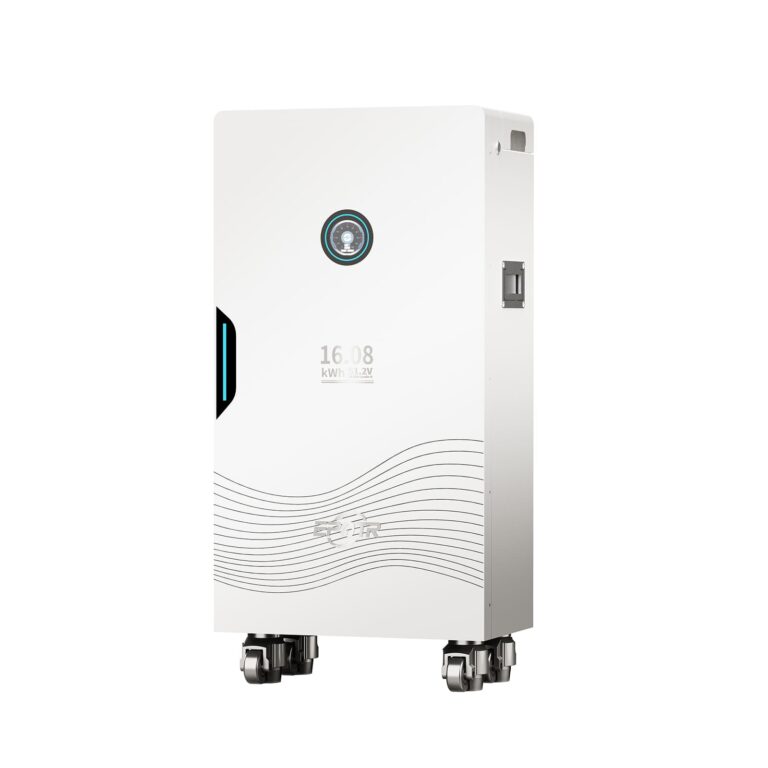
El nuevo modelo de batería modular es ideal para pequeños comercios que no pueden comenzar con un armario de gran tamaño. Su principal ventaja es simple: menor coste y menor espacio ocupado. Esto permite que cafeterías, clínicas, tiendas, salas de telecomunicaciones, pequeños almacenes y establecimientos comerciales rurales accedan al almacenamiento de energía en baterías sin sobredimensionar su capacidad.
Para diferentes tamaños de comercios, puede funcionar de la siguiente manera:
- Las pequeñas tiendas lo utilizan para iluminación, sistemas de punto de venta, enrutadores y copias de seguridad básicas.
- Las clínicas lo utilizan para proporcionar energía estable a los dispositivos clave y para la refrigeración.
- Los almacenes pequeños lo utilizan para seguridad, iluminación y control de puertas.
- Los comerciantes rurales lo combinan con paneles fotovoltaicos para reducir el uso de generadores.
Un tamaño más compacto también resulta útil en calles comerciales densamente pobladas, donde los cuartos de equipos suelen ser estrechos y no precisamente ordenados. Una batería compacta es más fácil de instalar, de ampliar y de explicar a usuarios sin conocimientos técnicos.
Por qué los inversores fuera de la red siguen siendo importantes en el sudeste asiático.
Vietnam es el tema principal, pero muchos distribuidores también abastecen a los mercados del sudeste asiático. Las regiones insulares de Indonesia, Filipinas y Malasia suelen necesitar pequeños sistemas eléctricos independientes. La extensión de la red eléctrica puede ser lenta, costosa o, simplemente, no resultar rentable para pequeñas comunidades y establecimientos comerciales.
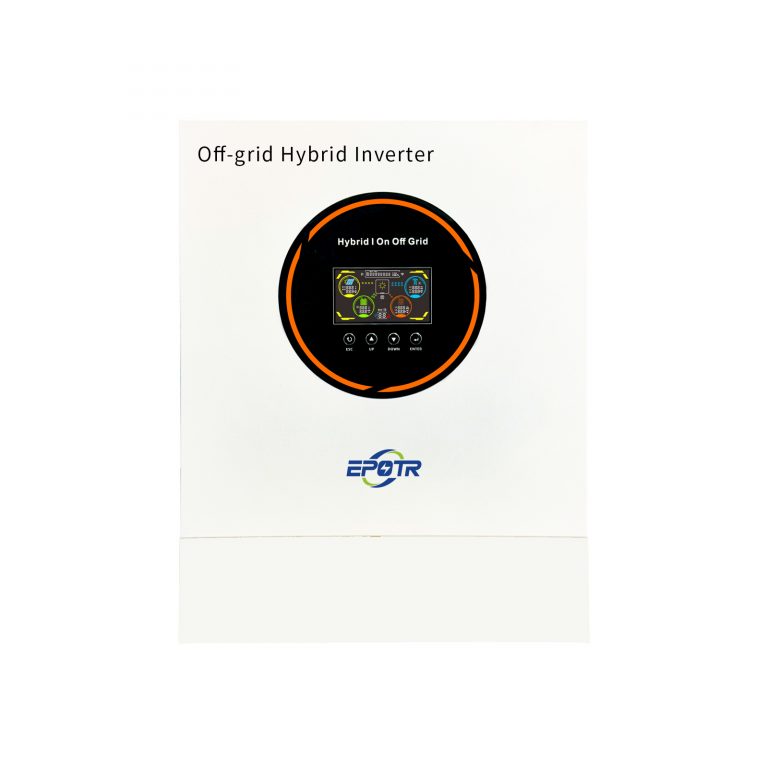
Los inversores fuera de red de EPOTR son productos de montaje mural para interiores con protección IP20. Son ideales para uso doméstico y comercial ligero, especialmente cuando se combinan con baterías de almacenamiento de energía y paneles fotovoltaicos para formar una microrred independiente de almacenamiento solar. El inversor es compatible con la mayoría de los proveedores de baterías, y las baterías de EPOTR también son compatibles con más del 90 % de los inversores híbridos convencionales del mercado doméstico.
Para los distribuidores del sudeste asiático, esto ayuda a reducir el riesgo de incompatibilidad. Se puede ofrecer a los instaladores un conjunto de opciones más claras en lugar de resolver los problemas de comunicación entre el inversor y la batería uno por uno.
¿Qué deben comprobar los compradores antes de elegir un proveedor de sistemas de almacenamiento de baterías?
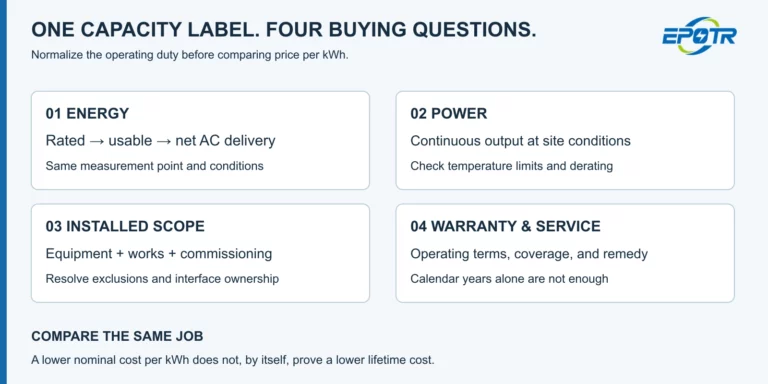
Un presupuesto más económico no siempre significa un proyecto más barato. El clima cálido y húmedo de Vietnam, la creciente demanda industrial y las cambiantes normativas hacen que la lista de verificación de proveedores sea aún más importante.
Antes de realizar un pedido, compruebe estos puntos:
- Tipo de batería: Se prefiere la LFP por su seguridad y larga vida útil.
- Vida útil del ciclo: pida las condiciones de la prueba, no solo un número grande.
- Energía útil: La energía nominal y la energía útil no son lo mismo.
- Los modos de funcionamiento del sistema de gestión de energía (EMS, por tiempo de uso), autoconsumo, respaldo y control remoto deben estar claros.
- Soporte de red: El acceso a la red eléctrica, fuera de la red y mediante generador debe coincidir con las características de su ubicación.
- Refrigeración: El sistema de refrigeración por aire o aire acondicionado debe ser adecuado para el calor local.
- Protección: El grado de protección IP, la detección de incendios y la protección contra sobretemperatura son importantes.
- Comunicación: La compatibilidad con CAN, RS485, Ethernet y otros protocolos afecta a la integración.
- La certificación: las normas CE, UN38.3, MSDS y otras normas relacionadas facilitan la aprobación del proyecto.
- Servicio: Contactar con soporte temprano si el sitio tiene curvas de carga inusuales.
Antecedentes de la empresa EPOTR También muestra la cobertura de fabricación e I+D en equipos fotovoltaicos, baterías, electrónica de potencia, distribución inteligente, software, servicios de IoT e integración de sistemas energéticos. Para un comprador B2B, esto significa que el proveedor está más cerca del trabajo a nivel de sistema, no solo de la venta de productos individuales.
Preguntas frecuentes
P1: ¿Por qué es importante el almacenamiento de energía en baterías para la nueva política energética de Vietnam?
A: El almacenamiento de energía en baterías ayuda a Vietnam a absorber más energía renovable, reducir la presión sobre la red eléctrica y respaldar el objetivo nacional revisado de capacidad de sistemas de almacenamiento de energía en baterías a gran escala para 2030. Para las fábricas, también convierte las directrices políticas en un control de costos real y en energía de respaldo.
P2: ¿Es útil el sistema C&I ESS si una fábrica ya tiene paneles solares en el tejado?
R: Sí. Los paneles solares en los tejados generan energía principalmente durante el día, mientras que muchas fábricas y almacenes aún necesitan energía por la noche o durante los periodos de precios máximos. El sistema C&I ESS almacena el excedente de energía solar y lo devuelve a la carga cuando resulta más útil.
P3: ¿Qué tamaño de sistema de almacenamiento de baterías se adapta a una pequeña empresa vietnamita?
A: Es posible que las pequeñas empresas no necesiten un gabinete industrial completo. Un modelo de batería modular, de menor costo y que ocupa menos espacio, puede ser útil para tiendas, clínicas, pequeños almacenes y comerciantes rurales que necesitan energía de respaldo y un mejor aprovechamiento de la energía solar.
P4: ¿Puede el almacenamiento de energía en baterías reducir el uso de generadores diésel?
R: Sí. En los sistemas de almacenamiento y generación solar, la batería puede soportar cortes de energía breves y picos de demanda diarios, por lo que el generador funciona con menos frecuencia. Esto puede reducir el consumo de combustible, el ruido, la presión del mantenimiento y el riesgo de interrupciones del suministro eléctrico.
P5: ¿Qué deben comprobar los compradores vietnamitas antes de pedir C&I ESS?
A: Verifique la composición química de la batería LFP, la energía útil, las funciones del sistema de gestión de energía (EMS), el método de refrigeración, el grado de protección IP, el protocolo de comunicación, el acceso al generador, la certificación y el soporte técnico. El sistema adecuado debe ajustarse a su curva de carga real, no solo a la capacidad más económica.