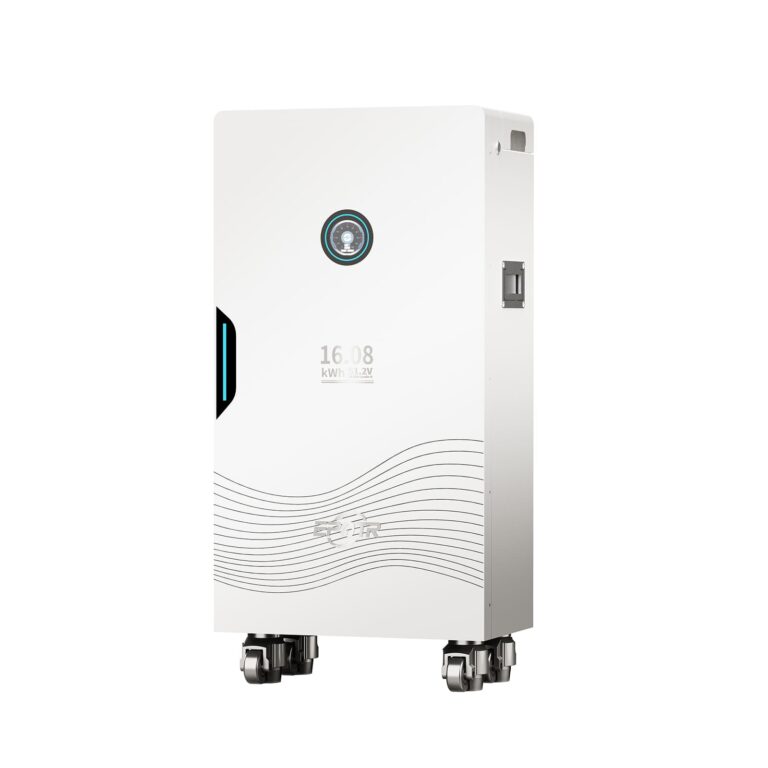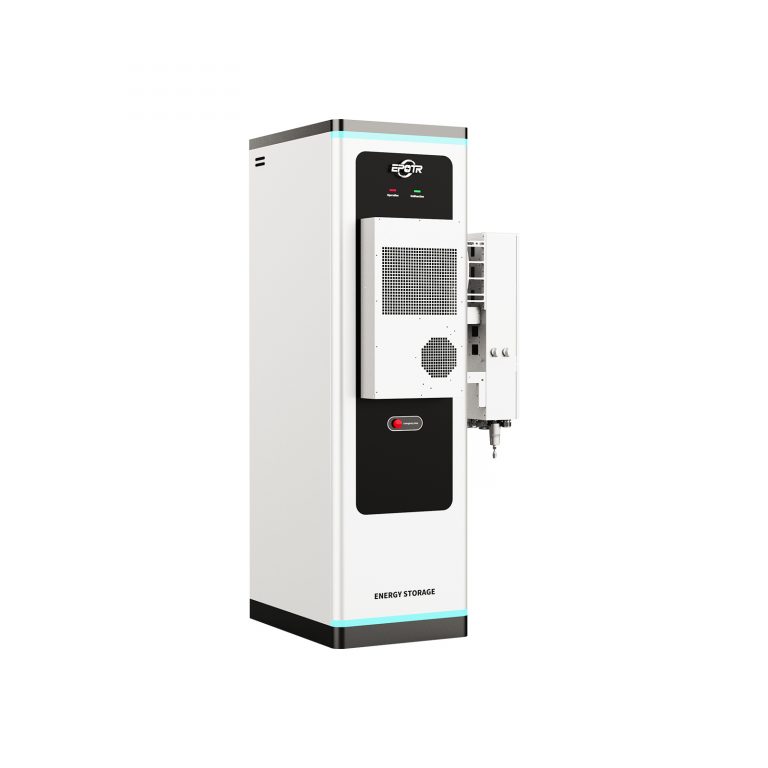

في مناطق مختلفة في أفريقيا، بما في ذلك نيجيريا وكينيا وجنوب أفريقيا، لا تزال إمدادات الطاقة غير الموثوقة تخلق عقبات كبيرة أمام الحياة اليومية والعمليات التجارية. الانقطاع المنتظم والتغيرات في الجهد لا يقتصر على انقطاع الأنشطة الروتينية بل يشكل أيضا مخاطر خطيرة للأجهزة الإلكترونية الحساسة. باعتبارها متخصصة في تحسين استخدام الطاقة، تعتقد EPOTR أن أدوات الطاقة الأفضل تشكل الأساس للتقدم الدائم. تجمع هذه الشركة بين مكونات الطاقة الحديثة، والتحكم الذكي في الطاقة، وإعدادات الطاقة المتجددة، والتي توفر خيارات تعزز الإنتاج، وتخفض انبعاثات الكربون، وتخلق مسارات جديدة للطاقة الاكتفاء الذاتي. إذا كنت تهدف إلى توفير الطاقة لقرية معزولة أو منزل في الضواحي ، فإن وحدات تخزين الطاقة المنزلية القائمة على الجدران تعمل لتقديم كهرباء ثابتة وذكية وصديقة للبيئة.
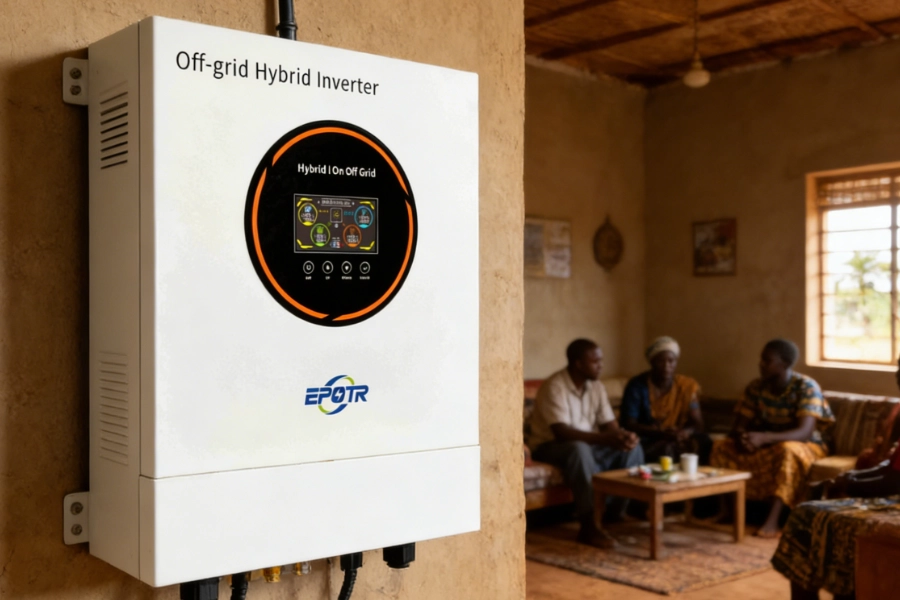
اختيار محول EPH الصحيح لمتطلبات التحميل الأفريقية
اختيار الحجم المناسب للمحول يمثل الخيار الرئيسي في الإعداد الشمسي الخاص بك لأنه يقرر الأجهزة التي يمكنك تشغيلها في نفس الوقت دون تعطل النظام بأكمله. في الإعدادات الأفريقية ، يظهر الإخراج المعتاد 230 فولت ضروريًا لمطابقة الأجهزة المنزلية المحلية ، بحيث تعمل المحركات والضاغطات بشكل جيد دون أن تصبح ساخنة جدًا.
اختيار الكفاءة للأسر المعيشية المتوسطة: نظام 6.2 كيلوواط
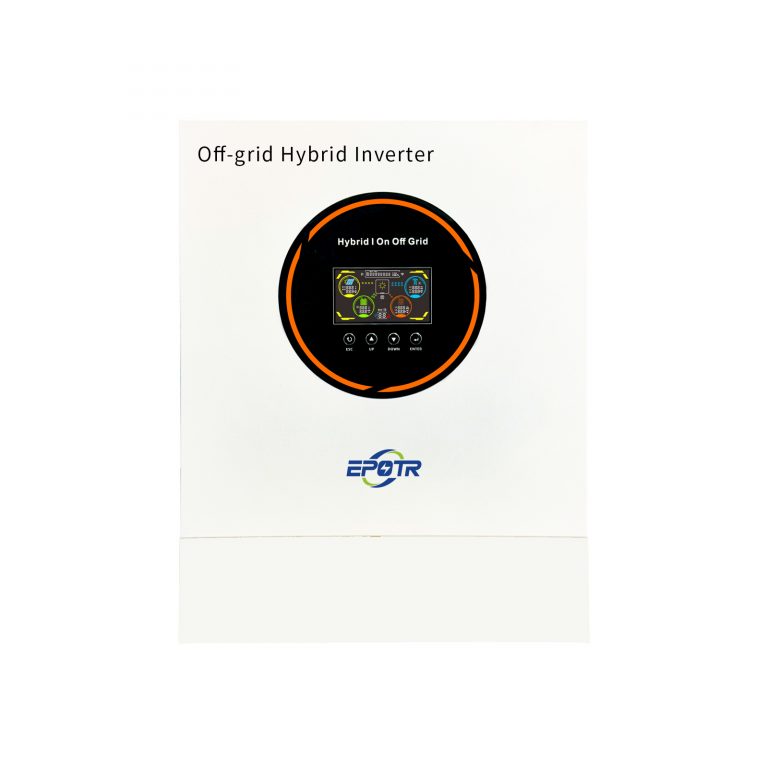
بالنسبة للمنزل العادي الذي يعطي الأولوية للاحتياجات الأساسية مثل الحفاظ على الطعام باردًا وتوفير الضوء وتشغيل أجهزة الوسائط ، يقدم EPH SERIES 6.2KW OFF GRID INVERTER خيارًا قويًا ومعقول التكلفة. ينتج هذا الجهاز موجة سينوسية نظيفة ، والتي تلعب دورا حاسما في تمديد عمر أجهزتك ، مع الحفاظ على معدلات التحويل فوق 90٪. علاوة على ذلك ، فإن حجمها الصغير وبدلة أسلوب الجدار داخل المواقع التي تكون فيها الغرفة ضيقة ، ومع ذلك لا يزال الأداء المستمر ضروريًا.
تشغيل الأحمال الثقيلة والشركات الصغيرة: حل 11kW
إذا كانت احتياجاتك تغطي الأجهزة التي تتطلب بدء التشغيل العالي ، مثل وحدات التبريد أو محركات المياه أو أجهزة الكمبيوتر التجارية ، فأنت بحاجة إلى نسخة احتياطية إضافية من الطاقة. يتم تصميم EPH Series 8.5 / 11KW OFF GRID INVERTER لإدارة هذه الظروف الصعبة بفعالية. يتعامل مع أحجام المعدات الأكبر ويحافظ على تشغيل موثوق به حتى مع بدء تشغيل عدة أجهزة ثقيلة معًا ، مما يتجنب الإغلاق المزعج الذي غالبًا ما يظهر في الأنظمة الأساسية.
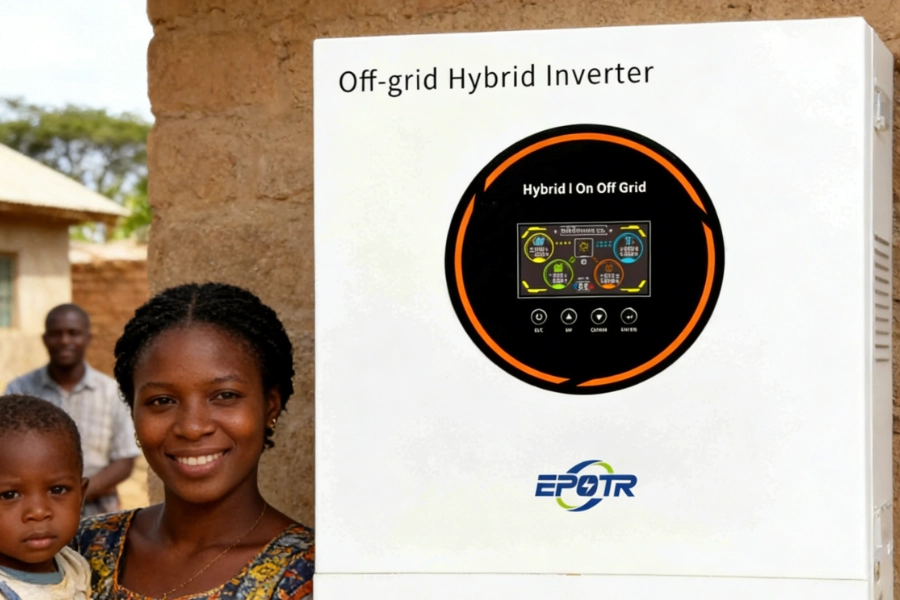
تخطيط النظام: حساب الأحمال وتزويج البطارية
يبدأ الإعداد المهرة بفحص شامل لاستخدام الطاقة للتأكد من أن ترتيبك يتجنب تركك بدون طاقة خلال أوقات الطلب العالي. تحتاج إلى فصل الأحمال الثابتة ، مثل المصابيح ، عن تلك التي تستخدم التيار الإضافي ، مثل أنظمة التبريد أو مضخات الآبار العميقة.
الأحمال التي تسحب الطاقة الاستقرائية تتطلب دفعة كبيرة من الكهرباء في البداية ، وعادة ما تكون ثلاثة إلى خمس أضعاف المستوى العادي. مع EPH Series 230V Output OFF GIRD INVERTER ، يمكنك الحصول على قاعدة صلبة تتعامل مع هذه القمم دون مشاكل. بالإضافة إلى ذلك ، يجب أن تتطابق مع مجموعة البطارية الخاصة بك لمدة تشغيل مستقلة كافية. تعمل هذه المحولات مع حوالي 90٪ من أنواع بطاريات المحولات المختلطة وتتعامل مع كل من خيارات الرصاص الحمضي و LiFePO4. لتحقيق قيمة أفضل مع مرور الوقت ، فإن ربطها بالخلايا التي توفر 6000 دورة في عمق التفريغ بنسبة 90٪ يضمن استمرار إنفاقك لسنوات عديدة.
دليل التثبيت خطوة بخطوة
الالتزام بالترتيب الدقيق في عملية الإعداد يضمن كل من سلامتك والحالة المستمرة لمكونات الطاقة الخاصة بك.
الخطوة 1: التركيب والاختيار البيئي
اختر سطح ثابت ومقاوم للحريق لتثبيت الوحدة. بما أن هذه المحولات تحمل تصنيف IP20 للاستخدام الداخلي ، فهي تتطلب حماية من الماء المستقيم والرطوبة الثقيلة والجسيمات. يجب ترك مساحة 20 سم على الأقل حول جميع الحواف لدعم تدفق الهواء الطبيعي. خلال الموسم الجاف الأفريقي الدافئ ، يمنع التهوية الجيدة المحول من خفض إنتاجه لحماية الأجزاء الداخلية.
الخطوة 2: اتصال بنك البطارية
ربط بطارياتك قبل المجموعات الشمسية أو مصدر التيار المتغير. استخدم أسلاك DC سميكة وتأكد من أن كل نقطة اتصال يتم تأمينها إلى الضغط الصحيح لمنع الشرارات. ويتضمن الترتيب نظامًا مطورًا لإدارة البطارية (BMS) ، والذي يشرف على الشحن والإفراج ، ويتحقق من الحالة ، ويرسل تنبيهات للمشاكل. يجب عليك دائما وضع مقطع DC بين البطارية والمحول للسماح بقطع سريع في حالات الطوارئ.
الخطوة 3: تكامل المصفوفة الكهروضوئية و MPPT
بينما تربط الألواح الشمسية، استفد من ميزة تعقب نقطة الطاقة القصوى (MPPT) المضمنة. تغير طرق MPPT هذه جهد العمل للألواح الخاصة بك على الفور ، مما يزيد من إنتاج الطاقة بنسبة 10٪ إلى 20٪ على أجهزة التحكم القديمة. تأكد من أن الجهد الكامل للدائرة المفتوحة (Voc) من المجموعة الشمسية تبقى تحت المحول ’ الحد الأعلى لمنع الضرر الدائم للأجهزة.
الخطوة 4: إنتاج AC وإعداد الشبكة
إرفاق جانب AC من المحول إلى منزلك’ لوحة مركزية. من الضروري إضافة جهاز التبديل أو لوحة منفصلة حتى يتجنب المحول إرسال الطاقة مرة أخرى إلى الإمداد الرئيسي ، وهو خطر رئيسي لموظفي الشبكة. بعد التحقق من الاتصالات، قم بتشغيل الإعداد واستعد لأخير تعديلات البرنامج.
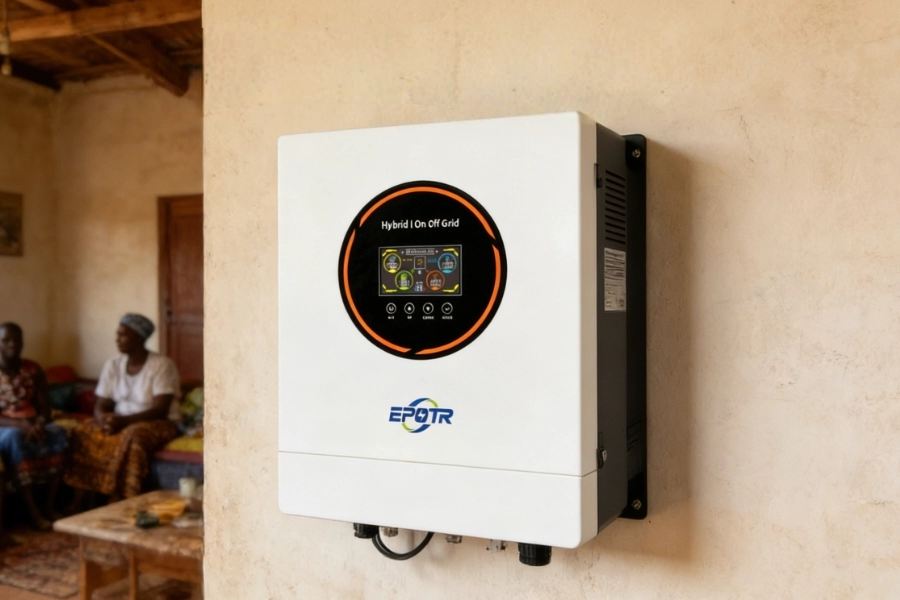
الخطوة 5: المراقبة الذكية وتشغيل التطبيقات
تغطي مرحلة الإغلاق تثبيت أداة التتبع الذكية لمتابعة إنتاج الطاقة الخاص بك. بمجرد ربط المحول بـ Wi-Fi المنزلي الخاص بك ، يتيح لك تطبيق هاتفي خاص عرض التفاصيل الحالية من أي موقع. يساعدك هذا الإعداد على مراقبة مستوى شحن البطارية (SOC) ، والمكاسب الشمسية ، وأنماط الاستخدام المنزلي. تعيين خيارات الشحن بشكل صحيح هنا يضمن أن المحول يمدد عمر نوع البطارية الذي اخترته.
الصيانة طويلة الأجل للبيئات القصوى
تجلب الظروف في أفريقيا مشاكل محددة، مثل التراب وارتفاع الحرارة المحيطة، والتي تتطلب صيانة نشطة للحفاظ على الأداء.
تحقق من مروحة التبريد ومرشحات الهواء كل ثلاثة أشهر دون فشل. تراكم الغبار يعمل كحاجز ، ويحتفظ بالدفء داخل الجهاز ويقصر عمر الأجزاء الرئيسية مثل المكثفات. في المناطق المعرضة للعواصف مع البرق، وإضافة حماية خارجية (SPD) على خطوط DC و AC يوفر المزيد من الحماية بعد المحول’ ضمانات مدمجة. الرعاية المستمرة يجعل الإعداد الخاص بك الاستمرار في تقديم طاقة موثوقة 230 فولت لفترات طويلة.
أسئلة متكررة
Q1: هل يمكن للمحول 11kW دعم مضخة حفرة؟
ج: نعم، تم تصميم نموذج 11 كيلوواط مع قدرة ارتفاع عالية خصيصا للتعامل مع تيارات التشغيل الاستقرائي لمضخات المياه ومحركات حفر الشائعة في الريف والضواحي الأفريقية.
Q2: هل من الممكن استخدام هذه المحولات بدون بطارية؟
ج: في حين أن بعض النماذج تدعم وضع بدون بطارية تحت ضوء الشمس المستقر، لنظام موثوق به خارج الشبكة في أفريقيا، ينصح بشدة بالبطارية لسد الثغرات أثناء الغطاء السحابي أو الليل.
س3: كيف تؤثر تكنولوجيا MPPT على فاتورة الطاقة الخاصة بي؟
ج: يزيد MPPT من كفاءة حصاد الطاقة الشمسية بنسبة 10٪ إلى 20٪. وهذا يعني أنه يمكنك توليد المزيد من الكهرباء من نفس عدد الألواح الشمسية، مما يقلل من اعتمادك على مولدات الديزل الغالية الثمن.
Q4: هل هذه المحولات متوافقة مع بطاريات الليثيوم (LiFePO4)؟
ج: نعم، فهي متوافقة مع أكثر من 90٪ من حلول البطارية الحديثة وتتضمن ملفات تعريف شحن مخصصة لفوسفات الحديد الليثيوم لتحقيق أقصى قدر من إمكانات دورة 6000.