
On a battery quotation, expandable can mean much less than a homeowner expects. Before buying a stack for a home in Vietnam, pin down the arrangement being offered today and the arrangement allowed later. The supplier’s written answer needs to name the inverter and number of modules in each. Without those details, the family cannot tell whether it is buying a practical expansion route or simply leaving room beside the equipment.
Assess household loads and future capacity
Decide what the extra modules need to do
What has prompted the upgrade? Running out of charge before bedtime suggests one line of investigation. Having charge left when an appliance fails to start suggests another. More stored energy can help with runtime, whereas the second problem may concern available output or starting demand. Stack height is therefore a poor way to judge whether the proposed addition will solve the household’s particular problem.
A useful starting point is the monitoring history from an evening that went badly. The charge level at shutdown matters, as do the running circuits and the time. With that record, an installer can investigate whether the reserve setting was reached or an output constraint interrupted operation. It also avoids a vague brief such as wanting more backup, which could be interpreted in several different ways when equipment is quoted.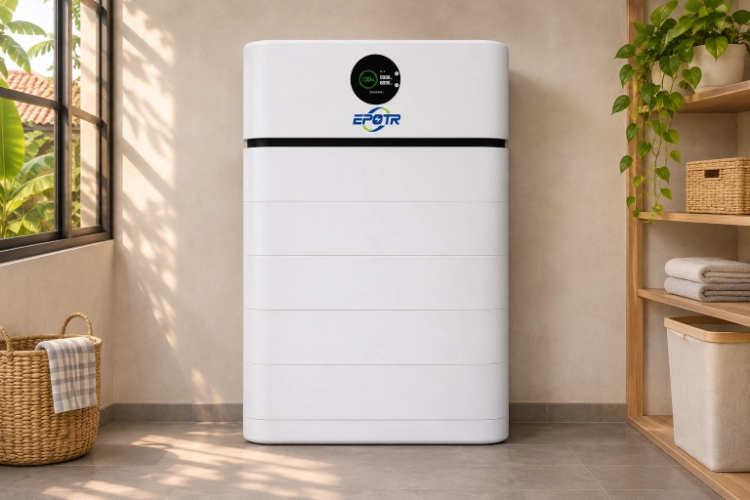
Plan equipment compatibility and upgrade costs
Match the inverter to both proposed stack sizes
With a high voltage stack, the module count affects the configuration the inverter has to accept. Both the starting arrangement and the eventual larger stack need to fall within the inverter’s battery input requirements. Compatibility also includes BMS communication and firmware. Matching connectors alone tells the homeowner very little about whether the two products can operate together as a supported system.
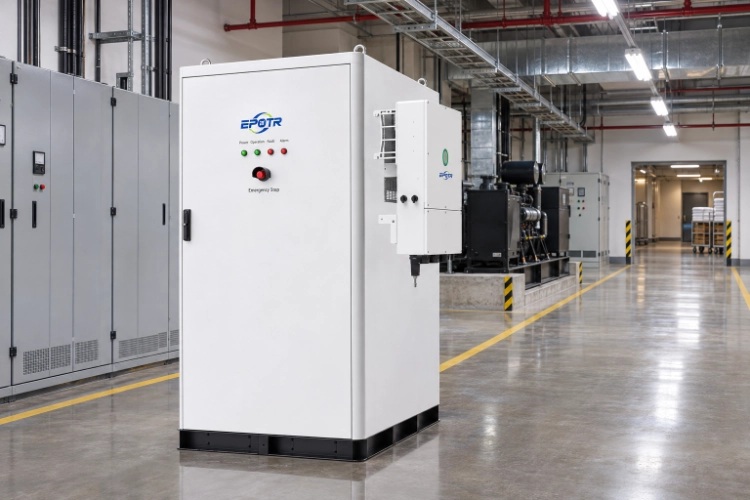
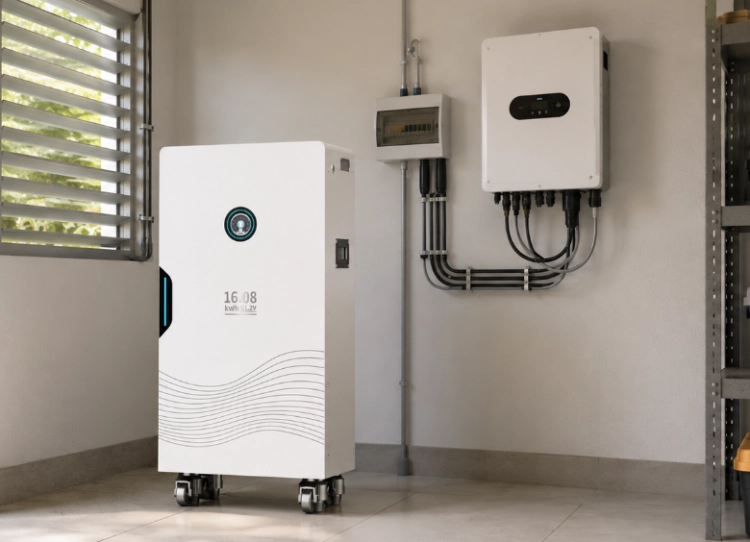
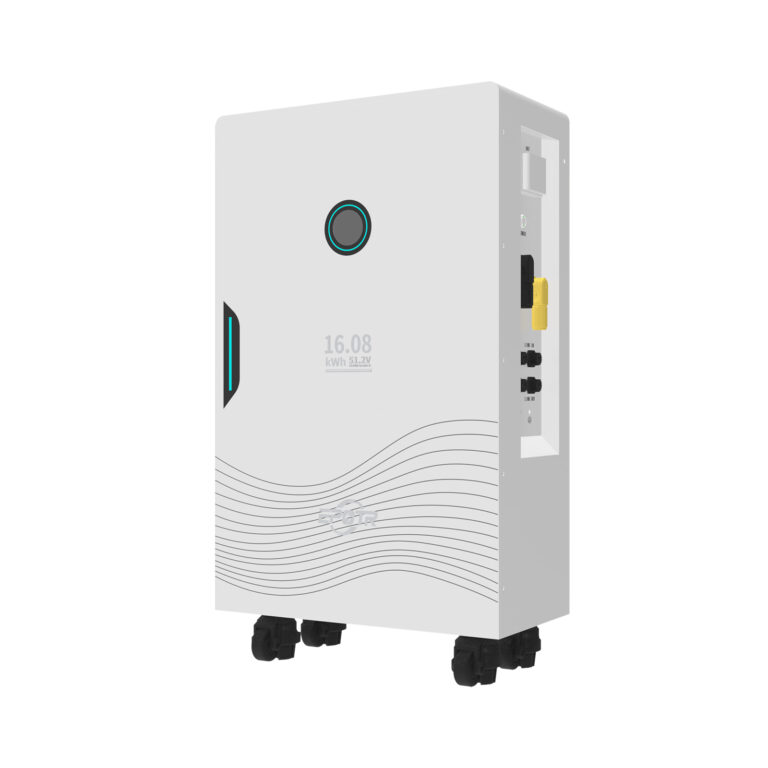
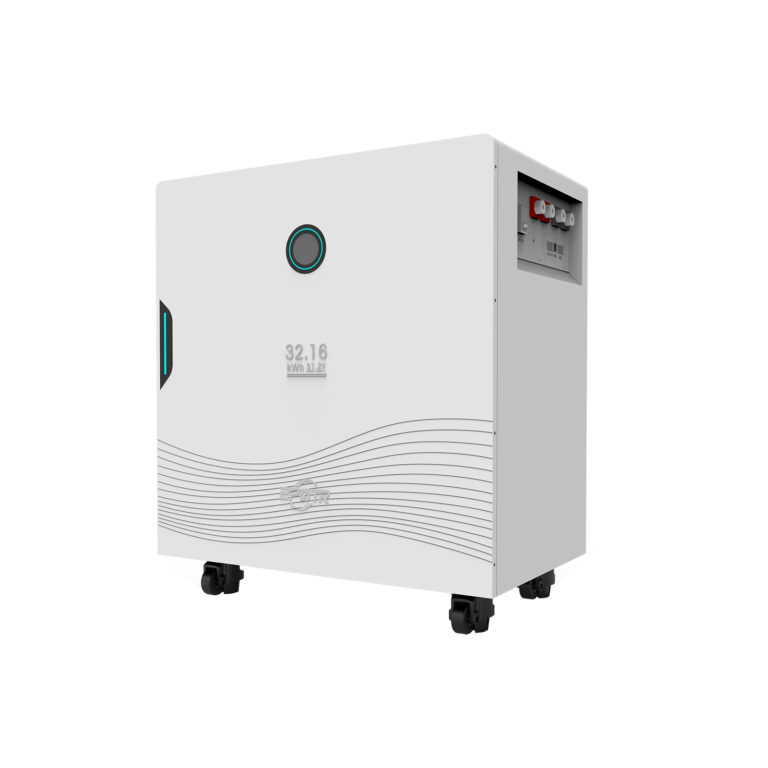
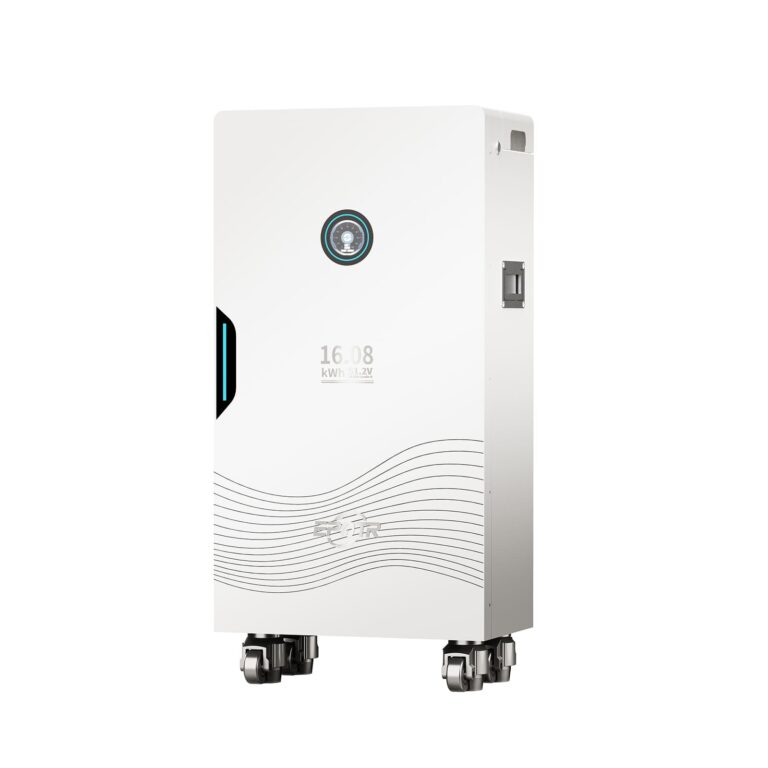
The EPOTR product documentation lists Power Cool LFP HV2 as a stack-mounted high voltage residential option. Use the EPOTR home storage range and hybrid inverter range to identify equipment families, then ask for written confirmation for the exact configuration. The catalogue categories do not establish compatibility between individual models.
Compare the complete cost of the two options
There are two bills to compare here. One buys the larger installation immediately. The other buys a smaller system now and pays for a return visit later. Include hardware, labor and recommissioning in the second calculation. Then settle the awkward question of future modules. Can the supplier approve their addition to this particular stack, and are there revision or condition requirements? Until that is established, the price of a future upgrade is only provisional.

Prepare the home for an expanded system
Build the upgrade plan around an ordinary evening
For the load discussion, a short record of actual use is more helpful than the house’s full appliance inventory. Put lights, the refrigerator and internet equipment on the page, along with any other circuits the family wants during an outage. Add measured consumption where it is available and expected hours of use. The installer also needs to know which appliances overlap. That overlap can determine the required output even when the total evening energy looks modest.
For the family’s load brief, describe the evening the system is supposed to support. Cooking and cooling rooms while everyone is home can put a very different demand on it from the afternoon routine. Weekends may need their own entry. Air conditioning in particular deserves an explicit decision about backup coverage. Any circuits the family is willing to leave off during a power cut should appear in that same brief, before the equipment price is agreed.
The energy arithmetic is fairly easy to follow in an example. A hypothetical 500 W essential load used for four hours receives 2 kWh. The design task then includes losses, usable charge limits and reserve, so 2 kWh is not a purchase specification. Starting a pump during those hours introduces a power requirement as well. Its startup demand needs checking independently of the energy total, even though it may last only briefly.
Check whether the larger battery can recharge
A bigger stack has to earn its place during charging as well as discharging. Where will tomorrow’s stored energy come from? In a solar installation, part of the day’s generation already goes to household consumption. Only the surplus is available for storage. Have the installer use that surplus in the expansion calculation. Otherwise the family may buy capacity that rarely fills under its usual pattern of consumption.
The installer should work through a less productive solar day as well. How much charge is left for that evening, and what would change if the pattern continued? Where the plan relies on grid charging, document when it occurs, its power limit and the assumed cost. Those details determine whether the proposed daily routine makes sense for the household. They also help the family decide which essential uses take priority after several days when charging has fallen short.
Reserve physical space for the eventual installation
The space left for expansion has to be usable space. Measure the route into the house as well as the proposed location, then review the finished stack with the installer. Support and service access must suit the larger arrangement under the manufacturer’s instructions. Isolation devices and labels still need to be reachable. A later addition that requires moving the first installation carries work and cost that a bare module price would leave out.
Before the site visit, photograph the area around the intended battery position. A nearby window or hot appliance can matter to the assessment, and so can a route by which water might enter. These are details for the installer to review against the manufacturer’s siting instructions. The agreed position, together with any protective work required, belongs on the drawing retained with the quotation. That record will still be useful when a larger stack is considered.
Verify commissioning and purchase documents
Agree on a handover test for each configuration
At handover, the homeowner should receive a record of the equipment and the approved commissioning checks. Selected circuits, charging, monitoring and intended backup operation belong in that process. The equipment record needs model numbers, module count, firmware and settings. Once another visit is being considered, those otherwise unremarkable details become the basis for checking the existing arrangement and whether the proposed extra modules can be added to it.
After an expansion, the drawing and commissioning record need to describe the new arrangement. It is also worth settling the service route while the installer is still involved. Who receives an alarm report, and which monitoring records will help them investigate? A shutdown with a time and charge reading is easier to investigate than an undated description. The family can then assess the extra capacity against the evening use that originally prompted the purchase.
Confirm safety documents and warranty before ordering
The purchase file also needs the supplied configuration’s safety documentation and warranty terms. For this Vietnam installation, identify the service contact and get the effect of future expansion on coverage in writing. It is sensible to resolve those terms while comparing the two purchase options. A smaller first order followed by a return visit involves responsibilities that may be less obvious than the extra modules listed on a price sheet.
Read about EPOTR for supplier background. When you contact EPOTR, share the inverter model, both proposed module counts, the loads you want backed up and the installation location. Request confirmation of usable energy, supported output and the conditions for the later upgrade before placing the first order.