
Power expenses in factories go beyond a basic entry in financial statements now. They shape whether a company holds its edge or slips behind. In places like Southeast Asia and the Middle East, higher rates and shaky networks bring steady troubles to site leaders. Switching to better power control stands as a smart choice. However, confusing terms frequently turn the change into something harder than necessary.
When seeking a team truly dedicated to power improvement, consider EPOTR. Started in 2023 and rooted in Dongguan, the firm has risen fast as a key source for producers wanting solid electricity. If you hunt for high-efficiency solutions or seek quick contact with technical experts, they aim to turn power self-reliance into fact, not empty talk. They go beyond selling units. Instead, they combine cutting-edge power parts with clever oversight to aid business success. Use their contact page to talk with staff about exact project needs.
Why Is the All-In-One Hybrid Energy Storage System Essential for Factories?
The change to combined units comes from a push to ease formerly chaotic groups of distinct elements. In standard factory areas, room counts as value, while stops spell trouble. Older setups demand detailed linking of batteries, inverters, and controls. As a result, this boosts the odds of issues during fitting or regular runs.
Seamless Integration of Inverters and Lithium Batteries
Placing the inverter alongside lithium battery parts in one case wipes out matching problems that bother custom builds. These pieces show up set and checked ahead. Therefore, the exchange between the battery management system (BMS) and the power conversion system (PCS) runs without hitches starting immediately. Such setup ensures smooth work from the outset.
Guaranteed Power Continuity During Grid Fluctuations
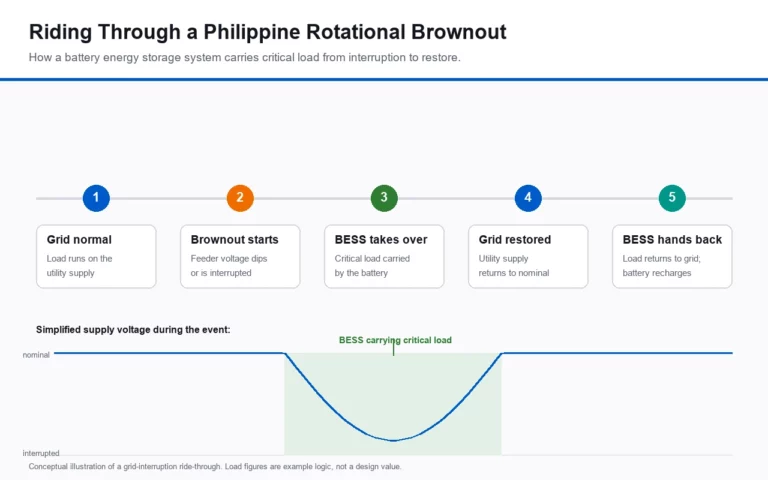
Firms in spots with frail setups count on quick reply times down to milliseconds. A joined system spots a network fall right away and moves to battery supply. Hence, it stops CNC tools from rebooting or lines from locking, which guards against huge losses in resources.
Significant Reduction in Peak Demand Charges
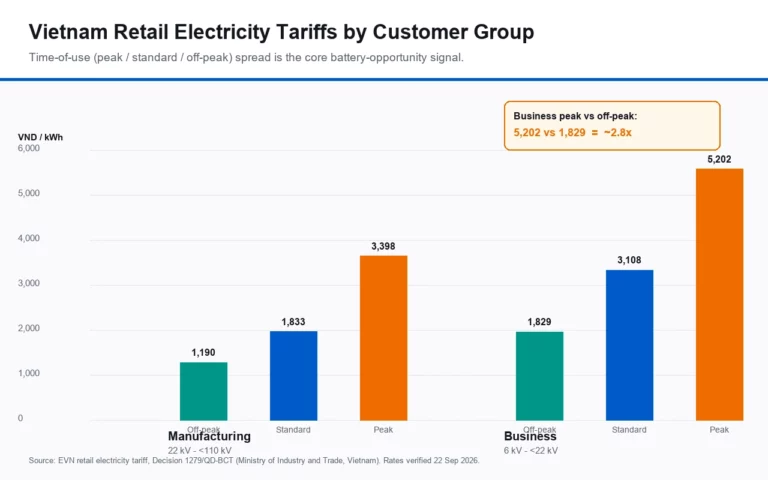
Factory power tabs mostly rest on the day’s top usage mark. A combined system applies peak shaving by letting out held energy as demand reaches its cap. This holds the logged high down and cuts the monthly fee by a good margin. Operators see real savings in bills.
What Makes the EP2 Series the Best Choice for Industrial Applications?
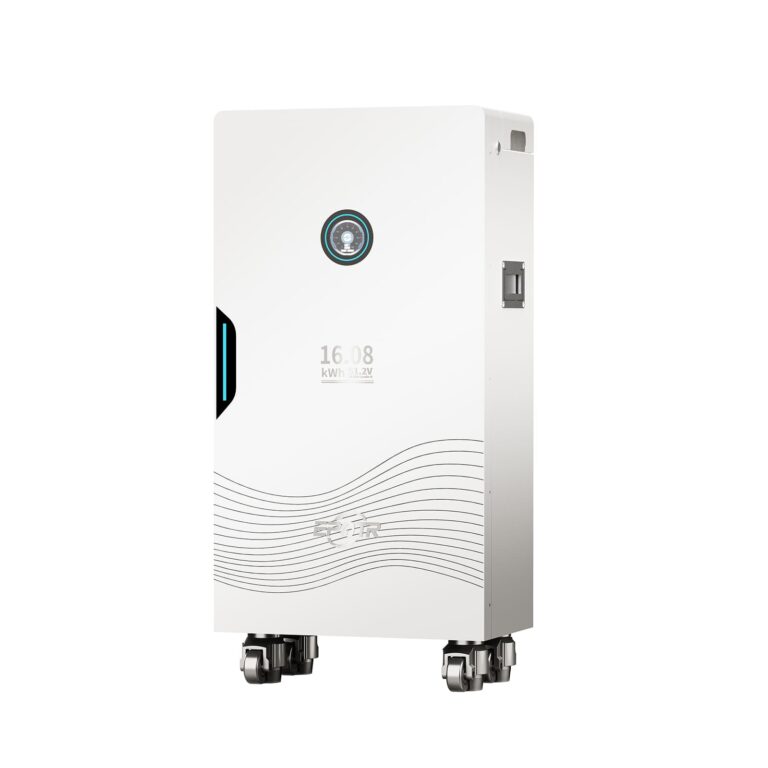
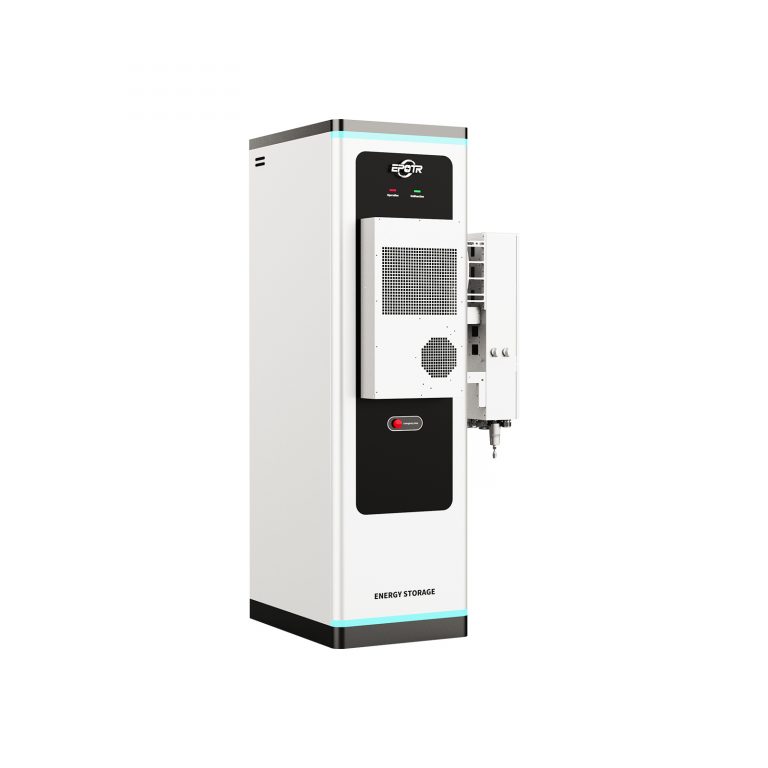
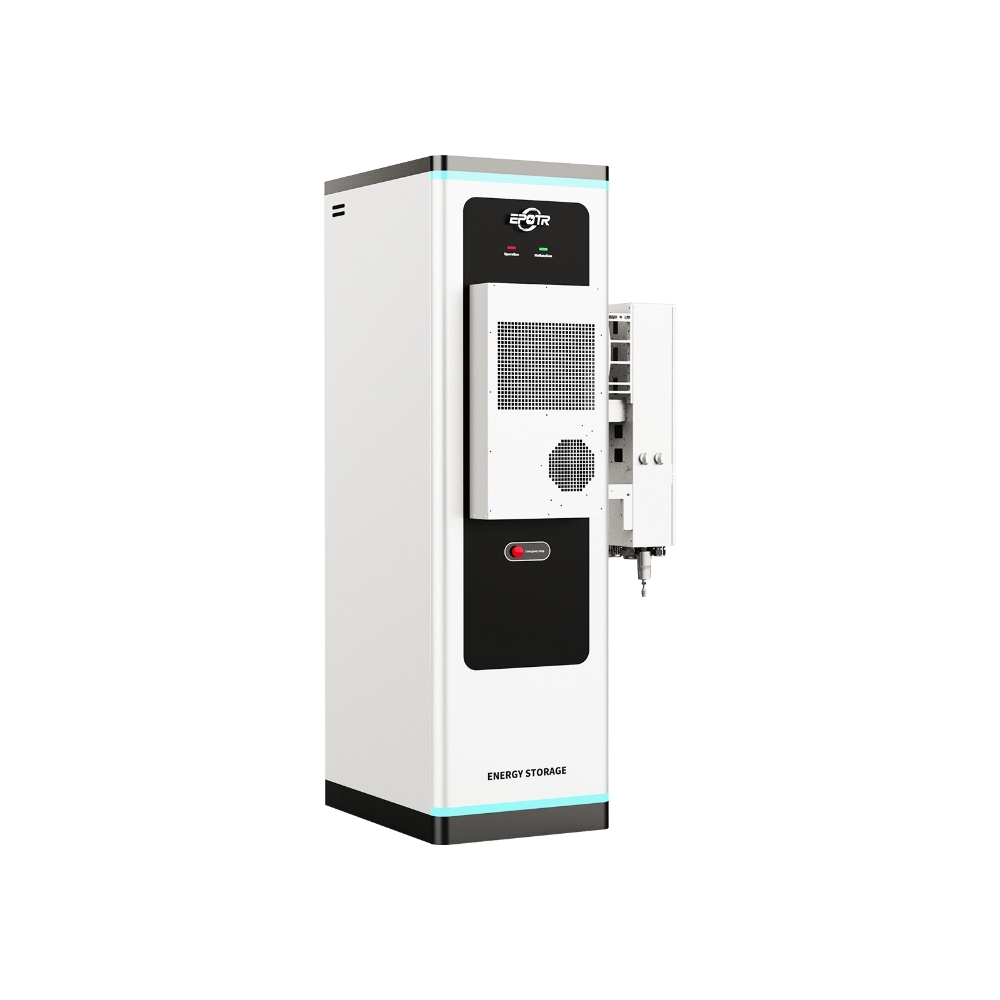
Checking gear for 2026 centers on tightness and smarts. The EP2 ALL IN ONE HYBRID ENERGY STORAGE SYSTEM gets made to manage the tough loops needed by commercial and industrial (C&I) users. It stands as a strong tool that tackles power control tasks without ongoing watch.
Advanced High Voltage Battery Architecture
Drawing on high-voltage battery lines lifts total round-trip output. With raised voltage, the flow drops for equal power delivery. This leads to reduced warmth and smaller losses in charge and release steps. Overall, it boosts system performance steadily.
Smart EMS for Real Time Energy Management
The inbuilt Energy Management System (EMS) works as the core director. It follows power streams live and handles through a web setup. Thus, it enables far-off fixes and checks, meaning no need to stand by the device to confirm top function.
Industrial Grade Safety with LFP Technology
Protection ranks as essential in plant settings. Lithium Iron Phosphate (LiFePO4) cells provide heat firmness. Even in tough spots, these hold back fire risks well. Plus, they deliver over 6000 cycles at 90% depth of discharge for lasting use.
Modular Scalability for Growing Energy Needs
Fresh modular battery types offer a big plus in beginning small. Their slim build and modest start price fit tiny shops nicely. When output rises, just attach extra parts to build storage without swapping the whole setup. This keeps pace with business growth.
How Does an Integrated System Compare to Traditional Modular Setups?
Picking a joined case over a modular split type often boils to work fees and lasting steadiness. Split types give some room in part placement. Yet, they commonly cause paralleling mismatch in battery groups, which eats into output as time passes.
Simplified Installation with Pre Configured Components
Fees for expert electricians run steep. A combined piece lands as one full item. Link the AC in/out and PV lines, then it starts up. This trims setup hours over half versus tying single battery frames to a lone inverter. Teams finish quicker with less hassle.
Optimized Space Utilization in Compact Factory Layouts
Ground area stays tight in city plant zones. A upright case uses far less spot than split battery stacks and hung inverters. It holds the area neat and drops odds of harm to open wires from bumps. Staff move about without snags.
Higher System Efficiency with Matched Hardware
Same design group for inverter and battery skips ring current dangers from uneven clusters. The two-way changer keeps steady flow and voltage. So, it charges the batteries in the best way for good health. This pairing lifts overall output.
Is the All-In-One System Suitable for Both Indoor and Outdoor Environments?
Setting conditions count a lot. Top C&I ESS Solutions handle outside spots, but lots of home or light business goods face bounds. Thinking all power items take rain outside proves a usual slip.
Outdoor Durability of the EP2 Cabinet System
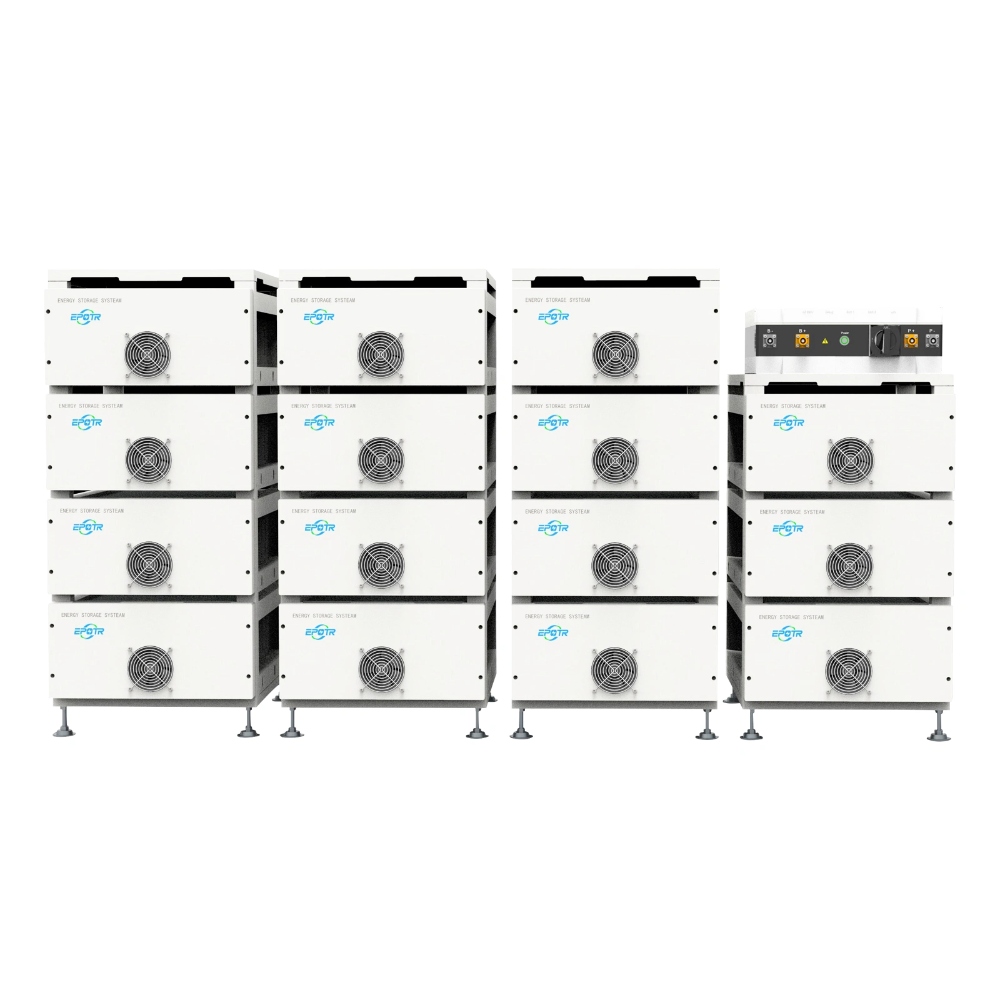
EP2 units usually carry IP54 for guard against dust and sprays. They pack a wise heat handler to chill parts even under hot sun on the shell in warm lands. This build suits varied outside uses reliably.
Indoor Constraints of Standard Off Grid Inverters
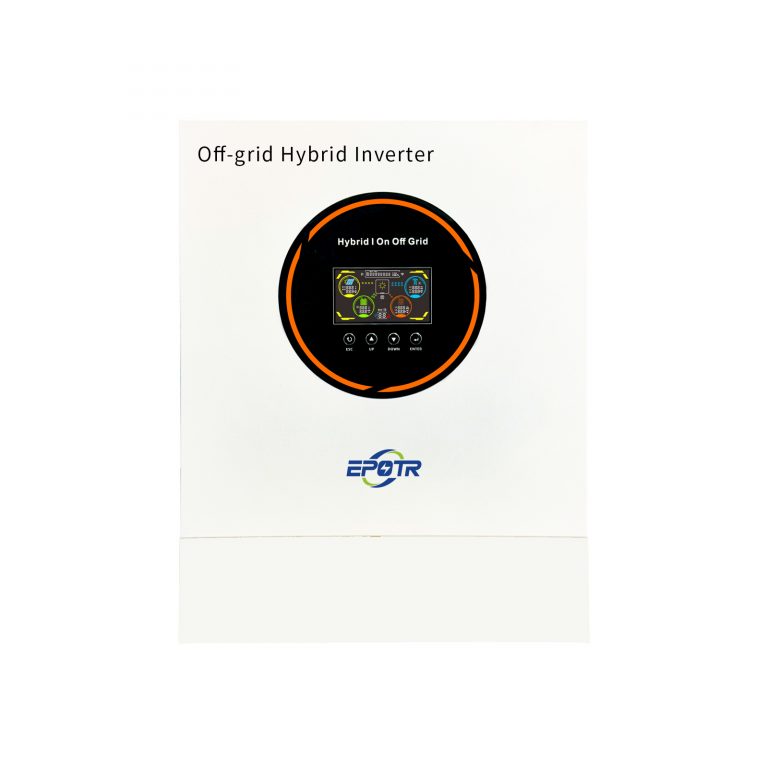
At the other side, plain off-grid inverters stick to inside with IP20 guard. These mount on walls for houses or little offices. They fit island areas like Indonesia or the Philippines by teaming with battery sets for micro-grids. Still, they need to keep dry and clear of dirt.
Proper Ventilation and Safety Requirements for Large Installations
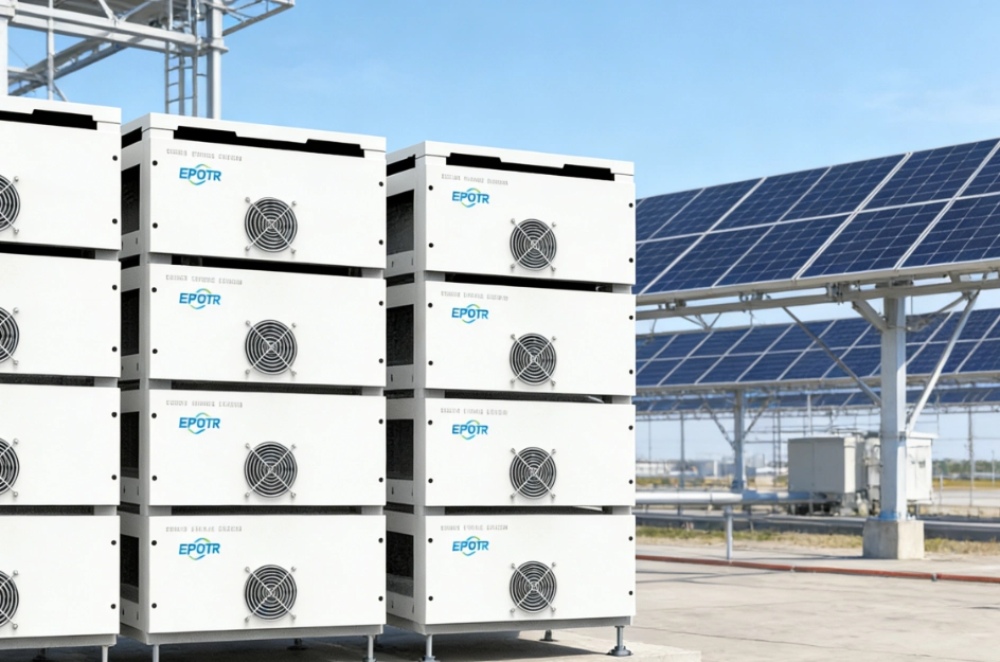
Inside pieces call for solid air movement too. Some top battery groups skip active chillers, yet rooms must vent well. These inside plans match 90% of hybrid inverters out there, like Deye or Solis names. So, they bring wide choice if gear sits in place already.
FAQ
Q1: What is the main difference between an all-in-one system and a split system?
A: An all-in-one system combines the inverter, battery, and controller into one cabinet for easier installation and better space efficiency, whereas a split system uses separate components that require manual wiring and configuration.
Q2: Can the EP2 system be used in areas with no power grid at all?
A: Yes, it is designed to support off-grid functions and can form an independent micro-grid when paired with solar panels, making it ideal for remote industrial sites.
Q3: How long does the battery last in a typical industrial setting?
A: Using LiFePO4 technology, the batteries are rated for over 6000 cycles. If cycled once per day, the system can reliably serve a business for well over 15 years before seeing significant capacity drop.
Q4: Is the system compatible with my existing solar panels?
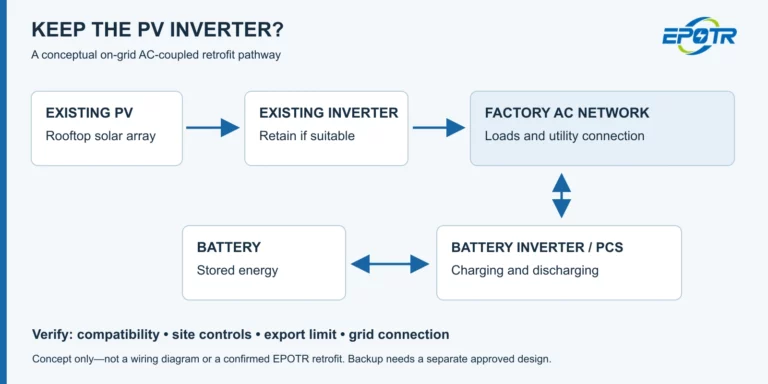
A: Most all-in-one systems are designed with standard PV inputs that work with the majority of solar panels on the market, provided the string voltage matches the inverter’s input range.
Q5: Does the system require a lot of maintenance?
A: Very little. Because it includes a cloud-based monitoring platform and smart EMS, most health checks are done automatically. You mainly just need to keep the exterior clean and ensure the air vents aren’t blocked.