As Vietnam speeds up its shift to renewable energy sources, choosing the right energy storage type turns into a key element for lasting system dependability and protection. In areas where usual humidity often goes over 80% and top temperatures rise past 40°C, standard battery options commonly suffer fast wear or danger issues, which can shorten their useful life considerably. EPOTR acts as an expert in energy improvement, delivering modern power tools and clever control setups built for ongoing self-sufficiency in power use. When you link strong lithium tech with sturdy parts, they supply the base for tough power setups in homes and businesses across Southeast Asia, helping users handle local weather challenges effectively.
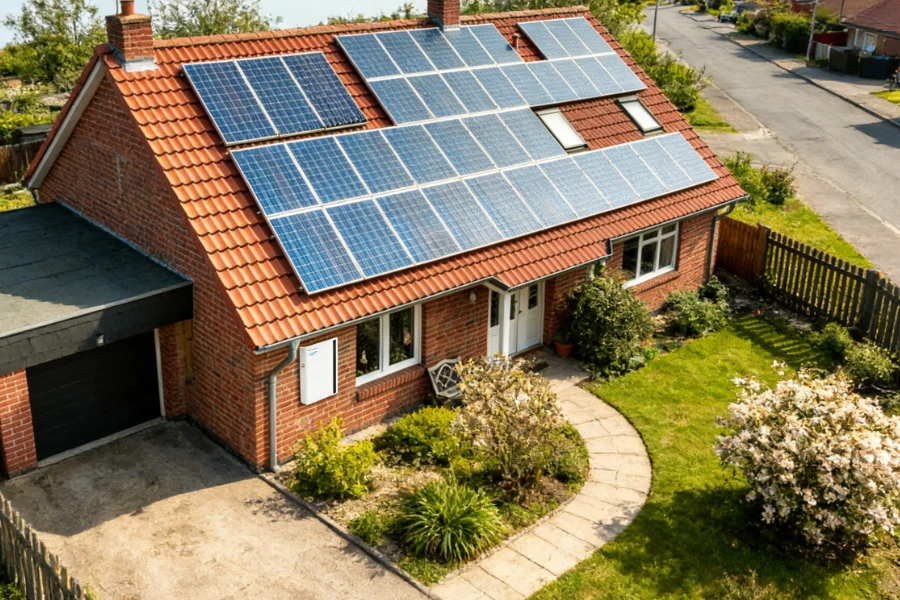
The Scientific Necessity of LiFePO4 in Tropical Climates
Tropical settings place heavy strain on battery materials, so Lithium Iron Phosphate (LiFePO4) becomes a must-have choice based on technical needs rather than mere preference. The makeup of LFP gives built-in protection and strength that other lithium-ion types simply cannot equal when facing strong heat pressures, ensuring safer and longer operation in demanding conditions.
Unmatched Thermal Stability
The LFP battery material shows better heat runaway limits, staying steady even as outside temperatures hit up to 55°C, which helps avoid inside shorts and fire dangers during the strong summer warmth typical in Vietnam. This feature proves essential because it keeps the system running without sudden failures, allowing reliable power supply year-round.
Superior Humidity Resistance
Surrounding dampness can start rust and cause early breakdowns in weaker battery units, but LFP types react less to moisture-driven shifts in chemicals. When paired with cases that have strong Ingress Protection ratings, they hold up well in seaside spots and wet inner regions, so performance stays consistent over time.
Extended Operational Lifespan
Standard batteries might give out after just a couple years under heat stress, whereas LFP tech handles more than 6,000 cycles at 90% Depth of Discharge (DOD), which means energy setups keep working for over ten years. This long run provides steady gains on your spending, even when weather turns rough and tests the equipment.
Tackling Vietnam’s Energy Pain Points with Innovative Design
Vietnam’s power scene brings specific problems, from area grid wobbles to climbing prices for business electricity, so picking a system that fixes these local troubles calls for more than just big storage capacity. It demands smart linking between solar feed and battery control, which together create a balanced approach to energy handling.
Grid Instability Solutions
Regular power swings and cuts in growing areas require a setup with quick response times at the millisecond level, and advanced hybrid units fill the space between shaky networks and your steady power wants. As a result, key devices stay active during outages, keeping daily life or work going without big stops.
High Electricity Costs
Peak-shaving methods let you save energy in low-rate times and release it when grid fees hit their highest, which cuts down on power expenses month by month. By pushing the most use of solar power on site, you shield your home or company from growing energy bills, turning potential costs into savings.
Localized Technical Support
Energy storage items made for the Southeast Asian area include better cooling and dirt shields to deal with on-site weather, so the parts work well in real conditions. This attention to local needs means the equipment gets adjusted for Vietnam’s exact climate pressures, not just shipped in from elsewhere.
Advanced Energy Solutions for Residential Energy Independence
Home energy self-reliance comes from mixing high-output inverters with flexible storage parts, and these setups need to fit various house layouts, from small wall units to large floor models based on your space and power needs.
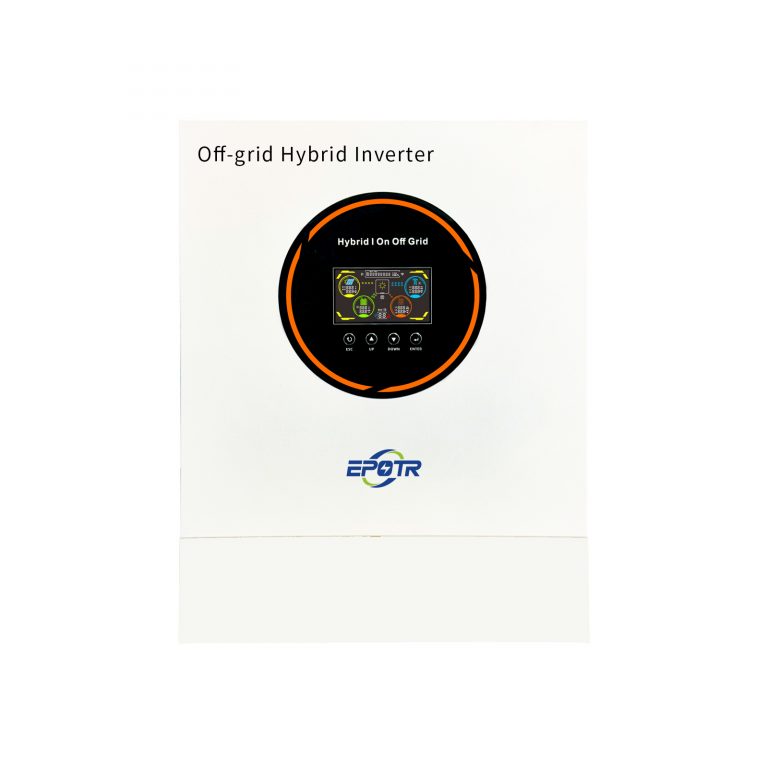
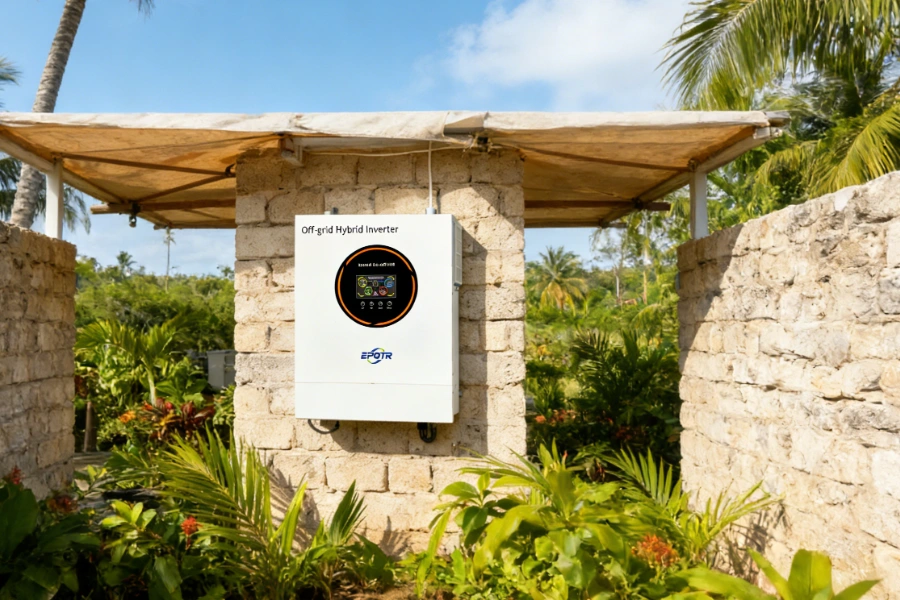
EPH Off-Grid Hybrid Inverter
The EPH Off Grid Hybrid Inverter gets built for the tough spots in Southeast Asian islands and shore areas, featuring clean sine wave output along with inner MPPT tech that boosts power making by 10% to 20% over older types. This design helps users get more from their solar setups in hard environments.
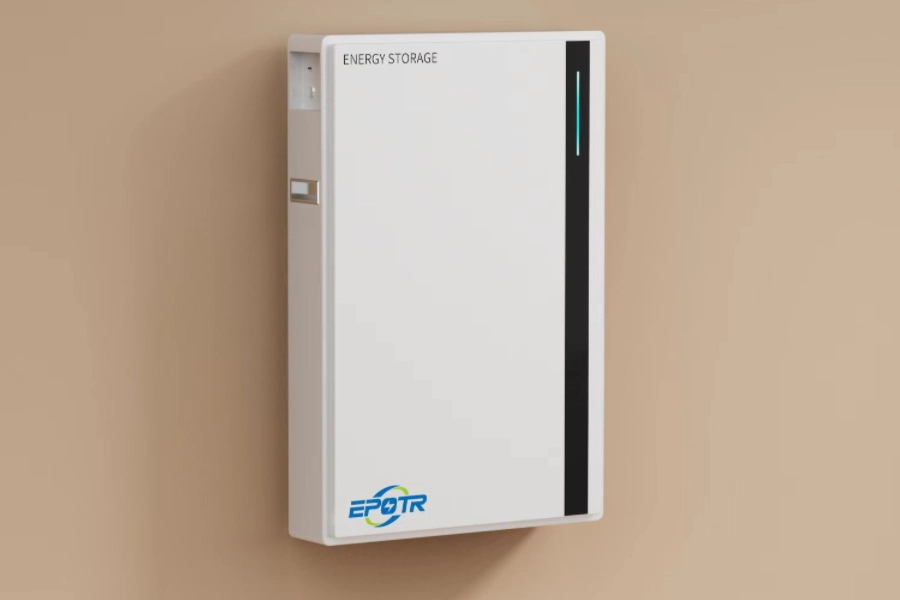
Wall-mounted Residential ESS
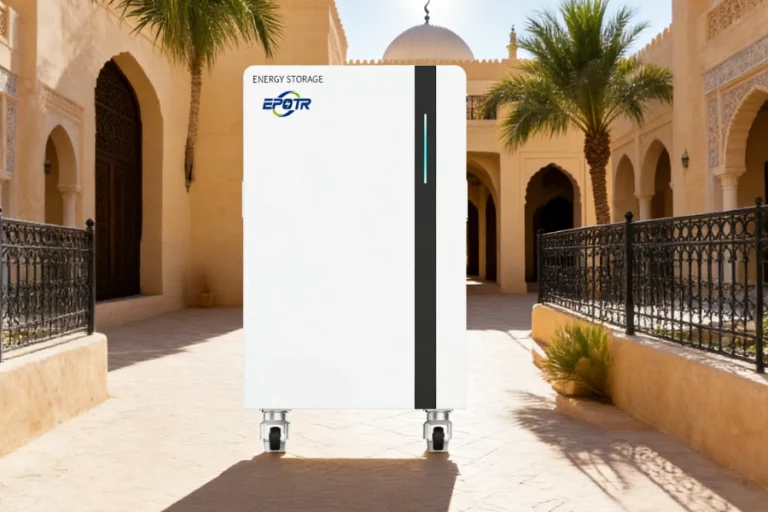
For houses short on ground area, the Wall-mounted Residential ESS gives a small, dense-energy choice with total storage of 10.49kWh, using air cooling to skip noise and upkeep while its IP20 shield keeps indoor work solid. Such features make it easy to add to tight spaces without hassle.
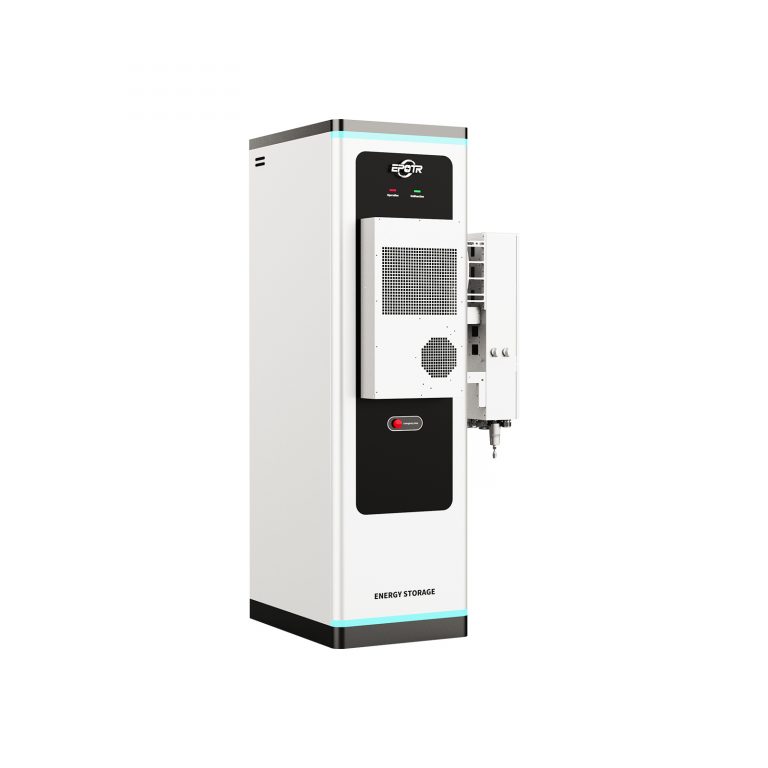
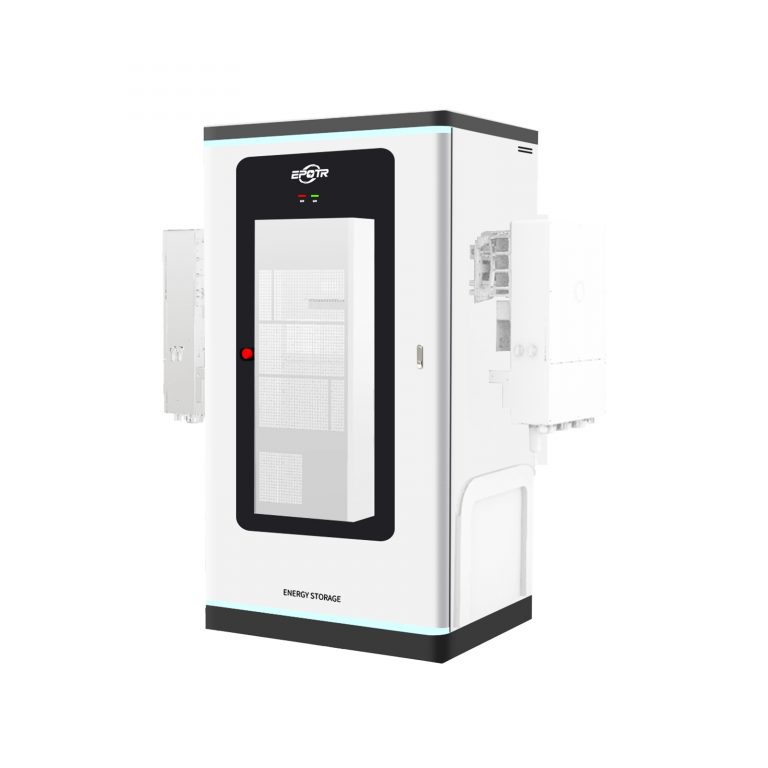
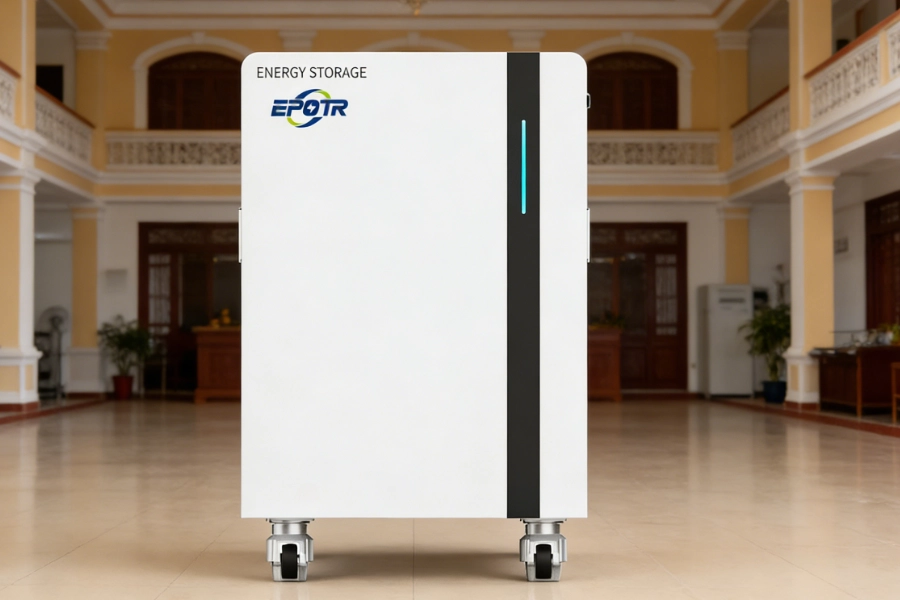
Floor-standing Residential ESS
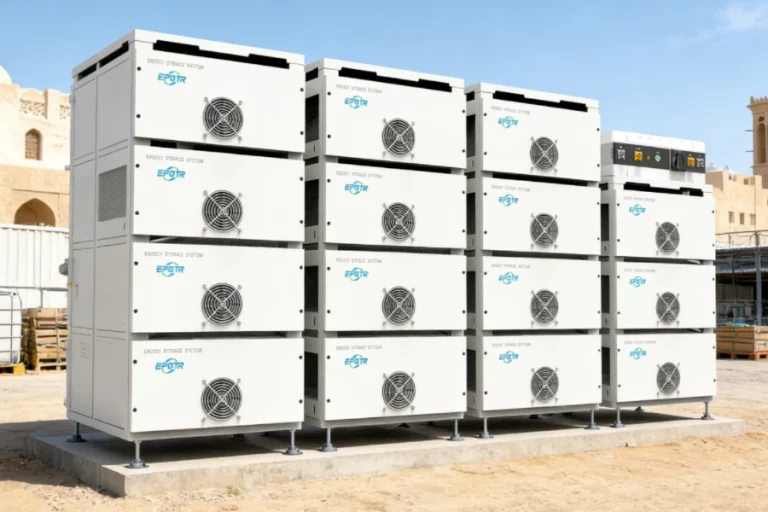
As your power demands increase, the Home energy storage system-Floor-standing ESS offers a block method that grows to 36.56kWh, and this home-like style blends into current room looks while holding pro-level output and strength. It supports easy growth for bigger family needs over time.
The Professional Advantage: Safety, Certification, and Value
Pro energy storage shows its worth by hitting world safety rules and giving the lowest even cost of energy (LCOE), so you need parts that work well and pass checks from global testers for ongoing protection.
Certified Global Standards
Meeting CE and UN38.3 rules matters for making sure LFP batteries suit home setup and moving, as these marks show the battery management system (BMS) guards fully against heat overloads and shorts. This backing builds user trust in daily use.
Comprehensive Warranty Policy
Putting money into solar storage means a long-haul choice, and a solid warranty plan shows the maker’s belief in lasting build quality, with top systems giving 5 to 10-year covers that guard your outlay and keep help ready through the whole run. Such support eases worries about future fixes.
Optimal Price-Performance Ratio
Using fine Floor-standing Residential ESS parts, you reach 95% battery output, which pulls the most from your solar boards and shortens return times while adding big savings across the battery’s 6,000-cycle span. This balance makes it a smart pick for value.
FAQ
Q1: Why is LFP better than NCM for Vietnam’s climate?”
A: LFP batteries offer significantly higher thermal stability and a longer cycle life in high-temperature environments compared to NCM batteries, which are more prone to thermal runaway in tropical heat.
Q2: Can the EPH inverter work without a battery?
A: Yes, certain models in the EPH series are capable of working without a battery, allowing you to prioritize solar power directly for your loads during the day.
Q3: How many batteries can I connect in parallel for the floor-standing system?
A: The floor-standing modular system supports parallel strings, allowing you to expand your total capacity significantly to meet growing energy demands.
Q4: What happens to the system during a power outage?
A: The hybrid inverter can switch to off-grid mode in less than 10ms, providing UPS-level backup power to ensure your home remains powered without interruption.
Q5: Is maintenance required for the residential ESS?
A: The systems use natural cooling and advanced BMS technology, meaning they have no moving parts like fans that require frequent cleaning or replacement, resulting in low maintenance costs.