Vietnam’s power needs expand quickly throughout 2025. Forecasts indicate a rise between 10.5 and 13 percent over 2024 levels. Industrial areas in the north, especially Bac Ninh and Bac Giang, continue to suffer from ongoing pressure on the grid due to intense heatwaves, low hydropower output, and bottlenecks in transmission. Power cuts in recent years led to roughly 1.4 billion dollars in damages, stopping factory lines for large manufacturers and putting foreign investments at serious risk.
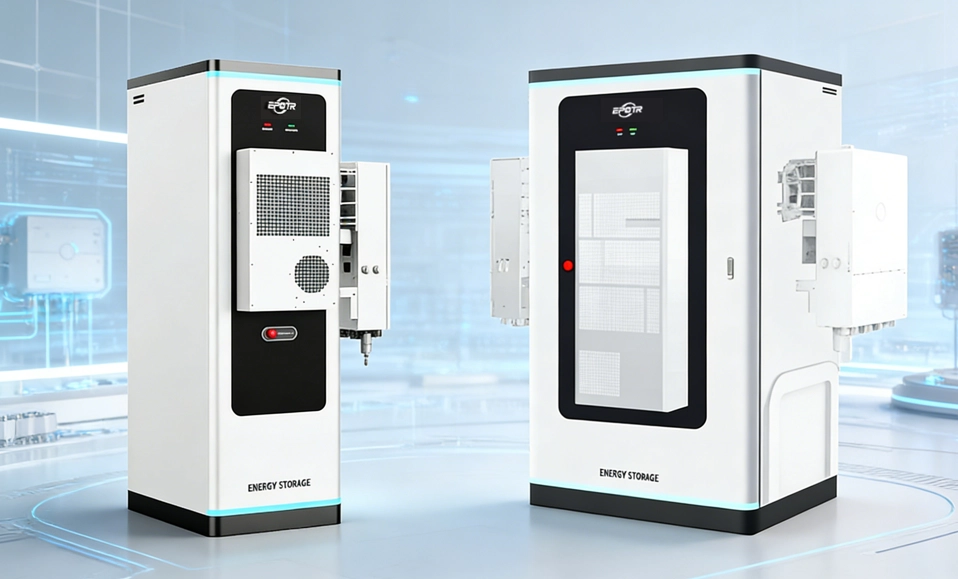
Numerous plants depend on diesel generators to keep running during blackouts. However, these machines bring steep fuel bills, harmful exhaust, loud operation, and regular upkeep requirements. Battery energy storage systems stand out as a far better choice, offering steady performance, reduced costs in the long run, and clear environmental gains when paired with solar power. As someone knowledgeable in renewable energy options, you gain real advantages from companies such as EPOTR.
Vietnam’s Growing Electricity Demand Exposes Grid Vulnerabilities in 2025
Electricity demand in Vietnam rises 10.5 to 13 percent in 2025. This growth strains the grid, especially in northern regions reliant on hydropower. Heatwaves reduce reservoir levels, while transmission bottlenecks limit power delivery to industrial hubs.
Stable electricity supply is essential to maintain operations. Battery storage systems address these challenges through modular design, enabling easy expansion and integration of renewable energy sources to ensure uninterrupted power supply.
Rising Demand and Supply Shortfalls
Projections indicate demand increases sharply during peak seasons. In 2025, peaks exceed supply by up to 2500 megawatts, creating frequent risks for factories.
Impacts on Northern Industrial Provinces
Outages disrupt factories in Bac Ninh and Bac Giang, causing production halts and substantial financial losses. These interruptions threaten ongoing foreign investments in key sectors.
Limitations of Traditional Diesel Backup
Diesel generators provide short-term power but lack scalability. Maintenance needs and fuel dependence make them less suitable for prolonged or repeated use.
Diesel Generators Fall Short in Cost, Reliability, and Sustainability
Diesel generators remain common for backup power in Vietnam’s industries. Fuel costs rise sharply during shortages, while emissions add environmental concerns and noise affects nearby operations.
Volatile Fuel Expenses and Operational Costs
Fuel price volatility has caused a sharp cost increase, while maintenance expenses have worsened the situation, which stands in stark contrast to the battery system’s long-term fixed pricing model.
Environmental and Regulatory Compliance Issues
Diesel pollution conflicts with carbon reduction targets. Growing regulations push industries toward cleaner alternatives.
Maintenance and Noise Challenges in Dense Zones
Frequent maintenance services disrupt workflow. Noise levels create disturbances in densely populated industrial areas.
Battery Energy Storage Systems Deliver Superior Performance for Industrial Backup
Battery energy storage systems use lithium iron phosphate cells for over 6000 cycles at 90 percent depth of discharge. Efficiency reaches 98 percent, with protections against overcurrent, overvoltage, and short circuits. You can gain from systems that ensure seamless power and long-term durability. These outperform diesel in reliability and efficiency.
Instant Seamless Power Transition
Systems switch to backup in milliseconds, supporting 100 percent three-phase imbalance. This prevents downtime during grid failures.
Long-Term Cost Predictability and Savings
No fuel needs eliminate volatility. High efficiency and extended cycle life lower total ownership costs substantially.
Zero Emissions and Silent Operation
The operation does not produce pollutants or noise, thus improving sustainability in industrial environments.
Hybrid Systems Integrate Renewables to Reduce Grid Dependence
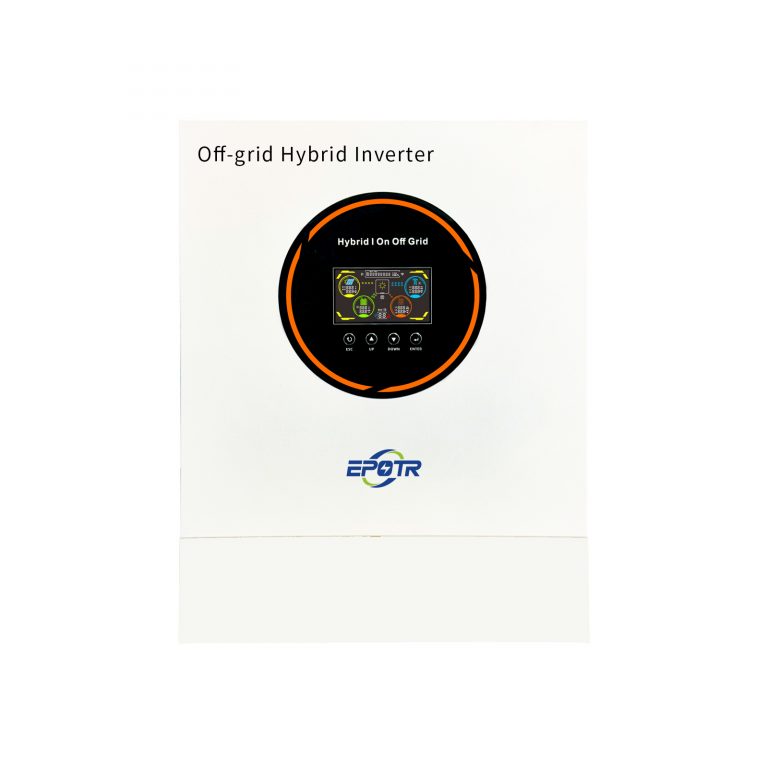
Hybrid systems combine batteries with solar through multiple maximum power point trackers. This setup optimizes energy use and reduces reliance on unstable grid supplies.
Maximizing Solar Utilization with MPPT
Trackers adjust voltage for maximum output under varying light. This boosts efficiency to 98.5 percent in Vietnam’s sunny conditions.
Peak Shaving and Demand Response Capabilities
Systems store excess energy for peaks, cutting charges. Demand response provides flexibility during high-load periods.
Building Independent Micro-Grids
Modular designs create micro-grids. This ensures stability in industrial parks facing grid strain.
EP2 All-in-One Hybrid System Excels in Vietnam’s Harsh Conditions
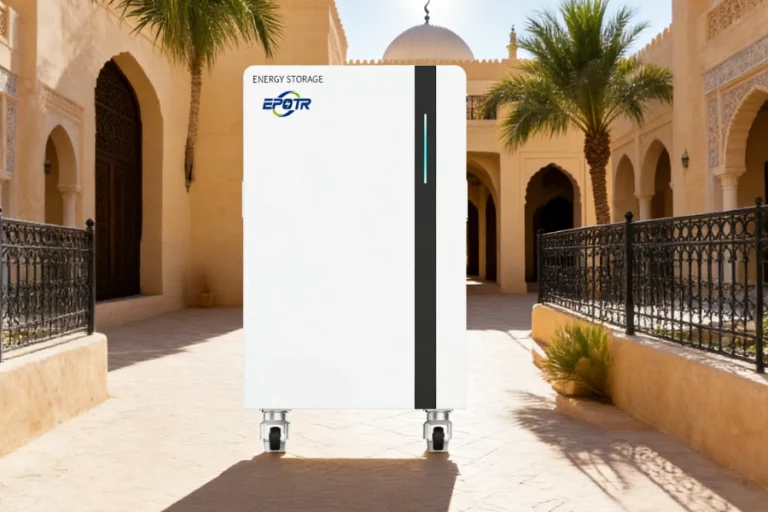
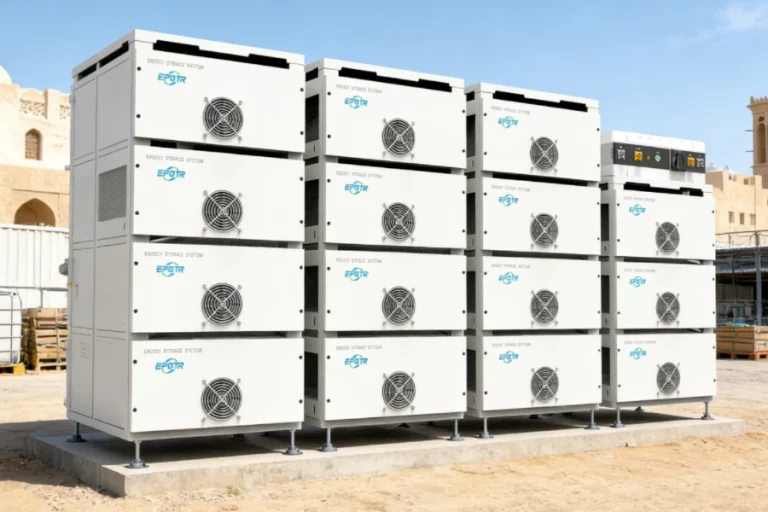
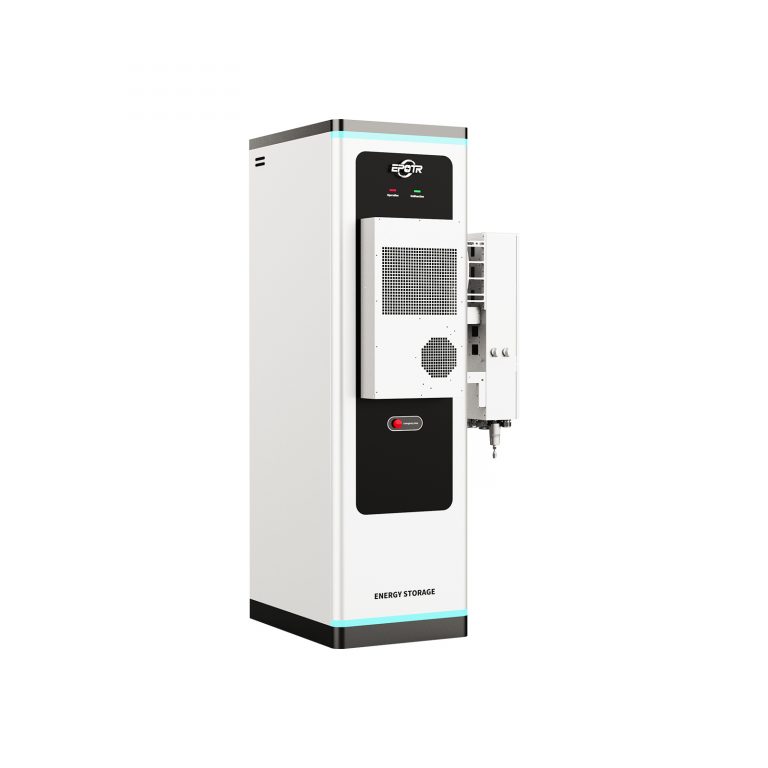
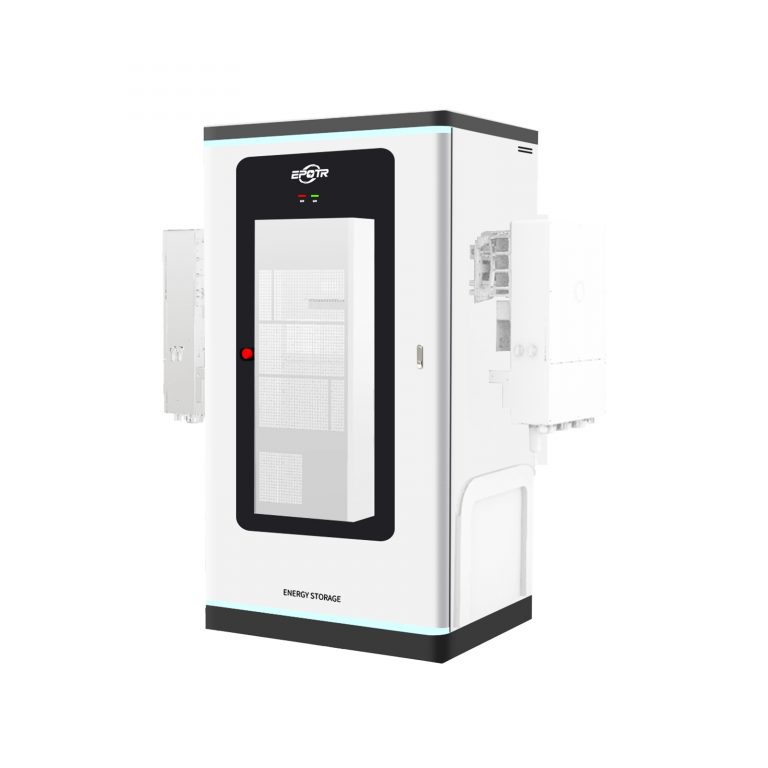
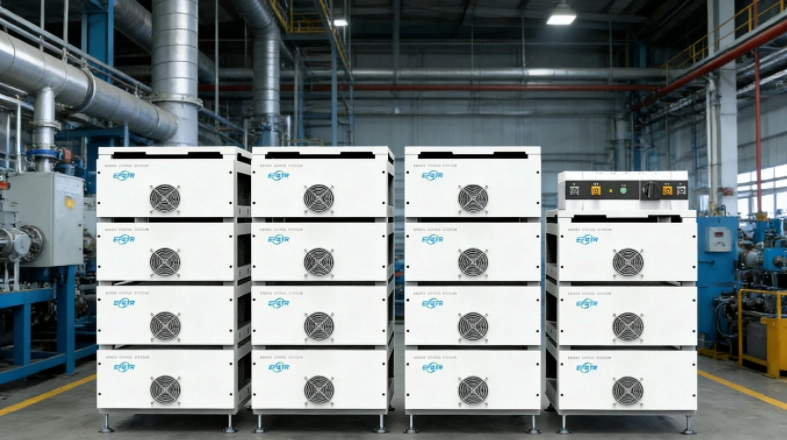
The EP2 All-in-One Hybrid Energy Storage System offers 50 kilowatts rated power, scalable to 500 kilowatts. Capacities range from 209 to 241 kilowatt-hours with lithium iron phosphate cells for 8000 cycles. Six maximum power point trackers handle 100 kilowatts solar input, compatible with diesel for hybrid modes.
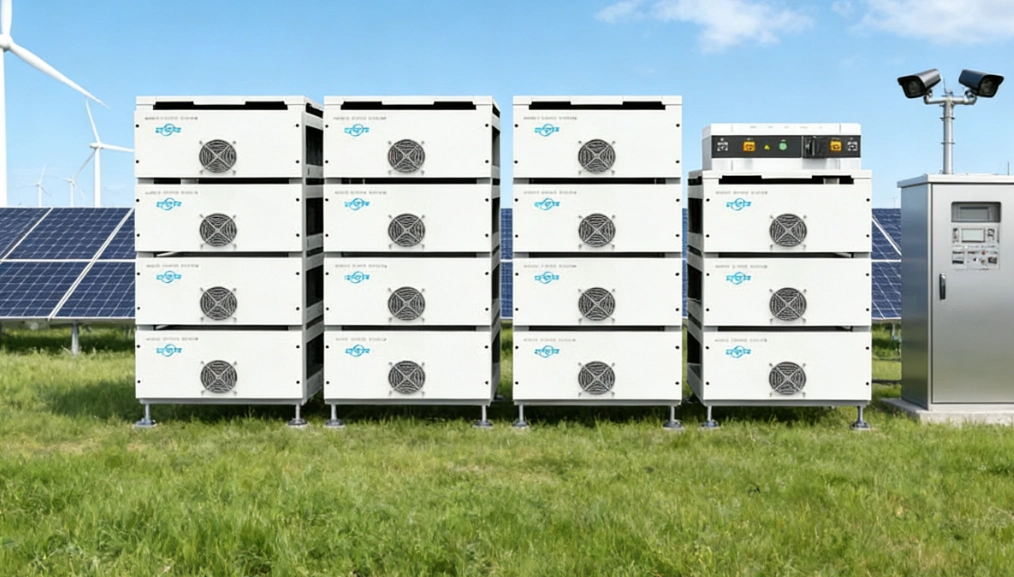
With IP66 protection and aerogel fireproof technology, this product is engineered for high humidity and high-temperature environments, delivering stable performance across extreme temperatures from-40°C to +60°C.
Containerized Plug-and-Play Design
Installation uses quick connectors and requires minimal setup. Integrated management systems monitor via Wi-Fi or Ethernet.
Robust Protection for Humidity and Heat
Air-conditioned cabinets and type II surge protection suit tropical climates. This prevents derating in extreme conditions.
Scalable Capacity with Remote Management
It can connect up to 10 units in parallel. The energy management system optimizes charging and discharging based on usage patterns.
Real-World Benefits and Implementation for Vietnamese Factories
Implementations in Vietnam’s industrial sector show clear gains. Systems reduce reliance on diesel and improve operational stability. Quick returns are possible through easy integration.
Minimizing Downtime in Outages
Backup provides 55 kilovolt-amperes continuous output, peaking at 75. This maintains operations during grid failures.
Achieving Rapid ROI Through Savings
High efficiency and no fuel yield payback quickly. Reduced peak charges add to financial benefits.
Supporting Sustainable Manufacturing Goals
Zero emissions align with regulations. Modular expansion fits growing needs without major changes.
Battery energy storage systems surpass generators in addressing Vietnam’s power challenges. They deliver reliable backup, cost reductions, and green compliance. For industrial resilience, adopt hybrid solutions like those in C&I ESS solutions.
Contact EPOTR to ensure safe operation despite the dual challenges of surging demand and grid pressure in 2025.
FAQ
Q1: How do battery systems reduce industrial downtime in Vietnam?
A: They enable instant transitions to backup power, preventing interruptions during grid failures.
Q2: What cost savings result from switching to hybrid storage?
A: Savings come from no fuel purchases and high efficiency up to 98 percent.
Q3: Do these systems work in Vietnam’s hot and humid climate?
A: Yes, with IP66 ratings and operation from minus 40 to plus 60 degrees Celsius.
Q4: Can hybrid systems integrate with solar panels?
A: They include multiple trackers for up to 100 kilowatts input, maximizing utilization.
Q5: How scalable are energy storage solutions for factories?
A: Modular designs parallel up to 10 units, expanding to 500 kilowatts or more.