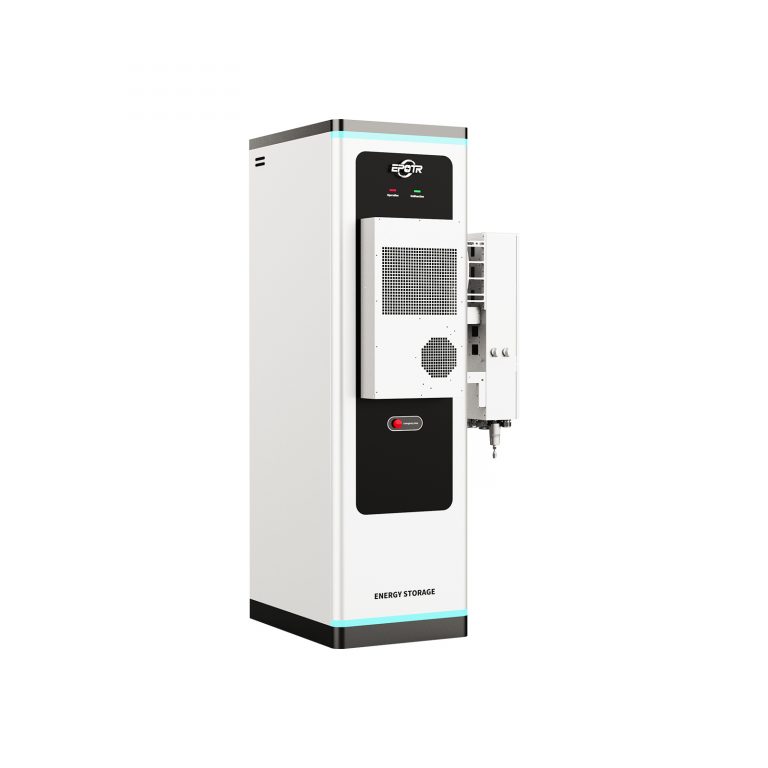

In Vietnam, solar power is not just a fad anymore. It is a must for cutting monthly costs and getting steady power when the grid fails. To make your setup work well, your solar inverter, which is the main part, needs steady care. As someone with years in the field, I suggest checking out companies like EPOTR. This firm started in 2023 in Dongguan. It works on mixing new power parts with smart energy control. Their skill in solutions that boost output and cut carbon use is known well. If you face high wet air or city dirt, the folks at EPOTR give the tech base for power freedom. When hard problems come up, their contact group answers fast for tech help.

Why Is Regular Maintenance Essential for Your Home Solar Inverter?
An inverter labors each day to turn DC power into AC power for home use. Without a basic check plan, tiny problems like dirt piles or loose wires can cause big part breaks. These breaks cost way more than a quick clean job.
Protection of long term investment returns
When you care for your gear, the system keeps turning energy at top levels. As a result, this shortens the time to get your money back. Proper upkeep ensures steady gains over years.
Prevention of sudden power system failures
Many home power cuts happen from ignored fans or blocked air paths. These issues make the system stop in hot times. Regular checks stop such surprises and keep power flowing.
Extension of the electronic component lifespan
By watching the heat around it, you stop inside parts like capacitors from drying fast. This adds many years to your wall unit’s life. Good heat control leads to longer use.
How Does the Vietnamese Climate Affect Your Indoor Off Grid Inverter?
Vietnam has a hot wet climate with strong rain times. This can hurt electronics badly. Off-grid inverters stay inside with IP20 cover, but air wet and hot seasons still change how they work.
High humidity impact on internal circuit boards
Wet air can rust copper lines and links inside. This happens most in sea areas or rain months when room wet stays over 80 percent. Such rust cuts board work over time.
Thermal management challenges during tropical heatwaves
Room heat in power spots often goes above 40 degrees Celsius in summer. Then, inside fans run full speed, which wears them out faster. Better air flow helps ease this strain.
Seasonal dust accumulation from urban environments
Small dirt from builds and cars in places like Ho Chi Minh or Hanoi blocks air paths. This makes inside parts get too hot. Clearing dust keeps things cool and running smooth.
What Are the Most Critical Daily Maintenance Checks for Your Inverter?
You do not have to be a tech expert to watch your setup. Just a few moments checking the box and screen can spot most issues early. This stops full power loss before it starts.
Visual inspection of the LED status indicators
Look to see if the green light stays on steady. If red or orange lights blink, it points to a ground problem or set error that needs quick fix. Such checks catch faults fast.
Verification of the real time power output data
Glance at the screen to check if watt numbers match the sun outside. A fast drop on a bright day warns of trouble. This simple step spots issues right away.
Monitoring for unusual operational noises or vibrations
A good inverter hums soft and even. But grinding or clicks mean the fan fails or a part shakes loose inside. Early note of noise prevents bigger breaks.
Can Proper Cleaning Improve the Efficiency of Your EPH Series Inverter?
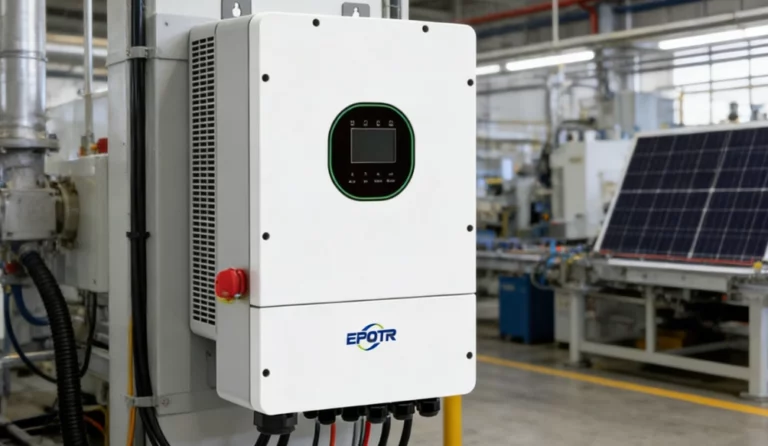
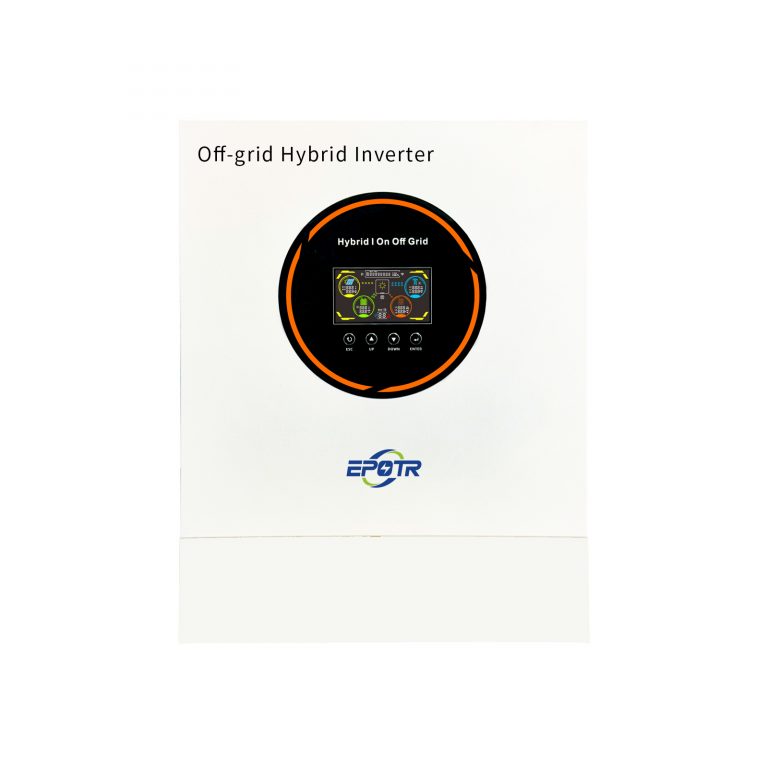
Clean outside helps your gear get fresh air. For users of the EPH SERIES 6.2KW OFF GRID INVERTER, its wall hang makes it easy to clean every few weeks.
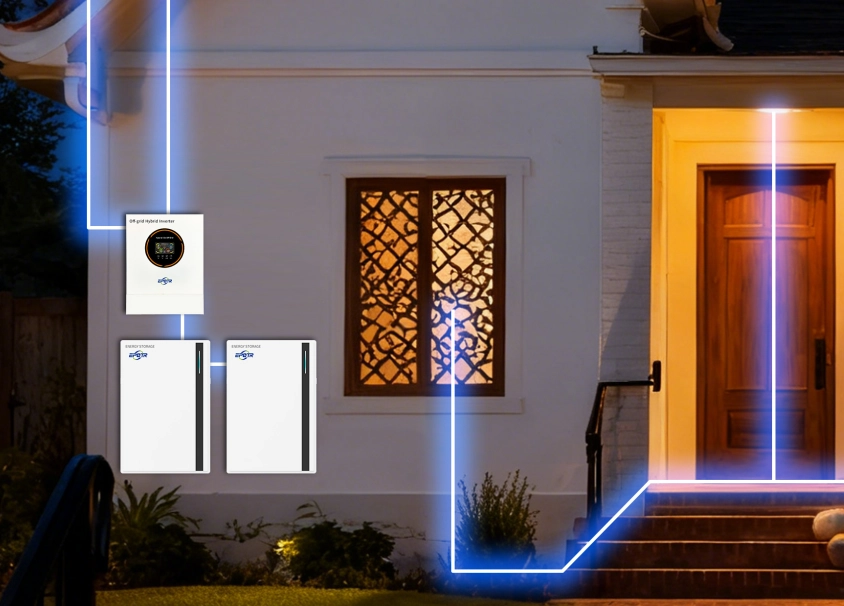
Regular dust removal from external ventilation grills
Wipe side and bottom air holes with a dry soft cloth. This lets fans draw cool air without fighting dirt layers. Clean vents boost air flow and cut heat build.
Obstruction clearance around the wall mounted chassis
Keep boxes or clothes away from the inverter. It needs 20cm free space on each side to stop heat trap near the box. Clear space aids safe cooling.
Soft cloth cleaning of the digital display panel
A clean screen lets you read error codes clear. It also stops buttons from sticking due to oil or dirt build. This keeps checks easy and sure.
How Do Technical Features Simplify Maintenance for Homeowners?
New gear handles hard spots with less hand work. Parts like dust guards and smart watch tools cut out guess work for owners. This fits well for full homes.
EPH Series dual output for intelligent load management
The EPH SERIES 8.5/11KW OFF GRID INVERTER splits big loads from key ones. As such, it stops over heat in high use times. Smart split eases daily care.

Integrated Wi Fi for remote performance monitoring
Link your setup to a phone app for alerts on power jumps or fan faults. You get notes without walking to the power room. Remote watch saves time and effort.
Built in anti dust kits for harsh environments
Top units have filters that catch small bits before they hit the board. This saves work in dirty South East Asia homes. Filters keep insides clean longer.
Which Model Best Fits Your Maintenance and Power Requirements?
Pick the right size and kind of inverter first for easy care life. In isle spots like the Philippines, Indonesia, or Malaysia, pair these inside units with LiFePO4 packs. This makes a firm small grid that deals with shaky main power well.
EPH Series 6.2KW for standard residential backup needs
This pick suits small homes that run lights, fans, and a fridge in common power dips. It gives steady backup without fuss. Basic needs get met easy.
EPH Series 8.5/11KW for heavy household power demands
Big homes with many cool units gain from more power hold. It runs large sun setups without gear strain. Higher size fits full home use.
High voltage battery compatibility for system stability
These inverters match 90 percent of market hybrid packs, like DEYE, Sungrowpower, and Solis. You stay free from one seller lock. Wide match keeps choices open.
Why Should You Choose Modular Battery Systems for Your Energy Solution?
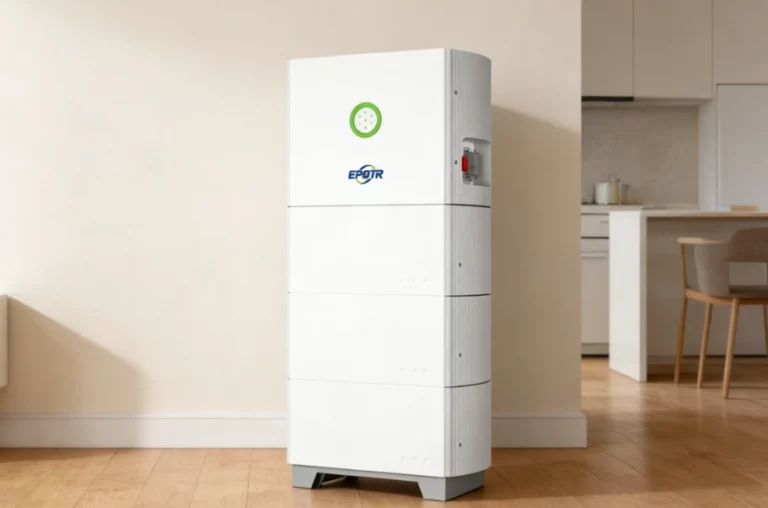
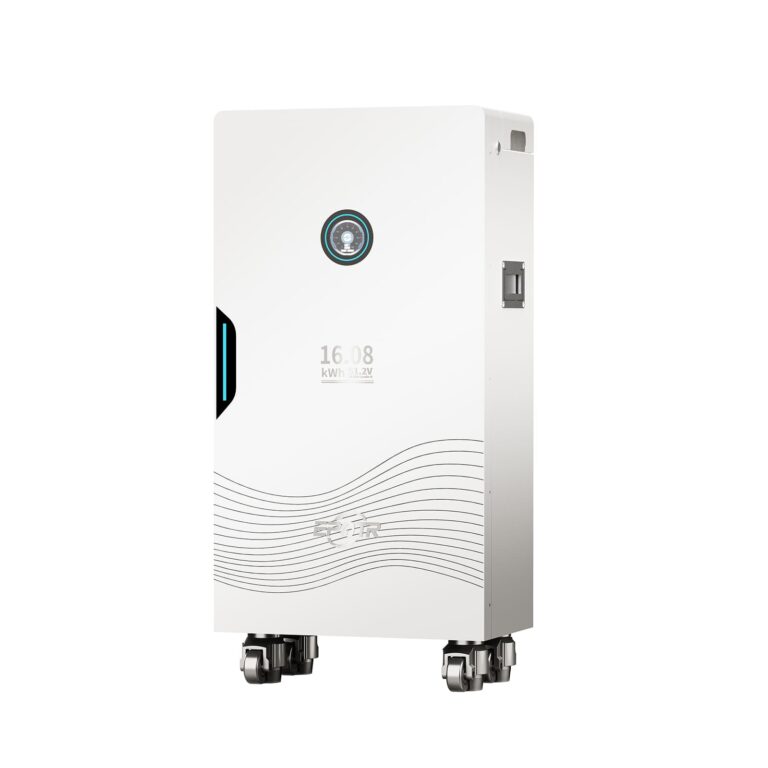
Past the inverter, battery pick sets home space loss. New stack battery types grow in use. They take less room and cost less than old big ones.
Proven expertise in global B2B manufacturing standards
Team up with makers who do OEM/ODM jobs for firm trust in home packs. This brings work level quality to daily use. Standards ensure safe runs.
Professional technical support and contact services
Get a group that sets battery BMS talk with the inverter right. This stops most set errors. Good support keeps things smooth from start.
Reliable wall mounted designs for indoor safety
Hang systems free up floor and keep parts from ground wet. This matters for safe homes in South East Asia. Wall place boosts safe use.
FAQ
Q1: Can I install my off-grid inverter outdoors if it is under a roof?
A: No, these units are IP20 rated for indoor use only; humidity and indirect splashes will quickly damage the internal circuits.
Q2: How often should I clean the dust filters on my EPH series inverter?
A: In most Vietnamese cities, a quick check every three months is enough, but if you live near a main road, monthly cleaning is better.
Q3: Will this inverter work with my existing third party battery pack?
A: Yes, these units are compatible with over 90% of mainstream battery brands like DEYE, Solis, and SAJ through standard RS485 or CAN communication.
Q4: Is the 11KW model too big for a standard three bedroom house?
A: Not necessarily; if you use multiple air conditioners simultaneously, the 11KW model provides the overhead needed to avoid system stress and overheating.
Q5: What should I do if the inverter makes a loud buzzing sound?
A: First check the load on the display; if it is not overloaded, the internal fan might be blocked or failing and should be inspected by a technician.