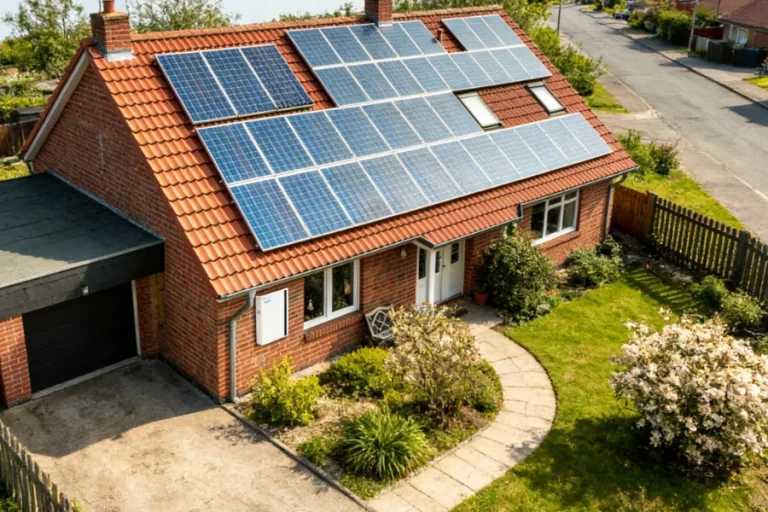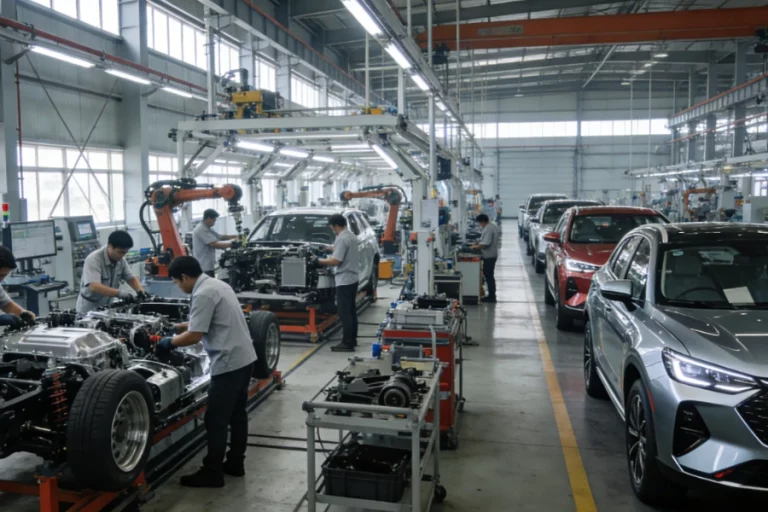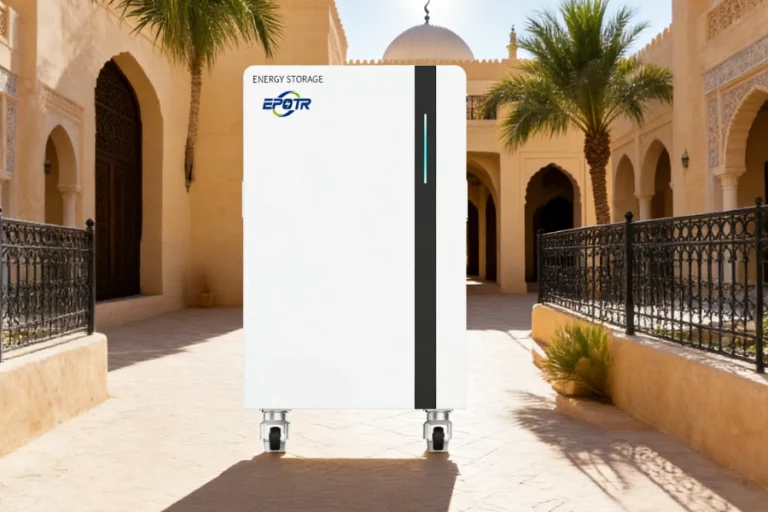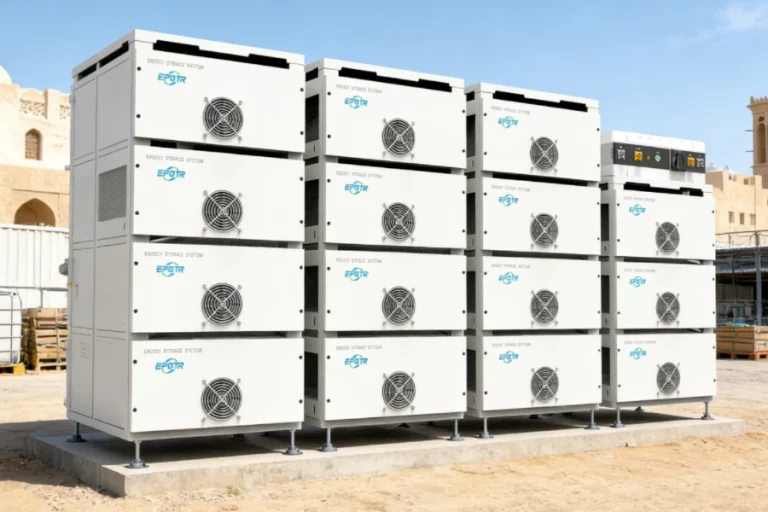
Factories, mines, cold-storage warehouses and island resorts in Indonesia, the Philippines, Malaysia and beyond all struggle with the same harsh reality. The grid is weak, typhoons knock out power for days, and diesel prices swallow 20-40 % of monthly expenses. Electricity from generators easily hits 0.35-0.60 USD per kWh when machines run 12-18 hours a day. Sunshine and wind are plentiful, yet a huge chunk of clean energy simply goes to waste because nothing stores it for the evening peak.
The practical fix is straightforward: install containerized hybrid energy storage that blends batteries, inverters and smart controls into one ready-to-use package. EPOTR has been shipping these exact rugged systems across Southeast Asia and Africa since 2023. Hundreds of industrial customers already enjoy 60-90 % less diesel burn and payback periods of 3-5 years.
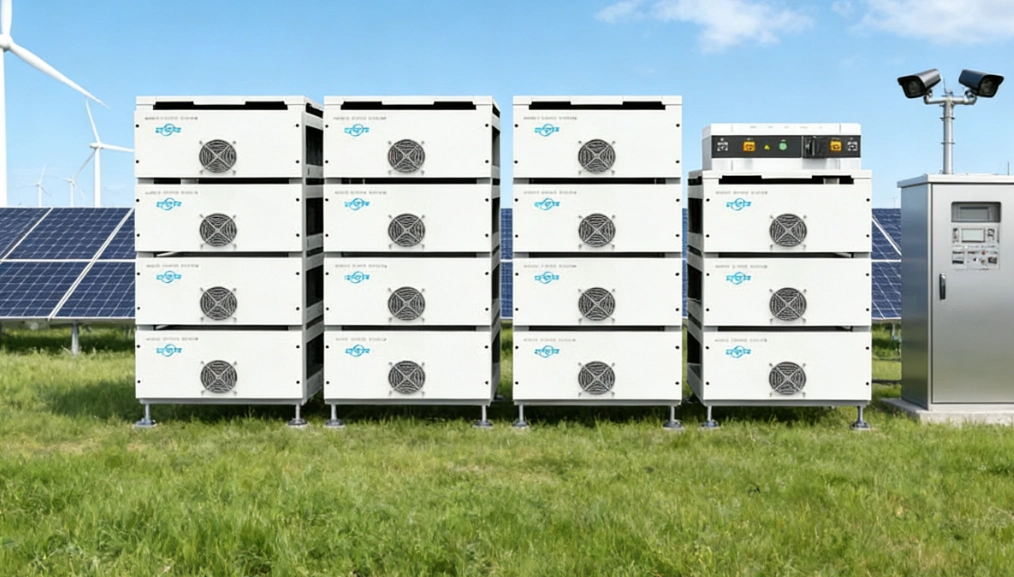
Southeast Asian Islands Industrial Power Pain Points
Island factories and processing plants face energy headaches that mainland sites rarely experience. Supply is patchy, fuel is costly, and storms turn small problems into week-long shutdowns.
Grid Outages & Blackouts
Grid reliability in many provinces of Indonesia and the Philippines stays below 80 %. One strong typhoon can leave entire islands dark for 3-10 days, so production stops and frozen goods spoil quickly.
High Diesel Fuel Costs
Diesel power costs 0.35-0.60 USD/kWh once transport, taxes and logistics are added. A 500 kW fish-processing factory can burn through more than 1.2 million USD in fuel every single year.
Renewable Energy Curtailment
Plenty of islands already have solar plants, but operators still waste 25-40 % of daytime output. The local grid cannot take the extra power, and without storage the energy simply disappears.
Reliability in Outages
The first value you really need is unbreakable power when the grid fails. Today’s hybrid storage units switch to battery supply in under 10 milliseconds, far quicker than any generator can start.
Seamless Backup Transition
Fully integrated container systems with built-in PCS and EMS deliver true zero-gap handover. Factories in Nigeria that run the same setup cut unplanned stops by 95 % even when blackouts lasted 16 hours daily.
Battery Cycle Durability
LFP cells inside climate-controlled containers easily handle 6000-8000 deep cycles at 40 °C and high humidity. That means 15-20 years of daily island use without major drop-off.
Remote Monitoring Alerts
The cloud platform pushes instant SMS and email warnings the moment voltage sags or a storm warning appears. Maintenance crews get a head start before machines shut down.
Cost Savings via Peak Shaving
The second value is real money back in your pocket. Smart storage charges when power is cheap or solar is strong and releases it during costly evening hours.
Time-of-Use Arbitrage
Where utilities charge different rates by hour, storage moves load from 0.55 USD/kWh peak to 0.18 USD/kWh off-peak periods. Bills drop 30-45 % while you keep the same production volume.
Reduced Generator Runtime
Resorts and factories in the Philippines now run generators less than 4 hours a day instead of 18. Yearly fuel savings land between 200 000 and 400 000 USD for a typical 500 kW site.
Payback Period Calculation
A 500 kW / 1000 kWh container system costs roughly 450 000-550 000 USD fully installed. At 0.45 USD/kWh diesel price, the investment pays itself back in 3.2 to 4.8 years, often sooner with carbon credits.
Renewable Integration for Sustainability
The third value is making clean energy actually usable. Energy Storage removes the ups and downs of solar and wind so you stop throwing away free power.
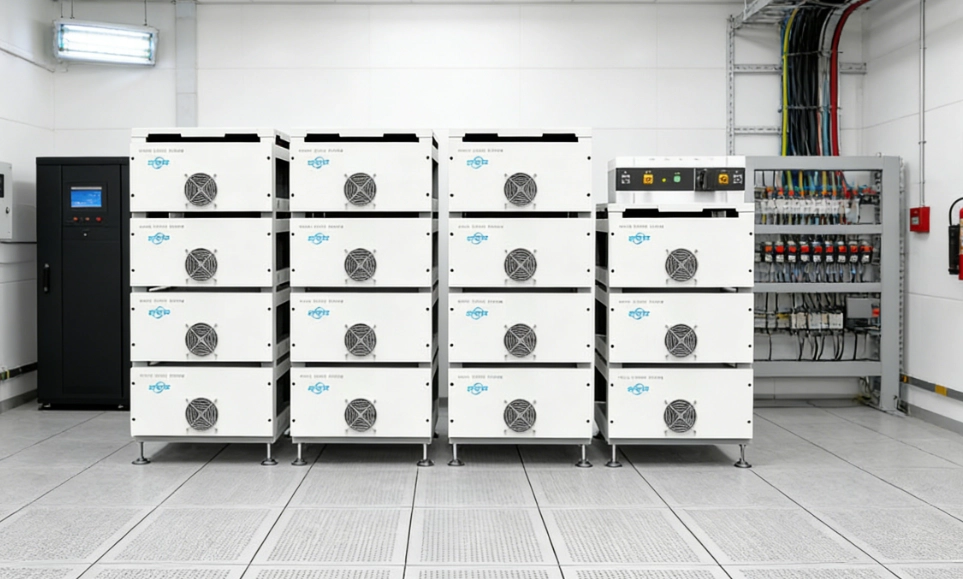
Solar PV Optimization
DC-coupled design plus high-voltage MPPT lifts solar usage from below 60 % to above 90 %. Nickel mines in Indonesia already run daytime smelters almost completely on stored sunshine.
Carbon Emission Reduction
Every megawatt-hour from battery instead of diesel avoids about 700 kg of CO₂. A single 1 MWh system saves 2500-3000 tons of emissions per year, helping you meet export and ESG rules.
Grid Export Compliance
Built-in zero-export and anti-islanding functions satisfy local utility requirements. You add large-scale storage without lengthy contract changes.
Scalable & Modular Design
The fourth value is growth made simple. Container layout lets you start at the size you need today and add more tomorrow.
Containerized Expansion
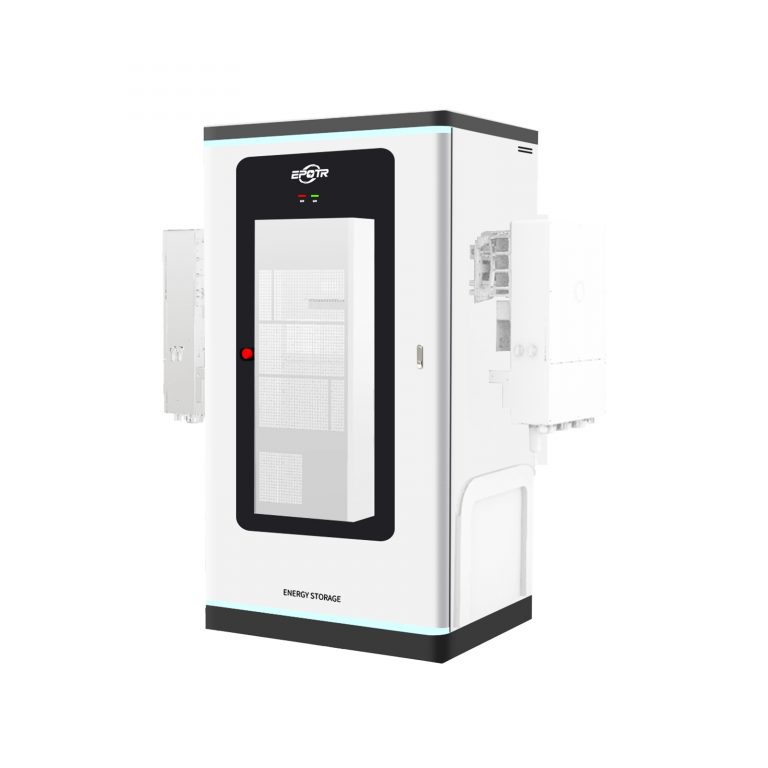
Standard 20-ft and 40-ft units hold 100-1000 kWh each. To double capacity you just park another container, run cables and turn it on; no new building or heavy civil works.
Easy Installation Setup
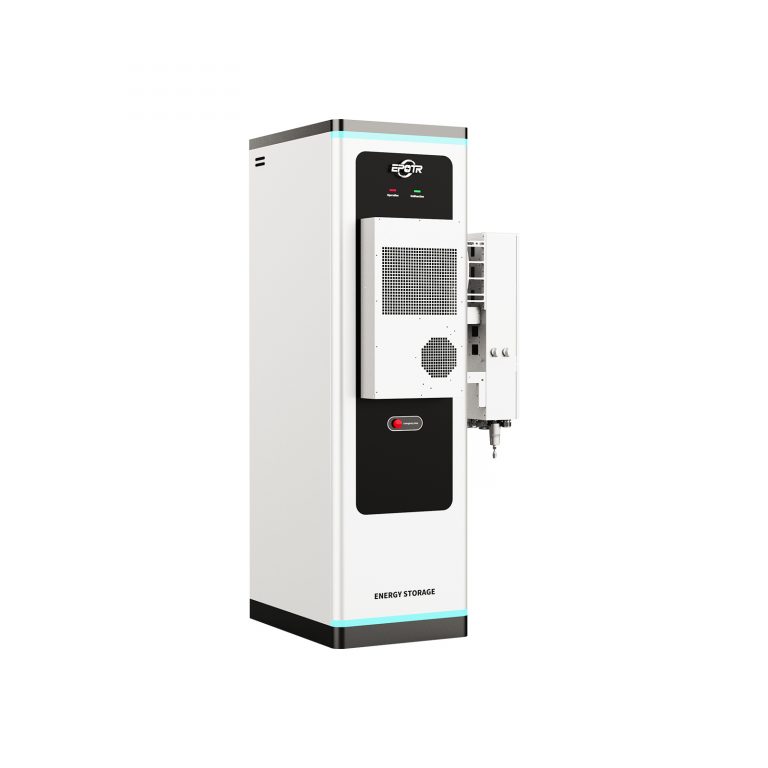
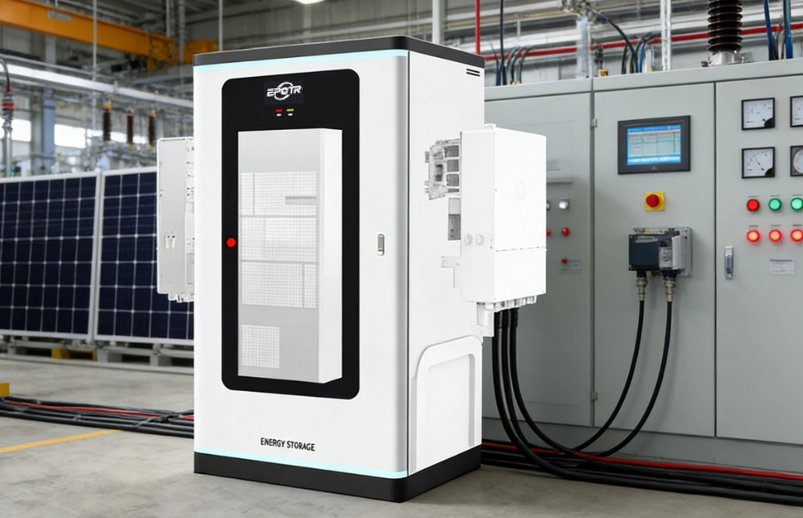
The EP2 All-in-One Hybrid Energy Storage System arrives completely pre-wired with inverter, batteries, cooling, fire protection and controls inside one box. Most sites finish installation in 5-7 days instead of months.
Future-Proof Upgrades
Open DC bus and standard CAN protocol mean you can swap or add new battery modules years later while keeping the original inverter.
EPOTR Advantages for Island Industries
You get clear extra benefits when working with a company that only focuses on tough island and off-grid projects.
Proven Hybrid Systems
More than 300 MW of identical container hybrid storage already runs across Indonesia, the Philippines and Pacific islands in 95 % humidity and salty air.
Local Compatibility Features
Units connect smoothly to common 1500 V solar inverters and any diesel generator brand found on islands. Automatic generator start and black-start functions keep everything alive after total blackouts.
Comprehensive Support Network
EPOTR’s English-speaking engineering team, supported by a robust spare parts inventory system, guarantees rapid response within 48 hours, with the actual system uptime exceeding 99.8%.
FAQ
Q1: How long can the system keep a factory running during a complete blackout?
A: A 500 kW / 2000 kWh package supplies full load for 4 hours or half load for 8-10 hours, enough to ride out most typhoon outages until generators settle.
Q2: Will salty sea air damage the equipment?
A: Every container receives C5 marine-grade paint and IP55 protection. Coastal installations in the Philippines have run over three years with zero corrosion.
Q3: Is it possible to reach 100 % diesel-free operation?
A: With good sunshine and slight oversizing, many resorts and light factories already replace 80-95 % of diesel. Reaching 100 % needs careful load planning and a bit more capacity.
Q4: What warranty do you offer?
A: Batteries come with 10-year performance warranty to 70 % remaining capacity, inverters and containers 5-10 years, with optional extended service packages.