
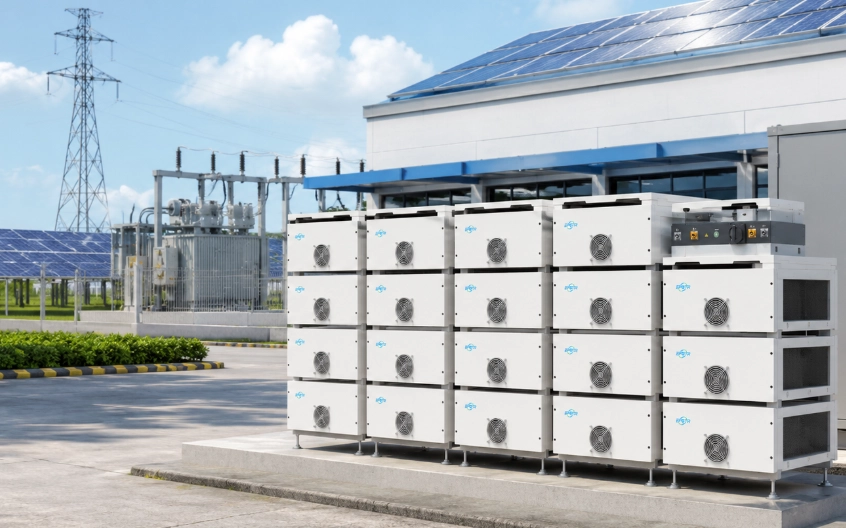
Вьетнамским заводам, складам, отелям, торговым центрам и промышленным паркам необходима электроэнергия, которую можно измерять, хранить и перенаправлять в зависимости от изменяющихся условий эксплуатации. Солнечные батареи на крышах помогают в солнечные часы, но они не обеспечивают автоматического покрытия вечернего спроса, пиковых нагрузок при запуске двигателей или перебоев в электросети. Интеллектуальная энергетическая система связывает солнечную энергию, системы хранения, электросеть, критически важные нагрузки и дистанционное управление. Именно здесь на помощь приходит интеллектуальная энергетическая система. EPOTR а коммерческие системы хранения энергии на основе аккумуляторов способствуют энергетическому переходу Вьетнама.
Почему для интеллектуальной энергетики нужно больше, чем просто солнечные батареи на крышах
Выработка солнечной энергии и спрос со стороны бизнеса редко совпадают. Завод может вырабатывать избыток электроэнергии в полдень, а затем потреблять ее в больших объемах, когда компрессоры, насосы, холодильное оборудование или производственные линии работают позже. Системы хранения энергии устраняют этот временной разрыв.
Стоимость в часы пик и волатильность нагрузки
Коммерческие нагрузки неравномерны. Холодильный склад добавляет к своей базовой холодильной нагрузке циклы разморозки, погрузочное оборудование, освещение и кондиционирование воздуха. Швейная фабрика может запустить несколько двигателей за считанные минуты.
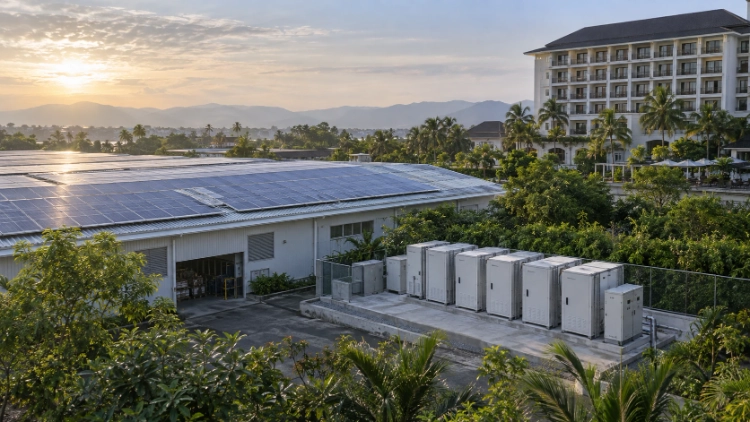
Система накопления энергии промышленного назначения (C&I ESS) может заряжаться в периоды низкой нагрузки или от избыточной солнечной энергии, а затем разряжаться при увеличении спроса. Это позволяет снизить потребление электроэнергии из сети в самые дорогостоящие или напряженные часы, не прерывая при этом полезную работу.
Несоответствие солнечной энергии и риски для энергосети
Использование только солнечной энергии может приводить к экспорту, сокращению или потере избытка энергии в полдень, в то время как тот же объект будет снова покупать электроэнергию после захода солнца. Аккумуляторные системы хранения энергии позволяют удерживать больше солнечной энергии на объекте и резервировать мощности для холодильного оборудования, связи, систем безопасности, платежных систем или отдельных производственных нагрузок.
Группировка критически важных нагрузок часто позволяет создать более компактную и дешевую систему.
Что может предложить компания C&I ESS Solutions для вьетнамского предприятия?
Надежная система должна одновременно решать проблемы стоимости энергии, бесперебойности работы, собственного потребления солнечной энергии и будущего расширения. С& I Решения ESS Можно планировать размещение товаров с учетом различных объемов загрузки, вместо того чтобы заставлять всех покупателей искать товары в одном шкафу.
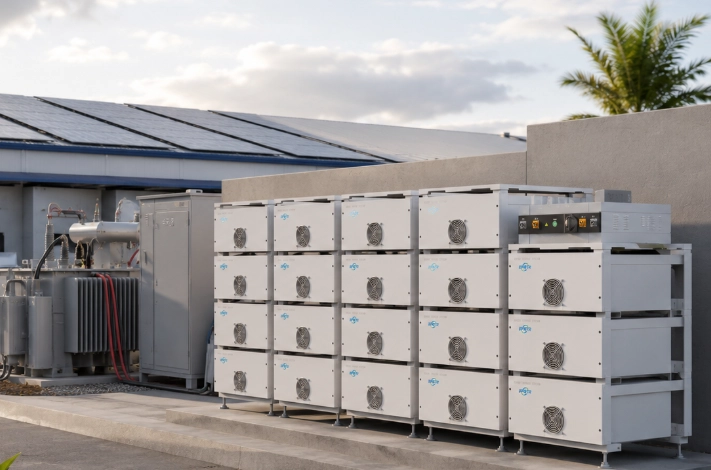
Согласование мощности и энергии с реальными нагрузками
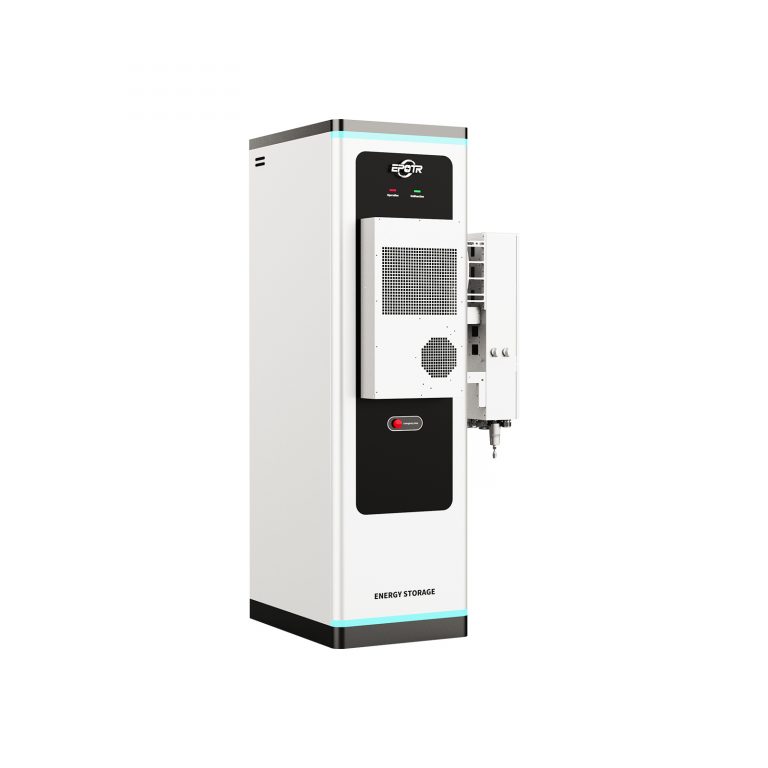
Одна из коммерческих конфигураций сочетает номинальную мощность переменного тока 100 кВт с емкостью литий-железо-фосфатного аккумулятора 215,04 кВт·ч. Она обеспечивает выходную мощность до 110 кВт, диапазон напряжения аккумулятора от 648 до 864 В и максимальную эффективность системы электропитания 98%. Также поддерживается работа как в сети, так и в автономном режиме.
Проверьте не только вместимость:
- кВт показывает, какую нагрузку система может обслуживать одновременно.
- кВтч показывает, как долго может продолжаться эта поддержка.
- Пусковой ток показывает, можно ли безопасно перезапустить двигатели.
- Полезная энергия имеет большее значение, чем заявленная мощность.
Для склада среднего размера может подойти система мощностью 100 кВт. Небольшому розничному продавцу может потребоваться гораздо меньшая мощность.
Работает в условиях высоких температур, влажности и производственных условий.
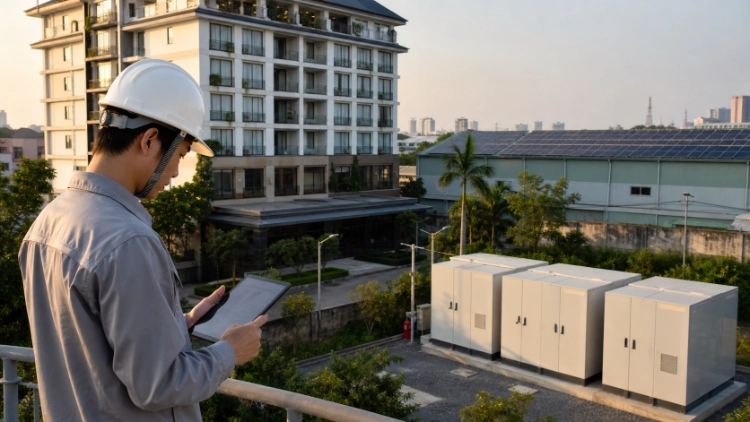
Шкаф емкостью 215 кВт·ч имеет корпус со степенью защиты IP54, воздушное охлаждение и рабочий диапазон от -20°C до 50°C, с понижением номинальной мощности при температуре выше 45°C. Он включает в себя датчики газа, дыма и тепла, сигнализацию, защиту от аэрозолей и опции, связанные с системами пожаротушения.
RS485, Ethernet и распространенные промышленные протоколы помогают системе обмениваться данными с системами управления на объекте. Именно эти детали часто определяют, насколько успешно пройдет ввод в эксплуатацию.
Как интеллектуальное управление превращает накопители энергии в энергетический актив?
Аккумулятор без программного обеспечения управления может оставаться полностью заряженным в неподходящий момент или разряжаться до прибытия дорогостоящего потребителя. Интеллектуальное управление превращает накопленную энергию в запланированный ресурс.
Система управления энергопотреблением для принятия ежедневных решений в области энергетики.
Система управления энергоснабжением (EMS) может координировать зарядку в зависимости от времени суток, контроль за нулевым экспортом электроэнергии, собственное потребление солнечной энергии, резервное питание и работу микросети. Локальный сенсорный экран и доступ к облаку также позволяют удаленно управлять несколькими объектами.
Для индустриального парка это может означать координацию совместного использования энергии, в то время как арендаторы работают по разным производственным графикам. Более широкая концепция EPOTR энергетические решения охватывает системы хранения энергии, гибридные системы электроснабжения, автономные системы электроснабжения и интеллектуальное управление энергопотреблением.
Защита BMS и масштабируемое питание
Система управления батареями (BMS) обеспечивает защиту от перегрузки по току, перенапряжения, короткого замыкания, пониженного напряжения и перегрева. Балансировка батарей также способствует равномерной работе стоек.
В некоторых конфигурациях C&I предусмотрены варианты PCS мощностью 100 кВт или 125 кВт, позволяющие подключать до 20 блоков параллельно, достигая мощности 2 МВт или 2,5 МВт. Система PCS поддерживает перегрузку до 110% и пиковую мощность до 170%, что полезно при одновременном запуске нескольких машин.
Почему новые модульные батареи важны для малого бизнеса?
Клиники, рестораны, магазины, небольшие гостиницы и мастерские часто имеют ограниченный бюджет и недостаточное количество помещений для оборудования.
Более низкая стоимость входа и меньшие габариты.
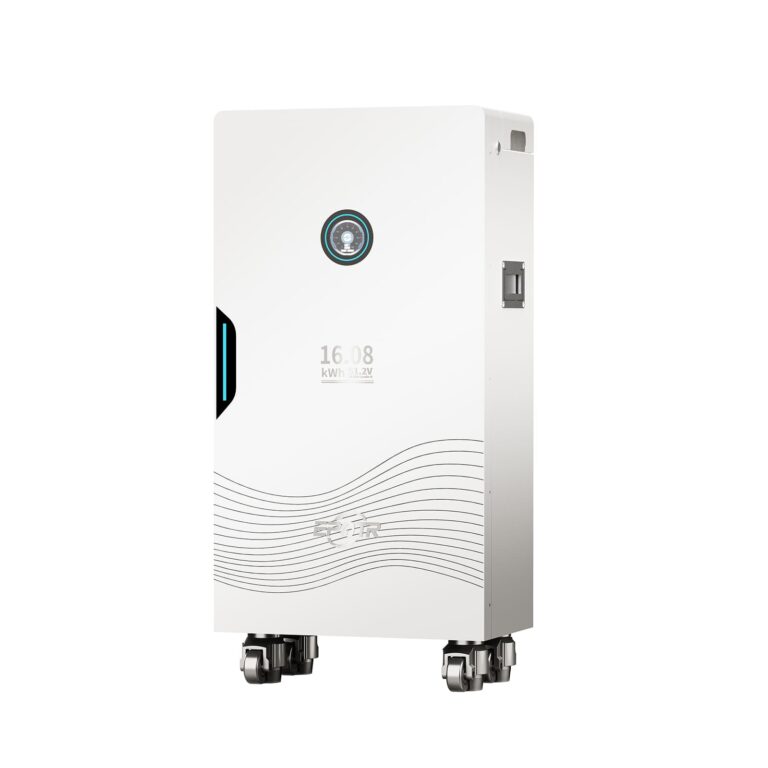
Новая модульная модель аккумуляторной батареи отличается относительно более низкой стоимостью и компактными размерами. Вы можете начать с емкости, достаточной для удовлетворения текущих основных потребностей, а затем добавлять модули по мере роста потребностей в охлаждении, солнечной энергии, увеличении рабочего времени или объемов производства.
Она может поддерживать несколько типов продавцов:
В магазине можно защитить холодильное оборудование, освещение, платежные терминалы и сетевое оборудование.
В клинике можно поддерживать в рабочем состоянии отдельное оборудование, системы охлаждения и связи.
Небольшой склад может вместить системы безопасности, двери, офисные принадлежности и необходимое охлаждение.
Расширение цеха возможно после измерения фактической потребности в электродвигателях.
Вам не нужна большая стационарная система только потому, что рост может произойти позже.
Чему Вьетнам может научиться у других энергетических рынков?
Промышленным зонам Вьетнама необходимы управление пиковыми нагрузками и координация работы солнечных электростанций. На островных рынках и рынках со слабой энергосетью большее значение придается автономной работе. Общее правило простое: согласовать систему с нагрузкой, окружающей средой и состоянием сети.
Островные микросети в Юго-Восточной Азии
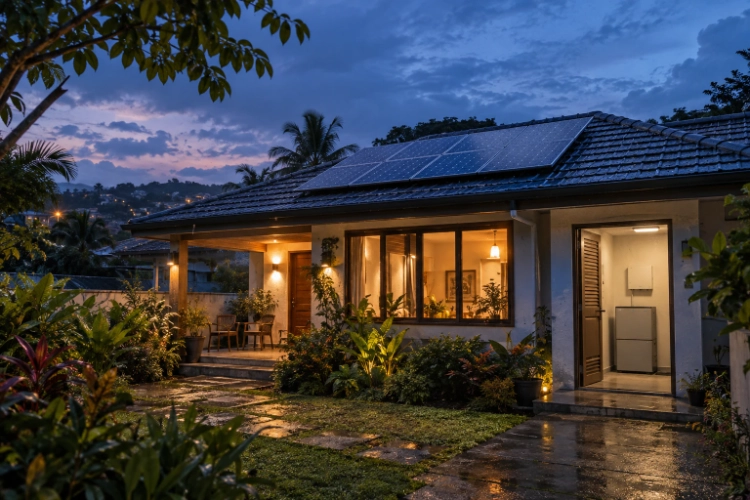
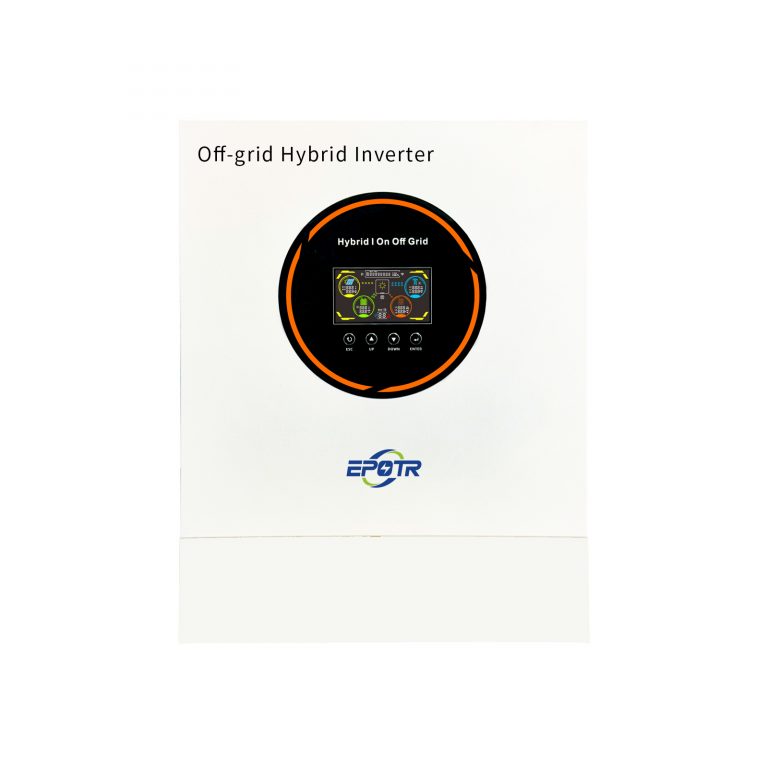
Автономные инверторы EPOTR — это бытовые настенные устройства со степенью защиты IP20, предназначенные для защищенной установки. Они особенно актуальны для рынков с большим количеством островных государств, таких как Индонезия, Филиппины и Малайзия. В сочетании с аккумуляторными батареями и солнечными панелями они могут формировать независимую микросеть, использующую солнечную энергию и накопители, для жилых домов и небольших коммерческих объектов.
Инверторы совместимы с большинством поставщиков аккумуляторных батарей, а аккумуляторные батареи EPOTR поддерживают более 90% распространенных гибридных инверторных платформ. Это помогает дистрибьюторам работать с установленным оборудованием.
Результаты анализа случая со слабой сеткой
В одном из региональных случаев, описанных в базе знаний, зафиксировано сокращение отключений электроэнергии на 70%, повышение эффективности производства на 35%, увеличение использования солнечной энергии с менее чем 30% до 75%, снижение затрат на электроэнергию на 60% и сокращение использования дизельных генераторов на 80%.
Эти цифры не должны превратиться в обещание отомстить за потери во Вьетнаме. Тарифы, нагрузки, погода, цены на топливо и условия эксплуатации различаются. Они демонстрируют ценность сочетания фотоэлектрических систем, литий-железо-фосфатных накопителей энергии, интеллектуальных инверторов, мониторинга IoT и управления системой управления энергоснабжением.
Как следует планировать проект по созданию системы интеллектуальной собственности и экосистемы?
Перед запросом коммерческого предложения соберите информацию о пиковой мощности, суточном потреблении энергии, количестве часов работы резервного источника питания, кривой нагрузки, выработке солнечной энергии, пусковом токе двигателя, площади установки и планах расширения.
Практический контрольный список для покупателя
Просить:
- Какие нагрузки должны оставаться активными во время отключения электроэнергии?
- Какой объем доступной для использования энергии?
- Сможет ли система PCS справиться с пиковыми нагрузками на начальном этапе?
- Использует ли батарея литий-железо-фосфатные (LFP) элементы и многослойную защиту?
- Подходит ли данное ограждение для данного места?
- Может ли система подключаться к существующим фотоэлектрическим системам, генераторам и системам управления?
- Доступны ли локальное управление и удаленный мониторинг?
- Можно ли увеличить пропускную способность без замены всей системы?
- Какие сертификаты, условия гарантии и документы о вводе в эксплуатацию включены?
Компания EPOTR объединяет аккумуляторы, силовую электронику, интеллектуальное распределительное оборудование, программное обеспечение, услуги Интернета вещей и солнечные технологии. Вы можете ознакомиться с ее продукцией. возможности компании или отправить данные проекта через страница контактов.
Часто задаваемые вопросы
В1: Могут ли решения C&I ESS снизить затраты на электроэнергию для вьетнамских заводов?
А: Да. Системы EPOTR могут накапливать дешевую электроэнергию из сети или избыточную солнечную энергию и разряжать ее в периоды высокой нагрузки. Экономия зависит от тарифа, кривой нагрузки, размера батареи и графика работы.
Вопрос 2: Какая мощность системы хранения энергии необходима для коммерческого объекта?
A: Начните с пиковой мощности в кВт, суточной мощности в кВт·ч, критических нагрузок и часов резервного питания. EPOTR предлагает модульные и проектные решения, которые можно адаптировать к реальному спросу.
Вопрос 3: Может ли система работать с солнечными батареями на крыше и генератором?
A: Да. Конфигурации EPOTR C&I позволяют координировать работу фотоэлектрических систем, аккумуляторных батарей, сети и генератора посредством функций гибридного управления и системы управления энергопотреблением.
Вопрос 4: Подходит ли новая модульная батарея для небольших торговых предприятий?
А: Да. Относительно низкая стоимость и компактные размеры делают его подходящим для магазинов, клиник, небольших складов, ресторанов и растущих предприятий, которые могут расшириться в будущем.
В5: Подходят ли автономные инверторы IP20 для наружной установки?
A: Нет. Автономные инверторы EPOTR IP20 предназначены для установки внутри помещений на стену. Установите их в защищенном помещении и используйте в паре с солнечными панелями и аккумуляторными батареями для создания независимой микросети.