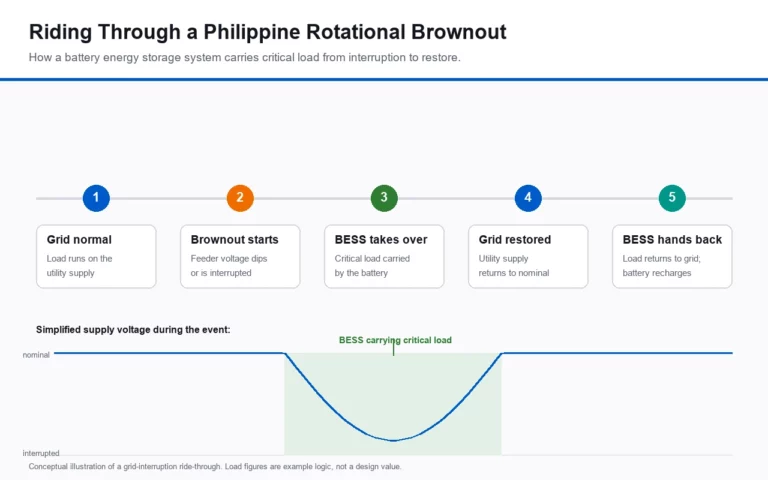

Филиппинским домам необходимы безопасные, стабильные и простые в обслуживании системы хранения солнечной энергии. Во многих островных районах, пригородах и местах со слабой электросетью перебои в электроснабжении могут привести к отключению Wi-Fi, вентиляторов, холодильников, водяных насосов, работе в интернете, выполнению школьных заданий и ведению небольшого домашнего бизнеса. Низковольтная аккумуляторная система на 48 В предоставляет бытовым пользователям солнечных батарей более контролируемый способ хранения солнечной энергии в дневное время и ее высвобождения при нестабильности электросети.
Для покупателей, установщиков и дистрибьюторов в сегменте B2B ключевым фактором является не только емкость аккумулятора. Необходимо также проверить химический состав аккумулятора, мощность разряда, соответствие инвертору, ограничения по установке внутри помещений, протокол связи и возможности расширения в будущем. Система, которая выглядит простой в коммерческом предложении, может оказаться сложной в продаже, если она не соответствует реальным потребностям филиппинских домохозяйств.
Почему низкое напряжение 48 В важно для домов на Филиппинах?
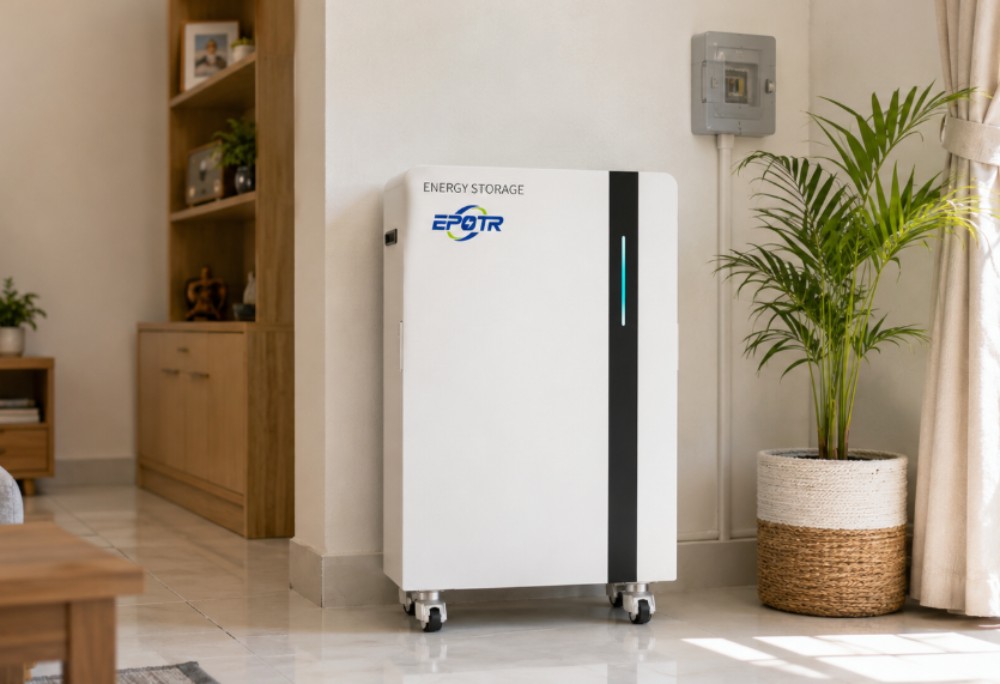
Низковольтная аккумуляторная система на 48 В часто проще в применении в проектах солнечной энергетики для жилых домов, поскольку она остается практичной для удовлетворения типичных потребностей домохозяйств в резервном электроснабжении. Она может поддерживать выбранные нагрузки, не заставляя каждую семью устанавливать сложную высоковольтную систему. Для многих филиппинских домов такой баланс имеет важное значение.
Низкое напряжение не означает низкую стоимость. Это означает, что платформа аккумулятора разработана с учетом более безопасного обращения, упрощения подбора и привычной архитектуры бытовых систем хранения энергии. В базе знаний указано, что бытовая низковольтная система хранения энергии использует диапазон постоянного тока от 44,8 В до 57,6 В и номинальное напряжение 51,2 В, что является типичным рабочим уровнем для бытовых систем хранения энергии на 48 В.
Более безопасная архитектура батарей для повседневного использования дома.
Безопасность — главная причина, по которой многие покупатели предпочитают бытовые накопители энергии на 48 В. Домашний аккумулятор может располагаться в подсобном помещении, гараже, служебном помещении, небольшом уголке мастерской или в помещении, где хранится оборудование. Система должна выдерживать циклы зарядки и разрядки, не создавая нагрузки на пользователя.
К важным аспектам безопасности относятся:
- Химический состав литий-железо-фосфатных аккумуляторов
- Управление BMS
- Защита от перегрузки по току
- Защита от перенапряжения
- Защита от короткого замыкания
- Защита от пониженного напряжения
- Защита от перегрева
- Связь CAN/RS485
- Документация CE, UN38.3 и MSDS
Эти детали могут показаться техническими, но они имеют значение в реальных условиях эксплуатации. Напряжение в филиппинской электросети может быть нестабильным в некоторых районах, а поступление солнечной энергии меняется в течение дня. Стабильная аккумуляторная платформа помогает всей системе реагировать с меньшей вероятностью неожиданностей.
Как LiFePO4 повышает долговременную стабильность
Химический состав батареи определяет поведение системы хранения энергии после многократного использования. Для бытовых солнечных электростанций литий-железо-фосфатные батареи (LiFePO4) являются отличным выбором, поскольку они обеспечивают более безопасное тепловое поведение, длительный срок службы и стабильную работу. Именно поэтому они используются во всех линейках бытовых систем хранения энергии EPOTR.
Компания EPOTR специализируется на силовой электронике, интеллектуальном управлении энергопотреблением, системах возобновляемой энергии, фотоэлектрическом оборудовании, производстве аккумуляторов, интеллектуальном распределении электроэнергии, разработке программного обеспечения, услугах IoT и технической поддержке солнечной энергетики. Более подробная информация о компании доступна по ссылке: EPOTRОднако реальная ценность для покупателей по-прежнему заключается в деталях продукта.
6000 циклов при 90-процентной глубине погружения
В характеристиках бытовой батареи ESS на 48 В указано 6000 циклов при 90% глубине разряда в заявленных условиях тестирования. Это дает покупателям из сегмента B2B полезный аргумент в пользу покупки. Многие пользователи в домашних условиях поначалу не понимают, что такое ресурс батареи, но они понимают следующее: батарея, которая работает годами, лучше, чем дешевое резервное устройство, которое быстро выходит из строя.
Настенная и напольная модель емкостью 10,49 кВт·ч обеспечивает 9,97 кВт·ч полезной энергии. Она имеет номинальную емкость 205 А·ч, рекомендуемый максимальный глубину разряда 95% и максимальную мощность разряда до 8192 Вт. Для обычного резервного питания дома этого достаточно для питания таких необходимых устройств, как освещение, роутеры, вентиляторы, холодильные установки, зарядка телефонов, мелкая бытовая техника и некоторое оборудование для домашнего бизнеса.
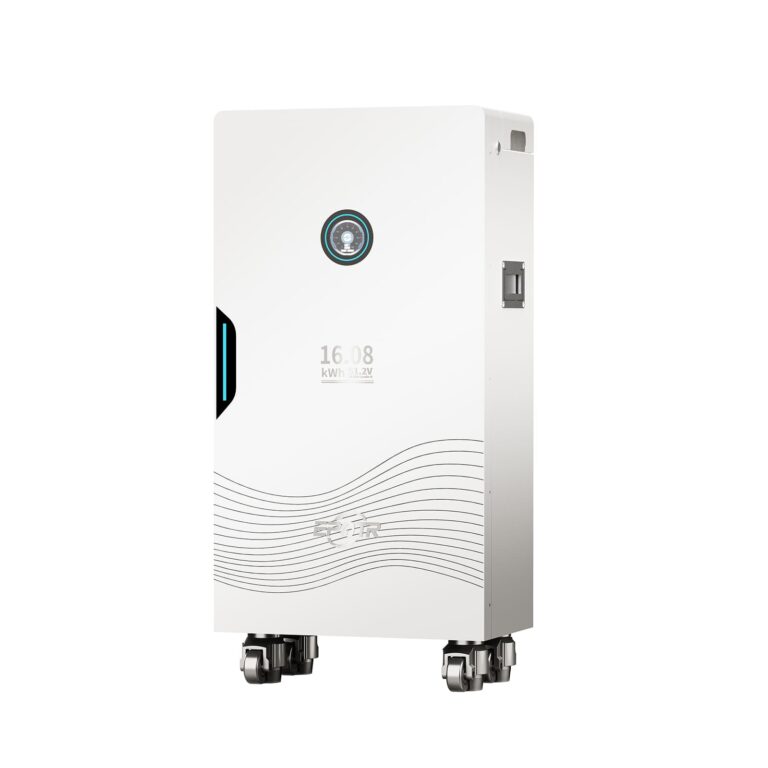
Для больших бытовых нагрузок... Домашняя система хранения энергии- Постоянная ESS Предлагается более мощный вариант с общей емкостью 16,08 кВт·ч и полезной энергией 15,27 кВт·ч. Он использует ту же низковольтную платформу 51,2 В, имеет номинальную емкость 314 А·ч и максимальную мощность разряда до 10240 Вт.
Какие бытовые нагрузки на Филиппинах может поддерживать накопитель энергии на 48 В?
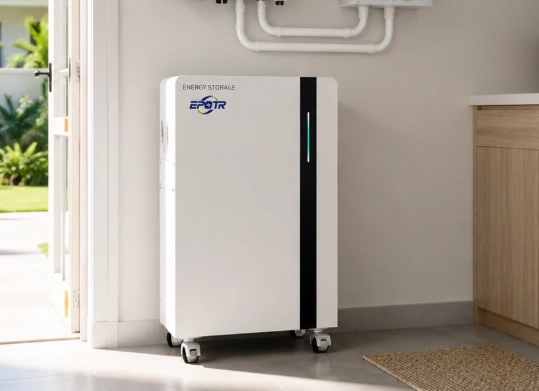
Системы хранения энергии для дома следует продавать, исходя из планирования нагрузки, а не на основе общих заявлений. Покупатель может запросить «резервное питание для всего дома», но во многих домах лучше работает резервное питание только для основных цепей. Это позволяет снизить затраты и обеспечить более комфортное использование.
Накопитель энергии на 48 В может удовлетворить многие распространенные бытовые потребности, но конечный результат зависит от размера инвертора, схемы проводки, группировки нагрузки и емкости аккумулятора. Именно здесь установщики и дистрибьюторы могут внести реальный вклад, а не просто продать устройство.
Практические примеры нагрузок для покупателей жилой недвижимости
Вот простые примеры нагрузок, которые помогут филиппинским покупателям понять, как правильно подобрать размер системы:
- Освещение мощностью 100 Вт и Wi-Fi потребляют около 0,1 кВт·ч в час.
- Вентилятор мощностью 60 Вт, работающий в течение 8 часов, потребляет около 0,48 кВт·ч.
- Для обеспечения работы устройства с потребляемой мощностью 500 Вт в течение 10 часов требуется около 5 кВт⋅ч.
- Для обеспечения работы устройства с потребляемой мощностью 1000 Вт в течение 8 часов требуется около 8 кВт⋅ч.
- Холодильник может потреблять меньше электроэнергии в среднем, но имеет короткий пусковой цикл.
Вот почему важна мощность разряда. Напольная система хранения энергии поддерживает максимальный разрядный ток до 200 А и максимальную разрядную мощность 10240 Вт. Это обеспечивает лучшую поддержку смешанных бытовых нагрузок, особенно в домах с холодильниками, насосами, вентиляторами, маршрутизаторами и отдельными розетками.
Небольшая деталь из реальной работы в сфере продаж: многие семьи в первую очередь спрашивают о размере батареи, но обычно лучше задать первый вопрос: «Какие электроприборы должны оставаться включенными?» Этот один вопрос предотвращает множество ошибочных предложений.
Почему совместимость с инверторами так важна?
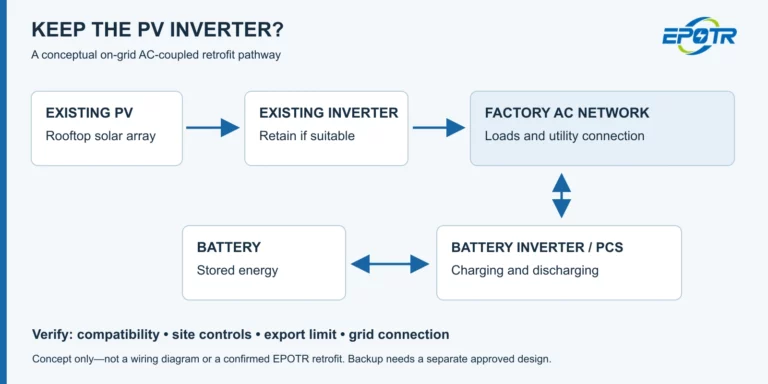
Аккумуляторная система не может работать автономно. Она должна взаимодействовать с инвертором и быть совместима с солнечной установкой. На Филиппинах во многих домах уже установлены солнечные панели или планируется их установка в будущем. Некоторые дома расположены в островных поселениях, некоторые — в районах, подключенных к электросети, а некоторые до сих пор используют генераторы во время длительных отключений электроэнергии.
48-вольтовая аккумуляторная система поддерживает связь по протоколам CAN/RS485, что позволяет аккумулятору и гибридному инвертору обмениваться рабочими данными. Улучшенная связь означает более эффективную зарядку, более надежную защиту от неисправностей и меньше проблем на объекте после установки.
Внутренние автономные инверторы IP20 для островных рынков
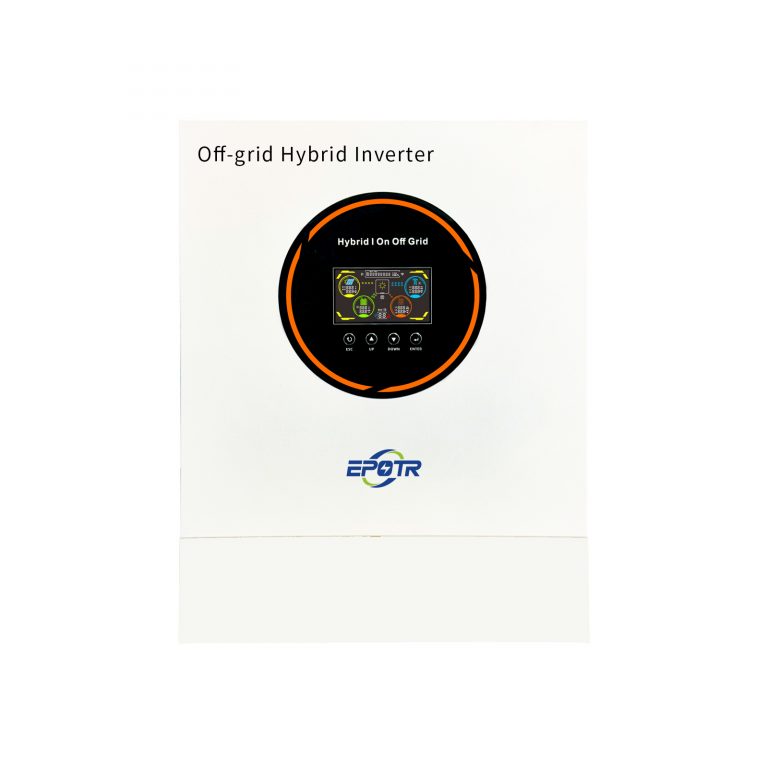
Представленные в базе знаний автономные гибридные инверторы — это внутренние блоки с защитой IP20. Они монтируются на стену и подходят для рынков островных государств Юго-Восточной Азии, особенно Филиппин, Индонезии и Малайзии. В сочетании с аккумуляторными батареями и солнечными панелями они могут формировать независимую от солнечной энергии микросеть.
Это полезно для:
- Дома на острове
- Сельские дома
- Пансионаты
- Небольшие семейные магазины
- Фермерские дома
- Прибрежные резиденции
- Районы со слабыми линиями сетки
Линейка автономных инверторов включает в себя такие практичные функции, как выходной сигнал в виде чистой синусоидальной волны, широкий диапазон входного напряжения от фотоэлектрических панелей, солнечная зарядка MPPT 80 А, интеллектуальная трехступенчатая зарядка аккумулятора переменным током, связь через USB/RS232 и настройка приоритета для сети или солнечной энергии. Некоторые модели также могут работать без аккумуляторов при наличии солнечного света, что может помочь в базовом использовании солнечной энергии в дневное время.
Модель MKSII 5K имеет номинальную мощность 5000 ВА/5000 Вт, максимальную мощность фотоэлектрической батареи 4500 Вт, пиковую эффективность 90%, пиковую мощность 10000 ВА, время переключения для персональных компьютеров 10 мс и время переключения для бытовой техники 20 мс. Для домов, использующих водяные насосы или холодильники, полезно проверить двукратную пиковую мощность в течение 5 секунд.
Как модульный дизайн помогает различным покупателям жилья?
Не у всех филиппинских семей одинаковые размеры жилья, бюджет или потребности в электроэнергии. Небольшому дому может потребоваться резервное электроснабжение только для освещения, Wi-Fi, вентилятора и холодильника. Более просторному дому может понадобиться система хранения солнечной энергии для поддержки кондиционирования воздуха, водяных насосов или длительного использования в вечернее время. Некоторые семьи также открывают небольшие магазины или предприятия общественного питания на дому.
Вот почему модульная конструкция батарей имеет значение. Она позволяет дистрибьюторам лучше обслуживать покупателей разного уровня, не заставляя всех клиентов использовать одну и ту же систему.
Снижение затрат и уменьшение занимаемого пространства для растущего числа пользователей.
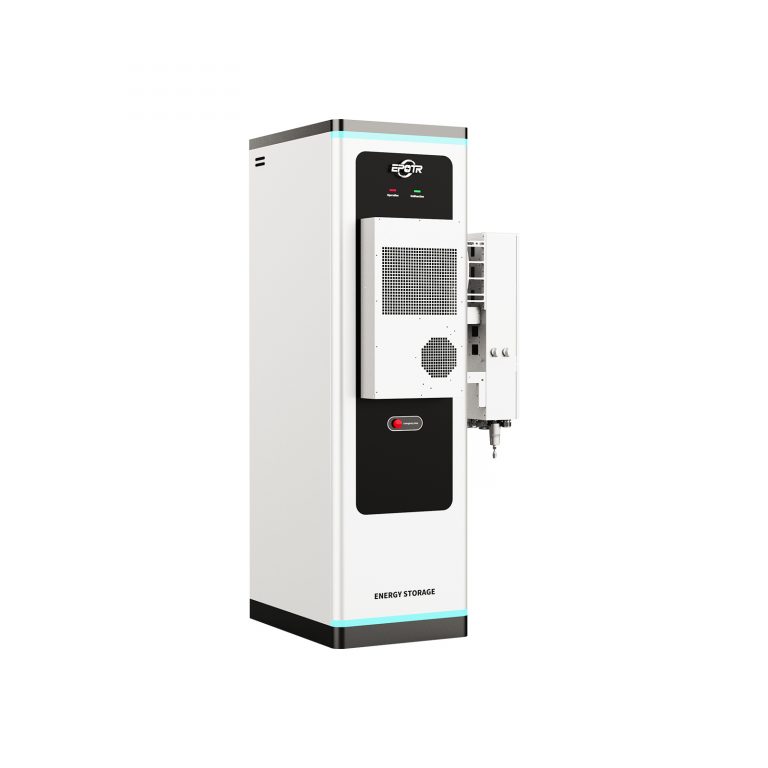
Новая модульная модель аккумуляторной батареи имеет два очевидных преимущества: относительно более низкую стоимость и меньшие габариты. Это помогает предприятиям различного размера и частным пользователям выбрать отправную точку, соответствующую их реальным потребностям.
Например:
- Небольшой дом можно начать обустраивать с необходимым резервным вариантом.
- В небольшом магазинчике можно защитить осветительные приборы, морозильную камеру и платежные устройства.
- В пансионе может быть предусмотрено общее освещение и Wi-Fi.
- Более крупный дом можно будет расширить позже, когда увеличится мощность солнечных электростанций.
- Дилер может предлагать гибкие пакеты услуг вместо одной фиксированной системы.
Низковольтная бытовая система накопления энергии также поддерживает масштабируемость. Модель на 10,49 кВт⋅ч может подключать до 25 батарей параллельно. Конечно, большинству домов столько не понадобится, но масштабируемость позволяет использовать систему в более крупных домах, на объектах смешанного типа (жилые дома и небольшие коммерческие объекты) и для будущих проектов модернизации.
Что следует проверить покупателям перед оформлением заказа?
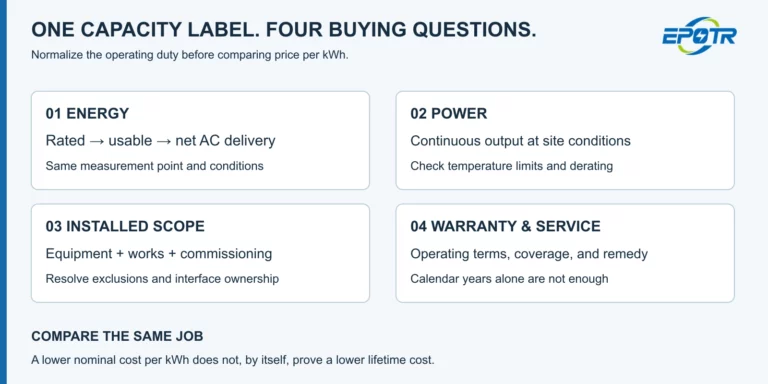
Качественная система на 48 В должна соответствовать объекту, а не только рекламному буклету. Филиппинские покупатели часто в первую очередь обращают внимание на цену, и это нормально. Тем не менее, самая дешевая система может стать дорогой, если она вызовет задержки при установке, проблемы с несоответствием или недостаточное время резервного питания.
Для покупателей, которым необходим полный обзор проекта, страница решений Это может помочь связать выбор продукции с системами хранения солнечной энергии, резервным электропитанием и использованием микросетей. Также можно ознакомиться с информацией о компании. страница «О нас».
Контрольный список для покупателя низковольтной системы хранения энергии 48 В
Перед оформлением заказа следует проверить:
- Полная энергия и полезная энергия
- Максимальная мощность разряда
- Химический состав батарей
- уровень Министерства обороны
- Цикл жизни
- Совместимость с инвертором
- Связь CAN/RS485
- Класс установки: внутри или снаружи помещений
- Метод охлаждения
- Сертификационные документы
- План расширения
- Процесс локальной послепродажной поддержки
Напольная бытовая система хранения энергии использует естественное охлаждение, поэтому активная система охлаждения не требуется. Это помогает снизить уровень шума и нагрузку на техническое обслуживание. Модель на 16,08 кВт·ч имеет размеры корпуса 871 × 450 × 250 мм и весит 135 кг, поэтому это стационарное устройство для хранения энергии в домашних условиях, а не портативная электростанция. Это следует четко разъяснить конечным пользователям.
Почему низковольтные системы накопления энергии 48 В подходят для пользователей солнечной энергии на Филиппинах?
Низковольтная аккумуляторная система на 48 В повышает безопасность и стабильность, предоставляя филиппинским домохозяйствам практичный способ хранения солнечной энергии, защиты основных потребителей и снижения зависимости от дизельных резервных источников питания. Ее проще объяснить, проще подобрать, и она часто лучше подходит для обычных жилых проектов, чем системы чрезмерной мощности.
Для покупателей в сегменте B2B более эффективным маркетинговым ходом является не «большая батарея, лучший результат». Более убедительным аргументом является более безопасная химическая формула, реальная полезная емкость, планирование на основе нагрузки, совместимость с инверторами и гибкие возможности расширения.
Если вам требуется подбор продукции, помощь в составлении коммерческого предложения или обсуждение проекта, вы можете отправить подробную информацию о вашем объекте через форму обратной связи. страница контактовПолезные сведения включают страну, тип установки, продолжительность отключения, основные нагрузки, размер солнечных панелей, модель инвертора, внутреннее пространство и ожидаемый объем заказа. Краткие и понятные данные по проекту экономят время всем. Никаких сложных формулировок не требуется.
Часто задаваемые вопросы
В1: Почему низковольтная аккумуляторная система на 48 В подходит для домов на Филиппинах?
A: Это обеспечивает более безопасное использование, упрощает подбор инвертора и предоставляет практичное резервное питание для распространенных бытовых потребителей, таких как освещение, Wi-Fi, вентиляторы, холодильники, насосы и отдельные розетки.
Вопрос 2: Может ли низковольтная система хранения энергии на 48 В работать с солнечными панелями?
А: Да. При наличии совместимого гибридного или автономного инвертора он может накапливать дневную солнечную энергию и высвобождать ее во время вечернего потребления, отключений электроэнергии или периодов слабого электроснабжения.
Вопрос 3: LiFePO4 лучше подходит для домашнего хранения солнечной энергии?
A: Да, LiFePO4 широко используется в бытовых системах хранения энергии, поскольку обеспечивает высокую безопасность, стабильную работу и длительный срок службы. В данных EPOTR для бытовых систем хранения энергии указано 6000 циклов при 90% глубине разряда в заявленных условиях испытаний.
Вопрос 4: Что должны выбрать покупатели на Филиппинах: настенные или напольные системы хранения энергии?
A: Это зависит от пространства, требуемой мощности и способа установки. Настенные системы подходят для компактных проектов, в то время как напольные системы накопления энергии могут удовлетворить потребности в большей мощности, например, 16,08 кВт·ч общей энергии и 15,27 кВт·ч полезной энергии.
В5: Кому следует рассмотреть новую модульную модель аккумуляторной батареи?
А: Это подходит для семей, мелких торговцев, пансионатов и дилеров, которым необходимы относительно более низкая стоимость, меньшие габариты и гибкие возможности для наращивания производственных мощностей в зависимости от уровня клиентов.