The shift to renewable energy is speeding up around the world, and by 2026, residential energy storage systems (ESS) will become a basic part of home setups rather than a high-end option. As grid issues grow and power prices vary, homeowners want more than simple backups; they seek smart, expandable, and efficient setups that deliver real energy freedom. As a maker in energy optimization, EPOTR is actively driving this transformation. Since 2023, this Dongguan company has combined modern power electronics with smart controls to cut carbon use globally. Whether you need strong off-grid options for far-off areas or compact, efficient units for city homes, EPOTR offers the tech skill and steady support needed for a cleaner tomorrow.
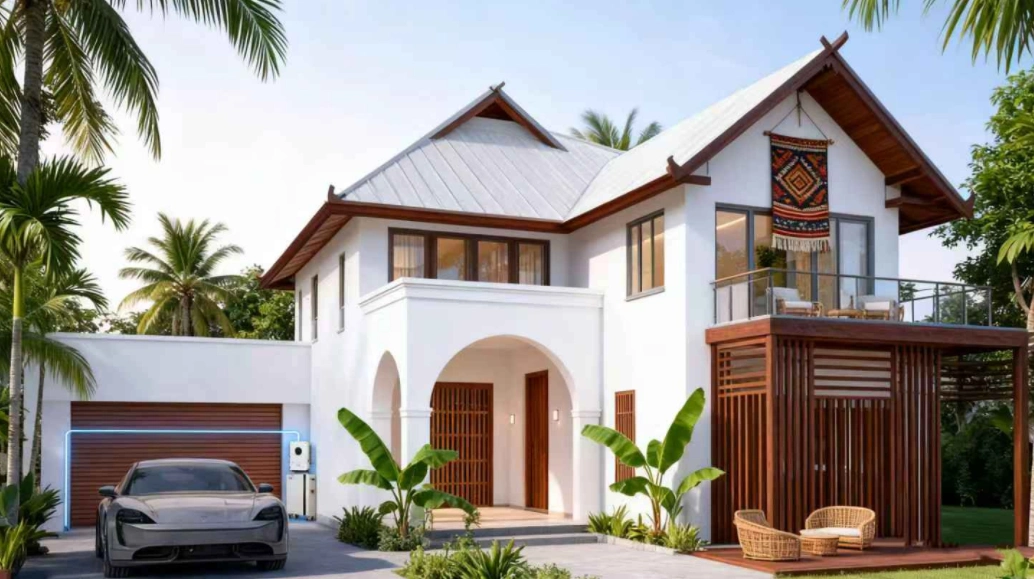
Global Residential Energy Storage Trends in 2026
By 2026, residential energy storage will play an active role in the power market, managing inputs from solar panels and the grid while adjusting output to match current needs, and this change comes from the push for better energy density and advanced controls that make sure every bit of power gets used well.
Smart Grid Integration and AI Management
Smart algorithms let your home forecast usage patterns and change charging times to fit, and by 2026, AI controls will respond to grid signals in milliseconds, turning your house into a small power source that boosts your investment by using solar power when rates peak and storing it when the grid is steady or cheap.
High-Voltage System Dominance for Efficiency
Market info shows a clear turn to high-voltage designs in homes, which cut current for the same power level and thus lower heat and losses in conversion, so with high-voltage battery modules, you get round-trip efficiency over 95% that keeps solar energy from wasting due to resistance.
Decentralized Energy Autonomy and Reliability
Energy safety drives uptake as bad weather hits central grids harder, and a spread-out setup lets you keep running during long blackouts with systems that handle full depth of discharge (DOD) and last many cycles, giving steady power free from outside risks for more than ten years.
Southeast Asia: Overcoming Grid Instability with Off-Grid Excellence
In Southeast Asia, especially in island chains like Indonesia and the Philippines, power setups face splits from geography, with homes dealing with high costs and old grids that cut out often, so by 2026, the aim is steady, round-the-clock supply that handles wet heat and hard-to-reach spots.
Island Energy Independence Challenges
Reaching islands with a main grid is tough logistically, so local power at the use point is the best fix, and you need gear that works alone while handling big start-up currents for pumps and coolers, with reliability shown by running a micro-grid without costly, polluting diesel backups.
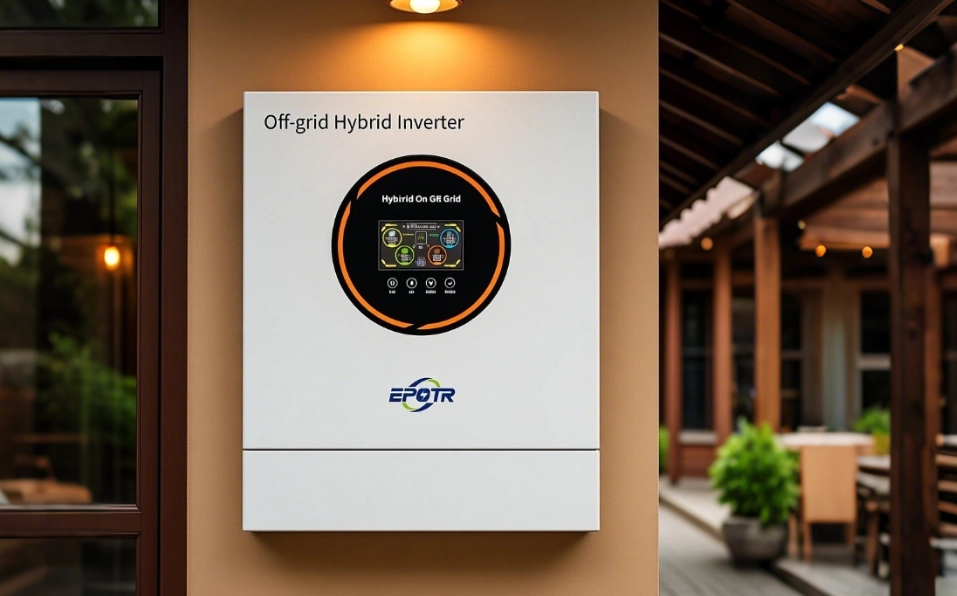
EPH Off-Grid Hybrid Inverter Solution
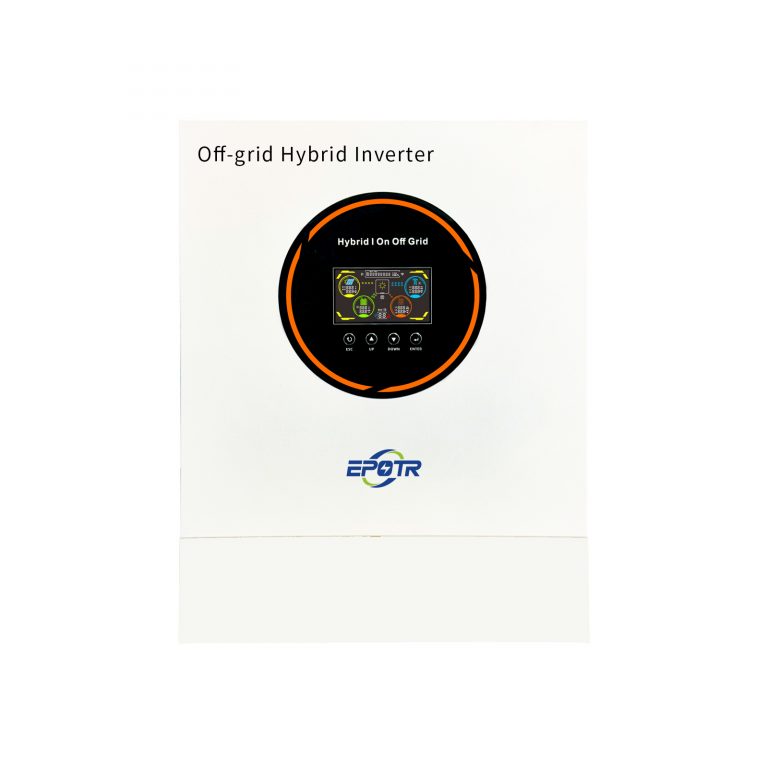
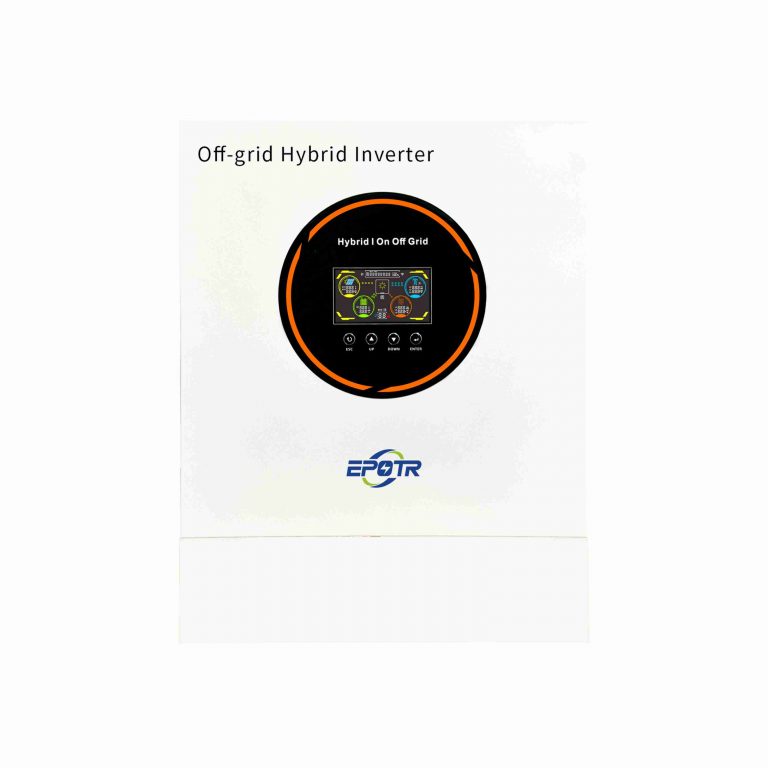
For these demands, the EPH OFF GRID HYBRID INVERTER gives a targeted indoor unit with IP20 rating for wall mounting in homes, taking little space, and it acts as the core of a standalone micro-grid that directs flow from solar to batteries so appliances stay on even if the main grid drops out.
Cost-Effective Micro-Grid Performance
Money matters in local take-up, and by 2026, attention turns to strong parts that lower overall costs, as this hybrid inverter works with over 90% of common battery packs, letting you pick cheap storage that keeps system safety and wholeness intact.
Europe: High Efficiency and Aesthetic Integration for Modern Homes
Europe’s market has strict green rules and top power prices, so owners seek setups with solid tech and looks that fit new buildings, and by 2026, need for hidden tech that hits safety and eco standards is at its height.
Soaring Energy Costs and Carbon Goals
With prices swinging in parts of Europe, storing solar for evening peaks is key for money sense, and you want systems that follow RoHS rules to avoid harmful materials, matching your home power plan to wider green aims.
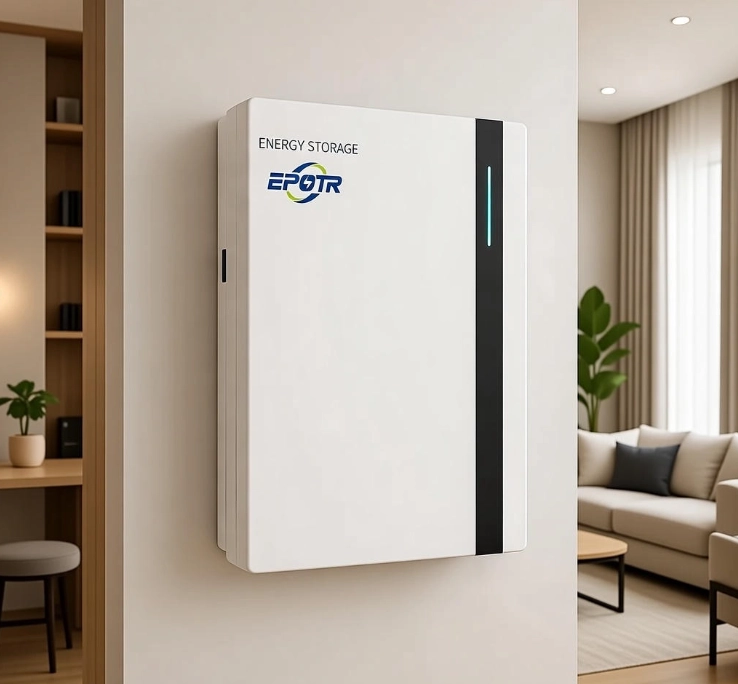
Wall-mounted Residential ESS
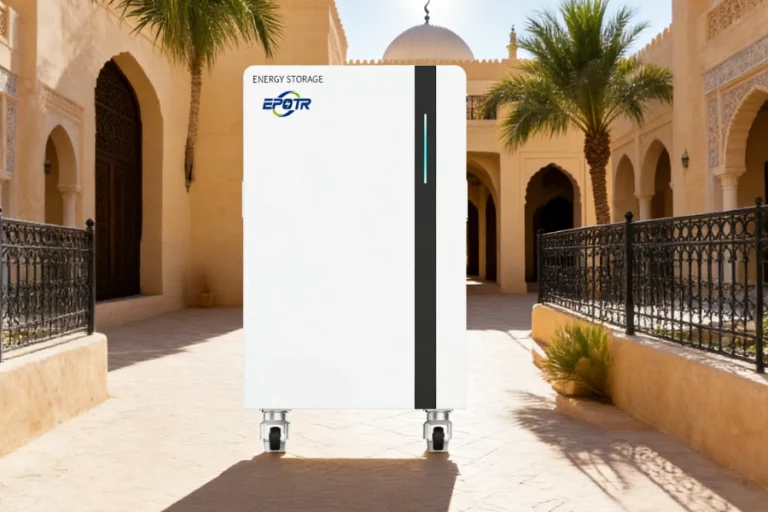
The Wall-mounted Residential ESS meets these needs with its slim 136.5mm build, using safe LiFePO4 (Lithium Iron Phosphate) tech, and its wall design frees floor area in city spots while giving 5.22kWh per unit.
Natural Cooling and Zero Noise
City homes need quiet runs, and this system’s natural cooling skips fans to cut noise, which helps in Europe where units sit near living spaces, so your green power shift keeps home peace.
Africa and Latin America: Scalable Power for Growing Energy Needs
In Africa and Latin America, home power use rises fast against lagging setups, so scalability tops 2026 plans, as needs grow from lights to big tools and systems expand without full redo.
Unreliable Infrastructure and Capacity Expansion
Outages in places like Nigeria or Brazil drag on for hours or days, calling for big storage that starts small on budget but builds up, and linking units in parallel keeps your spend useful as use grows.
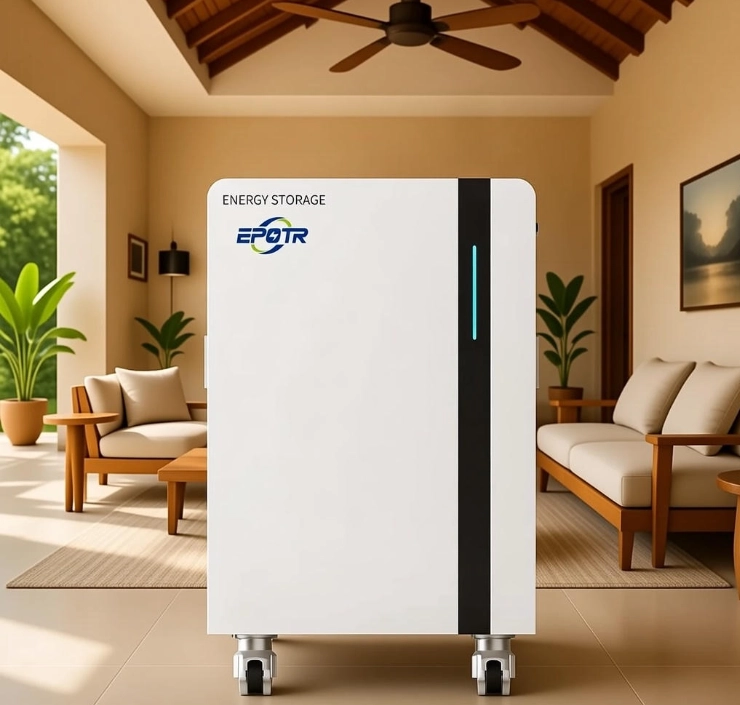
Floor-standing Residential ESS Solutions
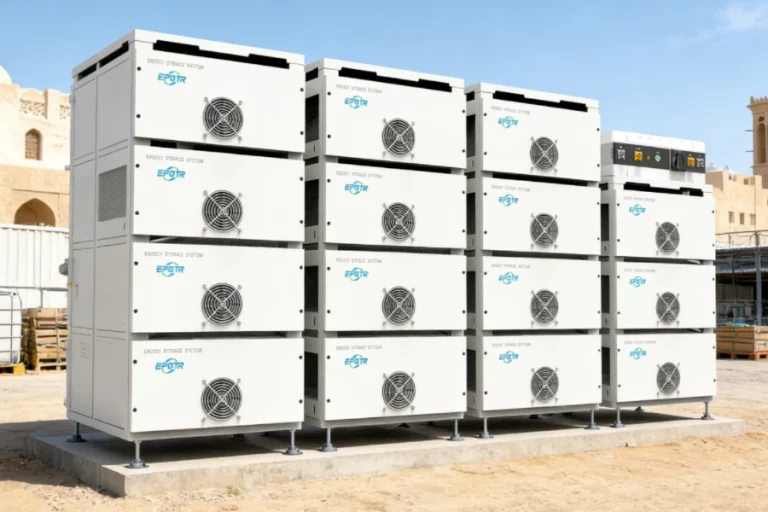
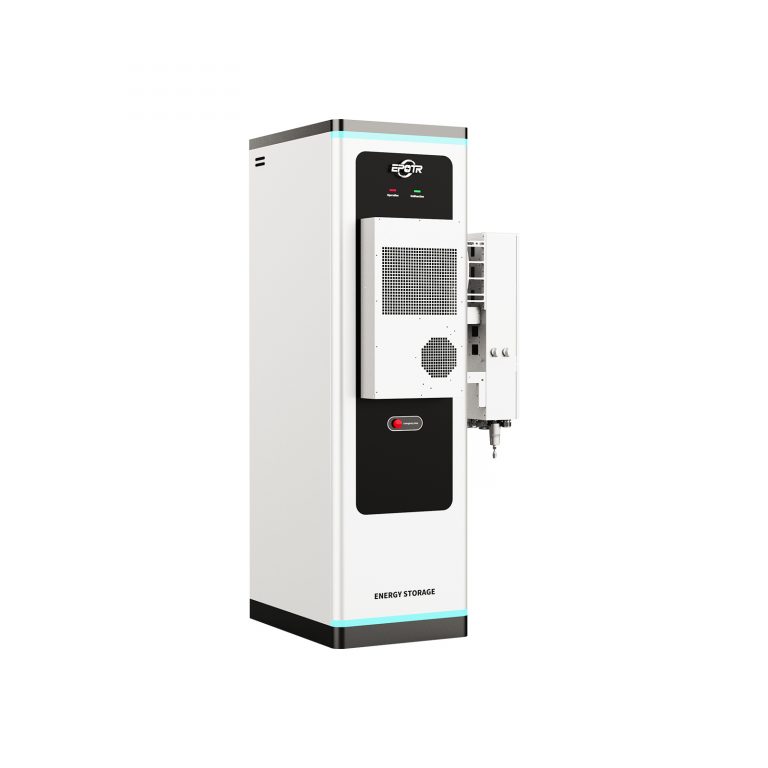
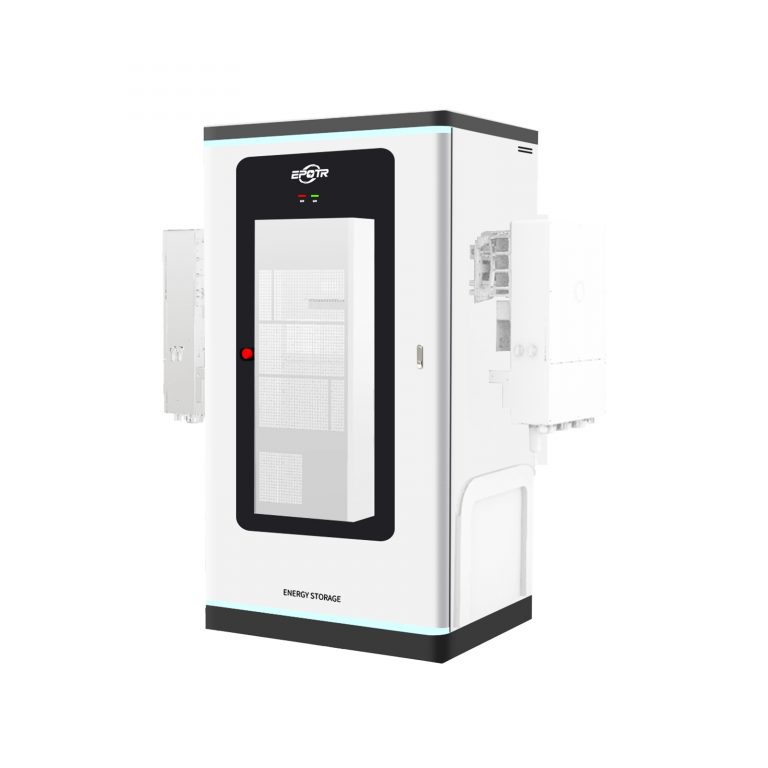
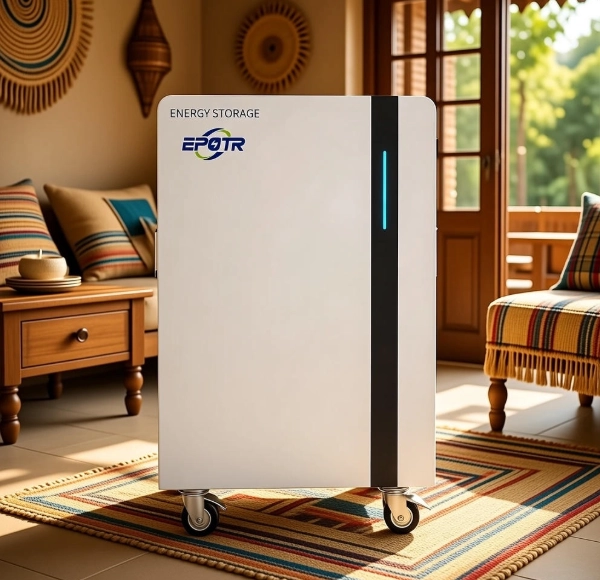
The Floor-standing Residential ESS fits with stackable modules up to 25 in parallel, letting you go from basic backup to full off-grid for homes or small businesses.
Extreme Durability and Safety Guarantee
In hot areas, toughness is key, with these units running to 55°C and over 6,000 cycles at 90% DOD, plus a 10-year warranty for secure, lasting solar moves.
Middle East: High-Temperature Resilience and Solar Maximization
The Middle East has great sun but harsh heat that tests electronics and batteries, so by 2026, high-voltage systems handle heat while pulling max from desert light.
Extreme Heat and High Cooling Demands
When temps top 45°C, usual systems slow or wear fast, so you need advanced Battery Management Systems (BMS) to watch cells live and stop overheat, keeping efficiency high for cooling loads.
Stack-mounted High-Voltage ESS Innovation
The Home energy storage system Floor-standing ESS suits these with high-voltage stacking for efficiency under AC loads, and LiFePO4 gives heat stability without runaway risks.
Comprehensive Safety and Certifications
Safety here comes from CE, IEC62619, and UN38.3 tests for shocks, shakes, and heat, so picking certified gear meets world safety marks no matter the weather.
Why EPOTR is Your Trusted Partner in 2026
Picking a long-term energy ally means eyeing tech fit and after-support, and in 2026, complex setups need providers that link top making to real use, focusing on match, safety, and value for systems that grow with green shifts.
Global Compatibility and Integration
Linking systems worries owners, but EPOTR’s design works with over 90% of major hybrid inverters so you add storage to old solar without lock-in hassles for upgrades.
Rigorous Certification and Quality Control
Safety bases home installs, with CE, RoHS, and IEC62619 covering fire, toxins, and stability, and each module gets tight checks for reliable LiFePO4 under hard cycles.
Long-term Warranty and Local Support
Energy storage is a 10-year bet, with 5-10 year coverage for 6,000-cycle cells, and pro service eases setup, keeping your home in steady green power long-term.
FAQ
Q1: What is the lifespan of a typical residential LiFePO4 battery system?
A: Most high-quality LiFePO4 systems are rated for 6,000 cycles at 90% depth of discharge, which typically equates to over 10 years of daily use while maintaining at least 60% of their original capacity.
Q2: Can I expand my energy storage capacity later if my needs change?
A: Yes, modular systems like the floor-standing models allow you to add more battery units in parallel. Some configurations support up to 25 units, enabling a total capacity that can exceed 250kWh.
Q3: What happens to my solar energy if the battery is full?
A: Once the battery reaches maximum capacity, the intelligent management system can either divert excess energy to power household appliances in real-time or, if your local regulations allow, export the surplus back to the utility grid.