
Vietnam deals with growing energy needs and a power network that often fails to stay steady, especially in northern areas and far-off islands. If you face power cuts in Hanoi or want self-reliant energy in a seaside home, picking the proper battery setup becomes the key choice for your solar project. As a specialist in power devices, I advise EPOTR, a top company in energy improvement from Dongguan. From 2023, they have focused on linking modern power devices with smart control systems. Their solutions aim to boost output and lower emissions using strong lithium tech. For custom energy plans, contact their tech group through contact-us.
Core Technologies Shared by EPOTR Energy Solutions
Reliable energy storage depends on the link between stable chemistry and smart controls. Today’s systems use common parts that guarantee long use and protection in home settings. When you stress these basic tech bases, your spending stays useful for more than ten years, even in tough weather seen in Southeast Asia.
LiFePO4 Chemistry for Maximum Safety
Lithium Iron Phosphate (LiFePO4) stands as the top choice for home storage because of its strong heat steadiness. These cells handle 6000 cycles at 90% Depth of Discharge (DOD) in normal settings, which makes them last longer under daily loads. This type avoids the heat runaway issue in earlier lithium Ion types, so your house stays protected when outside heat goes above 40°C.
Smart BMS for Real-time Optimization
An advanced Battery Management System (BMS) works as the core of the energy unit, as it tracks voltage, current, and heat at each cell. The system applies a flexible control method with ±1% accuracy in rules. This tech watch stops overfill and full drain, which in turn lengthens the hardware’s work life past standard levels.
Universal Compatibility with Hybrid Inverters
Current battery groups are made to link easily with 90% of main hybrid inverters in the field. This close fit gives quick reply times in milliseconds for power shifts. No matter if you have old setups or new ones, the parts ensure simple connect-and-use match with leading power change systems.
Addressing Vietnam’s Grid Instability with Targeted Solutions
Vietnam’s Power Development Plan 8 points out the need for local storage to even out the uneven flow from green energy. For most homes, the key issue is the “棄光” effect, where extra sun power goes to waste since the network cannot take it in. By adding a solid storage option, you can store this power and use it when the network drops or in high-cost times.
Off-Grid Resilience for Rural Areas
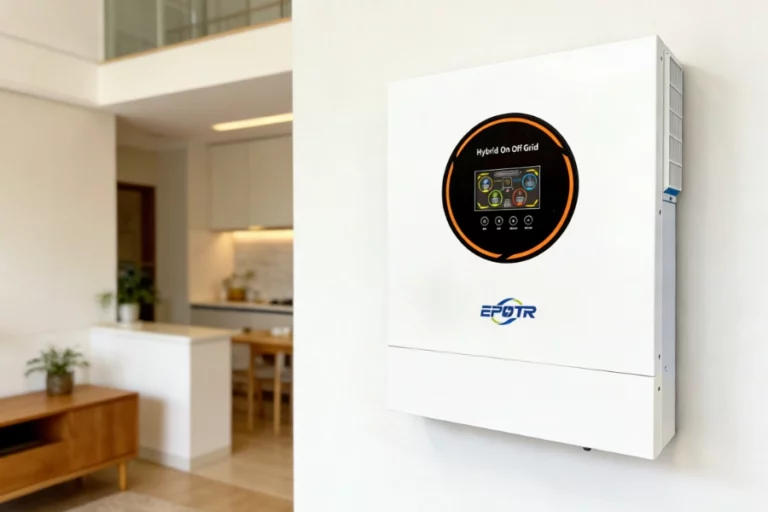
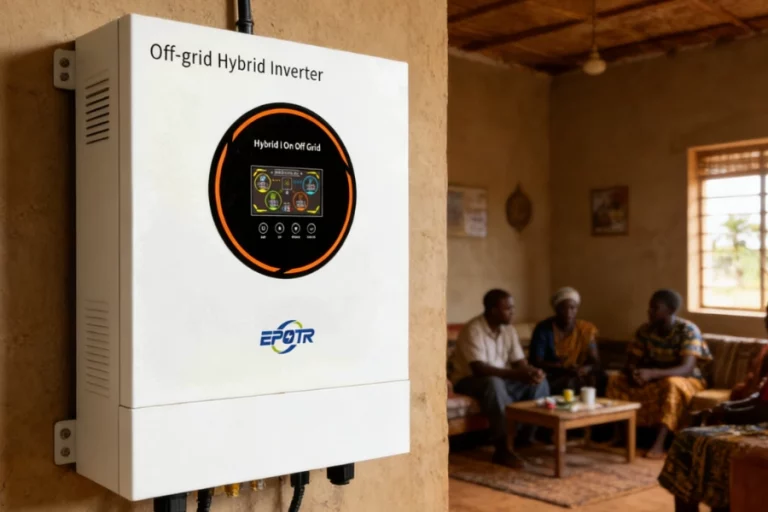
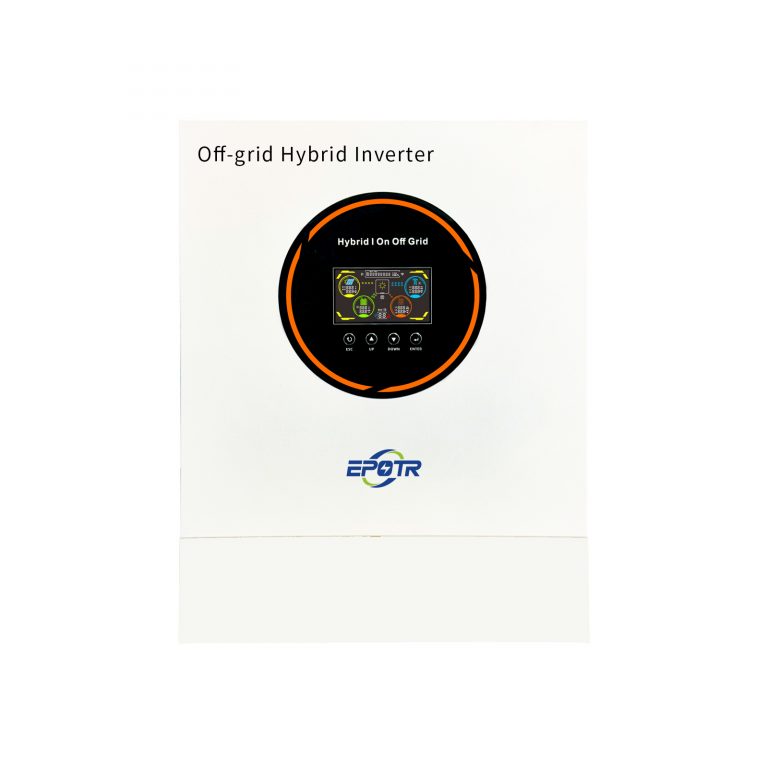
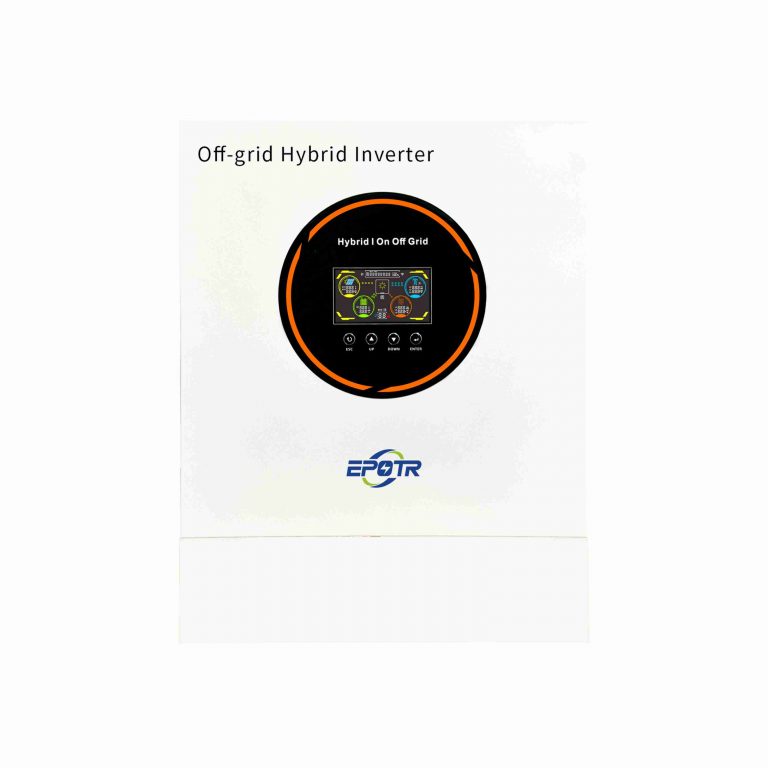
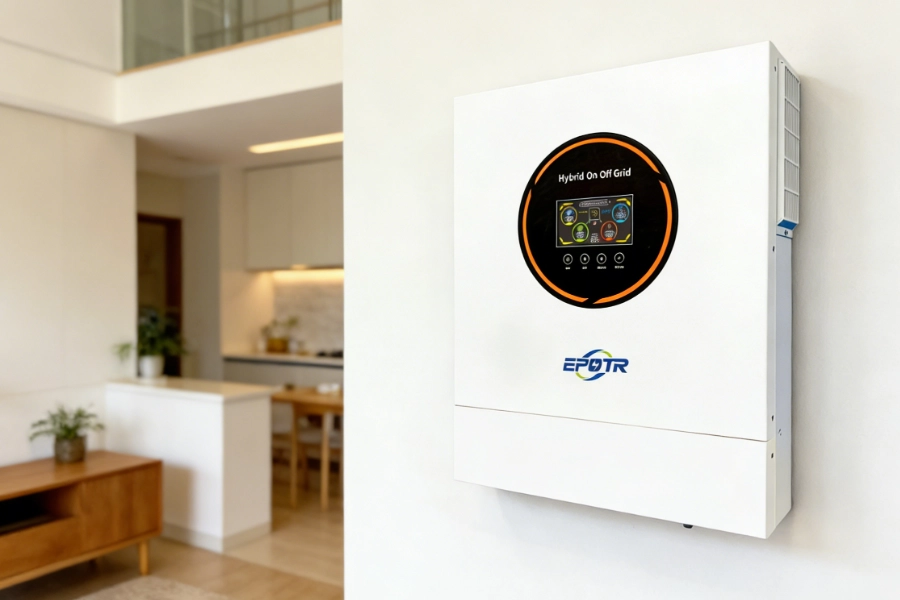
In places with weak or no grid links, the EPH OFF GRID INVERTER HYBRID offers a focused fix. This unit handles full three-phase voltage unevenness and keeps running in shaky voltage states. It turns DC from sun panels into steady AC, which builds a dependable small grid for your home basics.
Space-Saving Wall-Mounted Battery Systems
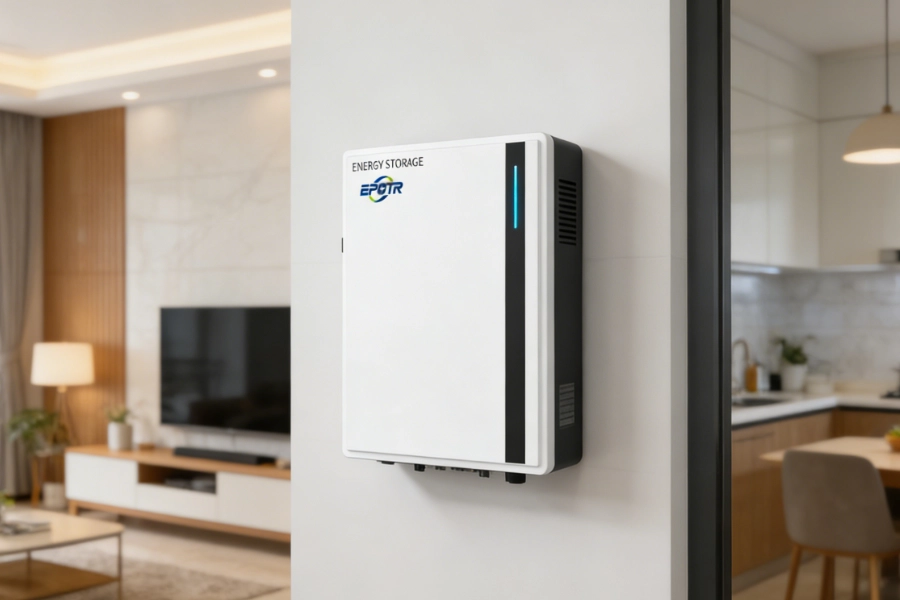
City homes in spots like Ho Chi Minh City usually have little ground room for large gear. The ESS perumahan yang dipasang di dinding gives a small 5.22kWh or 10.49kWh hold that mounts safe on a garage or work room wall. This style uses air cooling and has an IP20 shield level, which suits inside places where low noise matters.
Robust Protection against Voltage Fluctuations
Power changes in Vietnam often harm fine tools like inverter parts and home devices. The built-in class I shield and modern power devices in these setups act as a guard. When you run incoming power through the battery unit, it gives a steady flow that protects your home items from quick rises or low power dips.
Comparing LV and HV Batteries for the Vietnamese Market
The main tech split between Low Voltage (LV) and High Voltage (HV) setups lies in how battery cells link in series and parallel. LV types run at about 48V to 51.2V, whereas HV ones go up to 400V or more. To pick one, you must check your full power use and the gap between batteries and the inverter.
Cost Efficiency of Low Voltage Systems
Low voltage setups cost less for small to mid homes in general. Since the voltage stays under 60V DC, setup steps are easier and need fewer special safety parts. These types scale well, so you can join up to 25 units side by side to raise hold as your power wants grow.
Scalability and Power of High Voltage Systems
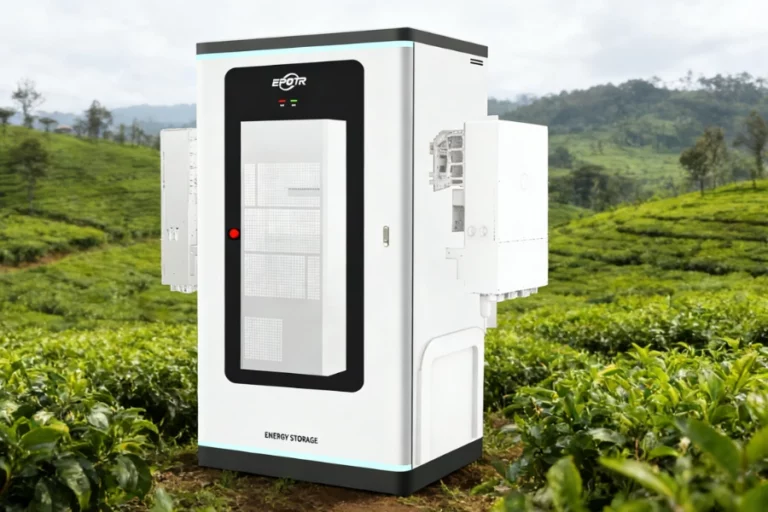
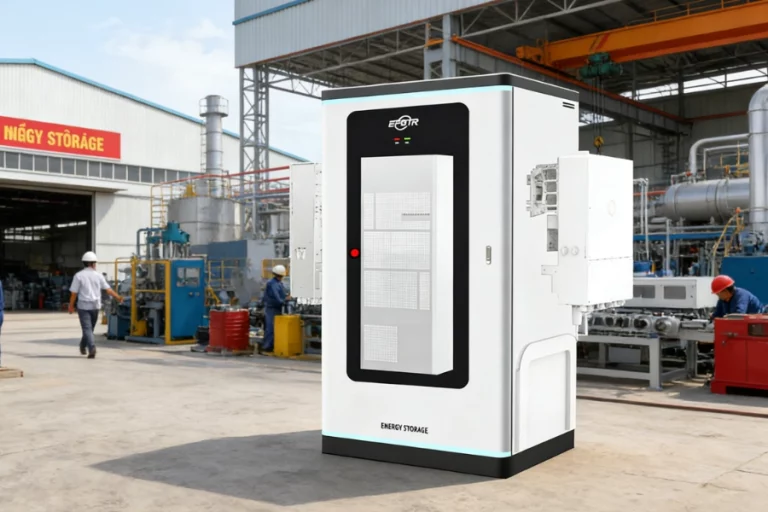
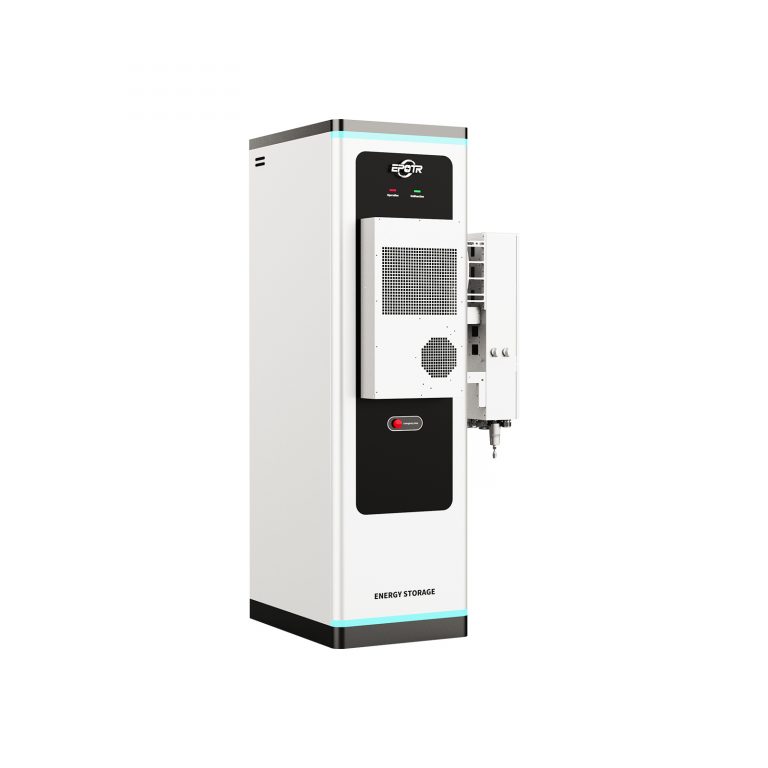
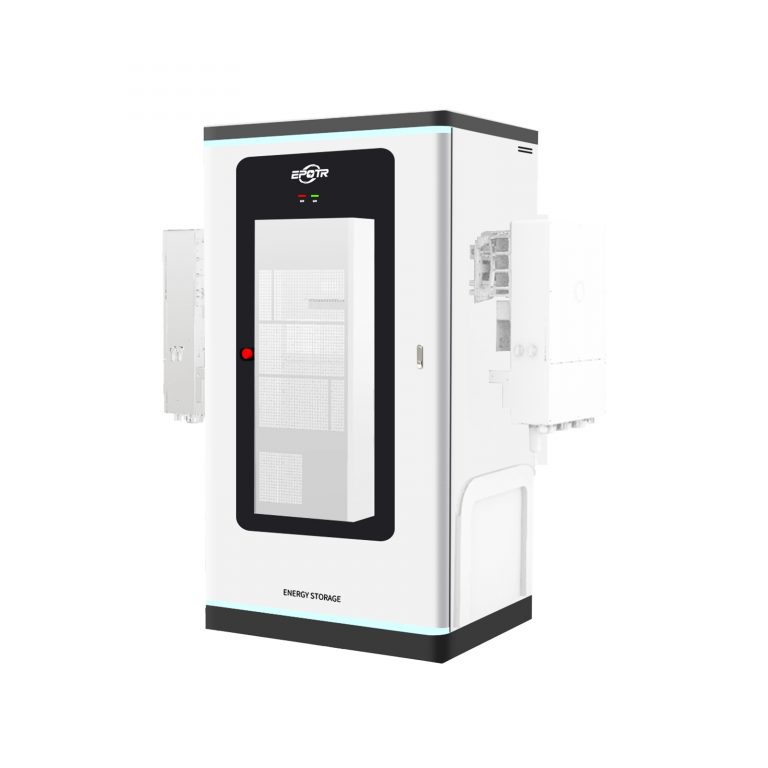
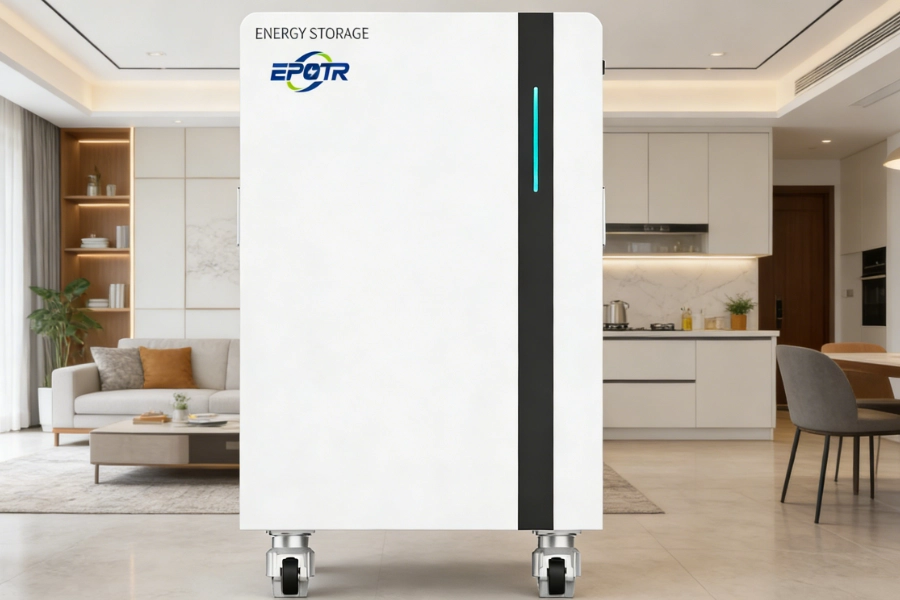
For big houses or villas with strong tools like main air cooling, the Lantai berdiri perumahan ESS works best. High-voltage plans cut the current for equal power give, which lowers loss from heat and aids better power send over long ways in the house.
Modular Design for Future Expansion
yang Sistem penyimpanan energi rumah- ESS berdiri lantai uses a pile-up, block style. This lets you start with a base hold and add battery parts like stack pieces. Each part falls under a main control unit, which makes the whole pile act as one high-output energy store without hard wiring.
Why EPOTR is the Premier Choice for Vietnamese Families
Buying a power setup means a long pledge that needs a partner with solid tech know-how and steady aid. The Vietnam field calls for items that stand high damp and heat shifts while giving clear money back. When you stress checked quality and cost gain, you lock in a green path for your house.
Globally Certified Safety and Reliability
Items for the Vietnam field must match strict world rules to guard user safety. These setups follow RoHS and use LiFePO4 cells that face tough short-circuit and heat tests. This focus on standard makes the parts work steady over their 6000-cycle span.
Strategic Cost-Benefit and Fast ROI
With power rates in Vietnam open to changes, a storage unit gives cover from cost rises. By using MPPT tech, these setups can lift power make by 10% to 20%. This extra output, along with skipping high-hour fees, speeds up the return time for the full sun setup.
Comprehensive Warranty and Technical Support
Steadiness comes with a pro warranty plan that covers inverter and battery parts. You get tech papers and direct talk lines, which handle upkeep or setup needs fast. This aid frame cuts stop times and raises total energy gain over the system’s life.
FAQ (Pertanyaan umum)
Q1: What is the main difference between low voltage and high voltage batteries for my home?
A: Low voltage batteries (48V) are safer for DIY and smaller setups with a lower initial cost, while high voltage batteries (up to 400V+) offer higher efficiency and are better suited for large homes with high-power demands.
Q2: How long will an EPOTR battery system last in Vietnam’s hot climate?
A: Thanks to LiFePO4 technology and natural cooling designs, these batteries are rated for 6000 cycles, which typically equates to over 10 years of daily use even in tropical temperatures.
Q3: Can I add more batteries later if my electricity usage increases?
A: Yes, both wall-mounted and floor-standing systems feature modular scalability, allowing you to parallel multiple units or stack additional modules as your needs evolve.
Q4: Do these systems work with my existing solar panels?
A: Most systems are universally compatible with standard PV modules; however, using an optimized hybrid inverter ensures maximum efficiency and better energy tracking through MPPT technology.
Q5: Is the system protected against the frequent power surges in Vietnam?
A: Yes, the integrated BMS and protective circuitry provide millisecond-level responses to grid deviations, acting as a shield for both the battery cells and your household appliances.