
Asia Tenggara sedang memasuki siklus permintaan daya yang lebih tinggi, tetapi masalah inti bagi banyak pengguna bisnis bukanlah sekadar kekurangan energi. Penggunaan listrik meningkat di seluruh bangunan, transportasi, industri, dan infrastruktur data, sementara puncak musiman yang lebih panas dan elektrifikasi yang lebih luas memberikan tekanan lebih besar pada jaringan listrik lokal. Bagi pengguna komersial, tekanan tersebut dirasakan melalui ketidakstabilan jaringan, risiko pemadaman listrik, jaringan pulau yang lebih lemah, kenaikan harga listrik, biaya generator diesel yang tinggi, dan manajemen daya puncak-lembah yang lebih sulit.
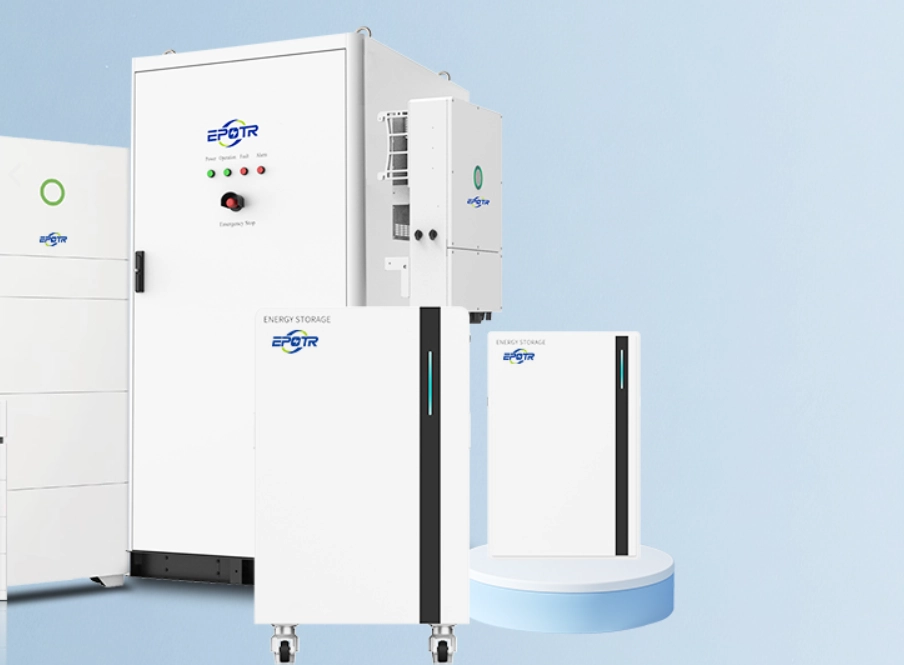
Bagi importir, distributor, kontraktor EPC, dan pemilik fasilitas, pertanyaannya sederhana. Bagaimana sistem tenaga dapat tetap stabil ketika jaringan listrik tidak selalu stabil dan biaya energi terus berubah? ESS bukan hanya kabinet baterai. Ia berfungsi sebagai platform koordinasi daya untuk input tenaga surya, pengisian baterai, interaksi jaringan listrik, pasokan cadangan, dukungan generator, dan operasi berdasarkan waktu penggunaan. EPOTR perusahaan tersebut memposisikan portofolio penyimpanan dan elektronika dayanya di sekitar kebutuhan yang tepat ini.
Mengapa Tantangan Keandalan Pasokan Listrik di Asia Tenggara Lebih Mempengaruhi Lokasi Bisnis?
Masalah keandalan pasokan listrik bervariasi menurut negara dan lokasi, tetapi dampak bisnisnya sering kali mengikuti pola yang sama. Sistem pendingin tidak bisa berhenti begitu saja. Pompa, komunikasi, perangkat keamanan, sistem pembayaran, dan peralatan produksi semuanya bergantung pada pasokan listrik yang stabil. Pemadaman listrik singkat mungkin hanya berlangsung beberapa menit, namun pemulihannya bisa memakan waktu jauh lebih lama. Itulah bagian yang sering terlewatkan dalam anggaran proyek.
1. Pasar Pulau dan Pasar dengan Jaringan Listrik Lemah Membutuhkan Pengendalian Listrik Lokal
Indonesia, Filipina, Malaysia, Thailand, dan Vietnam semuanya memiliki lokasi bisnis di mana kualitas jaringan listrik, kapasitas saluran distribusi, akses pemeliharaan, atau stabilitas daya dapat sangat berbeda dari pusat-pusat kota besar. Proyek-proyek di pulau, fasilitas pedesaan, resor, pertanian, dan titik-titik layanan yang tersebar seringkali membutuhkan lebih dari sekadar generator sederhana atau kotak cadangan dasar.
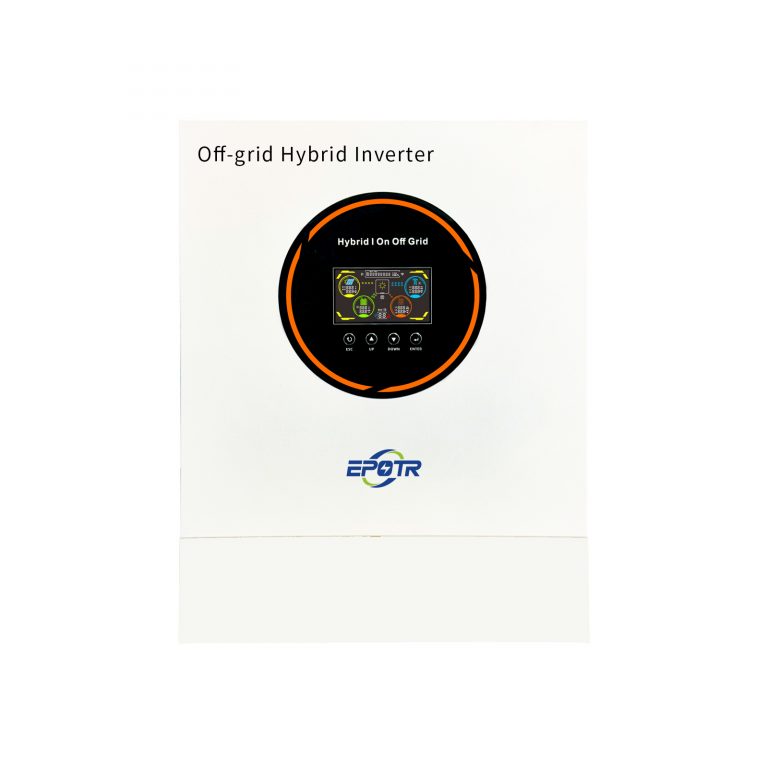
- Unit inverter off-grid yang dipasang di dinding dalam ruangan
- Perlindungan IP20 untuk instalasi dalam ruangan yang terlindungi.
- Paket baterai untuk penyimpanan energi
- Modul PV untuk pembangkitan listrik di siang hari
- Mikrogrid penyimpanan energi surya mandiri untuk kebutuhan rumah tangga atau usaha kecil.
Produk inverter off-grid dalam ruangan ini cocok untuk proyek-proyek di pulau terpencil dan daerah terisolasi jika dipasang di area dalam ruangan yang terlindungi. Dipasangkan dengan paket baterai penyimpanan dan modul PV, produk ini mendukung mikrogrid independen untuk beban lokal. Sisi inverter dirancang untuk kompatibilitas paket baterai yang luas, sementara produk baterai dapat bekerja dengan lebih dari 90% platform inverter hibrida domestik utama. Hal ini mengurangi kesulitan pencocokan bagi pemasang dan tim servis.
2. Beban Panas, Pendinginan, dan Risiko Gangguan Meningkatkan Tekanan Operasional
Cuaca panas menyebabkan penggunaan listrik meningkat tajam. Dalam lingkungan bisnis, yang menjadi perhatian bukan hanya permintaan puncak. Yang menjadi masalah adalah apa yang terjadi ketika jaringan listrik melemah, tegangan berfluktuasi, atau terjadi pemadaman listrik selama periode operasi beban tinggi.
- Lokasi rantai dingin membutuhkan pendinginan yang stabil.
- Pabrik membutuhkan lebih sedikit gangguan proses yang tiba-tiba.
- Resor dan hotel membutuhkan ketenangan dan kesinambungan layanan yang andal.
- Pertanian membutuhkan pompa dan sistem pasca panen agar tetap beroperasi.
- Lokasi ritel membutuhkan penerangan, terminal POS, dan komunikasi online.
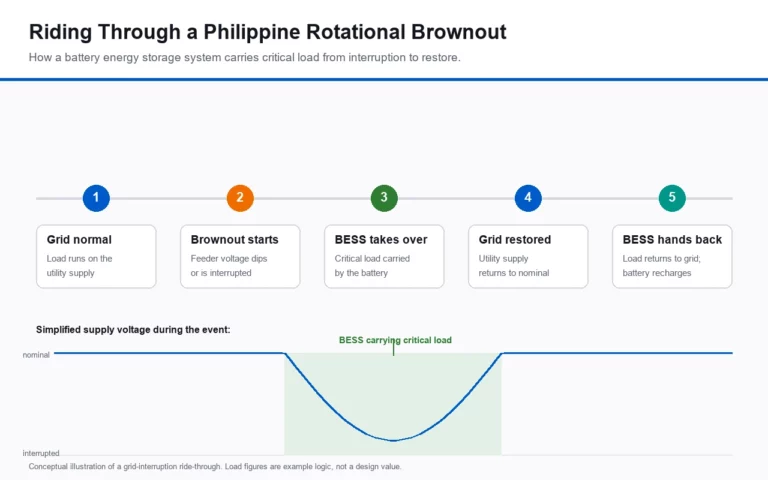
Di sinilah kualitas cadangan menjadi penting. Sistem yang beralih dengan buruk selama kegagalan jaringan listrik dapat memicu restart mesin, menunda operasi, atau mematikan peralatan sensitif. Desain ESS yang lebih baik mengurangi risiko tersebut melalui koordinasi yang lebih kuat antara baterai, konversi daya, input jaringan listrik, input generator, dan beban lokasi.
3. Cadangan Hanya Menggunakan Diesel Menciptakan Masalah Biaya Tersendiri
Generator diesel masih penting di daerah terpencil dan dengan jaringan listrik yang lemah. Namun, mengandalkan generator diesel sebagai solusi pertama dapat membuat bisnis terjebak dalam risiko paparan bahan bakar, biaya perawatan yang lebih tinggi, kebisingan yang lebih besar, dan biaya operasional yang kurang dapat diprediksi. Ruang generator yang tenang dalam proposal dapat berubah menjadi pengeluaran bulanan yang sangat besar di kemudian hari.
- Tenaga surya menangani pembangkitan listrik yang tersedia di siang hari.
- Baterai mencukupi kebutuhan daya cadangan dan kebutuhan di malam hari.
- Generator tersebut menjadi pendukung, bukan bawaan.
- Perencanaan pengiriman energi menjadi lebih mudah.
Sistem penyimpanan energi surya menambahkan lapisan perantara praktis antara jaringan listrik dan generator. Untuk resor, pertanian, bisnis di pulau, dan titik layanan yang tersebar, lapisan tersebut dapat mengurangi waktu kerja generator, mengurangi ketergantungan pada bahan bakar, dan membuat biaya energi menjadi kurang fluktuatif.
Apa yang Seharusnya Diselesaikan oleh Advanced ESS untuk Anda?
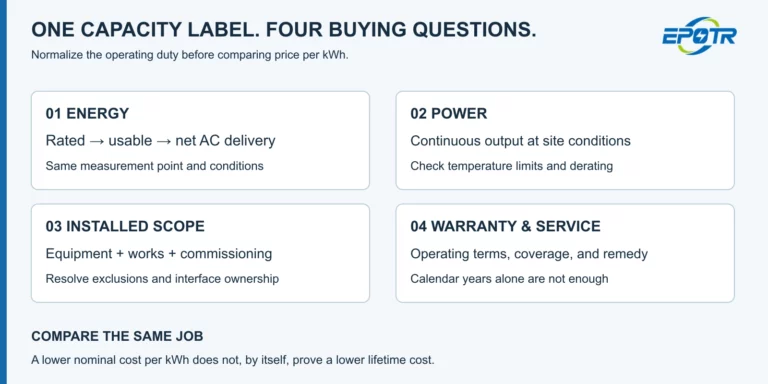
Sistem penyimpanan energi (ESS) tidak seharusnya dinilai hanya berdasarkan total kWh. Pertanyaan yang lebih baik adalah masalah apa yang dapat diatasi dari proyek Anda. Jika sistem tersebut mengurangi kerusakan akibat pemadaman listrik, meningkatkan pengoperasian jaringan listrik yang lemah, mengurangi waktu kerja generator, mengurangi masalah integrasi, mendukung manajemen listrik puncak-lembah, dan menjaga agar pekerjaan servis tetap terkendali, maka sistem tersebut memberikan nilai bisnis yang lebih dari sekadar label baterai.
1. Cadangan Data yang Stabil Selama Kegagalan Jaringan Listrik
Daya cadangan hanya berguna jika mendukung beban yang penting. Gudang, klinik, bengkel, vila, kantor cabang, dan pengguna industri ringan seringkali membutuhkan target waktu operasional yang berbeda, namun mereka memiliki kebutuhan yang sama akan transisi yang stabil ketika jaringan listrik utama gagal atau menjadi tidak stabil.
- Mengurangi gangguan selama pemadaman listrik
- Dukung beban kritis dengan aliran daya yang lebih stabil.
- Hindari memulai ulang peralatan yang tidak perlu.
- Mengurangi gangguan yang disebabkan oleh logika kontrol yang buruk.
Keandalan sistem tidak hanya bergantung pada kualitas baterai, tetapi juga pada perlindungan inverter, manajemen termal, pengalihan cadangan, interaksi jaringan, koordinasi generator, dan logika kontrol secara keseluruhan.
2. Koordinasi yang Lebih Baik di Seluruh Sistem Tenaga Surya, Baterai, Jaringan Listrik, dan Generator
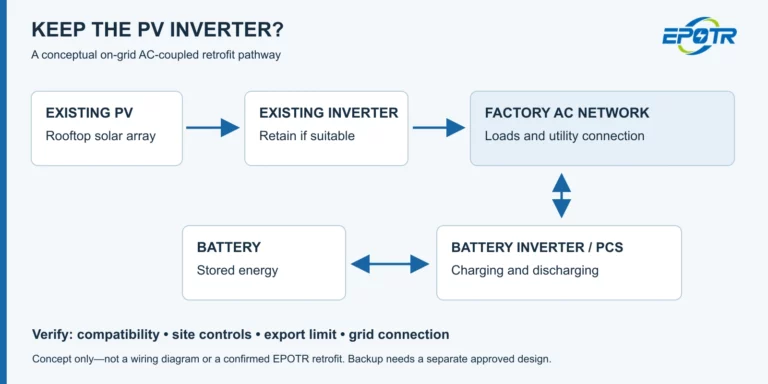
Banyak proyek pembangkit listrik komersial sekarang menggabungkan beberapa sumber energi. Hal itu dapat menurunkan biaya energi dan meningkatkan ketahanan, tetapi juga menciptakan lebih banyak pekerjaan pengendalian. Koordinasi yang lemah sering menyebabkan ketidaksesuaian generator, perilaku pengisian daya yang buruk, ketidakstabilan cadangan, masalah ekspor jaringan, dan penghematan yang dapat digunakan lebih rendah.
- Pembangkitan energi surya
- Pengisian dan pengosongan baterai
- Listrik dari perusahaan utilitas
- Input generator diesel
- Pengoperasian berdasarkan waktu penggunaan bila hal itu masuk akal.
Inilah alasan utama mengapa sistem energi terintegrasi menjadi semakin menarik bagi distributor dan perusahaan EPC. Lebih sedikit kotak distribusi yang terpisah biasanya berarti lebih sedikit masalah dalam proses pemasangan, logika pengiriman daya yang lebih jelas, dan kontrol yang lebih baik atas biaya listrik harian.
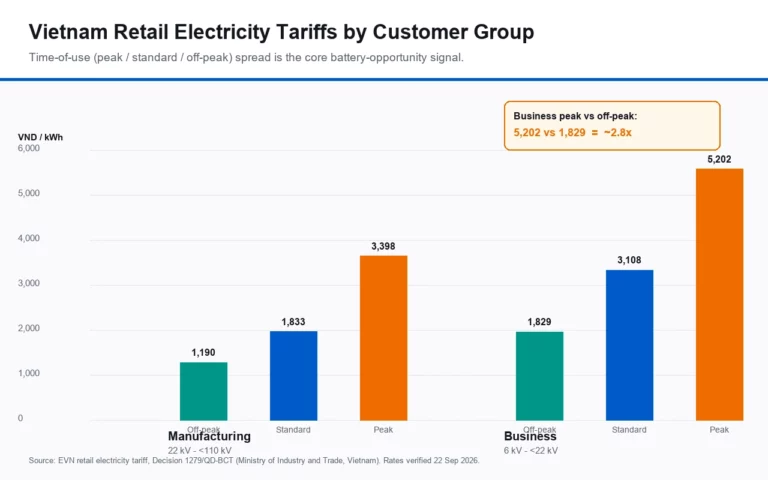
3. Manajemen Puncak-Lembah Tanpa Pengeluaran Berlebihan Terlalu Dini
Tidak setiap pedagang membutuhkan kabinet C&I besar sejak hari pertama. Arah pengembangan Baterai Modular yang lebih baru penting karena memberikan bisnis kecil jalur yang lebih hemat biaya dan lebih ringkas untuk mendapatkan daya cadangan, pengurangan beban puncak, dan manajemen energi berdasarkan waktu penggunaan. Hal ini membuat penyimpanan lebih bermanfaat untuk berbagai ukuran pedagang, mulai dari unit ritel kompak hingga pengguna komersial ringan yang mungkin akan berkembang di kemudian hari.
- Tekanan masuk yang lebih rendah untuk proyek-proyek yang lebih kecil.
- Kebutuhan ruang lantai yang lebih sedikit
- Lebih mudah disesuaikan untuk pedagang dengan ruang teknis terbatas.
- Jembatan yang lebih baik antara kebutuhan cadangan skala kecil dan penerapan ESS skala besar.
Logika produk semacam itu penting di Asia Tenggara, di mana permintaan pasar sangat luas, kondisi lokasi sangat beragam, dan ukuran proyek sangat bervariasi.
Pilihan Produk yang Sesuai dengan Kasus Penggunaan Nyata di Asia Tenggara
Pengguna yang berbeda membutuhkan ukuran sistem yang berbeda. Klinik dan gudang tidak membeli daya cadangan untuk alasan yang sama. Lokasi industri ringan membutuhkan strategi kontrol yang berbeda dari vila di pulau terpencil. Pencocokan produk yang baik mengurangi ukuran yang berlebihan dan menghindari desain cadangan yang lemah secara bersamaan.
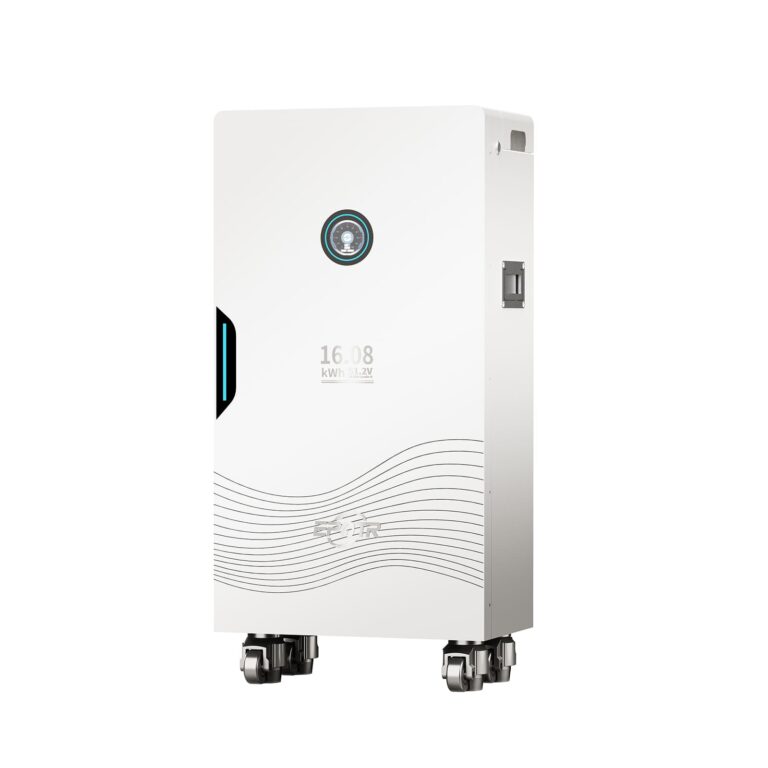
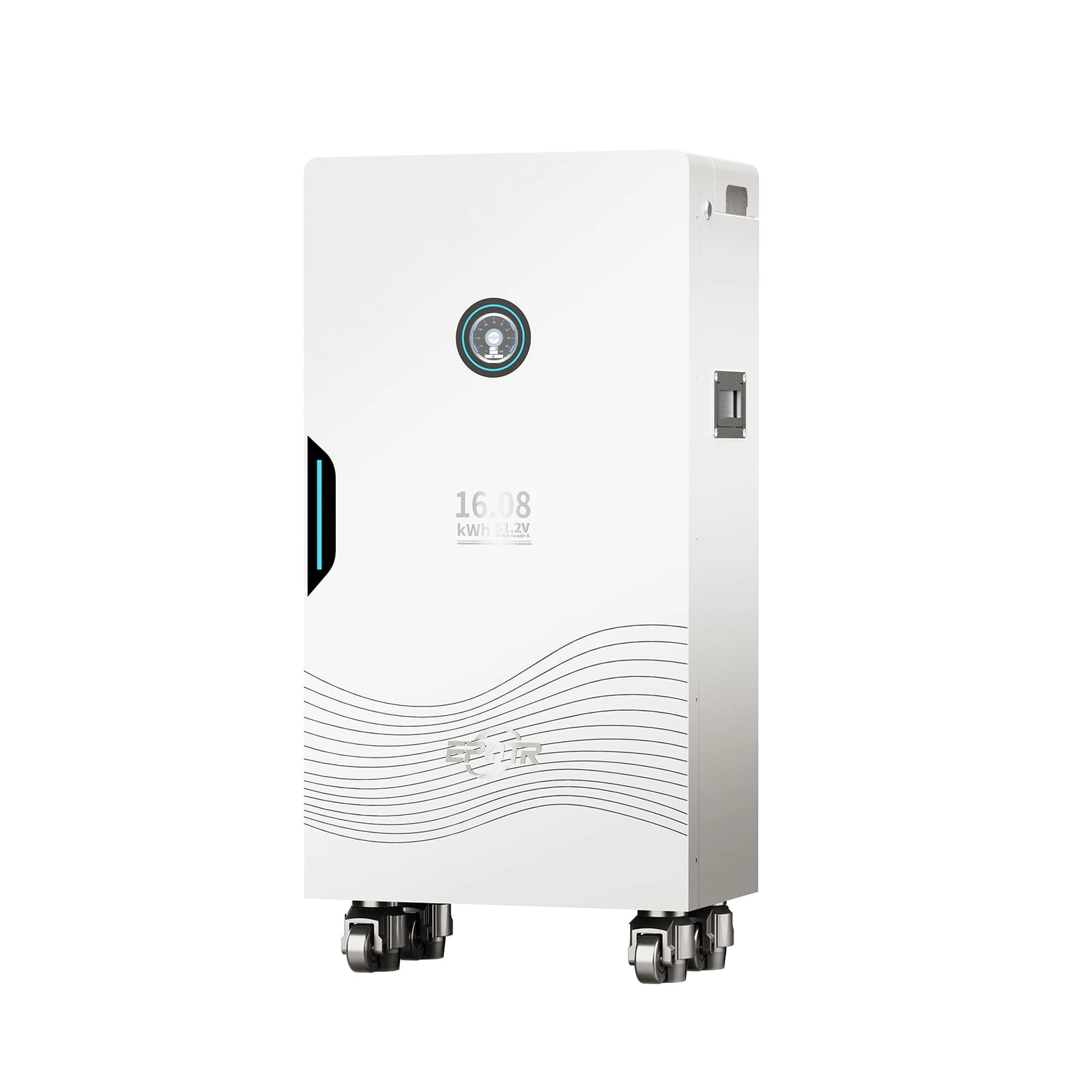
1. lantai berdiri perumahan ESS untuk Toko Kecil, Klinik, Vila, dan Lokasi Cabang
Produk yang berdiri di lantai ini cocok untuk pengguna yang membutuhkan lebih dari sekadar cadangan tingkat dasar tetapi tidak memerlukan kabinet komersial yang besar. Informasi teknis terkini mencantumkan:
- Total energi 0,08 kWh
- Energi DC yang dapat digunakan sebesar 27 kWh.
- Daya pelepasan maksimum 24 kW
- 95% kedalaman pembuangan yang direkomendasikan
- Hingga 25 baterai yang disusun secara paralel.
- Kimia baterai LiFePO4
- Pendinginan alami
- Komunikasi CAN/RS485
- Perlindungan dalam ruangan IP20
Profil ini cocok untuk usaha kecil, klinik, hunian premium, kantor cabang, unit perhotelan, dan kantor cabang yang membutuhkan kontrol cadangan yang lebih kuat tanpa harus menggunakan sistem yang jauh lebih besar. Data produk juga mencantumkan perlindungan baterai terhadap arus berlebih, tegangan berlebih, korsleting, tegangan kurang, dan suhu berlebih.
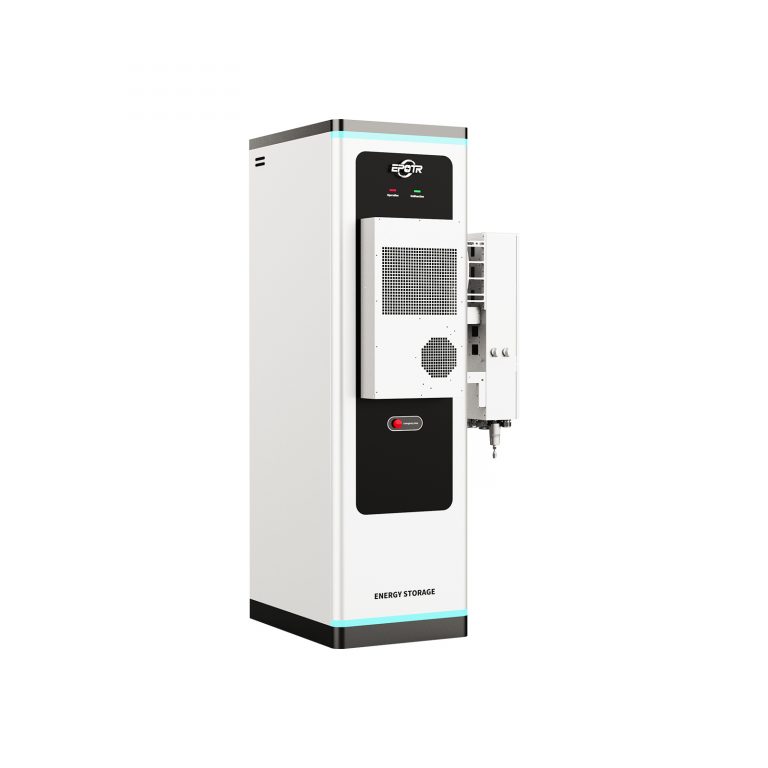
2. semua dalam satu sistem penyimpanan energi hibrida untuk Gudang, Pertanian, Fasilitas Ritel, dan Industri Ringan
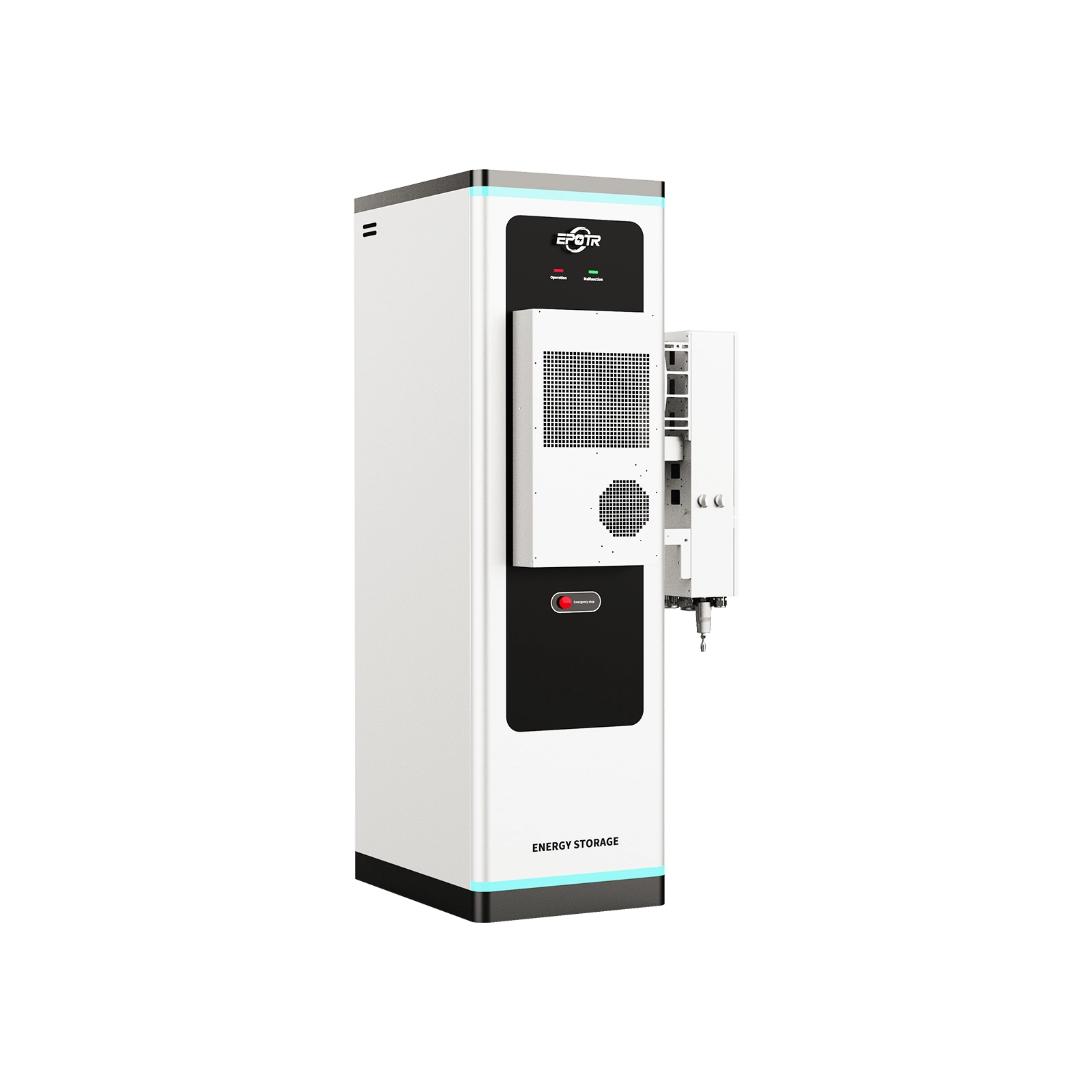
Untuk lokasi yang lebih besar, sistem komersial all-in-one menawarkan pendekatan yang lebih terkoordinasi. Informasi produk resmi mencantumkan:
- Daya AC terukur 50 kW
- Daya semu maksimum 55 kVA
- Kapasitas baterai nominal 54 kWh
- Daya susunan PV maksimum 100.000 Wp
- Daya masukan maksimum generator diesel 138.000 W
- Efisiensi inverter puncak 98%
- Efisiensi maksimum baterai ke AC sebesar 96%.
- Pendinginan kipas pintar
- Perlindungan inverter IP66
- Panel sentuh EMS 10 inci
- Konsumsi sendiri, kontrol jaringan mikro, kendali jarak jauh, respons permintaan, dan mode penggunaan berdasarkan waktu.
Hal ini menjadikannya cocok untuk lokasi komersial di mana risiko pemadaman listrik, pengoperasian jaringan yang lemah, pengendalian biaya diesel, sumber daya campuran, dan manajemen energi harian semuanya menjadi pertimbangan penting. Sistem ini sangat relevan untuk pertanian, supermarket, pabrik ringan, penyimpanan dingin, dan bangunan multifungsi yang membutuhkan cadangan daya yang lebih kuat daripada yang dapat disediakan oleh ESS perumahan kecil.
Bagaimana Memilih ESS yang Tepat untuk Proyek di Asia Tenggara
Pemilihan produk menjadi lebih mudah ketika Anda fokus pada masalah situs terlebih dahulu. Kapasitas baterai menjadi pertimbangan selanjutnya. Ini terdengar mendasar, tetapi melewatkan hal ini adalah awal dari banyak proyek yang lemah.
1. Periksa Beban yang Tidak Dapat Dihentikan
Pisahkan pakaian penting dari pakaian yang hanya memberikan kenyamanan. Misalnya:
- Pendinginan
- Pompa
- Sistem keamanan
- Data dan komunikasi
- Sistem POS atau kontrol
- Peralatan produksi inti
Hal ini memberikan target pencadangan yang lebih jelas dan mencegah kesalahan penentuan ukuran sistem.
2. Sesuaikan dengan Lingkungan, Bukan Hanya Harga
Asia Tenggara seringkali memiliki cuaca panas, lembap, berdebu, udara asin, dan waktu perawatan yang terbatas. Peralatan IP20 dalam ruangan membutuhkan area instalasi yang kering dan terlindungi. Lingkungan luar ruangan atau lingkungan komersial yang lebih keras membutuhkan pilihan penutup yang lebih kuat dan desain pendinginan yang lebih baik. Keandalan dimulai dari penempatan yang tepat, bukan setelah panggilan servis.
3. Rencana Ekspansi, Manajemen Beban Puncak, dan Pekerjaan Layanan
Distributor dan kontraktor EPC akan lebih diuntungkan jika suatu sistem lebih mudah diperluas, dioperasikan, dan didukung. Kompatibilitas, skalabilitas paralel, antarmuka komunikasi, perlindungan baterai, dan kontrol waktu penggunaan semuanya memengaruhi total upaya setelah pengiriman, bukan hanya selama proses penawaran.
- Tata letak baterai modular
- Komunikasi CAN/RS485
- Ekspansi paralel pada produk-produk tertentu
- Logika perlindungan baterai
- Integrasi hibrida untuk perencanaan situs yang lebih luas
Ini bukan sekadar poin-poin pembicaraan yang bombastis, tetapi hal-hal ini penting dalam pekerjaan purna jual yang sebenarnya.
Mengapa Portofolio Energi yang Lebih Luas Itu Penting
Suatu pemasok menjadi lebih bermanfaat ketika mampu mendukung lebih dari satu jenis proyek. halaman solusi dan Tentang Kami Informasi yang disajikan mencakup portofolio yang meliputi ESS (Energy Storage System) untuk perumahan, penyimpanan energi hibrida, solusi off-grid, dan manajemen energi cerdas. Platform yang lebih luas ini penting bagi pembeli B2B karena Asia Tenggara bukanlah satu pasar tunggal. Ini adalah sekelompok pasar dengan realitas lokasi yang sangat berbeda.
Sebuah toko ritel kecil di pulau terpencil, resor pedesaan, klinik, dan kompleks industri ringan mungkin semuanya membutuhkan ketahanan energi, tetapi tidak dari satu sumber yang sama. Untuk konsultasi proyek, pemilihan produk, atau diskusi kemitraan, halaman kontak memberikan langkah selanjutnya secara langsung.
FAQ (Pertanyaan umum)
Q1: Mengapa Tantangan Keandalan Pasokan Listrik Menjadi Semakin Serius bagi Bisnis di Asia Tenggara?
A: Permintaan listrik regional meningkat pesat, sementara cuaca panas, kualitas jaringan yang tidak merata, risiko pemadaman, dan kenaikan biaya listrik dapat mempersulit operasional sehari-hari. Hal ini memengaruhi pendinginan, permesinan, layanan ritel, pompa, komunikasi, dan keberlangsungan operasional di lokasi.
Q2: Jenis ESS apa yang cocok untuk toko kecil, klinik, dan lokasi yang tersebar?
A: Sistem penyimpanan energi (ESS) hunian yang berdiri di lantai dapat sangat cocok untuk aplikasi ini karena menggabungkan total energi 16,08 kWh, energi yang dapat digunakan 15,27 kWh, daya pelepasan 10,24 kW, pendinginan alami, dan ekspansi paralel yang dapat diskalakan.
Q3: Jenis ESS apa yang cocok untuk gudang, pertanian, dan pengguna industri ringan?
A: Sistem penyimpanan energi hibrida all-in-one lebih cocok untuk lokasi-lokasi ini karena mendukung output AC yang lebih besar, kabinet baterai 112,54 kWh, input PV, input generator, dan fungsi EMS bawaan untuk kontrol daya sumber campuran dan operasi berdasarkan waktu penggunaan.
Q4: Apakah Inverter Off-grid Dalam Ruangan Cocok untuk Kepulauan Asia Tenggara dan Daerah dengan Jaringan Listrik Lemah?
A: Ya. Unit inverter off-grid IP20 yang dipasang di dinding dalam ruangan cocok untuk pasar dengan banyak pulau atau jaringan listrik yang lemah bila digunakan di ruang dalam ruangan yang terlindungi dan dipasangkan dengan paket baterai plus modul PV untuk membentuk mikrogrid penyimpanan energi surya.
Q5: Mengapa Desain Baterai Modular Penting bagi Pedagang?
A: Desain baterai modular membantu pedagang kecil karena membutuhkan lebih sedikit ruang dan menurunkan biaya awal dibandingkan dengan sistem berkapasitas tetap yang lebih besar. Desain ini juga memberikan jalur yang lebih praktis bagi berbagai ukuran bisnis untuk mendapatkan daya cadangan, manajemen beban puncak dan lembah, serta ekspansi di kemudian hari.