Factories in Southeast Asia deal with a major issue: quick business growth along with old and unreliable power grids. Regular blackouts and power swings are not just annoyances; they directly harm manufacturing accuracy and steady operations. To fix this, EPOTR stands out as a key player in energy improvement, focused on offering effective solar and battery setups. Based mainly in Dongguan, this skilled group blends modern power tech and smart controls to bring energy freedom to factories worldwide. When you pick their fresh tech, you get a reliable ally that turns your power issues into lasting business strengths via better, eco-friendly energy options.
Critical Vulnerabilities in Southeast Asian Industrial Operations
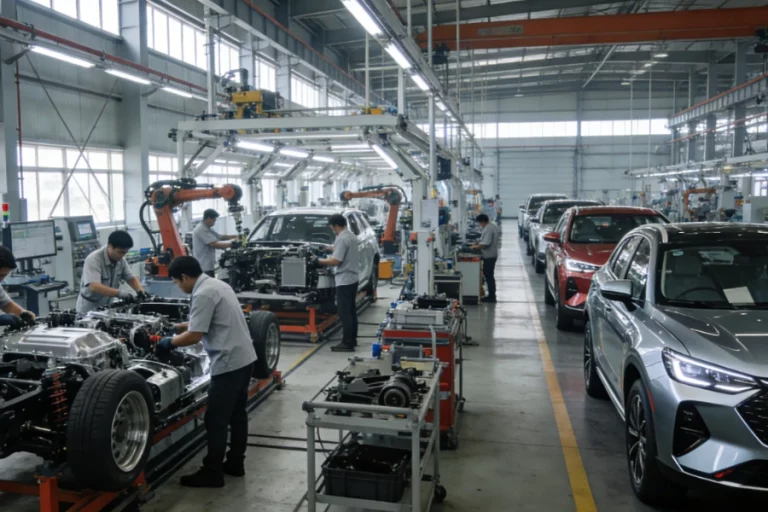
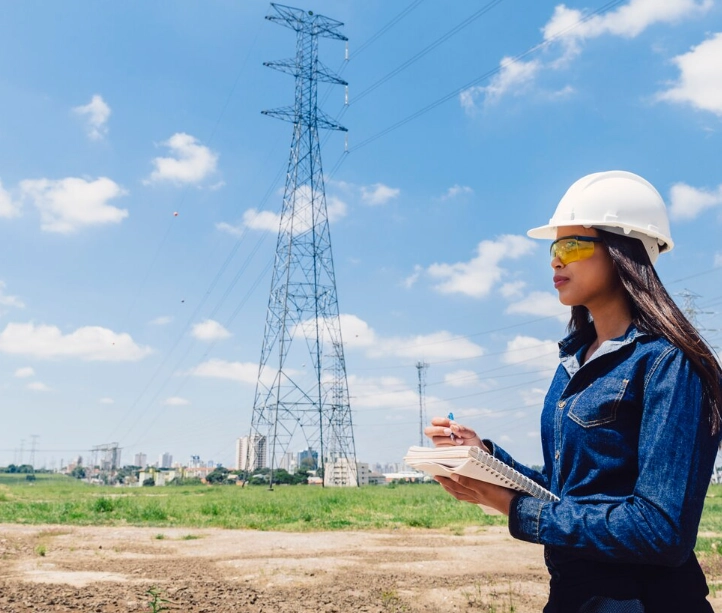
The factory scene in Indonesia, the Philippines, and Vietnam depends heavily on grids that cannot handle the needs of current machines. As the grid breaks down, problems spread across all production stages, from spoiled materials in heat-controlled processes to damaged data in automated setups.
Costly Production Interruptions
Sudden stops cause big money losses since production lines halt completely. In areas like chemicals or electronics, a short break means long equipment checks and cleanups, which lead to hours of idle work and lost power use. Studies show that strong battery storage can cut these stops by 70%, and this helps recover about 35% of the usual production output.
Grid Instability and Equipment Damage
Factory motors and delicate electronics suffer from voltage jumps and frequency shifts that often hit Southeast Asian grids. Without protection, these changes speed up damage to your gear, causing early breakdowns and higher repair costs. Basic safeguards usually fall short against the ongoing unreliability in low-grid areas.
High Reliance on Diesel Generators
Numerous plants turn to diesel backups as their main option, yet this means steep fuel expenses and large pollution levels. Diesel units also make noise, need constant upkeep, and fail to switch over fast enough for smooth power changes in outages. Switching to a C&I ESS Solutions setup lets you cut or drop this dependence with steadier, cleaner battery options.
Implementing Resilient Power Infrastructure with EPOTR C&I Solutions
Moving to an updated energy setup calls for a system that goes beyond simple outage waiting. It needs to handle power quality and supply right away, so your site keeps running no matter the grid’s state outside.
Seamless Microgrid Integration
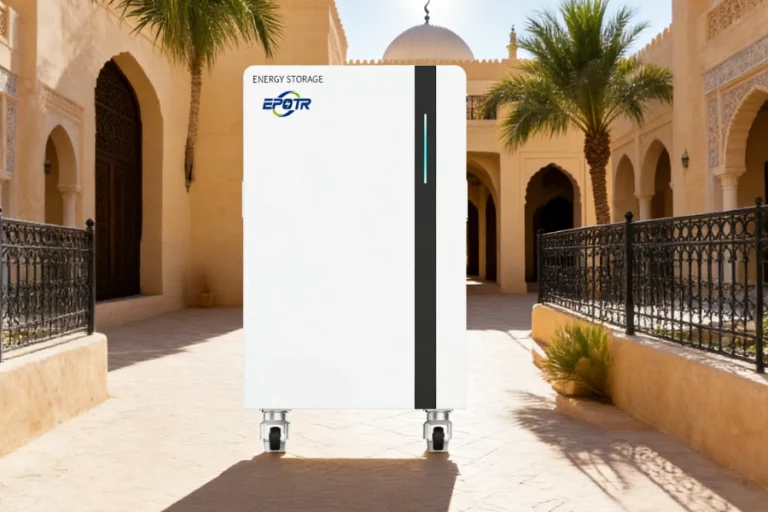
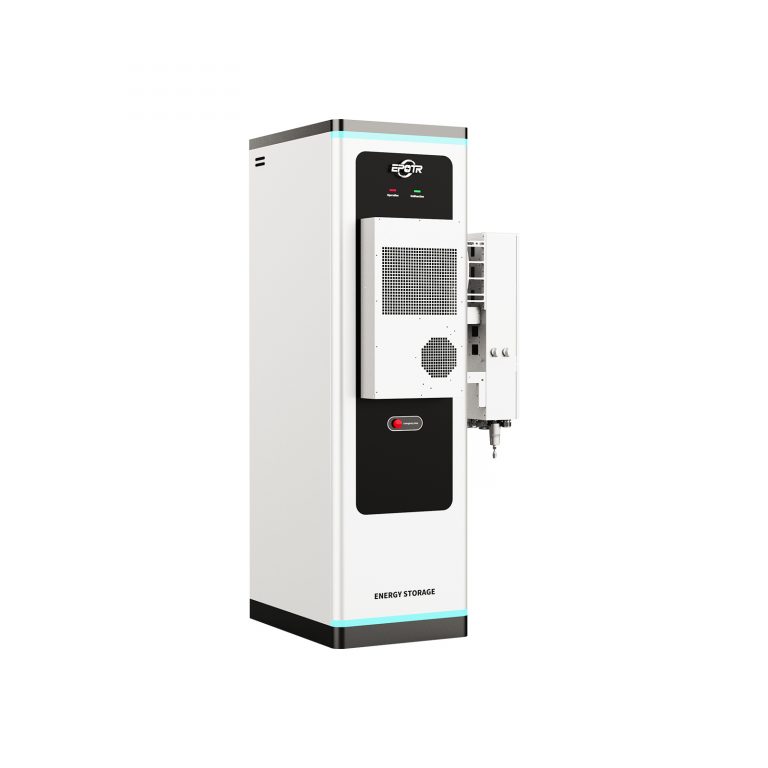
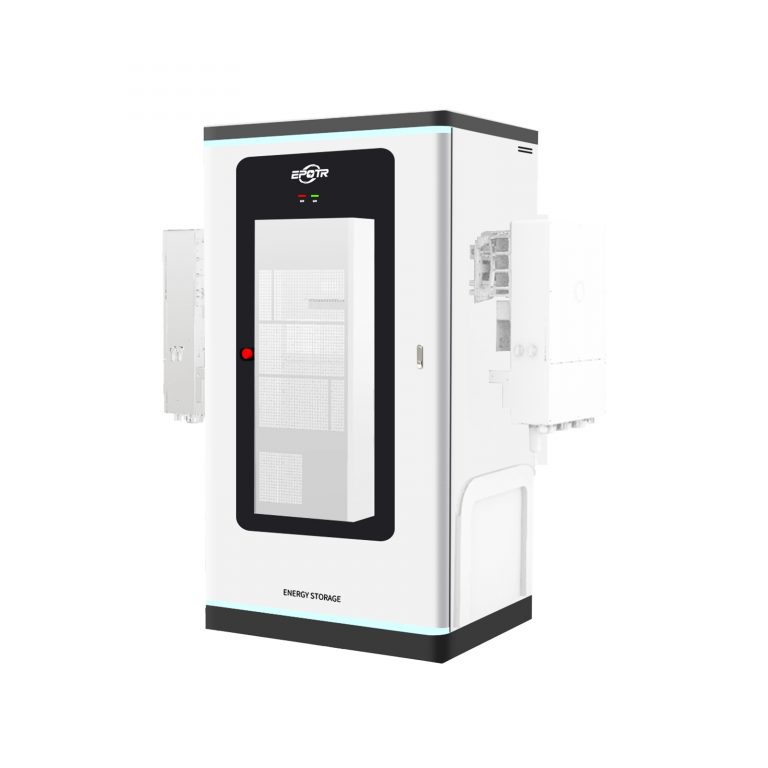
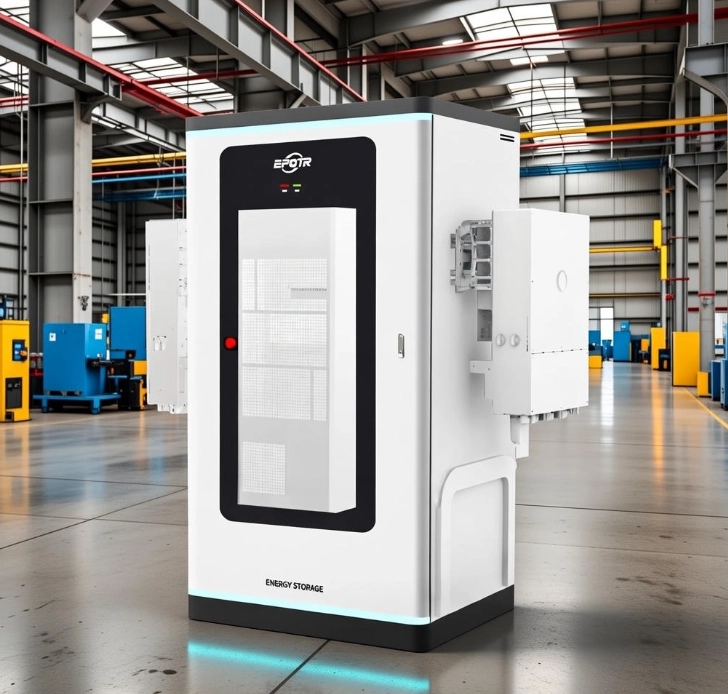
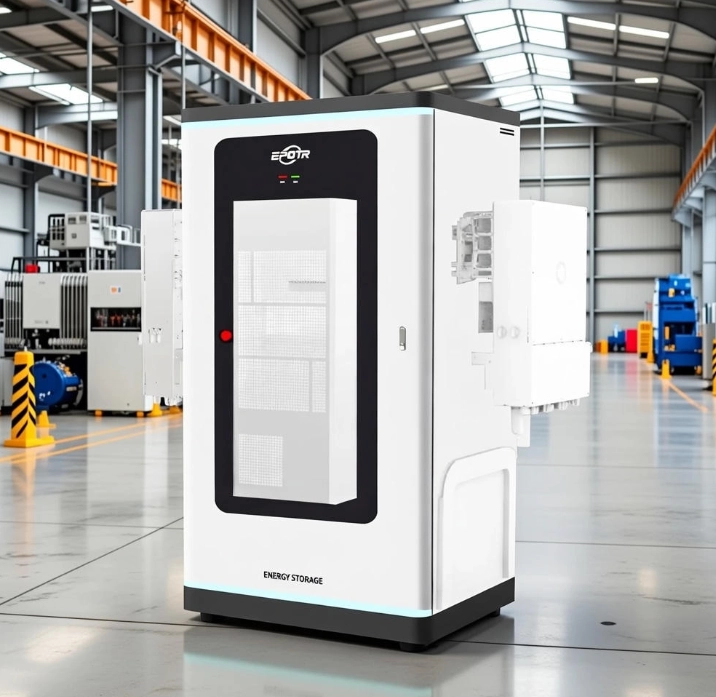
The EP2 all in one hybrid energy storage system builds a standalone microgrid for your plant. It pairs a two-way converter with large storage capacity, and this supports independent work when the grid fails. As a result, key loads remain powered without the usual brief drop that shuts down machines.
High-Capacity Lithium Battery Safety
Safety matters most in factory settings with dense energy use. You gain from LiFePO4 (Lithium Iron Phosphate) tech, which delivers 6,000 cycles at 90% Depth of Discharge (DOD), offering ten years or longer of solid performance. These setups feature smart Battery Management Systems (BMS) that add layers of guard against over-voltage, excess heat, and short circuits, so the system runs safely in hot spots.
Intelligent Load Management
A clever Energy Management System (EMS) sits at the heart of the hardware to focus on your vital gear. In an outage, it shifts discharge power to fit your main needs, avoiding a full site blackout. This energy digitization lets you track and tweak your power plan from afar using a cloud tool.
Optimizing Energy Efficiency via Hybrid Energy Storage Systems
Past just backup use, a solid Commercial&industrial ESS acts as a daily savings tool. By using price gaps in power rates over the day, you can make your energy setup earn money.
Peak Shaving and Load Shifting
In places with big differences between high and low power costs, you store energy when rates drop or solar peaks. Then, during expensive times, the system releases this stored power to run your plant, cutting peak pulls from the grid and sharply reducing your power bills each month.
Maximum Power Point Tracking Efficiency
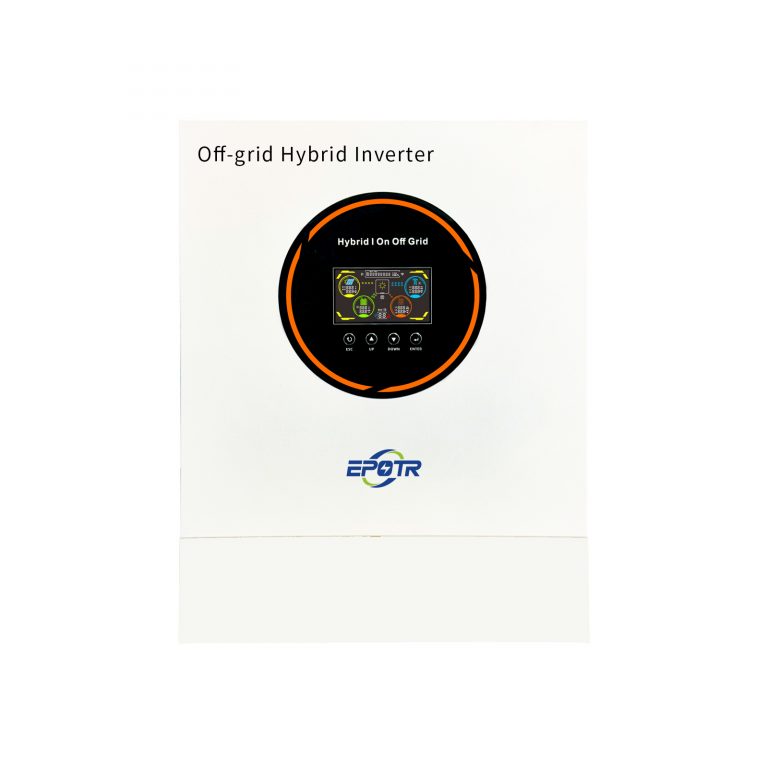
To get the best from your solar spend, adding Maximum Power Point Tracking (MPPT) tech is key. Strong hybrid inverters reach up to 98% efficiency, pulling the most power from your solar panels even in cloudy tropical weather.
Rapid Response UPS Functionality
Exact manufacturing needs power switches quicker than sight. The two-way converters in these systems offer response times in milliseconds, keeping voltage steady and making grid-to-battery shifts unnoticeable to your finicky gear.
Strategic Deployment of Modular ESS for Scalable Industrial Growth
Planning your energy future means selecting a setup that expands with your firm. A modular style lets you buy just today’s capacity while readying for tomorrow’s adds.
Modular Scalability for Expansion
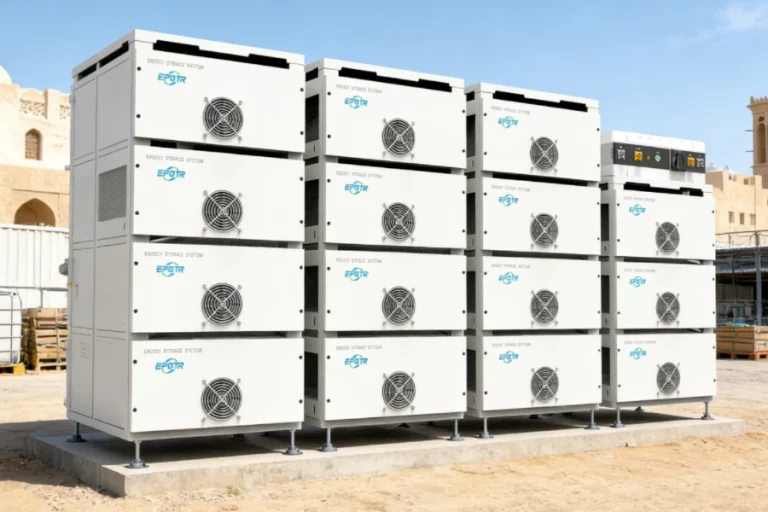
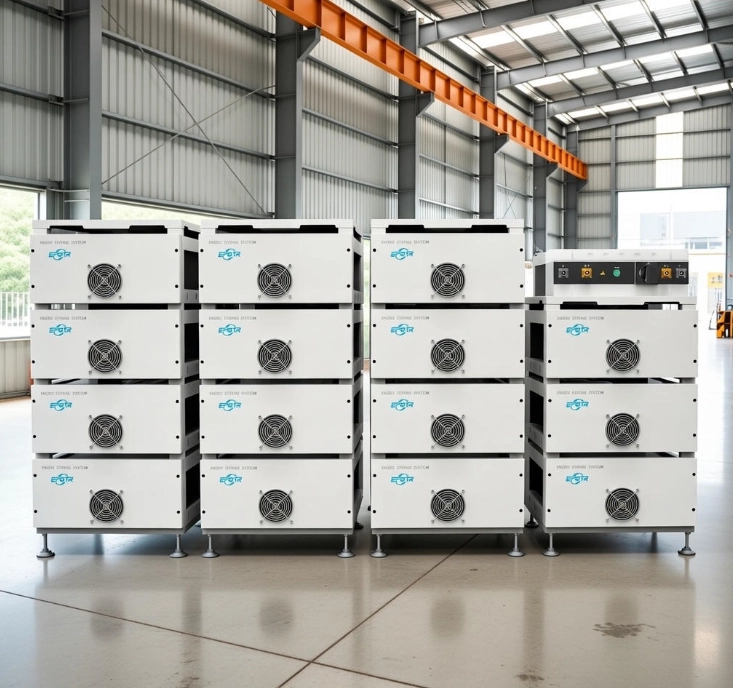
The EP2 all in one hybrid energy storage system uses a modular PCS (Power Conversion System) on the AC side, easing setup and later boosts. If output doubles, you add units side by side to cover more demand without rebuilding your full power lines.
All-Weather Outdoor Durability
Factory energy tools in Southeast Asia face high moisture and warmth. Units with top IP ratings like IP65 block dust and water entry, fitting outdoor spots in tough spots. This toughness keeps your spend safe from weather for up to 15 years.
Remote Monitoring and Predictive Maintenance
A Commercial & industrial ESS linked to a cloud monitor gives live info on battery state and system work. It enables predictive fixes, spotting issues early to avoid breakdowns, which cuts on-site tech trips and their costs.
FAQ
Q1: How long does it take for the ESS to take over during a power outage?
A: The system features millisecond-level response times, typically less than 10-20ms depending on the specific configuration, ensuring that industrial loads do not experience an interruption.
Q2: What is the expected lifespan of the lithium batteries used in these systems?
A: Using high-quality LiFePO4 cells, the batteries are designed for over 6,000 cycles at 90% depth of discharge, which translates to a service life of approximately 10 to 15 years under standard operating conditions.
Q3: Is the system capable of withstanding the high humidity of Southeast Asia?
A: Most industrial units are designed with high ingress protection ratings, such as IP65 for outdoor models, and include detachable dust covers or specialized cooling to handle harsh, humid environments.
Q4: How does the “All-In-One” design benefit my factory?
A: The “All-In-One” design integrates the inverter, battery packs, and EMS into a single cabinet or modular stack, which simplifies installation, reduces space requirements, and ensures all components are perfectly matched for maximum efficiency.