
The factory scene in Southeast Asia changes quickly, yet power setup often fails to match fast expansion. In Vietnam, hot summer spells cause a sharp rise in power use, which commonly results in set and sudden network breakdowns. To keep making steady and work smooth, selecting a steady power ally proves key. EPOTR acts as a worldwide top name in power improvement, focusing on better power tools and wise power handling. From its tech factory in Dongguan, this skilled group offers integrated solutions that boost output and cut carbon marks. Whether you run a cloth mill or a chip plant, their skill in sun and store tech lets factories grow via smart, lasting power.
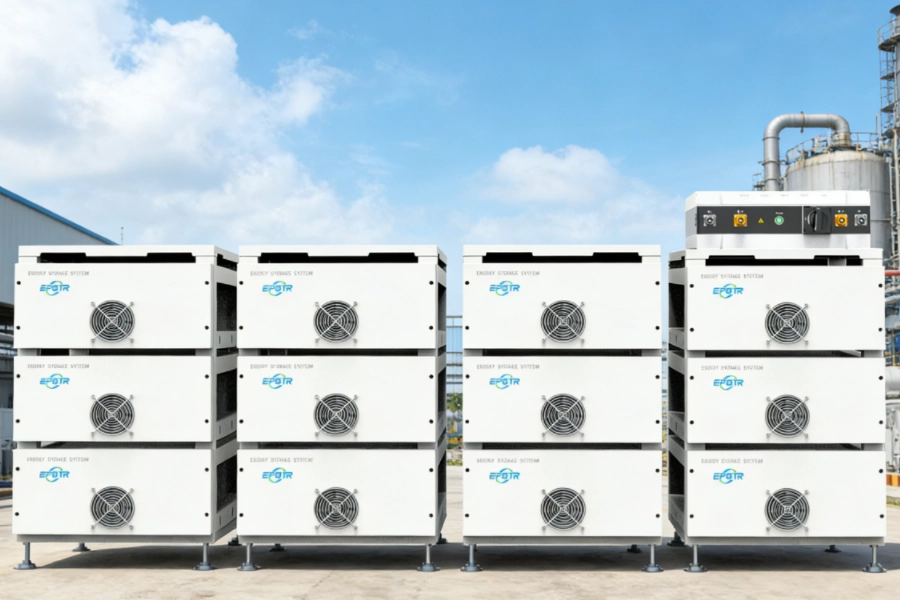
Critical Energy Challenges in Vietnam’s Manufacturing Sector
The making field in Vietnam deals with twin strains of climbing power fees and a weak power spread net. As world call for Vietnamese goods grows, the steadiness of the home net turns into a block for growing tasks. The next facts show the link between climbing warmth and the load on factory power reach:
| Heatwave Metric (Estimated 2026) | Impact on Industrial Power Grid | Estimated Economic Impact |
| Temperature > 40°C | 15% – 20% Increase in Peak Load | $50M+ Daily Loss in Productivity |
| Humidity > 85% | 12% Decrease in Transformer Efficiency | Increased Equipment Failure Rates |
| Consecutive Heat Days (>5) | 30% Risk of Rolling Blackouts | Major Supply Chain Disruptions |
Frequent Grid Instability and Blackouts
Summer warmth in north and south areas often causes changer overloads and wave blackouts. For exact fields like tech goods, even a tiny power drop can harm gear and lead to large waste of stuff, which underscores the urgent need for steady back-up setups that now form a basic part of staying afloat in these factory spots.
Rising Operational Costs from Peak Tariffs
Vietnam uses a firm Time-of-Use (TOU) fee plan, where power rates in top hours stand much higher than at night. In summer, these top times widen, putting a heavy money load on mills that work big tools in day light, so handling these fees calls for a move from full net trust to planned power store.
Strict Carbon Neutrality Mandates for Exporters
World trade rules like the EU’s Carbon Border Adjustment Mechanism (CBAM) ask makers to show their green proof. Depending only on a coal-based home net cuts the strong point of Vietnamese sellers. Thus, adding new power and store offers the best path to fit these world lasting rules while keeping making steady.
The Strategic Role of All-In-One Hybrid Systems
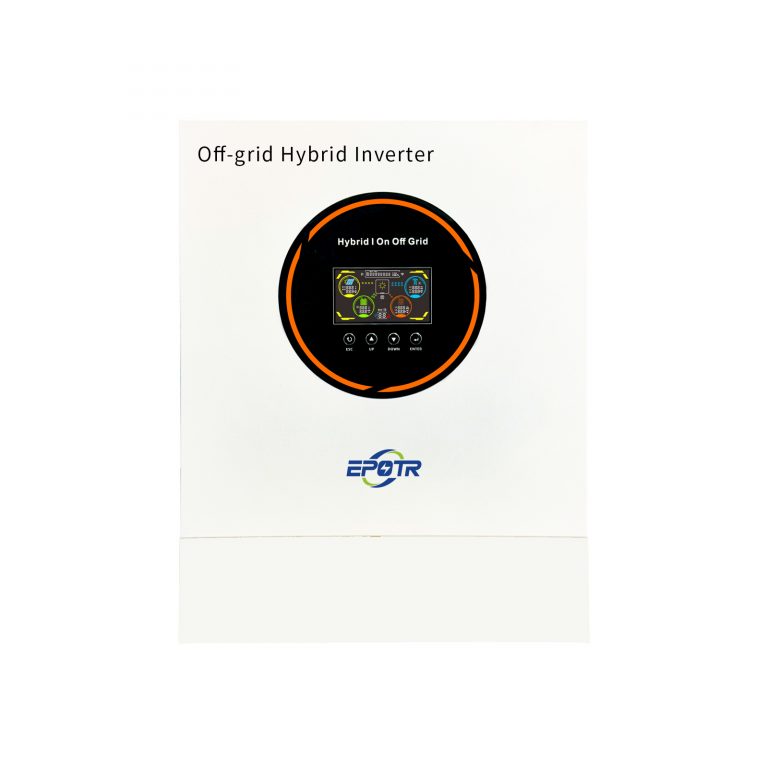
Current power issues need joined gear that makes the change between varied power sources simple. Rather than handling split changers, cells, and guides, a joined method gives a firmer and better power setup for trade uses.
Seamless UPS-Grade Power Switching
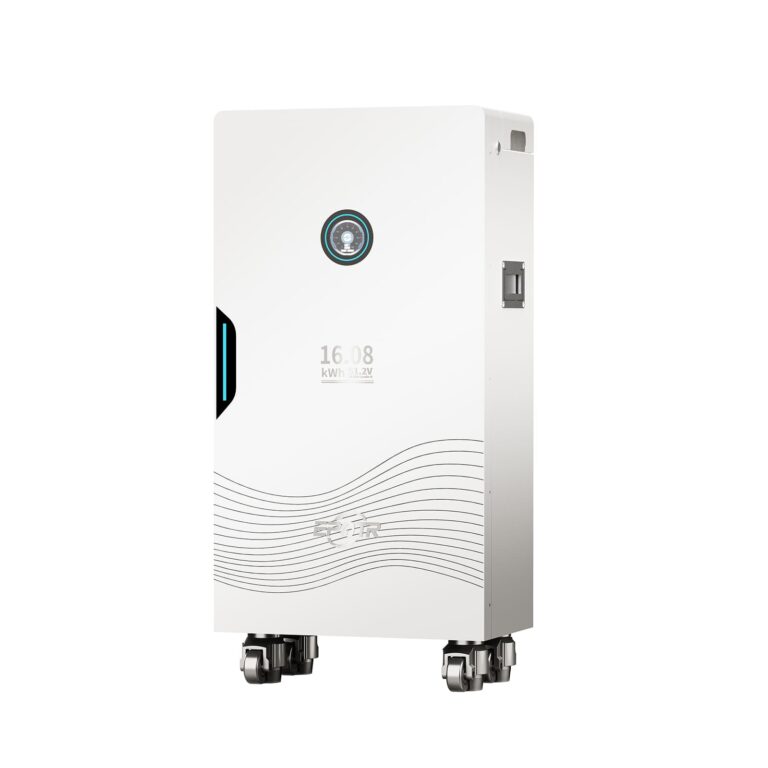
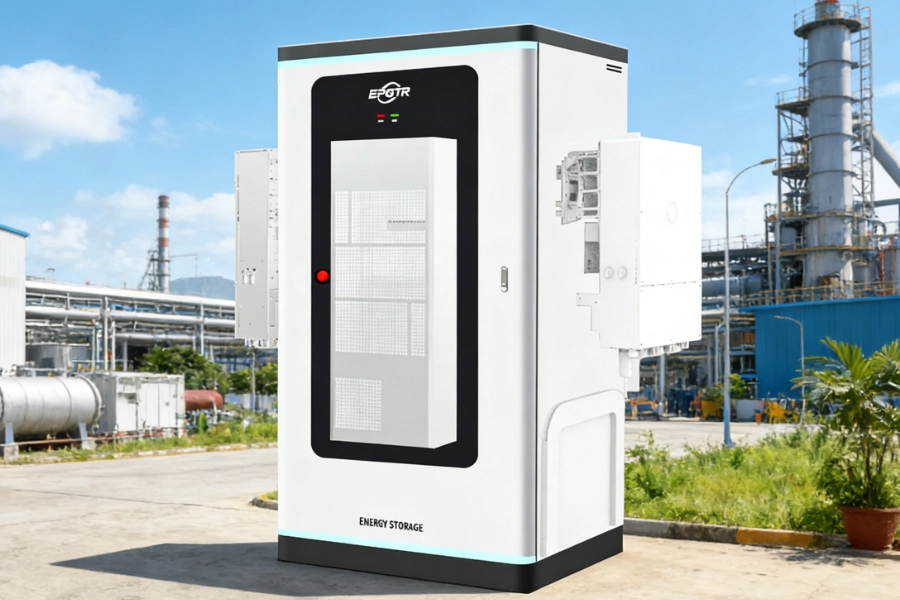
The EP2 All In One Hybrid Energy Storage System is built to offer tiny-second quick answer speeds. When the net drops, the setup spots the change and shifts to cell power right away, so your making lines stay going without one bit of wait time, which proves vital for keeping the well-being of touchy factory parts.
Integrated Design for Space Efficiency
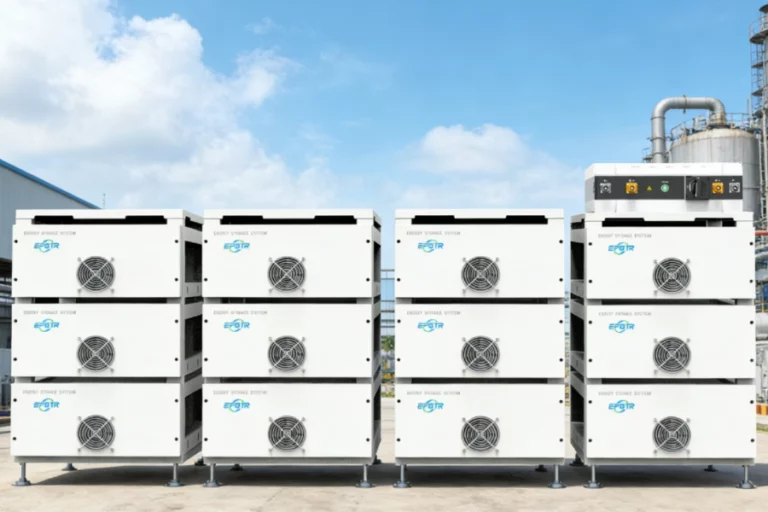
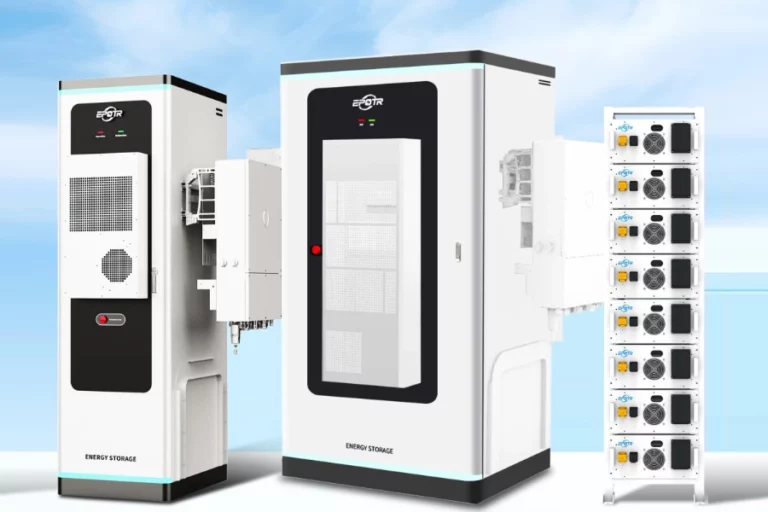
Ground room in new mills holds worth, and large, split power parts can block flow paths. This setup uses a small box plan that holds both the mixed changer and thick LFP cell groups. Such an “all-in-one” build cuts setup trouble and saves up to 40% of the room needed by old split plans.
Advanced Thermal Management for Tropical Heat
Running power store in 40°C+ warmth needs strong guard. The gear has better warmth handling and sits in tough shells of hard steel to face rough factory spots. These parts are made to be leak-free and very against the wetness common in shore making centers in Southeast Asia.
Optimizing ROI Through EPOTR C&I ESS Solutions
Putting money in power store marks a planned money choice aimed at long cost cuts. By using the gap between top and low power rates, you can make a power setup into a money-making tool that pays back in a short time.
Peak Shaving and Load Shifting
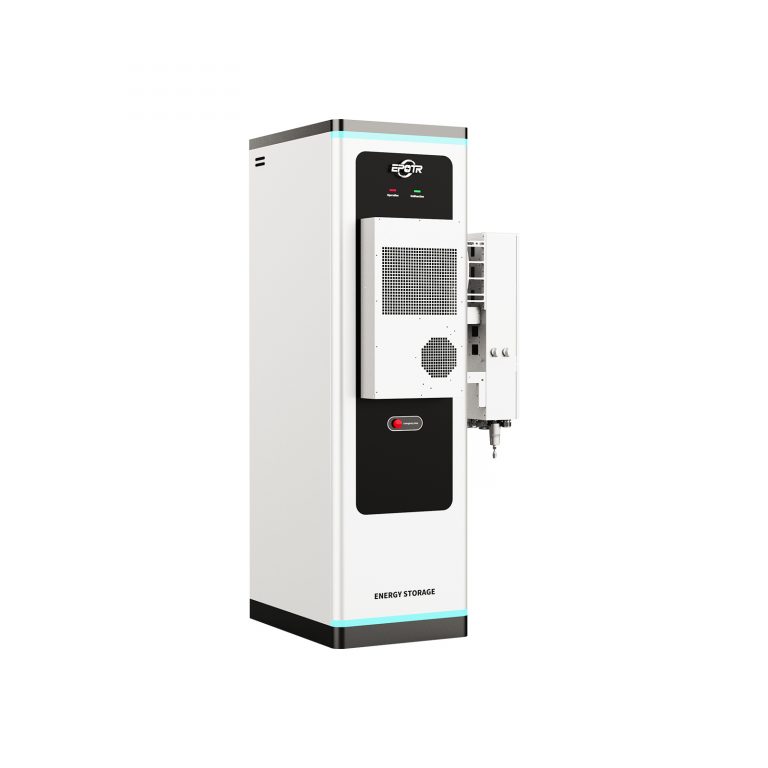
By setting up C&I ESS Solutions, you can fill your cell banks at night when power fees sit lowest. In summer after-noon tops, the setup lets out this kept power to run your plant. This step, called top cut, lowers your monthly power bills a lot and eases load on the close changer.
Maximized Rooftop Solar Utilization
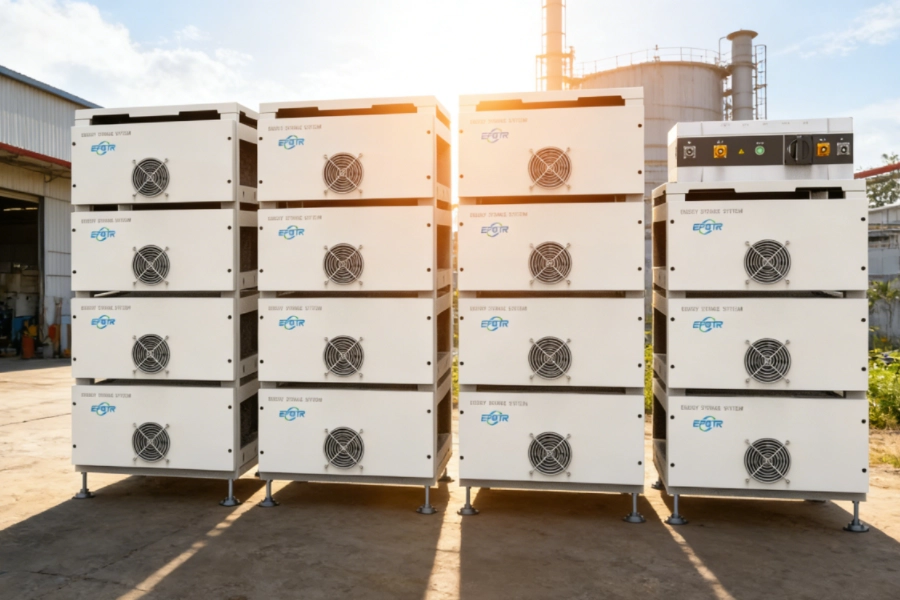
Many mills in Vietnam put in sun boards but lose power since they cannot keep the mid-day extra. A mixed store setup grabs this spare sun power and holds it for night times or cloudy spells. Thus, it raises the use of your current goods and cuts your need on the public power giver.
Long-Term Maintenance and Durability
Factory-level power setups must give steady work life over thousands of rounds. Using Lithium Iron Phosphate (LiFePO4) tech, these setups offer over 6,000 rounds at 90% depth of let-out. This lasting build makes sure your money stays useful for over ten years, giving a steady shield against climbing power fees.
Technical Advantages of EP2 Series for Industrial Use
Tech care sets the full output of a power store plan. Picking high-force builds and smart handling tools lets you pull more work from every power-hour kept.
High-Voltage Battery System Performance
The EP2 All In One Hybrid Energy Storage System uses a high-force cell build that cuts flow levels in let-out. Lower flow means less warmth made and less power loss in the lines, so it brings higher full-round output for the whole plant power setup.
Modular Scalability for Expanding Factories
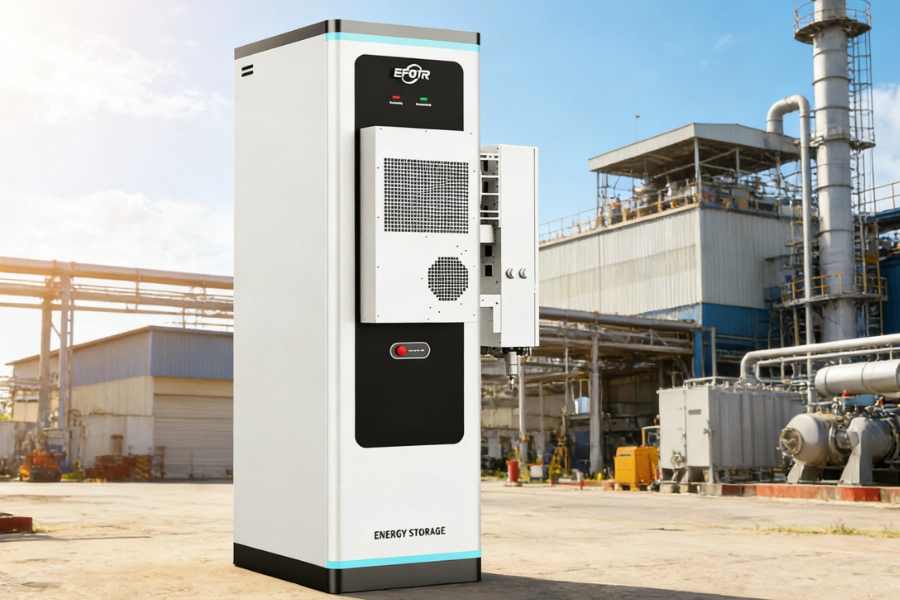
Firm needs shift, and your power setup should grow to match. The build of these answers lets for side growth, so you can start with a base size and add more store parts as you bring new making lines. This split way makes sure you pay only for the size you need at any point.
Smart Energy Management System Integration
New factory power handling needs fact-based lead. The joined Energy Management System (EMS) lets you watch power flows in real time via a number face. You can set exact let-out rules, track cell health, and get auto warnings, which keeps your power plan tied to your making time.
Future-Proofing Vietnam’s Industry with EPOTR
Keeping front of power trends holds key for holding a strong spot in the world market. As Vietnam sets its Power Development Plan 8 (PDP8), the move to spread power and store will turn into the new rule for factory tasks.
Alignment with PDP8 Policy Goals
Vietnam’s home power plan puts first the build of new power and the new look of the net. By putting in Commercial & Industrial ESS parts, you tie your firm to these rule aims, which makes it easier to follow future power rules and maybe reach green money helps.
Enhanced Green Brand Competitiveness
Using kept new power cuts the carbon weight of your goods. This forms a strong sales point when talking with big world shop keepers and makers who swore to net-zero aims. A lasting power shape makes your mill a top pick in the world chain.
Global Expertise with Local Reliability
Picking an ally with deep skill in varied markets makes sure your setup fits world rules while facing home issues. By mixing top-class building with a clear hold of the Vietnamese factory air, you make sure your power base is set for the tests of 2026 and after. For fit aid, you can contact energy experts to plan a setup fit to your exact load shape.
FAQ
Q1: How long does the EP2 system take to switch during a power outage?
A: The system provides millisecond-level switching, which is fast enough to act as a UPS for most industrial machinery and prevents computer-controlled production lines from resetting.
Q2: Can I install these systems in high-humidity areas near the coast?
A: Yes, the cabinets are constructed from hard steel with high IP ratings to ensure they are leak-free and protected against the moisture and salt spray typical of coastal industrial zones.
Q3: What is the expected lifespan of the LiFePO4 batteries used in the ESS?
A: These batteries are rated for over 6,000 cycles at 90% Depth of Discharge (DOD). In a typical daily cycling scenario, this represents a service life of approximately 15 years.