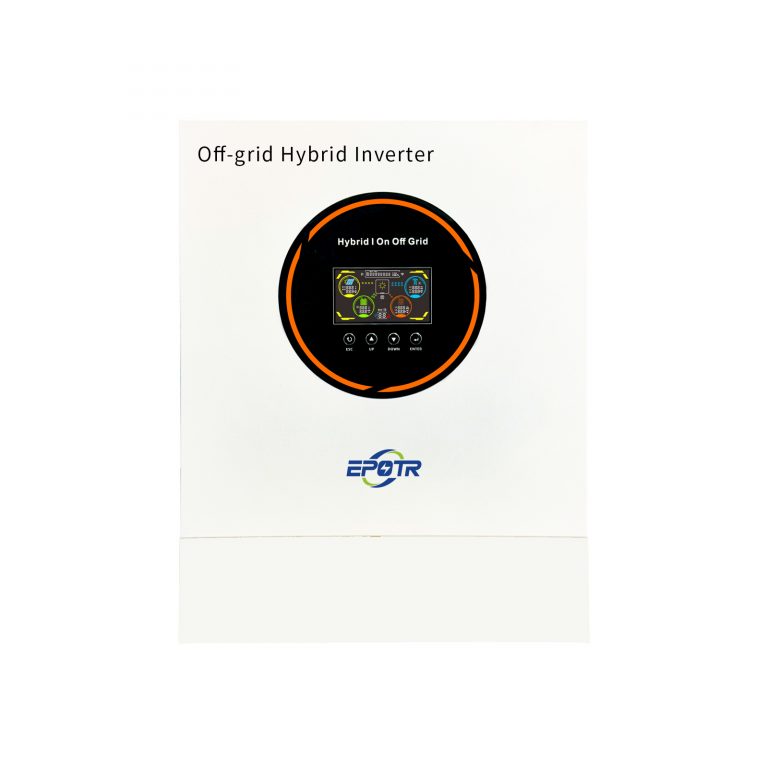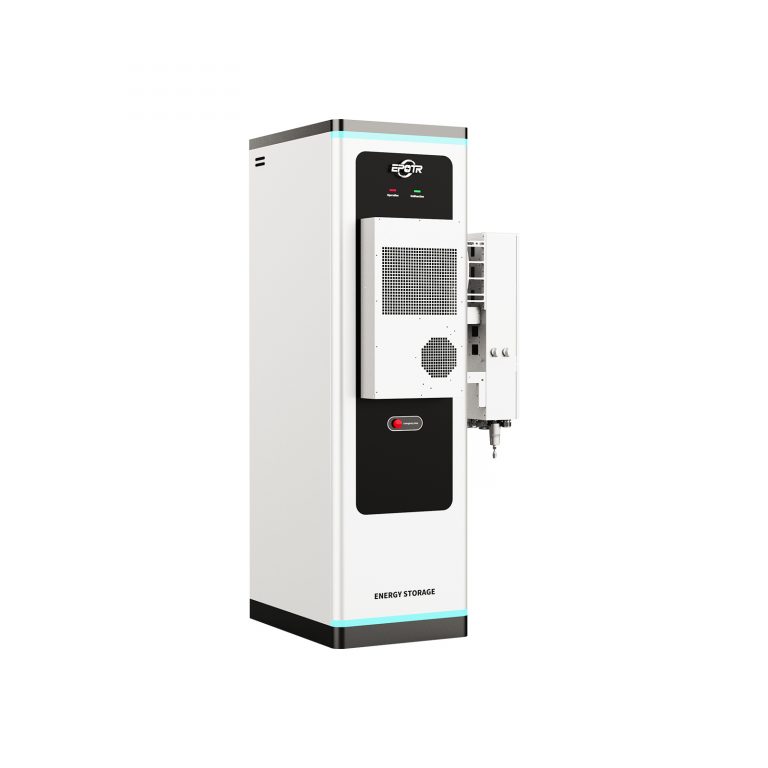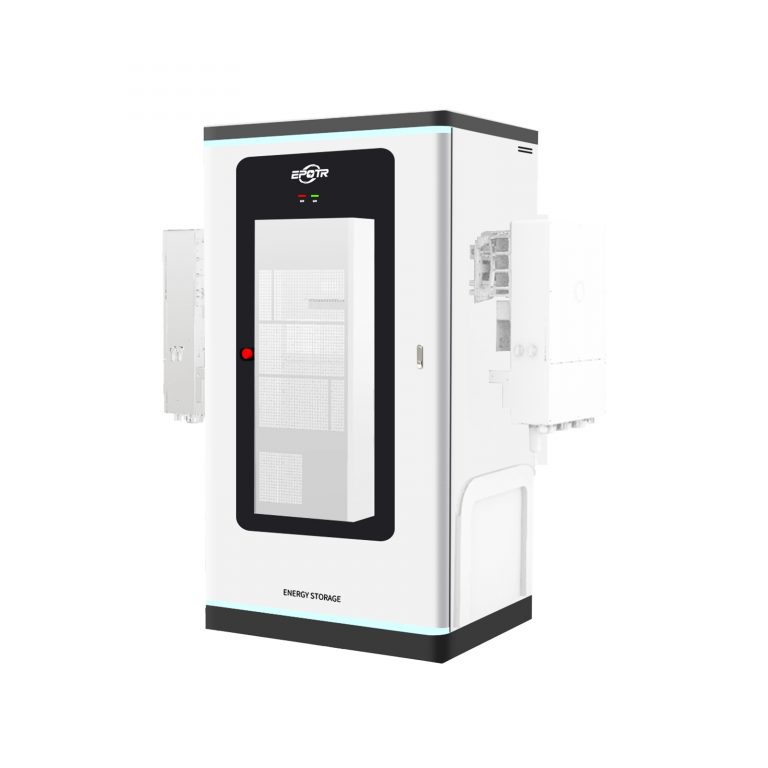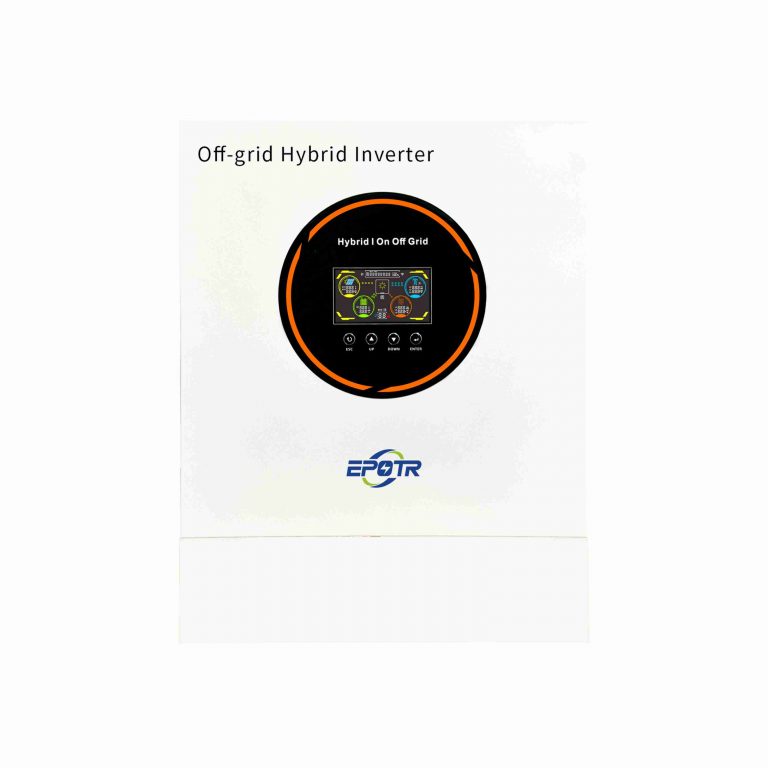
Power cuts occur quite often in Southeast Asia, especially across island nations such as Indonesia, the Philippines, and Malaysia. Shaky grids, fierce typhoons, and far-flung places regularly disturb normal life and leave families dependent on pricey diesel generators. Luckily, off-grid hybrid setups that come with solar storage give a far more trustworthy choice. Such arrangements can keep electricity flowing for numerous hours or several full days, based largely on battery size and everyday usage. EPOTR, a committed specialist in improved energy solutions since 2023, thoughtfully creates indoor IP20-rated equipment that works smoothly in the area’s steamy humidity and hot weather.
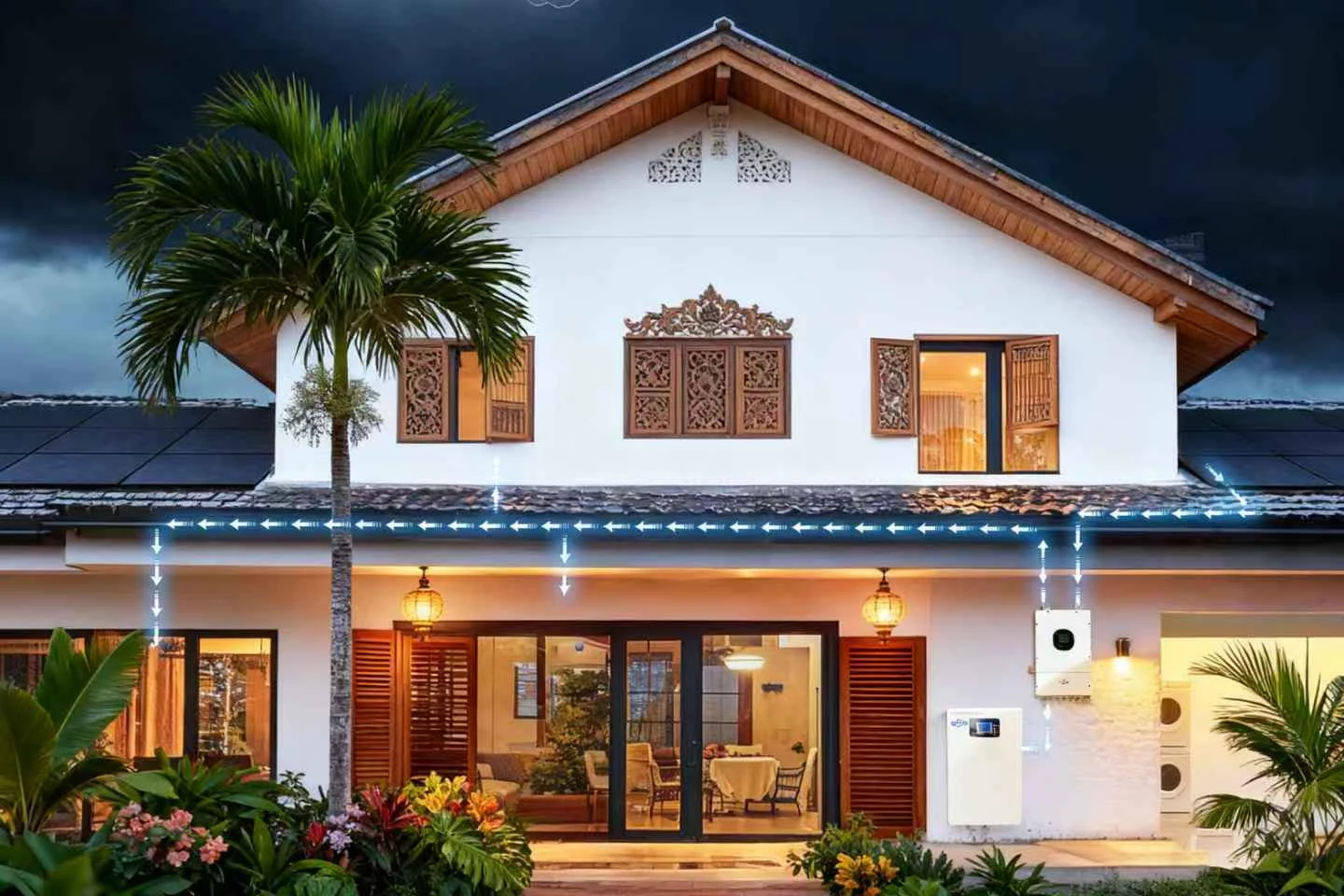
Power Outages in Southeast Asia – A Daily Challenge for Homes and Businesses
Unexpected blackouts touch the lives of millions throughout Southeast Asia, where over 40% of zones in some countries deal with unsteady power delivery. Both homes and small shops see sharp drops in daily output, whereas diesel options push bills three to five times beyond regular grid charges and bring extra pollution.
Unreliable Grid Infrastructure
Weak power lines in countryside and island spots often cause sudden breaks in service. Since distant areas get little regular upkeep, numerous houses remain without lights for many hours nearly every single day, and this pattern repeats frequently.
Extreme Weather and Geographical Isolation
Strong typhoons and heavy rainy seasons commonly wreck cables in countries like the Philippines and Indonesia. On top of that, the spread-out island setup greatly delays repair teams, so interruptions stretch longer and whole neighborhoods stay separated from the mains.
High Costs of Traditional Backup Generators
Diesel prices swing wildly, and occasional shortages only worsen the situation. Besides, those machines create constant noise and dirty fumes, which makes clean solar storage a much smarter and eventually lower-cost pick over the years.
Key Factors Determining Backup Power Duration
True backup length shifts depending on the complete system layout. You can figure out operating hours easily by splitting usable battery storage in kWh by normal load in kW. Top-notch systems usually hit efficiency marks from 94% to 98%, so wasted energy stays minimal.
Battery Capacity and Scalability
Current LiFePO4 batteries permit deep 95% discharge and join as many as 25 packs side by side for huge overall storage. For example, just one 16 kWh pack already lays a sturdy base for regular household requirements, and adding more becomes straightforward when demand rises.
Household Energy Consumption Patterns
Simple daily needs like bulbs, fans, and fridges normally pull only 1 to 2 kW. Yet when cooling units kick in on warm days, total home draw can quickly rise to 5 or sometimes 10 kW during busy periods.
Inverter Efficiency and System Losses
Modern MPPT controllers grab above 98% of incoming solar power. Plus, pure sine wave supply keeps everything running cleanly for delicate gadgets without unnecessary drain.
Real-World Runtime Examples with Off-Grid Systems
Ordinary houses in the area generally burn through 5 to 15 kWh over a full day. When matched with the EPH Off-Grid Hybrid Inverter, storage packs greatly stretch dependable running time. Sunlight charging throughout the day additionally cuts down the true effect of any grid breakdown.
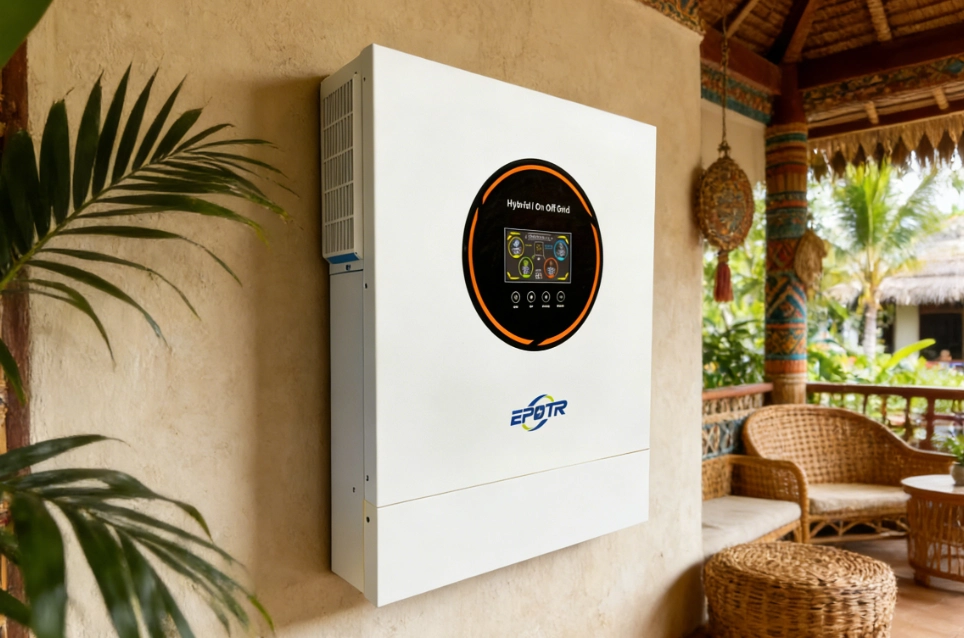
Essential Loads Scenario (Lights, Fans, Fridge, Wi-Fi)
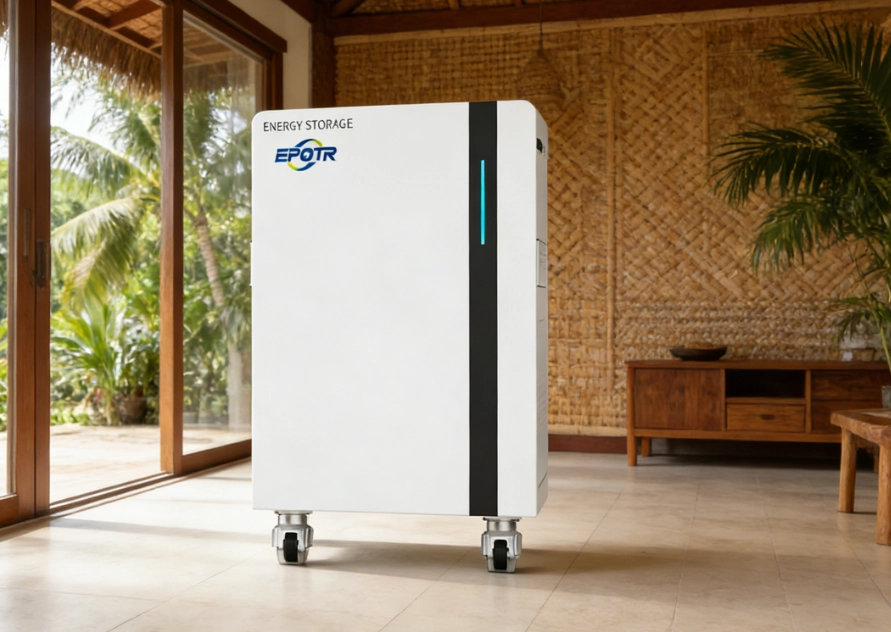
At a gentle 1 kW steady pull, one 15.27 kWh usable Floor-standing pack comfortably runs for about 15 hours. As soon as daylight comes back, fresh solar flow frequently turns that into practically endless supply.
Moderate Home Usage (Adding TV, Pumps, Small AC)
Under a constant 3 kW usage, the identical pack delivers roughly 5 hours of steady power. Bringing in another pack promptly boosts the period to 10 hours, which nicely covers usual evening routines.
High-Demand Households (Multiple AC Units, Cooking)
For bigger 6 kW demands, three linked packs provide 7 to 8 strong hours right through the night. Growing further toward 48 kWh usable storage firmly holds 8 complete hours even at peak family activity.
Comparison Table
These examples are based on typical Southeast Asian households paired with the EPH Off-Grid Hybrid Inverter and scalable Floor-standing batteries (15.27 kWh usable per unit). Solar charging during the day can extend these times even further.
| Scenario | Average Load | Runtime with One 15.27 kWh Battery | Runtime with Multiple Batteries | Key Benefit |
| Essential Loads (Lights, Fans, Fridge, Wi-Fi) | 1 kW | About 15 hours | 15+ hours (with solar: virtually unlimited) | Covers basic needs all night |
| Moderate Home Usage (Adding TV, Pumps, Small AC) | 3 kW | Roughly 5 hours | 10 hours (with two batteries) | Handles evening peaks comfortably |
| High-Demand Households (Multiple AC Units, Cooking) | 6 kW | N/A (requires multiple batteries) | 7-8 hours (with three batteries) 8 hours full load (with 48 kWh scalable) | Supports heavy use overnight |
This table shows how easily you can match the system to your needs—start small for basics or scale up for full comfort. With LiFePO4 batteries and high-efficiency MPPT, real performance often exceeds these estimates in sunny conditions.
Why Choose Reliable Off-Grid Hybrid Solutions
Full setups neatly blend solar panels, battery banks, and optional grid or generator links for smooth handovers. Indoor builds manage charging heat from 0 to 55°C together with quiet natural cooling. Tough LiFePO4 cells regularly hit 6000 cycles at 90% DOD, meaning well over ten years of steady everyday operation.
Superior Safety Features and Certifications
Built-in guards constantly watch for over-current, over-voltage, short circuits, and heat spikes. Moreover, trusted CE, UN38.3, and MSDS approvals prove complete rule-following and deliver genuine reassurance.
Exceptional Cost-Effectiveness and Value
Straight-from-factory building holds starting prices very attractive. Lengthy cycle life sharply cuts later replacement bills, and normal 5-year warranties bring solid coverage.
Generous Warranty and Long-Term Reliability
Protection terms stretch from five to ten years on parts. Strong 95% round-trip efficiency along with simple modular growth clearly lowers full owning expenses as years pass.
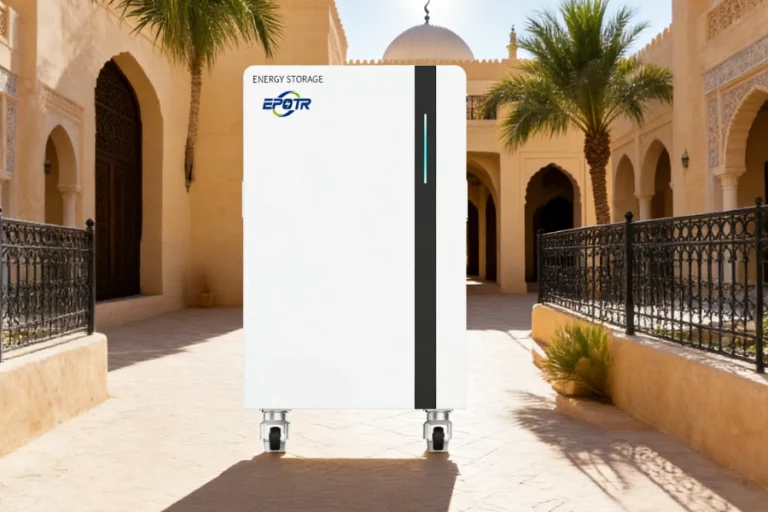
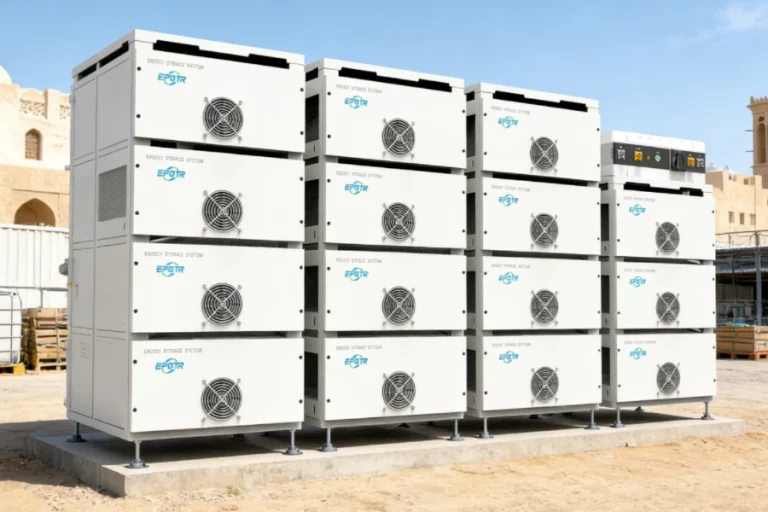
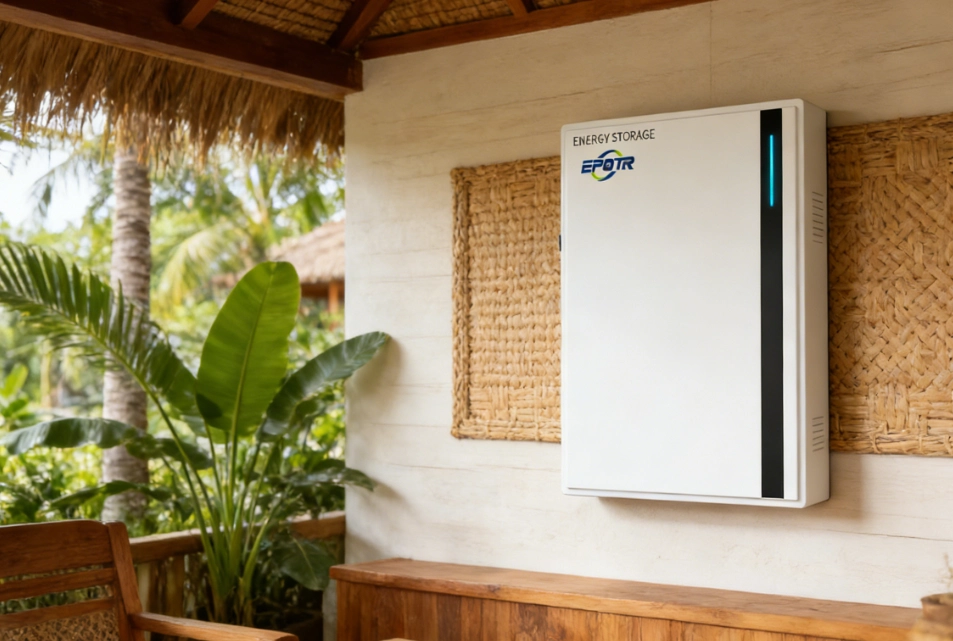
Consider the Floor-standing Residential ESS for bigger storage needs or the Wall-mounted Residential ESS whenever room stays tight.
Why Choose EPOTR for Your Off-Grid Power Needs
Equipment designed to operate reliably in Southeast Asia’s harsh conditions. EPOTR centers on energy improvement by using latest power electronics and clever control tools.
Started in 2023, the firm builds indoor-rated off-grid hybrid inverters plus home energy storage units crafted specially for steamy air, hotter days, and common blackouts. Their LiFePO4 batteries steadily manage 6000 cycles at 90% depth of discharge, so that equals more than ten years of trustworthy daily use. Quiet natural cooling gets rid of loud fans completely, which raises both comfort and lasting strength. Easy growth lets you link up to 25 battery packs in parallel, giving room to expand whenever usage climbs. Own-factory making keeps costs reasonable while never dropping part quality. Many built-in safeguards together with worldwide approvals such as CE, UN38.3, and MSDS promise top safety levels. Full warranties that run five to ten years protect each piece.
Every one of these benefits join forces to supply budget-friendly, custom-fit energy freedom ideally matched to island and countryside lifestyles.
FAQ
Q1: How long can a typical off-grid system power essential home loads?
A: With 15.27 kWh usable capacity at 1 kW load, expect 15 hours. Solar input extends this further during daylight.
Q2: Can these systems scale for larger homes or businesses?
A: Yes, parallel up to 25 batteries for over 380 kWh usable, supporting multi-day backup.
Q3: Are off-grid inverters suitable for Southeast Asia’s climate?
A: Indoor IP20 designs operate reliably in high humidity and temperatures up to 55°C.
Q4: What safety protections do the batteries include?
A: Over-current, over-voltage, short circuit, under-voltage, and over-temperature safeguards, plus LiFePO4 chemistry.