Ukraine steps into another harsh winter of 2025 with only about one-third of its original power capacity still running. Blackouts now last 12 to 16 hours almost everywhere, and running a diesel generator costs 0.4-0.7 USD per kWh. At the same time, the country receives plenty of sunshine, between 1200 and 1600 kWh/m² every year. Waiting for the broken grid to come back is not an option any longer. The practical way forward is simple: install hybrid solar-plus-storage systems that keep homes and small businesses powered day and night.
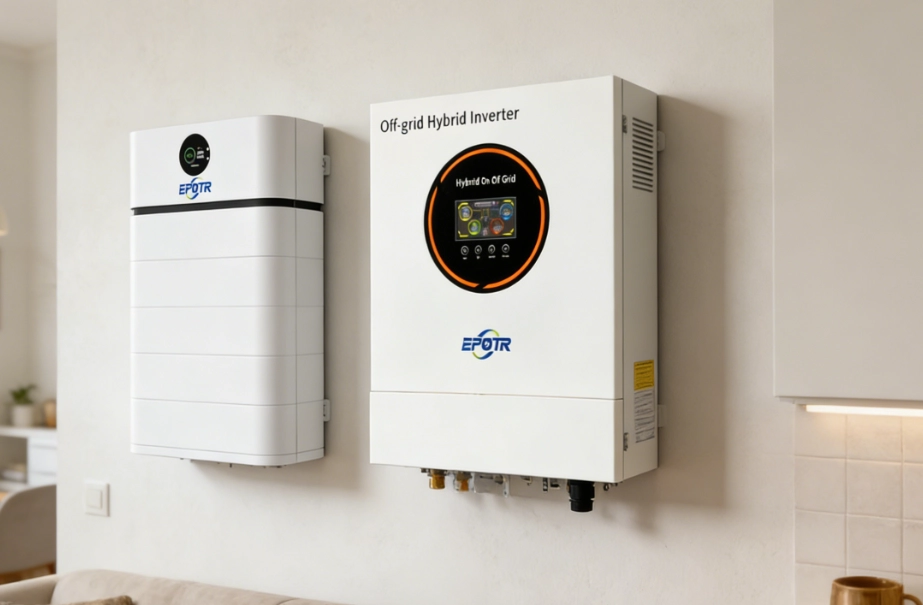
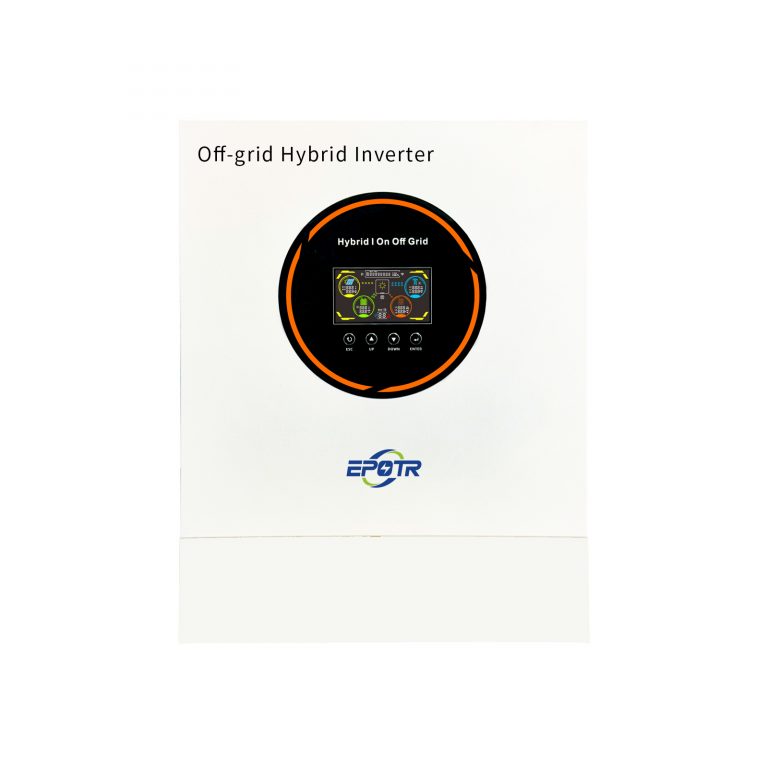
EPOTR, founded in 2023, makes indoor wall-mounted off-grid hybrid inverters and attractive stackable home batteries that turn any regular house into its own reliable power station.
Ukraine’s Power Crisis in Winter 2025
The daily reality is tough. Repeated attacks have taken out more than 20 GW of plants and lines. Repairs drag on for months while the temperature outside often drops below -15 °C.
60%+ Capacity Lost, 16-Hour Daily Blackouts
Ukrenergo reports show that evening demand regularly exceeds supply by 4-6 GW. Because of this, planned and emergency outages stretch to 12-16 hours in Kyiv, Kharkiv, Odesa, Lviv and most other cities.
Diesel Costs 0.4-0.7 USD/kWh + Fuel Shortage
A 5 kW diesel set uses roughly 2 litres per hour at full load. With fuel selling at 1.6-2.0 USD per litre on the street, electricity ends up costing over 0.5 USD/kWh, about ten times the old grid price. Long queues and supply breaks only add to the pain.
Heating Surge Meets Lowest Grid Supply
Electric heaters and heat pumps drive winter evening demand far above summer levels just when sunshine is weakest and the grid is at its lowest point.
Why Grid-Tied PV Fails – Only Hybrid/Off-Grid Works
Ordinary grid-tied solar without batteries stopped working the moment the network went down. They cannot sell power during outages and safety rules make them switch off in milliseconds.
Grid Too Fragile Under Ongoing Attacks
Big substations and transmission lines are easy targets. Sections that get fixed today can be gone again tomorrow. Hoping for a fully restored grid in 2025 or 2026 is not realistic.
Families & SMEs Need 100% Independence
A typical household now uses 10-25 kWh per day in winter for lights, fridge, heating, pump and internet. Small shops and farms often need 50-150 kWh. Only systems that save daytime solar for night use give real security.
Solar + Battery + Generator = Zero-Bill Daytime
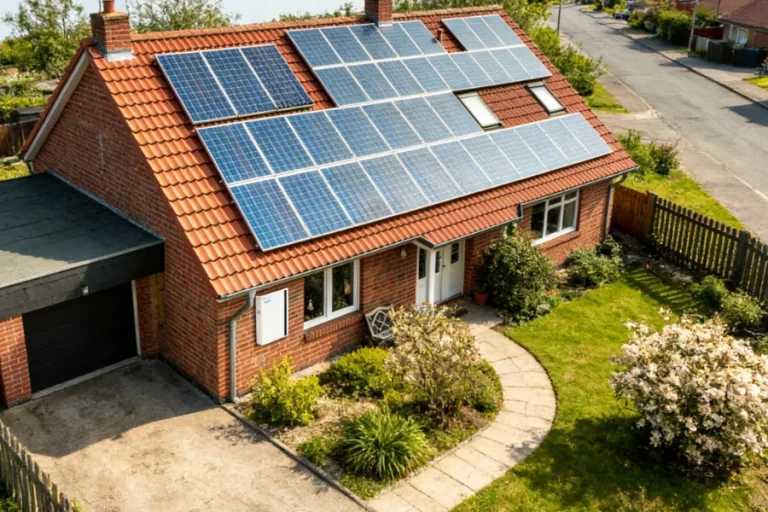
A properly sized hybrid setup charges the batteries from panels while the sun is out, runs the house directly from solar when possible, then switches smoothly to stored power or a small generator after dark. Diesel use drops 80-90 % compared to running a generator all day.
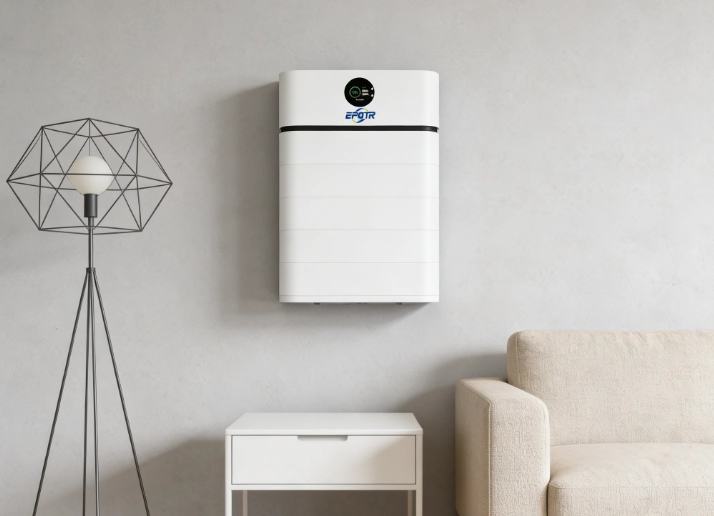
EPOTR Hybrid Systems Built for Ukraine
These indoor wall-mounted inverters (IP20) and stackable battery packs were first made for places that lose power for hours every day, from Indonesian islands to Nigerian towns.
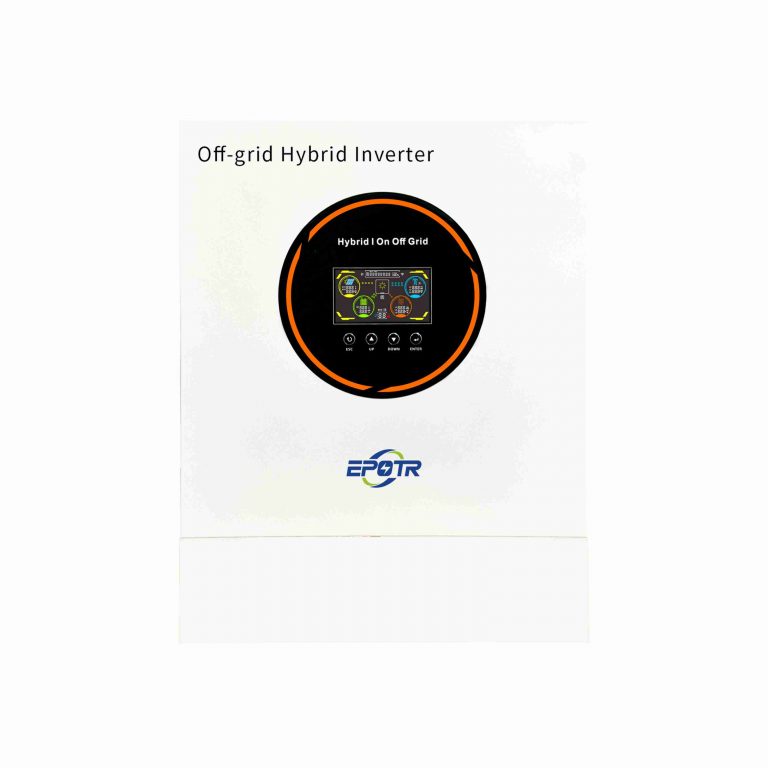
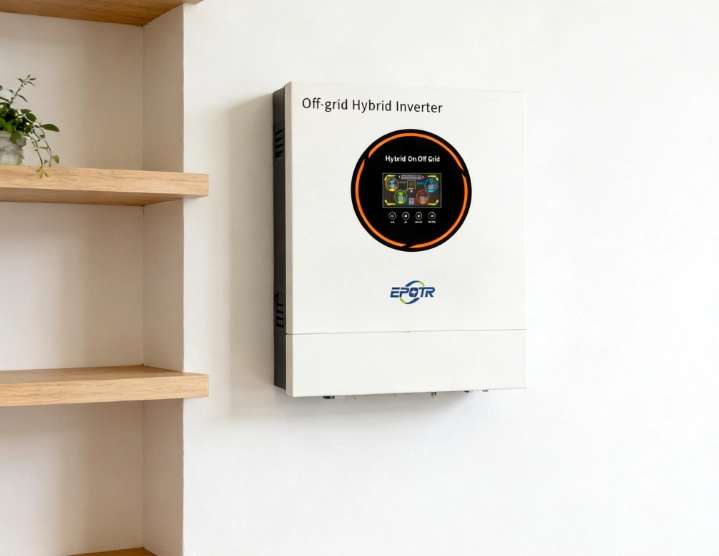
EPH Off-Grid Hybrid Inverter 3-60 kW (IP20 Indoor)
The EPH series off-grid hybrid inverter comes in single-phase 3-12 kW and three-phase 15-60 kW versions, gives clean sine wave power and allows up to ten units in parallel. Built-in MPPT controllers accept up to 1000 V solar input and reach 98.5 % efficiency.
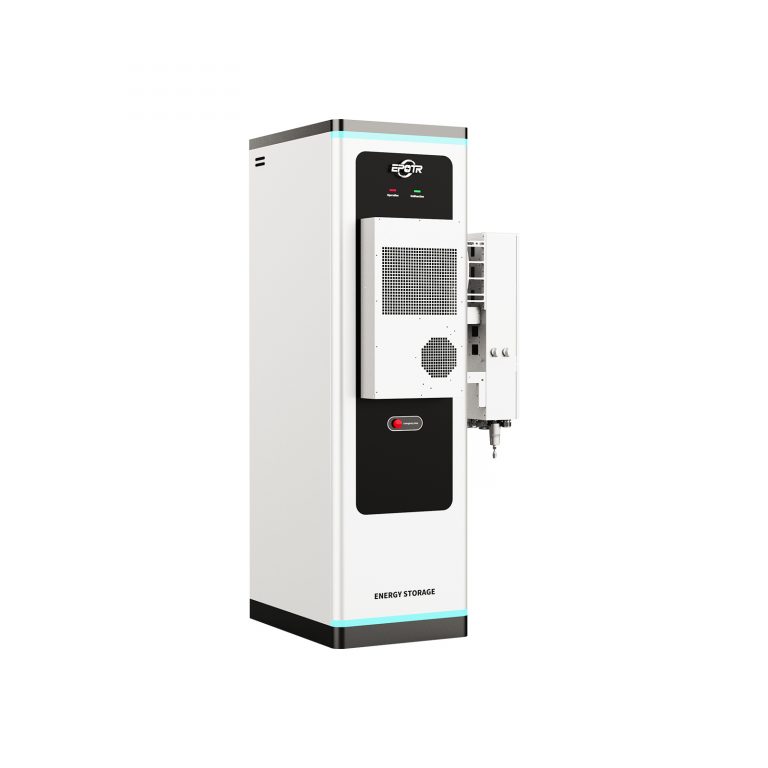
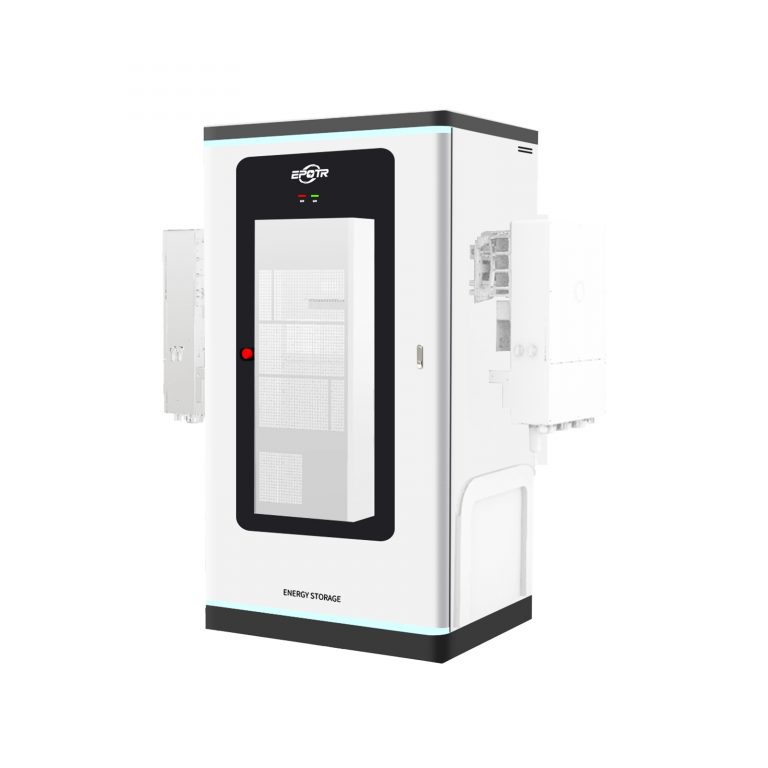
Stackable ESS-LV 48V & ESS-HV 10-36 kWh (6000+ Cycles)
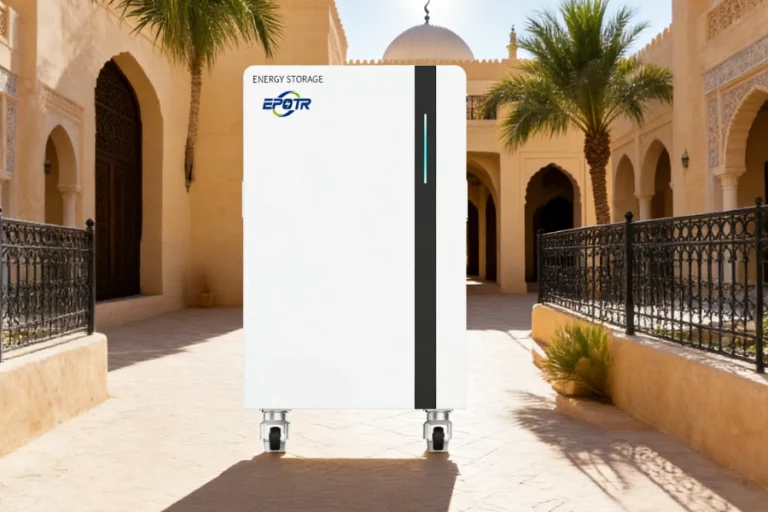
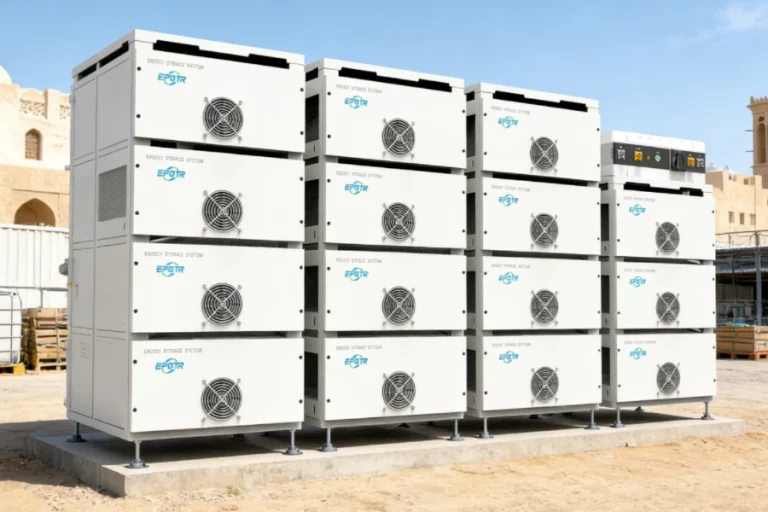
You can choose low-voltage 48 V packs or high-voltage stacks from 10.44 kWh up to 36.56 kWh per tower. LFP cells give more than 6000 cycles at 90 % depth of discharge, 95 % round-trip efficiency and a solid 10-year warranty. The clean furniture-style look fits nicely in any apartment or living room.
Proven in Nigeria, Philippines & Indonesia Islands
The same equipment already powers thousands of homes in Nigeria (70 % fewer blackouts), Philippine islands (over 80 % diesel savings) and remote Indonesian villages (complete independence). Freezing winters are new, but long daily outages are nothing new.
3 Real Scenarios Ukraine Needs Right Now
City Apartment: 8 kW + 20 kWh → 24h Power
An 8 kW roof array plus 20 kWh high-voltage storage covers fridge, lights, router, laptops and a small heater without trouble. In summer the system often makes extra power and the investment pays back in under 3.5 years at current rates.
Rural Home/Farm: 15 kW + 40 kWh → Heating + Pumps
A 15 kW roof system with two high-voltage towers (about 40 kWh usable) runs heat pumps, well pumps and everything else in the house. The generator only kicks in during several cloudy days in a row and diesel use falls 85-90 %.
Shop/Clinic/School: 30-60 kW Three-Phase Backup
Three-phase 30-60 kW hybrid systems with 100-200 kWh storage keep critical services running around the clock. Installations in African clinics and schools already prove 100 % uptime during 16-hour cuts and payback under four years.
Payback in 3-5 Years Even Today
A full 10 kW solar + 25 kWh battery package costs roughly 18,000-22,000 USD installed today. At 0.55 USD/kWh diesel-equivalent price, yearly savings reach around 4500 USD.
Diesel vs. EPOTR System Cost Comparison Table
City homes usually recover the cost in four years; rural users with higher fuel prices often see payback in less than three years.
EU & Ukraine Green Subsidies 2025
EU4Energy, USAID and Ukrainian green programmes already pay 20-50 % of the project cost for homes and businesses. Local banks offer green loans at 0-3 % interest over 7-10 years, so monthly payments end up lower than today’s diesel bill.
25-Year Life, Zero Maintenance
LFP cells keep more than 70 % capacity after 8000 cycles. Inverters carry 5-10 year warranties. With no moving parts or cooling fans, practically no service is needed for decades.
Give your family warmth, light and true energy freedom this winter. Start your independent power journey with EPOTR today.
FAQ
Q1: Does the system work at -20 °C?
A: Yes. Batteries have built-in heaters and charge down to -20 °C, discharge to -30 °C. Inverters keep running reliably to -25 °C.
Q2: How many cloudy days can it cover?
A: With 25 kWh usable storage and 8-10 kW solar, most homes last 36-48 hours before a short generator top-up is needed.
Q3: Is off-grid legal in Ukraine?
A: Fully legal. Systems under 30 kW need no permit when not feeding the grid. Larger ones only require simple notification.
Q4: What about snow on the panels?
A: Panels at 30-40° tilt usually clear themselves in 1-2 hours of sunlight. Remote monitoring sends an alert if production drops.