
The Philippines offers a tough setting for industrial energy storage. It has steady hot weather, heavy moisture, and regular severe storms like typhoons. For business and factory sectors, these local conditions are key factors. They shape the working life and performance of power setups. Picking an energy option that handles these area pressures is vital. It helps keep operations running and safeguards future investments. As a specialist in power improvement, EPOTR excels at blending modern power devices with clever control setups. This boosts output and self-reliance. By targeting strong solar and storage options made for Southeast Asian islands, this know-how lets factories succeed with green and steady power. It works well even in hard climates.
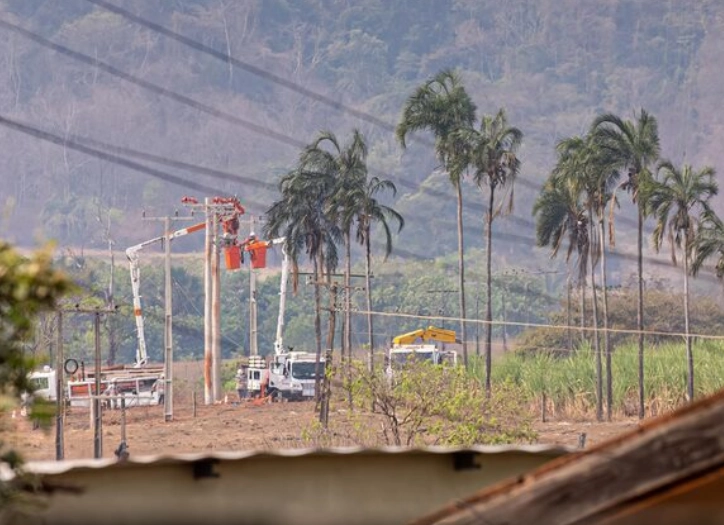
Tropical Challenges Facing Philippine Industrial Energy Systems
Handling factory energy in the Philippines means dealing with wear from the nearby weather. Average heat and dampness levels push common gear to its edge.
Extreme Heat and Battery Degradation
Hot surroundings in the Philippines speed up chemical processes inside storage units. This often causes faster loss of capacity. Basic systems without good heat control face shorter service times. Heat disrupts the inner balance of the cells. In factory spots, this extra warmth can cut down useful years a lot. It compares to setups in cooler areas.
Humidity and Component Corrosion
Relative humidity here swings from 5% to 95%. Water entry poses a steady risk to electric parts. Damp air promotes rust on solder points. It can spark short circuits if gear misses strong seals or entry guards. This matters a lot in island spots like the Philippines. The air carries salt too, not just moisture.
Salt Spray Risks in Coastal Industrial Zones
Shore factory areas deal with extra salt mist issues. This quickens rust on metal structures and boxes. For setups in these zones, the module frames need to stay clear and rust-free. Aluminum alloy frames must hold up for 25 years. Skipping protected, solid materials leads to glue buildup or frame breaks in mere years.
Why Standard Energy Storage Fails in the Local Environment
Common storage products miss the mark for the Philippine needs. They suit steady, inside spaces, not the shifting tropical factory sites.
Inadequate Thermal Management Systems
Many basic batteries use plain air cooling. This falls short when outside heat tops 40°C in peak Philippine heat waves. Lacking active or smart cooling, the setup can’t hold the best running heat range. As a result, power output drops, and safety halts may occur.
Low Ingress Protection Ratings
Basic gear with low IP levels, like IP20, fits inside use mainly. It lacks the tight seals needed against tropical dirt and wet. In rough spots, poor entry protection lets rain and damp sneak in. This causes bubbles, marks, or swells in inner parts. Over time, it wrecks the pieces.
Lack of Remote Monitoring Capabilities
Old setups give managers no real-time view of battery group health. This leaves them open to surprise breakdowns. Without a web-based control tool for checks and error alerts, fixes stay after-the-fact, not ahead. Such blind spots risk more in the Philippines. Quick weather shifts can strain the grid and storage at once.
EPOTR Solutions Engineered for the Philippine Climate
Fitting the Philippine setup calls for combined, strong-protection hardware. It pairs toughness with smart power handling.
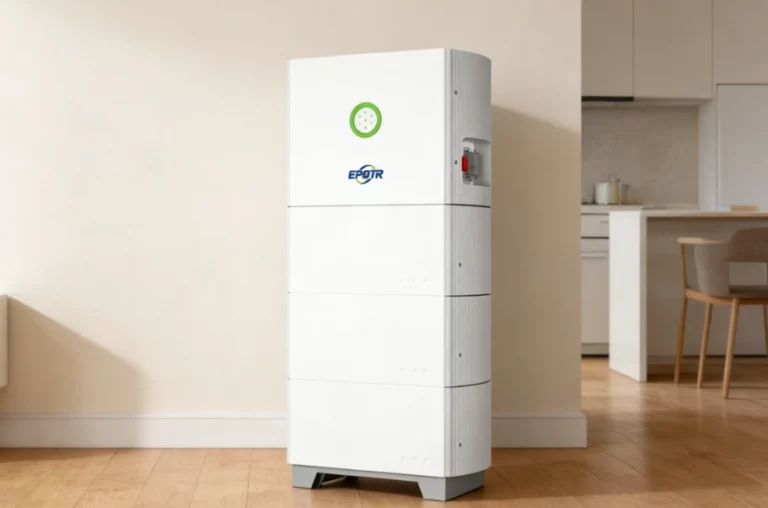
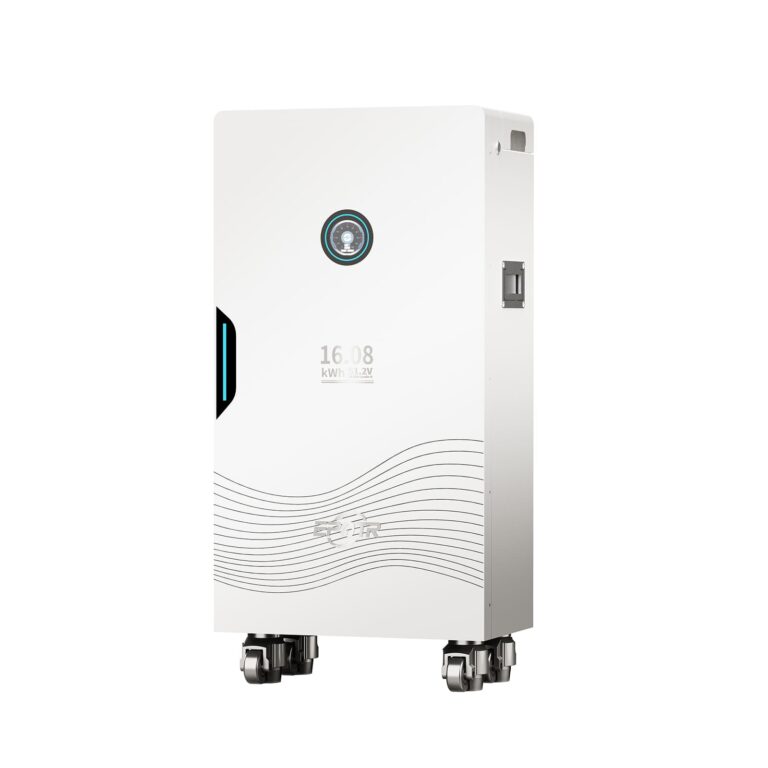
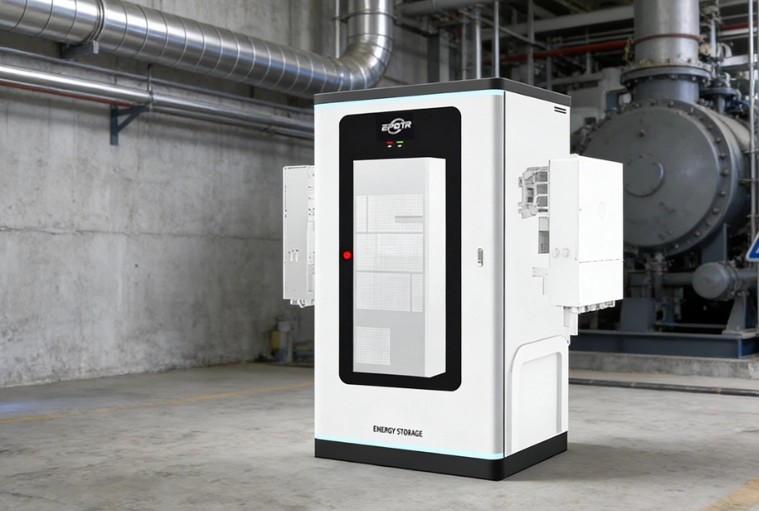
EP2 All In One Hybrid System
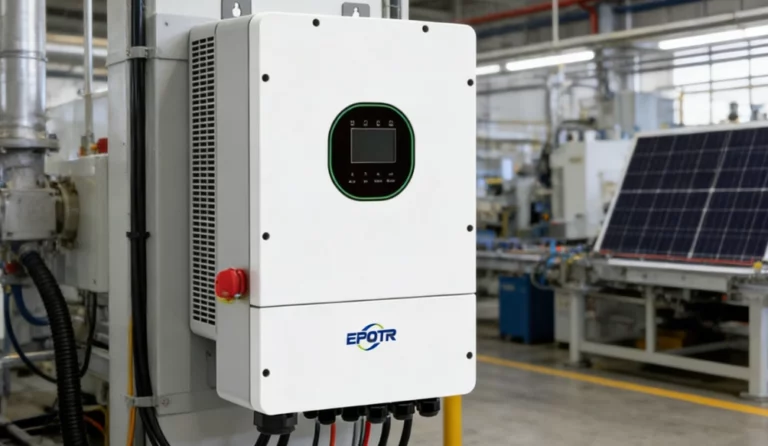
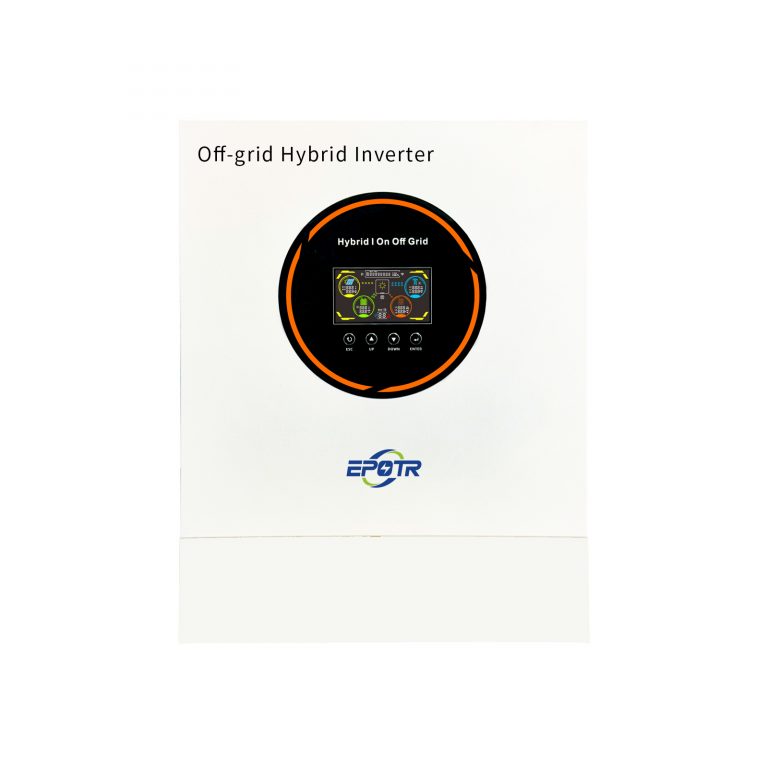
The EP2 All In One Hybrid Energy Storage System cuts out the hassle of linking separate parts. It packs the inverter and battery into one tuned unit. This single setup fits island parts of the Philippines well. Space-friendly wall or floor mounts make installs simpler in varied factory sites.
Advanced LiFePO4 Cell Technology
These systems use Lithium Iron Phosphate (LFP) tech. It gives better heat steadiness and safety than other types. At 90% depth of discharge (DOD), the cells hit 6,000 cycles. They run steady for years in tropical warmth. This strength keeps the power core working past usual limits.
Smart Integrated Cooling Mechanisms
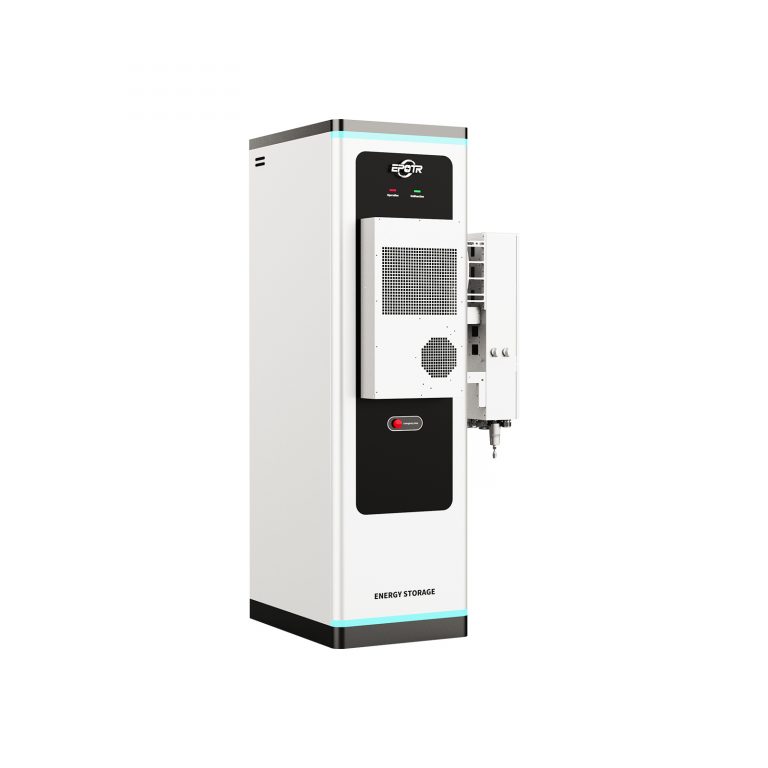
To fight high heat, factory-level options add clever fan cooling or better heat control. They keep the system in its set heat span of -25 to 60ºC. This steady check stops overheat problems. It also holds the two-way converter at top accuracy, no matter the outside conditions.
Maximizing ROI with EPOTR Commercial and Industrial ESS
Putting money into a solid energy setup lets Philippine firms turn weather hurdles into gain. It does this via smart energy capture and expense control.
| Core Feature | Technical Spec / Benefit | Value in the Philippines |
| MPPT Efficiency Boost | 10% – 20% Power Generation Gain | Fully harvesting the abundant solar resources in the Philippines |
| Battery Cycle Life | 6,000 Cycles @ 90% DOD | Resisting high-temperature degradation and extending ROI period |
| Switching Speed | < 10ms (Millisecond-level) | Instantly responding to frequent local grid fluctuations and outages |
| Diesel Replacement Rate | 80% Reduction in Fuel Usage | Significantly lowering operational costs for factories on remote islands |
Optimized Energy Efficiency with MPPT
Setups with Maximum Power Point Tracking (MPPT) tech raise power output a lot. They adjust to changing light and heat on the spot. This brings 10% to 20% better results. It makes sure the plentiful sun in the Philippines gets full use, even on overcast or foggy days.
Strategic Peak Shaving Benefits
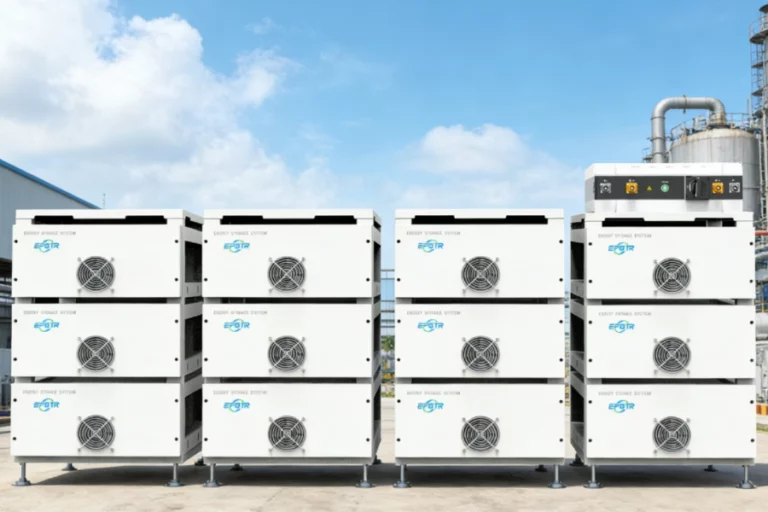
Using Commercial&industrial ESS options, firms can cut peak shaving costs. They dodge high rates in busy times. The system saves clean energy in daylight or cheap hours. Then it releases it when grid costs peak. This cuts monthly running bills clearly.
Seamless Backup Power Reliability
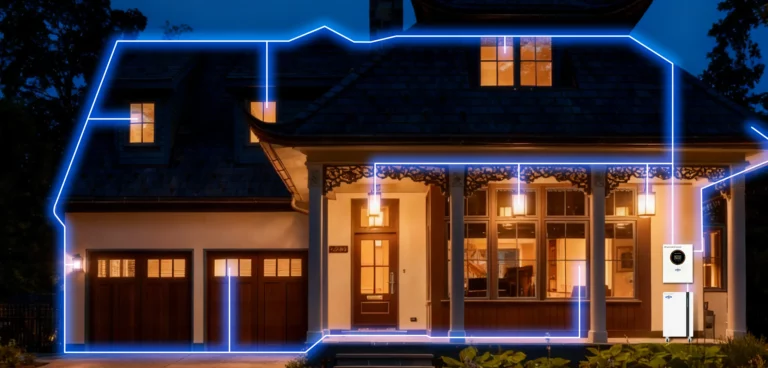
Steady power counts most where grid issues happen often. With under 10ms switch time, C&I ESS Solutions give nonstop supply. It shields key factory loads from dips. This fast shift keeps lines going smooth. It forms a standalone micro-grid if the main one drops.
Why EPOTR Is the Trusted Partner for Philippine Enterprises
Choosing a team with solid tech base and green energy drive seals your factory power path.
Proven Success in Southeast Asia
The work centers on Southeast Asian spots like the Philippines and Indonesia. It solves island energy self-rule issues. Setups that slash diesel use by up to 80% show results. The aim stays on income growth and resource use.
Comprehensive All In One Integration
The EP2 All In One Hybrid Energy Storage System eases the move to renewables. It uses a flexible, ready-to-go design. This links all parts, from BMS to hybrid inverter, without hitches. It cuts risks of link errors and breakdowns.
Global Expertise with Local Support
Based in Dongguan’s making center, the R&D pairs with worldwide aims. It helps factories grow via smart, green power. By adding power fix and wave cut, these setups store energy and lift site power quality.
FAQ
Q1: What is the expected lifespan of a hybrid energy system in the Philippines?
A: A high-quality hybrid inverter can last up to 15 years, while the LFP battery cells used in these systems are rated for 6,000 cycles at 90% DOD, ensuring over a decade of reliable service even in tropical conditions.
Q2: How does the system protect itself during a typhoon or grid failure?
A: The system features multiple safety protections, including anti-islanding and low-voltage ride-through capabilities, which allow it to trip safely during a grid failure and transition to off-grid mode in less than 10ms.
Q3: Can these industrial systems be monitored remotely?
A: Yes, the systems are equipped with a cloud platform and integrated EMS that allow for remote maintenance, real-time health monitoring, and data interaction via Wi-Fi, GPRS, or 4G.
Q4: Are the batteries safe to use in high-temperature warehouses?
A: Yes, by using Lithium Iron Phosphate (LiFePO4) technology combined with intelligent fan cooling and built-in overtemperature protection, the batteries maintain high safety and stability up to 60ºC.