
The worldwide move to sustainable power goes beyond simply setting up solar panels; it calls for a careful check of environmental effects via carbon footprint accounting. For B2B partners, exact calculation links basic industrial power to entry into international markets. ईपीओटीआर leads this change as a top specialist in energy improvement. Located in Dongguan, this company focuses on combining modern power electronics with intelligent energy control. By stressing high-efficiency solutions such as LiFePO4 battery technology and hybrid inverters, they help worldwide industries gain energy self-reliance while greatly cutting down working carbon footprints. No matter if you deal with tough rules in Europe or improve microgrids in Southeast Asia, their sustainable power systems offer the needed technical reliability for current energy setups.
Regulatory Pressure and Carbon Anxiety in Global Energy Trade
World trade patterns in 2026 depend more and more on environmental openness, which pushes B2B groups to measure the full greenhouse gas outputs tied to their energy setups. If they fail to match these new rules, they face limited market access and large money fines.
Rising Compliance Costs Under EU Battery Passport
The EU Battery Passport requires a digital file for each battery setup over 2kWh. You have to record the whole life cycle, starting from mineral gathering to recycling performance, so as to dodge major fines for breaking rules at European borders. This setup ensures that businesses track their impacts closely.
Carbon Border Adjustment Mechanism (CBAM) Impact
Factories importing goods now deal with the Carbon Border Adjustment Mechanism, which adds a carbon cost to high-emission items. This rule wipes out the price edge of dirty manufacturing, so low-carbon energy storage becomes a money must-have, not just an ESG target. As a result, companies rethink their supply chains.
Market Access Barriers for Non-Compliant Industrial Brands
Leaders in top markets remove energy goods without checked carbon levels from lists. Business buyers choose sellers who share clear environmental facts, since this shapes the buyer’s own firm sustainability reports. Such choices drive better overall practices.
Essential Phases of BESS Carbon Footprint Calculation
Right carbon counting for a Battery Energy Storage System (BESS) uses a “cradle-to-grave” approach. You should group emissions into clear steps to spot the biggest zones of environmental harm.
Upstream Raw Material Extraction and Processing Data
The count starts with the carbon load of digging lithium, iron, and phosphate. You must include the power used in chemical cleaning for cathode and anode parts, as these steps often make up more than 40% of the full product footprint. This early stage sets the base for later estimates.
Battery Cell Manufacturing and Assembly Emissions
This part follows the power drawn in “Gigafactories” for electrode covering, cell putting together, and shaping. If you use green power in making, it cuts the end carbon mark of the storage unit a lot. Thus, factories gain from cleaner methods.
End-of-Life Recycling and Disposal Impact Assessment
The last count element covers the “circularity” of the setup. You need to check the power needed to shut down the unit and the share of items like copper and aluminum that can return for reuse. Better recovery rates improve the overall score.
Technical Parameters Impacting Carbon Intensity Scores
The real traits of your equipment shape its lasting environmental output. Strong specs link straight to a smaller carbon footprint per megawatt-hour (MWh) supplied.
Cycle Life Efficiency of LiFePO4 Battery Cells
Battery lasting power acts as a key carbon measure. A setup giving 6,000 cycles at 90% Depth of Discharge (DOD) spreads its starting making emissions across a far longer work time than old lead-acid options, which cuts the carbon per cycle in half. This feature boosts long-term value.
Energy Density and Space Utilization in Integrated Systems
Better energy density cuts the physical stuff needed to hold the same power. Tight designs lessen the carbon price of building shells, cooling setups, and worldwide shipping. In turn, this leads to smarter resource use.
Round-Trip Efficiency (RTE) in Power Conversion Systems
Power lost as heat in charging and releasing needs inclusion in your carbon files. Setups with high RTE make sure more renewable power hits the user, which stops the “wasted carbon” from poor power shifts. Higher efficiency pays off in reports.
Optimizing Carbon Metrics with EPOTR All-in-One Systems
Smart choice of equipment offers the best way to drop your carbon footprint. Combined answers ease the count work by giving one data group for the whole energy line.
Integrated Design of EP2 Hybrid Energy Storage Series
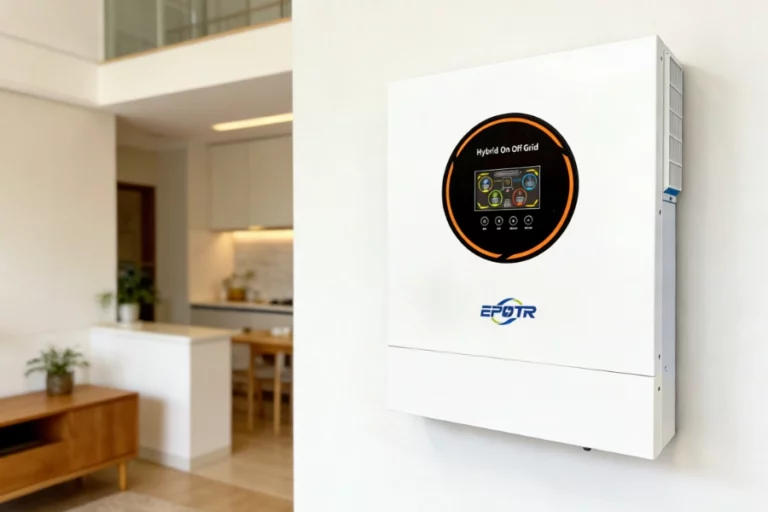
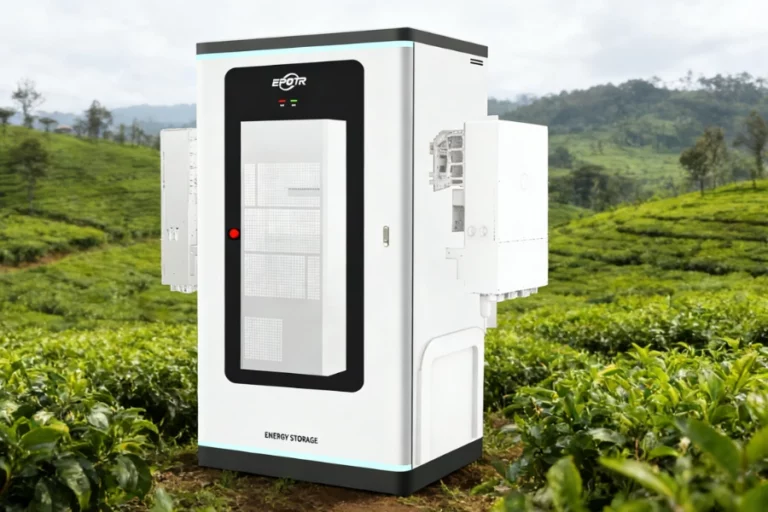
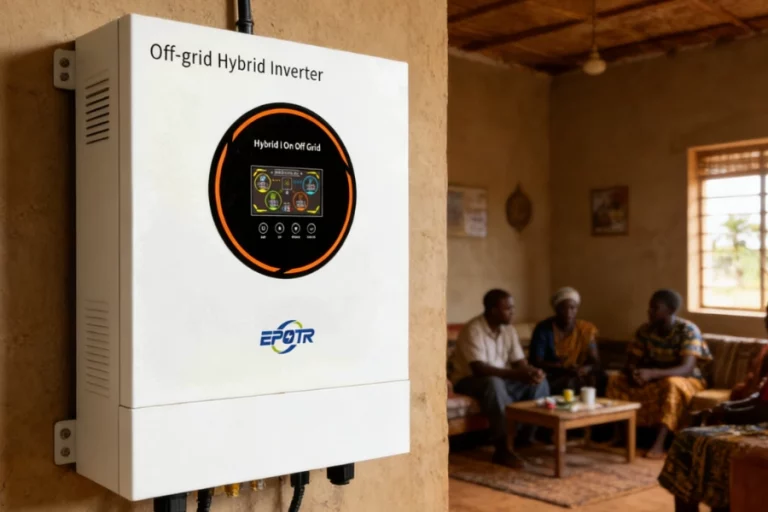
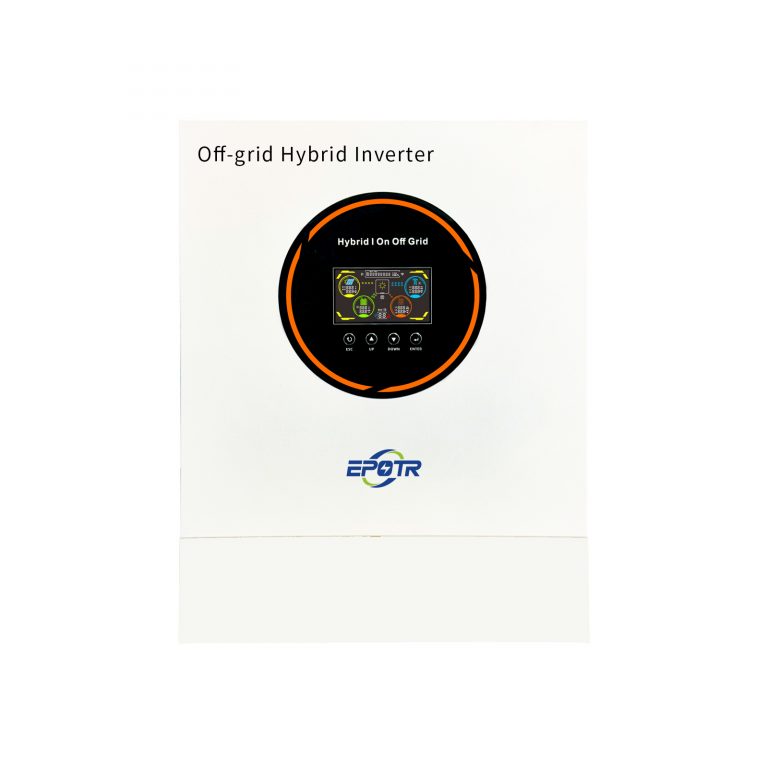
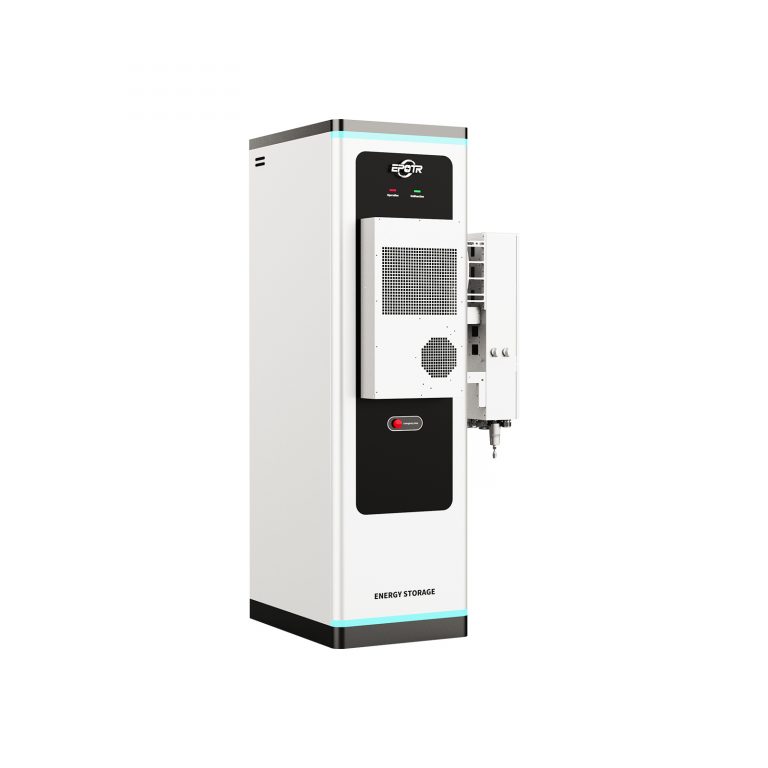
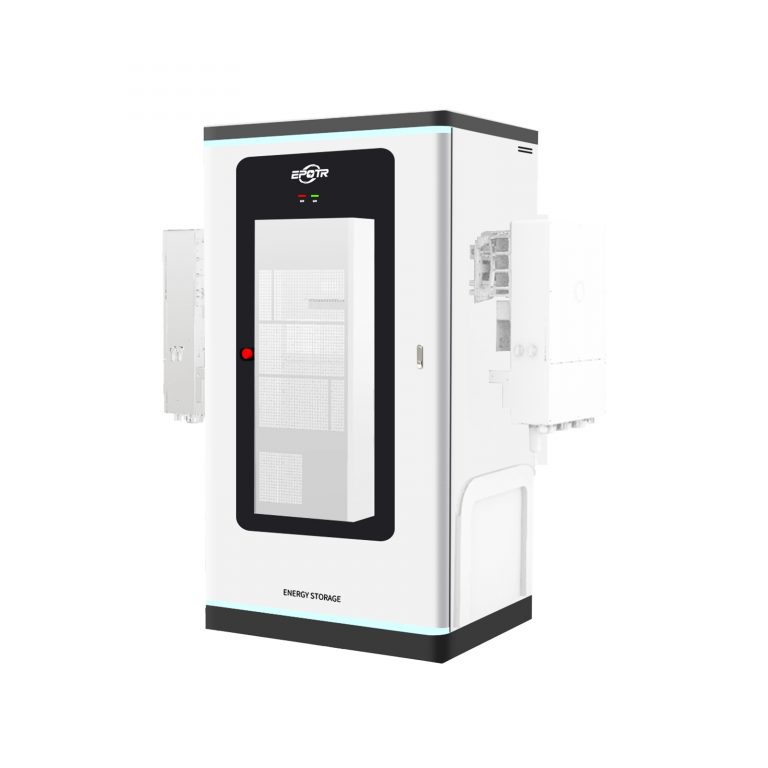
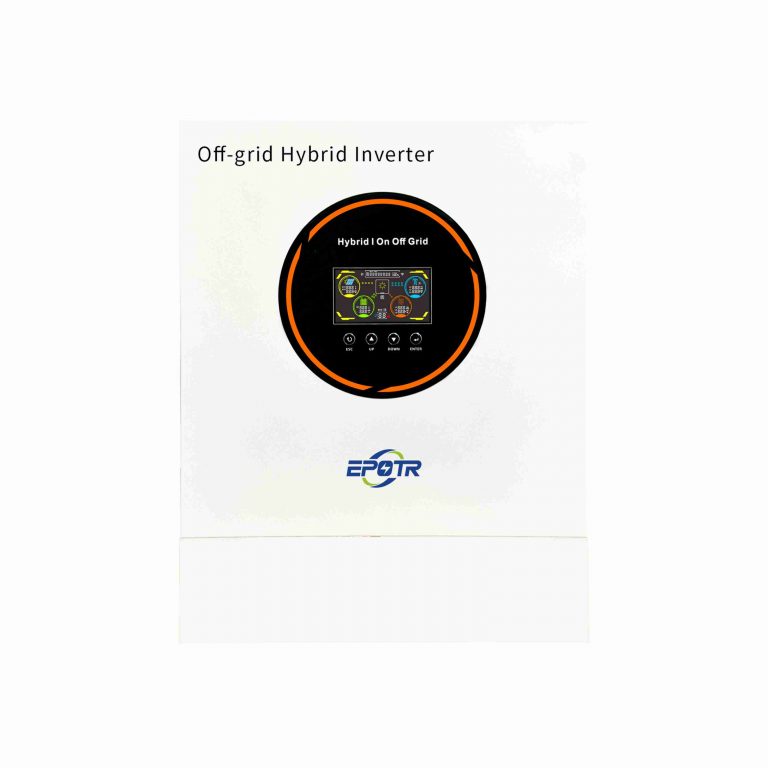
द ईपी 2 ऑल इन वन हाइब्रिड एनर्जी स्टोरेज सिस्टम joins the inverter and battery in one tuned unit. This joining cuts the call for outside wires and lone boxes, which lessens the material carbon footprint of the setup. Such design saves time and resources.
Carbon Reduction Through Smart Energy Management Systems
Modern Battery Management Systems (BMS) watch cell state and heat live. By stopping overfill and keeping best heat levels, these clever setups lengthen the gear’s life and raise its green return on investment. This approach ensures steady performance.
Scalability Features of 100kWh-243kWh Industrial Solutions
The block style of these setups lets you grow power to fit real needs. This avoids “over-supply,” so no extra carbon sits in spare battery power. Flexible scaling matches exact demands.
Strategic Implementation of EPOTR C&I ESS Solutions
Factory uses need setups that manage big loads yet keep tight emission aims. Putting in special सी & amp; I ईएसएस समाधान helps match work goals with green rules.
Peak Shaving Performance in High-Emission Industrial Parks
By sending stored power in top hours, you cut use of carbon-rich “peaker” plants. This step not only drops power bills but also betters the carbon shape of your grid use. It supports cleaner operations overall.
Grid-Forming Capabilities for Renewable Energy Stabilization
New setups apply changing control rules to steady grid speed with times under 100ms. This skill lets in more shaky solar and wind power, which cuts the need for diesel backup units. Stable grids aid wider green energy use.
Localized Compliance with Global Safety and Environmental Standards
Following RoHS and CE rules makes sure the gear meets hard chemical and safety demands. For B2B sellers abroad, picking checked वाणिज्यिक & amp; औद्योगिक ईएसएस gear eases getting green build marks and world trade okay. Compliance builds trust.
Technical Comparison of Energy Solutions
| विशेषता | Standard Industrial BESS | EP2 All-in-One Series |
| सेल टेक्नोलॉजी | Generic Lithium-Ion | High-Grade LiFePO4 |
| चक्र जीवन | 2,000 – 3,000 Cycles | 6,000 चक्र @ 90% डीओडी |
| शीतलन प्रकार | Active Refrigeration | Natural / Advanced Thermal Management |
| प्रतिक्रिया समय | >500ms | <100ms (Grid-Forming) |
| स्थापना | Complex Modular | Plug-and-Play All-in-One |
System Efficiency and Operational Life Analysis
Using top LiFePO4 technology keeps the energy storage system working for more than ten years. This strength stands as the main reason for lowering the full life cycle carbon footprint. It offers clear gains over time.
Capacity Scaling Options for Diverse Industrial Needs
If you need a 100kWh unit or a big multi-megawatt group, the bend of ईपी 2 ऑल इन वन हाइब्रिड एनर्जी स्टोरेज सिस्टम gear makes sure you spend only on the carbon footprint fit for your certain use. This keeps costs in check.
Safety Protections and Thermal Management Excellence
Natural cooling and IP20-rated indoor plans cut the extra power draw of the system. By skipping steady active cooling in some places, you drop the running emissions of the site. Safe designs protect users.
Future-Proofing Your Energy Portfolio
The change to a zero-carbon economy forms a firm fact for industry. Active carbon footprint handling sets your firm as a guide in the worldwide energy shift. If you aim to switch to greener setups, contacting EPOTR expert team marks the initial move toward a strong, low-emission tomorrow.
Transitioning to Zero-Carbon Industrial Operations
Swapping fossil-fuel power for joined solar-plus-storage microgrids offers the straightest way to carbon balance. You can truly break your output rise from carbon outputs. This path supports growth.
Long-Term ROI Through Optimized Carbon Credits
Checked low-carbon energy setups can make carbon credits in many areas. These credits add income flows, which raise the net value of your energy spend a great deal. It improves finances.
Global Partnership Opportunities for Sustainable Energy Development
Linking with trusted tech makers makes sure your energy base stays rule-following as world norms grow. With strong data-supported carbon plans, you hold your best trade worth. Partnerships drive success.
सामान्य प्रश्न
Q1: What is the most important factor in calculating BESS carbon footprint?
A: The most critical factor is the “Cradle-to-Grave” lifecycle analysis, which includes raw material extraction, manufacturing energy, transportation, and final recycling efficiency.
Q2: How does cycle life affect the carbon score of a battery?
A: A longer cycle life, such as 6,000 cycles, allows the initial embedded carbon from manufacturing to be amortized over a greater amount of energy delivered, resulting in a lower carbon footprint per kWh.
Q3: Does the EU Battery Passport apply to all energy storage systems?
A: As of 2026, the Battery Passport is mandatory for industrial batteries and electric vehicle batteries with a capacity over 2kWh sold within the European Union.