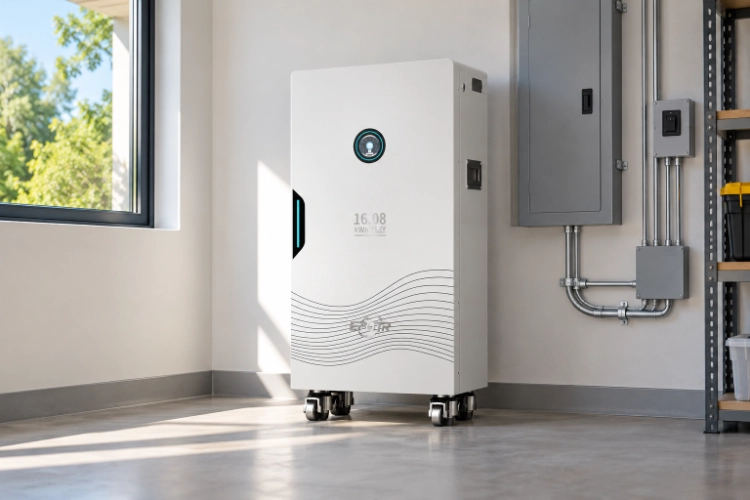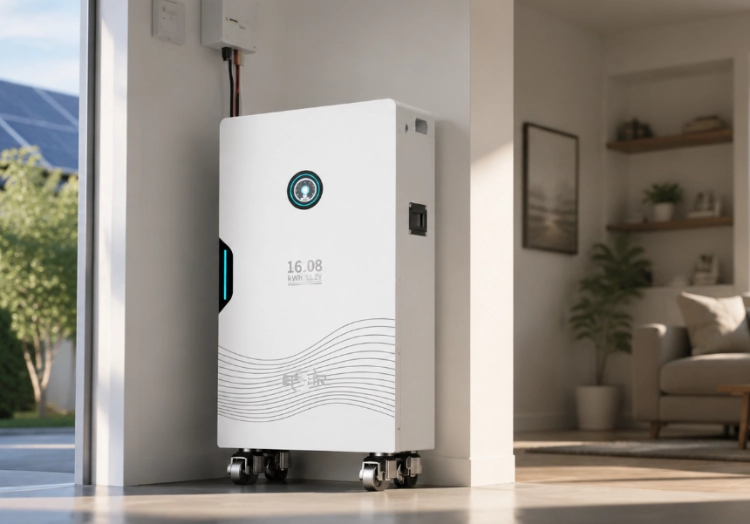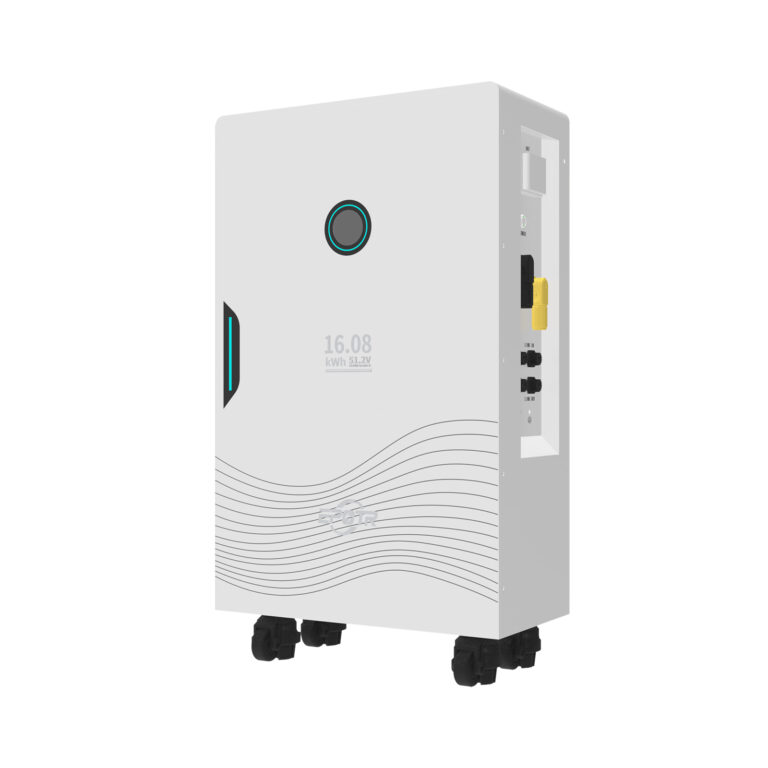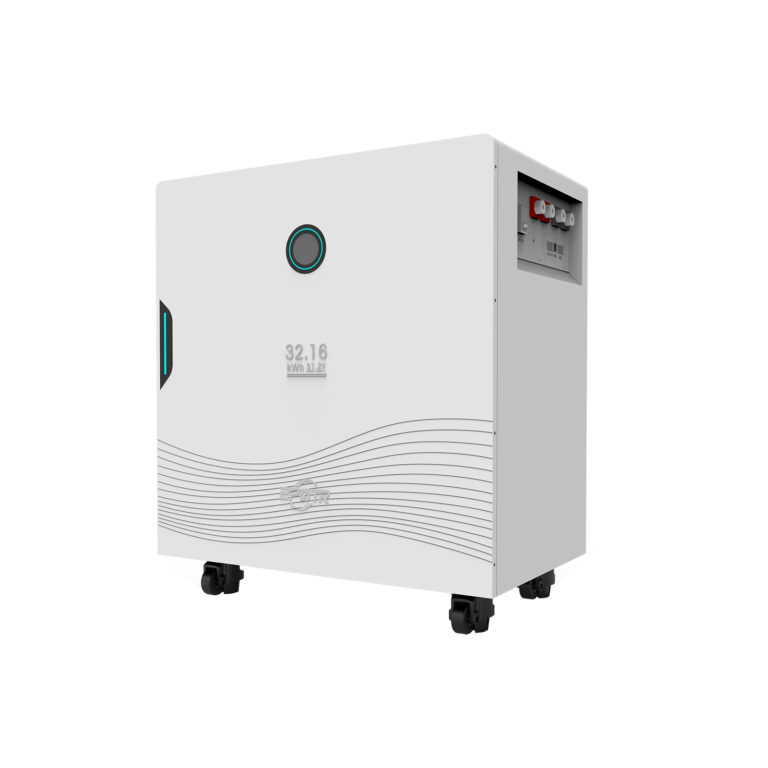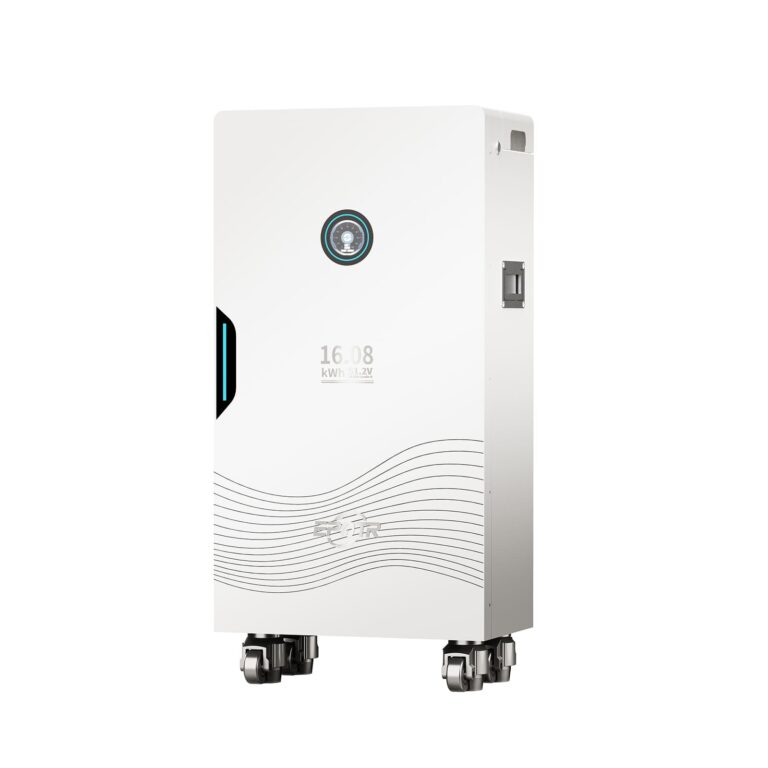

Can a person still get down the aisle with the cabinet door open? You want the answer on the room drawing, before the quotation is settled. Draw the cable entry and the air route there as well, with space to work on the equipment; only then fix the capacity. For a site in Southeast Asia, paying a little more for a conservative cabinet choice may cost less than reworking a hot, damp room with poor roof drainage. Getting the cabinets in is only the beginning. Cooling, inspection and later additions have to fit the layout, too.
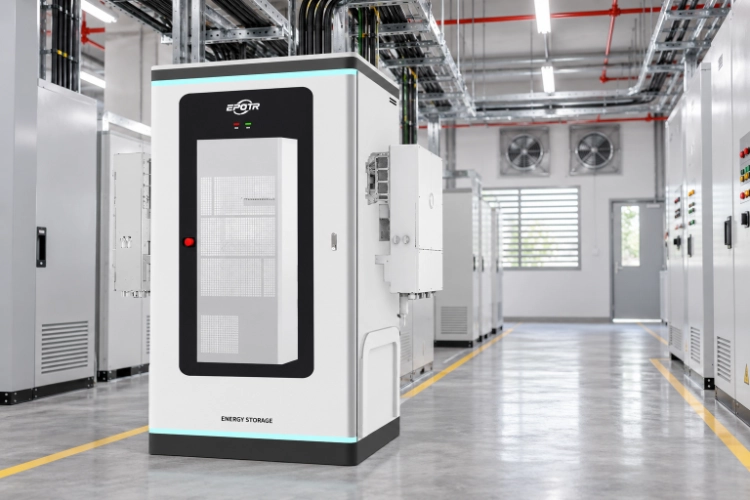
Conclusiones clave
- With the doors drawn open, see what remains of the aisle. The cable trench and emergency route also have to fit the cabinet capacity being proposed.
- Trace where the air comes in and where it leaves. Dust at the inlet and hot air coming back round can change cabinet temperatures, even with enough ventilation volume on paper.
- Cable bends and the space for terminating them belong on the civil-work drawing. Finding room afterwards is a site problem you can avoid at this stage.
- Allow for the person doing the work, not just the rectangle marking the cabinet. A maintenance visit involves movement around it.
La habitación debe soportar el calor y a las personas, no solo los armarios.
Someone servicing the batteries has to stand among the cabinets, cables and controls, with stored energy close by. Is there actually space to isolate the equipment, take measurements and change a part? Hot air rising off the cabinets and dust coming through the doors are happening in that same small area. A drawing can get through a desk review without showing any of this. The omissions become the operator’s problem once the room is in use.
The expected room temperature and the enclosure requirements give you the starting conditions for ventilation in a humid location. From there, follow the hot air above the cabinets. If it comes back round, the system could lose output at the very load peak it was bought to cover. Access and the operating environment also affect the risks discussed under Normas de seguridad para el almacenamiento de baterías industriales; a layout review has to deal with both.
La entrada de cables debe decidirse antes de la orden del Gabinete.
The cable-entry decision is tied to the glands and trench, the bend radius and keeping water out. Leave it until delivery and the installer may have little choice but to drill on site or take a difficult route. That can leave weaker sealing and a job that is harder to inspect afterwards. Show the AC and DC runs separately on the drawing, together with communications and earthing points. Include the routes that an expansion would need while those choices are still open.
| Factor de diseño | Verificación previa a la cotización | Se evitó el fallo |
| Pasillo delantero | Confirme la autorización del servicio con las puertas abiertas. | Los técnicos no se ven obligados a trabajar de lado. |
| Vía de ventilación | Separe la entrada de aire frío de la salida de aire caliente. | Reduce la recirculación y la disminución de la capacidad térmica. |
| Entrada de cable | Confirm trench, top entry, or bottom entry before delivery | Evita perforaciones en el terreno y curvas cerradas. |
| Control del agua | Compruebe los desagües del techo, la pendiente del piso y las filtraciones de las paredes. | Reduce el riesgo de corrosión y de aislamiento. |
Adaptación del paquete ESS a la habitación real
Review C& I Soluciones ESS with the room drawing in front of you if the commercial site needs an integrated package. Bring the expected peak-shaving profile, fire-safety requirements and servicing route into that review. Counting cabinets is only a start. After installation, the plant must still be able to operate normally while the storage is isolated, ventilated, monitored or serviced.
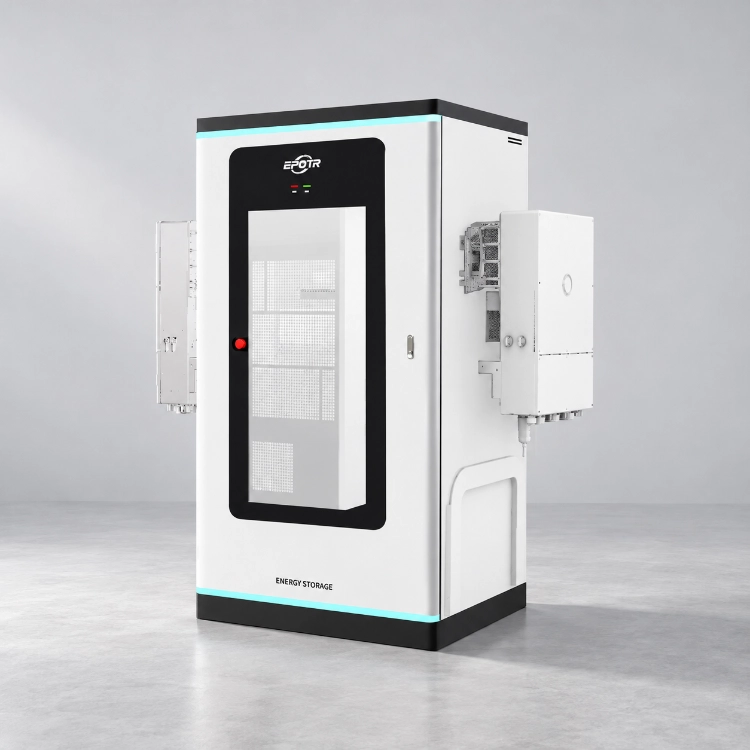
Look up before allocating ceiling space to ventilation: existing cable trays or bus ducts may already be there. Then follow the delivery route from the unloading point. Measure the doors and the space needed to turn the cabinet. Fitting inside the room does not mean it can be taken through the building to reach it.
A room that leaks water, contains corrosive vapor or doubles as storage for unrelated materials is not ready for C&I ESS. Correct the building defects and separate the room as part of the energy project. These are works the installation depends on, rather than extras to consider afterwards.
Los planos de las habitaciones deben incluir a las personas que dan servicio al sistema.
Imagine taking a front panel off while somebody is standing in front of the cabinet. There needs to be somewhere for that panel to go without closing an exit. Check the doors at their full opening, too. The person holding insulated tools must not have to lean over other equipment to do the job. Those movements tell you more about safe servicing than an equipment footprint alone.
Someone will eventually have to work at the cable entry, so think about their position as well as the cable route. A trench or raised floor may make bottom entry a sensible fit. Top entry can be a cleaner arrangement where drainage is controlled. Either can become awkward if there isn’t room: the glands crowd together, bends get squeezed, or the power and communication cables end up too close to one another.
Include both the plan and elevation in the quotation request, with the path from unloading to the room. Add the ventilation concept, cable and earthing routes, and emergency access. Cabinet selection may have to be reopened if these details are left until after the civil work. Supplying them early helps avoid that interruption.
La humedad y el polvo modifican el intervalo de mantenimiento.
Dust and seasonal rain come with the site, as does humid air in many Southeast Asian locations. Take those conditions as they are when setting the inspection interval. The enclosure may be suitable, yet seals and filters still age, as do terminals and labels. Treating the space as an ordinary storeroom can make that happen faster. The maintenance schedule can’t assume laboratory surroundings.
A technician faced with cartons in the way has a clearing job before the inspection even starts. Having to squeeze behind another machine, or reach over trays, is another reason a routine check gets put off. Early signs of dampness or overheating can then be missed. It is an access inconvenience that can end in a reliability problem.
An ordinary visit should find the same simple things: no water on the floor, nobody’s materials stacked at the cabinets, and an aisle you can walk through. You should be able to read the labels and find the ventilation running steadily. It may look rather dull. For a team responding to an alarm, carrying out service or planning an addition, that is a useful room to arrive at.
Antes de la puesta en marcha, confirme las suposiciones que rigen el tiempo de ejecución.
When commissioning C&I ESS Solutions, record which loads it serves and how it is expected to operate. Note the cable route and protection devices, then record communication status and the environmental conditions. Those entries give the team something to measure C&I ESS room layout against once the equipment is running.
At handover, run the system normally and make a controlled load change, then check the reserve setting. Include an alarm or communications check as well. Compare what happens, and in what order, with the response the site team expects during a real event. You don’t need to set up an artificial failure to make that comparison.
State the limits in the operating note: the intended heavy-load duty, the permitted expansion and the temperature and moisture conditions. Explain the maintenance boundaries as well. The installation may be technically sound, but it can still be used beyond its intended range if nobody knows where that range ends.
Una lista de verificación de aceptación práctica debe utilizar cargas medidas.
An estimated capacity table cannot show a load that somebody forgot to mention. For the final C&I ESS Solutions review, take a snapshot of the actual load. Even a short measurement period can pick up standby draw and brief surges as well as those overlooked appliances. Keep the readings with the commissioning evidence for C&I ESS room layout, so the decision has something observed behind it.
Run the protected load group for a controlled runtime check as well. Watch the inverter and BMS, and look at the protection devices and monitoring interface while that load is being supplied. The question is whether they behave normally under the demand you care about. Running the battery completely flat is not necessary to answer it.
Next year’s service person may not have been involved in the installation. Put the label photos, breaker references and battery model in one file with the inverter settings. Keep warranty boundaries and expansion notes there too. That person should be able to answer a simple question from the record instead of having to arrange another visit just to find out what was fitted.
If expansion is on the plan, reserve a place for the extra equipment while arranging the first cabinets. Include the electrical provision as well as floor and wall space. Where will its cable go, and is there breaker capacity and a communication port for it? Leaving those provisions now avoids having to undo the first installation to accommodate the next battery.
Keep the reference for C&I ESS Solutions from the accepted order, with a note of its condition. Then use the same measurements or observations on subsequent batches. The reference is a comparison, not permission to assume that every repeat will be identical. Accessories and logistics can change, as can operators and raw materials. Comparing the batches helps keep C&I ESS room layout consistent across those changes.
A later order may call for a different size, surface, capacity, route, formula, material or installation condition. Record that as a controlled variation, even if it is being ordered as a repeat. The note keeps the original approval intact while making someone check the changed requirement for a mismatch.
Preguntas frecuentes
¿Qué se debe comprobar antes de dimensionar una sala ESS comercial e industrial?
Before finalizing capacity and cabinet quantity, measure the floor area and the service space the cabinets need. Look along the cable and ventilation routes, the unloading path and fire access. Include the room intended for expansion in that review.
¿Por qué falla la ventilación ESS en climas cálidos?
Look at what is happening to the air, not just at the fan rating. Dust may have closed off the intake, the incoming air may be too warm to help, or exhaust may be circulating back. The direction of flow and the room’s way of exhausting heat matter as much as the quoted fan capacity.
¿Se pueden colocar los armarios C&I ESS en el exterior en lugar de dentro de una habitación?
Outdoor cabinets may be an alternative to a controlled room, provided the enclosure rating and operating temperature range suit that position. There is still shading, drainage and security to work out, along with local code requirements. An outdoor installation needs those surroundings designed for it just as an indoor one does.
Notas de la selección final
The building comes first in a C&I ESS quotation; battery capacity follows from there. EPOTR can help with the storage selection through its Cartera de productos ESS. The drawing review before shipment still has a practical job to do: show that the equipment can be reached and ventilated, that the cables have a route and that moisture can be controlled.