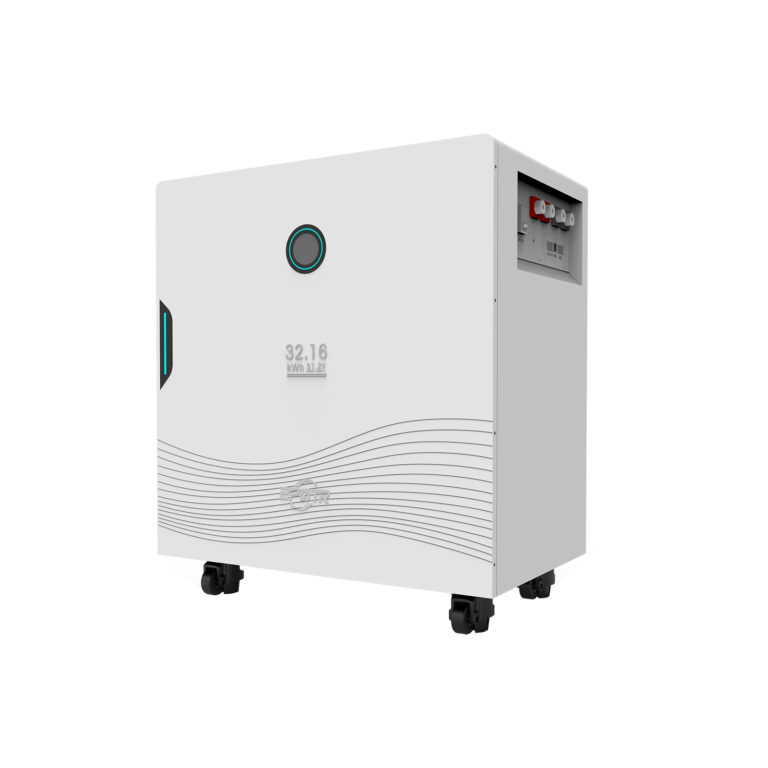

Buying a floor-standing residential ESS starts with a fairly ordinary household decision: what can you do without in a power cut? Once that is settled, you can put a useful number against storage. There are five things to pin down before buying: usable battery energy, inverter power, the order of priority for loads, a place for the cabinet, and the way it will charge. The cabinet itself is the easier part to compare.
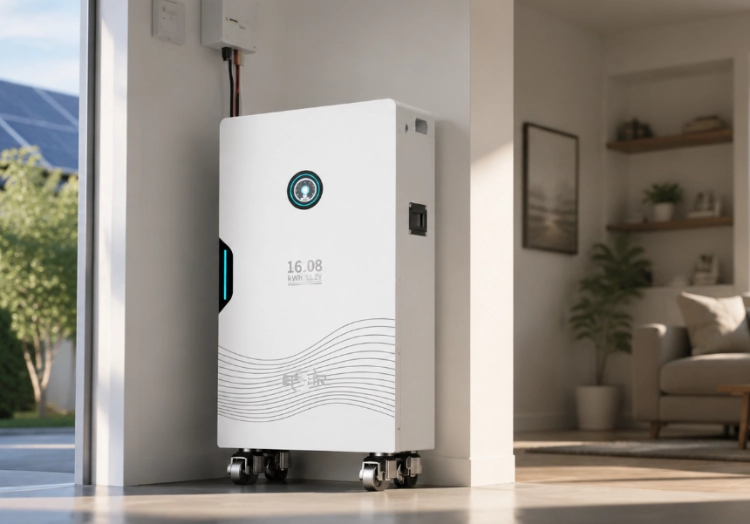
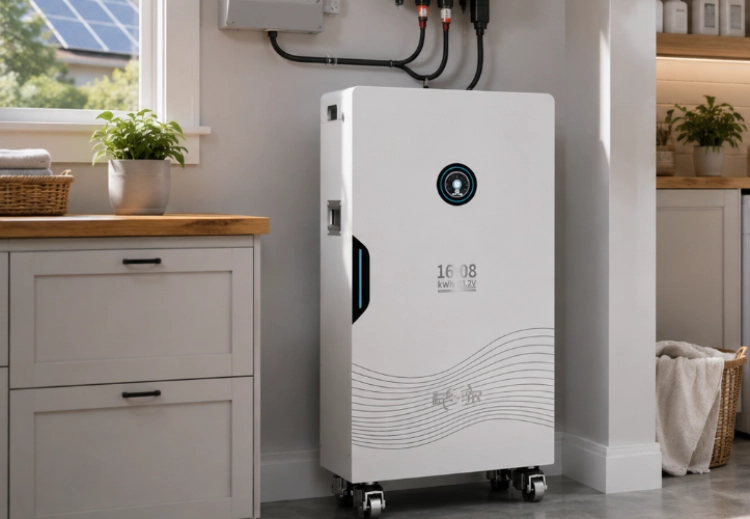
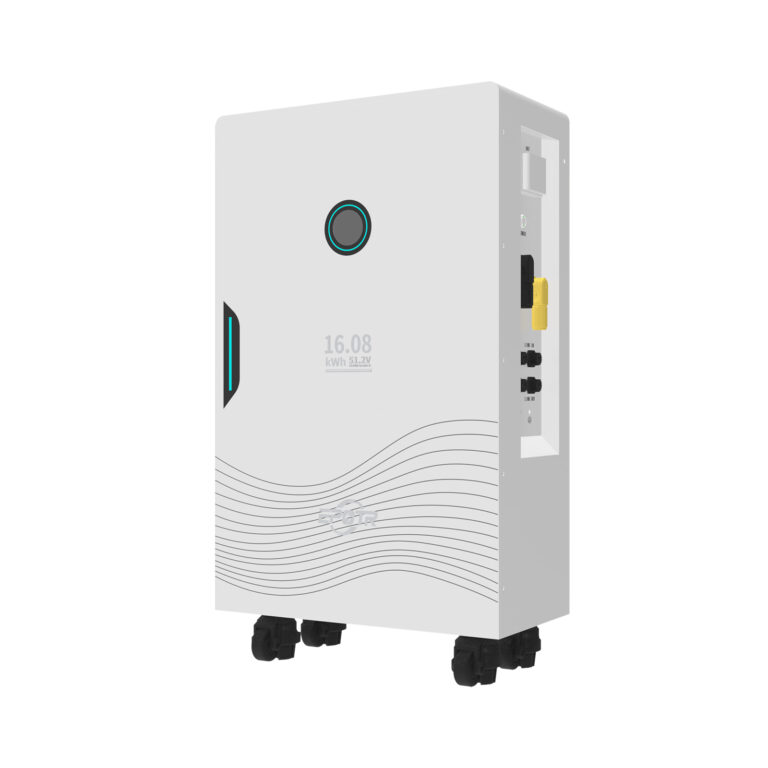
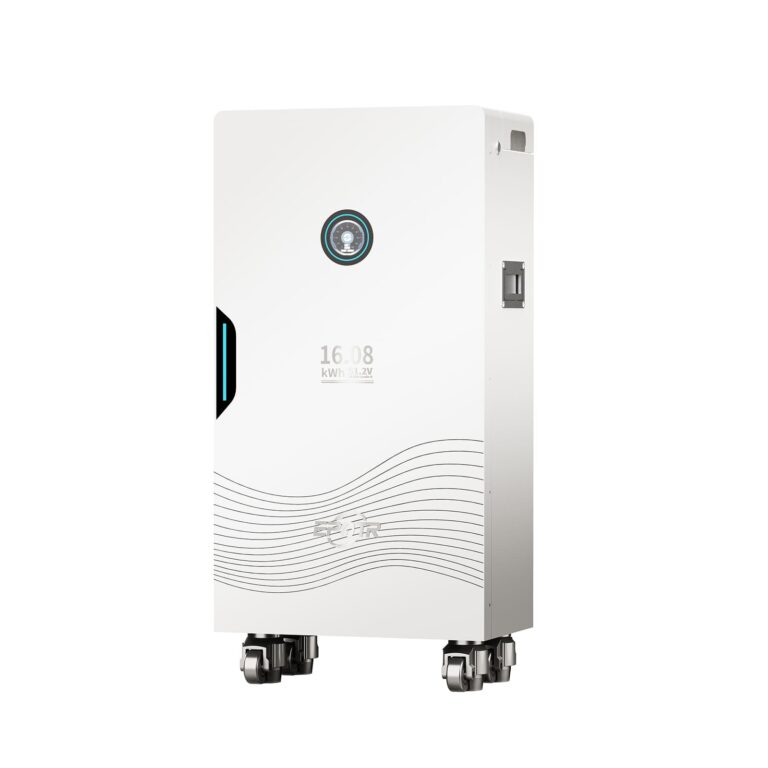
El EPOTR Serie Taipower, ESS residencial de pie comes into the discussion if a small wall-mounted arrangement falls short of the integrated floor-level storage you need. For a discussion with the supplier, have your essential-circuit list to hand. You will also be talking about any solar you have, the grid supply and the space in the house; all of them bear on whether this is a sensible choice.
What will the extra capacity do for you? That deserves an answer before you order the larger cabinet. Work out the installation, leave space to service it, and explain the load priorities to the people who will be using it every day. Otherwise, the household is still guessing what it can switch on, just with more storage standing in the room.
Conclusiones clave
| Controlar | ESS de pie | ESS montado en la pared | Implicación de la selección |
| Uso principal | Mayor reserva de respaldo y acceso al servicio de piso. | Respaldo compacto para cargas esenciales | Mapear circuitos y tiempo de ejecución |
| Instalación | Suelo estable, canalización de cables, zona de servicio despejada | Muro de carga y espacio libre para montaje | Compruebe la estructura y el flujo de aire. |
| Evidencia de dimensionamiento | kWh utilizables más salida del inversor | Carga esencial más corriente máxima | Pruebe el perfil de carga real |
- Put your essential-load list beside the usable-energy figure. The inverter also needs enough output for the appliances you expect to run together.
- Look beyond whether the cabinet fits: how warm is the spot, where will air and cables go, and can you leave room for protection and servicing?
- Agree on recharging and a backup reserve. Using solar energy every day should not spend the charge the family is counting on for a power cut.
Comience con la lista de cargas domésticas.
A walk around the house is a good way to put the load list together. Would you keep the fans on? Which sockets? Remember the refrigerator, lighting, communications equipment and any water pump, too. Give each item a running time and note anything likely to operate alongside it. That leaves the installer with both parts of the problem: how much energy is needed over time, and how much power is needed at once. ‘A bigger battery’ isn’t a substitute for either.
You may find that some of the biggest appliances can simply wait. Keeping them off the backup circuits, or giving them separate controls, can reduce the system size you need. It also makes the answer to ‘How long will it last?’ less dependent on what somebody happens to switch on.
La energía útil importa más que el número de la placa de características.
Be careful with the number on the cabinet. It describes nominal capacity, whereas your daily allowance depends on the reserve, protection settings and permitted depth of discharge. When comparing quotations, ask each supplier for usable energy under the proposed settings. Otherwise, two similar-looking capacity figures may be describing rather different amounts of electricity available to you.
Convierta la lista de carga en una comprobación de tiempo de ejecución simple.
Take a steady 1 kW essential load as an example. That is a different job from supplying a low background demand with occasional bursts of high power, even if the homes look similar. Use average demand when thinking about duration, but keep the simultaneous peak in view too. With only one of those numbers, you are still missing part of what the house asks of the system.
La salida del inversor y las cargas de arranque requieren una verificación aparte.
The inverter’s power limit is worth a separate look. Take the refrigerator: when the compressor starts, its demand briefly goes above the normal running level. A pump or some air-conditioning loads can present the same issue. Their total daily energy use may look quite modest, yet the starting moment is what the inverter has to cope with. Check those appliances one by one.
Have a list ready of the equipment that might start in backup mode and ask about starting it in sequence. It is possible to get the battery size right and the inverter size wrong. The result is still a system that struggles with the intended loads.
Las condiciones de instalación afectan la vida útil y la facilidad de mantenimiento de la batería.
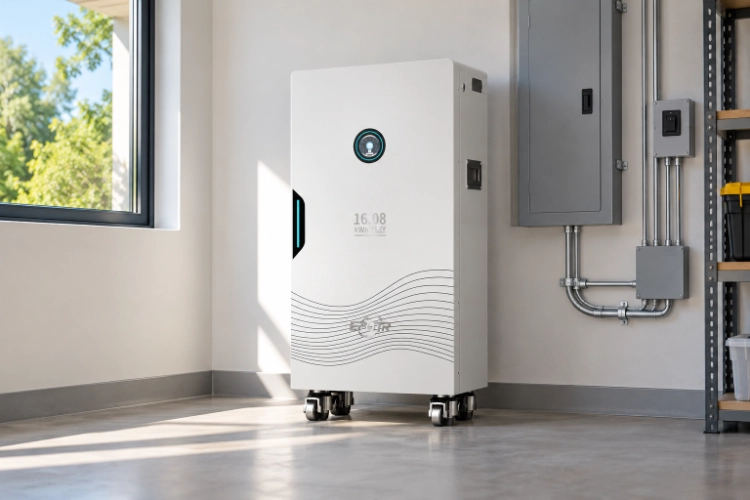
Para un ESS de pie, a stable base and a safe path for the cables are the first requirements for the site. Leave enough room to inspect the equipment, too. Water in the vicinity, corrosive chemicals or open flame are all good reasons to find a better place; however so is the chance of items being placed across air intakes. The room temperature and air circulation are just as important. Measuring the cabinet is only half of this exercise for an installation in hot circumstances.
Where will the technician get at the isolators, communication ports and cables? Work that out before delivery, imagining the room with its furniture, vehicle or stored belongings back in place. A layout can look tidy on paper yet give the person servicing it very little room to work.
Decida cómo funcionarán la energía solar, la carga a la red eléctrica y la reserva de respaldo.
There are a few operating decisions to make before using solar with the battery. During the day, the house itself needs some of the production; the rest can go toward charging according to the agreed plan. If you will also use grid charging, set its permitted hours and consider any time-of-use prices. Then put a number on the reserve you want for outages. That reserve is part of the charging plan, not something to think about only when the power cuts out.
The same charge cannot do two jobs at once. Draw it down to cut evening grid use and that portion is gone from your emergency supply. An agreed strategy for daily consumption and backup helps avoid arriving at an outage with a heavily discharged battery.
Dónde encaja el sistema EPOTR de pie
Once you have agreed on the loads, charging routine and cabinet location, you can assess the EPOTR Serie Taipower, ESS residencial de pie against that plan. It is an option for a household wanting an integrated floor-standing arrangement. The decisive checks remain usable energy and inverter compatibility with your backup circuits. Those are questions about the proposed configuration, not its appearance.
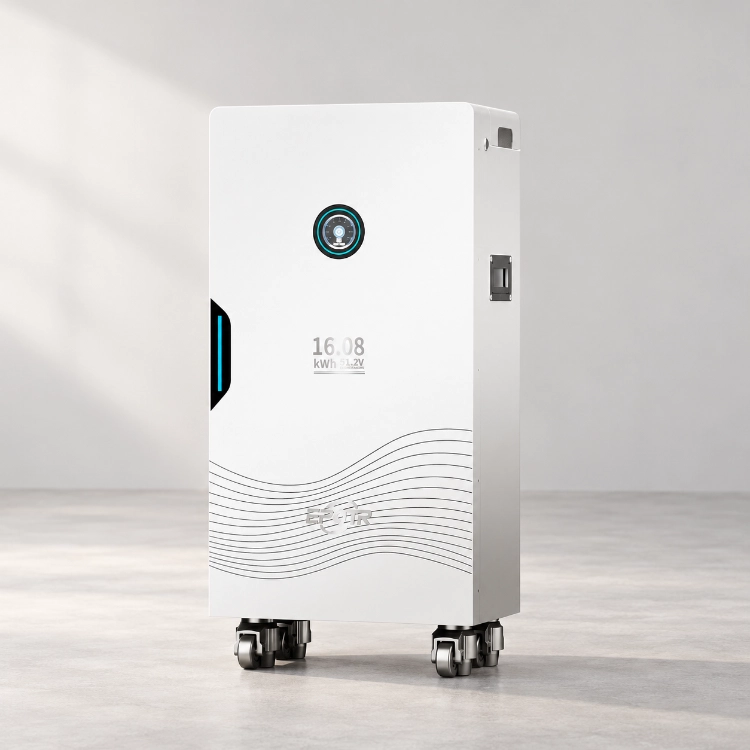
For a recommendation from EPOTR, provide daily energy use, the essential-load list and peak load. The remaining details are solar capacity, grid voltage, the installation environment and how many hours of backup you are aiming for. That gives the product discussion a defined household job to work from.
Lista de verificación familiar antes de la compra
- Circuitos críticos y suministro eléctrico de respaldo simultáneo estimado.
- Duración de respaldo deseada y nivel de reserva aceptable.
- The solar capacity and proposed grid-charging hours, taking any time-of-use schedule into account.
- A place indoors or under protection, with air around the equipment and room to service it.
- Who installs it locally, what the warranty covers, and the protection and monitoring arrangements.
Keep the checklist beside the quotation. When commissioning comes round, it gives you the operating assumptions to check against, in writing. The installer, supplier and family can all refer to it instead of relying on what each remembers of the discussion.
Preguntas frecuentes
¿Cuál es la diferencia entre kW y kWh en un sistema de almacenamiento de energía doméstico?
A: kW is about the inverter’s output at a given moment; kWh is about the energy in store. You need the former to work out what can run together, and the latter to estimate how long you can keep doing it.
¿Debería una familia hacer una copia de seguridad de toda la casa?
A: Not necessarily. Many families can leave the high-consumption, non-essential appliances off in an outage. Keeping them separate from the essential circuits can be the more practical choice.
¿Por qué un sistema ESS de pie necesita ventilación y espacio libre?
A: There is heat to get rid of and equipment to inspect and service. That applies to the power electronics as well as the battery. Check the specified clearances rather than using every bit of space around the cabinet.
¿Pueden la energía solar y el sistema de respaldo usar la misma batería?
A: Yes, but decide on the backup reserve in the controls. Without that allowance, the family’s normal daily use can consume energy it was counting on for a power cut.
¿Qué información debe preparar una familia antes de solicitar una recomendación?
A: Your load list is the starting point. Include peak demand and the hours you want on backup, then explain the solar setup, grid conditions and the place you have in mind for installation.