
Evening demand is the part to get on paper first. In your Vietnam home, which appliances will run after sunset, which will overlap, and how long would you need them in a power cut? Those answers give you a basis for usable battery energy and inverter output. You also need to know how much opportunity there is to recharge from solar. Heat, ventilation and the grid’s interruptions affect the energy available at night and the daily cycling; they cannot be read off a cabinet’s capacity label.
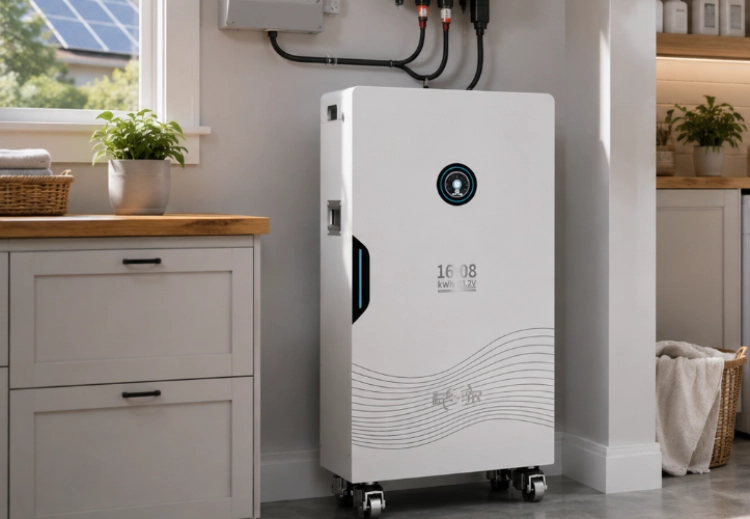
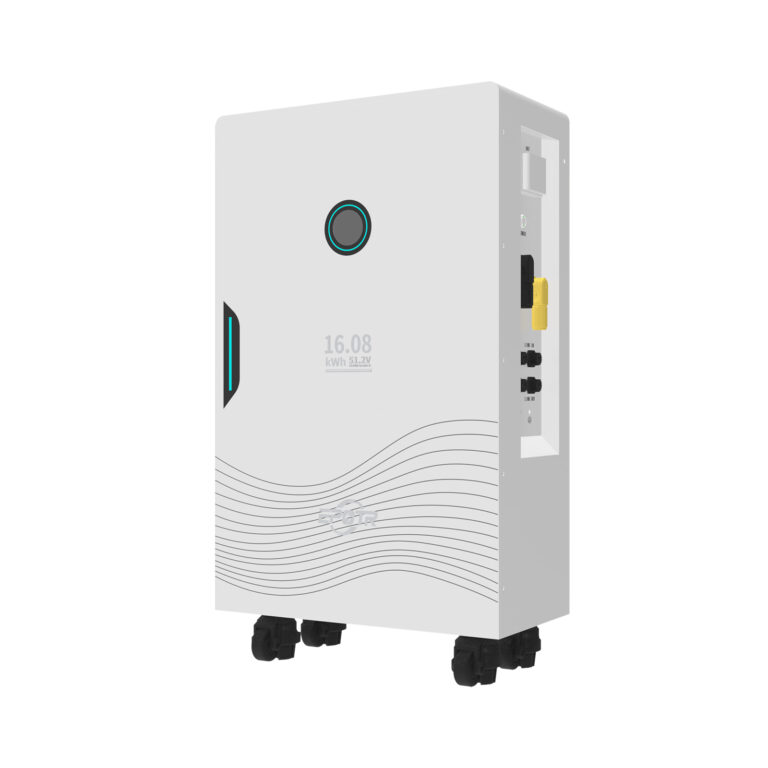
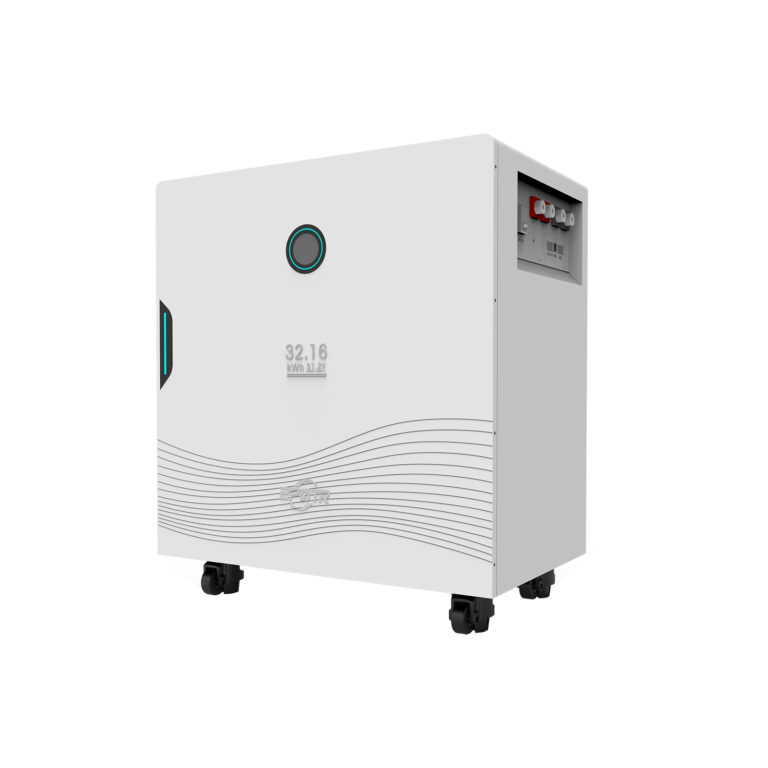
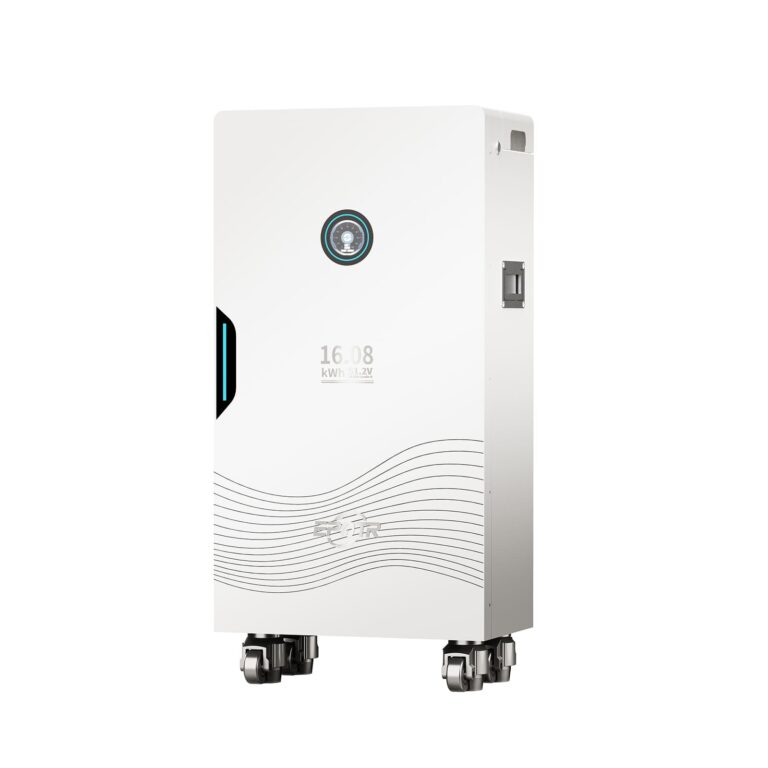
El EPOTR Taipower Series Floor Standing Residential ESS Low Voltage is one candidate for a floor-standing installation once you have those loads written down. A comparison should put usable energy alongside inverter capability, with the charging window and reserve you intend to keep. It should also leave room, quite literally, for ventilation and service. Nominal capacity is only one entry in that comparison.
EPOTR offers both wall-mounted and floor-standing residential storage. tion down to the room and night routine for a house in Vietnam. If a cabinet is to be installed in, say an apartment block’s basement floor or how after-hours energy usage will average over all appliances such as TVs and computers cannot even vaguely approximate what minimum contingency the unit could meet up against demand growth. Define what you want regarding heat, space for air and inspection, solar charging and outage reserve; these are the conditions in which your battery/inverter will have to operate.
Conclusiones clave
- Use the evening appliance list and backup hours to arrive at usable kWh and inverter output. A cabinet’s capacity label cannot do that work for you.
- A hot room, restricted airflow or too little service space can change the daily stress on the battery and the output available to the home.
- Leave some charge for outages if you also intend to spend battery energy on daily solar use or reducing evening grid demand.
Depth of Discharge Is About Daily Battery Stress
The term ‘depth of discharge’ describes the share of charge you use before filling the battery again. A near-empty battery at the end of every day has gone through more stress than one used in shallower cycles. A long power cut may be a reason to draw more deeply, of course. That doesn’t mean the family will use the same amount on every ordinary day; real demand rarely follows such a neat curve.
Small loads can be the ones you miss most. Think of the phone charger and router, along with fans, lights, the refrigerator and perhaps a small water pump in a Vietnam home. Put them in order of importance before including larger appliances. A small battery with carefully selected backup circuits may do more for the household than expected; even a large one can drain quickly when everything gets connected without priorities.
Usable Capacity Is Different from Nameplate Capacity
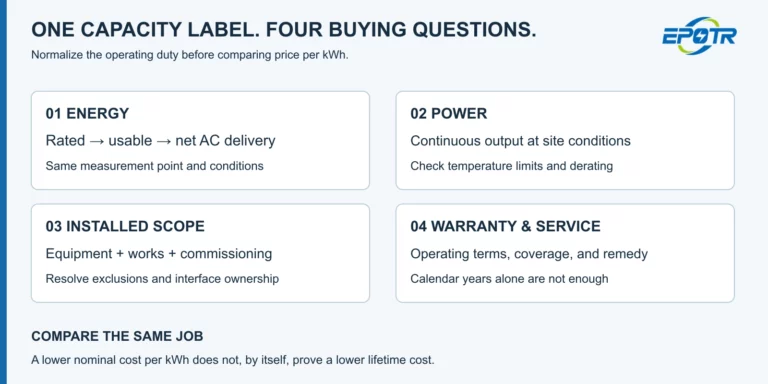
The nameplate gives stored energy under rated conditions. Your usable allowance is less: protection reserves, conversion losses and operating limits take a share. Nothing unusual about that, but it matters when somebody quotes a backup duration. Ask for the usable figure behind the estimate, rather than assuming all the energy on the label is available to the house.
Heat Changes the Meaning of Battery Life
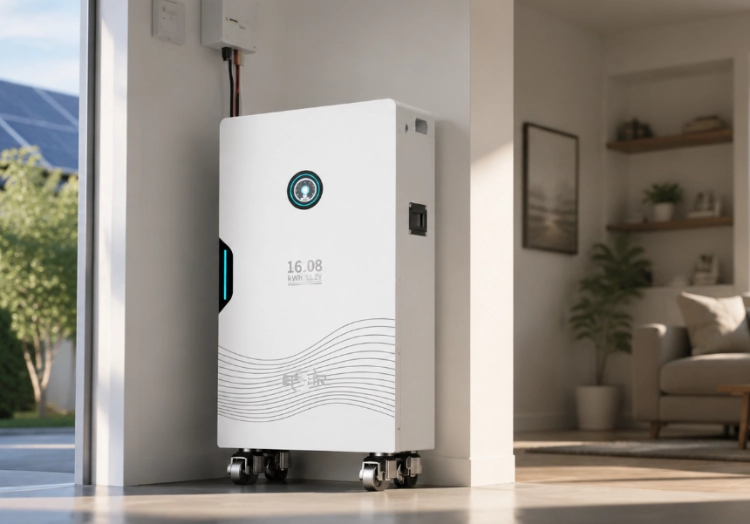
A hot utility room may be the only place that looks spare. An enclosed balcony can look convenient for the same reason. Neither tells you much about how kindly the location will treat the battery. Put the same cabinet somewhere cooler with better airflow and the stress on it may be lower, because temperature affects aging. In a space-limited Southeast Asian home, deciding where it goes is part of looking after it.
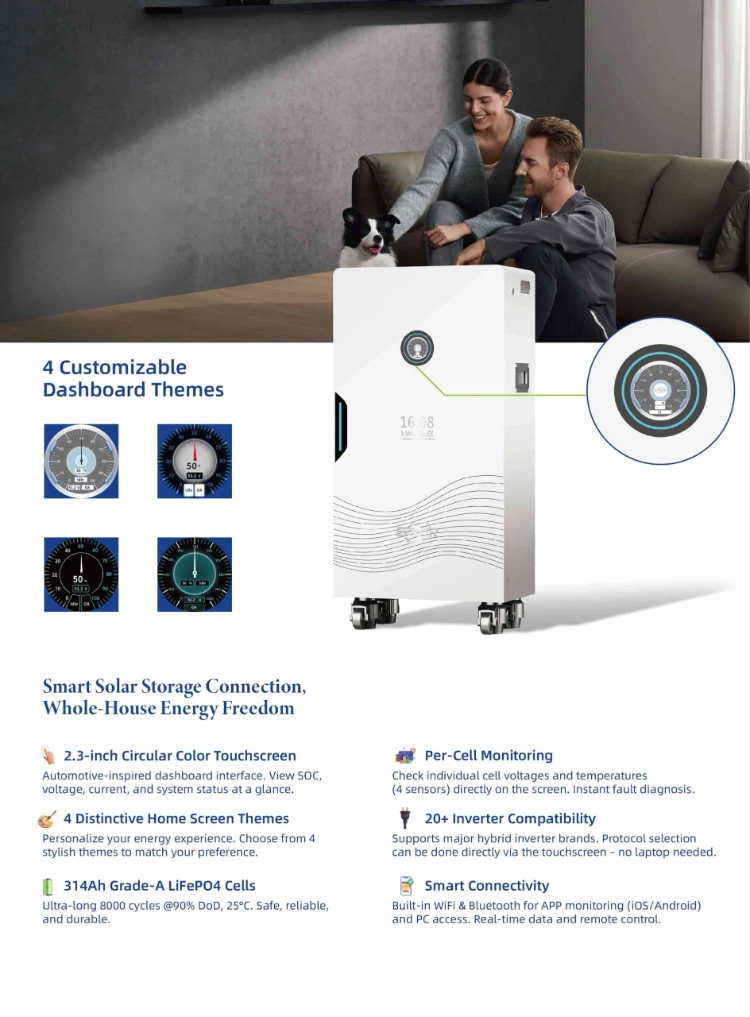
The heat question extends to the inverter, cables and controls. Give air somewhere to go and leave enough room for service. Monitoring the cells is the battery management system’s job; compensating for a poor layout is not something to rely on it for. Much of the value of a good installation is in avoiding problems that would otherwise call on protection.
Indoor Protection Still Needs Ventilation
Being under cover is a start. Indoor or sheltered installation is what many residential products are designed for, keeping direct rain and strong sunlight off them. Airflow is a separate matter. You still need a clean, sound mounting surface, a clear cable path and room around the equipment to get at it for maintenance. A roof over it doesn’t take care of those details.
Wall Mounted and Floor Standing Systems Solve Different Problems
A wall mounted residential ESS makes sense to consider when there isn’t much floor space and the aim is essential-circuit backup. It can keep things compact. The obvious catch is the weight on the wall: make sure the mounting surface is up to it. You also need a position that leaves a safe wiring route and lets somebody inspect the unit afterwards.
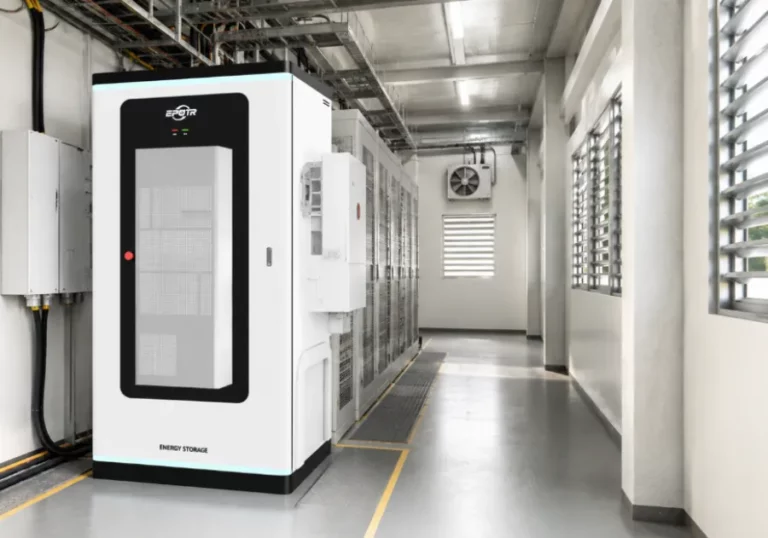
A floor standing residential ESS takes more room, so it needs a home with space to spare for the cabinet. Greater capacity, a stable position and easier servicing can make that worthwhile. It is a format larger houses, rural homes and families expecting long outages may prefer. Where the site permits it, inspection and expansion can also be easier; the extra footprint still has to fit somewhere.
The Better Choice Comes from the Load List
Write the load list before committing to a format. One family may be satisfied with lighting and refrigeration through a cut, while another also wants pumps, office equipment and several comfort appliances. Put those expectations on paper. Otherwise you are trying to compare battery formats and inverter sizes without agreeing what they have to supply, or where the installation could go.
Inverter Matching Shapes the Backup Experience
Household appliances need AC; the stored battery energy is DC. The inverter sits between them, and has a say in solar charging, grid interaction and protection as well. This is why the pairing matters. Get it wrong and you may have less output or fewer ways to charge than you expected, with servicing becoming more complicated later on.
For existing solar, find out what the inverter will work with before choosing the battery. You need agreement on voltage, communications and charging mode. A new installation is less constrained in that respect: you can plan the battery, inverter and solar combination together from the start.
Product Selection Should Follow the Home Scenario
EPOTR wall mounted residential ESS products are an option for compact backup indoors. More capacity or a preference for a cabinet points toward considering the floor standing range. Neither wins on format alone. The usable capacity must suit the house, the inverter must be compatible, and you need somewhere safe to install it with the heat conditions taken into account.
A useful enquiry tells the supplier what needs to run, the backup hours you expect, the solar you have and the wall or floor space available. Describe the grid problem too. Frequent short interruptions call attention to recovery and everyday cycling, while a lengthy cut brings the amount of stored energy and the priority of each load to the fore. That distinction can change the recommendation.
After the load list, installation space, and backup target are clear, buyers can use the about EPOTR page to review the brand background and contact EPOTR to send battery matching questions, inverter details, and model confirmation needs.
Simple Checks Before Choosing a Home ESS
- Write down what you would keep switched on in a power cut; put the comfort appliances in a separate group.
- At the proposed spot, check the wall can carry the equipment and that air can move. Trace the cable distance and leave a way in for servicing.
- Ask about the pairing, not just the battery: do its voltage, communications and charging mode suit the inverter?
- Look at how hot the location gets as well as what electricity costs locally.
- Allow for capacity, the space available and the work of maintaining the equipment when choosing wall or floor mounting.
A clearly sized load, safe placement and realistic backup expectations give the household a reason to trust the system. Get those settled and you can compare the products against an agreed job, instead of looking for reassurance in the size of the cabinet.
| Controlar | ESS de pie | ESS montado en la pared | Implicación de la selección |
| Uso principal | Mayor reserva de respaldo y acceso al servicio de piso. | Respaldo compacto para cargas esenciales | Mapear circuitos y tiempo de ejecución |
| Instalación | Suelo estable, canalización de cables, zona de servicio despejada | Muro de carga y espacio libre para montaje | Compruebe la estructura y el flujo de aire. |
| Evidencia de dimensionamiento | kWh utilizables más salida del inversor | Carga esencial más corriente máxima | Pruebe el perfil de carga real |
Preguntas frecuentes
What does depth of discharge mean for a home ESS?
A: It is the portion of the battery’s stored energy you use before charging again. Taking more gives you more energy on that discharge, but doing it deeply every day can put more stress on the cells.
Is a wall mounted ESS better than a floor standing ESS?
A: There isn’t one answer for every house. Compact essential backup may suit wall mounting, while a larger-capacity requirement or a preference for easier servicing may favour a floor standing cabinet.
Why is heat important for home energy storage in Vietnam?
A: The battery ages under the influence of temperature, and the electronics are affected too. A suitable indoor location with ventilation helps in Vietnam’s hot conditions.
Can a home ESS work with an existing solar system?
A: Yes, but have the combination checked beforehand. The inverter must work with the intended battery voltage, communication method and charging mode.
What information helps EPOTR recommend a suitable product?
A: The useful starting point is your backup-load list with the hours you want it to run. EPOTR will also need the solar system details, available installation space and local grid conditions to discuss the format.