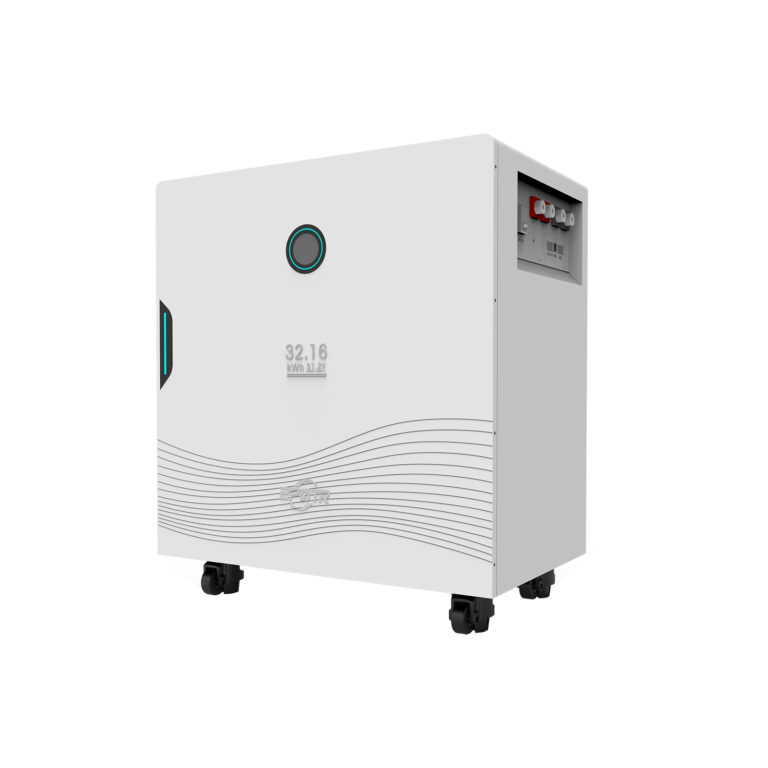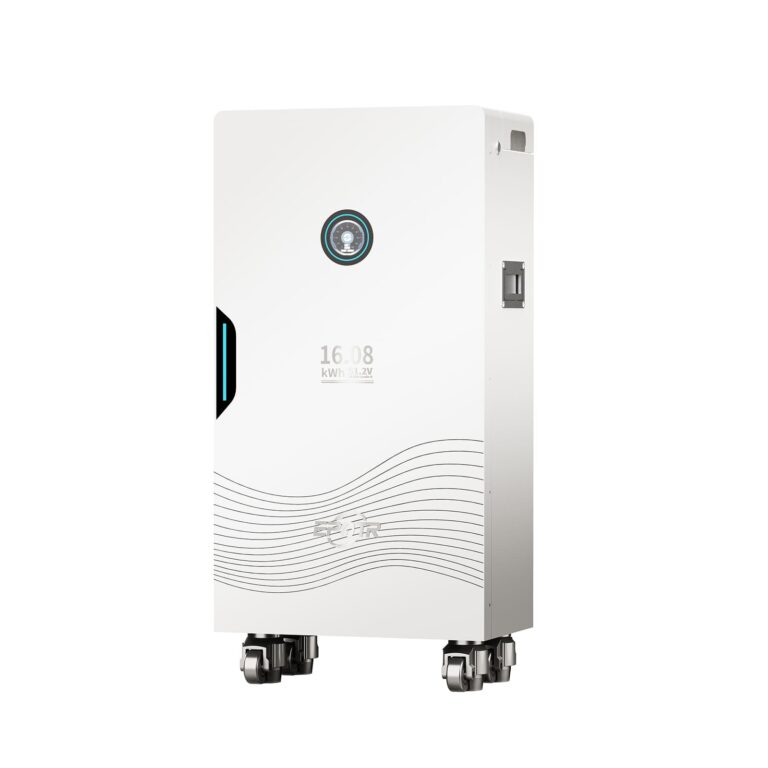

Before selecting a floor-standing ESS for residential use, families should check five things: 1. usable battery energy; 2. inverter output; 3. backup-load priorities; 4. installation conditions; 5. charge control from solar or grid. The cabinet size is of less importance and should only be checked after a household load list has been compiled, differentiating between absolute essential loads and flexible ones that can be switched off in case of a power failure.
For families that need more integrated floor-level storage space than a small wall mount can provide, the relevant home reserve capacity, solar system and grid behavior as well as available space in the home for installation need to be clearly established as a starting point for a product discussion in order to define the job of the selected configuration.
Just because a floor-standing cabinet is larger than a wall unit does not necessarily mean that it is better. A floor-standing cabinet is only better if the household has a load and an adequate installation plan that uses the extra capacity for good and leaves room for service and back-up of adequate quality and that the family that will use the system can understand the priorities.
Key Takeaways
| Check | Floor Standing ESS | Wall Mounted ESS | Selection implication |
| Primary use | Larger backup reserve and floor service access | Compact essential-load backup | Map circuits and runtime |
| Instalación | Stable floor, cable route, clear service area | Load-bearing wall and mounting clearance | Check structure and airflow |
| Sizing evidence | Usable kWh plus inverter output | Essential load plus peak current | Test the real load profile |
Size system to usable amount of battery energy and to critical-load in the list. Check that inverter output is sufficient for all loads to run at the same time.
- Before deciding on a location for a floor-standing cabinet, check the installation temperature and ensure there is suitable ventilation, that cables can be routed effectively, there is sufficient service clearance and that suitable protection is in place.
- Define the charging and reserve strategy in order to guarantee daily solar use without leaving the home without expected backup energy supply during a power outage.
Start With the Household Load List
Make a list of the circuits you’d like to have powered during a grid outage: lighting, refrigerator, communications, fans, etc. for each socket. Make an educated guess as to how many of these will be able to be powered at once, and how many hours of backup you require. This sets up a power target and an energy target, as opposed to just saying ‘bigger battery’.
Non-essential appliances with high consumption can be excluded from the backup group or controlled separately. In this way the dimensioning of the emergency power system can be reduced and the available back-up time made more predictable.
Usable Energy Matters More Than the Nameplate Number
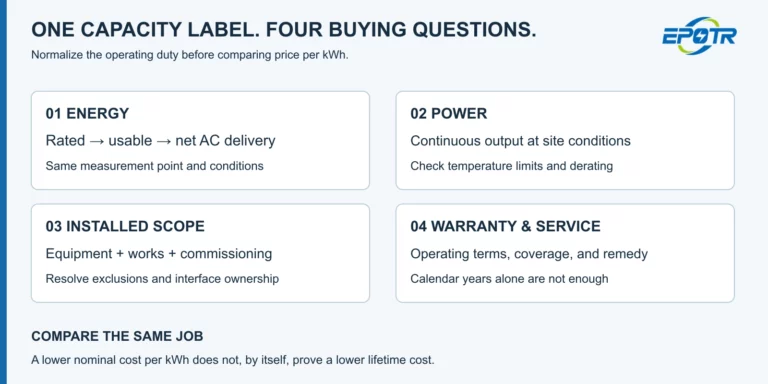
Many battery capacities are specified as nameplate stored energy values, but the entire value may not be intended for normal operation. In addition to reserve capacity and system protection, the depth of discharge of the batteries selected for a given cabinet will significantly determine the amount of energy that is actually available to operate household equipment. Check that cabinets are compared on a basis of usable energy and the conditions under which that energy is stated.
Convert the Load List Into a Simple Runtime Check
A constant 1 kW essential load has a different energy consumption profile to a constant base load with frequent short high power use periods. Average demand must be reviewed against likely simultaneous peak to avoid establishing false runtime expectations based on a single figure.
Inverter Output and Starting Loads Need Their Own Check
The inverter controls how much power is delivered at any time. Some loads such as motors and compressors have high starting demand for a short period of time which is greater than their normal running power. Therefore, even moderate daily energy usage of Refrigeration, Pumps and some forms of Air Conditioning need to be individually analyzed.
List all equipment that starts up while the system is in backup mode and check if load sequencing is required. A big battery does not automatically result in a good backup experience if the inverter is too small.
Installation Conditions Affect Battery Life and Serviceability
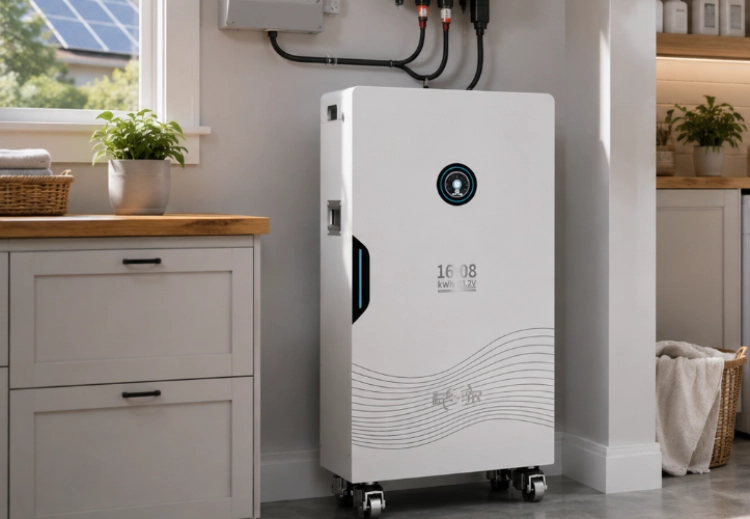
Una floor-standing ESS requires a firm floor, a safe route for cables and enough clearance for later maintenance. So avoid locations where air distribution routes could be obstructed by the equipment. Also locations where water, aggressive substances or excessive heat could pose excessive risks. In warm climates room temperature and ventilation would also deserve same attention as dimensions of the cabinet.
Plan where your technicians will need to access isolators, communication ports and cable laying areas prior to the cabinet arriving on site. What looks like a small area on a plan could end up being very difficult to service when the space is actually filled with furniture, vehicles and other items stored in the area.
Decide How Solar, Grid Charging and Backup Reserve Will Work
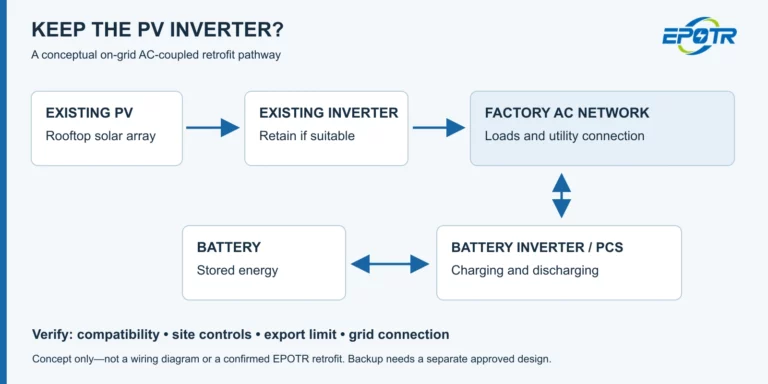
Determine how much of your home’s solar power production during the day should be used to recharge your battery and how much of that production should be used to meet current power needs. If your battery can also be charged from the grid, determine when you want to allow that to happen, and whether or not you are on Time-of-Use tariffs. How much reserve power do you need to power your home through an outage?
Self-consumption during the day and emergency power can utilize the very same stored energy. Operating strategy needs to be well defined in order to avoid large discharge of battery for example for evening savings just before grid fails.
Where the Floor-Standing EPOTR System Fits
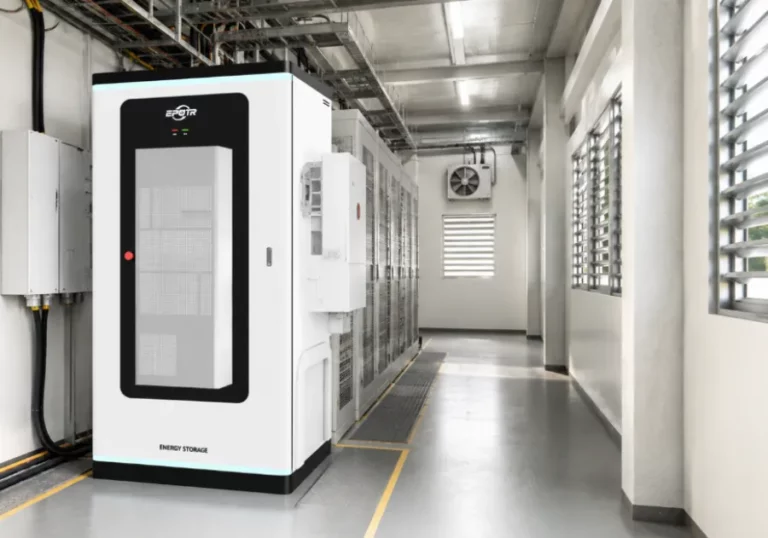
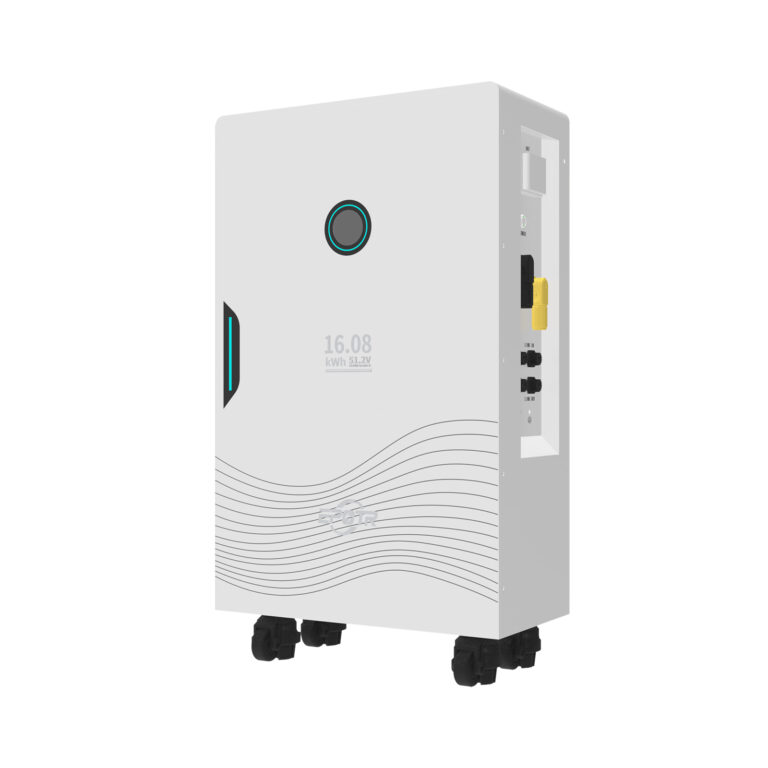
El EPOTR Taipower Series Floor Standing Residential ESS is designed to be a complete integrated floor-standing unit and is intended for customers who have already determined their load, space and charging method requirements. Check if the selected configuration has sufficient usable energy, compatible inverter and adequate backup power circuits, rather than choosing from different cabinet looks.
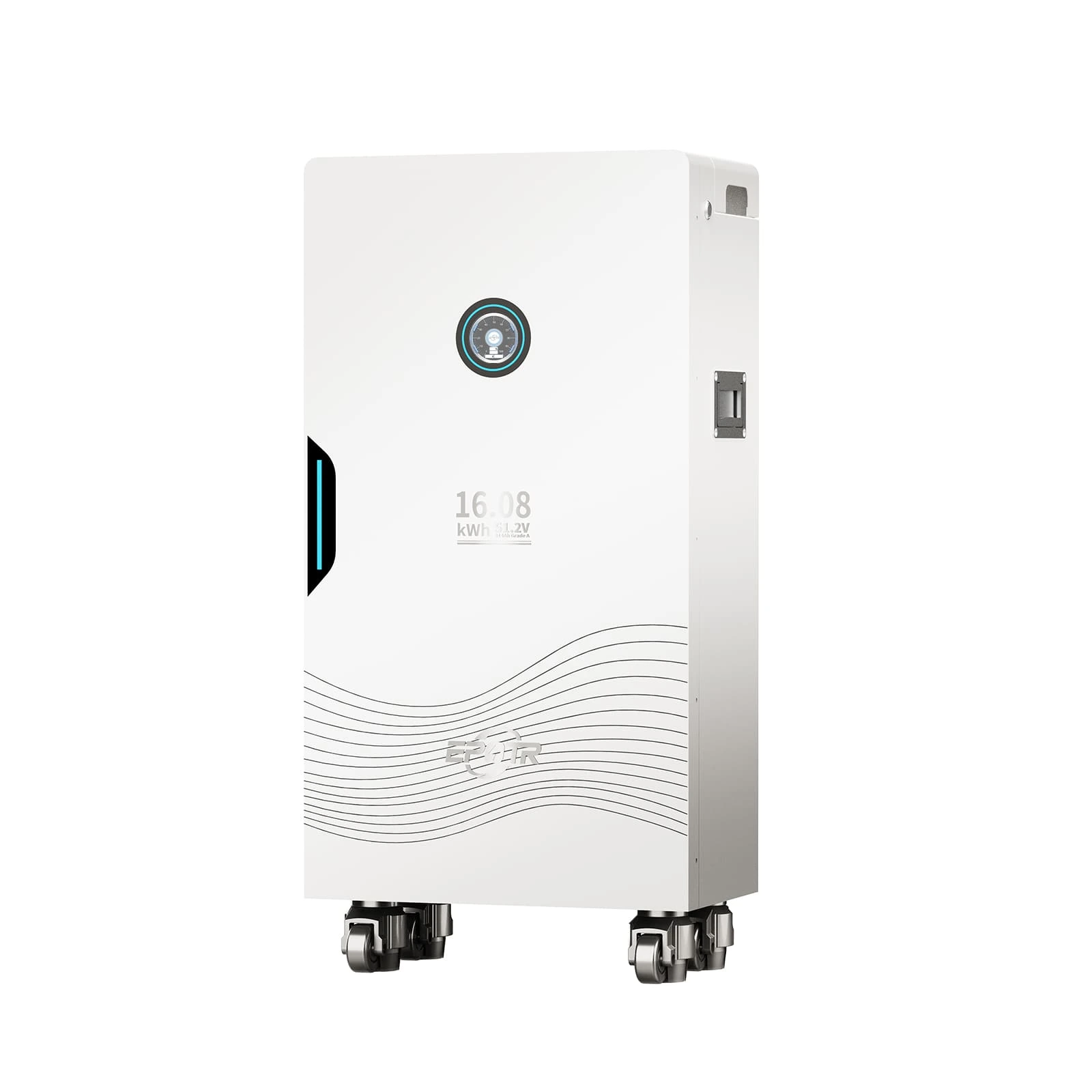
A useful request to EPOTR includes the home’s daily energy use, critical-load list, peak load, solar capacity, grid voltage, desired backup hours and installation environment. With those inputs, the product discussion can stay focused on what the system needs to do in the home.
A Family Checklist Before Purchase
- Critical circuits and estimated simultaneous backup power.
- Desired backup duration and acceptable reserve level.
- Solar size, grid-charging plan and any time-of-use schedule.
- Indoor or protected installation location, ventilation and service clearance.
- Protection, monitoring, warranty terms and local installation responsibility.
Keep a copy of this checklist with the quotation. It is a means by which the installer, supplier and family can discuss their various operating assumptions and verify the various items against during the commissioning process.
Preguntas frecuentes
What is the difference between kW and kWh in a home ESS?
The power the inverter can supply at any one time is given in kW and the stored energy in kWh. Both of these need to be considered when working out which loads can be supplied and for how long.
Should a family back up the whole house?
A: It’s not necessary to get a whole house UPS system. Many houses have critical loads on separate critical circuits and non critical loads on separate higher consumption circuits which can be switched off during a power outage.
Why does a floor-standing ESS need ventilation and clearance?
A: The heat generated by batteries and power electronics must be able to escape from the installation space. Furthermore, safe access for inspection and maintenance must be possible for the relevant equipment.
Can solar and backup use the same battery?
A: Yes, but with a reserve for backup purposes that should not be consumed by daily self-consumption in order to have enough energy stored for the time of failure of the grid.
What information should a family prepare before asking for a recommendation?
A: A load list, peak demand, required backup hours, solar plant details, grid constraints and proposed installation location.