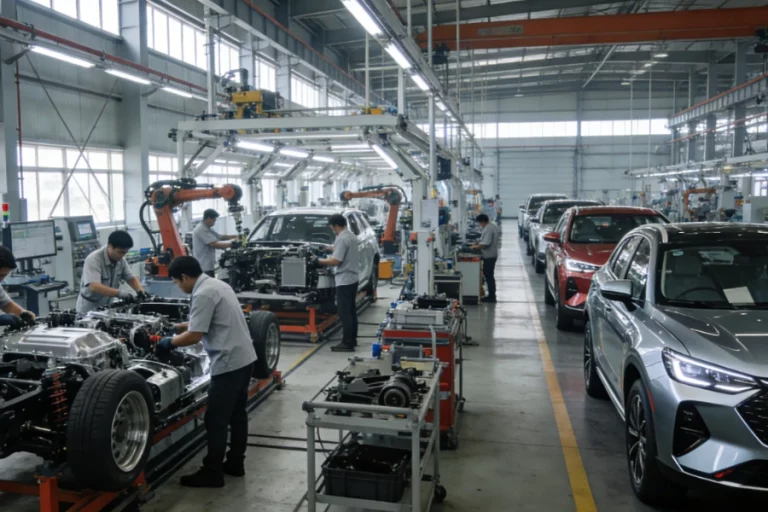
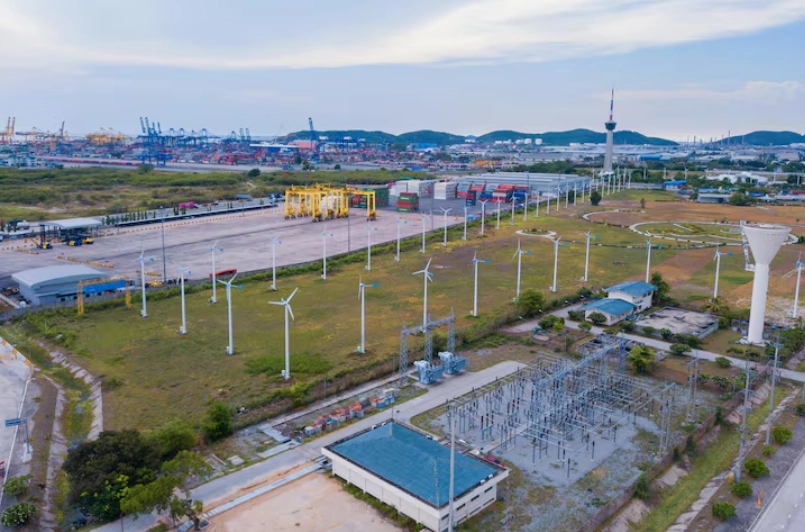
Vietnam keeps pulling in huge amounts of foreign direct investment in manufacturing as companies move their factories from other locations. In the first ten months of 2025, fresh FDI registrations went beyond USD 31.5 billion, and the processing and manufacturing field grabbed the biggest portion. This quick growth drives electricity usage higher by around 10.5 to 13 percent all through 2025. Still, serious power shortages in northern industrial areas back in 2023 and 2024 made numerous plants pause work and led to financial damage roughly equal to 0.3 percent of GDP.
Energy storage systems deliver the stable and trustworthy power you truly need to maintain smooth production even when the grid faces problems. As a well-known expert in renewable energy options, check out EPOTR, a committed supplier of cutting-edge battery and hybrid storage setups. The company cleverly merges power electronics with clever management tools to produce very effective and safe storage choices.
Power Instability–The Hidden Risk for Vietnam’s Industrial Transfer
Swift industrial development puts strong strain on the country’s electricity grid. Demand climbs far faster than fresh supply can arrive, especially in primary manufacturing regions. Unexpected disruptions greatly impact production lines and elevate general business risks for newly arrived plants.
Frequent Grid Outages and Voltage Fluctuations
Northern areas suffered multiple blackouts in 2023 and 2024, which stopped whole factories across various industrial parks completely. Intense heatwaves along with lower hydropower output made matters worse, and peak demand hit fresh records like 51,672 MW in June 2025. Furthermore, fluctuating voltage often harms sensitive machines typically found in electronics and textile plants, and this instability forces frequent equipment checks and repairs.
Rising Industrial Electricity Demand vs Limited Supply
New manufacturing sites arriving in the country sharply boost power needs inside industrial zones. Government reports clearly link this demand increase to incoming FDI flows, but current transmission networks find it hard to supply enough electricity. Latest forecasts suggest that possible shortages could linger into late 2025 if major new generation does not start operating quickly, and this gap threatens ongoing expansion plans.
High Peak-Hour Costs and Dependence on Diesel Generators
Plenty of factories continue using diesel generators when disruptions happen, and this habit brings extra high fuel bills plus pollution worries. Those backup machines create loud noise and harmful exhaust, yet they cannot match the steady performance required for continuous 24-hour manufacturing cycles, so companies face ongoing extra expenses and environmental pressure.
Cost Reduction Opportunities Through Peak Shaving and Arbitrage
Vietnam’s time-of-use tariff system opens up strong possibilities for clever energy shifting. Storage units fill up at cheap off-peak times and then provide power when prices reach their highest, resulting in clear cuts to regular invoices.
Leveraging Vietnam’s Time-of-Use Electricity Pricing
Factory rates shift based on voltage category and daily hours: off-peak charges may fall to about VND 1,146 per kWh at high voltage, although they rise over VND 3,640 per kWh in peak windows. Modern setups equipped with automatic smart controls fully exploit these price gaps and handle daily routines in the best way possible, so you see real monthly savings without extra effort.
Eliminating Expensive Diesel Backup During Peak Hours
Current hybrid storage successfully takes the place of old diesel habits and supplies silent, clean emergency power exactly when necessary. In nations dealing with matching grid troubles, like Nigeria, matching methods sharply lowered diesel consumption by 80 percent and brought down total energy spending by 60 percent, and factories there gained much better cost control.
Long-Term ROI for Manufacturing Facilities
The starting expense soon returns value via smaller utility payments and less downtime from interruptions. Adaptable modular layouts permit straightforward growth whenever your plant adds machines or extra work shifts in the coming years, and this flexibility keeps future costs low.
Integrating Renewable Energy to Meet Sustainability Requirements
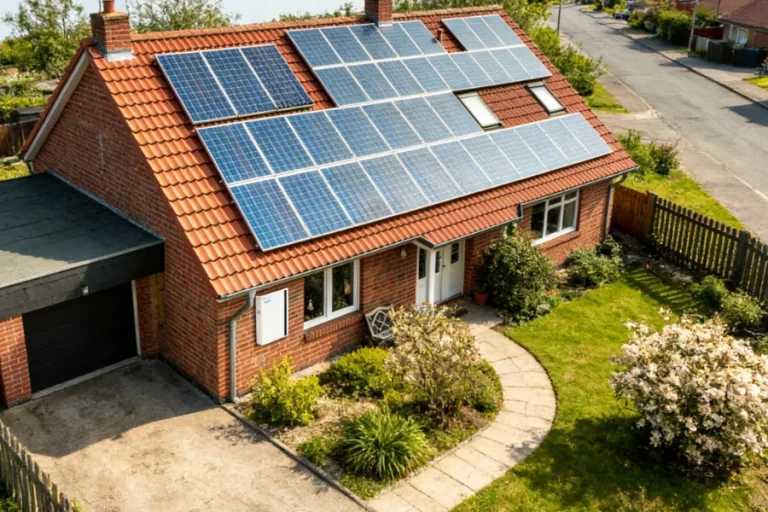
Leading global customers now insist on low-carbon production from their partners. Vietnam holds massive solar capacity potential over 1,600 GW from a technical view, helped by helpful government rules that push clean energy adoption.
Vietnam’s Abundant Solar Resources and Government Incentives
The nation receives plenty of strong sunlight perfect for rooftop panels or bigger ground arrays. Beneficial policies feature important tax relief and simple direct buying contracts for renewable setups, and these supports make project startup faster and cheaper for industrial users.
Compliance with International Carbon Reduction Standards
Storage equipment allows far more renewable usage by balancing natural ups and downs in output. This method directly meets tough ESG rules set by worldwide companies moving production here, and it helps maintain valuable business relationships.
Hybrid Solar + Storage for Stable Clean Energy Supply
Complete all-in-one setups smartly link solar generation with solid battery support to ensure steady electricity flow every day. In Middle Eastern sites applying peak-valley pricing strategies, similar arrangements delivered yearly expense drops from 30 to 40 percent, and operators enjoyed reliable green power.
All-in-One Hybrid Solutions – Perfect Fit for Vietnam’s C&I Sector
Commercial and industrial energy storage straightaway handles Vietnam’s particular hurdles, such as grid overload and increasing green demands. Plug-and-play styles sharply cut installation periods within busy production buildings.
All-in-One Hybrid Energy Storage System Features
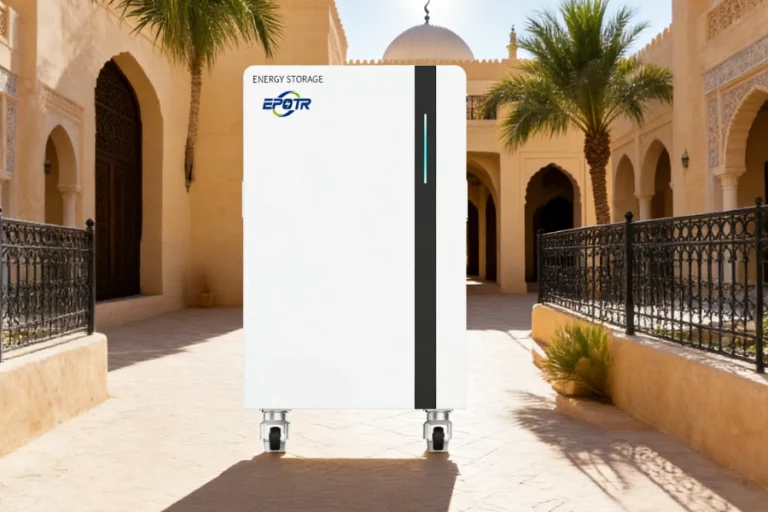
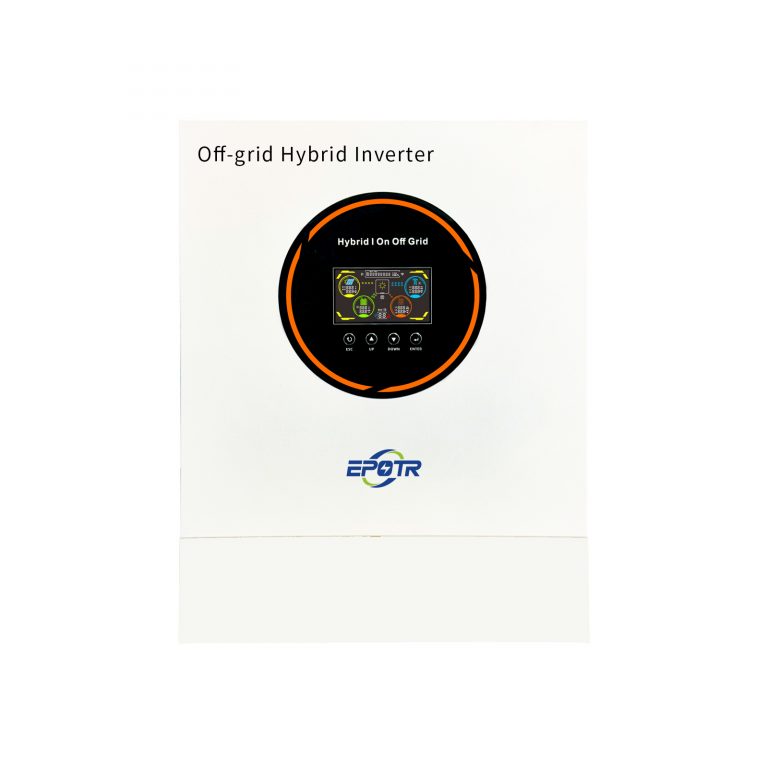
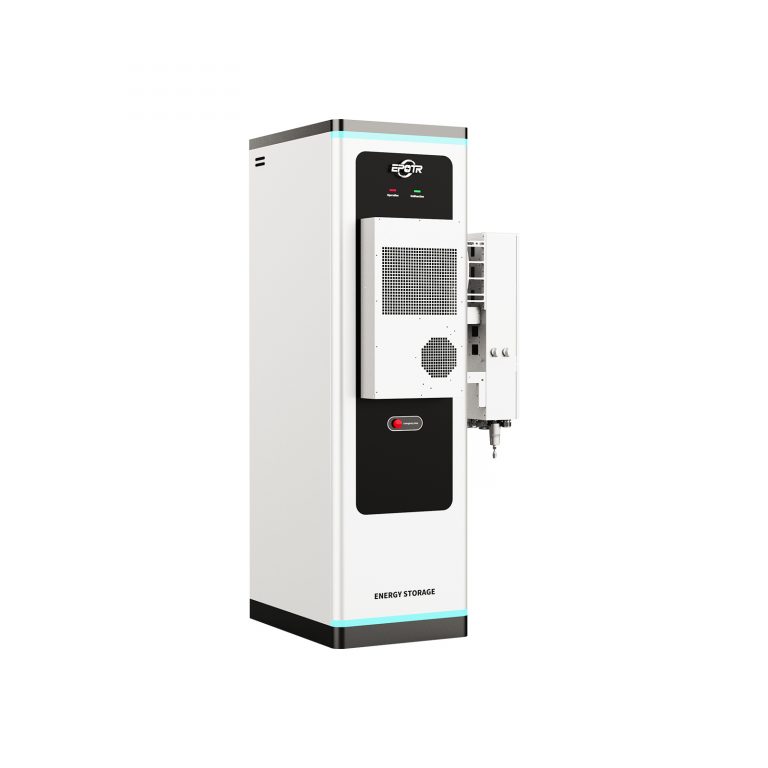
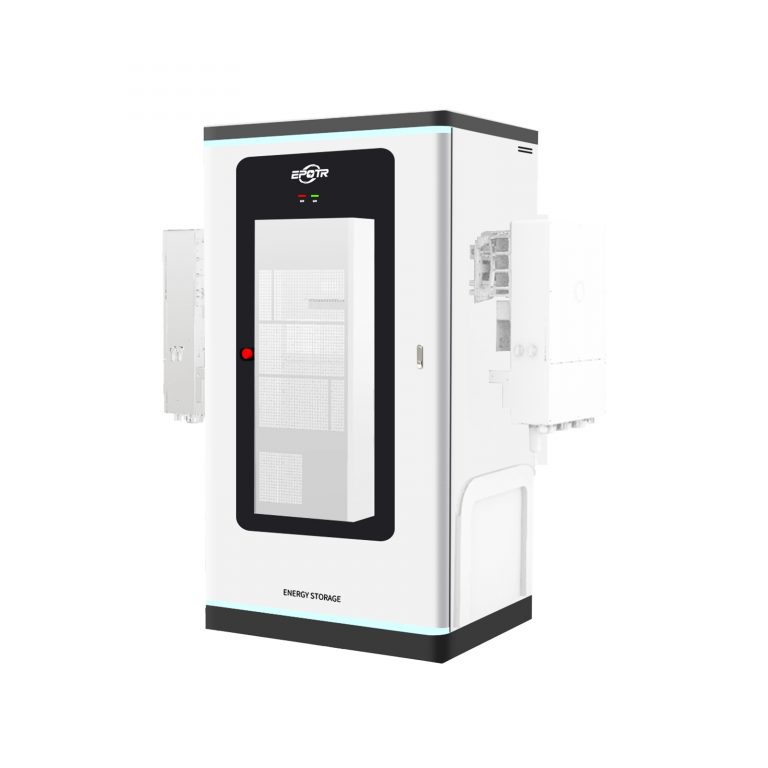
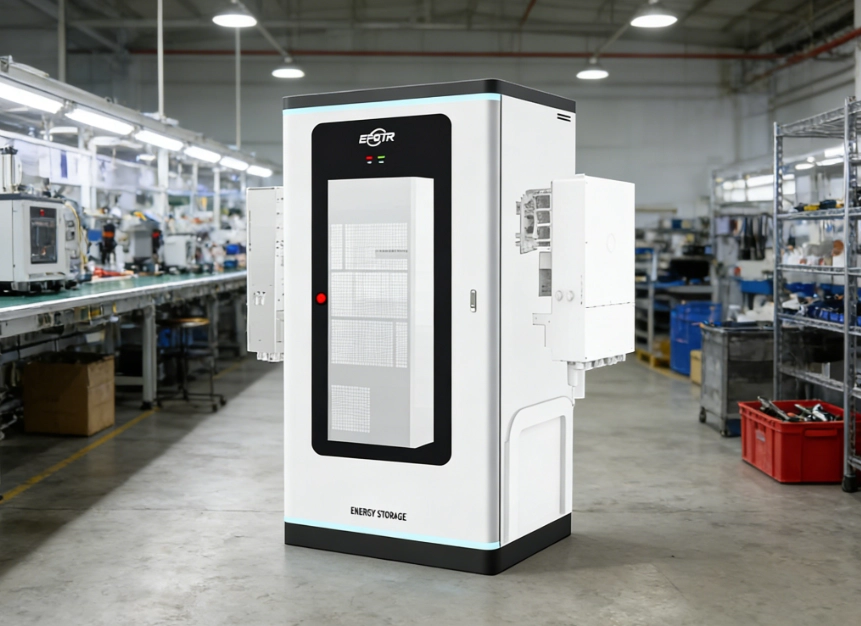
The EP2 All-in-One Hybrid Energy Storage System carefully bundles inverter, battery modules, and control parts into tight, powerful packages. It offers effortless solar linking together with top-level charging and release performance, and the design focuses on safety and long service life.
Seamless Scalability for Growing Industrial Parks
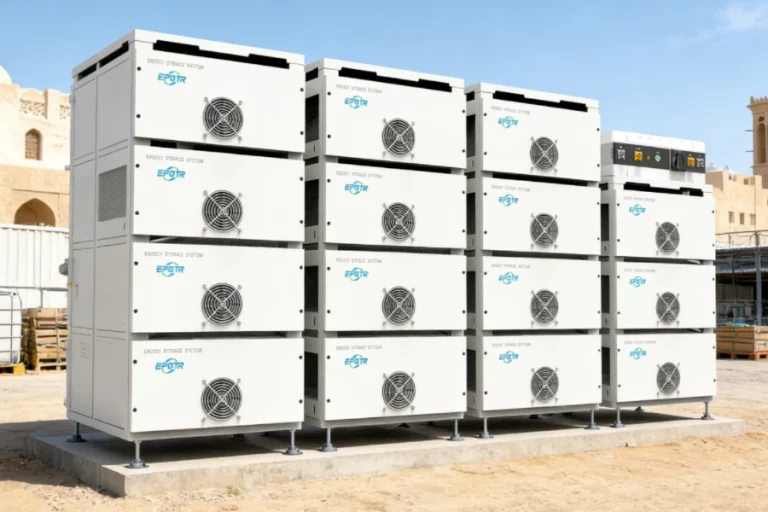
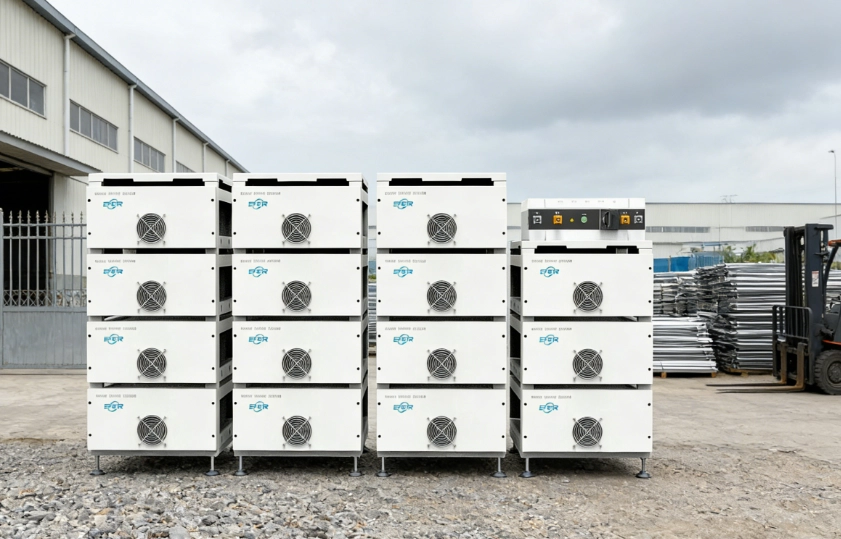
Modular structure enables gradual capacity increases as power requirements expand with fresh tools or more shifts. Several units working side by side readily cover needs up to megawatt range common in today’s transferred factories, and this approach avoids big rewiring jobs later.
High Compatibility and Easy Integration with Existing Infrastructure
These setups pair smoothly with popular inverters and include basic quick-link ports. Strong IP65 shielding guarantees steady operation even in Vietnam’s wet and dusty plant settings, and maintenance stays simple over the years. Discover thorough C&I ESS Solutions information for full technical data.
Real-World Benefits of Deploying C&I ESS in Vietnam
Putting storage into action deeply changes routine work for plants relocating to Vietnam. Companies obtain stronger grip on energy spending while reaching higher operational steadiness.
Uninterrupted Production and Improved Efficiency
Immediate reserve power stops expensive halts whenever grid troubles appear. In African setups mixing local solar with storage, stoppage time decreased by 70 percent and general output effectiveness climbed by around 35 percent on average, and managers reported smoother daily schedules.
Reduced Operational Costs and Faster ROI
Smart peak management combined with renewable mixing greatly brings down regular power statements. European cases using grid frequency help showed extra income rises of 25 to 35 percent each year due to improved supply steadiness, and participants recovered investments quicker.
Enhanced Energy Independence and Sustainability
On-site storage lessens strong reliance on the main grid and at the same time moves forward eco-friendly production targets. This smart benefit builds your stronger standing inside worldwide supply networks that value environmental care highly.
FAQ
Q1: What causes frequent power outages in Vietnam’s industrial areas?
A: Rapid demand growth from manufacturing relocation outpaces supply, combined with hydropower variability and transmission limits, leading to shortages in northern and central regions.
Q2: How do energy storage systems reduce electricity costs for factories?
A: They store power during off-peak low-rate hours and supply during expensive peaks, while integrating solar to offset grid purchases.
Q3: Are storage solutions compatible with solar installations in Vietnam?
A: Yes, hybrid systems seamlessly connect solar arrays, providing stable output despite variable sunlight.
Q4: What scalability options exist for expanding manufacturing operations?
A: Modular all-in-one units allow easy parallel additions, supporting growth from kilowatts to megawatts without major rewiring.
Q5: How quickly can these systems provide return on investment?
A: Through bill savings, diesel replacement, and uptime gains, many achieve payback in a few years, especially under time-of-use tariffs.