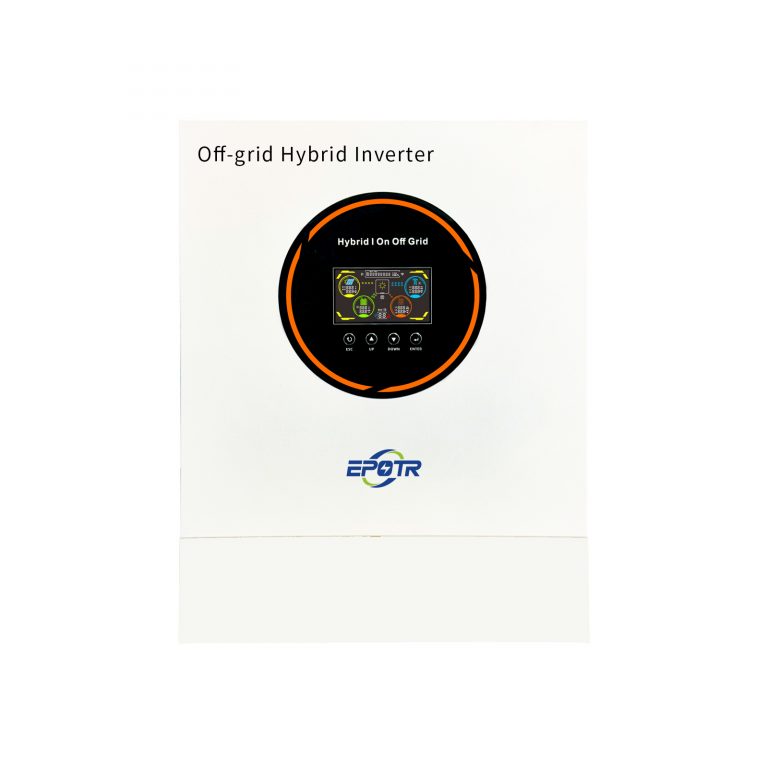
Vietnam is going through a big change in its energy world. Electricity needs are growing fast. The renewable energy area is changing. Urban areas are expanding. So, putting in hybrid energy storage systems (ESS) is now a must. But picking between big capacity and small size ESS is a tough job for people who invest and run them. They want good work, room to grow, and money sense.
EPOTR is a company that uses tech to give smart, joined-up, and steady energy storage fixes. Its goal comes from “Energy Power Optimization Technology Research.” EPOTR works on new ideas that help energy freedom and better running. Their fixes mix strong power parts with smart energy control setups. These fit big factory use and business needs.
What Are the Key Challenges in Deploying Energy Storage Systems in Vietnam?
Vietnam’s energy world has more hard parts because of quick growth. More wind and sun power adds to the mix. ESS helps a lot. But it brings problems too.
Vietnam’s Growing Energy Demand and Grid Instability
The country’s factories and city growth push electricity needs up a lot. More solar and wind power joins in. So, keeping the grid steady is a big worry. ESS helps even out ups and downs. It keeps power steady across the grid.
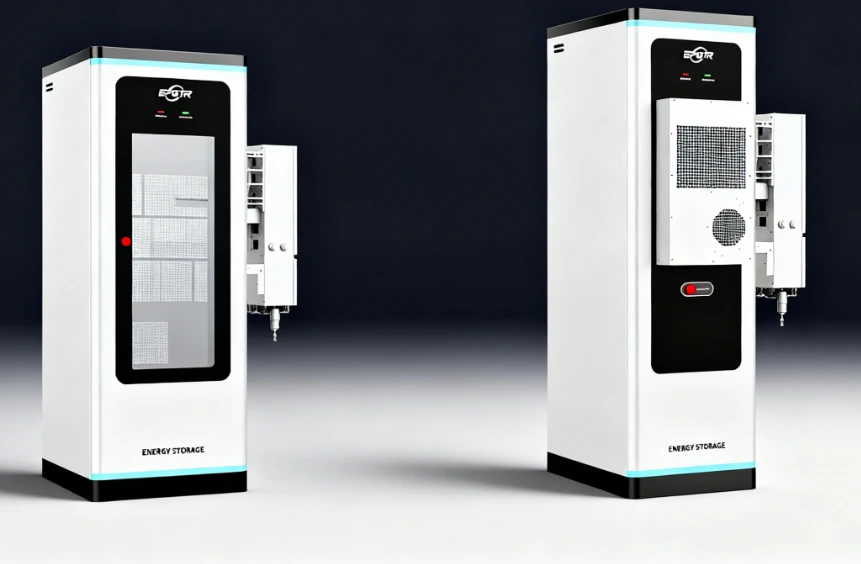
Energy storage systems often have energy storage cabinets and power storage converters (PCSs). These hold extra power from sun power setups. They let it out when needs are high. This cuts top loads and fills low times. It eases stress on the grid. In Vietnam now, sun power is growing fast. But old setups are slow to update. So, these skills matter a lot.
Economic Constraints in Energy Infrastructure Investment
A main block is the big starting cost for ESS setups. How well these pay off depends on things like how well they work, how long they last, and local power prices.
Lithium batteries offer multiple advantages: high energy density, excellent charge-discharge performance, and extended battery life. However, their high cost and the nascent government subsidy policies have raised concerns among investors about the return on investment in Vietnam’s market.
How Does System Size Influence Cost and Efficiency?
Deciding on big capacity or small size ESS means matching how it works to what you need. Each choice has give and take in money spent upfront, how well it runs, and how hard it is to set up.
Comparison Between High Capacity and Small Size ESS Solutions
Big capacity systems fit factory areas or large sun power projects. There, power needs are high and steady. You need power all the time. These often join all main parts. That includes battery packs, PCS, BMS, and EMS.
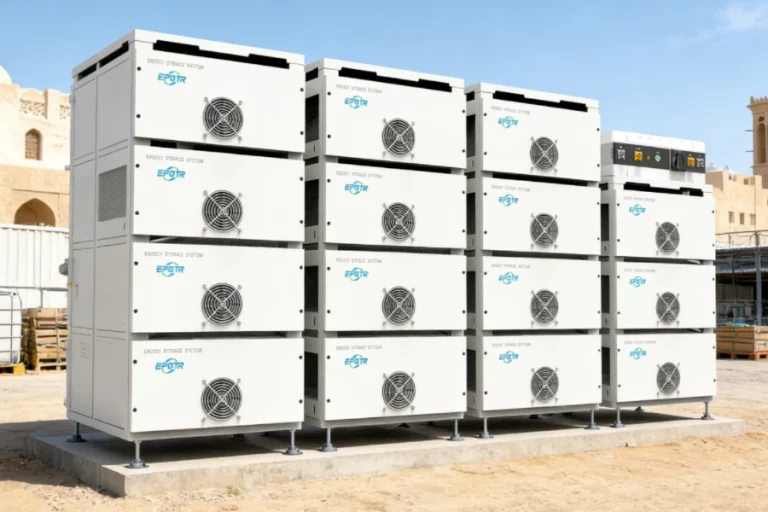
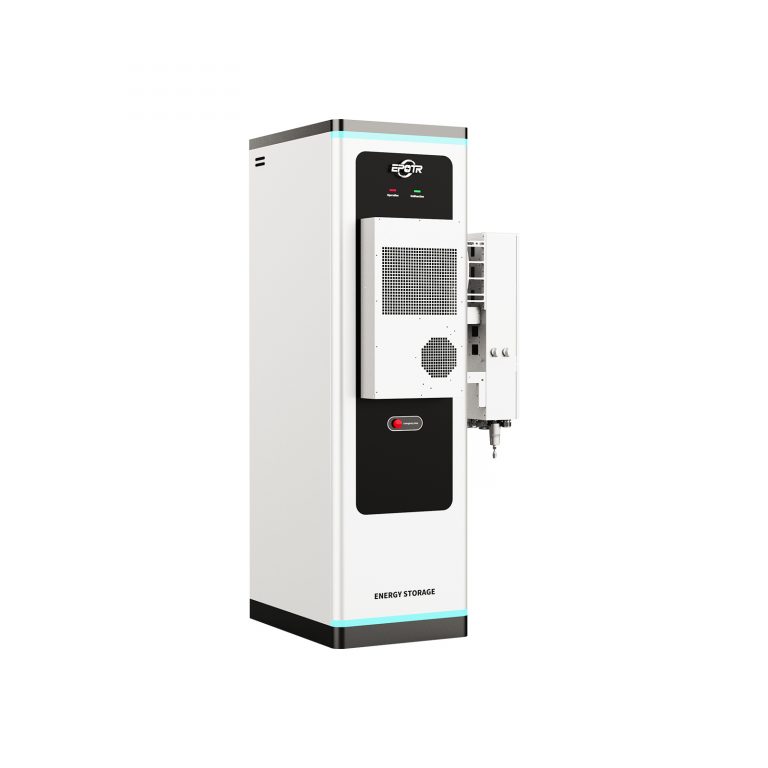
Factory and business energy storage cabinets are joinable systems made for factory and business spots. They handle strong power setups. This gives room to grow for many areas.
On the other hand, small size ESS gives ease for close-by or tight-space places. Think telecom spots or business buildings. Their easy build lets you set them up fast. They need less money to start.
Lifecycle Cost Analysis of Different System Sizes
The full cost to own looks at more than just buying it. It includes upkeep plans, how batteries wear out, and how much power you get over time. For instance:
The battery pack usually uses lithium iron phosphate batteries. These hold a lot. They go through many cycles. They are safe. They charge and use power well. These traits change how much the system costs over its life.
Power loss varies by battery type and size. Big systems can run better with AI help in EMS. This improves how they send out power over many years.
Which Applications Suit High Capacity Hybrid Energy Storage Systems?
Big setups need strong ESS work. High capacity hybrid ESS fit places where trust and growth are key. You can’t skip them.
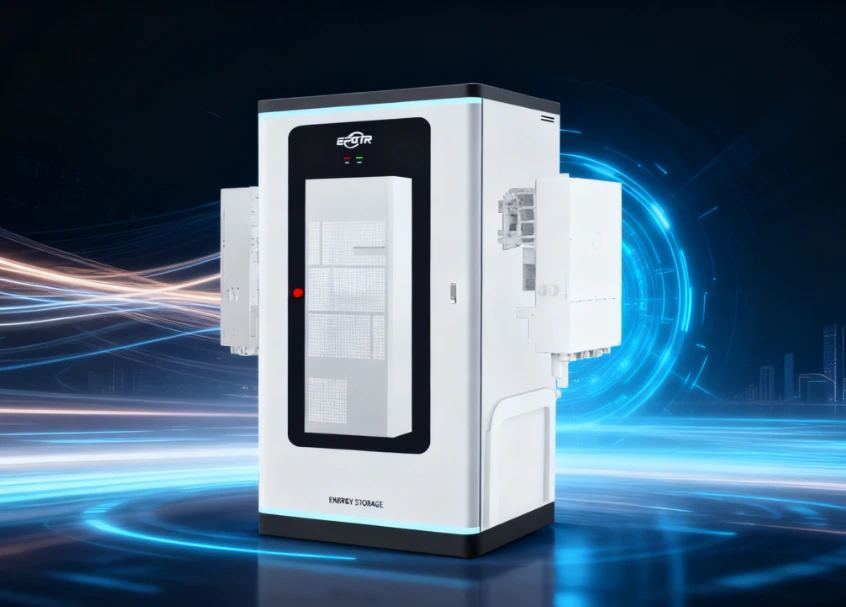
Factory work, data spots, and big sun power projects gain from systems that handle a lot of power. They back many ways to run. Like cutting peaks, moving loads, quick grid help, and extra power.
The energy management system watches and controls battery charge and use right away. It makes best plans based on what users need, price changes, and grid rules. This smart part is key for changing factory power where stops cost a lot of money.
This joinable system puts PCS, BMS, EMS, and lithium iron phosphate battery parts into one box unit. It has a normal hold of up to 241.15 kWh per unit. It grows to 10*50 kW setups. The unit’s EMS helps small grid control, quick grid help, far watch, and time-use fixes. These are main for best money back in hard factory spots.
When Are Small Size Hybrid Systems a Better Fit?
Smaller hybrid ESS units work well for city or spread-out uses. There, space is tight. Or you want quick money back with less spend.
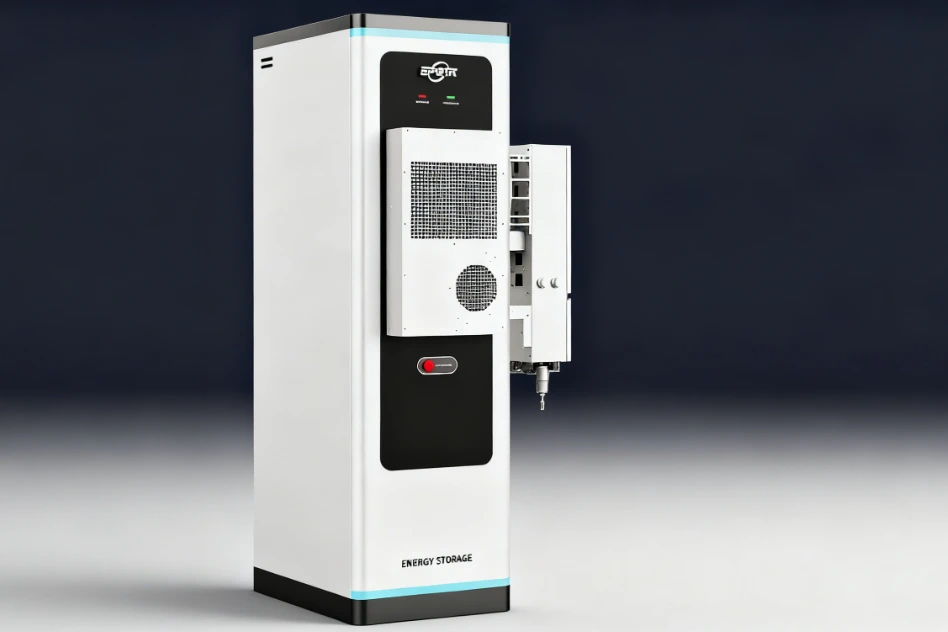
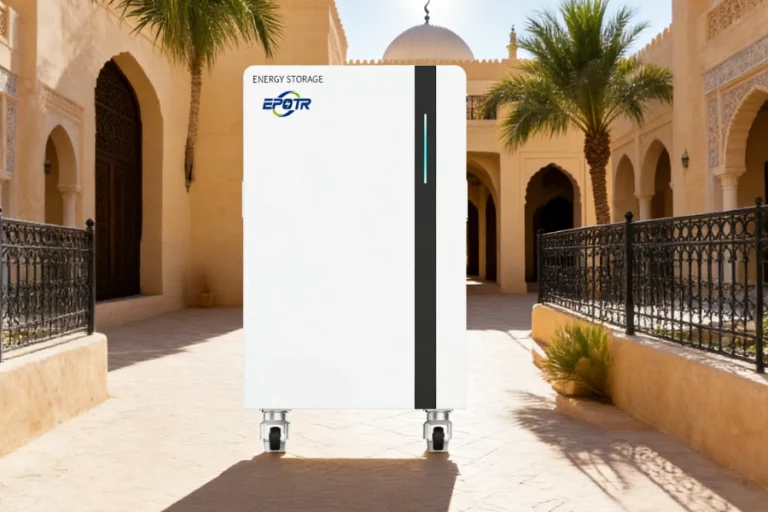
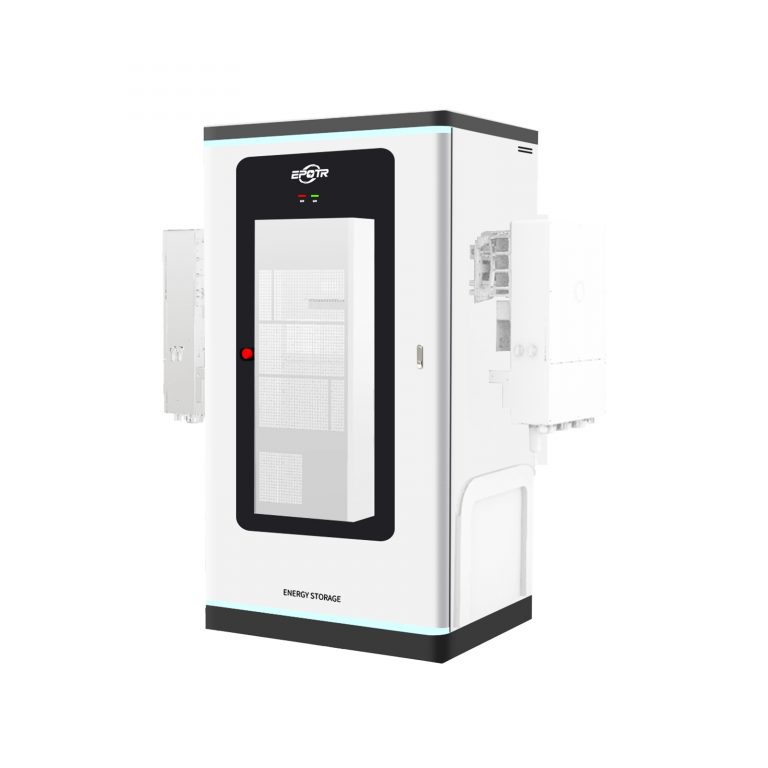
In office areas, shops, or public buildings, small systems cut grid reliance. They help inside power plans. The “All in one” energy storage system splits into two types: outside cabinets and small box goods. It lets many units join for high power and big hold. This meets different user needs.
Also, telecom setups need steady power. Compact ESS fit in old boxes or rooms well.
This setup gives a normal hold of 112.54 kWh with 8000 cycle life at 70% SOH. Its easy plug-in build makes setup simple. Its EMS backs Wi-Fi/Ethernet/CAN/RS485 links for easy join into smart buildings or small grids.
How Can Stakeholders Balance Cost With Performance Expectations?
People who decide must check tech details and money sides. This makes sure their spend fits long-run goals.
Evaluating Technical Metrics vs Economic Payback Periods
Main numbers include how deep you use the battery (DoD), full cycle work, heat control good points, and inverter strength. Check these with things like price plans or extra money from grid help like steady power.
The system has a fast response in milliseconds. It has a strong battery management system (BMS). This handles charge and use, watches health, and warns of problems. Such work lets you join extra services. This speeds up money back.
Tailored Solutions Based on Load Profiles and Site Conditions
Each place has its own power patterns. So, you need custom ESS size plans. Often, a mix works best. Use big units in main spots and small ones in spread-out nodes. This gives the most bend.
This system can work in sun (PV)-storage projects too. Or join sun setups. As you grow work from test to full in many Vietnam spots, the joinable build lets you copy fast. It keeps work steady.
Why Choose EPOTR as a Strategic Partner in Vietnam’s ESS Market?
Picking the right tech friend matters a lot for long success. EPOTR shows out with its new-idea way and real doings in many lands.
Proven Technology Backed by Industry Expertise
With world know-how in hybrid energy tech and special new work, EPOTR gives work-focused goods. These handle tough spots. Like hot weather or hard factory power.
Localized Support and Scalable Deployment Capabilities
From small kW business setups to big MW ones, EPOTR’s mix of items lets easy growth. Local teams help from plan to run.
Commitment to Sustainable Growth in Southeast Asia
EPOTR matches Vietnam’s energy change aims with clean tech new ideas. It builds steady ties with builders, power companies, factory areas, and local leaders.
FAQ
Q1: What challenges does Vietnam face when deploying energy storage systems?
A: Vietnam sees rising electricity needs from city growth and factory boom. Plus, uneven sun and wind power tests grid steadiness. Money blocks stay from high start costs.
Q2: How does system size affect the cost-efficiency of an energy storage solution?
A: Big capacity systems give better money save for factory use. But they cost more at first. Small size systems fit close uses with quicker money back. Yet they grow less.
Q3: Which sectors benefit most from high capacity hybrid ESS?
A: Areas like making plants, big sun farms, and data centers gain from strong systems. These cut peaks, move loads, and give backup power.