
بالنسبة لأصحاب الأعمال في الفلبين، لا تُعدّ الطاقة مجرد تكلفة خدمات، بل هي جزء لا يتجزأ من العمليات اليومية، وتجربة العملاء، وحماية المخزون، وتخطيط الإنتاج. فندق صغير في بالاوان، وغرفة تبريد للمأكولات البحرية قرب الساحل، ومجمع تجاري في سيبو، ومصنع صغير خارج مانيلا، لا يستخدمون الطاقة بالطريقة نفسها، لكنهم يشتركون في نفس المشكلة: عدم استقرار إمدادات الشبكة، وارتفاع تكلفة مولدات الديزل الاحتياطية، وهدر الطاقة الشمسية في حال عدم وجود نظام تخزين موثوق.
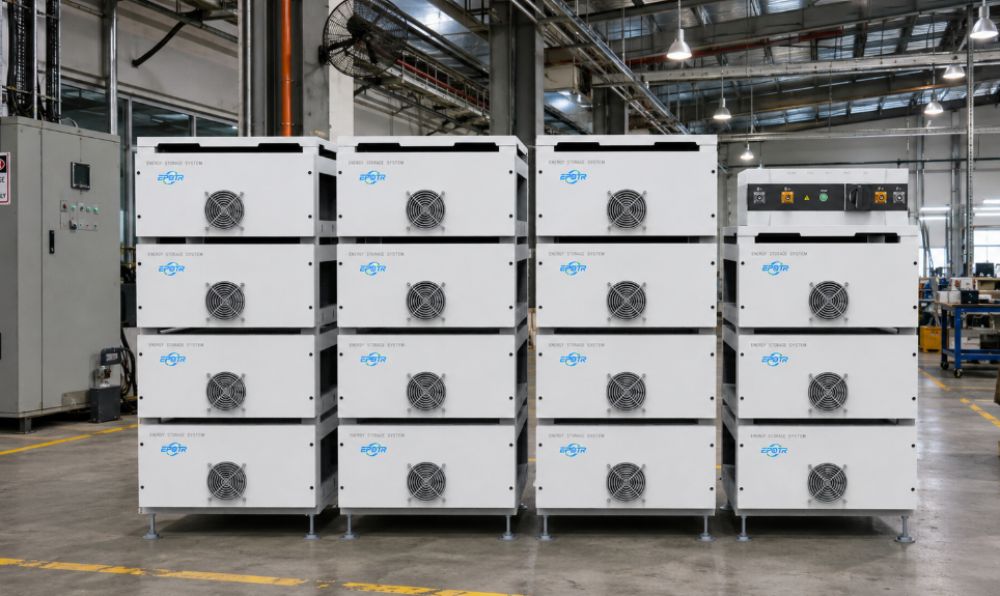
لماذا ينبغي على مشتري السلع التجارية والصناعية في الفلبين البدء بنوع الحمولة؟
قبل التحقق من السعر، عليك معرفة نوع الحمل الذي سيتحمله النظام. فالمطعم يحتوي على ثلاجات، ومكيفات هواء، وإضاءة، وأنظمة نقاط بيع، ومراوح شفط، وأحيانًا مضخات مياه. أما المصنع الصغير فقد يحتوي على محركات، وضواغط، ومعدات لحام، وخطوط تعبئة، وأجهزة مكتبية. هذه الأجهزة لا تستهلك الطاقة بالتساوي.
يبدأ اتخاذ قرار سليم بشأن تخزين الطاقة في قطاعي الصناعة والتجارة بثلاثة أرقام: ذروة الطاقة، والاستهلاك اليومي للطاقة، وساعات التشغيل الاحتياطي. إذا كانت هذه الأرقام غير دقيقة، فقد تبدو البطارية اقتصادية على الورق، لكنها قد تتعطل أثناء التشغيل الفعلي.
ذروة الحمل ووقت النسخ الاحتياطي
بالنسبة للمواقع التجارية، فإن الكيلوواط والكيلوواط ساعة ليسا الشيء نفسه.
يشير مصطلح kW إلى مقدار الطاقة التي يمكن للنظام توفيرها في وقت واحد. أما مصطلح kWh فيشير إلى المدة التي يمكن للنظام خلالها تشغيل المعدات.
على سبيل المثال، يمكن لنظام طاقة بقدرة 50 كيلوواط/100 كيلوواط ساعة أن يخدم احتياجات أعمال مختلفة عن نظام طاقة بقدرة تتراوح بين 100 و243 كيلوواط ساعة. قد يناسب النظام الأول المستخدمين التجاريين الصغار، أو فروع المتاجر، أو محطات الخدمة في الجزر، أو أنظمة الطاقة الاحتياطية المستخدمة في قطاع الاتصالات. أما الأنظمة الأكبر حجماً، فتُناسب المنتجعات، والمستودعات، ومخازن التبريد، والمصانع، أو المواقع التي تحتاج إلى طاقة احتياطية لفترات أطول أو استخدام ذاتي أكبر للطاقة الشمسية.
السؤال الأمثل للشراء بسيط: ما هي الأحمال التي يجب أن تبقى قيد التشغيل عند انقطاع التيار الكهربائي؟ ليس كل مصباح ومروحة وجهاز يحتاج إلى طاقة احتياطية. تجميع الأحمال الحرجة يجعل النظام أصغر حجمًا وأقل تكلفة وأكثر عملية.
الميزة الأولى: الأمان مع بطارية LiFePO4 وحماية متعددة الطبقات
تُعدّ السلامة أول ما يجب التحقق منه، لأن المواقع التجارية في الفلبين غالباً ما تعمل في ظروف حارة ورطبة ومحدودة المساحة. وتُعدّ التركيبة الكيميائية للبطارية مهمة، وكذلك تصميم الحماية الذي يدعمها.
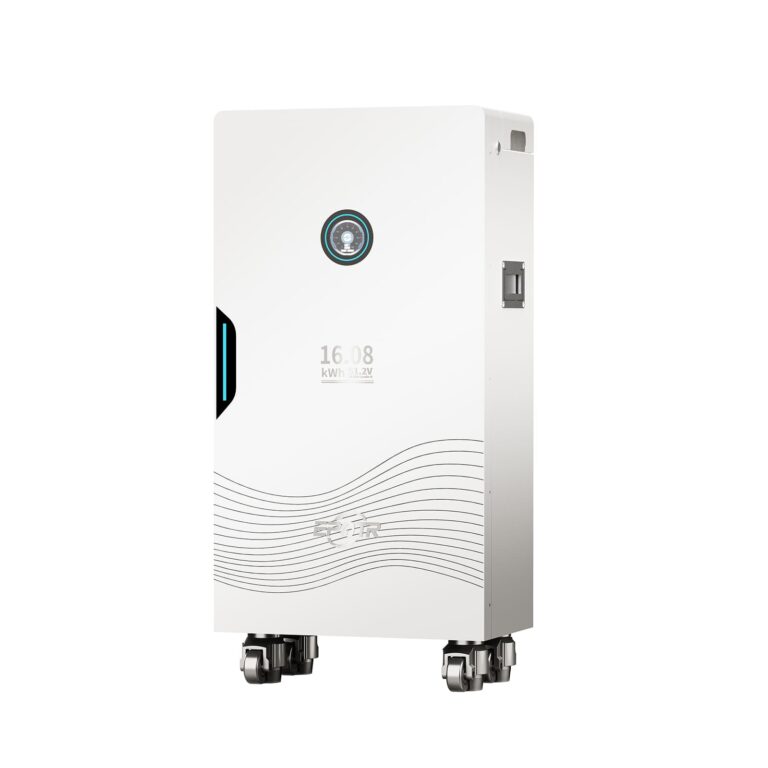
تستخدم أنظمة تخزين الطاقة EPOTR تقنية بطاريات LiFePO4 في العديد من خطوط إنتاجها. تُستخدم هذه التقنية على نطاق واسع في تخزين الطاقة نظرًا لما توفره من استقرار حراري ممتاز، وعمر خدمة طويل، وأداء أكثر أمانًا مقارنةً بأنواع بطاريات الليثيوم الأخرى. في حزمة بطاريات ESS-HV، يجمع النظام بين خلايا LFP ونظام إدارة البطارية الذكي (BMS) وأجهزة الحماية. تشمل حماية البطارية الحماية من التيار الزائد، والجهد الزائد، وقصر الدائرة، وانخفاض الجهد، وارتفاع درجة الحرارة.
ما يجب عليك التحقق منه في تصميم السلامة
لا ينبغي لنظام تخزين البيانات الجاد في قطاع الاتصالات والبنية التحتية أن يكتفي بذكر سعة البطارية فقط. بل يجب عليك التحقق مما يلي:
- كيمياء البطاريات، ويفضل استخدام LiFePO4 للتخزين التجاري
- منطق حماية نظام إدارة المباني
- حماية من ارتفاع درجة الحرارة
- حماية من قصر الدائرة
- حماية من التيار الزائد والجهد المنخفض
- الاتصالات مثل CAN أو RS485
- وثائق الاعتماد مثل CE و UN38.3 و MSDS والمعايير الكهربائية ذات الصلة
هذا الجزء ليس مثيراً للاهتمام، ولكنه يوفر الوقت والجهد لاحقاً. في مجال شراء أنظمة تخزين الطاقة، غالباً ما تكون تفاصيل السلامة الروتينية هي التي تُبقي المشروع قائماً.
الميزة الثانية: سعة معيارية تناسب الشركات الصغيرة والمتنامية
نادراً ما يرغب مشترو العقارات التجارية والصناعية في الفلبين في إجابة واحدة ثابتة. قد يبدأ منتجع شاطئي بتوفير أنظمة احتياطية لمكتب الاستقبال، والتبريد، وإضاءة مناطق الضيوف، ثم يضيف لاحقاً أنظمة الطاقة الشمسية. وقد يقوم سوبر ماركت صغير بحماية أنظمة التبريد ونقاط البيع أولاً، ثم يضيف أنظمة تكييف هواء احتياطية بعد التحقق من الوفورات الفعلية.
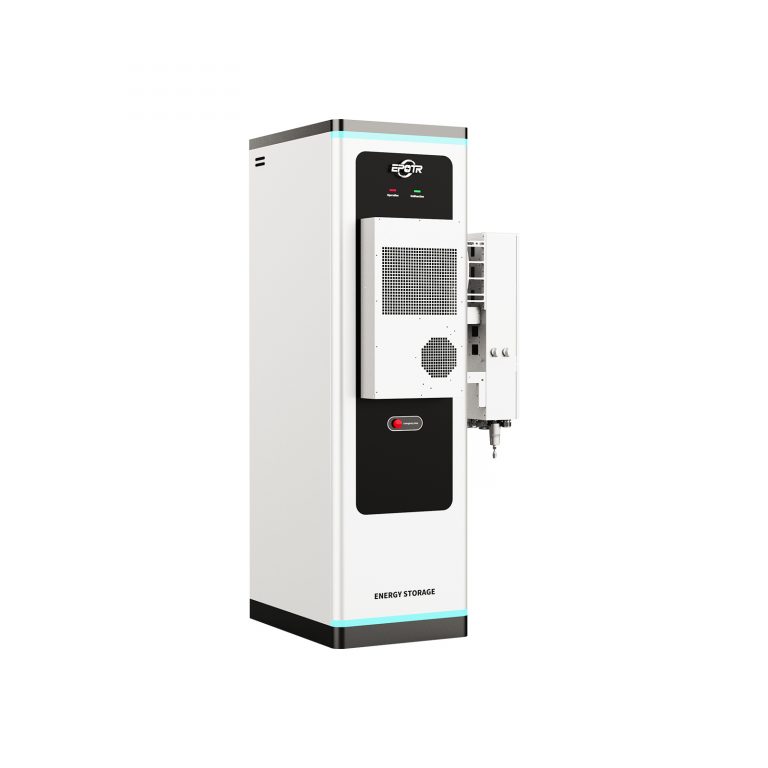
لهذا السبب تُعدّ المرونة في التصميم أمرًا بالغ الأهمية. تشمل مجموعة حلول التخزين من EPOTR منتجات تجارية وصناعية تتراوح سعتها من 100 كيلوواط/ساعة إلى 243 كيلوواط/ساعة، ويمكن للمشترين أيضًا النظر في خيارات أخرى. C& حلول ESS عندما يحتاج الموقع إلى تكوين أكثر ارتباطًا بالمشروع.
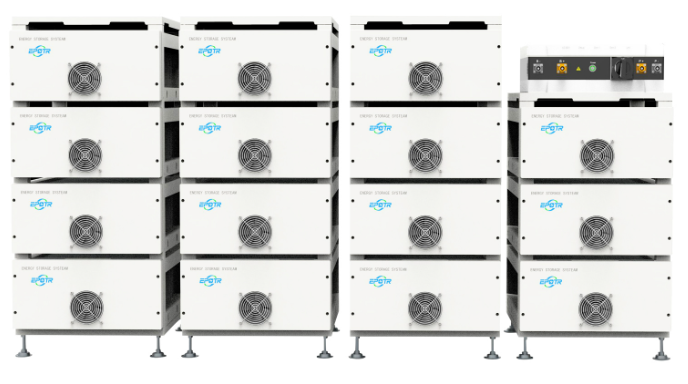
لماذا يساعد تصميم البطاريات المعياري على تقليل المخاطر
يُعدّ نموذج البطاريات المعيارية الجديد مفيدًا لمختلف أحجام المتاجر، إذ يتميّز بميزتين عمليتين: التكلفة المنخفضة نسبيًا والمساحة الأصغر. بالنسبة للمشترين الذين لديهم غرف كهربائية محدودة أو مساحات خلفية ضيقة، يُسهّل هذا النموذج عملية تركيب المشروع في الموقع. فليس دائمًا ما يتوفر لديك سطح خرساني مثالي بجوار المبنى، وأحيانًا تكون المساحة المتاحة الوحيدة هي بجوار ممر الخدمات أو غرفة المضخات أو ركن المرافق.
يمكن أن يساعدك نظام البطاريات المعياري على:
- ابدأ بسعة تتناسب مع الحمل الفعلي اليوم
- أضف المزيد من سعة التخزين لاحقًا مع زيادة الألواح الشمسية أو ساعات العمل. يمكنك إضافة المزيد من السعة لاحقًا مع زيادة عدد الألواح الشمسية أو ساعات العمل.
- تقليل ضغط الاستثمار الأولي
- استخدم المساحة بعناية أكبر
- نوفر خدماتنا للمتاجر الصغيرة والمتوسطة والمنتجعات والمستخدمين الصناعيين الخفيفين ذوي الاحتياجات المختلفة من حيث السعة.
بالنسبة للموزعين الفلبينيين، يُسهّل هذا الأمر المبيعات أيضاً. إذ يُمكن لمنطق منتج واحد أن يخدم مستويات شراء متعددة بدلاً من إجبار جميع العملاء على شراء نفس المنتج الضخم.
الميزة الثالثة: نظام إدارة الطاقة الذكي للاستخدام مع الطاقة الشمسية وتقليل استهلاك الديزل
تُعدّ الطاقة الشمسية خيارًا جذابًا في الفلبين، ولكن حتى بدون تخزين الطاقة، قد تُهدر بعض الطاقة. قد يتجاوز إنتاج الطاقة في منتصف النهار الطلب، بينما يبقى استهلاك الطاقة مرتفعًا في المساء. بالنسبة للشركات التي تعتمد على الطاقة الشمسية نهارًا وتستهلك الطاقة ليلًا، يُمكن لنظام تخزين الطاقة تخزين الفائض من الطاقة وإطلاقه لاحقًا.
تصف قاعدة المعرفة أنظمة تخزين الطاقة الشمسية المتكاملة باستخدام بطاريات فوسفات الحديد الليثيوم، ومحولات ذكية بكفاءة تحويل تصل إلى 98.5%، ووحدات إنترنت الأشياء، ومنصة ذكية لإدارة الطاقة للمراقبة والتحكم عن بُعد. في مثال تطبيقي إقليمي، ساهم هذا الحل في خفض معدل انقطاع التيار الكهربائي بنسبة 70%، ورفع كفاءة الإنتاج الصناعي بنسبة 35%، وزيادة استخدام الطاقة الشمسية من أقل من 30% إلى 75%، وخفض تكاليف الكهرباء للمنشآت التجارية والصناعية الصغيرة بنسبة 60%، وتقليل استخدام مولدات الديزل بنسبة 80%.
لماذا تُعدّ أنظمة إدارة الطوارئ أكثر أهمية من البطاريات الكبيرة؟
حتى البطارية الكبيرة التي لا تحتوي على نظام تحكم ذكي قد تُهدر المال. يساعد نظام إدارة الطاقة (EMS) في تحديد وقت الشحن والتفريغ، وكيفية الاستجابة لتغيرات الشبكة والطاقة الشمسية والحمل.
بالنسبة للشركات الفلبينية، يمكن استخدام خدمات البريد الإلكتروني للأغراض التالية:
- الاستهلاك الذاتي للطاقة الشمسية خلال النهار
- تقليل ذروة الطلب على الطاقة عند ارتفاع الطلب عليها
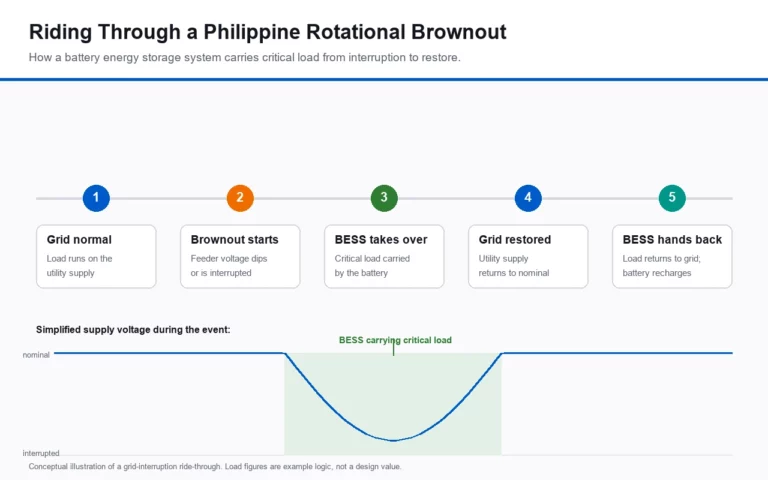
- التحويل الاحتياطي عند انقطاع التيار الكهربائي من الشبكة
- التحقق عن بعد للشركات متعددة الفروع
- دعم مولد الديزل، وبالتالي ينخفض استهلاك الوقود بدلاً من التشغيل طوال الليل
لمزيد من خيارات المشاريع، قسم الحلول يمكننا توجيه المشترين الذين يحتاجون إلى أنظمة تخزين الطاقة الشمسية، أو أنظمة احتياطية للشركات والمؤسسات، أو أنظمة على غرار الشبكات الصغيرة.
الميزة الرابعة: التوافق مع أنظمة الطاقة الشمسية، والمحولات، والشبكات الصغيرة
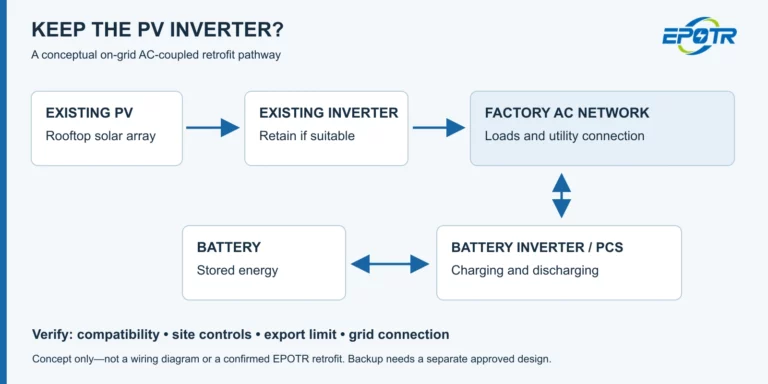
يسهل تجاهل مسألة التوافق حتى يوم التركيب. في الفلبين، لا تُبنى العديد من المشاريع من الصفر. قد تمتلك الشركات بالفعل ألواحًا شمسية، أو مولدًا كهربائيًا، أو محولًا من علامة تجارية معروفة، أو نظامًا احتياطيًا قديمًا. لذا، يجب أن يتناسب نظام التخزين مع هذه الظروف.
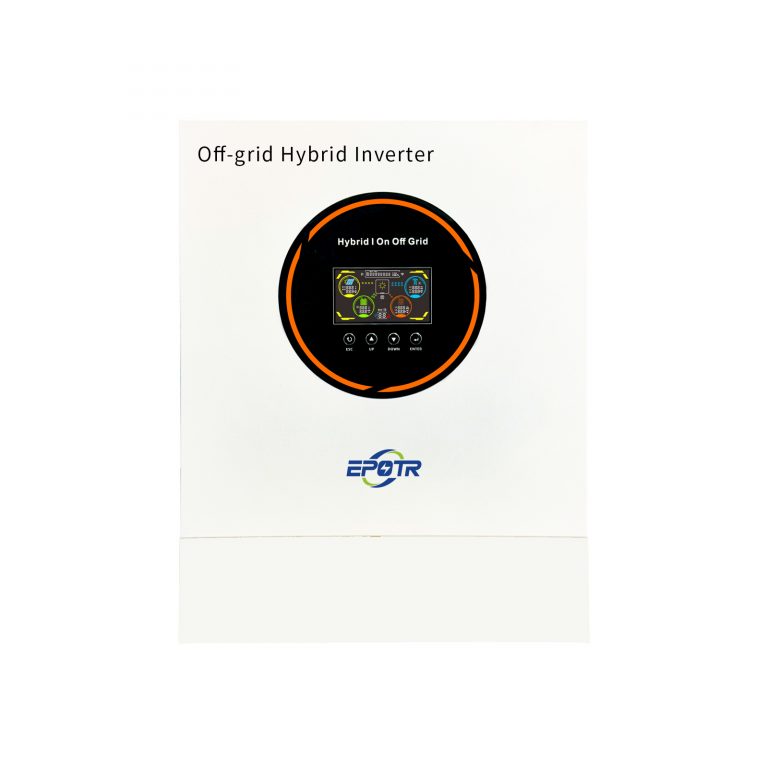
تتميز مجموعة محولات الطاقة الهجينة خارج الشبكة من EPOTR بأنها أجهزة داخلية مزودة بحماية IP20 وتصميم يُثبّت على الحائط للاستخدام المنزلي. وهي مناسبة بشكل خاص لدول جنوب شرق آسيا ذات الجزر الكثيرة، مثل الفلبين وإندونيسيا وماليزيا. عند دمجها مع بطاريات التخزين والألواح الشمسية، يمكنها تشكيل شبكة طاقة صغيرة مستقلة عن الطاقة الشمسية والتخزين. تتوافق منتجات محولات الطاقة من EPOTR مع معظم موردي بطاريات التخزين المحليين، بينما تتوافق بطاريات التخزين الخاصة بها مع أكثر من 90% من محولات الطاقة الهجينة الشائعة.
أين يفيد هذا في السوق الفلبينية
هذا الأمر مهم بالنسبة للمنتجعات الجزرية والمتاجر الريفية والمزارع ومرافق صيد الأسماك وورش العمل الصغيرة حيث تكون الشبكة الكهربائية ضعيفة أو غير موثوقة دائمًا.
قد تتضمن الشبكة المصغرة لتخزين الطاقة الشمسية ما يلي:
- ألواح الطاقة الشمسية الكهروضوئية لتوليد الطاقة خلال النهار
- بطاريات تخزين للاستخدام في المساء أو أثناء انقطاع التيار الكهربائي
- محول هجين لتحويل الطاقة والتحكم بها
- مولد كهربائي أو مدخل طاقة كنسخة احتياطية
- الاتصال عن بعد للتحقق من حالة الأنظمة
يمكن لبعض نماذج العاكسات الهجينة غير المتصلة بالشبكة العمل حتى بدون بطاريات عند توفر ضوء الشمس. على سبيل المثال، يتميز طراز MKSII 5K بقدرة اسمية 5000 فولت أمبير/5000 واط، وقدرة قصوى لمصفوفة الألواح الكهروضوئية تبلغ 4500 واط، وتيار شحن شمسي 80 أمبير، وكفاءة قصوى 90%، وقدرة تشغيل مضاعفة لمدة 5 ثوانٍ للأحمال الميكانيكية. تُعد هذه التفاصيل المتعلقة بالأحمال الميكانيكية مفيدة للمضخات والضواغط والأدوات التي تتطلب طاقة بدء تشغيل عالية.
الميزة الخامسة: متانة عالية في مواجهة الحرارة والرطوبة والمواقع الخارجية
ينبغي اختيار أنظمة تخزين الطاقة التجارية في الفلبين بما يتناسب مع البيئة المحلية. فالحرارة، وهواء البحر، والرطوبة، والغبار، ومحدودية الوصول للصيانة، كلها عوامل مهمة. ويجب أن يكون نظام التخزين المستخدم بالقرب من المنتجعات الساحلية أو نقاط الخدمة في الجزر أكثر من مجرد خزانة أنيقة مع كتيب دعائي جذاب.
تستخدم بعض أنظمة EPOTR حماية IP65، وتبريدًا طبيعيًا، وتحكمًا ذكيًا في درجة الحرارة، واتصالًا عبر Wi-Fi أو Ethernet أو 4G أو CAN أو RS485، وذلك حسب طراز المنتج. كما يتميز حل EP3 المتكامل بتصميم IP65، وتغطية طاقة من 5 إلى 12 كيلوواط، ووحدتي MPPT، وتوصيل وحدات قابلة للتوصيل، ولا يتطلب سوى 12 برغيًا للتركيب. ورغم أن EP3 مصمم أساسًا للاستخدام السكني ثلاثي الأطوار، إلا أن تصميمه مناسب أيضًا للمشترين التجاريين الصغار: هيكل صغير الحجم، وتركيب أسهل، وإدارة أكثر أمانًا للبطارية، ودعم ظروف التيار ثلاثي الأطوار غير المستقرة.
ما يجب السؤال عنه قبل الشراء
قبل توقيع طلب C&I ESS، اطرح هذه الأسئلة المباشرة:
- هل يستطيع النظام تحمل ذروة الحمل وتيار بدء التشغيل في الموقع؟
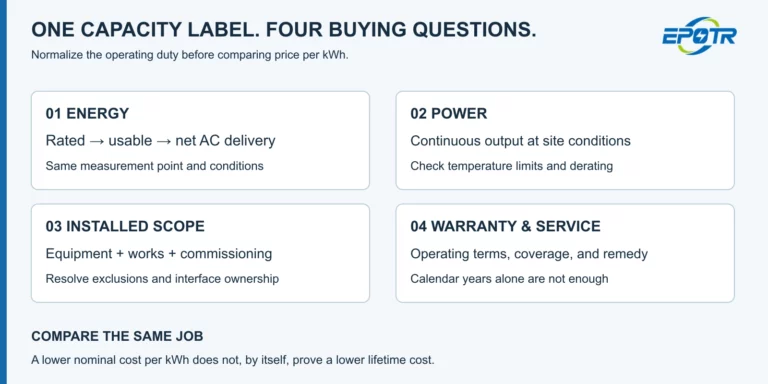
- ما هي الطاقة القابلة للاستخدام، وليس فقط إجمالي الطاقة؟
- هل تستخدم البطارية كيمياء LiFePO4؟
- ما هي وسائل الحماية التي تتضمنها أنظمة إدارة المباني (BMS)؟
- هل يمكن توسيع الطاقة الاستيعابية لاحقاً؟
- ما هي طرق الاتصال المدعومة؟
- هل الغلاف مناسب لموقع التركيب؟
- هل يمكن للنظام أن يعمل مع معدات الطاقة الشمسية الكهروضوئية أو المولدات أو العاكسات الموجودة؟
- هل تتوفر وثائق الاعتماد؟
- من سيتولى دعم عملية التهيئة ومناقشة خدمات ما بعد البيع؟
ينبغي للمورد الجيد أن يجيب على هذه الأسئلة دون أن يجعل العملية تبدو وكأنها محاضرة.
كيف تختار نظام أمن المعلومات والاتصالات المناسب لشركتك؟
لا ينبغي لصاحب عمل في الفلبين شراء أنظمة تخزين الطاقة لمجرد استخدامها كاحتياطي. فالاحتياطي ليس سوى استخدام واحد. تكمن القيمة الحقيقية في الجمع بين التخزين الاحتياطي، والاستخدام الذاتي للطاقة الشمسية، وتقليل ذروة الطلب، وتقليل استهلاك المولدات، والتوسع المستقبلي.
EPOTR تركز الشركة على منتجات تخزين الطاقة التي تجمع بين تصنيع البطاريات، وإلكترونيات الطاقة، وإدارة الطاقة الذكية، وتقنية الطاقة الشمسية، والتحكم في توزيع الطاقة، ومعدات الاتصالات، وقدرات تكامل الأنظمة. تشمل منتجاتها حزم بطاريات تخزين الطاقة المنزلية، والمحولات الهجينة، والمحولات الهجينة خارج الشبكة، ومنتجات تخزين الطاقة الصناعية والتجارية بسعات تتراوح من 100 كيلوواط/ساعة إلى 243 كيلوواط/ساعة، بما في ذلك تكوينات 50 كيلوواط/100 كيلوواط/ساعة. بالنسبة للمشترين في القطاعين التجاري والصناعي في الفلبين، لا يكمن جوهر الأمر في شراء أكبر خزانة، بل في اختيار نظام يلائم احتياجاتهم من حيث الحمل، ومساحة الموقع، وخطة الطاقة الشمسية، واحتياجات الطاقة الاحتياطية، والتوسع المستقبلي.
بالنسبة للمتاجر الصغيرة والعيادات ومراكز الاتصالات ومتاجر البقالة، قد تكون البطارية المعيارية المدمجة خيارًا أفضل كبداية لأنها تحافظ على التكلفة والمساحة تحت السيطرة. أما بالنسبة للفنادق ومخازن التبريد والمصانع والمنتجعات الجزرية، C& حلول ESS يمكن أن يدعم التخطيط الذي يتراوح بين 100 كيلوواط ساعة و243 كيلوواط ساعة بشكل أفضل ساعات التشغيل الأطول والأحمال الحرجة الأكبر.
توفر شركة EPOTR أيضًا إمكانيات تجارية أوسع في مكونات الخلايا الكهروضوئية، وتصنيع البطاريات، ومكونات إلكترونيات الطاقة، ومعدات توزيع الطاقة الذكية، وتطوير البرمجيات، وخدمات تقنية إنترنت الأشياء، والخدمات الفنية للطاقة الشمسية، ومعدات التحكم في الطاقة. بالنسبة للمشترين الذين يحتاجون إلى مناقشة مشروع حقيقي بدلاً من منتج قياسي في الكتالوج، فإن قسم "حول" و قناة الاتصال تُعد هذه خطوات تالية مفيدة.
أسئلة متكررة
س1: ما هو حجم نظام تخزين الطاقة C&I المناسب لشركة فلبينية؟
ج: يعتمد ذلك على ذروة الأحمال، وساعات النسخ الاحتياطي، والاستهلاك اليومي للطاقة. قد تفكر المواقع التجارية الصغيرة في أنظمة بقدرة 50 كيلوواط/100 كيلوواط ساعة، بينما قد تحتاج الفنادق وغرف التبريد والمصانع والمشاريع في الجزر إلى أنظمة بقدرة تتراوح بين 100 كيلوواط ساعة و243 كيلوواط ساعة أو تخطيط مشاريع أكبر.
س2: لماذا تعتبر كيمياء بطارية LiFePO4 مهمة لأنظمة تخزين الطاقة C&I؟
ج: تتميز بطاريات LiFePO4 بمستوى أمان عالٍ، وعمر تشغيلي طويل، وأداء مستقر. كما تستخدم أنظمة بطاريات EPOTR نظام إدارة البطارية (BMS) للحماية من مخاطر التيار الزائد، والجهد الزائد، وقصر الدائرة، وانخفاض الجهد، وارتفاع درجة الحرارة.
س3: هل يمكن لأنظمة تخزين الطاقة من C&I أن تقلل من استخدام مولدات الديزل في الفلبين؟
ج: نعم. عندما تعمل الطاقة الشمسية وتخزين البطاريات والتحكم في العاكس ونظام إدارة الطاقة معًا، يمكن تشغيل مولدات الديزل بوتيرة أقل. في إحدى حالات التخزين الإقليمية، انخفض استخدام مولدات الديزل بنسبة 80%، بينما انخفضت تكلفة الكهرباء لمستخدمي القطاع التجاري والصناعي الصغار بنسبة 60%.
س4: هل تصميم البطاريات المعيارية أفضل للتجار الصغار؟
ج: يمكن ذلك. يتميز نموذج البطارية المعيارية الجديد بتكلفة أقل نسبيًا وحجم أصغر، لذا فهو يناسب المتاجر والعيادات والمستودعات الصغيرة والشركات المتنامية التي تحتاج إلى التخزين دون شغل مساحة كبيرة.
س5: هل يمكن استخدام محولات الطاقة الهجينة خارج الشبكة في الشبكات الصغيرة لجزر الفلبين؟
ج: نعم. محولات الطاقة الهجينة خارج الشبكة من EPOTR هي وحدات داخلية مثبتة على الحائط بتصنيف IP20، وهي مناسبة لأسواق جنوب شرق آسيا ذات الكثافة السكانية العالية في الجزر. وبفضل الألواح الشمسية وبطاريات التخزين، يمكنها تشكيل شبكة طاقة شمسية صغيرة مستقلة لتخزين الطاقة للمنازل والمواقع التجارية الصغيرة.