
A workshop can have a 100 kW peak and still need very different storage from another site with the same headline demand. Motor starts, CNC controls, compressors, ventilation, lighting, and office loads do not all need backup for the same length of time, and peak shaving follows a different operating rule from outage support. For an all-in-one C&I ESS, power capability, usable energy, reserve state of charge, and transfer logic should be sized from the measured load profile. The quotation becomes meaningful only after the site decides which equipment must ride through an outage and which demand peaks are actually worth shaving.
Separate the Power Problem from the Energy Problem
- C&I ESS sizing should start with the load curve, not a single peak-demand number.
- Short outages and peak shaving need different reserve logic, switching priorities, and inverter checks.
- Container or cabinet selection should include thermal management, protection devices, and service access.
Workshop Backup Starts with Load Segmentation
An all-in-one C&I ESS becomes useful when the workshop knows which loads must stay online during a grid interruption. A compressor, CNC controller, lighting circuit, office server, and ventilation fan do not have the same starting current or economic value. Grouping them by restart risk prevents a battery system from being sized around the wrong equipment.
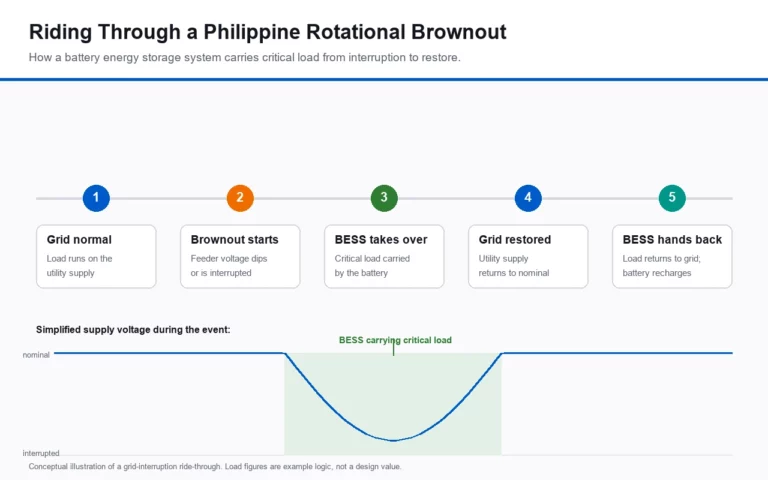
Short outages are especially common in facilities that cannot afford uncontrolled shutdowns but do not need hours of full production backup. The design target may be fifteen to sixty minutes of controlled operation, safe shutdown, or bridge power until a generator starts.
Peak Shaving Is a Different Operating Case
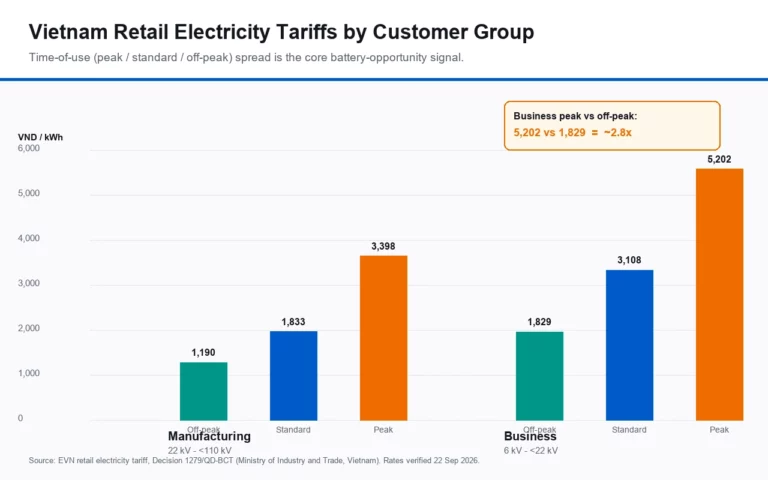
Peak shaving is about reducing maximum demand during predictable load windows. Outage backup is about holding reserve energy for unexpected events. If the same battery is asked to do both without a priority rule, the system may save a little demand charge in the afternoon and fail to protect equipment later.
The control plan should define minimum reserve, maximum discharge power, charge windows, and the loads that can be interrupted first. This is where an energy management system matters as much as battery capacity.
Safety and Protection Should Be Treated as Design Inputs
Protection layout should be part of sizing from the beginning. Requirements associated with industrial battery storage safety standards affect isolation, overcurrent protection, emergency access, ventilation, alarms, and the way the system can be maintained without exposing workers to unnecessary risk.
For indoor or semi-indoor sites, cable trays, clearances, maintenance routes, and heat exhaust paths should be checked before equipment is ordered. A system that fits electrically but blocks service access will become expensive to maintain.
Reference Sizing Matrix
| Workshop Condition | ESS Design Focus | Data to Collect | Risk If Missed |
| Frequent short outages | Backup reserve and transfer behavior | Essential loads, outage length, restart sequence | Production stops despite available battery capacity |
| High afternoon demand | Discharge schedule and PCS output | 15-minute demand curve, tariff window | Battery discharges at the wrong time |
| Motor-heavy equipment | Surge and restart current | Locked-rotor or starting current data | Inverter trips during restart |
| Hot electrical room | Thermal control and clearance | Ambient temperature, airflow path | Accelerated battery and electronics stress |
Product Fit for Compact Industrial Sites
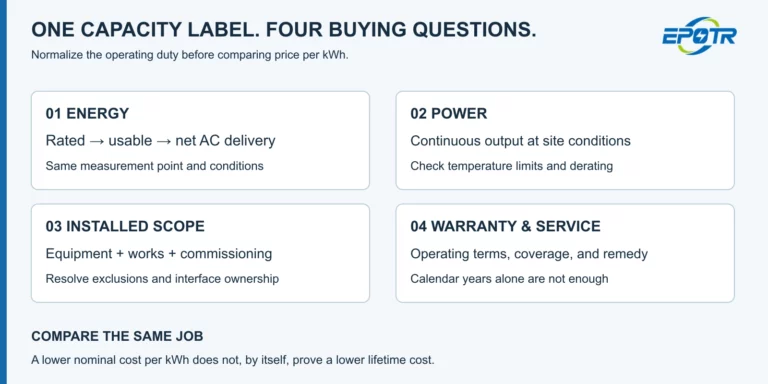
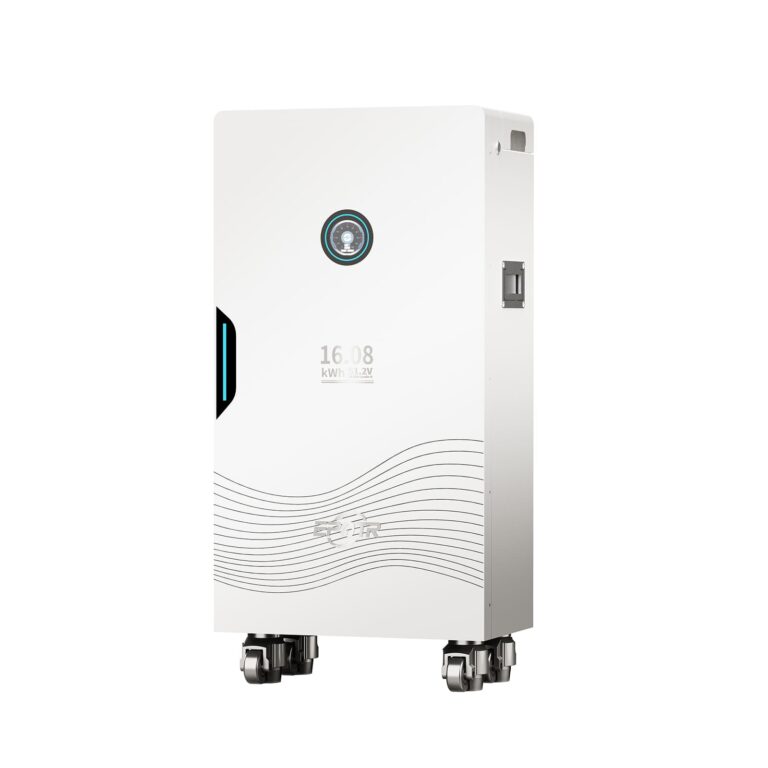
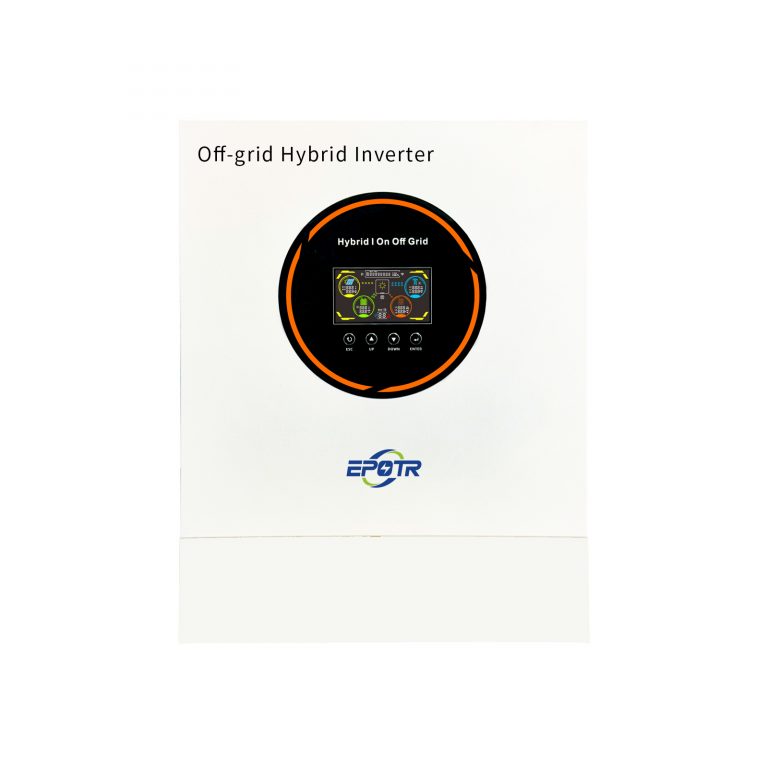
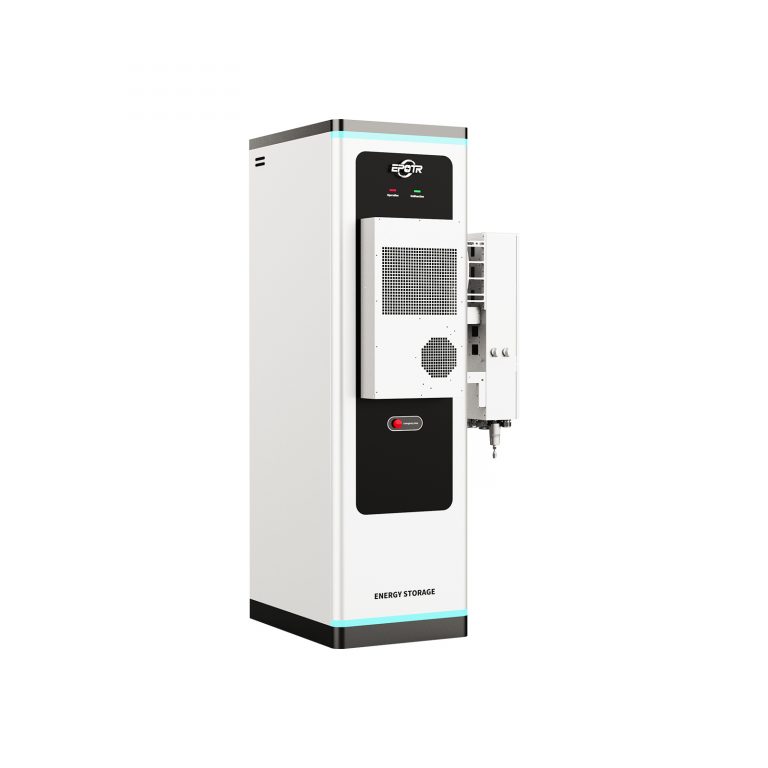
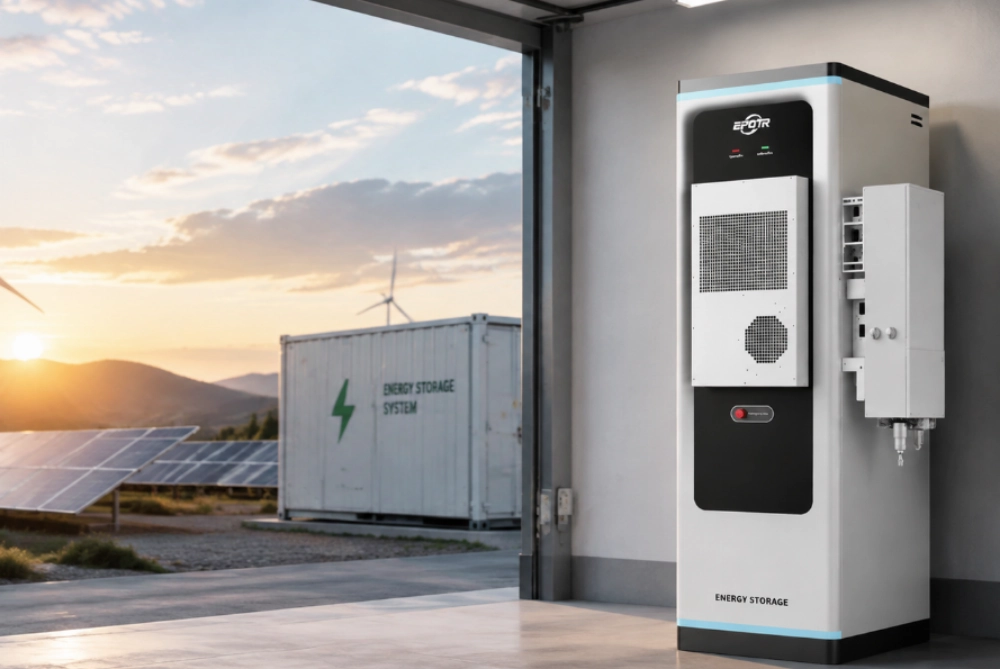
The EP2 All-in-One Hybrid Energy Storage System can suit compact C&I installations when its power and energy ratings match the measured duty; the model should be checked against motor starting, expected discharge duration, ambient temperature, and future load growth.
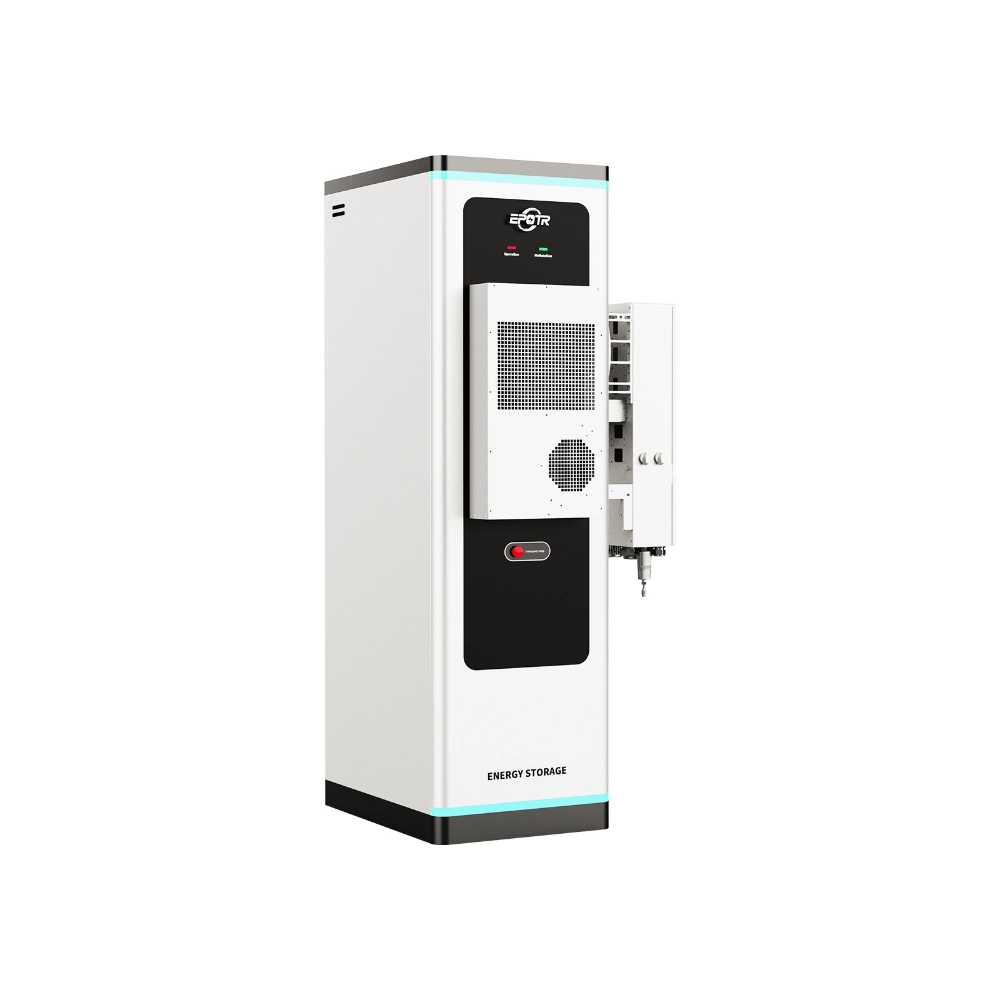
Where a project may expand from one site or capacity class to another, EPOTR can be compared by monitoring, control integration, service access, and how clearly operating limits are documented for the workshop team.
Procurement Checks That Prevent Expensive Rework
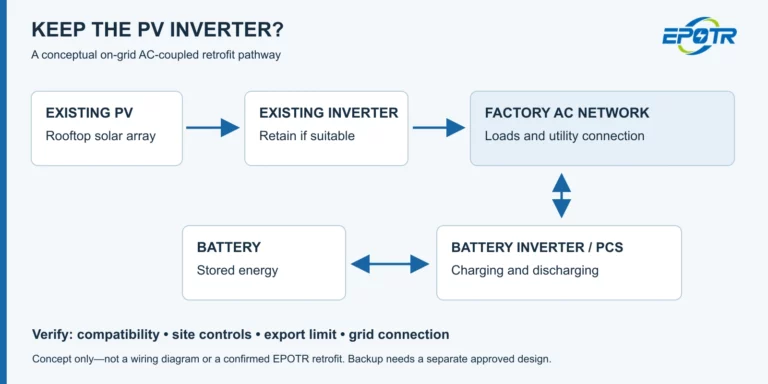
Ask whether the ESS will operate grid-tied, off-grid, or hybrid; whether photovoltaic input is included; and whether the system must communicate with existing switchgear. Check whether the battery cabinet can be delivered, moved, and installed through the site’s actual doorways and floor paths.
A practical acceptance test should include charging, discharging, alarm response, communication, emergency stop, and a simulated load-transfer event. These checks catch integration problems before the system is treated as production infrastructure.
Field Verification Before Purchase
EP2 All-in-One Hybrid Energy Storage System selection should be checked against the site’s real electrical behavior. A single capacity number cannot describe starting current, reserve energy, charge timing, voltage fluctuation, or how the system should respond when the grid becomes unstable. The practical verification starts with a load list and then moves to operating priority.
For energy-storage projects, the most useful field data is usually ordinary: appliance or equipment wattage, peak-demand records, outage duration, local temperature, installation photos, cable distance, and available space for service. These inputs prevent the design from being built around a perfect condition that never occurs at the site.
A commissioning checklist should include charge behavior, discharge behavior, alarm response, emergency isolation, communication, and a short simulated load event. If solar input is involved, sunny-day and cloudy-day expectations should be discussed separately so the battery reserve is not consumed at the wrong time.
Questions That Make the Specification More Useful
Which loads must keep running, and which loads can be disconnected during a grid event?
What reserve state of charge should remain available after daily peak shaving?
Where will the equipment be installed, and how will heat, dust, water, and service clearance be controlled?
Does the project require remote monitoring, generator coordination, photovoltaic input, or future capacity expansion?
Operating Checks for EP2 All-in-One Hybrid Energy Storage System
A practical design review should separate normal operation from abnormal operation. Normal operation covers daily charge and discharge, tariff response, solar self-consumption, and routine monitoring. Abnormal operation covers grid loss, emergency stop, communication failure, overload, and the moment when the system must protect itself instead of continuing discharge.
The electrical single-line diagram should be checked before any final price comparison. It shows whether the storage system connects behind an existing switchboard, through a dedicated cabinet, or as part of a larger solar-storage system. That drawing also clarifies metering, protection, earthing, and cable distance.
Battery reserve is a commercial decision as much as a technical setting. A higher reserve protects backup reliability but leaves less energy for peak shaving. A lower reserve may improve daily utilization but can disappoint the site during an unplanned outage. The reserve rule should match the cost of downtime.
After installation, the first month of monitoring should be treated as a tuning period. Load behavior, ambient temperature, alarm history, and state-of-charge movement can reveal whether the original assumptions were too optimistic or too conservative.
Use a 15-Minute Load Profile to Set Power and Energy Separately
Monthly electricity bills are useful for cost context, but they hide the shape of demand. Fifteen-minute interval data shows whether a high peak lasts for one interval, repeats for several hours, or comes from a short motor-start event that a standard demand meter barely describes. Overlaying the equipment schedule on that curve helps separate a PCS power requirement from the battery energy needed to hold the target reduction for the full peak window.
Outage sizing should be run as a second case. List the loads that must stay online, their normal kW, any starting surge, and the maximum acceptable outage duration. Some workshops only need enough time for a controlled shutdown; others need continuous ventilation, controls, or process equipment until the grid returns. Keeping this case separate prevents daily peak shaving from consuming the reserve intended for reliability.
Finally, test a low-SOC and hot-ambient condition in the model. Available power and usable energy can be constrained by operating limits at the exact moment the site most needs support. A quotation that includes these boundary conditions is easier to commission and less likely to disappoint operators after installation.
FAQ
What is the difference between C&I ESS backup and peak shaving?
Backup keeps selected loads running during grid interruption, while peak shaving discharges the battery during high-demand periods to reduce demand peaks. One system can do both, but the reserve and schedule rules must be defined.
What load data is needed before sizing a workshop ESS?
Useful data includes 15-minute demand history, essential-load wattage, motor starting current, outage duration target, voltage, operating schedule, and whether solar charging will be added.
Why should product selection wait until after the load curve review?
The load curve shows whether the site needs more inverter power, more battery capacity, stronger surge behavior, or a different control strategy. Choosing hardware before that review often leads to oversizing or under-protection.
Quote the ESS from the Load Profile, Not the Peak Number
A final quotation should use the ep2 all-in-one hybrid energy storage system category after critical loads, peak-shaving windows, reserve SOC, charging source, and site electrical constraints have been defined in writing.